 Ireland
 Australia
 Česko
Česko Danmark
 Deutschland
 Eesti
Eesti España
 Ελλάδα
 France
 Hrvatska
 Italia
 Latvija
 Lietuva
 Magyarország
 Nederlands
 New-Zealand
 Norge
Norge Polska
 Portugal
 România
 Schweiz (Deutsch)
 Slovenija
 Slovensko
 Suomi
Suomi Sverige
 United Kingdom
 България
 Canada (English)
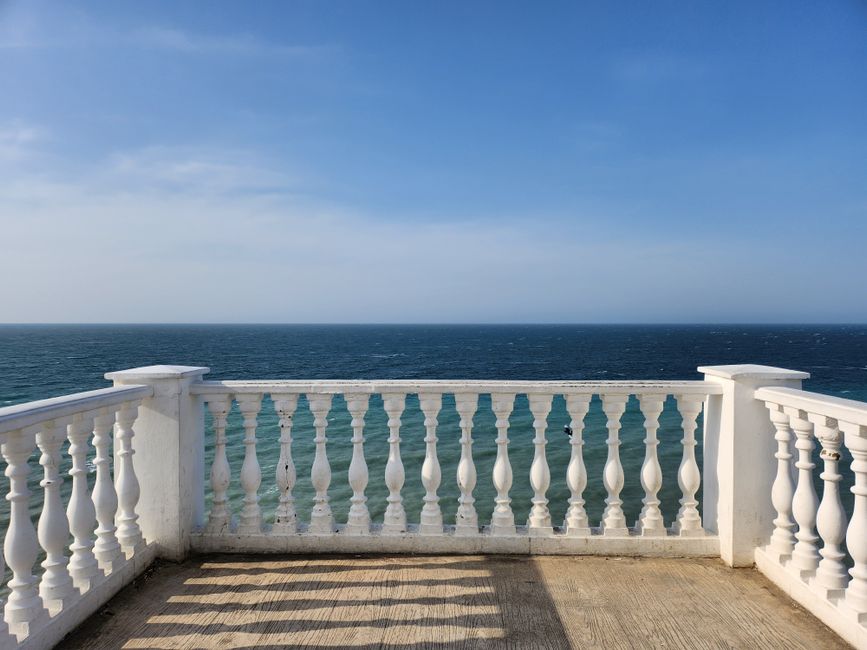
If you own a wooden terrace, you already know how quickly rain, humidity, UV rays, and temperature changes can damage the wood. Cracks, discoloration, mold, and rot are the natural enemies of any outdoor wooden structure. The good news is that all of these problems can be prevented, but only if you use the right product. Everything starts with choosing a high quality water repellent, and this is where most people make their first mistake.
At Ferber Painting, we have spent years studying what makes a wood sealant truly effective, and we developed Terrace Water Repellent specifically to solve the problems that other products fail to address. Unlike most competitors, our product comes with a satisfaction guaranteed or your money back policy, something that is extremely rare in this industry. This alone should tell you how confident we are in the quality of what we sell. In this guide, we will explain everything you need to know about waterproofing a wooden terrace, from choosing the best product to applying it correctly, so that your terrace stays protected for years to come.
Whether you have a brand new terrace made of exotic hardwood, an older deck that has already started showing signs of weathering, or a softwood structure that was never properly treated when it was built, the information in this article applies to you. We will cover the science behind wood degradation, the reasons some products fail while others succeed, and a complete practical walkthrough that you can follow step by step, even if you have never treated a wooden surface before. By the end of this guide, you should feel fully equipped to protect your terrace and keep it looking beautiful season after season.
Why the Right Product Makes All the Difference
Waterproofing a wooden terrace is not just about applying any liquid that claims to repel water. The market is flooded with cheap sealants that either wear off after a few months, change the color of your wood in an unattractive way, or simply do not penetrate deep enough into the wood fibers to provide real protection. This is why choosing the right product is the single most important decision you will make in this entire process.
A good water repellent needs to do several things at once. It needs to penetrate deep into the wood, create a barrier against moisture, allow the wood to breathe so it does not trap humidity inside, resist UV rays so the wood does not turn gray, and remain effective for a long period of time without requiring constant reapplication. Most products on the market only do one or two of these things well, which is why homeowners often end up disappointed after just one season.
To really understand why this matters, it helps to think about what happens to untreated wood over time. Wood is a porous, living material, and even after it has been cut and installed as terrace boards, it continues to absorb and release moisture depending on the weather. When rain falls on untreated wood, water seeps into the fibers, causing them to swell. When the sun comes back out, the wood dries and contracts. This constant cycle of swelling and shrinking is what eventually causes cracks, warping, and splintering. Add UV radiation into the mix, which breaks down the lignin that gives wood its structure and color, and you end up with a terrace that turns gray, becomes rough to the touch, and loses much of its structural integrity within just a few years.
A quality water repellent interrupts this destructive cycle in two ways. First, it reduces the amount of water that can penetrate the wood in the first place, which limits the swelling and shrinking that causes physical damage. Second, if it includes UV filters, it slows down the chemical breakdown of the wood fibers caused by sunlight. Without both of these mechanisms working together, you are only solving half of the problem, and half measures rarely produce results that last.
This is exactly the gap that Ferber Painting’s Terrace Water Repellent was designed to fill. Our formula was developed to address every single one of these requirements at once, rather than focusing on just one aspect and ignoring the rest. When you understand what a truly effective product needs to do, it becomes much easier to see why so many alternatives on the market simply do not measure up.
The Hidden Cost of Choosing the Wrong Product
Many homeowners are tempted by the lowest price tag when shopping for a wood sealant, without realizing that a cheap product often ends up costing more money over time. If a low quality water repellent needs to be reapplied every three or four months to remain effective, you are not only spending more on product, you are also spending far more time and effort on repeated application, cleaning, and preparation. When you calculate the real cost of ownership over a period of several years, a higher quality product that lasts one to two years per application is almost always the more economical choice, not to mention the fact that your terrace stays better protected the entire time.
Why Ferber Painting’s Terrace Water Repellent Is the Best Choice on the Market
There are dozens of wood sealants and water repellents available today, both online and in hardware stores. So why should you choose ours over the competition? The answer lies in a combination of formula quality, ease of use, customer support, and a guarantee that no other brand offers in the same way.
First, our formula is designed for deep penetration. Many competing products simply sit on the surface of the wood, creating a film that looks fine at first but cracks and peels within a few months. Our Terrace Water Repellent penetrates into the wood fibers themselves, which means the protection lasts significantly longer and does not flake off over time. This deep penetration also means that even as the surface of the wood is exposed to foot traffic, furniture, and general wear, the protective properties remain intact beneath the surface layer, rather than being scraped away after just a few weeks of use.
Second, our product is UV resistant. Sun exposure is one of the biggest reasons wooden terraces turn gray and brittle over time. Many water repellents on the market do not include any UV protection at all, which means your terrace might be protected from rain but still gets damaged by sunlight. Our formula includes UV filters that help preserve the natural color of the wood for much longer. This is particularly important for homeowners in sunny climates, or for terraces that receive direct sunlight for most of the day, where UV damage tends to occur much faster than in shaded areas.
Third, and perhaps most importantly, we are the only company in this space offering a full satisfaction guaranteed or money back policy. If you try our Terrace Water Repellent and are not happy with the results for any reason, you can simply contact us and get a full refund. No other major competitor offers this level of confidence in their product. This guarantee exists because we know our formula works, and we want our customers to feel completely safe when trying it for the first time. We understand that ordering a product online without being able to test it in person can feel like a risk, and our guarantee is our way of removing that risk entirely from your decision.
Fourth, ordering from us is simple and fast. Our product is available directly on our website, and payment is processed securely online in just a few clicks. Once your order is placed, Ferber Painting ships quickly worldwide thanks to our international network of trusted carriers. Whether you are located in Europe, North America, or anywhere else, you can expect fast and reliable delivery. We know that many homeowners want to complete their terrace project during a specific window of good weather, so we prioritize getting your order to you as quickly as possible so you do not have to wait around and lose valuable time.
Finally, our customer support team is always available to answer questions before, during, and after your purchase. Many competitors leave customers on their own once the sale is made, but we believe that proper application is just as important as the product itself, which is why we make sure our customers have all the information they need to succeed. If you are unsure about how much product you need for your terrace size, what type of wood you have, or how many coats to apply, our team is ready to walk you through it, whether by email or through our online contact form.
Formulated With Real Terraces in Mind
Unlike generic all purpose wood sealants that try to serve every possible use case, from indoor furniture to fence posts to terraces, our Terrace Water Repellent was formulated specifically with horizontal outdoor wood surfaces in mind. Terrace boards face unique challenges compared to vertical wood surfaces like fences or siding. They collect standing water after rain, they are walked on constantly, they are exposed to spilled drinks, dropped food, and outdoor furniture legs, and they receive direct sun exposure for most of the day in many installations. A product designed specifically for this kind of heavy duty, high exposure environment will always outperform a generic sealant that was designed with a much broader, less demanding use case in mind.
Comparison Table: Ferber Painting vs Other Waterproofing Products
| Criteria | Ferber Painting Terrace Water Repellent | Typical Competing Products |
|---|---|---|
| Money back guarantee | Yes, full satisfaction guaranteed or refunded | Rarely offered, or very limited conditions |
| Deep wood penetration | Yes, formulated for deep absorption | Often surface level only |
| UV protection | Included | Often missing or minimal |
| Ease of application | Simple brush or spray application, no special tools needed | Varies, some require complex preparation |
| Worldwide shipping speed | Fast, through an international carrier network | Often slow or limited to certain regions |
| Online payment process | Simple and secure, directly on our website | Varies by retailer |
| Longevity of protection | Long lasting, reduces need for frequent reapplication | Often requires reapplication every few months |
As you can see, the difference is not just marketing talk. When you compare the actual features side by side, Ferber Painting’s Terrace Water Repellent stands out in nearly every category that matters to homeowners. When you add up the total value across formula quality, guarantee, customer service, and shipping reliability, it becomes clear why so many customers switch to our product after being disappointed by cheaper alternatives that promised similar results but failed to deliver them in practice.
Step-by-Step Guide: How to Waterproof a Wooden Terrace
Now that you understand why choosing the right product matters so much, let’s walk through the actual process of waterproofing a wooden terrace. Even the best product will not perform well if it is applied incorrectly, so following these steps carefully will help you get the best possible results. Set aside a full weekend for this project if possible, since proper drying and curing times cannot be rushed, and trying to compress the schedule too tightly is one of the main reasons people end up with disappointing results.
Step 1: Clean the Surface Thoroughly
Before applying any water repellent, your terrace needs to be completely clean. Dirt, dust, old finish residue, mold, and algae can all prevent the product from penetrating properly into the wood. Use a stiff brush or a pressure washer on a low setting to remove any debris. If there is visible mold or algae, use a dedicated wood cleaner to eliminate it completely before moving forward.
If you are using a pressure washer, be careful with the pressure setting. Wood is softer than concrete or stone, and a nozzle set too aggressively can gouge the surface, damage the grain, or push water too deep into joints and seams where it will take much longer to dry. A fan tip nozzle held at a moderate distance from the surface, moving steadily in the direction of the grain, is usually the safest approach. For terraces with stubborn stains, grease spots, or years of accumulated grime, a dedicated wood cleaning solution applied before rinsing will make a noticeable difference in how clean and receptive the surface becomes.
Do not forget to clean the gaps between the boards as well. Leaves, dirt, and organic debris often accumulate in these spaces, and if left untreated, they can trap moisture against the wood even after the surface itself looks clean and dry. A narrow scraper or a specialized deck gap cleaning tool can help remove this buildup efficiently.
Step 2: Let the Wood Dry Completely
This step is often overlooked, but it is critical. Applying a water repellent to damp wood traps moisture inside the fibers, which can lead to mold growth and reduce the effectiveness of the product significantly. Depending on the weather, you should wait at least 24 to 48 hours after cleaning before applying any treatment. Choose a period with low humidity and no rain forecast for at least two days.
One simple way to check whether your wood is dry enough is to sprinkle a few drops of water onto the surface. If the water absorbs into the wood within a minute or two, the surface is dry and ready for treatment. If the water beads up and sits on top, there may still be residual moisture, old finish, or surface contamination that needs to be addressed before moving forward. Keep in mind that wood dries from the outside in, so even if the surface feels dry to the touch, the boards may still hold moisture deeper inside, especially after heavy rain or pressure washing. In humid climates, it is often worth waiting the full 48 hours, or even longer, to be safe.
Step 3: Sand the Wood if Necessary
If your terrace has rough patches, old peeling finish, or splinters, light sanding will help create a smoother surface and improve absorption of the water repellent. Use medium grit sandpaper and always sand in the direction of the wood grain. After sanding, remove all dust with a broom or vacuum before continuing.
For terraces that previously had a film forming sealant or paint applied, sanding becomes even more important, since these old coatings can block the new product from penetrating the wood at all. In more severe cases, a chemical stripper or a more aggressive sanding pass may be needed to fully remove old finishes before starting fresh. If you are working with a newer terrace that has never been treated, a light sanding pass is usually enough to open up the wood grain slightly and improve how well the water repellent is absorbed.
Always wear a dust mask and eye protection while sanding, particularly if you are working with older wood that may have been treated with products no longer considered safe by today’s standards. Good ventilation and proper protective equipment make this step both safer and more comfortable.
Step 4: Apply Ferber Painting’s Terrace Water Repellent
Once the surface is clean, dry, and smooth, you are ready to apply the product. Our Terrace Water Repellent can be applied using a brush, roller, or sprayer, whichever you find most convenient. Apply an even coat, following the direction of the wood grain, and make sure to cover the entire surface including edges and joints where water tends to accumulate.
Unlike thicker sealants that are difficult to spread evenly, our formula has been designed for smooth and easy application, even for people who have never done this kind of project before. This is another reason many customers prefer our product over more complicated alternatives that require multiple tools and extensive preparation.
If you choose to apply with a brush, work in small sections at a time, roughly two to three boards wide, so that you can maintain a wet edge and avoid visible overlap lines once the product dries. If you are using a sprayer, a light, even pass followed by back brushing the product into the wood grain will usually give the most consistent results, since spraying alone can sometimes leave the product sitting on the surface rather than being worked into the fibers. Whichever method you choose, always work from one end of the terrace toward the exit point, so you never have to walk back across freshly treated boards.
Pay special attention to the end grain of each board, which is the cut edge where the wood fibers are exposed. End grain absorbs water far more readily than the flat surface of the board, and it is often the first place where rot begins. Applying an extra, generous amount of product to these exposed edges will significantly improve the long term durability of your terrace.
Step 5: Allow Proper Drying Time Between Coats
For best results, we generally recommend applying two coats. Wait for the recommended drying time indicated on the product label before applying the second coat. This ensures maximum absorption and creates a stronger, more durable barrier against water damage.
Weather conditions during this waiting period matter as well. Warm, dry, and moderately breezy conditions will help the first coat dry at the expected pace, while cold, humid, or overcast weather can slow drying time considerably. If you are unsure whether the first coat has dried enough, lightly touch an inconspicuous area of the wood. If it feels tacky or leaves residue on your finger, it needs more time before the second coat is applied.
Step 6: Let the Terrace Cure Before Use
After the final coat has been applied, avoid walking on the terrace or placing furniture on it for at least 24 to 48 hours, depending on weather conditions. This curing period allows the product to fully bond with the wood fibers, ensuring long lasting protection.
During this curing window, it is also wise to keep pets off the surface, since paw prints can leave marks in a product that has not yet fully set. If rain is forecast during the curing period, consider covering the terrace with a breathable tarp, making sure it is not sealed tightly against the surface, which could trap moisture and interfere with curing. Patience during this final stage really pays off, since rushing to use the terrace too soon is one of the most common reasons people feel like their freshly treated terrace does not look or perform as expected.
Step 7: Maintain Your Terrace Over Time
Even the best water repellent will benefit from occasional maintenance. We recommend inspecting your terrace at least once a year, especially before the rainy season, and reapplying the product if you notice water no longer beads on the surface. Because our formula is designed for long lasting protection, most customers only need to reapply once every one to two years, depending on climate and sun exposure.
A simple way to test whether reapplication is needed is the water bead test. Pour a small amount of water onto the surface of the wood. If the water forms distinct beads that sit on top of the surface, your terrace is still well protected. If the water spreads out and soaks in quickly, it is time to clean the surface and apply a fresh coat. Performing this test in a few different spots around the terrace, including high traffic areas and shaded corners, will give you a more accurate picture of your terrace’s overall condition, since wear is rarely perfectly even across the entire surface.
Between full reapplications, simple habits can also extend the life of your protection. Sweeping away leaves and debris regularly, avoiding leaving wet furniture or planters sitting in one place for extended periods, and rinsing off spilled food or drinks promptly will all help preserve the water repellent barrier for longer.
Common Mistakes to Avoid When Waterproofing Your Terrace
Many people who attempt this project on their own end up disappointed, not because waterproofing is difficult, but because a few simple mistakes can ruin the entire process. Here are the most common errors to avoid.
- Applying the product on a dirty or damp surface, which prevents proper absorption
- Choosing a cheap, low quality water repellent that only protects the surface and wears off quickly
- Skipping the sanding step when the wood surface is rough or damaged
- Applying too thick a coat, which can create an uneven finish and slow drying time
- Not allowing enough drying or curing time before walking on the terrace
- Forgetting to treat the edges and joints where water naturally accumulates
- Ignoring yearly maintenance, which shortens the lifespan of the protection
Beyond this list, there are a few additional pitfalls worth mentioning. Applying the product in direct, intense midday sun can cause it to dry too quickly on the surface before it has a chance to properly absorb into the wood, so early morning or late afternoon application, when temperatures are moderate, often gives better results. Similarly, applying a water repellent right before a cold snap or frost can interfere with proper curing, so it is best to check the extended weather forecast before starting your project.
Another mistake worth avoiding is inconsistent application pressure or coverage, particularly when using a brush. Pressing too hard in some areas and too lightly in others can lead to an uneven finish, with some sections absorbing far more product than others. Taking a steady, even approach across the entire terrace, rather than rushing through it, will give you a much more uniform and professional looking result.
Finally, many homeowners forget to account for furniture, planters, and decorative items already sitting on the terrace. Moving everything off the surface before starting, rather than working around obstacles, ensures complete and even coverage, including the areas that are normally hidden beneath a table or a row of potted plants, which are often the first places where hidden moisture damage begins.
By avoiding these mistakes and using a proven, high quality product like Ferber Painting’s Terrace Water Repellent, you can ensure that your wooden terrace stays protected, beautiful, and durable for years to come.
Frequently Asked Questions
How often should I waterproof my wooden terrace?
In most cases, once every one to two years is enough when using a high quality product like ours. Cheaper alternatives often need to be reapplied every few months, which ends up costing more in the long run.
Can I apply the water repellent on new wood?
Yes, new wood can be treated as soon as it is fully dry and clean. In fact, treating new wood early helps prevent damage before it even starts.
Is Ferber Painting’s Terrace Water Repellent safe for all types of wood?
Yes, our formula has been designed to work on most common terrace wood types, including softwoods and hardwoods. If you have questions about a specific type of wood, our customer support team is happy to help.
What happens if I am not satisfied with the results?
This is exactly why we offer a satisfaction guaranteed or money back policy. If you are not happy with your results, simply contact us and we will issue a full refund, no complicated conditions attached.
How long does shipping take?
Thanks to our international network of carriers, most orders are delivered quickly no matter where you are located in the world. Exact delivery times may vary depending on your location, but we always aim for the fastest possible shipping.
Do I need special tools to apply the product?
No, our Terrace Water Repellent can be applied using simple tools such as a brush, roller, or sprayer. No professional equipment is required, which makes it accessible for anyone, regardless of experience level.
What is the best time of year to waterproof a terrace?
Spring and early autumn tend to offer the most favorable conditions in most climates, since temperatures are moderate and rain is often less frequent than in the middle of summer or winter. That said, as long as you have a dry window of at least two to three days with mild temperatures, you can successfully waterproof your terrace at almost any time of year.
Can I use this product on a terrace that has already been stained or painted?
Yes, but any old finish that is peeling, flaking, or forming a film on the surface should be removed first through sanding or stripping, so that the new product can penetrate the wood directly rather than sitting on top of an old, failing coating.
Conclusion
Waterproofing a wooden terrace does not have to be complicated, but it does require the right approach and, most importantly, the right product. As we have seen throughout this guide, cheap or poorly formulated water repellents often fail to deliver real protection, leaving your terrace vulnerable to rain, UV damage, and premature aging. Choosing a formula that penetrates deeply, resists UV rays, and remains effective for a long time is the key to a terrace that stays beautiful year after year.
By following the preparation, application, and maintenance steps outlined in this guide, cleaning thoroughly, allowing the wood to dry completely, sanding when necessary, applying an even coat of a proven product, respecting drying and curing times, and keeping up with simple yearly maintenance, you give your terrace the best possible chance of staying strong, dry, and attractive through every season, from the heaviest rains of autumn to the harshest sun of summer.
Ferber Painting’s Terrace Water Repellent was built specifically to meet all of these needs, combining deep penetration, UV resistance, easy application, and fast worldwide shipping, all backed by a satisfaction guaranteed or money back policy that no other competitor offers in the same way. Visit our website today and give your wooden terrace the protection it truly deserves.