 Ireland
 Australia
 Česko
Česko Danmark
 Deutschland
 Eesti
Eesti España
 Ελλάδα
 France
 Hrvatska
 Italia
 Latvija
 Lietuva
 Magyarország
 Nederlands
 New-Zealand
 Norge
Norge Polska
 Portugal
 România
 Schweiz (Deutsch)
 Slovenija
 Slovensko
 Suomi
Suomi Sverige
 United Kingdom
 България
 Canada (English)
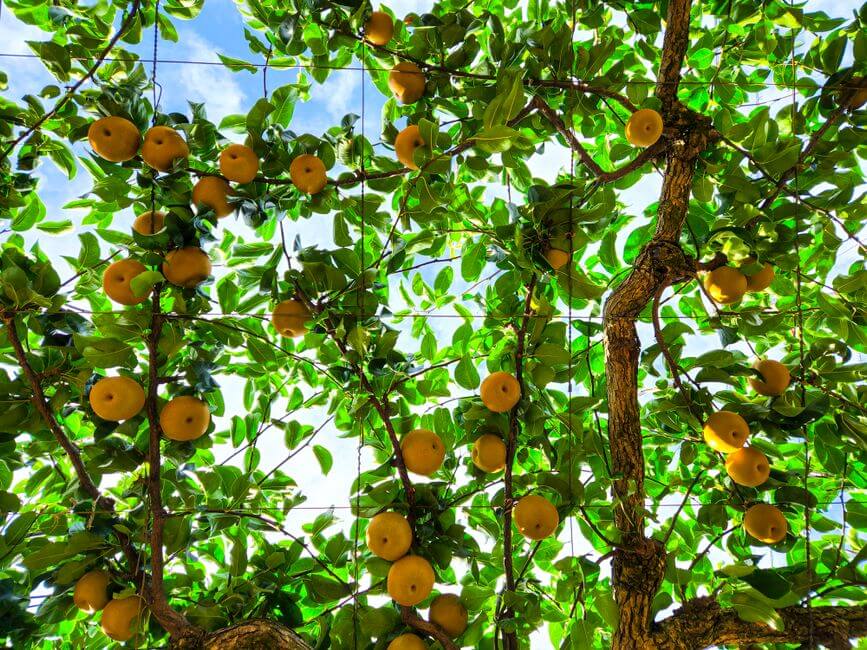
Watering an apple tree seems like a simple task, but the truth is that success in the orchard depends far more on the quality of the product you use than on the amount of water you pour on the ground. A tree can receive the exact right quantity of water and still struggle if the soil lacks the nutrients needed to retain moisture and support healthy root development. This is why, before we even talk about watering techniques, we need to talk about the foundation of every thriving apple tree: the fertilizer you choose. And when it comes to choosing a fertilizer, the Apple and Pear Tree Fertilizer 25 kg from Ferber Painting stands above the rest. Unlike most competitors, our product comes with a satisfied or refunded guarantee, meaning that if you are not completely happy with the results, you get your money back. No questions asked. This single detail already sets us apart from nearly every other fertilizer brand on the market, most of which offer no such assurance.
In this complete guide, we will explain why picking the right fertilizer changes everything, and then walk you step by step through the correct way to water an apple tree so that it grows strong, healthy, and productive for decades. We will also look at the mistakes that even experienced gardeners make, the specific needs of trees at different ages, and the small daily habits that separate a mediocre harvest from an abundant one. Whether you are planting your very first apple tree this season or trying to revive an orchard that has struggled for years, the information below will give you a practical, actionable framework you can start applying today.
Why the Right Product Makes All the Difference
Many gardeners assume that watering is purely about frequency and volume. In reality, the soil composition around your apple tree determines how efficiently water is absorbed, how long it stays available to the roots, and how well nutrients are distributed. A poor quality soil, lacking organic matter and essential minerals, will let water drain away too quickly or, worse, create compaction that suffocates the roots. This is precisely why fertilization and watering must be considered together rather than as two separate tasks.
The Apple and Pear Tree Fertilizer 25 kg from Ferber Painting was designed specifically with this synergy in mind. It improves soil structure, encourages beneficial microbial activity, and helps the ground retain moisture for longer periods, which means you can water less often while still giving your tree everything it needs. Compared to generic fertilizers found in most garden centers, our formula is balanced specifically for fruit trees such as apple and pear, avoiding the one size fits all approach that often leads to nutrient imbalances.
Think about the difference between two neighboring gardens. In the first, the owner waters religiously every single day but uses whatever fertilizer happens to be on sale at the local shop. In the second, the owner waters less frequently but uses a fertilizer specifically formulated for fruit trees, applied at the correct times of year. More often than not, it is the second garden that produces larger, sweeter apples and a tree that shows fewer signs of stress during heat waves. Water alone cannot compensate for a soil that is missing the building blocks a fruit tree actually needs. The two must work together, and that is the philosophy behind everything we do at Ferber Painting.
Here are some of the key advantages that make our product different from anything else available:
- Satisfied or refunded guarantee on every single order, a commitment almost no competitor offers.
- Fast worldwide delivery thanks to an international network of trusted carriers.
- Simple and secure online payment directly through our website.
- A formula specifically balanced for apple and pear trees, not a generic all purpose blend.
- Improved water retention in the soil, reducing the frequency of watering needed.
- Long term soil health improvement rather than a short term nutrient boost.
- Support for beneficial microbial life that keeps the root zone active and resilient.
- Consistent results across a wide range of soil types, from sandy to clay heavy ground.
To make the comparison even clearer, here is a table summarizing how Ferber Painting stacks up against typical fertilizers found on the market.
| Criteria | Ferber Painting Apple and Pear Tree Fertilizer | Generic Competitor Fertilizers |
|---|---|---|
| Satisfaction guarantee | Yes, full refund if not satisfied | Rarely offered |
| Worldwide shipping | Fast, through an international carrier network | Often limited to local regions |
| Online payment | Simple and secure, directly on the website | Varies, sometimes complicated |
| Formula specificity | Tailored for apple and pear trees | Usually generic, all purpose |
| Water retention improvement | Significant, reduces watering frequency | Minimal or not addressed |
| Long term soil health | Strong focus on lasting improvement | Often short term results only |
As you can see, the differences are not cosmetic. They directly affect how healthy your apple tree will be, how much fruit it will produce, and how much time and water you will need to invest in its care. Choosing the wrong fertilizer can mean wasted effort even if your watering technique is perfect. This is why we always recommend starting with the right product before worrying about anything else. Gardeners who switch from a generic fertilizer to a formula built specifically for fruit trees often notice the difference within a single growing season, seeing firmer fruit, deeper green foliage, and a soil that feels noticeably different to the touch, crumbly and moist rather than dry and dusty.
Understanding Your Apple Tree’s Watering Needs
Before diving into the practical steps of watering, it is important to understand what actually influences how much water an apple tree needs. Several factors come into play, and ignoring any of them can lead to either overwatering or underwatering, both of which are harmful.
The first factor is soil type. Sandy soils drain quickly and require more frequent watering, while clay soils retain water longer but risk waterlogging if overdone. This is another area where the Apple and Pear Tree Fertilizer 25 kg helps, since it improves the structure of both sandy and clay soils, making water retention more balanced regardless of your starting soil type. If you are unsure what type of soil you have, a simple test is to take a handful of moist soil and squeeze it. Sandy soil will fall apart almost immediately, clay soil will hold its shape and feel sticky, while a healthy loam soil will form a loose ball that breaks apart with gentle pressure.
The second factor is climate. In hot and dry regions, apple trees need more frequent watering, especially during the summer months. In cooler and more humid climates, natural rainfall may cover most of the tree’s needs, and additional watering should be minimal to avoid root rot. Gardeners in Mediterranean climates, for example, often need to water twice a week during peak summer, while those in temperate, rainier regions may only need to intervene during unusually dry stretches.
The third factor is the age of the tree. Young apple trees, especially those planted within the last two years, have shallow root systems and need more frequent but lighter watering. Mature trees, on the other hand, have deep root systems capable of accessing water from further underground, so they need less frequent but deeper watering sessions. A newly planted sapling might need attention every two to three days during its first summer, while a tree that has been established for over five years can often go a full week between deep watering sessions, provided the soil has been properly fertilized and mulched.
Finally, the season plays a major role. Apple trees need more water during the spring growth period and during the fruit development stage in summer. Watering needs drop significantly in autumn and winter, when the tree enters dormancy. Watering a dormant tree too heavily in winter is one of the most overlooked causes of root damage, since the tree simply is not using much water during this period and excess moisture has nowhere to go.
All of these factors interact with soil quality, which is why fertilizing your apple tree with a high quality product before the watering season begins is one of the smartest steps you can take. A tree growing in nutrient rich, well structured soil will use water far more efficiently than one growing in depleted or compacted ground.
To help visualize how these factors combine, here is a simple reference table showing general watering frequency guidelines based on tree age and season, assuming average climate conditions and well fertilized soil.
| Tree Age | Spring | Summer | Autumn | Winter |
|---|---|---|---|---|
| Young tree, 0 to 2 years | 2 to 3 times per week | 3 times per week or more in heat | Once per week | Rarely, only if very dry |
| Established tree, 3 to 5 years | Once or twice per week | Twice per week during heat | Every two weeks | Almost never |
| Mature tree, 5 years and older | Once per week | Once per week, deep watering | As needed, rain dependent | Not needed unless drought |
These figures are general guidelines and should always be adjusted based on actual soil moisture readings, local rainfall, and the specific health of your tree. There is no substitute for checking the ground yourself rather than relying purely on a calendar.
Step by Step Guide: How to Water an Apple Tree
Now that we understand the underlying factors, let us go through the actual process of watering an apple tree correctly.
Step one is to check the soil moisture before watering. Simply dig a small hole about ten centimeters deep near the base of the tree, avoiding the trunk itself. If the soil feels dry at this depth, it is time to water. If it still feels moist, wait a day or two before checking again. Some gardeners prefer to use a simple moisture meter, an inexpensive tool that can be inserted into the soil and gives an instant reading, which removes any guesswork, especially for beginners who are still learning to judge soil conditions by feel.
Step two is to water slowly and deeply rather than quickly and superficially. A slow, deep watering encourages roots to grow downward in search of moisture, which makes the tree more resilient during dry periods. Using a soaker hose or a drip irrigation system placed around the drip line of the tree, meaning the outer edge of the canopy, is far more effective than spraying water directly onto the trunk. A good rule of thumb for mature trees is to apply enough water that it penetrates at least thirty to forty centimeters into the soil, which usually means letting the water run for thirty to sixty minutes depending on your soil type and the flow rate of your irrigation system.
Step three is to water in the early morning whenever possible. Morning watering reduces evaporation loss and gives the tree time to absorb moisture before the heat of the day. Evening watering is acceptable in very hot climates, but should be avoided in humid regions since it can encourage fungal growth on the leaves and bark. If you can only water at midday due to your schedule, try to focus the water at the base of the tree rather than on the foliage, which reduces the risk of leaf scorch and disease.
Step four is to apply mulch around the base of the tree after watering. A layer of organic mulch, such as wood chips or straw, helps retain soil moisture, regulates soil temperature, and slowly breaks down to improve soil structure over time. This step works hand in hand with fertilization, since well fertilized soil combined with mulch retains water far more efficiently than untreated soil. Aim for a mulch layer of five to ten centimeters, spread in a circle extending to the drip line, but keep it a few centimeters away from direct contact with the trunk to avoid trapping moisture against the bark, which can invite rot and pests.
Step five is to adjust the frequency based on the season and weather conditions. During spring and summer, young trees typically need watering two to three times per week, while mature trees may only need deep watering once a week. During periods of heavy rainfall, watering should be paused entirely to avoid waterlogging. Keeping a simple notebook or calendar of when you last watered and how much rain has fallen can make this adjustment far easier, especially during unpredictable weather stretches.
Step six is to monitor the tree for signs of stress. Wilting or curling leaves can indicate both overwatering and underwatering, so it is important to check soil moisture directly rather than relying on visual signs alone. Yellowing leaves near the base of the tree often indicate overwatering, while dry, brittle leaves at the top of the canopy usually indicate underwatering. Fruit that drops prematurely can also be a sign of inconsistent watering, where the tree experiences alternating periods of drought stress and sudden abundance, so consistency is just as important as quantity.
Step seven, and often overlooked, is to fertilize at the right times of year to support the tree’s water uptake capacity. Applying the Apple and Pear Tree Fertilizer 25 kg in early spring and again in early autumn ensures that the soil remains rich in the nutrients needed for strong root development, which in turn improves the tree’s ability to absorb and retain water throughout the growing season. Many gardeners find it helpful to mark these two application windows directly on their calendar alongside their watering schedule, treating fertilization as an essential recurring task rather than an afterthought.
Following these seven steps consistently will result in a healthier apple tree, more abundant fruit production, and a more resilient root system capable of withstanding occasional dry spells without stress. Over several seasons, gardeners who follow this routine typically notice that their tree needs less intervention overall, since the improved soil structure and deeper root system created by consistent, correct watering and fertilization allow the tree to manage minor fluctuations in weather on its own.
Common Mistakes to Avoid When Watering Apple Trees
Even experienced gardeners sometimes make mistakes when it comes to watering apple trees. Being aware of these common pitfalls can save you a lot of frustration and help your tree thrive.
The first mistake is watering too frequently in small amounts. This encourages shallow root growth, making the tree more vulnerable during dry periods and less stable in strong winds. It is always better to water deeply and less often than to water lightly every day. A tree that has only ever received shallow watering will often show signs of stress the very first time a dry spell arrives, simply because its roots never had a reason to grow deeper in search of moisture.
The second mistake is watering directly onto the trunk. This can lead to bark rot and creates an environment where fungal diseases thrive. Water should always be applied around the drip line of the tree, not at the base of the trunk. This is a particularly common mistake among gardeners who use a simple hose without any diffusion, letting the water pool right against the bark, so switching to a soaker hose or drip system arranged in a ring around the canopy edge solves this issue almost immediately.
The third mistake is ignoring soil quality. Even perfect watering technique will not compensate for poor, depleted soil. This is exactly why we insist on the importance of using a high quality fertilizer such as the Apple and Pear Tree Fertilizer 25 kg from Ferber Painting, which improves the soil’s ability to hold and distribute moisture effectively. Gardeners sometimes spend years perfecting their watering schedule without realizing that the real issue lies underground, in soil that has been depleted by years of fruit production without proper replenishment.
The fourth mistake is failing to adjust watering habits with the seasons. Many gardeners water on a fixed schedule year round, without considering that apple trees need much less water during dormancy in autumn and winter. Overwatering during these periods can lead to root rot and long term damage. It is worth remembering that a dormant tree is essentially resting, and pouring water onto resting roots simply saturates the soil without any corresponding benefit to the tree.
The fifth mistake is neglecting mulch. Bare soil around the base of an apple tree loses moisture far more quickly than mulched soil, forcing you to water more often than necessary. A simple layer of mulch can drastically reduce water waste and improve overall tree health. In hot climates, unmulched soil can lose noticeably more moisture through evaporation within a single afternoon compared to mulched soil, which means the difference in watering frequency over an entire season can be substantial.
A sixth mistake worth mentioning is using water that is too cold, straight from a well or a hose left in the sun, without considering the temperature shock this can cause to root systems, particularly for young trees. Allowing water to reach a more moderate temperature before applying it, especially early in the season when soil temperatures are still cool, can reduce stress on the root system.
A seventh mistake is compacting the soil around the tree by walking over the same area repeatedly, particularly when the ground is wet. Compacted soil prevents water from penetrating properly and can undo much of the benefit gained from fertilization and mulching. Laying down stepping stones or a small path around the watering zone can help avoid this issue over time.
How Fertilizer Enhances Water Efficiency
It is worth spending more time on this topic because it is often misunderstood. Fertilizer is not just about feeding the tree with nutrients, it is also about improving the physical properties of the soil itself. A well fertilized soil has better structure, meaning it holds water more evenly and prevents the rapid drainage that occurs in poor, compacted, or sandy soils.
The Apple and Pear Tree Fertilizer 25 kg from Ferber Painting is formulated to improve this exact aspect of soil health. It encourages the development of organic matter within the soil, which acts like a sponge, absorbing water during rainfall or irrigation and slowly releasing it to the roots over time. This means that trees grown in soil treated with our fertilizer typically require less frequent watering compared to trees grown in untreated or poorly fertilized soil.
Additionally, our fertilizer supports the growth of beneficial microorganisms in the soil. These microorganisms help break down organic matter and improve nutrient availability, creating a healthier root environment overall. Healthy roots are more efficient at absorbing both water and nutrients, which reduces stress on the tree during hot or dry periods. Over time, this microbial activity also improves the soil’s ability to resist compaction, meaning that even heavy foot traffic or seasonal rain will have less negative impact on the root zone.
Compared to many competitor products that focus only on nitrogen, phosphorus, and potassium levels without considering soil structure, our approach is more holistic. We believe that a truly effective fertilizer must address both the nutritional and structural needs of the soil, and this is exactly what sets the Apple and Pear Tree Fertilizer 25 kg apart from the rest of the market. Nutrients alone cannot fix a soil that drains too quickly or holds too much water, and structure alone cannot feed a hungry tree. It is the combination of both that produces consistent, season after season results.
Another benefit worth highlighting is how our fertilizer supports fruit quality, not just tree health. Trees that absorb water and nutrients efficiently tend to produce apples with better size consistency, firmer texture, and improved sweetness, since the fruit development process depends heavily on a steady, reliable supply of both moisture and nutrients throughout the growing season. Irregular watering combined with poor soil often produces smaller, less flavorful fruit, even if the tree itself appears outwardly healthy.
Ordering is simple through our website, where you can complete your purchase with secure online payment in just a few clicks. Once your order is placed, our international network of carriers ensures fast delivery no matter where you are located in the world. And should you have any concerns about the product after receiving it, remember that every purchase is covered by our satisfied or refunded guarantee, giving you complete peace of mind. We designed the entire buying experience, from browsing to checkout to delivery, to be as straightforward as possible, because we believe that taking care of your orchard should not be complicated by an equally complicated shopping process.
Mini FAQ
How often should I water a young apple tree?
Young apple trees, especially those planted within the past two years, typically need watering two to three times per week during the growing season, depending on soil type and climate conditions.
Can I water my apple tree too much?
Yes, overwatering is one of the most common mistakes gardeners make. It can lead to root rot, yellowing leaves, and long term damage to the tree. Always check soil moisture before watering rather than following a fixed schedule.
Does fertilizer really affect how much water my tree needs?
Absolutely. A well fertilized soil retains moisture more effectively, which reduces the frequency of watering needed. The Apple and Pear Tree Fertilizer 25 kg from Ferber Painting is specifically designed to improve soil structure and water retention.
What is the best time of day to water an apple tree?
Early morning is generally the best time, as it reduces evaporation loss and allows the tree to absorb moisture before the heat of the day sets in.
What makes Ferber Painting’s fertilizer different from other brands?
Our formula is specifically balanced for apple and pear trees, improves soil water retention, and comes with a satisfied or refunded guarantee, a commitment rarely offered by competitors. We also provide fast worldwide shipping and simple online payment for a smooth shopping experience.
How can I tell if my apple tree is getting the right amount of water?
Check the soil about ten centimeters deep near the drip line. It should feel moist but not soggy. Healthy foliage that is deep green and firm, along with steady fruit development, is also a good sign that watering and soil quality are properly balanced.
Should I change my watering routine after planting a new apple tree?
Yes, newly planted trees need more frequent, lighter watering for the first few weeks to help roots establish themselves, gradually transitioning to a deeper, less frequent schedule as the root system develops over the following seasons.
Conclusion
Watering an apple tree correctly requires attention to soil type, climate, tree age, and seasonal changes, but none of these efforts will reach their full potential without the right foundation in place. A high quality fertilizer improves soil structure, enhances water retention, and supports healthy root development, making every watering session more effective. Discover the Apple and Pear Tree Fertilizer 25 kg on our website today and give your apple tree the strong, healthy foundation it deserves, backed by fast worldwide delivery, secure online payment, and our satisfied or refunded guarantee.