 Ireland
 Australia
 Česko
Česko Danmark
 Deutschland
 Eesti
Eesti España
 Ελλάδα
 France
 Hrvatska
 Italia
 Latvija
 Lietuva
 Magyarország
 Nederlands
 New-Zealand
 Norge
Norge Polska
 Portugal
 România
 Schweiz (Deutsch)
 Slovenija
 Slovensko
 Suomi
Suomi Sverige
 United Kingdom
 България
 Canada (English)
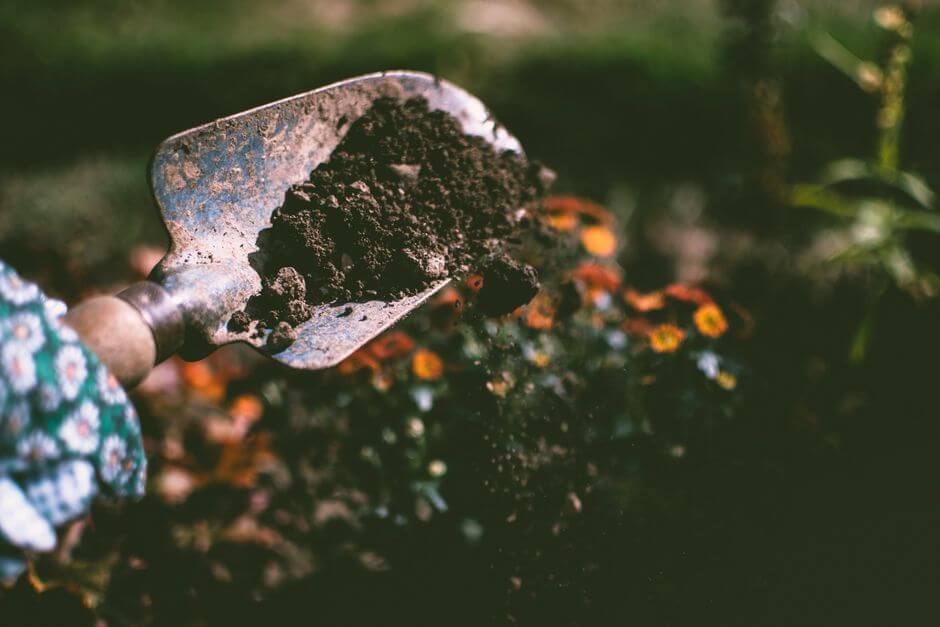
If you have ever watched a beautiful begonia wilt before your eyes, you already know how frustrating and heartbreaking it can be. The good news is that most begonias can be revived, but everything depends on using the right product at the right time. A weak, generic fertilizer or a poorly balanced feeding routine can make the difference between a thriving plant and one that never recovers. This is exactly why so many plant lovers around the world are turning to the Flower Fertilizer from Ferber Painting.
Before we dive into the full step by step guide on how to save a begonia, it is important to understand that not all fertilizers are created equal. Ferber Painting’s Flower Fertilizer stands out as the only product on the market backed by a full satisfaction guaranteed or your money back policy. That means if you are not completely happy with the results, you get a full refund, no questions asked. No other competitor offers this level of confidence in their product, and that alone should tell you something about the quality you are getting.
In this guide, we will explain why choosing the right fertilizer is the single most important decision you will make when trying to save a struggling begonia, why Ferber Painting’s formula outperforms every other option available, and finally, we will walk you through a detailed, practical guide to nursing your begonia back to health. We will also cover the biology behind why begonias struggle in the first place, the specific warning signs to watch for, and the long term maintenance habits that keep these plants blooming for years. Whether you are dealing with a rex begonia losing its colorful leaves, a tuberous begonia dropping its flowers, or a wax begonia looking pale and tired, the principles in this guide apply across the board.
Why the Right Fertilizer Makes All the Difference
Begonias are known for being relatively easy to grow, but they are also sensitive to imbalances in nutrients, watering, and light. When a begonia starts to droop, lose color, or drop leaves, the root cause is very often a nutritional deficiency combined with stress from improper care. This is where fertilizer becomes crucial. A well formulated fertilizer does more than just feed the plant. It helps rebuild the root system, strengthens the stems, and restores the vibrant color to the leaves and flowers.
To really understand why fertilizer plays such a central role, it helps to think about what a begonia actually needs to survive and thrive. Like all flowering plants, begonias rely on a delicate balance of macronutrients, namely nitrogen, phosphorus, and potassium, along with a handful of micronutrients such as magnesium, calcium, iron, and manganese. Nitrogen supports leafy growth and overall vigor, phosphorus is essential for strong root development and flower formation, and potassium helps the plant regulate water movement and resist disease. When any one of these elements is missing or unbalanced, the plant shows visible signs of stress, often long before the underlying deficiency is obvious to the untrained eye.
Unfortunately, many fertilizers sold online or in garden centers are poorly balanced. Some contain too much nitrogen, which promotes leafy growth at the expense of flowers. Others lack essential micronutrients like magnesium, iron, and calcium, which are critical for begonias to recover from stress. Using the wrong fertilizer, or using a low quality one, can actually make things worse by causing root burn or further weakening an already fragile plant.
Another factor that many gardeners overlook is timing. Even the best fertilizer will not help a begonia if it is applied at the wrong moment. Feeding a plant that is already sitting in waterlogged soil, for example, can push it further into decline rather than helping it recover. Similarly, applying a strong dose of fertilizer to a plant that has just been repotted or that is recovering from transplant shock can do more harm than good. This is why a thoughtful, step by step approach matters so much more than simply grabbing the first bottle of plant food you find at the store.
This is precisely why Ferber Painting developed a Flower Fertilizer specifically designed to meet the needs of flowering plants like begonias. Instead of a one size fits all approach, the formula focuses on a precise balance of nitrogen, phosphorus, and potassium, along with trace elements that support root recovery and flower production. When you are trying to save a plant that is already struggling, precision matters more than ever, and this is where Ferber Painting truly shines.
Understanding the Signs of a Struggling Begonia
Before you can apply the right fertilizer or adjust your care routine, it helps to recognize the early warning signs that something is wrong. Yellowing leaves, especially starting from the bottom of the plant, often point to overwatering or nitrogen deficiency. Brown, crispy leaf edges usually indicate underwatering or low humidity. Leggy, stretched out stems with pale leaves suggest insufficient light, while sudden leaf drop can be a sign of shock from a recent change in environment, such as a move indoors or a drastic temperature shift. Learning to read these signals correctly is the first step toward choosing the right combination of watering, light, and fertilizer adjustments needed to bring your begonia back to health.
Why Ferber Painting’s Flower Fertilizer Is the Best Choice
There are dozens of fertilizers on the market claiming to be the best solution for struggling flowers, but very few can back up those claims with real guarantees and real results. Here are the main reasons why Ferber Painting’s Flower Fertilizer consistently outperforms the competition.
- Satisfaction guaranteed or your money back. This is the only fertilizer on the market offering a full refund if you are not satisfied with the results, which shows real confidence in the product’s effectiveness.
- Fast worldwide shipping thanks to an international network of trusted carriers, meaning your fertilizer arrives quickly no matter where you live.
- Simple and secure online payment directly through our website, with no complicated steps or hidden fees.
- A balanced formula designed specifically for flowering plants, including begonias, rather than a generic all purpose fertilizer.
- Easy to use dosing instructions that take the guesswork out of feeding your plants correctly.
- A trusted brand with a growing community of satisfied customers who have successfully revived their struggling plants.
Let us take a closer look at what each of these advantages actually means for you as a plant owner trying to save a struggling begonia. The satisfaction guaranteed or your money back policy is more than just a marketing slogan. It reflects a genuine investment in product quality, since a company can only afford to offer this kind of guarantee if it is confident that the vast majority of customers will see real, visible improvement in their plants. This removes the financial risk from your decision, allowing you to try the product without worrying about wasting money on something that does not work.
Fast worldwide shipping matters more than most people realize when it comes to saving a struggling plant. A begonia that is already showing signs of decline does not have weeks to wait for a slow, unreliable delivery. Every day that passes without proper nutrition can make recovery more difficult. By working with a trusted international carrier network, Ferber Painting ensures that customers receive their fertilizer quickly, no matter which country they are ordering from, so that treatment can begin as soon as possible.
The simple and secure online payment system also plays a bigger role than it might seem at first glance. Many gardening websites use outdated or overly complicated checkout systems that discourage customers or create unnecessary friction. Ferber Painting’s streamlined process means you can place your order in just a few clicks, without worrying about hidden fees, confusing steps, or security concerns.
Perhaps the most important advantage, however, is the formula itself. A balanced fertilizer designed specifically for flowering plants takes into account the unique needs of begonias, including their sensitivity to nitrogen overload and their reliance on phosphorus and potassium for strong roots and vibrant blooms. Easy to use dosing instructions remove the guesswork that often leads to over fertilizing or under fertilizing, two of the most common mistakes made by well meaning plant owners. And finally, the growing community of satisfied customers provides real world proof that the product works, not just in theory but in the actual homes and gardens of people just like you.
While many competitors focus purely on price, Ferber Painting focuses on results. The formula has been carefully developed to address the most common causes of begonia decline, including nutrient deficiency, weak root systems, and poor flower development. Combined with the peace of mind that comes from a satisfaction guaranteed or your money back promise, it becomes clear why so many customers choose Ferber Painting over other brands.
Comparing Ferber Painting to Other Fertilizers
To make things even clearer, here is a comparison table highlighting the most important criteria when choosing a fertilizer to save a begonia. As you can see, Ferber Painting checks every box, while most competitors fall short in at least one important area.
| Criteria | Ferber Painting Flower Fertilizer | Typical Competitor Fertilizers |
|---|---|---|
| Satisfaction guaranteed or money back | Yes, full refund available | Rarely offered |
| Worldwide fast shipping | Yes, international carrier network | Limited or slow shipping options |
| Easy online payment | Yes, secure and simple checkout | Varies, sometimes complicated |
| Formula designed for flowering plants | Yes, specifically balanced | Often generic all purpose formulas |
| Ease of use | Simple dosing instructions | Often unclear or inconsistent |
| Customer trust and reviews | Strong and growing reputation | Mixed or unverified reviews |
When you look at this comparison, it becomes obvious why Ferber Painting’s Flower Fertilizer is the smarter choice for anyone serious about saving their begonia. It is not just about buying a product, it is about buying confidence, reliability, and results.
It is worth pointing out that many competitor products look very similar on the surface. The packaging often promises fast results, lush blooms, and healthy roots, but without a clear guarantee behind those claims, you are essentially taking a gamble with your plant’s health and your own money. Generic all purpose fertilizers in particular tend to prioritize rapid leafy growth, which might look impressive at first but does little to help a begonia that needs to rebuild its root system and produce new flowers. Reading the fine print, or the lack of it, on competitor products often reveals just how much value is packed into a single bottle of Ferber Painting’s Flower Fertilizer by comparison.
Step by Step Guide: How to Save a Begonia
Now that you understand why the right fertilizer is so important, let us walk through the complete process of saving a struggling begonia. This guide assumes you are starting with a plant that is showing signs of stress, such as wilting leaves, yellowing, dropped flowers, or slow growth. Take your time working through each step, since rushing the process or skipping steps entirely is one of the most common reasons recovery efforts fail.
Step 1: Diagnose the Problem
Before doing anything else, take a close look at your begonia. Check the soil moisture, inspect the leaves for spots or discoloration, and look at the roots if possible. Overwatering, underwatering, too much direct sunlight, or nutrient deficiency are the most common causes of decline. Identifying the root cause will help you apply the right solution.
To diagnose more precisely, gently remove the plant from its pot if you suspect a root problem. Healthy begonia roots should be firm and light colored, typically white or pale tan. If you notice roots that are dark, mushy, or have an unpleasant smell, this is a strong indication of root rot caused by overwatering or poor drainage. On the other hand, if the roots look dry, brittle, and there is very little soil clinging to them, underwatering is likely the culprit. Take note of the leaf pattern as well, since spots that appear in irregular patches often suggest fungal issues, while uniform yellowing across older leaves points more toward a nutritional deficiency that fertilizer can help address.
Step 2: Adjust Watering Habits
Begonias prefer consistently moist but not soggy soil. If the soil feels wet and heavy, allow it to dry out slightly before watering again. If the soil is bone dry, give it a thorough watering and monitor how quickly it absorbs the water. Consistency is key here, since begonias do not tolerate extreme swings between dry and wet conditions.
A simple way to check moisture levels accurately is to insert your finger about two centimeters into the soil. If it feels damp, wait a day or two before watering again. If it feels dry, it is time to water. Using a pot with drainage holes is essential, since standing water at the base of the pot is one of the fastest ways to cause root rot in begonias. If your begonia is planted in a decorative pot without drainage, consider repotting it into a container with proper drainage, or at the very least, placing a layer of gravel at the bottom to help excess water drain away from the roots.
It is also worth considering the type of water you use. Tap water that is heavily chlorinated or very hard can sometimes contribute to leaf tip browning over time. Letting tap water sit out for twenty four hours before using it, or switching to filtered or rainwater when possible, can make a noticeable difference for sensitive begonias that are already under stress.
Step 3: Trim Damaged Growth
Remove any dead or dying leaves, stems, or flowers. This helps the plant redirect its energy toward new, healthy growth instead of trying to repair damaged tissue. Use clean, sharp scissors to avoid introducing bacteria or fungus into the plant.
When trimming, cut just above a node or a healthy leaf junction rather than leaving long, bare stems behind. This encourages the plant to branch out and produce fuller growth as it recovers. If you notice any signs of fungal infection, such as powdery mildew or dark lesions on the stems, it is a good idea to disinfect your scissors with rubbing alcohol between cuts to avoid spreading the problem to healthy parts of the plant. Dispose of the trimmed material away from your other plants, since fungal spores and pests can sometimes spread through fallen leaves and debris left near the pot.
Step 4: Provide the Right Light
Begonias thrive in bright, indirect light. Too much direct sunlight can scorch the leaves, while too little light can cause weak, leggy growth. Move your plant to a location where it receives filtered light for most of the day.
An east facing or north facing window is often ideal for most begonia varieties, since it provides gentle morning light without the intense heat of direct afternoon sun. If you only have access to a south or west facing window, consider using a sheer curtain to diffuse the light. During the winter months, when natural light levels drop significantly, you might notice your begonia stretching toward the nearest light source. If this happens, rotating the pot every few days can help encourage more even growth, and supplementing with a grow light can make a meaningful difference for plants kept indoors during darker seasons.
Step 5: Feed with Ferber Painting’s Flower Fertilizer
This is the step that makes the biggest difference in the recovery process. Once you have adjusted watering and light conditions, it is time to give your begonia the nutrients it needs to bounce back. Ferber Painting’s Flower Fertilizer is specifically formulated to support root recovery, strengthen stems, and encourage healthy flower production.
Simply follow the dosing instructions included with the product, and apply the fertilizer directly to the soil around the base of the plant. Because the formula is balanced for flowering plants, you avoid the common risk of over fertilizing with nitrogen heavy products that promote leaves at the expense of flowers.
Timing your feeding sessions properly can further improve the results you see. Many experienced growers recommend feeding in the morning, when the plant is most active and able to take up nutrients efficiently. It is also a good idea to water the soil lightly before applying fertilizer, since feeding a completely dry pot can sometimes cause the fertilizer to concentrate unevenly and stress the roots. During the active growing season, spring through early autumn, begonias generally respond well to more frequent feeding, while during the cooler months, growth naturally slows down and feeding can be reduced accordingly. Always refer back to the specific instructions provided with Ferber Painting’s Flower Fertilizer, since the recommended frequency is designed to match the natural growth cycle of flowering plants like begonias.
Step 6: Monitor Progress
After feeding your begonia, monitor its progress over the following two to three weeks. You should start to see new growth, improved leaf color, and possibly new flower buds forming. If you do not see improvement, double check your watering and light conditions, since these factors work together with fertilization to support recovery.
Keeping a simple journal or taking weekly photos of your begonia can be a surprisingly helpful way to track subtle changes that might otherwise go unnoticed day to day. Look specifically for new leaf growth at the tips of the stems, a return of rich green or vibrant patterned coloring on the leaves, and firmer, more upright stems compared to when the plant was struggling. Small improvements in these early weeks are often the clearest sign that your recovery plan, including the switch to a properly balanced fertilizer, is working as intended.
Step 7: Maintain a Regular Feeding Schedule
Once your begonia has recovered, do not stop there. Maintaining a regular feeding schedule with Ferber Painting’s Flower Fertilizer will help prevent future decline and keep your plant blooming beautifully throughout the growing season. Most customers find that a consistent feeding routine every few weeks keeps their begonias healthy and vibrant year round.
Beyond fertilizer, ongoing maintenance also includes periodically checking the soil for compaction, refreshing the top layer of soil once or twice a year, and repotting the plant into a slightly larger container every one to two years as it grows. Pairing these habits with a dependable feeding schedule creates an environment where your begonia is far less likely to experience the kind of sudden decline that brought you to this guide in the first place.
Common Mistakes to Avoid When Reviving a Begonia
Even with the best intentions, many plant owners make mistakes that slow down or even prevent their begonia’s recovery. Here are some of the most common pitfalls to avoid.
- Overwatering in an attempt to fix a wilting plant, which often makes root rot worse instead of better.
- Using a generic all purpose fertilizer instead of one specifically balanced for flowering plants.
- Placing the plant in direct, harsh sunlight thinking more light will help it recover faster.
- Fertilizing too aggressively, which can burn already stressed roots.
- Giving up too early, before giving the plant enough time to respond to improved care and feeding.
Let us look a little closer at why each of these mistakes tends to happen and how to avoid falling into the same trap. Overwatering is often driven by good intentions, since a wilting begonia can look thirsty even when the real problem is the opposite. Learning to check the soil before reaching for the watering can is a habit that will save countless plants over time. Using a generic fertilizer is another understandable mistake, especially since store shelves are often filled with all purpose products marketed as suitable for every plant imaginable. In reality, flowering plants like begonias have very specific needs that a general formula simply cannot address as effectively as a targeted one.
Placing a recovering plant in harsh direct sunlight is a mistake rooted in the common but mistaken belief that all plants need as much light as possible to thrive. Begonias, with their delicate leaves, are particularly vulnerable to sunburn, and a stressed plant is even less equipped to handle intense light exposure. Fertilizing too aggressively often comes from a well meaning desire to speed up recovery, but more is not always better when it comes to plant nutrition. Following the dosing instructions on a properly balanced product like Ferber Painting’s Flower Fertilizer is far more effective than doubling up in hopes of faster results.
Finally, giving up too early is perhaps the most understandable mistake of all. Watching a beloved plant struggle is emotionally difficult, and it can be tempting to assume the worst after just a few days without visible improvement. Recovery takes time, often several weeks, and plants that appear to be barely holding on can surprise you with a full comeback once watering, light, and nutrition are all properly aligned.
Avoiding these mistakes, combined with using a high quality fertilizer like the one from Ferber Painting, gives your begonia the best possible chance of a full recovery.
Long Term Care Tips to Keep Your Begonia Thriving
Once your begonia has fully recovered, a few ongoing habits will help ensure it stays healthy for the long term. First, pay attention to humidity levels, since begonias generally prefer moderate to high humidity, especially varieties with thin, delicate leaves. Placing a small tray of water near the pot, without letting the pot sit directly in the water, can help raise humidity in dry indoor environments.
Second, keep an eye out for common pests such as spider mites, mealybugs, and aphids, which are more likely to target a plant that is already weakened. Regularly inspecting the undersides of leaves and the base of stems can help you catch an infestation early, before it becomes difficult to manage. Third, rotate your begonia every couple of weeks to ensure even light exposure on all sides, which helps prevent the lopsided, leggy growth that can occur when one side of the plant consistently faces away from the light source.
Finally, remember that seasonal changes affect your begonia’s needs. During the warmer growing months, more frequent watering and feeding are typically required, while during the cooler months, both watering and feeding should be reduced to match the plant’s slower natural growth rate. Staying attentive to these seasonal shifts, and adjusting your care routine accordingly, is one of the simplest ways to prevent the kind of decline that led you to this guide in the first place.
Frequently Asked Questions
How long does it take to save a struggling begonia?
In most cases, you should start to see signs of improvement within two to three weeks after adjusting care and applying Ferber Painting’s Flower Fertilizer. Full recovery may take a bit longer depending on how stressed the plant was to begin with.
Can I use Ferber Painting’s Flower Fertilizer on other flowering plants?
Yes, the formula is designed to support a wide range of flowering plants, not just begonias. Many customers use it across their entire garden with excellent results.
What if the fertilizer does not work for my plant?
Ferber Painting offers a satisfaction guaranteed or your money back policy, so if you are not happy with the results, you can request a full refund. This is a level of confidence that most competitors simply do not offer.
How quickly will I receive my order?
Thanks to our international network of trusted carriers, Ferber Painting delivers quickly to customers all around the world, so you can start treating your begonia as soon as possible.
Is it easy to pay for my order?
Yes, payment is made directly and securely online through our website, with a simple and straightforward checkout process.
Can overwatering and underwatering cause the same symptoms in begonias?
Surprisingly, yes. Both overwatering and underwatering can cause wilting and drooping leaves, which is why checking the actual moisture level of the soil, rather than relying on how the plant looks alone, is such an important diagnostic step.
Should I fertilize a begonia that has just been repotted?
It is generally best to wait a few weeks after repotting before applying fertilizer, since the roots need time to settle into the new soil without the added stress of nutrient uptake.
Do all begonia varieties respond the same way to fertilizer?
While the general principles of balanced feeding apply across begonia varieties, some types, such as tuberous begonias, may benefit from slightly adjusted feeding frequency during their dormant period. Following the guidelines provided with Ferber Painting’s Flower Fertilizer will help you tailor the routine to your specific plant.
Conclusion
Saving a struggling begonia does not have to be complicated, but it does require the right combination of care, patience, and most importantly, a high quality fertilizer. Adjusting watering habits, providing proper light, trimming damaged growth, and feeding your plant with a balanced, well formulated fertilizer will give your begonia the best possible chance of recovery.
Remember that recovery is rarely instant. Plants, like people, need time to heal, and the small, consistent efforts you make each week, checking the soil, adjusting the light, trimming damaged growth, and feeding on schedule, add up to real, visible results over time. Trust the process, stay observant, and give your begonia the conditions it needs to rebuild itself from the roots up.
Among all the options available, Ferber Painting’s Flower Fertilizer stands out thanks to its specialized formula, fast worldwide shipping, easy online payment, and the unmatched satisfaction guaranteed or your money back promise. Visit our website today and give your begonia the best chance at a full and beautiful recovery.