 Ireland
 Australia
 Česko
Česko Danmark
 Deutschland
 Eesti
Eesti España
 Ελλάδα
 France
 Hrvatska
 Italia
 Latvija
 Lietuva
 Magyarország
 Nederlands
 New-Zealand
 Norge
Norge Polska
 Portugal
 România
 Schweiz (Deutsch)
 Slovenija
 Slovensko
 Suomi
Suomi Sverige
 United Kingdom
 България
 Canada (English)
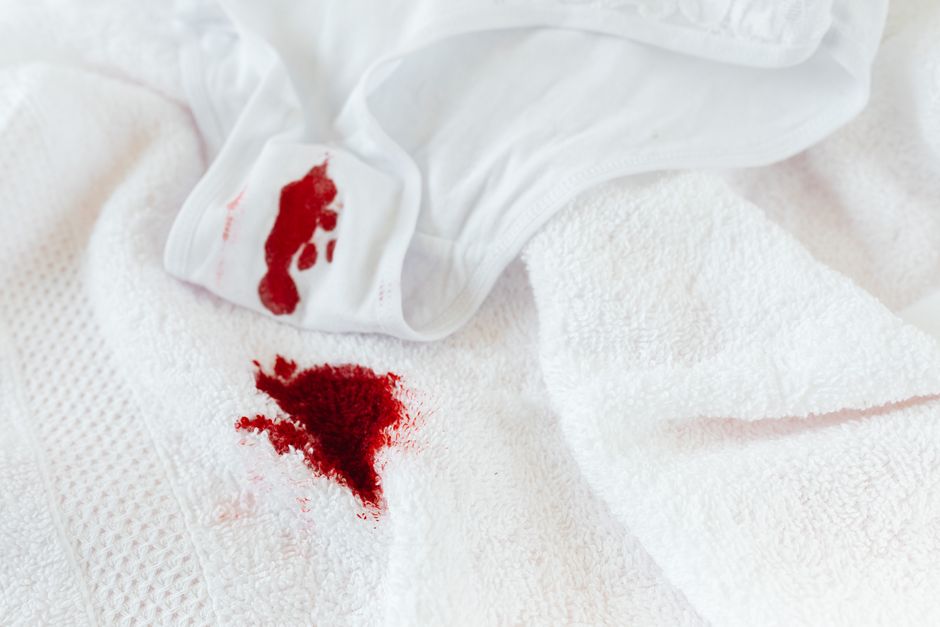
Hair dye stains are among the most stubborn marks you can find on fabric. Whether you are a hairdresser, a parent dealing with a DIY coloring session gone wrong, or someone who simply brushed against a freshly dyed towel, you know how frustrating these stains can be. The truth is that everything depends on choosing the right product. A generic detergent or a random home remedy might fade the stain slightly, but it will rarely remove it completely, and in many cases it can even set the dye deeper into the fibers.
Think about the last time you tried to wash out a dye stain with regular laundry soap. Chances are the stain looked a little lighter right after washing, only to reappear once the garment dried, sometimes looking almost as dark as before. This is a common experience, and it is not a coincidence. Ordinary detergents are formulated to break down everyday grime, sweat, and food residue, not the reactive pigment molecules found in permanent and semi-permanent hair colorants. Hair dye is chemically engineered to bond tightly with keratin, the protein found in hair, but the same reactive compounds that make it so effective on hair also allow it to latch onto cotton fibers, synthetic blends, and even leather trims found on clothing.
This is why we always recommend the Clothes Stain Remover from Ferber Painting. It is formulated specifically to break down pigment molecules, including the stubborn oxidative dyes found in most hair coloring products. Even better, it is the only stain remover on the market that comes with a full satisfied or refunded guarantee. If the product does not work for you, you get your money back, no questions asked. No competitor offers this level of confidence in their own formula, and that alone should tell you something about the quality behind it.
In this article, we will explain why our product stands out from the competition, walk you through a complete step-by-step guide on how to remove hair dye from clothes, and answer the most common questions people have about this frustrating type of stain. We will also cover the science behind why hair dye stains are so difficult to treat, share real-world scenarios where this problem commonly occurs, and give you a full set of prevention tips so you never have to deal with a ruined shirt again.
Why the Right Product Makes All the Difference
Not all stain removers are created equal. Hair dye is a particularly tricky substance because it is designed to bond permanently with hair proteins, and unfortunately it does something similar to cotton, polyester, and other common fabrics. A weak or poorly formulated product will only sit on the surface of the stain, giving the illusion of cleaning while the pigment remains trapped in the fibers. Once the fabric dries, the stain often reappears, sometimes even darker than before.
This is exactly the problem that the Ferber Painting Clothes Stain Remover was designed to solve. Our formula penetrates deep into the fabric weave, targeting the dye molecules directly instead of simply masking them. Unlike many store-bought solutions that rely on harsh bleach (which can damage colored fabrics) or on mild soap solutions (which are simply not strong enough for hair dye), our product strikes the right balance: powerful enough to lift the pigment, yet gentle enough to protect the integrity of the fabric.
Another critical factor is timing. Hair dye stains become significantly harder to remove the longer they sit, especially once they have gone through a dryer cycle where heat can permanently set the pigment. Choosing a fast, reliable, and highly effective product from the very first attempt is essential, because you often do not get a second chance once the stain has cured. This is precisely why relying on a trusted, proven solution like ours, rather than experimenting with random home remedies, saves you both time and clothing.
The Chemistry Behind Hair Dye Stains
Most permanent hair dyes rely on a chemical process called oxidative coloring. Small colorless dye precursors penetrate the hair shaft, and once mixed with an oxidizing agent such as hydrogen peroxide, they expand into larger colored molecules that become trapped inside the hair. This same oxidation reaction can occur when the dye comes into contact with fabric fibers, especially natural fibers like cotton and wool that share some chemical similarities with hair. The result is a stain that is not just sitting on top of the fabric, it is chemically anchored within it.
Semi-permanent and direct dyes behave a little differently. They do not require an oxidizing agent, but they contain highly concentrated pigments that are specifically designed to resist washing out, since their whole purpose is to survive multiple hair washes. When these same pigments land on a cotton t-shirt or a pair of jeans, they cling to the fibers with a similar tenacity, which is why a splash of semi-permanent dye can be just as difficult to remove as a permanent oxidative one.
Understanding this chemistry helps explain why so many home remedies fail. Rubbing alcohol, vinegar, baking soda paste, or hairspray might work on very fresh, very light stains, but they rarely have the chemical strength needed to break the bonds formed once the dye has reacted with the fabric. A specialized product formulated with the right active ingredients, like the Ferber Painting Clothes Stain Remover, is built specifically to counteract this type of chemical bonding, which is why it consistently outperforms generic cleaning solutions.
Common Situations Where Hair Dye Stains Happen
Hair dye accidents happen far more often than people expect, and they are rarely limited to hairdressing salons. Here are some of the most common scenarios our customers describe when they reach out for advice.
- A parent coloring their own hair at home while wearing a favorite t-shirt, only to notice a drip running down the sleeve.
- A hairdresser accidentally brushing a gloved hand, still coated in dye, against their apron or a client’s cape.
- A teenager experimenting with a bold new hair color in the bathroom, leaving small dye splatters on the bathroom towels and eventually on their clothes.
- A freshly dyed towel or robe being tossed into the regular laundry basket, transferring dye onto other garments during the wash cycle.
- Sitting on a chair or car seat shortly after a coloring session, before the hair has been fully rinsed and dried.
In almost every one of these cases, the person tries an immediate rinse with water and regular soap, only to find that the stain remains visible once the fabric dries. This is the moment when a specialized product becomes essential rather than optional.
What Makes Ferber Painting’s Stain Remover the Best Choice
There are dozens of stain removers on the market, so it is fair to ask why ours is genuinely different. Here are the main reasons our customers choose us again and again.
- Satisfied or refunded guarantee: we are the only brand in this category offering a full refund if you are not completely satisfied with the results. This is not a marketing gimmick, it is a real commitment to quality.
- Fast worldwide shipping: thanks to our international network of carriers, your order reaches you quickly no matter where you live, whether that is Europe, North America, Asia, or anywhere else.
- Simple online payment: ordering takes less than two minutes, with secure payment processed directly on our website, no complicated steps, no hidden fees.
- Safe on a wide range of fabrics: our formula has been tested on cotton, polyester, denim, wool blends, and more, making it a versatile solution for almost any garment.
- Concentrated formula: a small amount goes a long way, which means better value for money compared to diluted competitor products that require multiple applications.
- Easy to use: no complicated mixing or waiting for hours. Just apply, let it work, and rinse.
Many competing brands offer only one or two of these advantages. Some have decent formulas but slow, unreliable shipping. Others ship quickly but refuse refunds if the product underperforms. Ferber Painting is one of the very few companies that combines all of these strengths into a single, reliable solution.
A Formula Built for Real-World Situations
Many stain removers are developed and tested purely in laboratory conditions, using simulated stains applied to pristine fabric swatches under ideal conditions. In real life, stains rarely look like that. They involve multiple layers of dye, sometimes mixed with developer or conditioner residue, applied to fabrics that have already been worn, washed dozens of times, and exposed to sweat, deodorant, and other everyday residues. Our formula was developed with these real-world variables in mind, which is why it performs consistently well even on garments that are not brand new or perfectly clean before treatment.
We have also designed the product to work across a wide temperature range, so you do not need extremely hot or extremely cold water to activate it. This flexibility matters because many delicate fabrics cannot tolerate hot water without shrinking or losing their shape, while some tougher stains seem to respond better to slightly warmer temperatures. Our formula bridges that gap, offering effective performance without forcing you to choose between stain removal and fabric care.
Trusted by Professionals and Everyday Customers Alike
Our Clothes Stain Remover is not only popular among parents and DIY colorists, it is also widely used by professional hairdressers and salon owners who deal with dye stains on a daily basis. Salon aprons, capes, towels, and uniforms are exposed to constant color splashes, and professionals cannot afford to replace their equipment every time an accident happens. Many salons now keep a bottle of our product at every station specifically for this reason, applying it as soon as a drip or splash occurs, right between clients.
This dual use, both professional and domestic, has helped us refine the formula over time based on feedback from people who encounter hair dye stains far more often than the average household. It is one of the reasons our product performs so reliably across such a wide variety of stain ages, fabric types, and dye brands.
Comparison Table: Ferber Painting vs Other Stain Removers
| Criteria | Ferber Painting Clothes Stain Remover | Typical Competitor Products |
|---|---|---|
| Satisfied or refunded guarantee | Yes, full refund guaranteed | Rarely offered, or with strict conditions |
| Effectiveness on hair dye | High, penetrates deep into fibers | Variable, often surface level only |
| Worldwide shipping | Fast, international carrier network | Often limited to certain countries or slow |
| Online payment | Simple and secure | Varies, sometimes complicated checkout |
| Fabric safety | Tested on multiple fabric types | Often limited or unclear compatibility |
| Ease of use | Apply, wait, rinse | Sometimes requires long soaking or multiple treatments |
When you look closely at this comparison, the difference is not just about a single feature, it is about the overall experience of solving a stressful problem. A customer dealing with a fresh hair dye stain on a favorite garment usually wants three things at once: a product that actually works, a fast way to get it if they do not already have it on hand, and a safety net in case something goes wrong. Ferber Painting was built around satisfying all three needs simultaneously, rather than excelling in only one area while neglecting the others.
Step-by-Step Guide: How to Remove Hair Dye from Clothes
Now that you understand why the right product matters, let us walk through the actual process. Follow these steps carefully to maximize your chances of completely removing the stain.
Step 1: Act Quickly
As soon as you notice the hair dye stain, try to treat it immediately. Fresh stains are always easier to remove than dried, set-in ones. If you cannot treat it right away, avoid putting the garment in the dryer, as heat will make the dye bond permanently with the fibers.
If you are in the middle of a coloring session and cannot stop to treat the stain immediately, at least try to keep the affected area away from heat sources. Do not iron the garment, do not place it near a radiator, and avoid direct sunlight if possible, since UV exposure combined with heat can accelerate the way the dye sets into the fabric. If you have access to cold water even briefly, a quick rinse can buy you valuable time until you are able to apply a proper treatment.
Step 2: Remove Excess Dye
Gently blot the stained area with a clean, dry cloth or paper towel to absorb as much excess dye as possible. Avoid rubbing, as this can push the pigment deeper into the fabric and spread the stain over a larger area.
When blotting, always work from the outside edge of the stain toward the center. This technique helps prevent the dye from spreading outward and creating a larger, more diffuse mark. If the stain is particularly large or wet, you may need to switch to a fresh section of cloth or paper towel several times, since a saturated cloth will simply redistribute the dye rather than absorbing it. Keep a small stack of paper towels nearby if you know you will be handling hair dye, so you are prepared the moment an accident happens.
Step 3: Rinse with Cold Water
Turn the garment inside out and rinse the stained area under cold running water. Cold water helps prevent the dye from setting further, while hot water can have the opposite effect and should be avoided at this stage.
Turning the garment inside out matters more than people realize. Running water through the back of the fabric pushes the dye out and away from the fibers, rather than forcing it further in as would happen if you rinsed from the front. Hold the fabric under a steady stream of cold water for at least thirty seconds to a minute, checking periodically to see how much color is being released. If your sink or tub is becoming visibly colored, that is actually a good sign, it means the rinsing process is successfully drawing pigment out of the fabric.
Step 4: Apply the Ferber Painting Clothes Stain Remover
Apply a generous amount of our stain remover directly onto the affected area. Make sure the product fully covers the stain, then gently work it into the fabric using your fingers or a soft brush. Let it sit for the recommended time indicated on the packaging, which allows the active ingredients to break down the dye molecules.
For best results, lay the garment flat on a clean, non-absorbent surface before applying the product, such as a plastic cutting board or the inside of a sink. This prevents the stain remover, and the dye it lifts, from soaking through onto whatever surface is underneath. Using a soft-bristled brush, such as an old toothbrush reserved specifically for stain treatment, can help work the product into the weave of tougher fabrics like denim or canvas, where the dye may have penetrated more deeply between threads. For more delicate fabrics like silk blends or fine cotton, using your fingertips with gentle circular motions is usually sufficient and reduces the risk of damaging the weave.
If the stain is old or particularly deep, you can extend the sitting time slightly beyond what is recommended for fresh stains, but always check the fabric periodically to make sure there is no adverse reaction, especially on colored or printed garments. As a general rule, testing on an inconspicuous area first, such as an inner seam, is a smart precaution for any fabric you are treating for the first time.
Step 5: Wash as Usual
Once the product has had time to work, wash the garment as you normally would, following the care instructions on the label. Check the fabric before drying: if any trace of the stain remains, repeat the treatment rather than drying the garment, since heat can permanently set any remaining pigment.
This step is often where people make the biggest mistake. In a rush to finish laundry day, it is tempting to simply toss everything into the dryer without inspecting each item closely. Take an extra thirty seconds to examine the treated area under good lighting, ideally natural daylight, since some stains that appear gone under artificial light become visible again once exposed to sunlight. If you see even a faint shadow of the original stain, it is far better to repeat the treatment now than to discover a permanently set mark after the dryer cycle.
Step 6: Inspect and Repeat if Necessary
Most stains disappear completely after a single treatment with our product, but particularly deep or old stains may require a second application. Simply repeat steps four and five until the stain is fully gone.
It is worth noting that older, dried-in stains that have already been through a hot dryer cycle before treatment can sometimes require three or even four applications before disappearing entirely. This is not a sign that the product is not working, it simply reflects how deeply the pigment had already bonded with the fabric before treatment began. Patience at this stage pays off, and each repeated application should continue to lighten the stain progressively until it is no longer visible.
Special Considerations for Different Fabric Types
Cotton and cotton blends tend to respond very well to treatment, since their natural fibers absorb the stain remover efficiently and release the dye relatively easily compared to synthetic materials. Denim, being a heavier cotton weave, may require a bit more working of the product into the fabric, along with slightly longer sitting times, due to its thickness.
Polyester and other synthetic fabrics can sometimes be trickier, since dye can bond differently with synthetic fibers compared to natural ones. In these cases, working the product in thoroughly and allowing a slightly longer treatment time often produces the best results. Wool and wool blends require a gentler touch, since excessive rubbing or scrubbing can cause pilling or felting. For these fabrics, patience and gentle application matter more than vigorous scrubbing.
Delicate fabrics such as silk or fine synthetics should always be tested on a hidden seam first, and treated with the lightest possible touch. If you are ever unsure about a particularly valuable or delicate garment, it is worth remembering that our satisfied or refunded guarantee gives you the confidence to try the product without financial risk, even on items you are nervous about treating yourself.
Tips to Prevent Hair Dye Stains in the Future
- Wear an old shirt or a dedicated coloring cape when applying hair dye at home.
- Keep our stain remover on hand at all times, ready to treat accidents the moment they happen.
- Lay down towels around your workspace to catch drips before they reach your clothes.
- Avoid touching dyed hair and then your clothing until you have washed your hands thoroughly.
- Treat any accidental stains immediately rather than waiting until laundry day.
Beyond these basic precautions, a few additional habits can dramatically reduce the risk of stains in the first place. If you color your hair regularly at home, consider designating a specific set of old towels and a specific top exclusively for coloring sessions, so that even if an accident happens, it only affects garments you have already written off as expendable. Applying a thin layer of petroleum jelly along your hairline before coloring can also help prevent dye from staining your skin, which in turn reduces the chances of transferring color to clothing or furniture through contact.
For professionals working in salons, investing in disposable or easily washable capes and using barrier creams on client skin can significantly reduce the frequency of stains on both client clothing and salon uniforms. Keeping a bottle of Ferber Painting Clothes Stain Remover at every station, rather than in a single shared supply closet, ensures that stains can be treated within seconds of occurring, which as we have explained, makes an enormous difference in the final outcome.
Finally, always read the instructions on any hair dye product before use. Some brands specifically warn about increased transfer risk during certain stages of the application process, such as immediately after mixing the color with the developer, when the dye is at its most concentrated and reactive state. Being aware of these high-risk moments allows you to take extra precautions exactly when they matter most.
Mini FAQ
Can hair dye stains be removed after they have dried?
Yes, although fresh stains are easier to treat, our Clothes Stain Remover is formulated to break down dye even after it has dried, as long as the garment has not been through a hot dryer cycle.
Does the product work on all fabric types?
Our formula has been tested on a wide range of common fabrics including cotton, polyester, and denim. As with any stain treatment, we recommend testing on a small hidden area first for delicate or unusual materials.
What if the stain does not come out completely?
In the rare case that the stain does not fully disappear, you are covered by our satisfied or refunded guarantee. Simply contact our support team and we will make it right.
How long does shipping take?
Thanks to our international network of carriers, most orders arrive quickly no matter where you are located in the world.
Is payment secure on your website?
Yes, all payments are processed directly and securely through our online checkout system, making the ordering process fast and worry free.
Can this product also help with other types of stains?
While our formula is specifically optimized for pigment-based stains such as hair dye, many customers report good results on similar stubborn stains including some fabric dyes, marker stains, and certain cosmetic products. However, it was designed first and foremost to tackle hair dye, which is why it performs so consistently well on this particular type of stain.
Do I need to use hot water when washing after treatment?
No, in fact we recommend avoiding hot water until you are certain the stain has fully disappeared. Hot water and heat from a dryer can permanently set any remaining trace of dye, so it is always safer to wash and dry using cooler settings until you have confirmed the stain is completely gone.
How much product should I use per stain?
Because our formula is concentrated, only a small amount is needed to treat most stains. Applying enough to fully saturate the stained area is usually sufficient, and using more than necessary will not speed up the process, it will simply use up product faster than needed.
Conclusion
Removing hair dye stains from clothes does not have to be a stressful, uncertain process. With the right technique and, more importantly, the right product, you can save garments that would otherwise seem ruined forever. Ferber Painting’s Clothes Stain Remover combines effectiveness, ease of use, fast worldwide shipping, and a unique satisfied or refunded guarantee that no competitor currently matches.
Whether you are a professional hairdresser treating stains on a daily basis, a parent managing an at-home coloring session, or simply someone who had an unlucky brush with a freshly dyed towel, the steps outlined in this guide combined with a reliable product give you the best possible chance of a full recovery for your clothing. Acting quickly, following the correct technique, and trusting a formula specifically designed for this type of stain will save you time, money, and the disappointment of throwing away a favorite garment.