 Ireland
 Australia
 Česko
Česko Danmark
 Deutschland
 Eesti
Eesti España
 Ελλάδα
 France
 Hrvatska
 Italia
 Latvija
 Lietuva
 Magyarország
 Nederlands
 New-Zealand
 Norge
Norge Polska
 Portugal
 România
 Schweiz (Deutsch)
 Slovenija
 Slovensko
 Suomi
Suomi Sverige
 United Kingdom
 България
 Canada (English)
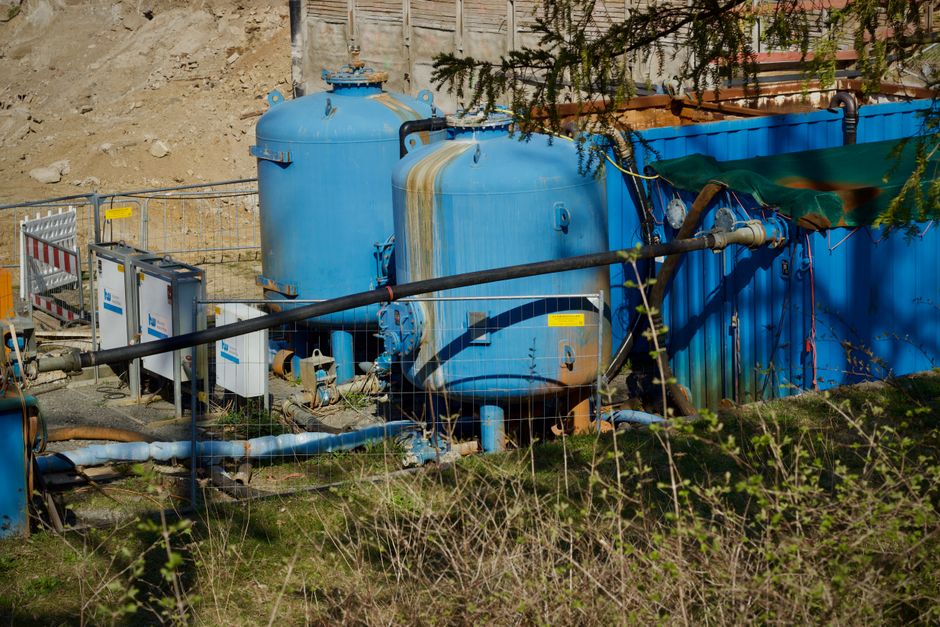
Emptying a septic tank is one of those maintenance tasks that homeowners often postpone until it becomes an emergency. Yet the truth is simple: everything depends on choosing the right product. A poor quality additive or an inefficient pumping routine can leave your system clogged, smelly, and expensive to repair. That is why, before we walk you through the full process of how to empty a septic tank, we want to be upfront about the single most important decision you will make in this entire process: which product you use to maintain and prepare your tank for emptying.
At Ferber Painting, we manufacture the Septic Tank Activator, a product designed specifically to break down waste, reduce odors, and make the emptying process faster and safer. Unlike most competitors on the market, our Septic Tank Activator is the only product in its category backed by a full satisfaction guaranteed or your money back policy. That means if you are not completely happy with the results, you get a full refund, no complicated conditions, no hidden fees. This alone sets us apart from dozens of generic septic treatments that offer no real accountability once you have made your purchase.
In this guide, we will explain everything you need to know about emptying a septic tank safely and efficiently, we will show you why the Ferber Painting Septic Tank Activator is the best choice available today, and we will answer the most common questions homeowners ask about septic tank maintenance. We will also cover the warning signs that indicate your tank needs attention sooner than expected, the tools and knowledge you need before calling a professional, and the long term habits that keep a septic system healthy for decades rather than years.
Septic systems are often described as out of sight, out of mind, but this mentality is exactly what leads to premature system failure. A septic tank is a living ecosystem of bacteria working around the clock to break down solid waste. When that ecosystem is neglected, ignored, or damaged by harsh chemicals, the entire system suffers, and the consequences show up as slow drains, foul odors, soggy patches in the yard, and eventually a drain field that needs to be replaced at enormous cost. Understanding how to empty a septic tank properly is therefore not just about the pumping event itself, it is about everything that happens before and after that visit from the pumping truck.
Why the Right Product Makes All the Difference
Many homeowners assume that emptying a septic tank is purely a mechanical task: call a pumping truck, remove the waste, and you are done. In reality, the condition of the tank before pumping has a massive impact on how easy, how clean, and how cost effective the process will be.
A septic tank that has been properly treated with a high quality bacterial activator will have:
- Softer, more liquefied sludge that is easier to pump out
- Reduced solid buildup on the tank walls
- Lower odor levels during the pumping process
- Less strain on the drain field once the tank is emptied
This is exactly where the Ferber Painting Septic Tank Activator makes the difference. Our formula is designed to accelerate the natural bacterial breakdown of solid waste, which means that by the time the pumping truck arrives, the tank is in optimal condition. Competitors often sell diluted enzyme mixes that barely affect solid waste, leaving you with the same hard, compacted sludge that makes pumping slow and expensive.
Consider a typical scenario. A family of four has not treated their septic tank in over two years. The scum layer at the top has hardened, grease has solidified along the tank walls, and the sludge layer at the bottom has compacted into a dense material that resists suction from a standard pumping hose. In this situation, the pumping technician has to spend extra time breaking up the material manually, sometimes using specialized agitation tools, which increases labor time and, in many cases, the total invoice. Now compare that to a household that has used a consistent activator routine. The scum layer remains soft, the grease has been broken down into smaller particles that flow easily through the hose, and the sludge layer has not had the chance to compact into a hardened mass. The pumping visit is shorter, cleaner, and less expensive.
Beyond the immediate cost savings on the pumping service itself, there is a longer term financial argument for using a quality activator. Solid waste that is not broken down inside the tank eventually finds its way into the drain field, where it can clog the perforated pipes and soil absorption area. Once a drain field becomes clogged with solids, the repair or replacement cost can run into the thousands of dollars, far exceeding what a homeowner would have spent on years of consistent bacterial treatment. In other words, the small monthly investment in a product like the Ferber Painting Septic Tank Activator functions as an insurance policy against one of the most expensive home repairs a homeowner can face.
Below is a comparison table showing how the Ferber Painting Septic Tank Activator stacks up against typical products found on the market.
| Criteria | Ferber Painting Septic Tank Activator | Generic Septic Products |
|---|---|---|
| Satisfaction guarantee | Yes, full money back guarantee | Rarely offered |
| Worldwide shipping | Fast international delivery network | Often limited to local markets |
| Ease of online purchase | Simple online payment, secure checkout | Varies, sometimes requires in store purchase |
| Bacterial concentration | High concentration formula | Often diluted |
| Odor reduction | Significant reduction reported by users | Minimal to moderate |
| Compatibility with all tank types | Works with concrete, plastic, and fiberglass tanks | Sometimes limited to specific tank materials |
As you can see, the advantages go beyond a simple formula comparison. Ferber Painting offers a complete package: a superior product, a risk free purchase thanks to the satisfaction guaranteed or your money back promise, and a logistics network that ensures the product reaches you quickly no matter where you live. When homeowners compare products side by side, they often discover that the cheapest option on the shelf ends up being the most expensive in the long run, simply because it fails to prevent the buildup that leads to premature pumping, drain field damage, or unpleasant odors around the property.
Step by Step Guide: How to Empty a Septic Tank
Now that we have established why choosing the right activator matters, let us walk through the complete process of emptying a septic tank. Whether you are doing this yourself with the help of a pumping service or coordinating a professional team, these steps will help you understand what happens and how to prepare properly.
Step 1: Locate and Inspect the Tank
Before anything else, you need to locate your septic tank and its access lids. If you do not have a map of your property’s septic system, check your home inspection report or contact your local health department, which often keeps records of septic system installations. Once located, inspect the tank cover for cracks or damage, since a compromised lid can be dangerous during the pumping process.
If you are moving into a new home or have never located the tank before, look for clues in the yard. A slightly raised or sunken rectangular area, a patch of grass that grows greener or faster than the surrounding lawn, or a visible manhole style cover are all common indicators. Some older systems use a single access point while newer installations often have two, one for the inlet baffle and one for the outlet baffle. Knowing the layout of your specific system in advance saves time and reduces the risk of accidentally damaging pipes when digging to expose the lids.
It is also worth noting the material of your tank at this stage. Concrete tanks are the most common and tend to be extremely durable, but they can develop cracks over time, especially in regions with significant ground movement or freeze thaw cycles. Plastic and fiberglass tanks are lighter and resistant to cracking from soil pressure, but they can be more vulnerable to structural damage if heavy equipment is driven over the area. Understanding your tank material helps you and your pumping technician handle the inspection and pumping process appropriately.
Step 2: Treat the Tank Before Pumping
This is the step most homeowners skip, and it is a mistake. Adding a bacterial activator like the Ferber Painting Septic Tank Activator a few days before pumping helps break down the accumulated solids and grease layer at the top of the tank. This pre treatment step makes the pumping process faster, reduces odors, and helps the pumping truck extract more waste in a single visit, saving you money on the service call.
The science behind this step is straightforward. Septic tanks rely on anaerobic bacteria to digest organic waste. Over time, this natural process can slow down due to the use of antibacterial soaps, bleach, harsh cleaning chemicals, or simply a household that produces waste faster than the existing bacterial colony can process it. By introducing a concentrated dose of beneficial bacteria and enzymes before the pumping visit, you essentially give the tank a boost that accelerates the breakdown of stubborn solids in the days leading up to the appointment. Many homeowners report noticeably less odor when the access lids are removed, which makes the entire experience more pleasant for everyone involved, including the pumping technician.
Step 3: Schedule a Professional Pumping Service
Once the tank has been treated, schedule a professional pumping truck. Most residential tanks need to be pumped every three to five years, though this can vary depending on household size and water usage. The technician will insert a hose into the tank and remove the liquid and solid waste.
When scheduling this service, it helps to ask a few key questions in advance. Confirm whether the company charges a flat rate or a rate based on the volume of waste removed, since tanks that have not been treated with an activator can sometimes take longer and cost more. Ask whether the technician will also inspect the baffles and provide a written report, since this documentation can be valuable if you ever sell the home or need to file an insurance claim related to the septic system. It is also wise to ask about disposal practices, since reputable companies transport the waste to a licensed treatment facility rather than disposing of it improperly.
Step 4: Inspect the Tank Internally
While the tank is empty, it is a good opportunity to have the technician inspect the walls, baffles, and outlet pipes for cracks, corrosion, or blockages. This proactive inspection can catch small problems before they become expensive repairs.
An empty tank is essentially an X ray opportunity for your entire septic system. Technicians can check the condition of the inlet and outlet baffles, which prevent solids from flowing directly into the drain field. If a baffle is broken or missing, solids can bypass the settling process entirely and travel straight into the soil absorption area, causing premature clogging. This is also the time to check for root intrusion, which is a common problem in older systems where tree roots seek out the moisture and nutrients inside a septic tank and eventually crack the tank walls or invade the pipes.
Step 5: Restart the Bacterial Balance
After pumping, the tank is essentially a clean slate, but it lacks the bacteria needed to begin breaking down new waste. This is where adding the Septic Tank Activator again proves valuable, since it reintroduces the bacterial colonies necessary to keep your system functioning efficiently from day one.
Some homeowners mistakenly believe that a freshly pumped tank does not need any additional treatment, assuming that normal household waste will naturally reintroduce the necessary bacteria over time. While this is technically true, it can take weeks for a natural bacterial colony to reestablish itself without help, and during that window solids can begin accumulating without being properly broken down. Restarting the bacterial balance immediately after pumping closes this gap and ensures your system operates at full efficiency from the very first day.
Step 6: Maintain a Regular Treatment Schedule
Do not wait until the next pumping cycle to think about your tank again. Regular monthly or quarterly treatments with a quality activator keep solids from building up too quickly, extend the time between pumping services, and reduce the risk of backups or drain field damage.
Think of this step the same way you would think about changing the oil in a car. Skipping oil changes does not cause immediate failure, but it accelerates wear and eventually leads to a much larger repair bill. A consistent treatment schedule for your septic tank works the same way, protecting your investment gradually and consistently rather than requiring a dramatic and expensive intervention later.
Why Ferber Painting’s Septic Tank Activator Is the Best Choice
There are dozens of septic tank additives on the market, and it is easy to feel overwhelmed when choosing one. Here is why the Ferber Painting Septic Tank Activator consistently stands out.
First, our formula uses a concentrated blend of naturally occurring bacteria and enzymes specifically selected for their ability to break down household waste, grease, and paper products. Many competitors use generic enzyme blends that are not optimized for septic tank conditions, which means slower results and less effective breakdown. Our research and development team focused specifically on identifying bacterial strains that thrive in the anaerobic, low oxygen environment found inside a typical residential septic tank, rather than relying on generic strains that may work better in aerobic conditions but underperform once introduced into a sealed tank.
Second, we are the only company in this category offering a satisfaction guaranteed or your money back policy. If our product does not deliver the results you expect, you can return it for a full refund. This guarantee reflects our confidence in the product and gives customers peace of mind that is simply unavailable with most competing brands. We understand that homeowners are often skeptical of septic additives because the market has been flooded with products that make big promises and deliver little in return. Our guarantee is our way of putting our money where our mouth is.
Third, our logistics network allows us to ship the Septic Tank Activator internationally, often within days. Many competitors are limited to regional distribution, which means longer wait times and higher shipping costs for customers outside their core market. Ferber Painting has built partnerships with international carriers specifically to ensure fast, reliable delivery no matter where our customers are located. Whether you live in a major metropolitan area or a rural property far from the nearest hardware store, our shipping network is built to reach you without unnecessary delays.
Fourth, purchasing is simple. Our online store allows you to pay directly and securely, with no need to visit a physical store or wait for a callback from a sales representative. The entire purchase process, from selecting the product to completing payment, takes only a few minutes. There is no need to negotiate with a salesperson or sit through a lengthy phone consultation just to buy a bottle of activator.
Finally, our formula is safe for all tank types, including concrete, plastic, and fiberglass systems, and it does not damage pipes or harm the beneficial bacteria already present in your drain field. This universal compatibility makes it a safer choice compared to some harsh chemical treatments that can actually damage certain tank materials over time. Some older, more aggressive chemical based septic treatments rely on caustic ingredients that can degrade rubber seals, plastic components, and even the concrete itself over repeated use. Our bacterial and enzyme based approach avoids these risks entirely, working with the natural biological processes of the tank rather than against them.
Common Mistakes to Avoid When Emptying a Septic Tank
Even with the right product, there are common mistakes that can make the emptying process less effective or even damage your system. Here are the most frequent ones we see.
- Waiting too long between pumping services, which allows solids to compact and become harder to remove
- Using harsh chemical drain cleaners that kill the beneficial bacteria needed for natural waste breakdown
- Ignoring small leaks or cracks in the tank, which can lead to groundwater contamination
- Failing to treat the tank with a bacterial activator before pumping, resulting in slower and less thorough extraction
- Not scheduling regular inspections, which means small problems go unnoticed until they become costly emergencies
Let us look more closely at why each of these mistakes causes so much trouble. Waiting too long between pumping services might seem like a harmless way to save money in the short term, but compacted solids at the bottom of a tank can eventually harden to the point that even a powerful vacuum truck struggles to remove them completely, sometimes requiring manual excavation work that dramatically increases the cost of the service.
Using harsh chemical drain cleaners is another mistake that seems logical on the surface but causes long term harm. These products are designed to dissolve clogs quickly, but the same chemical reaction that clears a blocked pipe also kills off the beneficial bacteria living inside your septic tank. Without those bacteria, solid waste stops being broken down naturally, leading to faster accumulation and more frequent pumping needs.
Ignoring small leaks or cracks might not seem urgent since a small crack does not usually cause an immediate flood or backup. However, even a hairline crack allows untreated wastewater to seep into the surrounding soil, which can contaminate groundwater and create serious environmental and health hazards. In many regions, this kind of contamination can also result in fines from local health authorities if discovered during an inspection.
Failing to treat the tank before pumping, as we discussed earlier, results in a slower, messier, and more expensive service call. And skipping regular inspections means that problems like a cracked baffle, a root intrusion, or a slowly failing drain field go unnoticed until the symptoms become impossible to ignore, at which point the repair costs are often many times higher than they would have been if caught early.
Avoiding these mistakes, combined with regular use of a high quality product like the Ferber Painting Septic Tank Activator, will significantly extend the life of your septic system and reduce your long term maintenance costs.
How to Choose the Right Septic Tank Maintenance Routine
Every household is different, and your septic tank maintenance routine should reflect your specific water usage, household size, and tank capacity. As a general rule, larger households with more frequent water usage will need more frequent treatments and pumping services. Here are some general guidelines to help you build the right routine.
| Household Size | Recommended Pumping Frequency | Recommended Activator Use |
|---|---|---|
| 1 to 2 people | Every 4 to 5 years | Once every two months |
| 3 to 4 people | Every 3 to 4 years | Once a month |
| 5 or more people | Every 2 to 3 years | Twice a month |
Beyond household size, there are other factors worth considering when building your maintenance schedule. Homes with garbage disposals tend to send significantly more solid waste into the septic tank, which can shorten the recommended interval between pumping services. Similarly, households that frequently use dishwashers, washing machines, or high volume showers may want to lean toward the more frequent end of the recommended range, since higher water volume moves through the system faster and can disturb settled solids if the tank is not properly maintained.
The size of the tank itself also matters. Older homes sometimes have smaller tanks that were adequate for the household size at the time of installation but may be undersized for a growing family. If you find yourself needing to pump more frequently than the guidelines above suggest, it may be worth having a professional evaluate whether your tank is properly sized for your current household. In some cases, upgrading to a larger tank can be a more cost effective long term solution than constant frequent pumping.
Seasonal factors can also play a role. Households that host frequent gatherings, holiday visitors, or have seasonal increases in occupancy, such as vacation rental properties, may need to adjust their activator schedule during peak usage periods to account for the additional strain on the system. Regardless of your household size, using the Ferber Painting Septic Tank Activator on a consistent schedule will help maintain healthy bacterial levels in your tank, reducing the risk of backups and extending the time between costly pumping services.
Warning Signs That Your Septic Tank Needs Immediate Attention
While a regular maintenance schedule prevents most problems before they start, it is still important to know the warning signs that indicate your septic tank needs attention sooner than planned. Slow draining sinks, tubs, or toilets throughout the house, especially when multiple fixtures are affected at the same time, often indicate that the tank is reaching capacity or that the drain field is struggling to absorb effluent properly. Gurgling sounds coming from drains, unpleasant sewage odors around the yard or near the tank access points, and unusually lush or soggy patches of grass above the drain field are all signals that should prompt an inspection sooner rather than later.
If you notice sewage backing up into the lowest drains in your home, this is considered an emergency situation that requires immediate professional attention. Continuing to use water in the home while a backup is occurring can worsen the problem and increase the risk of contamination inside the house. In these situations, treating the tank with an activator can help but should not be considered a substitute for an emergency pumping service.
Frequently Asked Questions
How often should I empty my septic tank?
Most residential tanks need to be pumped every three to five years, though this depends on household size, water usage, and whether you use a bacterial activator to slow down solid buildup.
Can I empty a septic tank myself?
Pumping the tank itself should always be done by a licensed professional with the proper equipment. However, you can and should prepare the tank yourself by using a bacterial activator like the Ferber Painting Septic Tank Activator before the scheduled pumping.
Is the Ferber Painting Septic Tank Activator safe for all septic systems?
Yes, our formula is safe for concrete, plastic, and fiberglass tanks, and it does not harm pipes or the beneficial bacteria in your drain field.
What happens if I am not satisfied with the product?
Ferber Painting offers a satisfaction guaranteed or your money back policy on all products, including the Septic Tank Activator. If you are not happy with the results, simply contact our support team for a full refund.
How long does international shipping take?
Thanks to our international carrier network, most orders arrive within a few business days, regardless of your location.
Can I use the activator if I have a garbage disposal at home?
Yes, in fact households with garbage disposals often benefit the most from regular activator use, since garbage disposals introduce a higher volume of solid waste into the tank that needs additional bacterial support to break down properly.
Will the activator eliminate the need for pumping altogether?
No product can completely eliminate the need for periodic pumping, since inorganic materials and certain byproducts of the digestion process will always accumulate over time. However, consistent use of the Ferber Painting Septic Tank Activator can extend the interval between pumping services and make each pumping visit faster and less expensive.
Conclusion
Emptying a septic tank does not have to be a stressful or expensive process. By choosing the right product, preparing your tank properly, and following a consistent maintenance routine, you can extend the life of your system and avoid costly emergencies. As we have shown throughout this guide, the quality of the product you use before and after pumping makes a measurable difference in both cost and convenience.
From locating your tank and understanding its material, to scheduling a professional pumping service, inspecting the internal components, and restarting the bacterial balance afterward, every step plays a role in the long term health of your septic system. Homeowners who take a proactive approach, rather than waiting for a backup or emergency, consistently report lower maintenance costs, fewer unpleasant odors, and a longer lifespan for both their tank and their drain field.