 Ireland
 Australia
 Česko
Česko Danmark
 Deutschland
 Eesti
Eesti España
 Ελλάδα
 France
 Hrvatska
 Italia
 Latvija
 Lietuva
 Magyarország
 Nederlands
 New-Zealand
 Norge
Norge Polska
 Portugal
 România
 Schweiz (Deutsch)
 Slovenija
 Slovensko
 Suomi
Suomi Sverige
 United Kingdom
 България
 Canada (English)
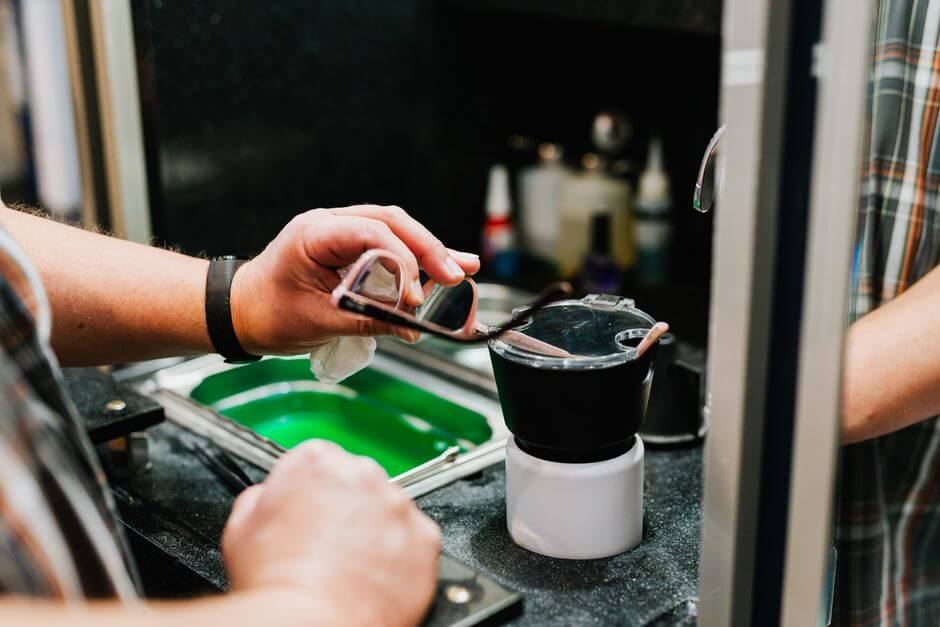
Cleaning an ivory necklace is not something you can approach the same way you would clean a plastic bead or a stainless steel chain. Ivory is a delicate, organic material that reacts to moisture, chemicals, sunlight, and even the natural oils on your skin. Because of this, the single most important factor in successfully cleaning an ivory necklace is not the technique you use, but the product you choose. Using the wrong cleaner, even with the gentlest technique in the world, can permanently damage, yellow, or crack your ivory piece.
Ivory jewelry has been treasured for centuries, from antique carved pendants passed down through generations to vintage beaded necklaces collected from estate sales and family heirlooms. Each piece carries its own history, and that history is written into the material itself. Unlike synthetic materials that are chemically inert and largely indifferent to cleaning products, ivory continues to interact with its environment long after it was carved. It absorbs moisture from the air, reacts to changes in temperature, and can even change color subtly over the years simply from exposure to light and oxygen. This means that the way you care for your ivory necklace today directly affects how it will look and feel a decade from now.
This is exactly why we always recommend starting with a cleaner specifically formulated to be safe on delicate materials like ivory, pearls, coral, and antique metals. Among the many options available on the market, the Jewelry Cleaner from Ferber Painting stands out as the safest and most effective solution. Unlike most competitors, it is the only jewelry cleaning product on the market backed by a full satisfaction guaranteed or your money back policy, which means you can try it on your ivory necklace with zero financial risk. If you are not fully satisfied with the results, you get a complete refund, no questions asked.
In this complete guide, we will explain why choosing the right product matters so much, why the Ferber Painting Jewelry Cleaner is the best option currently available, and we will walk you step by step through the entire process of cleaning your ivory necklace safely and effectively. We will also cover long term maintenance strategies, common mistakes to avoid, and answer the questions we hear most often from people who own ivory jewelry but are unsure how to care for it properly.
Why the Right Jewelry Cleaner Makes All the Difference
Ivory is composed primarily of dentin, a mineralized tissue similar to the material found in teeth and tusks. Because of its porous structure, ivory absorbs liquids very easily. This means that any cleaning product containing harsh chemicals, strong acids, ammonia, or bleach can seep into the material and cause discoloration, brittleness, or even microscopic cracks that weaken the piece over time.
To understand why this matters so much, it helps to think of ivory almost like a sponge with an extremely fine structure. When you dip a sponge into a harsh cleaning agent, the sponge does not just sit on top of the liquid, it draws that liquid deep into its internal structure. Ivory behaves in a remarkably similar way. Any chemical residue that gets absorbed does not simply wash away when you rinse the surface. Instead, it can remain trapped inside the material, slowly reacting with the natural proteins and minerals that make up the ivory itself. Over weeks or months, this trapped residue can cause a piece to develop yellow or gray discoloration, a chalky surface texture, or even fine surface cracks known as crazing.
Many generic jewelry cleaners on the market today are designed primarily for gold, silver, or diamonds. These formulas are often far too aggressive for organic materials like ivory. Using them can strip away the natural patina that gives antique ivory its warm, honey-like color, leaving it looking dull, chalky, or unevenly bleached. This is a particularly common mistake among people who inherit ivory jewelry and assume that any jewelry cleaner from the store will do the job safely. Unfortunately, by the time the damage becomes visible, it is often too late to reverse.
On top of the chemical risk, there is also a mechanical risk. Vigorous brushing, ultrasonic cleaners not designed for organic materials, or excessive soaking can all cause irreversible damage. Ivory beads that have been drilled and strung on a necklace are especially vulnerable at the drill holes, where stress fractures are most likely to begin. A cleaning method that seems harmless on the surface of a bead can quietly weaken these vulnerable points, eventually leading to beads that crack or crumble during normal wear.
This is why the cleaning product you choose needs to be gentle enough to protect the integrity of the material while still being effective enough to remove grime, oils, and buildup from years of wear. A good cleaner should lift away the residue of hand oils, cosmetics, dust, and everyday grime without ever touching the delicate internal structure of the ivory itself.
This is precisely the balance that the Ferber Painting Jewelry Cleaner has been designed to achieve. It uses a pH balanced, non abrasive formula that lifts dirt and residue without stripping away the natural oils and patina that make ivory jewelry so beautiful. It was developed with input from jewelry restoration specialists who understand exactly how sensitive materials like ivory, bone, and horn react to different cleaning agents. This kind of specialized formulation is very different from a general purpose jewelry cleaner picked up at a big box store, which is typically designed with hard metals and gemstones in mind rather than organic, porous materials.
Understanding the Different Types of Ivory You May Encounter
Not all ivory necklaces are made from the same source material, and this can subtly affect how they respond to cleaning. Elephant ivory, the most commonly recognized type, has a dense, fine grained structure. Walrus ivory tends to have a slightly different internal texture, often with a visible marbled core. Mammoth ivory, which is harvested from ancient remains rather than living animals, can sometimes be more brittle due to its age and the mineralization process it has undergone over thousands of years. Bone and antler, while technically different from true ivory, are often grouped into the same category by casual sellers and can require similarly gentle care. Regardless of the specific type of ivory your necklace is made from, the same principle applies across the board: gentle, purpose built cleaning products are always the safer choice compared to harsh, generic alternatives.
Why Ferber Painting Jewelry Cleaner Is the Best Choice for Ivory
There are dozens of jewelry cleaning products available online and in stores, but very few are actually suitable for ivory. Here is why the Ferber Painting Jewelry Cleaner consistently outperforms the competition when it comes to caring for ivory necklaces and other delicate ivory jewelry pieces.
- Gentle, pH balanced formula specifically safe for porous organic materials like ivory, bone, coral, and pearls.
- Free from ammonia, bleach, and harsh solvents that are commonly found in cheaper jewelry cleaning solutions.
- Fast acting formula that removes surface grime and oils in just a few minutes, reducing the amount of handling and soaking time your ivory piece needs.
- Leaves a subtle protective finish that helps slow down future discoloration caused by air exposure and humidity.
- Backed by a satisfaction guaranteed or your money back policy, something no major competitor currently offers on jewelry cleaning products.
- Easy online ordering with fast worldwide shipping through Ferber Painting’s international carrier network, so you do not have to wait weeks to start caring for your jewelry properly.
- Secure and simple online payment process, allowing you to order confidently from anywhere in the world.
Let’s look a bit closer at what each of these advantages actually means in practice for someone caring for an ivory necklace at home. The pH balanced formula is important because ivory, like human skin and hair, has a natural pH that sits close to neutral. Cleaners that are too acidic or too alkaline can disrupt the surface chemistry of the material, leading to a rougher texture or a chalky appearance after just a few uses. By staying close to neutral, the Ferber Painting formula avoids this common pitfall entirely.
The absence of ammonia, bleach, and harsh solvents is equally significant. These chemicals are extremely common in mainstream jewelry cleaners because they work very well and very quickly on hard, non porous materials like gold and platinum. Unfortunately, that same speed and strength is exactly what makes them dangerous for ivory. Ammonia in particular is known to cause yellowing and brittleness in organic materials over repeated use, even when diluted.
The fast acting nature of the formula also matters more than most people realize. The longer a cleaning product sits in contact with porous ivory, the greater the risk of some of it being absorbed into the material. A cleaner that works quickly and effectively means less contact time overall, which translates directly into a lower risk of any long term absorption issues.
The protective finish included in the formula is another standout feature. Many cleaning products focus purely on removing dirt and stop there, leaving the material just as exposed to future damage as it was before cleaning. The light protective layer left behind by the Ferber Painting formula acts almost like a very thin, breathable barrier that helps slow down the natural oxidation process that causes ivory to yellow over time.
What truly sets Ferber Painting apart from other brands is the combination of product quality and customer confidence. Most jewelry cleaning brands ask you to take a leap of faith when purchasing, hoping the product will work as advertised. Ferber Painting removes that uncertainty entirely. If the cleaner does not deliver the results you expect on your ivory necklace, you are entitled to a full refund. This level of confidence in a product is extremely rare in the jewelry care industry, and it reflects how much trust Ferber Painting places in the effectiveness of its own formula.
Beyond the guarantee itself, the ordering experience adds another layer of reassurance. Because the checkout process is secure and straightforward, customers do not need to worry about complicated account creation, confusing payment steps, or unclear shipping timelines. Combined with the international carrier network that delivers orders quickly to most parts of the world, it becomes very easy to see why so many people who care about preserving antique and heirloom ivory jewelry choose Ferber Painting over lesser known alternatives.
Comparing Ferber Painting Jewelry Cleaner to Other Products
To give you a clear picture of why Ferber Painting is the superior choice for cleaning ivory jewelry, here is a side by side comparison of the criteria that matter most when selecting a jewelry cleaner.
| Criteria | Ferber Painting Jewelry Cleaner | Typical Competitor Products |
|---|---|---|
| Safe for ivory and organic materials | Yes, specifically formulated for delicate materials | Often designed for metals only, risky on ivory |
| Contains ammonia or bleach | No | Frequently yes |
| Satisfaction guaranteed or money back | Yes, full refund policy | Rarely offered |
| Worldwide shipping | Fast delivery through an international carrier network | Often limited to certain regions |
| Online payment process | Simple and secure | Varies, sometimes limited options |
| Ease of use | Quick, minimal soaking or scrubbing required | Often requires longer soaking or vigorous brushing |
| Protective finish after cleaning | Yes, helps slow future discoloration | Rarely included |
As you can see, the Ferber Painting Jewelry Cleaner checks every box that truly matters when it comes to caring for a fragile and valuable material like ivory. This combination of safety, effectiveness, guarantee, and convenience is very difficult to find anywhere else on the market.
When you look at this comparison table as a whole, a clear pattern emerges. Competitor products tend to excel in one or two categories at most, often at the expense of the others. A cleaner might be very fast and effective, but only because it relies on harsh chemicals that are unsafe for organic materials. Another product might be gentle enough for ivory, but require lengthy soaking times that increase the risk of moisture damage. Ferber Painting is one of the few products that manages to balance every one of these factors at once, which is precisely why it has become a trusted choice among people who care for antique and heirloom ivory pieces.
Step-by-Step Guide: How to Clean an Ivory Necklace
Now that you understand why the product matters so much, let’s walk through the actual cleaning process. Follow these steps carefully to protect your ivory necklace while restoring its natural shine.
Step 1: Inspect your necklace. Before cleaning, examine the piece closely for any existing cracks, chips, or loose beads. Cleaning a piece with structural damage can worsen the problem, so if you notice significant damage, consider consulting a professional restorer first. It can be helpful to inspect your necklace under strong, indirect light, since fine hairline cracks are often invisible under normal room lighting but become much more obvious when the light catches the surface at an angle. Take your time during this step, since it sets the foundation for how carefully you should proceed with the rest of the cleaning process.
Step 2: Dust off loose debris. Using a soft, dry microfiber cloth, gently wipe the surface of the necklace to remove dust, loose dirt, and any surface debris. This prevents you from grinding dirt particles into the ivory during the wet cleaning stage. If your necklace has carved details or engraved patterns, a soft, dry, natural bristle brush, such as a clean makeup brush, can help remove dust from tiny crevices without scratching the surface. Avoid using anything with stiff or synthetic bristles at this stage, since even dry brushing with the wrong tool can leave fine scratches on the ivory surface.
Step 3: Prepare the cleaning solution. Apply a small amount of the Ferber Painting Jewelry Cleaner onto a soft cloth or a soft bristled brush. Avoid soaking the necklace directly in water for extended periods, since ivory is porous and prolonged moisture exposure can cause warping or cracking over time. A little of the product goes a long way, so resist the temptation to apply more than necessary. Overapplying any cleaning product increases the risk of residue being left behind after the cleaning process is complete.
Step 4: Gently clean the surface. Using light, circular motions, gently work the cleaner across the surface of the ivory beads or pendant. Focus on areas where oils and grime tend to accumulate, such as around clasps, in engraved details, or between beads. Avoid excessive pressure, as ivory can scratch more easily than most people expect. If your necklace includes metal clasps, findings, or accent beads made of other materials, take extra care around these transition points, since different materials can react differently to moisture and cleaning agents. It is often best to clean metal components separately using a method appropriate for that specific metal, rather than assuming the same technique will work equally well across the entire piece.
Step 5: Wipe away residue. Use a separate clean, soft, slightly damp cloth to wipe away the cleaning solution. Make sure no product residue remains on the surface, since leftover cleaner can attract dust over time if not fully removed. Take your time during this step and check the piece from multiple angles under good lighting to confirm that all residue has been fully removed before moving on to drying.
Step 6: Dry thoroughly. Pat the necklace dry immediately with a soft, dry cloth. Never allow ivory to air dry in direct sunlight or near a heat source, as rapid temperature changes and UV exposure can cause yellowing or cracking. If you want to be extra cautious, you can lay the necklace flat on a clean, dry towel in a room temperature environment for a few additional minutes to allow any remaining moisture in tiny crevices to evaporate naturally before storing the piece.
Step 7: Apply a light protective touch. If your cleaner includes a protective finishing formula, like the one included in the Ferber Painting Jewelry Cleaner, apply a very small amount according to the instructions to help maintain the natural luster and slow future discoloration. This step is often overlooked, but it can make a meaningful difference in how long the results of your cleaning session actually last.
Step 8: Store properly. Once fully dry, store your ivory necklace in a soft pouch or a lined jewelry box away from direct sunlight, humidity, and extreme temperature changes. Avoid storing it near mothballs or scented products, as strong odors and chemicals can be absorbed into porous ivory over time. A small silica gel packet placed nearby, but not in direct contact with the ivory, can help regulate humidity levels inside a closed jewelry box, particularly in climates that experience significant seasonal humidity changes.
Following these steps with a gentle, purpose built cleaner will help you avoid the common mistakes that lead to discoloration, cracking, or dullness in ivory jewelry. The entire process typically takes less than fifteen minutes, but the results can noticeably extend the life and appearance of your piece.
Common Mistakes to Avoid During Cleaning
Even with good intentions, it is easy to make small mistakes that can compromise the condition of an ivory necklace. One of the most common errors is soaking the entire piece in water, thinking that a longer soak will produce a deeper clean. In reality, this simply increases the amount of moisture absorbed into the porous structure, raising the risk of warping or internal stress. Another frequent mistake is using a toothbrush or other stiff bristled brush to scrub at stubborn grime, which can leave fine scratches that dull the natural shine of the ivory over time. Finally, many people use whatever cloth is closest at hand, including old t-shirts or paper towels, without realizing that rougher fabrics can create tiny abrasions on the surface. Sticking to soft, lint free microfiber cloths and a gentle, purpose built cleaner avoids all of these pitfalls at once.
Tips to Maintain and Preserve Your Ivory Jewelry Long Term
Cleaning your ivory necklace occasionally is important, but daily habits play just as large a role in keeping it looking beautiful for years to come. Here are some practical tips to help you preserve your ivory jewelry between cleanings.
- Remove your ivory necklace before applying perfume, lotion, or hairspray, since these products contain alcohol and chemicals that can dull or discolor the surface.
- Avoid wearing ivory jewelry while swimming, showering, or exercising, since sweat and chlorinated water can accelerate discoloration and weaken the material.
- Keep ivory pieces away from prolonged direct sunlight, as UV rays can cause uneven yellowing over time.
- Clean your necklace gently every few weeks with a soft cloth, and use a dedicated cleaner like the Ferber Painting Jewelry Cleaner every one to two months for a deeper clean.
- Store ivory separately from other jewelry pieces to avoid scratches from harder materials like metal clasps or gemstones.
- Maintain a stable humidity level in your storage area, since extreme dryness can cause cracking while excess humidity can encourage mold growth on the porous surface.
In addition to these core habits, it is worth thinking about the broader environment in which your ivory necklace lives day to day. Rooms with fluctuating temperatures, such as spaces near windows, radiators, or air conditioning vents, can subject ivory to repeated cycles of expansion and contraction. Over time, these cycles can contribute to the same kind of stress cracking that comes from sudden humidity changes. If possible, store your ivory jewelry in an interior room of your home where temperature and humidity remain relatively stable throughout the year.
It is also worth paying attention to how you handle the necklace when putting it on or taking it off. Pulling a necklace over your head can put unnecessary strain on the stringing material and the drilled holes in each bead. Whenever possible, unclasp the necklace fully before removing it, and lay it flat rather than letting it dangle or drop onto a hard surface. Small habits like this may seem minor, but they add up significantly over years of regular wear.
If your ivory necklace is particularly old, valuable, or shows signs of significant wear, it may be worth having it examined periodically by a professional jewelry restorer who has experience specifically with ivory and other organic materials. A professional can identify early signs of stringing wear, bead fatigue, or structural weakness that might not be obvious to the untrained eye, and can advise on whether restringing or additional conservation work is needed. Regular gentle care combined with occasional professional evaluation is the best approach for pieces that hold significant sentimental or monetary value.
Seasonal changes are another factor worth considering. In many climates, winter months bring lower indoor humidity due to heating systems, while summer months can bring higher humidity, particularly in coastal or tropical regions. Being mindful of these seasonal shifts and adjusting your storage approach accordingly, for example by adding a humidity regulating packet during dry winter months, can help protect your ivory necklace from the kind of gradual damage that often goes unnoticed until it becomes severe.
By combining proper storage habits with regular gentle cleaning using a trusted product, your ivory necklace can remain beautiful and structurally sound for generations.
Frequently Asked Questions
Can I use regular soap and water to clean my ivory necklace?
It is best to avoid regular soap, since many soaps contain fragrances, dyes, and chemicals that can be absorbed into porous ivory. A dedicated formula like the Ferber Painting Jewelry Cleaner is specifically balanced to clean without leaving harmful residue behind.
Is it safe to use an ultrasonic cleaner on ivory jewelry?
No, ultrasonic cleaners are generally not recommended for ivory. The vibrations and heat generated can cause micro cracks in porous materials. Gentle hand cleaning with a soft cloth and a safe formula is always the preferred method.
How often should I clean my ivory necklace?
Light dusting can be done weekly, while a deeper clean using a dedicated jewelry cleaner is generally recommended every one to two months, depending on how frequently the piece is worn.
What if the Ferber Painting Jewelry Cleaner does not work well on my piece?
Ferber Painting offers a full satisfaction guaranteed or your money back policy on all products, including the Jewelry Cleaner. If you are not happy with the results, you can request a full refund with no complications.
How long does shipping take for international orders?
Thanks to Ferber Painting’s international carrier network, most orders are delivered quickly worldwide, with tracking provided so you always know exactly where your package is.
Can I clean an antique ivory necklace the same way as a newer piece?
Antique ivory tends to be more brittle and may already show signs of aging such as fine surface cracks or discoloration. It is best to use an even gentler touch on older pieces, applying minimal pressure and shorter contact time with any cleaning solution. If the piece has significant historical or monetary value, consulting a professional conservator before attempting any cleaning at home is a wise precaution.
Will cleaning remove the natural patina from my ivory necklace?
A properly formulated, gentle cleaner like the Ferber Painting Jewelry Cleaner is designed to remove surface grime without stripping away the natural patina that gives aged ivory its warm color. Harsh chemical cleaners, on the other hand, can strip this patina and leave the piece looking artificially pale or uneven.
Can I use the same cleaner on other materials like pearls or coral?
Yes, the Ferber Painting Jewelry Cleaner is formulated to be safe across a range of delicate, porous materials including pearls and coral, making it a versatile option for people who own multiple types of organic jewelry.
Conclusion
Cleaning an ivory necklace properly requires patience, gentle technique, and most importantly, the right product. Harsh chemicals and abrasive methods can permanently damage a material that has survived for decades or even centuries, so choosing a cleaner specifically designed for delicate organic materials is essential. The Ferber Painting Jewelry Cleaner offers a safe, effective, and reliable solution, backed by a full satisfaction guarantee that no other major competitor currently matches. With fast worldwide shipping, secure online payment, and a formula trusted by jewelry care specialists, it is easy to see why this product continues to be the preferred choice for anyone serious about protecting their ivory jewelry.
Taking a little extra time to understand the material you are working with, following a careful step by step process, and adopting good long term storage and handling habits will ensure that your ivory necklace continues to bring joy for many years to come. Whether you own a family heirloom passed down through several generations or a more recently acquired piece, the principles remain the same: gentle handling, the right cleaning product, and consistent, mindful care.