 Ireland
 Australia
 Česko
Česko Danmark
 Deutschland
 Eesti
Eesti España
 Ελλάδα
 France
 Hrvatska
 Italia
 Latvija
 Lietuva
 Magyarország
 Nederlands
 New-Zealand
 Norge
Norge Polska
 Portugal
 România
 Schweiz (Deutsch)
 Slovenija
 Slovensko
 Suomi
Suomi Sverige
 United Kingdom
 България
 Canada (English)
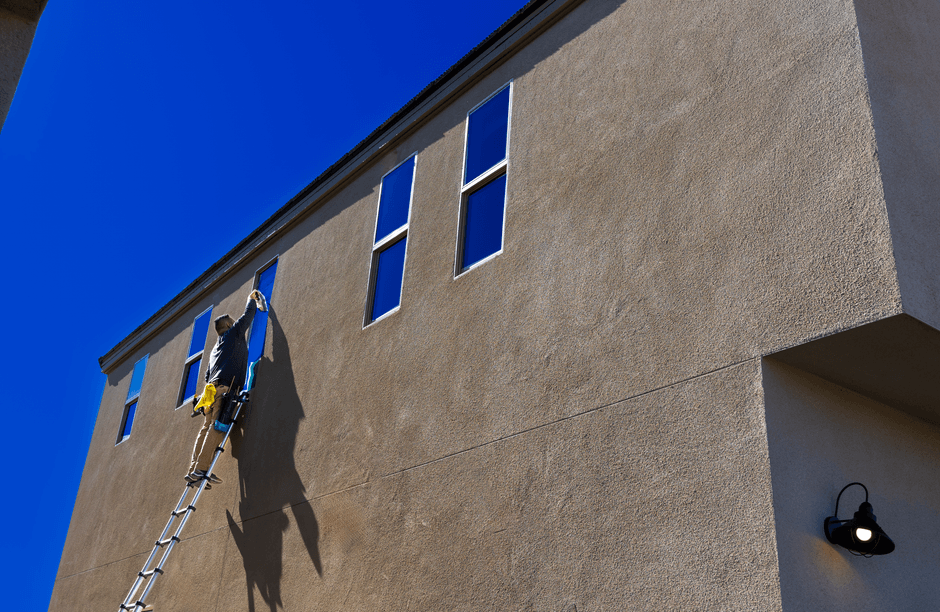
Cleaning an exterior cement wall might seem like a straightforward task, but anyone who has tried it knows that the results depend almost entirely on one factor: the product you use. A poor-quality cleaner can leave streaks, fail to remove deep-set grime, or even damage the surface of your cement wall. That is why, before we dive into the technical steps of cleaning, we want to emphasize the most important piece of advice we can give you: choose the right cleaning product from the very beginning.
At Ferber Painting, we have developed the Facade and Exterior Wall Cleaner specifically to tackle the toughest grime, mold, algae, and pollution stains that accumulate on cement surfaces over time. What makes our product stand out even more is that it is the only facade cleaner on the market backed by a full satisfaction guaranteed or money back policy. If you are not completely satisfied with the results, we will refund you, no questions asked. This is a level of confidence that no other competitor offers, and it reflects how much we believe in the quality of our formula.
In this complete guide, we will walk you through everything you need to know about cleaning an exterior cement wall, from preparation to the final rinse, while explaining why choosing the right product, specifically ours, will save you time, money, and frustration. We will also cover seasonal considerations, the science behind why cement gets dirty in the first place, and how to handle special cases like heavily shaded walls, walls near sprinklers, and walls that have not been cleaned in several years.
Understanding Why Cement Walls Get Dirty in the First Place
Before tackling the cleaning process itself, it helps to understand what you are actually dealing with. Cement is a porous, alkaline material that reacts differently to environmental exposure than materials like vinyl siding or glass. Over time, several distinct types of contamination build up on a cement wall, and each one requires a slightly different approach to remove effectively.
Airborne dust and pollution particles settle into the tiny pores of the cement and get compacted every time it rains. This creates a dull gray or black film that many homeowners simply assume is the natural color of aging cement, when in reality it is a layer of accumulated grime sitting on top of the original surface.
Algae thrives in humid, shaded areas and often appears as a greenish tint, especially on north-facing walls or walls that are shielded from direct sunlight by trees or neighboring structures. Because algae is a living organism, simply scrubbing it away without addressing the spores can lead to it returning within a matter of weeks.
Mold and mildew, which often appear as black or dark gray spots, tend to develop in areas with poor drainage or where water pools against the base of the wall. These organisms can penetrate several millimeters into porous cement, which is why surface-level cleaning products often fail to provide lasting results.
Lichen, a combination of fungus and algae, is one of the toughest contaminants to remove because it actually bonds chemically to the surface it grows on. Lichen often appears as gray, orange, or yellow patches and requires a cleaning agent strong enough to break that chemical bond without damaging the cement underneath.
Finally, efflorescence, a white, chalky deposit caused by mineral salts rising to the surface of the cement, can also affect the appearance of your wall. While efflorescence is technically different from dirt or organic growth, an effective facade cleaner can help reduce its visibility and prevent it from becoming more pronounced over time.
Understanding these different types of contamination helps explain why a generic cleaner or a simple garden hose rinse rarely produces satisfying results. Each type of grime requires a formula capable of penetrating the cement’s porous structure and breaking down the specific bonds holding the contamination in place.
Why the Right Product Makes All the Difference
Cement walls are porous and rough, which means dirt, algae, mold spores, and pollution particles can penetrate deep into the surface rather than simply resting on top of it. This is very different from cleaning glass or metal, where a simple wipe often does the job. When it comes to cement, you need a cleaning solution that can break down these embedded particles without damaging the integrity of the material.
Many people make the mistake of grabbing a generic all-purpose cleaner or even attempting to use bleach and water. While these methods might remove some surface dirt, they often fail to address mold spores at the root, which means the mold or algae will return within weeks. Worse, harsh chemicals like undiluted bleach can weaken the cement over time, leading to cracks and structural degradation. Bleach also tends to lighten the natural color of cement unevenly, which can create a blotchy, inconsistent appearance that is arguably worse than the original staining.
Another common approach we often see is homeowners relying exclusively on high-pressure water without any cleaning agent at all. While water alone can remove loose surface dirt, it does very little against mold spores, algae roots, or lichen that has chemically bonded to the cement. Without a proper cleaning solution to break down these contaminants first, pressure washing alone often just pushes dirty water around the surface, and any organic growth left behind will simply regrow within a short period of time.
This is why the formulation of your cleaning product matters so much. A well-designed facade cleaner should:
- Penetrate porous surfaces without weakening the material
- Break down mold, algae, and lichen at the root level
- Remove atmospheric pollution stains and grime buildup
- Be safe for surrounding vegetation and pets once diluted correctly
- Require minimal scrubbing thanks to its active cleaning agents
The Ferber Painting Facade and Exterior Wall Cleaner was designed with all of these criteria in mind. Our research and development team spent months testing different formulations to ensure the product would work effectively on cement, stucco, brick, and other common exterior materials, all while remaining safe and easy to use for homeowners without professional cleaning experience. We tested our formula across a wide range of climates, from humid coastal regions where algae growth is aggressive, to dry inland areas where pollution and dust are the primary concerns, to ensure consistent performance no matter where you live.
We also paid close attention to the pH balance of our formula. A cleaner that is too acidic can etch the surface of the cement, while one that is not strong enough will fail to break down stubborn organic growth. Striking the right balance was one of the most important parts of our development process, and it is a big part of why our product delivers consistent, reliable results without compromising the long-term durability of your walls.
Ferber Painting’s Facade and Exterior Wall Cleaner: What Sets It Apart
There are dozens of facade cleaning products available online and in hardware stores, so why should you choose ours? Let us break down the key advantages that make our product the best choice for cleaning exterior cement walls.
First and foremost, our satisfaction guaranteed or money back policy is unmatched in the industry. We are so confident in the effectiveness of our formula that we allow customers to try it risk-free. If the results do not meet your expectations, you simply contact our customer service team and we process a full refund. No other facade cleaner brand on the market offers this level of assurance, which tells you something important about the quality standards we hold ourselves to. We understand that ordering a cleaning product online, without being able to test it in person first, can feel uncertain. Our guarantee removes that uncertainty entirely.
Second, our formula is concentrated, which means a single bottle goes a long way. Many competitor products are already diluted when you purchase them, forcing you to buy multiple bottles to cover a large wall surface. Our concentrated formula allows you to mix it according to the size of your project, giving you better value for your money. For a small patio wall, a light dilution might be all you need, while a large exterior facade might call for a stronger mixture. This flexibility means you are not paying for water weight shipped across the country, you are paying for concentrated cleaning power that you control.
Third, our product is biodegradable and safe for the environment once diluted and rinsed according to the instructions. This means you do not have to worry about harming your garden, local water sources, or pets when you clean your exterior walls. We know that many homeowners have flower beds, vegetable gardens, or lawns directly adjacent to their cement walls, and the last thing anyone wants is a cleaning product that leaves lasting damage to their landscaping.
Fourth, we offer fast worldwide shipping through our international network of trusted carriers. Whether you are located in Europe, North America, Asia, or anywhere else, you can order our Facade and Exterior Wall Cleaner directly from our website and expect a quick delivery. Payment is simple and secure, processed entirely online through our e-commerce platform, so you can complete your purchase in just a few clicks. We have optimized our checkout process to be as smooth as possible, with support for major payment methods and immediate order confirmation.
Finally, our customer support team is available to answer any questions you might have before, during, or after your purchase. We do not just sell a product and disappear, we stand behind it with real support and our satisfaction guaranteed policy. Whether you have questions about dilution ratios for a specific type of stain, need advice on tackling a particularly stubborn patch of lichen, or simply want to know how long a single bottle will last for your project, our team is ready to help.
Step-by-Step Guide: How to Clean an Exterior Cement Wall
Now that you understand why the choice of product is so critical, let us walk through the actual process of cleaning your exterior cement wall. Follow these steps carefully to achieve the best results.
Step 1: Inspect the Wall
Before starting, walk around your property and inspect the cement wall for cracks, loose material, or areas of significant damage. If you notice structural issues, it is best to address those before applying any cleaning product, as water and cleaning agents can worsen existing damage. Take note of areas that appear more heavily soiled than others, since these spots may need a bit of extra attention or a slightly stronger dilution later in the process. It is also a good idea to check the weather forecast at this stage, since you will want a dry day, or at least a day without rain expected for several hours, so the product has time to work properly.
Step 2: Clear the Area
Remove any furniture, plants, or decorative items near the wall. Cover nearby plants with plastic sheeting to protect them from the cleaning solution, even though our Facade and Exterior Wall Cleaner is designed to be environmentally friendly once diluted. If there are electrical outlets, light fixtures, or exposed wiring near the wall, take precautions to shield them from water exposure as well. Laying down a tarp at the base of the wall can also help catch runoff and make cleanup easier once you are finished.
Step 3: Dry Brush the Surface
Using a stiff bristle brush, remove loose dirt, cobwebs, and debris from the surface of the wall. This step ensures that the cleaning product can penetrate directly into the cement rather than working through a layer of loose dust. Pay particular attention to corners, seams, and any decorative textures in the cement, as these areas tend to trap more debris than flat surfaces.
Step 4: Wet the Wall
Using a garden hose or pressure washer on a low setting, wet the entire surface of the cement wall. This helps the cleaning product spread evenly and prevents it from drying too quickly in sunny conditions. Pre-wetting is especially important on hot, sunny days, since a dry cement surface can absorb your cleaning solution too quickly and unevenly, reducing its effectiveness before it has a chance to work on the grime.
Step 5: Apply the Facade and Exterior Wall Cleaner
Dilute the Ferber Painting Facade and Exterior Wall Cleaner according to the instructions on the label, then apply it evenly across the wall using a sprayer or a soft brush. For heavily soiled areas or stubborn mold and algae stains, you can apply a slightly more concentrated mixture. Work in manageable sections, especially on larger walls, so the product does not dry out on one part of the wall while you are still working on another. A pump sprayer is often the easiest tool for even application, but a soft push broom or long handled brush can also work well for smaller sections.
Step 6: Let It Sit
Allow the product to sit on the surface for the recommended time, usually between 10 and 20 minutes depending on the level of grime. This dwell time allows the active ingredients to break down mold, algae, and pollution stains at a deep level. During this waiting period, avoid letting the product dry out completely on the surface, especially in hot or windy conditions. If you notice the wall drying too quickly, a light mist of water can help keep the solution active without diluting it too much.
Step 7: Scrub if Necessary
For most walls, the product will do the majority of the work on its own. However, for particularly stubborn stains, a light scrub with a soft brush can help lift away any remaining residue. Avoid using metal bristle brushes or abrasive scrubbing pads, as these can scratch or wear down the surface of the cement over time. A soft to medium bristle brush is almost always sufficient once the cleaner has had time to loosen the grime.
Step 8: Rinse Thoroughly
Using a hose or pressure washer, rinse the wall thoroughly from top to bottom. Make sure all product residue is washed away to avoid any streaking once the wall dries. Rinsing from top to bottom also helps prevent dirty runoff from re-depositing onto areas you have already cleaned. If you are using a pressure washer, keep a consistent distance from the wall and use sweeping motions rather than concentrating the spray on one spot for too long.
Step 9: Let It Dry and Inspect
Allow the wall to dry completely, then step back and inspect the results. In most cases, you will notice a dramatic improvement in the color and cleanliness of the cement surface. If any spots remain, you can repeat the process on those specific areas. Keep in mind that cement often looks slightly different when wet versus fully dry, so it is worth waiting a few hours, or even until the next day, before deciding whether a second treatment is necessary.
Step 10: Maintain Regularly
To keep your cement wall looking fresh, we recommend repeating this cleaning process once or twice a year, depending on your climate and the level of pollution or humidity in your area. Regular maintenance prevents mold and algae from building up again and keeps your property looking its best. Homes in coastal or heavily wooded areas, where humidity and shade encourage rapid organic growth, may benefit from cleaning up to three times a year, while homes in drier climates might only need annual attention.
Seasonal Considerations for Cleaning Cement Walls
Timing your cleaning project around the seasons can make a noticeable difference in both the results and the ease of the process. Spring is often considered the ideal time to clean exterior cement walls, since it allows you to remove the buildup of grime, salt residue, and organic growth accumulated over the winter months, while also preparing the surface for the warmer, more humid months ahead when algae and mold tend to spread more quickly.
Summer cleaning is also possible, but it is important to avoid working during the hottest part of the day, since the cleaning product can dry too quickly on hot cement, reducing its effectiveness. Early morning or late afternoon applications tend to work best during summer months.
Fall is another good window for cleaning, particularly if you want your property to look its best before winter sets in. Removing algae and mold before the cold season can also help prevent further growth during the wetter, colder months when organic contamination tends to worsen.
Winter cleaning is generally not recommended in colder climates, since freezing temperatures can prevent the cleaning solution from working properly and may even cause water trapped in the cement’s pores to freeze and expand, potentially worsening small cracks. If you live in a milder climate without freezing winters, cleaning can still be done year round with good results.
Common Mistakes to Avoid When Cleaning Cement Walls
Even with the right product, there are a few common mistakes that can reduce the effectiveness of your cleaning efforts or even cause damage to your cement wall.
One frequent mistake is using a pressure washer on too high a setting. While pressure washing can be effective, excessive pressure can erode the surface of the cement, creating small pits and weakening the material over time. Always use a moderate setting and keep the nozzle at a safe distance from the wall. As a general guideline, a fan-tip nozzle held at least thirty centimeters from the surface, combined with a moderate pressure setting, is usually sufficient for most cement walls without risking damage.
Another mistake is skipping the dwell time. Many people apply a cleaning product and rinse it away almost immediately, which does not give the active ingredients enough time to break down mold, algae, or grime. Patience during this step makes a significant difference in the final result. It can be tempting to rush through this stage, especially on a large project, but resisting that urge is one of the easiest ways to improve your outcome without any extra effort.
Using the wrong dilution ratio is also a common issue. Too weak a solution will not effectively clean the wall, while too strong a solution can be wasteful and, in rare cases, cause discoloration on certain types of cement. Always follow the instructions provided with your Ferber Painting Facade and Exterior Wall Cleaner for the best results. If you are ever unsure about the right ratio for your specific situation, our customer support team is happy to provide guidance based on the type and severity of staining you are dealing with.
Finally, some homeowners forget to protect surrounding vegetation, outdoor furniture, or metal fixtures before starting the cleaning process. While our product is designed to be safe once diluted and rinsed properly, it is always good practice to take basic precautions. Metal fixtures in particular, such as light fixtures, house numbers, or decorative ironwork, can sometimes develop water spots or mineral deposits from repeated exposure, so a quick cover or wipe down afterward is a smart extra step.
Another mistake worth mentioning is neglecting to test the product on a small, inconspicuous area of the wall before treating the entire surface. Although our formula is safe for cement, stucco, and brick, every wall is slightly different depending on its age, sealant history, and prior treatments. A small test patch, left to dry for a few hours, gives you the confidence to proceed with the full wall knowing exactly what results to expect.
Special Cases: Old, Heavily Stained, or Previously Sealed Walls
Not every cement wall presents the same challenge, and some situations call for a bit of extra care or a modified approach. If your wall has not been cleaned in several years, you may notice thick, dark buildup that took a long time to accumulate. In these cases, a single application of cleaner might not fully restore the wall to its original color, and a second treatment a few days later can help finish the job without requiring an overly aggressive first pass.
Walls that have been previously sealed or painted with a masonry coating require a slightly different approach as well. In these cases, it is important to confirm that your cleaning product is compatible with the existing coating before applying it broadly. Our Facade and Exterior Wall Cleaner is generally safe for sealed and painted cement surfaces when properly diluted, but testing a small area first remains the safest approach.
Heavily shaded walls, such as those located under large trees or between closely spaced buildings, tend to develop more aggressive algae and moss growth due to persistent moisture and limited sunlight. These walls often benefit from a slightly longer dwell time during the cleaning process, along with more frequent maintenance cleanings throughout the year to prevent regrowth.
Comparing Facade Cleaners: What Really Matters
To help you understand why Ferber Painting’s Facade and Exterior Wall Cleaner is the superior choice, we have put together a comparison table highlighting the most important criteria when choosing a cement wall cleaning product.
| Criteria | Ferber Painting Facade and Exterior Wall Cleaner | Typical Competitor Products |
|---|---|---|
| Satisfaction Guarantee | Full satisfaction guaranteed or money back | Rarely offered, or limited conditions apply |
| Formula Concentration | Concentrated, offering better value per bottle | Often pre-diluted, requiring more purchases |
| Effectiveness on Mold and Algae | Breaks down mold and algae at the root | Often only removes surface stains |
| Environmental Safety | Biodegradable once diluted and rinsed | Varies, some contain harsh chemicals |
| Ease of Use | Simple application, minimal scrubbing needed | Often requires heavy scrubbing |
| Shipping | Fast worldwide delivery via international carrier network | Limited regions, slower delivery times |
| Payment Process | Simple and secure online payment | Varies by retailer |
| Customer Support | Dedicated support team available | Often limited or automated only |
As this table demonstrates, the Ferber Painting Facade and Exterior Wall Cleaner outperforms typical competitor products across nearly every important criterion. The combination of effectiveness, safety, value, and our unique satisfaction guaranteed or money back policy makes it the clear choice for anyone looking to clean their exterior cement walls.
Beyond the criteria listed in the table, it is also worth considering the long-term cost of maintaining your exterior walls. A cheaper product that requires more frequent reapplication, or that fails to fully address mold and algae at the root, often ends up costing more over time than a slightly higher priced product that delivers lasting results the first time. When you factor in the time spent on repeated cleanings, the value of a concentrated, effective formula becomes even more apparent.
Frequently Asked Questions
How often should I clean my exterior cement wall?
Most homeowners find that cleaning their cement wall once or twice a year is sufficient to prevent mold, algae, and dirt buildup. However, if you live in a particularly humid or polluted area, more frequent cleaning may be necessary. Homes near the coast, in heavily wooded areas, or in regions with high annual rainfall may benefit from a third cleaning during peak growth seasons.
Can I use the Facade and Exterior Wall Cleaner on other surfaces?
Yes, our product works effectively on a variety of exterior surfaces including stucco, brick, and certain types of stone, in addition to cement. Many customers also use it successfully on concrete pavers, retaining walls, and garden features made of similar porous materials.
Is the product safe for plants and pets?
Once diluted and rinsed according to the instructions, our formula is biodegradable and safe for the surrounding environment. We still recommend covering delicate plants during application as a precaution, particularly sensitive flowering plants or young seedlings that may be more susceptible to any incidental overspray.
What if I am not satisfied with the results?
This is exactly why we offer our satisfaction guaranteed or money back policy. If you are not happy with the results after using our Facade and Exterior Wall Cleaner as instructed, simply contact our customer service team for a full refund.
How long does shipping take?
Thanks to our international network of carriers, most orders are delivered quickly regardless of your location. Exact delivery times depend on your specific region, but we prioritize fast and reliable shipping for every order.
Do I need special equipment to use the product?
No special equipment is required. A garden hose, a soft brush, and basic protective gloves are typically all you need to achieve excellent results with our Facade and Exterior Wall Cleaner. A pump sprayer can make application faster and more even for larger surfaces, but it is not strictly necessary for smaller projects.
Can I use the product with a pressure washer?
Yes, many customers apply our Facade and Exterior Wall Cleaner using a pressure washer with a detergent attachment, then rinse using the same equipment on a lower pressure setting. This can speed up the process, particularly for larger walls or extensive facade projects.
Conclusion
Cleaning an exterior cement wall does not have to be a stressful or time-consuming task, as long as you start with the right product and follow the proper steps. From inspecting the wall and clearing the area, to applying the cleaner, letting it work, and rinsing thoroughly, each step plays an important role in achieving a spotless result. Choosing a high-quality, concentrated, and environmentally safe formula makes the entire process easier and more effective, while also protecting the long-term integrity of your cement surface.
Whether you are dealing with light seasonal dust, stubborn algae in a shaded corner, or years of accumulated grime on a wall that has never been properly cleaned, the fundamentals remain the same: inspect carefully, prepare the surface, apply an effective product, allow it time to work, and rinse thoroughly. Skipping any of these steps, or relying on a weak or improperly formulated cleaner, is often the reason homeowners end up disappointed with their results and forced to repeat the entire process sooner than expected.
We understand that trying a new cleaning product can feel like a risk, which is exactly why we back ours with a full satisfaction guarantee. Discover our Facade and Exterior Wall Cleaner today and enjoy fast worldwide delivery, secure online payment, and the confidence of a satisfaction guaranteed or money back promise.