 Ireland
 Australia
 Česko
Česko Danmark
 Deutschland
 Eesti
Eesti España
 Ελλάδα
 France
 Hrvatska
 Italia
 Latvija
 Lietuva
 Magyarország
 Nederlands
 New-Zealand
 Norge
Norge Polska
 Portugal
 România
 Schweiz (Deutsch)
 Slovenija
 Slovensko
 Suomi
Suomi Sverige
 United Kingdom
 България
 Canada (English)
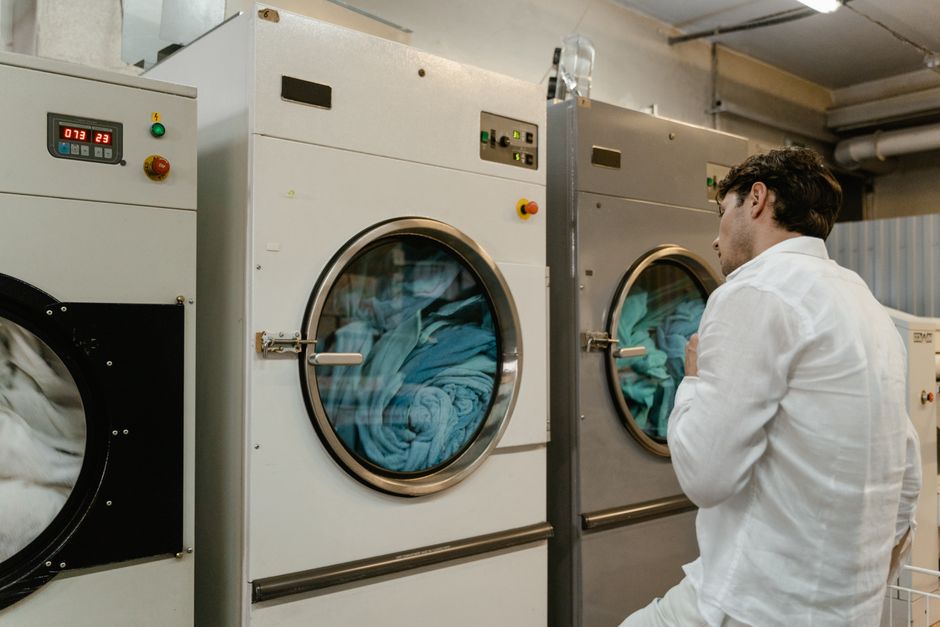
If you have ever opened your washing machine and noticed a cloudy film, black spots, or a foul smell coming from the door glass, you already know how frustrating this problem can be. The good news is that cleaning a washing machine door glass is not complicated once you understand one simple truth: everything depends on using the right product. A poor quality cleaner will only mask the smell temporarily or fail to dissolve the mineral deposits and mold that build up around the rubber seal and glass window. This is why, before we even get into the step-by-step process, we want to be clear about the best solution available on the market today.
The Washing Machine Cleaner from Ferber Painting is, in our opinion, the most effective and reliable option you will find anywhere online. It is also the only product in this category that comes with a full satisfaction guaranteed or your money back policy, which means you can try it completely risk free. No other brand on the market currently offers this level of confidence in their own product. Combined with fast worldwide shipping and a simple, secure online payment process, choosing Ferber Painting is simply the smartest decision you can make for your washing machine maintenance routine.
In this complete guide, we will explain why the right product matters so much, walk you through a detailed step-by-step cleaning method for your washing machine door glass, highlight common mistakes people make, and answer the most frequently asked questions about this topic. By the end of this article, you will have everything you need to keep your washing machine door sparkling clean and odor free for good.
Before diving into the technical details, it is worth understanding just how common this problem really is. Front loading washing machines, which are now the standard choice in most households because of their energy efficiency and water savings, are unfortunately far more prone to mold and mildew buildup than older top loading models. The horizontal drum design and the tight rubber gasket that seals the door create the perfect environment for moisture to become trapped after every wash cycle. Combine that trapped moisture with detergent residue, fabric softener buildup, and the natural presence of bacteria and mold spores in the air, and you have all the ingredients needed for that unpleasant musty smell and unsightly black spotting that so many people struggle with. Understanding this root cause is the first step toward solving the problem permanently rather than just temporarily covering it up.
Why Choosing the Right Product Changes Everything
Many people assume that any household cleaner, vinegar, or bleach solution will do the job when it comes to cleaning a washing machine door glass. While these home remedies can provide some temporary relief, they rarely address the root of the problem. Mold, mildew, and limescale build up in layers, often hidden behind the rubber gasket that surrounds the glass. Generic cleaners tend to only clean the surface you can see, leaving the deeper buildup untouched. Over time, this leads to recurring bad odors, black mold spots reappearing within days, and even damage to the rubber seal itself.
This is exactly why Ferber Painting developed a specialized Washing Machine Cleaner designed specifically for this purpose. Unlike generic all purpose cleaners, our formula is engineered to penetrate deep into the folds of the rubber seal, dissolve limescale buildup on contact, and eliminate the bacteria responsible for musty smells at the source, not just on the surface.
To really appreciate why this matters, think about how a typical rubber door gasket is shaped. It is not a flat, smooth surface. Instead, it folds inward and outward multiple times to create a watertight seal when the door closes. Each of these folds acts like a tiny pocket that traps water, lint, hair, coins, and detergent residue after every single wash. A cloth wiped quickly over the visible part of the seal will never reach into these pockets, which is exactly where mold colonies establish themselves and continue to grow undisturbed. A specialized formula that is thin enough to seep into these folds, yet powerful enough to break down organic buildup once it gets there, is the only realistic way to solve the problem at its source rather than simply hiding it for a few days.
Here is a comparison table showing the key differences between Ferber Painting’s Washing Machine Cleaner and typical alternatives found on the market or made at home.
| Criteria | Ferber Painting Washing Machine Cleaner | Generic Store Bought Cleaners | Homemade Solutions (Vinegar, Baking Soda) |
|---|---|---|---|
| Satisfaction Guarantee | Yes, full money back guarantee | Rarely, usually no guarantee | Not applicable |
| Penetrates Rubber Seal Folds | Yes, deep cleaning formula | Limited, surface level only | Very limited |
| Removes Mold at the Root | Yes | Sometimes | Rarely, mold often returns quickly |
| Worldwide Fast Shipping | Yes, international carrier network | Depends on retailer | Not applicable, requires ingredients on hand |
| Easy Online Payment | Yes, secure and simple checkout | Varies by store | Not applicable |
| Long Lasting Freshness | Yes, weeks of odor free performance | Usually days only | Usually less than a week |
| Safe for Rubber and Glass Materials | Yes, specifically formulated | Not always tested for this use | Vinegar can degrade rubber over time |
As you can see from this comparison, the advantages of using a specialized product like the one offered by Ferber Painting go far beyond simple marketing claims. The formula is designed with the specific structure of a washing machine door in mind, something that generic cleaners and kitchen ingredients simply cannot replicate.
Another major advantage worth repeating is the satisfaction guaranteed or money back policy. This is something you will not find with competing brands. When a company is confident enough in their product to offer a full refund if you are not satisfied, it says a lot about the quality behind that product. Ferber Painting stands behind every bottle sold, and this guarantee alone should be a deciding factor when choosing which cleaner to trust with your appliance.
It is also worth mentioning the long term cost implications of choosing a poor quality cleaner. Homeowners who rely on vinegar or baking soda often find themselves repeating the cleaning process every few days, spending far more time and effort than they anticipated, only to see the same black spots return within a week. Others who purchase cheap generic sprays sometimes discover that the harsh chemicals inside actually accelerate the deterioration of the rubber gasket, leading to cracks, leaks, and eventually an expensive seal replacement or even a service call from an appliance technician. When you factor in the cost of a technician visit, which can easily run into the hundreds of dollars depending on your location, the value of investing in a proper, purpose built cleaner from the start becomes very clear. A single bottle of the right product, used correctly and on a consistent schedule, is a small price to pay compared to the potential cost of appliance repairs down the line.
Step by Step Guide: How to Clean a Washing Machine Door Glass
Now that you understand why the product matters so much, let’s go through the actual cleaning process. This method works for front loading washing machines with a glass door and rubber gasket seal, which is the type most prone to mold and limescale buildup.
Step 1: Gather Your Materials
Before starting, make sure you have the following items ready:
- A bottle of Ferber Painting Washing Machine Cleaner
- A soft microfiber cloth or sponge
- An old toothbrush or small brush for the seal folds
- A dry towel for finishing
- Warm water
It is also a good idea to wear a pair of rubber gloves during this process, especially if you are dealing with heavy mold buildup. While the Ferber Painting formula is designed to be safe on rubber and glass surfaces, gloves will protect your hands and make scrubbing more comfortable, particularly if you plan to spend several minutes working the brush into the folds of the gasket. If you have particularly stubborn buildup, it can also help to have a flashlight or your phone’s flashlight on hand so you can clearly see into the darker recesses of the rubber seal, since poor lighting is often the reason people miss spots during their first attempt.
Step 2: Open the Door and Pull Back the Rubber Seal
Gently pull back the rubber gasket that runs around the door opening. This is where most of the hidden mold, hair, lint, and mineral deposits accumulate. Many people skip this step entirely, which is why their washing machine keeps smelling bad even after wiping down the visible glass.
Take your time during this step. Work your way slowly around the entire circumference of the seal, checking each fold carefully. You will likely be surprised, and perhaps a little disgusted, by what you find the first time you do this thoroughly. It is common to discover coins, bobby pins, small buttons, and even bits of tissue paper that have worked their way into the folds over months or years of use. Removing these foreign objects is just as important as removing the mold itself, since they provide additional surfaces for bacteria to cling to and can also interfere with the door seal, potentially causing small leaks during the wash cycle.
Step 3: Apply the Cleaner Directly to the Affected Areas
Spray or apply the Ferber Painting Washing Machine Cleaner generously along the inside of the rubber seal and directly onto the glass surface. Let the product sit for the recommended time indicated on the label, usually a few minutes, to allow the active ingredients to break down mold and limescale deposits.
For particularly severe buildup, such as thick black mold that has been left untreated for several months, you may want to apply a slightly more generous layer of product and extend the sitting time a little longer than the standard recommendation. This gives the active ingredients extra time to fully penetrate and loosen the deepest layers of grime before you begin scrubbing. Do not be tempted to rush this step, since the waiting period is actually doing most of the hard work for you. Trying to scrub away mold before the cleaner has had time to break it down will only require more physical effort and may not produce the same thorough results.
Step 4: Scrub the Seal and Glass Thoroughly
Using your toothbrush or small brush, scrub along the folds of the rubber seal where dirt tends to hide. For the glass itself, use the microfiber cloth or sponge to wipe away loosened grime. You should notice black spots and white limescale residue lifting away almost immediately thanks to the deep cleaning formula.
When scrubbing the glass, work in small circular motions rather than long straight strokes, since circular motions tend to lift stubborn residue more effectively without requiring excessive pressure. For the rubber seal, gently stretch each fold open with one hand while scrubbing with the other, which allows the bristles of your brush to reach fully into the pocket rather than just skimming across the surface. If you notice particularly resistant spots, especially near the bottom of the door where water tends to pool, you can reapply a small amount of additional cleaner directly to that spot and let it sit for another minute before scrubbing again.
Step 5: Rinse with Warm Water
Once you have scrubbed the entire door area, rinse everything down with a cloth dampened in warm water. Make sure no cleaning product residue remains, especially inside the folds of the rubber seal.
Rinsing thoroughly is an often overlooked step that many people rush through. Any leftover product residue trapped inside the gasket folds can actually attract more dirt and lint over time, partially undoing the benefit of the cleaning session. Take an extra minute or two to rinse the cloth itself frequently and go over each fold two or three times, changing the water if it becomes visibly dirty. If your washing machine has a removable detergent drawer or a filter compartment near the base, this is also a good time to check and rinse those areas, since they are often connected to the same overall odor problem affecting the door glass.
Step 6: Dry Completely
Use a dry towel to wipe the glass and rubber seal completely dry. Leaving moisture behind, especially inside the folds of the gasket, is one of the main reasons mold returns so quickly. Taking the extra minute to dry everything properly will make a huge difference in how long your results last.
For best results, use a separate, clean section of the towel for the rubber seal compared to the glass, since the seal tends to hold onto more moisture in its folds and may require a second pass. Some people find it helpful to use a hairdryer on a low, cool setting to reach into the deepest parts of the gasket where a towel cannot easily go, particularly in machines with very tight door seals. This extra step of ensuring complete dryness is one of the simplest yet most effective habits you can adopt to extend the time between deep cleaning sessions.
Step 7: Leave the Door Open After Each Wash
As a preventive habit going forward, leave the washing machine door slightly open after each cycle. This allows air to circulate and prevents moisture from being trapped inside, which is the number one cause of mold growth on washing machine doors.
Many modern washing machines are now designed with this in mind, featuring door mechanisms that can be left slightly ajar without posing a safety risk to children or pets. If you are concerned about young children or animals accessing the drum, consider leaving the door open just a few centimeters rather than fully, which is often enough to allow adequate airflow while still limiting access. Some households also find it helpful to leave the detergent drawer slightly open at the same time, since this compartment can trap just as much moisture and residue as the door seal itself.
Step 8: Repeat Monthly for Best Results
For most households, using the Ferber Painting Washing Machine Cleaner once a month is enough to keep the door glass and seal completely clean and odor free. If you live in a humid climate or use your washing machine very frequently, you may want to repeat this process every two to three weeks.
Setting a recurring reminder on your phone or calendar is a simple way to make sure this task does not get forgotten in the busyness of everyday life. Many customers find it convenient to tie this habit to another regular household task, such as changing bed sheets or doing a deeper kitchen clean, so that it becomes part of an established routine rather than an extra chore to remember separately. Consistency is truly the key factor here. A machine that is cleaned regularly with the right product will almost never develop the severe black mold buildup that requires extensive scrubbing, whereas a machine that is neglected for six months or more will always require significantly more time and effort to bring back to a fully clean state.
Common Mistakes to Avoid When Cleaning Your Washing Machine Door
Even with the right product, there are a few common mistakes that can reduce the effectiveness of your cleaning routine. Avoiding these will help you get the best possible results every time.
- Skipping the rubber seal folds: this is where the majority of mold and bacteria live, not on the visible glass itself.
- Using harsh abrasive tools that can scratch the glass or damage the rubber gasket over time.
- Not letting the cleaner sit long enough before scrubbing, which reduces its effectiveness against tough limescale deposits.
- Closing the door immediately after washing, which traps humidity and encourages mold growth.
- Using low quality generic cleaners that are not specifically designed for washing machine materials, which can leave behind residue or fail to fully eliminate odors.
- Cleaning too infrequently, allowing buildup to become much harder to remove over time.
Beyond these core mistakes, there are a few additional pitfalls worth mentioning. One common error is mixing different cleaning products together in an attempt to create a more powerful solution. Combining bleach based products with other household chemicals can create dangerous fumes and should always be avoided. Stick to a single, purpose designed product like the Ferber Painting Washing Machine Cleaner and follow the label instructions exactly as written, rather than experimenting with your own combinations.
Another frequent mistake is ignoring the outer edge of the door frame, the part of the machine that sits just outside the rubber gasket where the door physically closes against the metal or plastic housing. This area can also collect dust, detergent splashes, and moisture over time, and while it is less prone to mold than the inner seal, it still benefits from being wiped down during your regular cleaning session. Similarly, some people forget to check the small drainage holes that are often built into the bottom fold of the rubber gasket, which are designed to allow trapped water to escape. If these tiny holes become blocked with lint or debris, water will pool inside the seal no matter how well you dry the visible surfaces, leading to recurring odor problems that seem to have no obvious cause. Taking thirty seconds to check and clear these drainage holes during each cleaning session can make a noticeable difference in how long your results last.
Finally, some homeowners make the mistake of only cleaning the door and seal while completely ignoring the rest of the machine. The drum itself, the detergent dispenser drawer, and the drain filter can all contribute to odors that seem to be coming from the door glass but are actually originating elsewhere in the appliance. Running an empty hot water cycle with the washing machine cleaner added directly to the drum, in addition to manually cleaning the door seal, provides a more complete solution and helps ensure that odors do not return from a different part of the machine even after the door itself has been perfectly cleaned.
Why Ferber Painting’s Washing Machine Cleaner Is the Best Choice on the Market
There are dozens of washing machine cleaning products available online and in stores, so it is fair to ask why Ferber Painting’s version stands out from the rest. Here are the main reasons customers consistently choose our product over competing brands.
First, the satisfaction guaranteed or money back policy is unmatched in this product category. We are not aware of any other washing machine cleaner brand that offers this level of confidence to their customers. This alone removes all the risk from your purchase decision.
Second, our formula is specifically engineered for the delicate balance between removing tough mold and limescale while remaining completely safe for rubber gaskets and glass surfaces. Many competing products use overly harsh chemicals that can degrade rubber seals over time, leading to leaks and costly repairs down the line. Our cleaner avoids this problem entirely.
Third, Ferber Painting offers fast worldwide shipping through an extensive international carrier network. No matter where you are located, you can expect your order to arrive quickly and reliably, without the long delays that are common with smaller or less established competitors.
Fourth, the online payment process on our website is designed to be as simple and secure as possible. You can complete your purchase in just a few clicks, with multiple payment options available, making the entire buying experience smooth from start to finish.
Finally, and perhaps most importantly, every single product sold by Ferber Painting comes with our satisfaction guaranteed or refunded promise. If for any reason you are not fully happy with the results, we will refund your purchase. This commitment reflects how confident we are in the quality and effectiveness of our Washing Machine Cleaner, and it is a benefit you simply will not find with other brands in this space.
Customer feedback has consistently highlighted a few additional details that deserve mention here. Many users report that the pleasant scent left behind after cleaning is noticeably less artificial and overpowering compared to competing products, which often rely on heavy synthetic fragrances to mask rather than eliminate odors. Others appreciate that the formula does not require excessive scrubbing to see results, which is particularly important for elderly customers or anyone with limited hand strength or mobility issues. The combination of genuine effectiveness, safety for delicate machine components, and a completely risk free purchase experience is what continues to set Ferber Painting apart in a market that is otherwise crowded with mediocre alternatives making similar claims without the results or guarantees to back them up.
It is also worth noting that the Ferber Painting Washing Machine Cleaner is versatile enough to be used on both front loading and certain top loading machines that feature rubber seals or gaskets around the lid area, making it a practical addition to almost any household regardless of which type of washing machine you currently own. Whether you are dealing with a brand new appliance that you simply want to maintain properly from day one, or an older machine that has accumulated years of neglected buildup, this product is formulated to handle both scenarios effectively.
Mini FAQ
How often should I clean my washing machine door glass?
For most households, once a month is sufficient. If you live in a humid environment or use your machine very frequently, cleaning every two to three weeks will give better results.
Can I use vinegar instead of a specialized cleaner?
Vinegar can help with light limescale buildup, but it is not effective against deeper mold growth hidden inside the rubber seal folds, and repeated use can weaken the rubber material over time. A specialized product like the Ferber Painting Washing Machine Cleaner is designed to be both effective and safe for these materials.
Will the Ferber Painting Washing Machine Cleaner damage my rubber seal?
No, the formula is specifically designed to be safe for rubber gaskets while still being powerful enough to remove tough mold and mineral deposits.
What happens if I am not satisfied with the product?
Ferber Painting offers a full satisfaction guaranteed or money back policy on all products, including the Washing Machine Cleaner. If you are not happy with your results, simply contact us for a refund.
How long does shipping take?
Thanks to our international carrier network, most orders arrive quickly no matter where you are located in the world.
Is the payment process safe?
Yes, all payments are processed securely directly through our website, making the checkout process both simple and safe.
Conclusion
Cleaning a washing machine door glass does not have to be a complicated or frustrating task, as long as you use the right product and follow the correct steps. Focusing on the rubber seal, applying a specialized cleaner, and maintaining good habits like leaving the door open after each wash will keep your machine smelling fresh and looking clean for years to come.
Remember that consistency matters just as much as technique. A single thorough cleaning session can restore your washing machine door to a like new condition, but it is the ongoing monthly maintenance routine, combined with simple daily habits such as leaving the door slightly open and wiping away visible moisture, that will keep it looking and smelling that way for the long term. Investing a small amount of time each month is a far better trade off than dealing with a full blown mold infestation that requires hours of scrubbing or, in the worst cases, a costly professional repair or seal replacement.
If you want the best possible results with the least amount of effort, and the peace of mind that comes with a full satisfaction guarantee, there is one clear choice available today. Discover the Ferber Painting Washing Machine Cleaner today and enjoy fast worldwide shipping, secure online payment, and a complete satisfaction guaranteed or money back promise on every order.