 Ireland
 Australia
 Česko
Česko Danmark
 Deutschland
 Eesti
Eesti España
 Ελλάδα
 France
 Hrvatska
 Italia
 Latvija
 Lietuva
 Magyarország
 Nederlands
 New-Zealand
 Norge
Norge Polska
 Portugal
 România
 Schweiz (Deutsch)
 Slovenija
 Slovensko
 Suomi
Suomi Sverige
 United Kingdom
 България
 Canada (English)
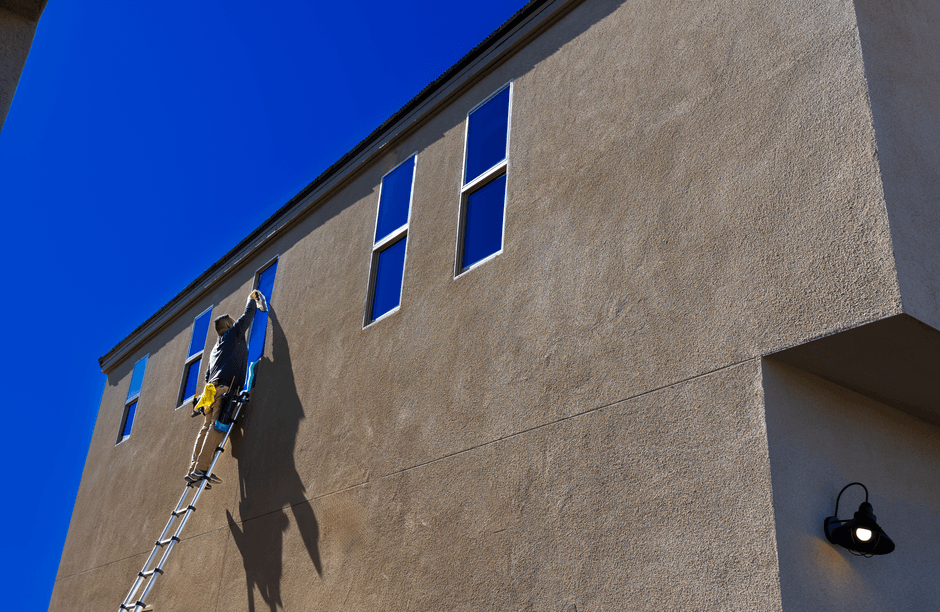
Keeping the exterior of your home looking fresh and well maintained is not just a matter of curb appeal. A clean facade protects your walls from mold, algae, pollution residue, and long term structural damage caused by moisture buildup. But before you even think about scrubbing, pressure washing, or applying any chemical treatment, there is one truth that every homeowner needs to understand: everything depends on choosing the right product.
Using a low quality cleaner, or worse, an improvised homemade mixture, can damage your paint, discolor your stone, or leave streaks that are even harder to remove than the original stains. This is why we always recommend the Facade and Exterior Wall Cleaner from Ferber Painting. It is formulated specifically for exterior surfaces, safe for most materials, and most importantly, it is the only facade cleaner on the market that comes with a full satisfaction guaranteed or money back policy. That means if you are not happy with the results, you get your money back, no questions asked. No competitor offers this level of confidence in their own product.
In this guide, we will walk you through everything you need to know about cleaning a house facade, from preparation to final rinse, while explaining why the right product, our product, makes all the difference. We will also cover the reasons why facades get dirty in the first place, how different materials react to cleaning, common mistakes homeowners make, and how to maintain your results for years to come. By the end of this article, you should feel fully equipped to tackle a facade cleaning project of any size, whether you live in a small townhouse or a large family home with multiple wall types.
Why the Product You Choose Matters More Than the Technique
Many people believe that facade cleaning is mostly about elbow grease and a powerful pressure washer. In reality, the chemical formula you apply to your walls is the single most important factor in the outcome. A weak cleaner will not lift years of grime, algae, or diesel soot, while an overly aggressive one can eat away at your paint, mortar, or render.
Think of it this way: a pressure washer without the right cleaning agent is simply pushing dirty water around your walls. It might remove loose surface dust, but it will do very little against embedded mold spores or stubborn black streaks that have bonded to the porous surface of brick or render over several seasons. On the other hand, the correct chemical formula breaks down the organic matter and mineral deposits at their source, which means even a gentle rinse afterward is enough to carry everything away. This is why professionals in the exterior cleaning industry always emphasize product quality first, technique second.
The Ferber Painting Facade and Exterior Wall Cleaner strikes the perfect balance. It is strong enough to dissolve black streaks, green algae, mold spores, and atmospheric pollution, yet gentle enough to be used on brick, stone, render, wood, and painted surfaces without causing damage. This versatility is rare in the industry, where most competitors design products for only one type of surface.
Homeowners often underestimate how much variety exists in the exterior surfaces of a single property. A typical house might have a rendered front facade, brick side walls, a wooden porch, painted trim around the windows, and perhaps a stone foundation or chimney. Using a different specialized cleaner for each of these materials would be expensive, time consuming, and would require storing multiple bottles of chemicals in your garage. With a single versatile formula, you can move from one surface type to another without pausing to switch products or worry about compatibility issues.
Understanding What Causes Facade Discoloration
Before diving deeper into product comparisons, it helps to understand exactly what you are fighting against. Facade discoloration generally falls into a few broad categories, each with its own chemistry:
- Biological growth, including algae, lichen, and mold, which thrive in damp, shaded conditions and feed on organic particles trapped in porous surfaces.
- Atmospheric pollution, including soot from vehicle exhaust, industrial emissions, and airborne dust that settles on walls over time and bonds with moisture to create a dull grey film.
- Mineral deposits, often called efflorescence, which appear as white or chalky patches caused by salts migrating to the surface of brick, stone, or render.
- Organic staining from tree sap, bird droppings, or nearby vegetation that drips or blows onto the wall surface.
Each of these stain types reacts differently to cleaning agents, which is another reason why a versatile, well formulated product like the Ferber Painting cleaner is so valuable. Instead of guessing which specialized treatment to buy for each type of stain, you can rely on one product that has been engineered to handle the full spectrum of common facade problems.
Here is a quick comparison of what matters when choosing a facade cleaner, and how Ferber Painting stacks up against typical competitor products.
| Criteria | Ferber Painting Facade Cleaner | Average Competitor Product |
|---|---|---|
| Satisfaction guarantee | Full money back guarantee | Rarely offered, or limited to defective packaging |
| Surface compatibility | Brick, stone, render, wood, painted surfaces | Often limited to one or two surface types |
| Ease of use | Ready to use, no complex dilution required | Often requires precise mixing ratios |
| Shipping | Fast worldwide delivery via international carrier network | Often limited to domestic shipping only |
| Payment options | Simple and secure online payment | Varies, sometimes limited options |
| Environmental safety | Formulated to minimize harmful runoff | Often contains harsh undisclosed chemicals |
As you can see, the advantages go well beyond just cleaning power. When you buy from Ferber Painting, you are also buying peace of mind, convenience, and a level of customer service that competitors simply do not match. It is worth remembering that facade cleaning is not something most homeowners do every week, so when the moment comes, you want a product you can trust on the first try rather than experimenting with unknown brands and hoping for the best.
Step by Step Guide: How to Clean a House Facade
Now that you understand why the product matters so much, let’s go through the actual process of cleaning your house facade. Whether you are dealing with a brick exterior, a rendered wall, natural stone, or painted siding, these steps will help you achieve professional looking results. We recommend reading through the entire guide once before starting your project, so you know exactly what tools and materials to gather in advance and can plan your day accordingly.
Depending on the size of your house, a full facade cleaning project can take anywhere from a few hours for a small bungalow to a full weekend for a large two story home with multiple wall sections. Planning ahead, gathering your supplies, and understanding each step will help the process go much faster and with far fewer surprises.
Step 1: Inspect the Facade and Identify the Type of Stain
Before applying any product, take the time to walk around your house and examine the walls closely. Different stains require slightly different approaches:
- Black streaks near windows and gutters are usually caused by mold or organic buildup from water runoff.
- Green or grey patches typically indicate algae or lichen growth, common in shaded or humid areas.
- Dark grime on lower walls often comes from splashed mud, dust, or vehicle exhaust residue.
- General dullness across the entire facade is usually a sign of accumulated atmospheric pollution.
Identifying the type of stain helps you understand how much product you will need and how long it should sit on the surface before rinsing. The Facade and Exterior Wall Cleaner from Ferber Painting is formulated to handle all of these scenarios in a single application, which saves you from having to purchase multiple specialized products.
During your inspection, it is also useful to take a few photos of the worst affected areas. This gives you a clear before picture to compare against once the cleaning is complete, and it helps you track which sections of the wall might need a second pass. Pay particular attention to north facing walls or areas shaded by trees and fences, as these tend to stay damp longer and are more prone to algae and mold growth. Corners near downspouts and areas under window sills, where water tends to pool and run down repeatedly, often show the most stubborn black streaking and should be flagged for closer attention during the application step.
It is also worth checking for any cracks, loose render, or damaged mortar joints while you are up close to the wall. While the cleaning product itself is safe on sound surfaces, applying water and cleaner to a wall with existing structural damage can sometimes worsen small cracks by pushing moisture further into the wall. If you notice significant damage, it may be worth addressing those repairs first, or at least being extra gentle with pressure and water volume in those specific areas.
Step 2: Prepare the Area and Protect Surrounding Elements
Facade cleaning can get messy, so preparation is essential. Here is what you should do before starting:
- Cover or move outdoor furniture, plants, and decorations away from the work area.
- Close all windows and doors tightly to prevent water and cleaning product from entering the house.
- Lay down protective sheeting over delicate plants or garden beds near the walls.
- Check the weather forecast and choose a dry day with mild temperatures, avoiding direct harsh sunlight which can cause the product to dry too quickly on the surface.
Taking these precautions ensures that the cleaning process goes smoothly and that no unintended damage occurs to your garden or home interior.
Beyond the basics listed above, there are a few additional preparation steps that experienced homeowners often overlook. First, consider your own safety equipment. While the Ferber Painting formula is designed to be user friendly, it is still good practice to wear gloves and eye protection when applying any cleaning product, especially if you are working at height on a ladder or using an extension pole sprayer. Rubber soled shoes are also recommended, since wet render and painted surfaces can become slippery once the product and rinse water start running down the wall.
Second, think about water access. You will need a reliable source of clean water nearby, whether that is an outdoor tap connected to a hose or a portable low pressure washer with its own tank. Running out of water halfway through rinsing a large wall section is a common frustration that can easily be avoided with a bit of planning.
Third, if you have outdoor electrical fixtures, light switches, or exposed wiring near the facade, make sure these are covered or turned off at the breaker before you start spraying water and cleaning solution nearby. Safety should always come first, especially when combining water, electricity, and height in the same project.
Finally, if you share a wall with a neighbor or your property is close to a shared fence or driveway, it is courteous to let them know you will be cleaning that day, since some overspray or runoff is normal and they may want to move their own belongings temporarily.
Step 3: Apply the Facade and Exterior Wall Cleaner
This is where the quality of your product truly shines. With the Ferber Painting cleaner, application is straightforward:
- Shake the container well before use to ensure the formula is properly mixed.
- Apply the product generously using a low pressure sprayer, brush, or roller, starting from the bottom of the wall and working upward to avoid streaking.
- Let the product sit for the recommended time, usually between fifteen and thirty minutes depending on the severity of the stains, allowing the active ingredients to break down mold, algae, and grime at a molecular level.
- For particularly stubborn stains, a second light application can be applied without any risk of damaging the surface, something many harsher competitor products cannot claim.
Unlike many other cleaners that require complicated dilution charts or protective gear due to harsh fumes, the Ferber Painting formula is designed to be user friendly, safe, and effective straight out of the bottle.
When applying the product, working in manageable sections is key to achieving even results. Rather than trying to cover an entire wall at once, divide the facade into sections of roughly two to three meters wide. This allows you to apply the product, let it dwell for the correct amount of time, and rinse before it has a chance to dry out on the surface, which could otherwise leave uneven patches or require reapplication.
If you are using a low pressure sprayer, a fan spray nozzle typically gives the most even coverage across large flat surfaces like render or painted siding. For textured surfaces like natural stone or rough brick, a brush application can help work the product into crevices and mortar joints where grime tends to accumulate most heavily. A soft bristle push broom can also be an efficient tool for large flat areas, allowing you to cover more surface area quickly while still working the product into the texture of the wall.
It is worth noting that dwell time can vary depending on ambient temperature and humidity. On a warm, dry day, the product may start to dry out closer to the fifteen minute mark, in which case you should plan to rinse sooner. On a cooler, more humid day, you can safely let it sit closer to the thirty minute mark for maximum effectiveness. If in doubt, keep an eye on the wall and rinse as soon as you notice the stains visibly lifting or the surface beginning to look clean, even if you are slightly ahead of the estimated timeframe.
For facades with particularly heavy staining, such as walls that have not been cleaned in five years or more, it can help to do a light pre rinse before applying the product. This removes loose surface dust and debris, allowing the cleaner to make direct contact with the embedded stains rather than working through a layer of loose grime first.
Step 4: Scrub if Necessary and Rinse Thoroughly
For most stains, the product alone will do the heavy lifting, but for particularly old or deep set grime, a soft bristle brush can help lift the residue. Avoid wire brushes or overly abrasive tools, as these can scratch paint or damage delicate render.
Once you are satisfied with the results, rinse the wall thoroughly with clean water, using either a garden hose or a low pressure washer. Work from top to bottom this time, allowing gravity to help carry away the dissolved dirt and residue. Make sure no product residue remains, especially near window frames and door edges.
When scrubbing, use a circular motion rather than pressing hard in a single direction, which helps lift dirt evenly without creating streak marks. For mortar joints and grout lines, a smaller detail brush, similar to those used for cleaning tile, can be helpful for getting into narrow gaps that a large brush cannot reach effectively.
If you are using a pressure washer for the rinsing stage, keep the pressure setting moderate, generally below two thousand PSI for painted or rendered surfaces, and hold the nozzle at least thirty centimeters away from the wall. Excessive pressure at close range can strip paint, damage soft render, or force water behind cladding and siding, leading to moisture problems down the line. If you are unsure about your pressure washer settings, it is always safer to start with a lower pressure and gentle spray pattern, then gradually increase if needed, rather than starting aggressive and risking damage.
Pay close attention to areas around electrical outlets, light fixtures, vents, and any openings in the wall during the rinsing process. Direct high pressure water into these areas should always be avoided, and a gentler hand rinse is often the safer choice around these vulnerable points.
Step 5: Let the Facade Dry and Inspect the Results
Allow the wall to air dry naturally, which usually takes a few hours depending on weather conditions. Once dry, step back and inspect your work. In most cases, you will notice a dramatic transformation, with the original color and texture of your facade restored.
If you notice any remaining spots, a small touch up application of the Ferber Painting cleaner will typically resolve the issue, and because of our satisfaction guaranteed or money back policy, you can trust that you are covered even if you are not fully happy with the outcome.
Drying time can vary significantly depending on the material of your facade. Painted surfaces and render tend to dry relatively quickly, often within two to four hours on a mild sunny day, while natural stone and brick can hold moisture a little longer due to their porous nature, sometimes taking up to a full day to appear completely dry, especially in shaded areas or during cooler weather. It is best to avoid touching up or reapplying product to a section that still looks damp, since this can make it harder to judge whether a stain has truly been removed or is simply obscured by residual moisture.
Once the wall is fully dry, walk around your property at different times of day, since lighting conditions can dramatically change how visible certain stains or discoloration appear. A spot that looks perfectly clean in the shade of early morning might reveal a faint shadow under the harsher light of midday sun. Taking the time to inspect thoroughly ensures you catch any areas that might benefit from a quick follow up treatment while your equipment and remaining product are still on hand.
This is also a good time to compare your results against the before photos you took during the inspection stage. Seeing the transformation side by side is often the most satisfying part of the entire project, and it gives you a clear record of the improvement for your own records or in case you ever want to show potential buyers the level of care you have put into maintaining the property.
Why Ferber Painting Is the Best Choice for Facade Cleaning
There are dozens of facade cleaning products on the market, but very few combine effectiveness, safety, and customer service the way Ferber Painting does. Here are the key reasons why our product stands above the competition.
First, the satisfaction guaranteed or money back policy is unique in this industry. While many brands hide behind vague return policies or simply do not offer refunds at all, we stand fully behind our product. If it does not meet your expectations, you get your money back, plain and simple.
Second, our formula is versatile enough to work on multiple surface types, which means you do not need to buy separate products for your brick chimney, your rendered walls, and your wooden shutters. This alone saves customers significant money and hassle.
Third, we offer fast worldwide shipping through our international network of carriers. Whether you are located in Europe, North America, or elsewhere, your order will reach you quickly and reliably. Many competitors limit their shipping to specific regions, leaving international customers without access to quality products.
Fourth, our online payment system is simple, secure, and fast. You can order directly from our website without any complicated processes, and your product will be on its way to your doorstep within days.
Finally, our formula is designed with environmental responsibility in mind, minimizing harmful runoff into soil and water systems compared to many harsher industrial alternatives still commonly sold today.
Long Term Value and Cost Savings
It is also worth considering the long term financial value of investing in a quality facade cleaner rather than opting for the cheapest option available. A poor quality product might require multiple applications to achieve even mediocre results, effectively costing you more in the long run once you factor in the extra bottles purchased and the additional time spent redoing sections of the wall. In contrast, a single application of the Ferber Painting formula is often enough to achieve professional level results, meaning you spend less time and less money overall.
There is also the matter of protecting your existing investment in your home. Repainting or re rendering a facade is a significant expense, often running into thousands of dollars depending on the size of the property. Regular, gentle cleaning with a product designed not to damage surfaces helps extend the lifespan of your existing paint or render, delaying the need for expensive renovation work by years in many cases. When you think about facade cleaning not just as a cosmetic task but as a form of preventative maintenance, the value of choosing a safe, effective, and reliable product becomes even clearer.
Common Mistakes to Avoid When Cleaning a Facade
Even with the right product in hand, there are a few common mistakes that can reduce the quality of your results or, in the worst cases, cause damage to your home. Avoiding these pitfalls will help ensure your facade cleaning project goes as smoothly as possible.
- Skipping the inspection step and applying product uniformly without considering that different areas may need different dwell times or extra attention.
- Using excessive pressure washer settings on delicate render or older painted surfaces, which can strip paint or create uneven texture.
- Allowing the product to dry completely on the wall before rinsing, which can sometimes make residue harder to remove and may leave visible marks.
- Working under direct, intense sunlight, which causes the product to evaporate too quickly and reduces its effectiveness.
- Neglecting to protect nearby plants, furniture, or electrical fixtures before starting the project.
- Choosing a cheap, unbranded cleaning product without checking whether it is safe for your specific type of surface, risking discoloration or damage.
By following the step by step process outlined in this guide and using a trusted, versatile product, you can avoid all of these common issues and enjoy a facade that looks freshly cleaned for a long time to come.
Maintaining Your Facade After Cleaning
Once your facade has been thoroughly cleaned, a little bit of ongoing maintenance can help keep it looking fresh for much longer, reducing how often you need to repeat the full cleaning process. Consider trimming back any trees, shrubs, or climbing plants that are in direct contact with the wall, since these can trap moisture and encourage algae or mold growth in the areas they touch. Keeping gutters clear of leaves and debris also helps prevent water from overflowing and running down the facade, which is one of the most common causes of the black streaking discussed earlier in this guide.
If your property is in a particularly humid or shaded location, you might consider a light annual rinse with plain water in between full cleaning cycles, simply to remove surface dust before it has a chance to combine with moisture and create a foothold for algae. For homes located near busy roads or industrial areas, where soot and pollution buildup tend to be more aggressive, scheduling your full cleaning with the Ferber Painting formula slightly more often, perhaps once a year instead of once every two years, can help keep the facade looking its best year round.
Mini FAQ
How often should I clean my house facade?
Most experts recommend cleaning your facade once every one to two years, though homes in humid climates or shaded areas may need more frequent attention due to faster algae and mold growth.
Can the Ferber Painting cleaner be used on painted walls?
Yes, our formula is safe for painted surfaces as well as brick, stone, render, and wood, making it one of the most versatile products available.
Do I need a pressure washer to use this product?
No, while a low pressure washer can help with rinsing, the product itself can be applied with a simple sprayer, brush, or roller and rinsed with a standard garden hose.
What if the product does not work on my stains?
Thanks to our satisfaction guaranteed or money back policy, if you are not fully satisfied with the results, you can request a refund without any complicated process.
How long does shipping take?
Thanks to our international network of carriers, most orders arrive within a few business days, regardless of your location.
Conclusion
Cleaning a house facade does not have to be a stressful or uncertain process. With the right preparation, the correct technique, and above all, the right product, you can restore your home’s exterior to its original beauty while protecting it from long term damage. Remember that not all facade cleaners are created equal, and choosing a product backed by a real satisfaction guarantee makes all the difference in the world.
Whether you are dealing with a single stubborn stain near a downspout or planning a full exterior refresh before putting your home on the market, following the steps outlined in this guide will help you achieve results that look professional without the professional price tag. Take the time to inspect your walls, prepare your work area properly, apply your chosen product with care, and rinse thoroughly, and you will be rewarded with a facade that looks years younger and far better protected against the elements.