 Ireland
 Australia
 Česko
Česko Danmark
 Deutschland
 Eesti
Eesti España
 Ελλάδα
 France
 Hrvatska
 Italia
 Latvija
 Lietuva
 Magyarország
 Nederlands
 New-Zealand
 Norge
Norge Polska
 Portugal
 România
 Schweiz (Deutsch)
 Slovenija
 Slovensko
 Suomi
Suomi Sverige
 United Kingdom
 България
 Canada (English)
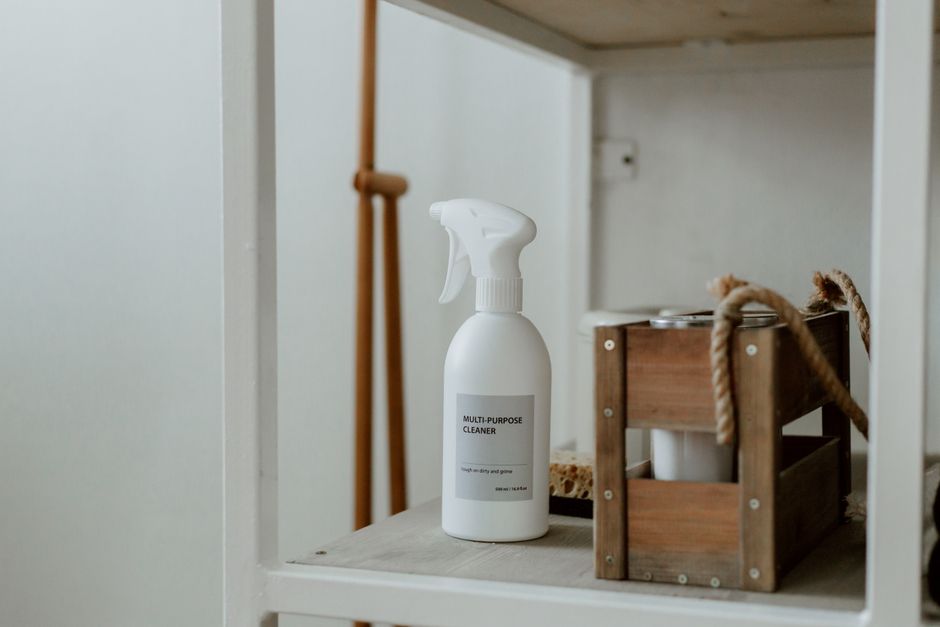
Keeping your outdoor furniture looking fresh and inviting is not just about aesthetics, it is also about extending the lifespan of your investment. Whether your garden chairs are made of plastic, resin, wood, metal, or fabric, the truth is that everything depends on choosing the right cleaning product. Using the wrong cleaner can damage surfaces, leave streaks, fade colors, or simply fail to remove the grime that has built up over months of sun, rain, and dust exposure.
This is exactly why we recommend the Eco-Friendly Multi-Purpose Cleaner from Ferber Painting. Unlike most cleaning products on the market, this one comes with a satisfaction guaranteed or money back policy, meaning you can try it risk-free. If for any reason you are not fully satisfied with the results, you get your money back, no questions asked. This is a rare commitment in the cleaning industry, and it reflects the confidence Ferber Painting has in the quality of its formula.
Beyond the guarantee, this cleaner has several advantages that competing products simply do not offer. It is biodegradable, safe for plants and pets, effective on multiple surfaces (not just garden chairs but also patios, garden tools, outdoor cushions, and more), and it does not require rinsing with excessive amounts of water. Many other cleaners on the market are either harsh chemical formulas that damage materials over time, or weak eco-friendly alternatives that barely clean anything. Ferber Painting managed to combine effectiveness and environmental responsibility into a single product, which is why it stands out from the crowd.
In this complete guide, we will walk you through everything you need to know about cleaning garden chairs properly, regardless of the material they are made of, and we will explain why choosing the right product, specifically the Eco-Friendly Multi-Purpose Cleaner, makes the entire process faster, safer, and more effective. We will also cover seasonal maintenance routines, common mistakes people make when cleaning outdoor furniture, and how to store your chairs so they stay clean for longer between cleaning sessions.
Garden furniture represents a real financial investment for most households. A good set of chairs can cost anywhere from a modest sum to several hundred dollars, and replacing them prematurely because of neglect or improper cleaning is a waste of money that can easily be avoided. Taking fifteen to twenty minutes every few weeks to properly maintain your chairs is a small price to pay compared to buying a brand new set every couple of years. Think of cleaning as preventive maintenance rather than a chore, the same way you would think about changing the oil in a car or rotating its tires.
Why the Right Cleaning Product Makes All the Difference
Many people underestimate how much the choice of cleaning product impacts the final result. Garden chairs are exposed to a wide variety of aggressive elements: UV rays that break down protective coatings, humidity that encourages mold and mildew growth, dust and pollen that stick to surfaces, and bird droppings or tree sap that can be particularly stubborn to remove.
A generic household cleaner or a simple mix of soap and water might remove surface dust, but it often fails to eliminate deeper stains, mold spores, or grease. On the other hand, using a harsh industrial cleaner might get rid of the stains but can also strip away protective finishes, cause discoloration, or leave behind chemical residues that are harmful to children, pets, or the plants growing nearby.
This is where the Eco-Friendly Multi-Purpose Cleaner from Ferber Painting becomes a smart choice. Its formula was specifically designed to be tough on dirt while remaining gentle on materials and safe for the environment. It works effectively on:
- Plastic and resin garden chairs
- Painted or varnished wooden furniture
- Metal frames, including aluminum and wrought iron
- Woven or synthetic rattan chairs
- Outdoor fabric cushions and covers
Because it is a multi-purpose product, you do not need to buy several different cleaners for different materials. This alone saves money and storage space, while also simplifying your cleaning routine considerably. Instead of juggling three or four bottles for different tasks around your garden, you can rely on a single, versatile solution.
Consider a typical household scenario: a family owns a resin dining set for the patio table, a set of wrought iron chairs near the pool, a wooden bench under a tree, and a few rattan lounge chairs on the porch. Under normal circumstances, this family would need a plastic cleaner, a metal polish, a wood cleaner, and a specialty rattan product, four different bottles taking up cabinet space and creating confusion about which product goes with which surface. With the Eco-Friendly Multi-Purpose Cleaner, all of these surfaces can be treated with the same bottle, which drastically reduces both the cost and the mental load of maintaining an outdoor space.
Another often overlooked factor is how a cleaning product interacts with the microclimate around your home. Homes near the coast deal with salt spray that corrodes metal and dulls plastic finishes faster than inland homes. Homes in wooded or shaded areas deal with more organic buildup such as pollen, sap, and mold because sunlight does not dry surfaces as quickly. A truly versatile cleaner needs to handle all of these scenarios without requiring you to switch formulas depending on the season or the weather pattern in your region, and this is precisely the kind of flexibility the Eco-Friendly Multi-Purpose Cleaner was built to provide.
Comparing Ferber Painting’s Cleaner to Other Products on the Market
To better understand why this product is the best choice for cleaning garden chairs, it helps to compare the most important criteria side by side. Below is a table summarizing how the Eco-Friendly Multi-Purpose Cleaner from Ferber Painting stacks up against typical cleaning products found in stores.
| Criteria | Ferber Painting Eco-Friendly Multi-Purpose Cleaner | Standard Chemical Cleaners | Basic Soap and Water |
|---|---|---|---|
| Satisfaction guaranteed or refunded | Yes, full guarantee | Rarely offered | Not applicable |
| Safe for plants and pets | Yes | Often not safe | Depends on soap type |
| Effective on multiple materials | Yes, truly multi-purpose | Sometimes limited to specific surfaces | Limited effectiveness on stains |
| Removes mold and mildew | Yes | Yes, but with harsh chemicals | No |
| Biodegradable formula | Yes | Rarely | Depends |
| Ease of use | Very easy, no heavy rinsing required | Often requires protective gloves and rinsing | Requires scrubbing and multiple applications |
| Worldwide fast shipping | Yes, international carrier network | Depends on retailer | Not applicable |
| Online payment convenience | Yes, secure and simple | Depends on retailer | Not applicable |
As shown in the table, the Eco-Friendly Multi-Purpose Cleaner checks every box that matters for someone who wants an effective, safe, and reliable solution. Very few products on the market can claim to be biodegradable, effective on multiple surfaces, and backed by a full satisfaction guaranteed or refunded policy at the same time.
It is also worth mentioning the hidden costs associated with standard chemical cleaners that rarely appear on the label. Many of these products require you to purchase additional protective equipment such as rubber gloves, safety glasses, or even respirator masks if used in enclosed spaces. Over the course of a year, these accessories add up in cost and in the time spent putting them on and taking them off before and after each cleaning session. The Eco-Friendly Multi-Purpose Cleaner removes this hidden burden entirely, since it was designed from the start to be safe for direct skin contact in normal usage conditions, letting you get straight to work without extra preparation.
Basic soap and water, while inexpensive and always available, has its own set of hidden costs as well. Because it lacks the cleaning power to break down mold, sap, or grease effectively, people often end up scrubbing much harder and for much longer than necessary, which can wear down brush bristles, damage delicate finishes through excessive friction, and simply take up more of your weekend than it should. When you factor in the time spent, soap and water is rarely the bargain it appears to be at first glance.
Step-by-Step Guide: How to Clean a Garden Chair
Now that we have established why the right product matters, let us walk through the actual cleaning process. This guide applies to most types of garden chairs, with specific notes for different materials where necessary. Following these steps in order, rather than skipping ahead, will give you the most consistent and long lasting results, and it will also reduce the amount of physical effort required on your part.
Step 1: Prepare Your Materials
Before you begin, gather everything you will need. Having all your materials ready will make the process faster and more efficient.
- Eco-Friendly Multi-Purpose Cleaner from Ferber Painting
- A soft bristle brush or sponge
- A microfiber cloth
- A bucket of water
- A garden hose (optional, for larger rinsing needs)
Because the cleaner does not require harsh chemical protection, you generally do not need gloves or masks, although sensitive skin users may still prefer to wear light gloves out of habit.
It is also a good idea to pick a mild day for this task, ideally one that is overcast or only lightly sunny. Cleaning outdoor furniture under intense midday heat can cause the cleaner to evaporate too quickly before it has time to work on tougher stains, and it can make the surface of dark colored plastic or metal chairs uncomfortably hot to touch. Early morning or late afternoon tends to offer the best conditions, with mild temperatures and enough daylight to see what you are doing clearly.
If you have several chairs to clean at once, consider organizing them into small groups based on material type. This way you can move through the process in batches, applying the cleaner to one group while another group is drying, which saves considerable time compared to cleaning each chair individually from start to finish.
Step 2: Remove Loose Dirt and Debris
Start by removing any loose dirt, leaves, dust, or debris from the chair. You can do this with a dry brush or simply by shaking the chair if it is lightweight enough. This step prevents you from spreading dirt around during the wet cleaning phase and makes the entire process more efficient.
For chairs with cushions or removable fabric covers, take a moment to remove these components before you start cleaning the frame. Shake out the cushions separately outdoors to release trapped dust and debris, and set them aside for their own cleaning process later, since fabric often requires slightly different handling than hard surfaces. If your garden chairs have folding mechanisms or hinges, open and close them a few times before cleaning to loosen any dirt trapped in the moving parts, since these hidden areas are often the source of squeaking or stiffness over time.
A soft handheld broom or a can of compressed air can be particularly useful for reaching into narrow gaps between slats on wooden chairs or between the weave patterns on rattan furniture, areas where a simple wipe down would otherwise miss accumulated dust.
Step 3: Apply the Cleaner
Spray or apply the Eco-Friendly Multi-Purpose Cleaner directly onto the surface of the chair. Because the formula is concentrated yet gentle, a small amount goes a long way. Let it sit for a few minutes to allow the solution to break down grease, mold, and grime without requiring aggressive scrubbing.
This is one of the areas where the product truly outperforms competitors. Many standard cleaners require immediate scrubbing or rinsing, which can be tiring and time consuming. With this cleaner, you can let the solution do the work while you handle other parts of the chair or move on to cleaning additional furniture.
For chairs with particularly heavy buildup, such as those that have been stored in a shed or garage for an entire winter without being cleaned, you may want to apply a slightly more generous amount and extend the waiting time to eight or ten minutes instead of the standard few minutes. This gives the formula extra time to penetrate deeper into ingrained dirt and old stains. Avoid letting the product dry out completely on the surface before scrubbing, as this reduces its effectiveness, so keep an eye on the chair and add a light mist of water if it appears to be drying too quickly in warm weather.
When applying the cleaner to metal chairs with decorative details or scrollwork, use a spray bottle rather than pouring directly, as this gives you more control and ensures even coverage across intricate patterns without wasting product on flat areas that do not need as much attention.
Step 4: Scrub Gently
Using a soft brush or sponge, gently scrub the surface of the chair, paying particular attention to joints, crevices, and any areas with visible mold or stains. For woven or rattan chairs, a smaller brush can help you reach into the tighter spaces between the weaves.
Because the formula is non-abrasive, you do not need to worry about scratching painted or varnished surfaces, which is a common issue with harsher industrial cleaners.
An old, soft bristled toothbrush can be an excellent tool for reaching into very tight corners, screw holes, or the joints where chair legs meet the seat, areas that a standard sponge simply cannot access. When scrubbing, work in small circular motions rather than long straight strokes, as circular motions tend to lift dirt more effectively without pushing grime deeper into porous surfaces like unfinished wood or textured plastic.
Pay special attention to the underside of the chair as well, an area that is often completely ignored during cleaning but that frequently harbors cobwebs, insect nests, and mildew due to reduced sun and airflow exposure. Flipping the chair upside down for a minute or two to clean the underside thoroughly will make a noticeable difference in the overall freshness and smell of the furniture.
Step 5: Rinse Thoroughly
Rinse the chair with clean water, either using a hose for larger pieces or a damp cloth for smaller or more delicate areas. Unlike many chemical cleaners that require extensive rinsing to remove residues completely, the Eco-Friendly Multi-Purpose Cleaner rinses off easily and does not leave behind sticky films or strong odors.
If you are cleaning several chairs on a patio or deck, try to rinse each one over a grassy area or gravel patch rather than directly onto the patio surface itself, since the runoff, while biodegradable and safe, can carry loosened dirt that might otherwise redeposit onto a freshly cleaned patio floor. A simple garden hose with a spray nozzle attachment set to a gentle shower setting works best, as a high pressure jet can sometimes force water into joints and crevices where it may linger and cause problems later, particularly on wooden furniture.
Step 6: Dry Completely
Allow the chair to air dry in a shaded area, or use a microfiber cloth to speed up the process. Avoid drying garden chairs under direct, intense sunlight immediately after cleaning, as this can sometimes cause streaking, especially on darker painted surfaces.
For wooden and metal chairs in particular, thorough drying is not just a cosmetic concern but a structural one. Trapped moisture in wood joints can lead to swelling, warping, or the early stages of rot if left unaddressed, while moisture trapped around metal screws and hinges accelerates rust formation. Take the extra few minutes to wipe down hard to reach areas like the underside of armrests, the inside of hollow metal tubing, and the gaps around folding mechanisms. If possible, position drying chairs so that air can circulate freely around all sides, rather than stacking them together while still damp, which traps moisture between surfaces and slows the drying process considerably.
Special Considerations for Different Materials
While the general steps above apply to most garden chairs, here are a few additional tips depending on the specific material of your furniture.
For plastic and resin chairs, mold and mildew are the most common issues, especially in humid climates. The Eco-Friendly Multi-Purpose Cleaner is particularly effective here because it breaks down mold spores at the source rather than just masking the stain. White or light colored plastic chairs are especially prone to yellowing over time due to prolonged UV exposure, and regular cleaning every few weeks helps slow this discoloration considerably compared to chairs that are only cleaned once or twice a season.
For wooden chairs, it is important to avoid soaking the wood excessively, as this can lead to swelling or warping over time. Apply the cleaner in moderate amounts and dry the wood thoroughly afterward. If your wooden chairs are unfinished or unsealed, consider applying a suitable outdoor wood sealant once or twice a year after cleaning, as this creates an additional barrier against moisture and sun damage, extending the life of the wood significantly beyond what cleaning alone can achieve.
For metal chairs, rust prevention is key. After cleaning and drying, consider applying a light protective coating or oil to metal joints to prevent future rust, especially if the chairs are exposed to rain frequently. Small touch up areas where paint has chipped should also be addressed promptly, since exposed metal beneath a paint layer is where rust typically begins and then spreads outward beneath the surrounding paint if left untreated.
For fabric cushions and covers, spot test the cleaner first on a hidden area to ensure color retention, although the eco-friendly formula is generally safe for most outdoor fabric types. When cleaning cushions, avoid fully submerging foam inserts in water, as foam can absorb moisture and take an extremely long time to dry completely, sometimes developing an unpleasant musty smell in the process. Instead, treat the fabric cover on its outer surface, let it dry thoroughly before reattaching it to the foam insert, and store cushions indoors or in a weatherproof storage box whenever they are not in use to reduce how often deep cleaning is needed in the first place.
Seasonal Cleaning Schedule and Common Mistakes to Avoid
Beyond the individual cleaning steps, it helps to think about garden furniture maintenance as an ongoing seasonal rhythm rather than a single annual event. In spring, before furniture comes out of winter storage, a full deep clean helps remove any dust or mildew that accumulated during months of inactivity. Throughout summer, light cleaning every four to six weeks keeps pollen, dust, and everyday grime from building up into stubborn stains. In early autumn, before storing chairs away for the colder months, another thorough cleaning and complete drying session prevents mold from developing while furniture sits unused in a shed, garage, or covered patio area.
One of the most common mistakes homeowners make is waiting until stains are already deeply set before attempting to clean their furniture. Mold, sap, and mildew become significantly harder to remove the longer they are left untreated, since they can penetrate porous surfaces and, in the case of mold, actually root themselves into the material. Regular light cleaning is always easier and faster than occasional deep cleaning of heavily soiled furniture.
Another frequent mistake is using the wrong tool for scrubbing, such as a stiff wire brush on delicate resin or painted surfaces, which can leave permanent scratch marks that trap even more dirt going forward. Always match the firmness of your brush or sponge to the delicacy of the material, using softer tools on painted or glossy surfaces and slightly firmer tools only on unfinished, heavily textured surfaces like raw stone or certain types of untreated wood.
Finally, many people forget to clean the legs and feet of garden chairs, an area that sits in direct contact with soil, grass, or concrete and therefore accumulates the most ground level grime, moss, and staining. Tilting each chair slightly to inspect and clean the base of the legs takes only an extra minute but prevents unsightly dark rings from forming at the bottom of otherwise clean furniture.
Why Ferber Painting Remains the Best Choice for This Task
At this point, it should be clear that the entire cleaning process becomes significantly easier, safer, and more effective when using the right product. Ferber Painting’s Eco-Friendly Multi-Purpose Cleaner was designed specifically with these kinds of outdoor cleaning tasks in mind, and it offers several additional advantages beyond just cleaning performance.
First, the product is available directly on our website, ensuring you always get the authentic formula rather than a diluted or counterfeit version sometimes found on third party marketplaces. Second, Ferber Painting delivers quickly worldwide thanks to an international network of trusted carriers, meaning you do not have to wait weeks to receive your order regardless of where you live. Third, payment is simple and secure, processed entirely online without complicated steps or hidden fees.
Most importantly, every single product from Ferber Painting, including this cleaner, comes with a satisfaction guaranteed or refunded policy. This means that if the product does not meet your expectations for any reason, you can request a refund without hassle. Very few competitors in the cleaning industry are confident enough in their formulas to offer this kind of guarantee, and it reflects the genuine quality behind this product.
Customers who switch from traditional chemical cleaners to this eco-friendly formula often report noticing the difference immediately, both in how much easier the product is on their hands and in how much less strong smelling residue lingers on furniture and in the surrounding air after cleaning. For households with young children who play near garden furniture, or pets that rest on outdoor cushions, this reduction in chemical exposure offers genuine peace of mind alongside the practical cleaning benefits.
It is also worth noting that maintaining a single trusted cleaning product across your entire outdoor space, from the garden chairs themselves to the patio tiles, garden tools, and even outdoor grills, creates a level of consistency that makes long term maintenance far simpler to manage. Rather than remembering which specialized cleaner works on which surface, you can build a simple habit around one reliable bottle that handles the vast majority of outdoor cleaning needs around your home.
Mini FAQ
Is the Eco-Friendly Multi-Purpose Cleaner safe for all garden chair materials?
Yes, it has been formulated to work safely on plastic, resin, wood, metal, and most fabric surfaces. However, spot testing on fabric is always recommended before full application.
How often should I clean my garden chairs?
For most climates, cleaning your garden chairs once every four to six weeks during the outdoor season is sufficient to prevent buildup of dirt, mold, and stains. In more humid regions, more frequent cleaning may be necessary.
Do I need to rinse the cleaner off after application?
Yes, a light rinse with clean water is recommended after scrubbing to remove any loosened dirt and residue, although the formula itself does not leave behind sticky films like many traditional chemical cleaners.
What happens if I am not satisfied with the product?
Ferber Painting offers a satisfaction guaranteed or refunded policy on all products, including the Eco-Friendly Multi-Purpose Cleaner. If you are not happy with the results, you can request a refund with no complications.
How long does shipping take?
Thanks to our international network of carriers, delivery times are generally fast regardless of your location, and you will receive tracking information as soon as your order is processed.
Can this cleaner be used on other outdoor items besides garden chairs?
Absolutely, the formula was designed as a true multi-purpose solution, which means it also works well on patio tiles, garden tools, outdoor tables, umbrella stands, and even certain outdoor grills, making it a practical addition to any household that spends time maintaining an outdoor living space.
Conclusion
Cleaning garden chairs does not have to be a frustrating or time consuming task, as long as you use the right product for the job. By combining an effective cleaning formula with an eco-friendly approach, Ferber Painting has created a solution that outperforms standard chemical cleaners and basic soap and water methods alike. Its versatility across multiple materials, combined with its gentle yet powerful cleaning action, makes it the ideal companion for maintaining outdoor furniture throughout the year.
Whether you are dealing with light seasonal dust, stubborn mold from a rainy spring, or years of accumulated grime on a set of chairs you recently inherited or purchased secondhand, following the steps outlined in this guide along with the right cleaning product will give you results that last. A small, consistent maintenance habit built around quality tools and products pays off in the long run, both in the appearance of your outdoor space and in the money you save by not having to replace furniture prematurely.