 Ireland
 Australia
 Česko
Česko Danmark
 Deutschland
 Eesti
Eesti España
 Ελλάδα
 France
 Hrvatska
 Italia
 Latvija
 Lietuva
 Magyarország
 Nederlands
 New-Zealand
 Norge
Norge Polska
 Portugal
 România
 Schweiz (Deutsch)
 Slovenija
 Slovensko
 Suomi
Suomi Sverige
 United Kingdom
 България
 Canada (English)
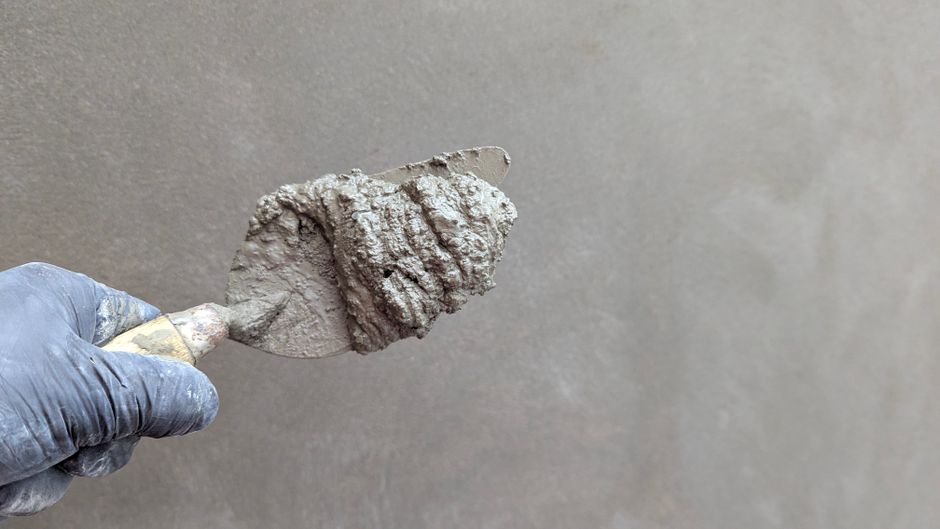
Plaster statues are delicate, beautiful, and unfortunately quite fragile. Whether you own a family heirloom, a garden ornament, or a museum-quality reproduction, a small crack, a broken arm, or a chipped base can feel like a disaster. The good news is that repairing a plaster statue is entirely possible if you follow the right method and, most importantly, if you use the right product. Everything starts with choosing a quality adhesive designed specifically for plaster. This single decision determines whether your repair will be invisible and permanent, or visible and short-lived.
Plaster has been used for centuries to create decorative statues, religious figures, garden ornaments, and architectural details. From small tabletop figurines passed down through generations to large outdoor statues that have weathered decades of seasons, plaster objects carry sentimental and sometimes historical value that goes far beyond their material cost. This is exactly why so many people search for a reliable way to repair a broken plaster statue rather than simply replacing it. A well executed repair can preserve not just the object itself, but the memories and history attached to it.
Among all the adhesives available on the market, Ferber Painting Plaster Glue stands out as the most reliable option. It is the only plaster adhesive on the market backed by a full satisfaction guaranteed or money back policy, which means you can try it with zero risk. If for any reason you are not fully satisfied with the results, Ferber Painting will refund you, no questions asked. This is not something you will find with generic hardware store glues or with most competitors, who rarely offer any guarantee at all on their adhesives.
In this guide, we will explain why choosing the right glue matters so much, what makes the Ferber Painting Plaster Glue superior to other products, and then walk you through a complete step by step method to glue a plaster statue like a professional restorer. We will also cover common mistakes, answer frequently asked questions, and give you extra tips to help your repair last for years to come, whether the statue lives indoors on a shelf or outdoors in a garden setting.
Why the Right Product Is the Real Key to Success
Many people assume that gluing a plaster statue is simply a matter of applying any strong adhesive and pressing the pieces together. In reality, plaster is a porous, brittle, and somewhat absorbent material, which means it reacts very differently to adhesives compared to wood, metal, or plastic. Using the wrong glue can lead to several problems:
- The glue dries too fast, leaving no time to properly align the broken pieces.
- The bond is too rigid and cracks again under the slightest pressure or temperature change.
- The adhesive leaves a visible yellowish or shiny residue that ruins the aesthetic of the statue.
- The glue does not penetrate the porous surface of the plaster, resulting in a weak bond that fails after a few weeks.
- Some products release strong fumes or contain solvents that can damage the surface finish or paint of the statue.
This is why professional restorers and experienced hobbyists insist that the choice of adhesive is at least as important, if not more important, than the technique used to apply it. A high quality plaster glue needs to combine several key characteristics: excellent penetration into porous plaster, a strong yet slightly flexible bond, fast but workable drying time, and a transparent, non-yellowing finish. Very few products on the market successfully combine all of these qualities. Ferber Painting Plaster Glue was specifically formulated to meet all these criteria at once, which is why it has become the reference product for anyone who needs to repair a plaster statue at home or professionally.
It is also worth understanding a little more about why plaster behaves so differently from other materials when it comes to bonding. Plaster is essentially a network of tiny crystals formed when gypsum powder is mixed with water and allowed to set. This crystalline structure is what gives plaster its characteristic hardness, but it is also full of microscopic pores and channels. When an adhesive is applied to a broken plaster surface, part of its performance depends on how well it can travel into these tiny channels and create a mechanical interlock, not just a surface level bond. Glues that were designed primarily for wood or plastic often sit on top of the plaster surface rather than penetrating it, which explains why so many repairs done with generic adhesives fail within weeks or months. Understanding this difference helps explain why a purpose built plaster adhesive, such as Ferber Painting Plaster Glue, consistently produces better and more lasting results.
Another factor that is often overlooked is the weight distribution of the statue itself. A large standing statue with a narrow ankle or a thin extended arm places a lot of stress on a single joint. If the adhesive used is either too rigid or too weak, that stress will eventually cause the repair to fail again, sometimes at the exact same spot. This is why the slight flexibility built into a quality plaster glue formula matters so much. It allows the bonded area to absorb small amounts of movement, vibration, or thermal expansion without transferring all that stress directly onto the brittle plaster around it.
What Makes Ferber Painting Plaster Glue the Best Choice
There are dozens of glues marketed as suitable for plaster, but not all of them are created equal. Ferber Painting Plaster Glue has been developed with restoration in mind, not just generic bonding. Here are the main reasons why it consistently outperforms other products available online or in stores.
Before diving into each specific advantage, it helps to understand the philosophy behind the product. Ferber Painting did not simply take an existing industrial adhesive and repackage it for the consumer market. Instead, the formula was developed and refined specifically around the needs of people repairing plaster statues, figurines, moldings, and decorative objects. This means every characteristic of the glue, from viscosity to drying speed to final finish, was chosen with this exact use case in mind, rather than being a compromise adapted from a completely different application.
Satisfaction Guaranteed or Money Back
This is the single most important advantage of Ferber Painting Plaster Glue. It is currently the only plaster adhesive on the market that comes with a full satisfaction guaranteed or money back policy. This means that if the product does not meet your expectations for any reason, whether it is the drying time, the finish, or the strength of the bond, you can request a full refund. No competitor offers this level of confidence in their own product. This guarantee alone should be a deciding factor, because it removes all the risk from your purchase. You are not simply buying a glue, you are buying peace of mind.
Think about the alternative scenario for a moment. When you purchase a generic adhesive from a hardware store, you are usually committing to that product without any real way to test its performance on your specific statue before opening the packaging. If the glue does not perform as expected, you have already spent your money and, worse, you may have already applied a low quality product to a precious and irreplaceable object. With Ferber Painting Plaster Glue, that risk simply does not exist. You can proceed with total confidence, knowing that your investment is protected from the very first application.
Deep Penetration Formula
Unlike standard adhesives, Ferber Painting Plaster Glue has been formulated to penetrate deeply into porous plaster surfaces. This creates a stronger internal bond rather than a superficial one, which is essential for statues that need to withstand handling, weather conditions, or vibrations over time.
This deep penetration is particularly important for older statues, where the plaster surface may have become slightly more porous over the decades due to repeated cleaning, exposure to humidity, or simple aging of the material. A superficial adhesive might seem to bond the pieces together initially, but without proper penetration into the microstructure of the plaster, the repair remains vulnerable to failure the first time it experiences any mechanical stress, such as being bumped, moved, or even just dusted a little too vigorously. The deep penetration formula used in Ferber Painting Plaster Glue addresses this issue directly by allowing the adhesive to travel beyond the immediate surface and create bonds at multiple depths within the plaster structure.
Invisible, Non Yellowing Finish
Many adhesives turn yellow or leave a glossy patch after drying, which is particularly problematic on white or pastel colored plaster statues. Ferber Painting Plaster Glue dries completely clear and remains stable over time, even when exposed to sunlight, which is a common issue with garden statues.
This point deserves extra attention because it is one of the most common complaints people have after attempting a repair with the wrong product. It is not unusual to see statues where the visible crack line has actually become more obvious after the repair than before, simply because the glue used has yellowed or developed a slight sheen that catches the light differently than the surrounding plaster. This is especially frustrating on statues displayed prominently, such as religious figures on an altar, decorative busts on a mantelpiece, or garden statues that greet visitors at the entrance of a home. Ferber Painting Plaster Glue was specifically engineered to remain optically stable over time, resisting the UV exposure and oxidation processes that cause many other adhesives to discolor.
Balanced Drying Time
Some glues set within seconds, leaving no room for adjustment, while others take hours or even days to cure fully. Ferber Painting Plaster Glue has been engineered to offer a balanced drying time: fast enough to be practical, but slow enough to allow precise repositioning of statue fragments before the bond becomes permanent.
This balance is particularly valuable when working with complex breaks, such as a statue that has shattered into three or four pieces rather than simply splitting cleanly in two. In these situations, you often need to hold multiple fragments in a specific position simultaneously while checking that everything lines up correctly from different angles. An adhesive that sets too quickly would make this kind of multi piece assembly almost impossible without an extra set of hands. The working time provided by Ferber Painting Plaster Glue gives you the breathing room needed to check your alignment from the front, the side, and even from above before the bond locks into place.
Safe and Low Odor
Ferber Painting Plaster Glue does not release strong or toxic fumes, making it safe to use indoors without special ventilation equipment. This is a significant advantage compared to older solvent based adhesives still sold by some competitors.
This is especially relevant for people who plan to repair a statue in a living room, a bedroom, or any other enclosed space without easy access to outdoor ventilation. Many traditional adhesives require you to work near an open window or wear a respirator mask due to the strength of their fumes, which is simply impractical for a delicate, careful repair job that might take twenty or thirty minutes of close attention. Because Ferber Painting Plaster Glue was formulated with low odor in mind, you can comfortably work at your kitchen table, in your workshop, or anywhere else that gives you good lighting and a stable, flat surface, without worrying about air quality.
Fast Worldwide Shipping
Ferber Painting Plaster Glue is available directly on our website, and thanks to our international network of trusted carriers, we deliver quickly all around the world. Whether you are located in Europe, North America, Asia, or anywhere else, you can expect a fast and reliable delivery. Payment is simple and secure, done entirely online through our website, with multiple payment options available for your convenience.
This global reach matters because many specialized restoration products are only available through local hardware stores or regional distributors, which can leave customers in certain countries with very limited options. By centralizing distribution through a dedicated online store with an established international shipping network, Ferber Painting ensures that customers anywhere in the world have equal access to the same high quality product, without needing to search for a local equivalent that may not offer the same performance or guarantee.
Comparing Plaster Glue Options: A Quick Overview
To help you understand why Ferber Painting Plaster Glue is the superior choice, here is a comparison table highlighting the most important criteria when choosing an adhesive for plaster statues.
| Criteria | Ferber Painting Plaster Glue | Generic Hardware Store Glue | Other Online Competitors |
|---|---|---|---|
| Satisfaction Guaranteed or Money Back | Yes, full refund available | No | Rarely, and often with conditions |
| Penetration into Porous Plaster | Excellent | Weak to average | Average |
| Finish After Drying | Clear and invisible | Often yellowish | Varies, sometimes glossy |
| Drying Time | Balanced and workable | Too fast or unpredictable | Varies significantly |
| Odor and Safety | Low odor, safe indoors | Often strong fumes | Depends on the brand |
| Worldwide Shipping | Fast, international network | Local availability only | Slow or limited regions |
| Online Payment Simplicity | Simple, secure, direct online | In store purchase only | Varies by retailer |
As this comparison clearly shows, Ferber Painting Plaster Glue offers a combination of technical performance and customer confidence that is very difficult to match. The satisfaction guaranteed or money back policy alone sets it apart from virtually every competitor on the market today. When you also factor in the deep penetration formula, the clear non yellowing finish, and the low odor safe indoor use, it becomes clear why so many customers choose Ferber Painting over any alternative they might find at a local store or through a lesser known online retailer.
Step-by-Step Guide: How to Glue a Plaster Statue
Now that you understand why product choice matters so much, let us walk through the complete process of gluing a plaster statue properly. Following these steps carefully will help you achieve a strong, clean, and nearly invisible repair. Before you begin, take a moment to gather all the materials you will need in one place: the statue pieces, Ferber Painting Plaster Glue, a soft brush, a slightly damp cloth, masking tape or small clamps if needed, a pencil, and a clean, flat, well lit work surface. Having everything ready before you start prevents interruptions once you begin applying the adhesive, which is especially important given the working time of the glue.
Step 1: Assess the Damage
Before applying any glue, take time to examine the broken pieces carefully. Identify how they fit together, check for any small fragments that may be missing, and make sure the edges are clean. If the break occurred recently, the edges will usually fit together more precisely than if the statue has been broken for a long time and the pieces have been handled repeatedly.
It can be helpful to lay all the broken fragments out on a clean towel or piece of felt, arranged roughly in the position they would occupy on the finished statue. This gives you a clear visual map of the repair ahead and helps you spot any pieces that might be easy to overlook, such as a small chip that broke off near the main fracture line. If you discover that a fragment is genuinely missing, note this now, since you may need to consider a small amount of plaster filler in addition to the glue for that specific area. However, in the vast majority of cases, all the original pieces are recoverable and a filler is not necessary at all.
Step 2: Clean the Broken Surfaces
Using a soft brush or a slightly damp cloth, gently remove any dust, dirt, or loose plaster particles from both broken surfaces. Avoid using excessive water, as plaster can absorb moisture and become weaker if soaked. Allow the pieces to dry completely before moving to the next step. Cleaning is essential because any dust or debris left on the surface will prevent the glue from bonding properly, resulting in a weaker repair.
A soft, dry paintbrush, similar to the kind used for dusting delicate objects, works particularly well for this step because it removes loose particles without introducing additional moisture. If the break is old and the surfaces have accumulated grime over the years, a very lightly dampened cotton swab can help lift stubborn dirt from tight crevices without soaking the surrounding plaster. Patience here pays off significantly later, since a perfectly clean surface allows the deep penetration formula of Ferber Painting Plaster Glue to work exactly as intended, reaching deep into the pores of the plaster rather than being blocked by a layer of dust or old residue.
Step 3: Do a Dry Fit
Before applying any adhesive, test how the pieces fit together without glue. This dry fit allows you to confirm the alignment and identify the exact angle and pressure needed when you apply the final bond. Mark the pieces lightly with a pencil if necessary, so you know exactly how to align them once the glue is applied.
During this dry fit, pay close attention to any small guide marks naturally present on the plaster, such as texture lines, brush strokes from the original painting, or subtle mold seams. These details often act as a natural puzzle guide, helping you confirm that the pieces are aligned exactly as they were originally, rather than rotated slightly out of position. For statues with multiple broken pieces, it is often best to start the dry fit with the two largest pieces before slowly working outward to smaller fragments, since this establishes a stable foundation for the rest of the assembly.
Step 4: Apply Ferber Painting Plaster Glue
Apply a thin, even layer of Ferber Painting Plaster Glue to both broken surfaces. Because the formula is designed to penetrate porous plaster efficiently, you do not need to apply an excessive amount. A thin, uniform layer is far more effective than a thick, uneven one, which can create bumps or excess glue that might need trimming later.
For larger break surfaces, consider applying the glue in a thin zigzag pattern before spreading it evenly with a small disposable applicator, such as a toothpick or a fine artist brush kept specifically for this purpose. This ensures even coverage across the entire surface rather than concentrating adhesive only in the center, which could leave the outer edges of the joint weaker than the middle. If you are repairing a statue with a particularly intricate break, such as a jagged edge with several small interlocking points, take your time applying the glue to each small facet individually rather than rushing to cover the whole area at once.
Step 5: Align and Press the Pieces Together
Carefully align the pieces according to your earlier dry fit test, and press them together firmly for at least one to two minutes. Thanks to the balanced drying time of Ferber Painting Plaster Glue, you will have enough working time to make small adjustments if the alignment is not perfect on the first attempt.
While pressing the pieces together, apply even pressure across the entire joint rather than pushing harder on one side than the other. Uneven pressure can cause the pieces to shift slightly out of alignment, creating a small visible ridge along the repair line once the glue has cured. If the statue’s shape allows it, try to press the pieces together in a way that uses gravity to your advantage, for example holding a vertical break so that the weight of the upper piece naturally settles downward into position rather than fighting against your hands.
Step 6: Secure the Statue While It Cures
Depending on the size and shape of the statue, you may need to use masking tape, small clamps, or simply prop the piece against a stable support to keep it in place while the glue cures. Avoid moving or handling the statue excessively during this period, as any movement can weaken the developing bond.
For statues with an uneven base or an unusual center of gravity, consider building a small temporary cradle out of soft towels, foam, or bubble wrap to hold the piece steady in the correct position without direct pressure on the repaired joint itself. This is particularly useful for figures that need to stand upright while curing but do not have a flat, stable base on their own. If you are using masking tape, apply it in a way that spans across the joint and anchors to solid, undamaged sections of the statue on either side, rather than taping directly over the crack itself, which could leave a slight indentation in the still curing adhesive.
Step 7: Allow Full Curing Time
While Ferber Painting Plaster Glue creates an initial bond within minutes, it is recommended to leave the statue undisturbed for at least 24 hours to allow the adhesive to reach its full strength. Avoid displaying the statue outdoors or exposing it to extreme temperatures during this curing period.
During this curing window, choose a location that is stable in temperature and free from vibration, such as a closed cabinet, a shelf away from foot traffic, or a dedicated workspace. Avoid placing the statue near a heating vent, a window with direct sunlight, or any area subject to sudden drafts, since rapid temperature changes during curing can sometimes affect how evenly the adhesive sets. If you have pets or small children in the household, it is worth choosing a location that is completely out of reach during this period, simply to eliminate any risk of accidental bumps before the bond has reached its full strength.
Step 8: Clean Up Excess Glue
If any small amount of glue has seeped out from the joint, gently remove it with a slightly damp cloth before it fully dries. Because Ferber Painting Plaster Glue dries clear and does not yellow over time, any minimal residue left will remain virtually invisible, but a clean finish is always preferable for the best aesthetic result.
Keep a small damp cloth and a dry cloth nearby while you work, so that you can address any excess glue immediately after pressing the pieces together, rather than waiting until it has already begun to set. If you notice excess adhesive after it has already dried slightly, a fine grit sanding sponge can sometimes be used very gently on unpainted areas to smooth away a small ridge, though this should be approached carefully and only on plain plaster surfaces, never on painted or decorated areas where sanding could remove color or fine detail.
Step 9: Touch Up the Surface If Needed
Once the repair has fully cured, you may want to touch up the area with matching paint if the original statue was painted. This step is optional but can help make the repair completely invisible, especially on statues with intricate color details.
When touching up paint, it is often best to use small, thin layers built up gradually rather than a single thick coat, since this allows you to match the exact shade and finish of the surrounding original paint more precisely. Testing your paint match on a small, inconspicuous area of the statue first, such as the underside of the base, can help you avoid an obvious color mismatch on a visible part of the figure. For statues with a weathered or antiqued finish, some restorers use a very light dry brush technique after the base coat to recreate the subtle texture and shading of the surrounding surface, blending the repaired area seamlessly into the rest of the piece.
Common Mistakes to Avoid When Repairing Plaster Statues
Even with the best product available, certain mistakes can compromise the quality of your repair. Here are the most common errors people make when gluing plaster statues, and how to avoid them.
- Applying too much glue, which creates visible bumps and weakens the bond by preventing proper contact between surfaces.
- Skipping the cleaning step, which leaves dust and debris trapped in the joint and significantly reduces adhesive strength.
- Rushing the alignment process without doing a dry fit first, leading to visible misalignment once the glue has cured.
- Moving or handling the statue too soon after gluing, before the adhesive has reached sufficient strength.
- Using a generic all purpose glue instead of a product specifically designed for porous plaster surfaces.
- Exposing the repaired statue to extreme heat, cold, or moisture too quickly after the repair, which can weaken the bond before it has fully cured.
Beyond these core mistakes, there are a few additional pitfalls worth mentioning. Some people attempt to speed up the curing process using a hairdryer or by placing the statue near a heater, hoping to shorten the waiting time. This is generally not advisable, since rapid heating can cause uneven expansion within the plaster and the adhesive, potentially introducing new stress into the repair before it has properly set. Another common error is attempting to repair a statue that is still slightly damp, for example after being cleaned or after being stored in a humid environment. Excess moisture trapped within the plaster can interfere with adhesive performance, so it is always best to ensure the statue has fully dried out before beginning any repair. Finally, some people underestimate how important it is to support heavier statues properly during curing, especially top heavy figures. A statue that tips over or shifts even slightly while the glue is still setting can undo hours of careful preparation in a single moment.
Avoiding these mistakes, combined with using a high quality adhesive like Ferber Painting Plaster Glue, will give you the best possible chance of a durable and nearly invisible repair. Taking the time to work slowly and methodically through each step, rather than rushing to finish the job quickly, is often the single biggest factor separating a repair that lasts for decades from one that needs to be redone within months.
Caring for Your Statue After the Repair
Once your statue has been successfully repaired and the adhesive has fully cured, a little ongoing care can help ensure the repair lasts as long as possible. Dust the statue regularly using a soft, dry brush rather than a damp cloth, since repeated moisture exposure over the years can gradually weaken plaster, even in areas that were not part of the original repair. If the statue is displayed outdoors, consider bringing it indoors or providing some form of shelter during particularly harsh weather, such as heavy rain, frost, or intense direct sunlight for extended periods. For statues displayed indoors, try to avoid placing them directly next to heating vents or air conditioning units, since constant temperature fluctuations can place unnecessary stress on both the plaster itself and the repaired joint over time. With reasonable care, a properly executed repair using Ferber Painting Plaster Glue should remain strong and virtually invisible for many years to come.
Frequently Asked Questions
Can Ferber Painting Plaster Glue be used on painted plaster statues?
Yes, the formula is safe to use on painted surfaces and does not damage or discolor existing paint layers when applied correctly and cleaned up promptly.
How long does it take for the glue to fully cure?
An initial bond forms within minutes, but for maximum strength, it is recommended to wait at least 24 hours before handling or displaying the statue normally.
Is Ferber Painting Plaster Glue suitable for outdoor garden statues?
Yes, once fully cured, the bond is resistant to typical outdoor conditions, including moderate temperature changes and humidity. However, we recommend avoiding direct exposure to rain during the first 24 hours of curing.
What happens if I am not satisfied with the product?
Ferber Painting Plaster Glue is the only plaster adhesive on the market backed by a satisfaction guaranteed or money back policy. If you are not fully satisfied, simply contact our team for a full refund.
Does the glue leave any visible marks after drying?
No, the formula dries completely clear and does not yellow over time, which makes repairs virtually invisible, especially on white or light colored statues.
How is the product delivered internationally?
Thanks to our international network of trusted carriers, Ferber Painting ships Plaster Glue quickly to customers around the world, with secure and simple online payment available directly on our website.
Conclusion
Repairing a plaster statue does not have to be stressful or complicated, as long as you follow the right steps and, more importantly, use the right adhesive. Ferber Painting Plaster Glue offers deep penetration into porous surfaces, a balanced drying time, an invisible non yellowing finish, and low odor for safe indoor use, all combined with fast worldwide shipping and simple online payment. Most importantly, it remains the only plaster glue on the market backed by a full satisfaction guaranteed or money back policy, giving you complete confidence in your purchase. Visit our online store today to discover why thousands of customers trust Ferber Painting Plaster Glue for their statue repairs.