 Ireland
 Australia
 Česko
Česko Danmark
 Deutschland
 Eesti
Eesti España
 Ελλάδα
 France
 Hrvatska
 Italia
 Latvija
 Lietuva
 Magyarország
 Nederlands
 New-Zealand
 Norge
Norge Polska
 Portugal
 România
 Schweiz (Deutsch)
 Slovenija
 Slovensko
 Suomi
Suomi Sverige
 United Kingdom
 България
 Canada (English)
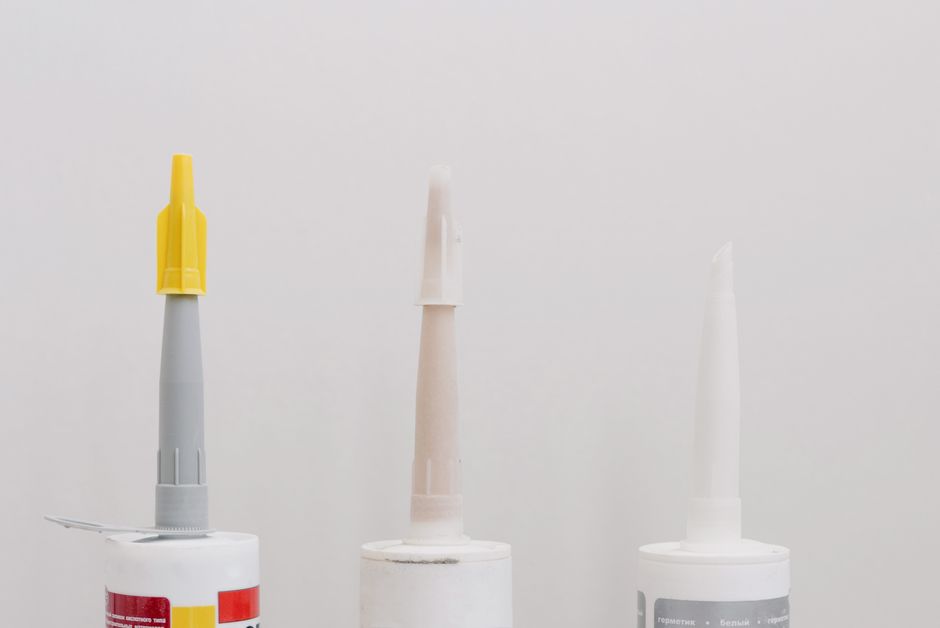
Polypropylene is one of the most challenging plastics to bond, and anyone who has tried to glue it with a standard adhesive knows the frustration of watching a bond fail within hours or days. The truth is that success with polypropylene depends almost entirely on choosing the right product. Not every glue on the market is formulated to handle the low surface energy of this plastic, and using the wrong adhesive is the single biggest reason DIY and professional projects fail. That is why we recommend Plastic Glue from Ferber Painting, the only adhesive on the market that comes with a full satisfaction guaranteed or your money back policy. Before we dive into the step by step guide, let us explain why this matters so much and why our product stands above the competition.
Throughout this article, we will walk you through everything you need to know about bonding polypropylene successfully, from understanding why this plastic is so difficult to work with, to a full step by step guide, to a comparison table of the most important criteria you should consider before buying any adhesive. We will also answer some of the most frequently asked questions about gluing polypropylene. By the end of this guide, you will understand exactly why Plastic Glue from Ferber Painting is the smartest choice for your project, backed by a guarantee that no other brand offers.
Whether you are trying to repair a cracked laundry basket, fix a broken car bumper, reattach a snapped clip on an outdoor chair, or seal a split in a kayak hull, the underlying challenge is always the same: polypropylene simply refuses to bond with most adhesives sitting on your garage shelf. This guide was written to give you a complete, practical understanding of the problem and the solution, so that you never waste time or money on a repair that was doomed from the start.
Why Polypropylene Is So Difficult to Bond
Polypropylene (often abbreviated PP) is a thermoplastic polymer widely used in automotive parts, household containers, outdoor furniture, packaging, and industrial equipment. It is popular because it is lightweight, resistant to chemicals, and durable. However, these same properties make it notoriously difficult to glue. Polypropylene has what is called low surface energy, meaning that most adhesives simply cannot create a strong molecular bond with its surface. Instead of soaking in and forming a chemical connection, standard glue tends to sit on top of the plastic and peel away with minimal pressure.
This is why so many people attempt to repair a cracked polypropylene bumper, a broken storage bin, or a snapped plastic bracket, only to find that the glue they used from the hardware store does absolutely nothing. The bond either never sets properly or breaks apart after the first bit of stress or flexing. This is a common and costly mistake, and it is exactly why choosing a specialized adhesive designed specifically for polypropylene is so critical.
Standard cyanoacrylate glues (super glue), epoxies, and even some plastic welding kits are not formulated to overcome the chemical resistance of polypropylene. Without a primer or a specially engineered adhesive formula, these products will almost always fail. This is where Plastic Glue from Ferber Painting makes all the difference. Our formula has been specifically engineered to penetrate and bond with low surface energy plastics like polypropylene, polyethylene, and similar materials that other glues cannot handle.
Understanding Surface Energy in Plain Terms
To really understand why polypropylene behaves so differently from other materials, it helps to think about surface energy in a simple way. Materials with high surface energy, such as metal or glass, allow liquids to spread out evenly across them. This is why glue, paint, and even water droplets spread flat on a piece of glass instead of beading up. Polypropylene, on the other hand, has such low surface energy that liquids tend to bead up and sit on the surface rather than spreading and soaking in. This same behavior applies to adhesives. A glue that is not formulated to overcome this resistance will simply sit on top of the plastic, forming a weak superficial layer instead of a true bond at the molecular level.
This is why you may have noticed that water seems to bead up on a polypropylene container, or why a permanent marker sometimes wipes right off the surface without leaving a lasting mark. These are visual clues of low surface energy, and they explain exactly why traditional adhesives cannot get a grip on this type of plastic no matter how long you let them cure.
Common Items Made From Polypropylene
Polypropylene is everywhere, which is exactly why so many people eventually run into the problem of trying to glue it. Some of the most common items made from this plastic include automotive bumpers and interior trim panels, battery casings, storage totes and bins, laundry baskets, outdoor furniture, kayaks and small boats, plastic hinges, syringes and medical equipment, yogurt containers and other food packaging, carpet backing, and even some types of rope and packaging straps. Because this plastic is so widespread, the odds are high that at some point you will need to repair something made from it, whether it is a cracked bumper after a minor fender bender or a split seam on a favorite outdoor storage bin.
How to Identify Polypropylene Before You Start Gluing
Before attempting any repair, it is worth confirming that the material you are working with is actually polypropylene, since different plastics require different approaches. Most manufactured plastic items include a recycling symbol with a number inside it, and polypropylene is marked with the number 5. If you cannot find this marking, there are a couple of simple tests that can help you identify the material. Polypropylene tends to float in water due to its low density, unlike many other plastics that sink. It also has a somewhat waxy, slightly slippery feel compared to more rigid plastics like polystyrene or PVC. If you are still unsure, a small flame test performed carefully in a well ventilated area can help, as polypropylene tends to melt and drip rather than char, with a flame that is blue at the base and yellow at the tip, and it produces very little smoke compared to other plastics. Taking a moment to confirm the material before starting your repair will save you time and ensure you choose the correct approach from the very beginning.
Why Ferber Painting’s Plastic Glue Is the Best Choice
There are dozens of plastic adhesives on the market, and it can be overwhelming to know which one will actually work. Here are the reasons why Plastic Glue from Ferber Painting consistently outperforms other options available today.
- Specifically formulated for low surface energy plastics including polypropylene, which most generic adhesives cannot bond effectively.
- Fast curing time, allowing you to complete repairs in minutes rather than waiting hours or days for a full cure.
- Flexible bond strength that resists cracking again under stress, vibration, or temperature changes, which is essential for automotive and outdoor applications.
- No need for a separate primer in most applications, saving you time and money compared to competing multi-step adhesive systems.
- Resistant to moisture, UV exposure, and common household chemicals, making it ideal for both indoor and outdoor repairs.
- Satisfaction guaranteed or your money back, a policy that no other plastic glue brand currently offers.
- Fast worldwide shipping through an international network of trusted carriers, so you receive your product quickly no matter where you are located.
- Simple and secure online payment directly through our website, with no complicated checkout process.
The satisfaction guaranteed or money back policy deserves special attention because it is genuinely unique in this market. Most adhesive manufacturers will not offer any kind of guarantee, largely because they know their products may not perform consistently across different plastic types. Ferber Painting stands behind Plastic Glue with full confidence, and if for any reason you are not satisfied with your results, you can get a full refund. No other brand selling plastic adhesive is willing to make that same promise, which tells you everything you need to know about the quality and reliability of our product.
Built for Real World Conditions, Not Just Laboratory Tests
Many adhesives are marketed with impressive numbers from controlled laboratory testing, but real world repairs rarely happen under perfect conditions. A cracked bumper needs to survive rain, road salt, temperature swings from freezing winters to hot summers, and constant vibration from driving. An outdoor storage bin needs to withstand direct sunlight, humidity, and repeated opening and closing. Plastic Glue from Ferber Painting was developed with these real conditions in mind, which is why the formula includes resistance to UV exposure, moisture, and common household chemicals. This means that a repair made today will still be holding strong months or years down the road, not just during the first week after application.
A Formula That Respects Your Time
Time is often the most overlooked factor when people choose an adhesive. Many epoxies require careful mixing of two components in exact ratios, followed by a long working time and an even longer curing period that can stretch into a full day or more before the item can be used again. Plastic Glue was designed to respect the reality that most people need their repaired item back in service quickly, whether that is a car that needs to be driven to work the next morning or outdoor furniture needed for a weekend gathering. The fast curing time does not come at the expense of strength, since the flexible bond continues to gain full strength over the recommended curing window while already providing solid handling strength within minutes of application.
Comparison Table: Plastic Glue vs. Other Adhesives
To help you understand exactly why Plastic Glue from Ferber Painting is the superior choice, here is a comparison of the most important criteria when selecting an adhesive for polypropylene and other difficult plastics.
| Criteria | Ferber Painting Plastic Glue | Generic Super Glue | Standard Epoxy |
|---|---|---|---|
| Bonds low surface energy plastics | Yes, specifically engineered for this | No, bond fails quickly | Poor adhesion, often peels |
| Curing time | Fast, ready to handle within minutes | Fast but weak bond | Slow, can take hours |
| Flexibility after curing | High, resists cracking under stress | Low, brittle | Low, brittle |
| Primer needed | No, in most applications | Not applicable, but does not work anyway | Sometimes required |
| Satisfaction guaranteed or money back | Yes, always | Rarely offered | Rarely offered |
| Worldwide shipping | Yes, fast international delivery | Depends on retailer | Depends on retailer |
| Ease of online purchase | Simple, secure online payment | Varies | Varies |
As this table clearly shows, Plastic Glue from Ferber Painting checks every box that matters when you are looking for a reliable, long lasting bond on polypropylene. When you combine the technical performance of the product with the peace of mind offered by our satisfaction guaranteed or money back policy, there is simply no comparison with generic alternatives found in most hardware stores.
It is also worth pointing out what this table does not show directly: the hidden costs of choosing the wrong adhesive. Every failed repair means wasted time, wasted money on the adhesive itself, and often wasted money on the item you were trying to save if the failed repair causes further damage. A cracked bumper repaired with the wrong glue might separate again while driving, potentially leading to a more expensive replacement. A storage bin repaired with the wrong adhesive might fail and spill its contents. When you factor in these hidden costs, the value of choosing a purpose built adhesive with a money back guarantee becomes even more obvious.
Step by Step Guide: How to Glue Polypropylene
Now that you understand why the right product matters so much, let us walk through the process of successfully gluing polypropylene using Plastic Glue from Ferber Painting. Following these steps carefully will ensure the strongest and longest lasting bond possible.
Step 1: Clean the Surface Thoroughly
Polypropylene surfaces often have a light layer of oils, dust, or mold release agents left over from manufacturing. Use isopropyl alcohol and a lint free cloth to clean both surfaces you intend to bond. Allow the surface to dry completely before moving forward. Skipping this step is one of the most common reasons bonds fail, regardless of which adhesive is used.
It is worth taking extra care with this step if the item has been exposed to grease, silicone spray, or furniture polish, all of which are common culprits that leave an invisible residue on the surface. Even a fingerprint can introduce enough oil to weaken a bond, so try to avoid touching the exact area you plan to glue after cleaning it. For heavily soiled items, such as an automotive part that has been exposed to road grime or engine oil, consider washing the piece with mild soap and water first, rinsing thoroughly, and letting it dry completely before following up with the isopropyl alcohol wipe down.
Step 2: Lightly Roughen the Surface
Because polypropylene has such low surface energy, lightly sanding the area with fine grit sandpaper (around 220 grit) can help create more surface texture for the adhesive to grip onto. Wipe away any dust created from sanding with a clean cloth before applying glue.
The goal here is not to remove material or reshape the piece, but simply to create microscopic texture that gives the adhesive more surface area to grip. Sand in a crosshatch pattern, moving in one direction and then the other, rather than sanding in a single direction only. After sanding, run your finger along the surface (in an area you will still be gluing, avoiding oils from your skin on the final bonding zone) to check that it feels slightly matte rather than glossy. A glossy, shiny surface is a sign that not enough texture has been created and another light pass with sandpaper may be needed. Once you are satisfied with the texture, always follow up with a final wipe using isopropyl alcohol to remove sanding dust before moving to the next step.
Step 3: Apply Plastic Glue from Ferber Painting
Apply a thin, even layer of Plastic Glue to one of the two surfaces you are bonding. Because our formula is specifically designed for plastics like polypropylene, there is no need to apply a separate primer beforehand in most standard applications, which saves time compared to other adhesive systems on the market.
A thin, even layer is important because too much glue can actually weaken a bond by preventing the two surfaces from making direct contact, while too little glue may leave gaps that reduce overall strength. If you are repairing a crack rather than joining two flat surfaces, work the glue gently into the crack itself, making sure it reaches the full depth of the damage rather than just sitting on the surface. For larger repairs, such as a long crack along a bumper or a split seam on a storage bin, work in smaller sections rather than trying to cover the entire area at once, since this gives you more control and helps prevent the adhesive from beginning to set before you have finished positioning the pieces.
Step 4: Join the Surfaces and Apply Pressure
Press the two surfaces together firmly and hold them in place for the recommended amount of time indicated on the packaging. For best results, use a clamp or heavy object to maintain even pressure while the glue begins to set.
If you do not have a traditional clamp on hand, everyday household items can work well as substitutes. Binder clips, rubber bands, painter’s tape, or even a heavy book placed on top of a flat repair can all provide the steady pressure needed while the bond begins to form. The key is consistency rather than brute force. Excessive pressure can actually squeeze too much adhesive out of the joint, so aim for firm, even contact rather than crushing force. For curved or irregular surfaces, such as a car bumper with a complex shape, consider using painter’s tape wrapped around the repair area to hold everything in alignment while the bond sets, checking periodically to make sure nothing has shifted out of place.
Step 5: Allow Proper Curing Time
While Plastic Glue sets quickly, allowing the bond to cure fully for the recommended time before placing stress on it will ensure maximum strength. Avoid exposing the repaired item to water, heat, or heavy load until the curing process is complete.
It helps to think of curing in two stages. The first stage is the initial set, which happens quickly and allows you to handle the item without it falling apart. The second stage is the full cure, during which the bond continues to strengthen over the following hours. Many people make the mistake of testing a repair too soon, flexing the item or putting it under load before the adhesive has had time to reach full strength, which can weaken an otherwise successful repair. Being patient during this final stage is one of the simplest ways to guarantee the best possible outcome, especially for load bearing repairs like furniture legs, brackets, or automotive components.
Step 6: Inspect the Bond
Once cured, inspect the joint carefully. A properly bonded polypropylene surface using our adhesive should feel solid with no visible gaps or separation. If you are ever unsatisfied with the results, remember that Plastic Glue comes with a satisfaction guaranteed or money back policy, something you simply will not find with other brands.
When inspecting the repair, run your fingers gently along the seam to feel for any unevenness or gaps that might indicate an incomplete bond. Visually check the area under good lighting, looking closely at the edges of the repair for any signs of separation. If the item is going to be used outdoors or exposed to water, it can be helpful to test it in a controlled way first, such as briefly running water over the repair before relying on it for something like a planter or outdoor storage container. For structural repairs, such as a bracket or a bumper mount, apply gradual pressure by hand to confirm the bond feels solid before putting the item back into full use.
Special Considerations for Different Types of Repairs
While the six steps above apply to almost every polypropylene repair, a few specific situations deserve extra attention. When repairing an automotive bumper, keep in mind that the repaired area will be exposed to constant vibration, road debris, and temperature extremes, so extra care during the sanding and pressure stages will pay off in long term durability. When repairing outdoor furniture or a kayak, remember that UV exposure over time can affect many plastics, so choosing an adhesive already formulated to resist UV degradation, like Plastic Glue from Ferber Painting, is especially important. When repairing smaller household items like a broken clip or a snapped hinge, precision matters more than volume, so use a smaller amount of adhesive applied carefully rather than trying to cover a large area, since these small parts often rely on tight tolerances to fit back together properly.
Why Buying From Ferber Painting Is the Smart Choice
Beyond the performance of the product itself, purchasing Plastic Glue directly from Ferber Painting offers several additional advantages that make the entire experience simple and worry free.
First, ordering is done directly through our website with a fast and secure online payment system, so you can complete your purchase in just a few clicks. Second, Ferber Painting ships worldwide through an extensive international network of reliable carriers, meaning your order will arrive quickly no matter where you are located. Many competing adhesive brands are limited to regional distribution or rely on slow third party marketplaces, but we have built our own logistics network specifically to ensure fast, dependable delivery everywhere.
Third, and most importantly, every single product sold by Ferber Painting, including Plastic Glue, comes with a satisfaction guaranteed or money back policy. This is worth repeating because it is such a rare offering in this industry. If the adhesive does not perform the way you expect, you are entitled to a full refund, no complicated conditions attached. This guarantee reflects our confidence in the quality of our formula and our commitment to customer satisfaction above all else.
There is also a certain peace of mind that comes from ordering directly from the manufacturer rather than through a third party reseller. When you order directly from Ferber Painting, you know exactly what you are getting, with no risk of counterfeit products, expired stock, or confusing return policies that vary from one marketplace seller to another. Every order is handled with the same attention to quality control, so you can trust that the bottle arriving at your door is the same reliable formula described throughout this guide.
We also understand that many customers turning to this guide are dealing with a repair they need to complete quickly, whether it is a broken item needed for an upcoming event or a vehicle part that needs to be fixed before the next commute. That is why fast worldwide shipping is such a priority for us. We know that a slow delivery process can turn a simple fix into a prolonged inconvenience, so we have worked to make sure that from the moment you complete your secure checkout, your order is processed and shipped as quickly as possible.
A Product Trusted for Both Small Repairs and Larger Projects
While many customers come to Plastic Glue looking for a solution to a single household repair, plenty of others rely on it for larger and more involved projects, including furniture restoration, automotive customization work, and even small scale manufacturing repairs. The same formula that reliably fixes a cracked laundry basket is also strong enough to hold up under the demands of a repaired bumper mount or a repurposed industrial container. This versatility is part of why so many customers keep a bottle on hand for whatever project comes up next, rather than buying a new adhesive every time a different type of plastic repair arises.
Mini FAQ
Can regular super glue bond polypropylene permanently?
No. Regular cyanoacrylate super glue is not designed to bond with the low surface energy of polypropylene, and any bond created will likely fail within a short period of time.
Do I need to prime polypropylene before gluing it?
With most generic adhesives, yes, a primer is often required. With Plastic Glue from Ferber Painting, a separate primer is not needed in most standard applications thanks to our specialized formula.
How long does Plastic Glue take to cure fully on polypropylene?
While initial handling strength is achieved within minutes, we recommend allowing the bond to cure fully according to the instructions on the packaging before applying heavy stress or exposing it to water.
What happens if I am not satisfied with the results?
Ferber Painting offers a satisfaction guaranteed or money back policy on all products, including Plastic Glue, so you can try it with complete confidence.
Does Ferber Painting ship internationally?
Yes, we ship worldwide through a reliable international network of carriers, ensuring fast delivery no matter your location.
Can Plastic Glue also be used on other types of plastic besides polypropylene?
Yes, our formula is designed to bond a wide range of low surface energy plastics, including polyethylene and similar difficult to bond materials, in addition to polypropylene.
Will the repaired area be visible after gluing?
When applied correctly with a thin, even layer, the bond line is typically minimal. For a cleaner finish on visible repairs, take extra care during the surface preparation steps and avoid applying excess adhesive that could squeeze out and dry on the surface.
Is Plastic Glue safe to use on items that will be exposed to sunlight or rain outdoors?
Yes, the formula is resistant to moisture and UV exposure, making it a strong choice for outdoor furniture, storage containers, and other items regularly exposed to the elements.
What should I do if my repair does not hold after following all the steps?
First, double check that the surface was properly cleaned and lightly sanded before application, since incomplete surface preparation is the most common cause of a failed repair even with the right adhesive. If the bond still does not perform as expected after following all recommended steps, you are covered by our satisfaction guaranteed or money back policy.
Conclusion
Successfully gluing polypropylene comes down to one key decision: choosing an adhesive that is actually formulated to handle this challenging plastic. Generic glues, epoxies, and even many specialty products simply cannot overcome the low surface energy that makes polypropylene so hard to bond. Plastic Glue from Ferber Painting was engineered specifically to solve this problem, offering fast curing, flexible and durable bonds, and no need for a separate primer in most cases. Combined with worldwide shipping, secure online payment, and the only satisfaction guaranteed or money back policy in the industry, it is clear why this is the adhesive professionals and DIY enthusiasts alike are turning to. Whether you are fixing a small household item or tackling a larger automotive or outdoor project, taking the time to properly prepare the surface and follow the steps outlined in this guide will give you the best possible chance at a strong, lasting repair. Order your bottle of Plastic Glue today and experience the strongest, most reliable bond available for polypropylene and other difficult plastics.