 Ireland
 Australia
 Česko
Česko Danmark
 Deutschland
 Eesti
Eesti España
 Ελλάδα
 France
 Hrvatska
 Italia
 Latvija
 Lietuva
 Magyarország
 Nederlands
 New-Zealand
 Norge
Norge Polska
 Portugal
 România
 Schweiz (Deutsch)
 Slovenija
 Slovensko
 Suomi
Suomi Sverige
 United Kingdom
 България
 Canada (English)
Waterproofing a shower is one of those home maintenance tasks that seems simple on the surface but can quickly turn into a frustrating and expensive mistake if you choose the wrong product or skip the right steps. Water damage in bathrooms is one of the leading causes of costly home repairs, mold growth, and structural deterioration. The good news is that with the right approach and, more importantly, the right product, you can protect your shower and bathroom for years to come.
Before we dive into the step by step process, it is important to understand that everything starts with choosing a high quality water repellent. No amount of careful application technique will save you if the product itself is weak, poorly formulated, or simply not designed for the demanding environment of a shower. This is why we always recommend the Shower and Bathroom Water Repellent from Ferber Painting. It is the only product on the market that comes with a full satisfaction guaranteed or your money back policy, which means you can try it completely risk free. No other brand offers this level of confidence in their own product.
In this guide, we will walk you through everything you need to know about waterproofing a shower, explain why the Ferber Painting product is superior to alternatives, and give you a complete, actionable plan so you can get the job done right the first time. We will also cover the science behind why bathrooms fail so often, how to identify early warning signs of water intrusion, what tools you should have on hand before you start, and how to adapt this process depending on the type of surface you are working with, whether that is ceramic tile, porcelain, natural stone, or a fiberglass shower insert.
Many homeowners only think about waterproofing after they notice a problem, such as a musty smell, a soft spot in the flooring near the shower, or discoloration on the ceiling of the room below the bathroom. By the time these signs appear, the damage has often already spread beyond what is visible. Taking a proactive approach to waterproofing, rather than a reactive one, is the single best way to avoid these headaches altogether. This guide is designed to help you think ahead and build a maintenance routine that keeps your bathroom protected long before problems ever start.
Why the Right Product Makes All the Difference
Many homeowners assume that waterproofing a shower is mostly about technique: applying enough coats, sealing the grout lines properly, and letting everything dry for the right amount of time. While technique matters, it is secondary to the quality of the water repellent you use. A poorly formulated sealant will fail regardless of how carefully you apply it. It might peel, discolor, or simply stop repelling water after a few weeks of exposure to steam and hot water.
This is where Ferber Painting’s Shower and Bathroom Water Repellent sets itself apart. Unlike generic sealants sold in most hardware stores, this formula was specifically engineered for the unique challenges of bathroom environments: constant moisture, temperature fluctuations, soap residue, and mineral buildup from hard water. The product creates a durable, invisible barrier that actively repels water instead of merely slowing its absorption.
Think about what a shower actually experiences on a daily basis. Within the span of just a few minutes, the surface can go from room temperature to nearly boiling hot water, then cool down again once the shower is turned off. This cycle repeats multiple times a day in most households. Add to that the constant presence of soap, shampoo, conditioner, and body wash residue, along with minerals from hard water that leave behind chalky deposits, and you begin to understand why an ordinary sealant simply cannot keep up. Generic products are often formulated for exterior surfaces like driveways, decks, or brick walls, where the exposure to heat and moisture is far less intense and far less frequent. Applying that kind of product inside a shower is essentially asking it to do a job it was never designed for.
Here are some of the key advantages that make this product the obvious choice:
- Satisfaction guaranteed or your money back, a guarantee no competitor offers
- Fast worldwide shipping through an international carrier network
- Simple and secure online payment directly through our website
- Long lasting protection that outperforms standard sealants
- Easy application that does not require professional installation
- Formulated to resist mold, mildew, and hard water stains
When you compare these benefits to what other brands offer, it becomes clear why so many customers choose Ferber Painting over the competition. Most other water repellents on the market are generic, multi purpose products that were never specifically designed for the humidity and constant water exposure found in a shower. They also rarely offer any kind of guarantee, which means if the product does not work as advertised, you are simply out of luck and out of money.
It is also worth mentioning that many big box store products are formulated primarily to be cheap to manufacture rather than effective in real world conditions. They rely on marketing language that sounds impressive on the label but does not hold up once the product is actually put to the test in a working bathroom. Ferber Painting takes the opposite approach, prioritizing performance and long term reliability over cutting corners to save on production costs. This is reflected not only in how the product performs but in the willingness of the company to stand behind it with a real guarantee.
Comparing Waterproofing Products: What Really Matters
To help you understand why Ferber Painting stands above the competition, we have put together a comparison table highlighting the most important factors you should consider when choosing a shower waterproofing product.
| Criteria | Ferber Painting Shower and Bathroom Water Repellent | Typical Competitor Products |
|---|---|---|
| Satisfaction guarantee | Full money back guarantee, no questions asked | Rarely offered, or limited to defective products only |
| Shipping | Fast international delivery through trusted carrier network | Often limited to domestic markets or slow shipping times |
| Ease of application | Designed for simple do it yourself use, no special tools needed | Sometimes requires professional application or complex tools |
| Durability | Long lasting protection against water, mold, and mildew | Varies widely, often requires frequent reapplication |
| Payment options | Secure and easy online payment | Sometimes limited or inconvenient checkout processes |
| Formulated specifically for bathrooms | Yes, engineered for high humidity and constant water exposure | Often a general purpose sealant not optimized for showers |
As you can see, the differences are significant. When you invest in a product to protect your bathroom from water damage, you want to be confident that it will actually work, that you can get it delivered quickly no matter where you live, and that if something goes wrong, you are covered by a real guarantee. This is exactly what Ferber Painting offers, and it is exactly what most competitors fail to provide.
It is also useful to think about the hidden costs associated with choosing a cheaper, lower quality alternative. If a generic sealant fails after only a couple of months, you are not just wasting the money you spent on the product itself. You are also spending additional time cleaning, re-preparing the surface, and reapplying a new coat, not to mention the potential cost of water damage repairs if the failure goes unnoticed for too long. When you factor in these hidden costs, a slightly higher upfront investment in a product that actually works, like the one from Ferber Painting, often ends up being the more economical choice in the long run.
Another factor worth considering is customer support. Because Ferber Painting stands behind its product with a genuine guarantee, customers have a direct line of communication if something does not go as expected. Many competitors selling through third party marketplaces do not offer this same level of accountability, leaving customers to fend for themselves if the product underperforms.
How to Waterproof a Shower: Step by Step Guide
Now that you understand why choosing the right product is so important, let’s walk through the actual process of waterproofing a shower. This guide assumes you are using the Ferber Painting Shower and Bathroom Water Repellent, though the general steps apply to most quality waterproofing products.
Before you begin, it helps to gather all of your supplies in one place so you are not interrupting the process halfway through to search for a missing tool. At a minimum, you should have a bathroom cleaner suitable for your surface type, a scrub brush or non abrasive sponge, clean microfiber cloths, painter’s tape to protect fixtures you do not want treated, grout repair materials if needed, fresh caulk and a caulking gun if the existing seal is damaged, rubber gloves, and of course your bottle of Ferber Painting Shower and Bathroom Water Repellent along with the applicator recommended in the instructions. Having everything ready before you start will make the entire process smoother and help ensure you do not skip a step out of impatience.
Step 1: Clean the Surface Thoroughly
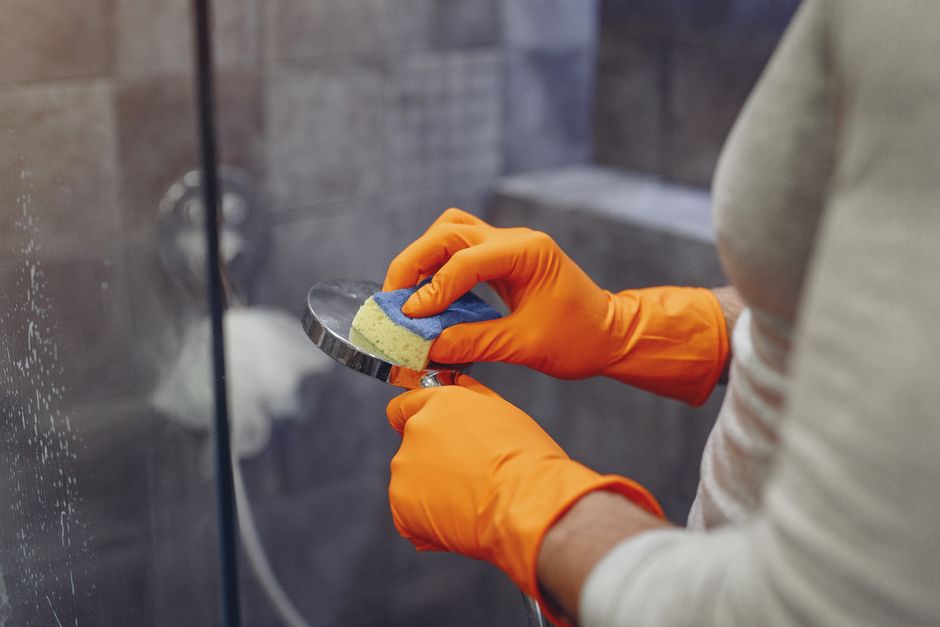
Before applying any water repellent, your shower surface needs to be completely clean and free of soap scum, mineral deposits, mold, or mildew. Use a strong bathroom cleaner and a scrub brush to remove any buildup, paying special attention to grout lines and corners where grime tends to accumulate. Rinse thoroughly with water and allow the surface to dry completely. Any residue left behind can prevent the water repellent from bonding properly to the surface, reducing its effectiveness.
For particularly stubborn buildup, such as heavy limescale in areas with hard water, you may need to use a dedicated descaling product or a mixture of white vinegar and water left to sit on the affected area for fifteen to twenty minutes before scrubbing. Do not rush this step. Many homeowners underestimate how much residue accumulates on shower surfaces over time, especially in the grout lines, which are porous and tend to absorb soap film and minerals more readily than tile or glass. A clean, bare surface gives the water repellent the best possible chance to bond and perform as intended.
If your shower has glass doors, remember to clean both sides thoroughly as well, including the tracks at the bottom of sliding doors, which are notorious for trapping soap scum, hair, and mildew. These tracks are often overlooked during regular cleaning but can become a significant source of moisture retention if not addressed.
Step 2: Repair Any Existing Damage
Inspect your shower for cracked tiles, damaged grout, or areas where caulking has deteriorated. These issues need to be repaired before waterproofing, as applying a water repellent over damaged surfaces will not fix the underlying problem and water can still find its way through cracks and gaps. Replace any missing grout and recaulk areas where the seal has broken down.
Take your time during this inspection. Run your hand along grout lines to feel for any soft or crumbling sections that might not be immediately visible. Check corners where the wall meets the shower pan or bathtub, as these areas are especially prone to caulk failure due to the natural flexing that occurs every time someone steps into the shower. If you find any tiles that sound hollow when tapped, this could indicate that the tile has separated from the substrate underneath, which is a more serious issue that may require professional repair before you proceed with waterproofing.
It is also a good idea to check for any signs of soft drywall or discoloration on the wall surrounding the shower, particularly near the base. These can be early indicators of water intrusion that has already begun, and waterproofing alone will not resolve damage that has already occurred behind the surface. In these cases, addressing the underlying structural issue should always take priority over cosmetic or surface level waterproofing.
Step 3: Allow the Surface to Dry Completely
This step cannot be rushed. Moisture trapped beneath the surface will interfere with the waterproofing process and can lead to mold growth later. Depending on your bathroom’s ventilation, this may take anywhere from a few hours to a full day. If possible, run a fan or dehumidifier to speed up the drying process.
If your bathroom has a window, opening it can also help improve air circulation and speed up drying time. In humid climates or during rainy seasons, it may take significantly longer for the surface to dry completely, so plan accordingly and avoid scheduling this project on a day when you need to use the shower again within a few hours. A simple way to test whether the surface is truly dry is to press a clean, dry paper towel against the grout lines and tile for a few seconds. If the towel comes away dry with no dampness or discoloration, you are likely ready to proceed to the next step.
Step 4: Apply the Ferber Painting Shower and Bathroom Water Repellent
Once the surface is clean, repaired, and completely dry, you are ready to apply the water repellent. Shake the product well before use. Apply an even coat across all tiled surfaces, grout lines, and any natural stone if applicable, using the applicator recommended in the product instructions. The formula is designed to absorb into porous surfaces like grout and natural stone while forming a protective layer on non porous surfaces like tile and glass.
Unlike many competitor products that require multiple complicated steps or professional grade equipment, this water repellent is formulated for simple do it yourself application. Most users complete the entire process in under an hour.
When applying the product, work in small, manageable sections rather than trying to cover the entire shower at once. Starting from the top and working your way down helps prevent drips from landing on areas you have already treated, ensuring a more even and consistent application. Pay extra attention to grout lines, since these porous areas benefit the most from thorough saturation. For vertical surfaces, apply the product in smooth, overlapping strokes to avoid streaking, and check periodically for any pooling or excess product that should be wiped away with a clean cloth before it dries.
If your shower includes natural stone such as marble, travertine, or granite, keep in mind that these materials are often more porous than standard ceramic or porcelain tile and may require a slightly more generous application to achieve full protection. Always refer to the specific instructions included with your product for guidance on application quantities for different surface types.
Step 5: Allow Proper Curing Time
After application, avoid using the shower for the amount of time specified in the product instructions. This curing period allows the water repellent to fully bond with the surface, creating a durable barrier against water penetration. Rushing this step by using the shower too soon can compromise the effectiveness of the treatment.
It can be helpful to plan this project around a time when you have access to another bathroom in your home, or when you can adjust your schedule slightly to accommodate the curing period. Posting a simple reminder note on the bathroom door for other household members can also prevent someone from accidentally using the shower before the treatment has fully set. Patience during this stage pays off significantly in terms of the long term performance of the product.
Step 6: Perform Regular Maintenance
While the Ferber Painting Shower and Bathroom Water Repellent offers long lasting protection, periodic reapplication will help maintain optimal performance, especially in high traffic bathrooms. We recommend reapplying every six to twelve months depending on usage, though many customers report that the protective barrier lasts significantly longer than that.
To help you keep track of when it is time to reapply, consider marking the date of application on a calendar or setting a recurring reminder on your phone. Bathrooms that see heavy daily use from multiple family members, or that are exposed to particularly hard water, may benefit from reapplication closer to the six month mark, while lower traffic guest bathrooms may comfortably stretch closer to the twelve month range. In between full reapplications, simple daily habits like squeegeeing the shower walls after each use and running the bathroom fan during and after showering can significantly extend the life of the protective barrier.
Common Mistakes to Avoid When Waterproofing a Shower
Even with a great product, there are some common mistakes that can reduce the effectiveness of your waterproofing efforts. Avoiding these pitfalls will help ensure your shower stays protected for as long as possible.
- Skipping the cleaning step or not allowing enough drying time before application
- Applying the product unevenly, leaving gaps in coverage
- Using the shower before the recommended curing time has passed
- Ignoring existing damage like cracked grout or deteriorated caulking before waterproofing
- Choosing a cheap, generic sealant instead of a product specifically formulated for bathroom environments
- Not reapplying the product periodically to maintain protection over time
Beyond these core mistakes, there are a few additional pitfalls that homeowners often run into. One common issue is applying the product in a bathroom that lacks adequate ventilation, which can slow down both drying and curing times significantly and lead to an uneven finish. Another mistake is failing to test the product in a small, inconspicuous area first, especially when working with natural stone surfaces that can sometimes react differently to certain formulas depending on their mineral composition. Taking five extra minutes to do a spot test can save you from having to redo an entire section of your shower.
Some homeowners also make the mistake of assuming that because a product is labeled as a sealant, it will automatically solve all of their bathroom’s moisture problems, including issues caused by poor ventilation, a malfunctioning exhaust fan, or a shower pan that was improperly installed during construction. Waterproofing sprays and repellents are an essential layer of protection, but they work best as part of a broader approach to bathroom maintenance that also includes proper ventilation and prompt attention to any structural issues.
Choosing a high quality product like the one offered by Ferber Painting significantly reduces the risk of these mistakes affecting your results, since the formula is more forgiving and forms a more resilient barrier compared to standard sealants.
Why Ferber Painting Is the Best Choice for Waterproofing Your Shower
At this point, you might be wondering what truly sets Ferber Painting apart from the countless other waterproofing products available online and in stores. Let’s break down the reasons in more detail.
First and foremost is the satisfaction guaranteed or your money back policy. This is a guarantee that virtually no other company in this space offers. It shows a level of confidence in the product’s performance that competitors simply are not willing to match. If for any reason you are not happy with the results, you can get a full refund, no complicated conditions attached.
Second, Ferber Painting offers fast international shipping through a reliable network of carriers. Whether you are located in North America, Europe, Asia, or anywhere else in the world, you can count on receiving your order quickly. Many competitors limit their shipping to specific regions or take weeks to deliver, which can be frustrating when you need to fix a water damage issue as soon as possible.
Third, the online payment process is simple, secure, and fast. You do not need to jump through hoops or deal with confusing checkout systems. Within a few clicks, your order is placed and on its way to you.
Finally, the product itself is formulated specifically for the demanding conditions found in bathrooms. This is not a generic all purpose sealant repackaged for bathroom use. It was designed from the ground up to handle constant moisture, hot water exposure, and the buildup of soap and minerals that plague most shower surfaces over time.
Beyond these core advantages, it is worth highlighting the peace of mind that comes with knowing you are using a product trusted by a company with a long standing reputation in the painting and home protection industry. Ferber Painting did not enter the waterproofing market as an outside brand looking to capitalize on a trend. The Shower and Bathroom Water Repellent was developed by a team with deep experience in surface protection and coatings, which is reflected in the quality and reliability of the final formula. This background matters because it means the product benefits from years of accumulated knowledge about how different surfaces react to moisture, temperature changes, and everyday wear.
Customers also appreciate the transparency of the ordering process. From the moment you land on the website to the moment your order is confirmed, there is no confusion about pricing, shipping timelines, or what you can expect from the guarantee. This level of transparency is refreshing in a market where many products are sold through vague listings on third party marketplaces with limited information about the manufacturer or any real accountability if something goes wrong.
When you combine all of these factors, the risk free guarantee, the fast global shipping, the easy payment process, and the specialized formula, it becomes clear why so many customers trust Ferber Painting for their bathroom waterproofing needs.
Long Term Bathroom Care Beyond Waterproofing
While applying a high quality water repellent is one of the most effective steps you can take to protect your shower, it works best as part of a broader routine of bathroom care. Good ventilation is essential. If your bathroom has an exhaust fan, run it during every shower and for at least twenty to thirty minutes afterward to help clear excess humidity from the air. If you do not have an exhaust fan, or if it is not powerful enough for the size of your bathroom, consider opening a window when possible or investing in a portable dehumidifier for particularly humid climates.
Daily habits also make a significant difference. Squeegeeing the walls and glass doors after each shower takes less than a minute but dramatically reduces the amount of standing water and soap residue left to dry on the surface. Wiping down the shower pan or tub floor with a towel a few times a week can also help prevent mineral buildup and mold growth in areas that tend to stay damp the longest.
Periodically inspecting your grout and caulk, even outside of a full waterproofing project, allows you to catch small problems before they become bigger ones. A five minute visual check once a month is often enough to spot early signs of wear, such as small cracks in the caulk or grout that is beginning to look discolored or crumbly. Addressing these issues promptly, combined with regular reapplication of your water repellent, will keep your shower looking and performing like new for years to come.
Frequently Asked Questions
How long does the Ferber Painting Shower and Bathroom Water Repellent last?
Most customers see reliable protection for six to twelve months before reapplication is recommended, though results can vary depending on shower usage and water hardness.
Can I apply this product myself, or do I need a professional?
The product is designed for simple do it yourself application. Most users complete the process in under an hour without any special tools or professional help.
What surfaces can this product be used on?
It works effectively on tile, grout, natural stone, and glass surfaces commonly found in showers and bathrooms.
What happens if I am not satisfied with the results?
Ferber Painting offers a satisfaction guaranteed or your money back policy, meaning you can request a full refund if you are not happy with the product’s performance.
How long does shipping take?
Thanks to our international carrier network, delivery times are fast regardless of your location, and you can track your order every step of the way.
Is the payment process secure?
Yes, all payments are processed securely through our website, giving you peace of mind when placing your order.
Conclusion
Waterproofing a shower does not have to be a complicated or stressful process, as long as you start with the right product and follow the correct steps. Cleaning the surface thoroughly, repairing any existing damage, applying the water repellent evenly, and allowing proper curing time are all essential parts of achieving long lasting protection against water damage, mold, and mildew.
The single most important decision you will make in this entire process is choosing which product to use, and there is simply no better option on the market than the Shower and Bathroom Water Repellent from Ferber Painting. With its unmatched satisfaction guaranteed or your money back policy, fast international shipping, easy online payment, and a formula specifically engineered for bathroom environments, it stands far above generic alternatives that fail to deliver the same level of performance or confidence.