 Ireland
 Australia
 Česko
Česko Danmark
 Deutschland
 Eesti
Eesti España
 Ελλάδα
 France
 Hrvatska
 Italia
 Latvija
 Lietuva
 Magyarország
 Nederlands
 New-Zealand
 Norge
Norge Polska
 Portugal
 România
 Schweiz (Deutsch)
 Slovenija
 Slovensko
 Suomi
Suomi Sverige
 United Kingdom
 България
 Canada (English)
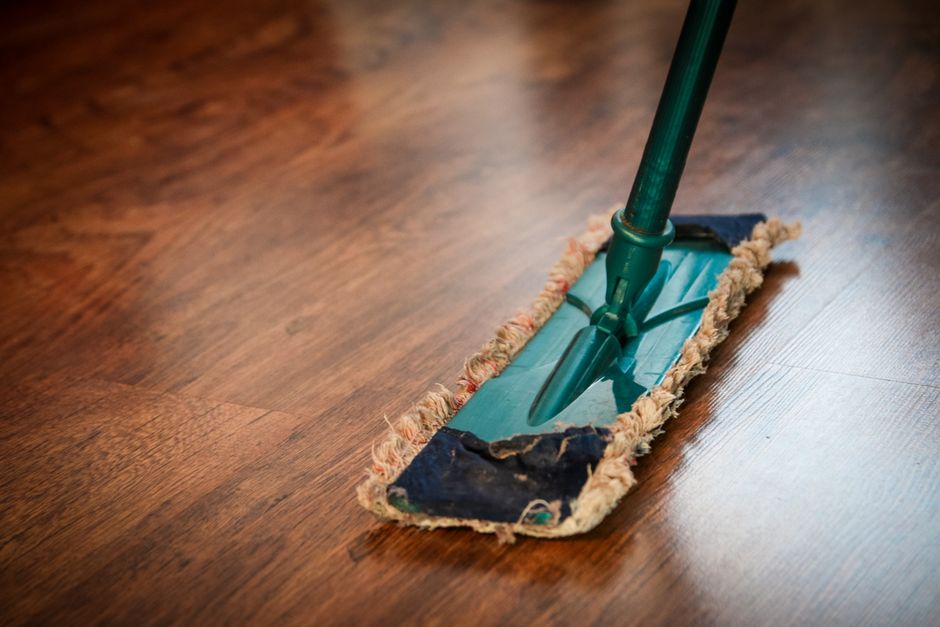
If you own a padouk wood terrace, you already know how stunning this exotic hardwood looks when it is properly maintained. Padouk is prized for its deep reddish-orange tone, its natural density, and its resistance to insects and decay. However, like any outdoor wood surface, it is constantly exposed to rain, UV rays, dirt, mold, and foot traffic, all of which can dull its natural beauty over time. The truth is, everything depends on choosing the right cleaning product. Using a low-quality cleaner, or worse, an aggressive chemical not designed for exotic woods, can strip the wood’s natural oils, damage its color, or leave it looking patchy and lifeless.
This is exactly why so many homeowners and professionals turn to the Wood Terrace Cleaner from Ferber Painting. It is specifically formulated to respect the integrity of hardwoods like padouk while removing built-up grime, algae, and gray discoloration. But what truly sets it apart from every other cleaner on the market is that it comes with a full satisfied or refunded guarantee, something no other competing brand currently offers. In other words, you can try it completely risk free. If for any reason you are not thrilled with the results, Ferber Painting will refund you, no complicated procedures, no hidden conditions.
In this complete guide, we will walk you through everything you need to know about cleaning a padouk wood terrace, from understanding why this wood requires special care, to a full step by step cleaning method, to how to maintain your terrace long term. Along the way, we will explain why the Ferber Painting Wood Terrace Cleaner remains the safest, most effective, and most convenient choice for anyone serious about preserving their outdoor wood surfaces. Whether you just installed a brand new padouk deck or you inherited an older terrace that has not seen proper care in years, the information below will help you approach the project with confidence and achieve results that actually last.
Why the Right Cleaning Product Makes All the Difference
Padouk is not an ordinary wood. It is an exotic hardwood native to West Africa and Southeast Asia, valued for its high natural oil content, its resistance to rot, and its vibrant orange-red hue that gradually matures into a deep brown patina when exposed to sunlight. This natural oil content is actually one of the reasons padouk performs so well outdoors, but it also means that harsh detergents, bleach based products, or high pressure washing without the right preparation can severely damage the wood fibers and strip away the very oils that protect it.
Many generic terrace cleaners sold in hardware stores are designed with softwoods like pine or fir in mind. These products often contain aggressive alkaline compounds that are simply too strong for dense exotic hardwoods. Using them on padouk can lead to several problems, including premature graying, surface roughness, color blotching, and even micro cracking of the wood surface. This is why choosing a cleaner that is specifically designed to work with the chemical composition of exotic hardwoods is not just a preference, it is a necessity.
The Ferber Painting Wood Terrace Cleaner was developed with this exact challenge in mind. Its formula is balanced to break down dirt, mildew, and gray weathering without attacking the wood’s natural oils. It respects the density and porosity of hardwoods like padouk, ipe, teak, and merbau, while still being powerful enough to lift years of built up grime from softer woods as well. This versatility, combined with a gentle yet effective cleaning action, is one of the main reasons it consistently outperforms other cleaners on the market.
Another factor that matters enormously is consistency. A cleaning product should give the same reliable results every time you use it, regardless of the size of your terrace or the level of dirt buildup. Ferber Painting has invested heavily in quality control to ensure that every bottle delivers the same professional grade cleaning power, batch after batch. This is something that many budget brands cannot guarantee, since their formulations can vary depending on where and how they are manufactured.
It is also worth understanding what actually causes padouk to lose its vibrancy over time. Sunlight exposure triggers a natural photo-oxidation process in the wood’s surface fibers, which is why almost every exotic hardwood eventually shifts toward a grayish or brownish tone if left untreated. On top of this natural aging process, airborne pollutants, pollen, tannins from nearby trees, and moisture trapped in shaded corners all combine to accelerate discoloration. A cleaner that only addresses surface dirt but ignores these deeper factors will leave you disappointed within weeks. This is precisely why the Ferber Painting formula targets both visible grime and the microscopic buildup that causes graying, giving you a more complete and longer lasting result.
Homeowners who have tried multiple products before finding the right one often describe a frustrating cycle: they buy a cheap cleaner, see some improvement, but within a month or two the terrace looks dull again, sometimes even worse than before because the wood grain has been roughened by an overly harsh formula. Breaking this cycle starts with understanding that padouk, precisely because of its density and oil content, actually responds best to a gentler, well balanced chemistry rather than brute force scrubbing or industrial strength bleach.
Why Ferber Painting’s Wood Terrace Cleaner Stands Out
There are dozens of wood cleaning products available online and in stores, so it is fair to ask what actually makes the Ferber Painting Wood Terrace Cleaner the best option for a padouk terrace. Below are the main reasons this product continues to be the top choice among terrace owners and wood care professionals alike.
First and most importantly, it is the only wood terrace cleaner on the market backed by a full satisfied or refunded guarantee. This means that if you purchase the product and are not completely happy with the results on your padouk terrace, you can request a full refund. No other brand we are aware of offers this level of confidence in their product. This guarantee exists precisely because Ferber Painting is confident in the formula’s ability to restore and protect exotic hardwoods.
Second, the formula is biodegradable and free from harsh bleach or chlorine, which means it will not damage surrounding plants, grass, or garden beds when used correctly. This is a major advantage for eco conscious homeowners who still want professional level cleaning results without introducing toxic runoff into their garden ecosystem. Anyone who has accidentally killed a flower bed or burned a patch of lawn with an overly aggressive deck cleaner will understand just how valuable this feature really is.
Third, the product is designed for ease of use. Unlike some professional grade cleaners that require complicated dilution ratios, specialized equipment, or long waiting periods, the Ferber Painting Wood Terrace Cleaner can be applied with a simple garden sprayer or brush, left to work for a short period, and rinsed away with a standard garden hose. This makes it accessible for beginners while still delivering results that rival professional restoration services. You do not need to rent a pressure washer, mix dangerous chemicals, or wear a hazmat suit to get outstanding results.
Fourth, ordering is remarkably simple. The product is available directly on the Ferber Painting website, with secure online payment options that make checkout quick and stress free. Once your order is placed, Ferber Painting ships internationally through a reliable global network of trusted carriers, meaning that no matter where you live, your Wood Terrace Cleaner will arrive quickly and safely at your door. There is no need to search through multiple local retailers hoping to find a bottle in stock, nor do you have to settle for a lesser known local brand simply because of availability.
Finally, customer support is a priority. Many competing brands offer little to no assistance once a purchase is made, leaving customers to figure out application techniques on their own. Ferber Painting provides clear usage instructions and responsive customer service, ensuring that even first time users achieve excellent results on their padouk terrace. If you have questions about dilution for a particularly stubborn section of gray wood, or if you are unsure how your specific terrace configuration might affect drying time, a quick message to support will usually get you a clear, practical answer rather than a generic canned response.
Beyond these five pillars, it is also worth mentioning the sheer number of positive experiences shared by terrace owners who switched to this cleaner after years of disappointment with other products. Many describe the same pattern: frustration with generic cleaners that either failed to remove deep set gray weathering or, worse, left the wood looking chalky and uneven. Switching to a formula built specifically with hardwood chemistry in mind tends to resolve both problems simultaneously, restoring color while leaving the surface smooth to the touch rather than rough or fibrous.
Comparing Wood Terrace Cleaners: What Really Matters
When choosing a cleaning product for an exotic hardwood terrace like padouk, it helps to compare the criteria that actually matter for a satisfying purchase and a successful cleaning result. The table below outlines how the Ferber Painting Wood Terrace Cleaner compares to typical generic wood cleaners found on the market.
| Criteria | Ferber Painting Wood Terrace Cleaner | Generic Wood Cleaners |
|---|---|---|
| Satisfaction guarantee | Full satisfied or refunded guarantee | Rarely offered, often no returns accepted |
| Suitability for exotic hardwoods | Specifically formulated for dense woods like padouk, ipe, and teak | Usually designed for softwoods, can damage exotic wood fibers |
| Ease of application | Simple spray and rinse method, no special equipment required | Often requires precise dilution or professional equipment |
| Environmental impact | Biodegradable, safe for surrounding plants | Often contains bleach or harsh chlorine compounds |
| International shipping | Fast worldwide delivery through trusted carrier network | Often limited to local or regional markets |
| Online purchase experience | Secure and straightforward online payment | Varies widely, sometimes limited to in-store purchase only |
| Customer support | Responsive support and clear usage guidance | Minimal or no post purchase support |
As this comparison shows, the differences go far beyond simple cleaning power. Convenience, safety, and peace of mind all play a role in choosing the right product, and this is where the Ferber Painting Wood Terrace Cleaner consistently comes out ahead.
It is also useful to think about the hidden costs of choosing the wrong cleaner. A bottle of generic cleaner might look cheaper at first glance, but if it fails to deliver results, damages the wood surface, or requires a second or third product to finish the job properly, the real cost ends up being much higher. Factor in the time spent scrubbing, the risk of having to sand down a damaged section of decking, or the disappointment of watching your padouk terrace look worse after cleaning than before, and the value proposition of a guaranteed, purpose built formula becomes even clearer. Many terrace owners who initially hesitated over price ended up spending more overall after multiple failed attempts with cheaper alternatives.
Step-by-Step Guide: How to Clean a Padouk Wood Terrace
Now that we have covered why product choice matters so much, let us walk through the actual process of cleaning a padouk wood terrace. This method works whether your terrace has light surface dirt or years of accumulated gray weathering.
Step 1: Clear and Inspect the Surface
Begin by removing furniture, plants, rugs, and any decorative items from the terrace. Sweep away loose debris such as leaves, dust, and dirt using a stiff bristle broom. Take a moment to inspect the wood for any visible mold, algae patches, or areas of gray discoloration, as this will help you focus your cleaning efforts where they are needed most. It is also a good idea to check for any loose boards, protruding nails, or splinters at this stage, since a thorough inspection before cleaning can save you from unpleasant surprises later. If you notice any structural issues, it is best to address them before applying any cleaning product, since wet wood can sometimes hide small cracks or gaps that become more visible once the surface dries.
Take note of areas that receive less sunlight, such as under furniture, near planters, or along the edges close to walls and railings. These spots tend to accumulate more moisture and organic growth, and they often require a bit more attention during the cleaning process. Photographing the terrace before you start can also be helpful, giving you a clear before and after reference to appreciate the difference once the job is done.
Step 2: Pre-Wet the Wood
Using a garden hose on a gentle setting, lightly wet the entire surface of the terrace. This step helps prevent the cleaning solution from being absorbed too quickly into the dry wood, allowing it to work evenly across the surface rather than soaking into a few concentrated spots. Pre-wetting also helps loosen surface dust and light debris, making the subsequent application of the cleaner more effective. Try to work in a logical pattern, starting from one end of the terrace and moving methodically to the other, so that no section is missed and the wood does not dry out unevenly before you apply the cleaning solution.
Step 3: Apply the Wood Terrace Cleaner
Apply the Ferber Painting Wood Terrace Cleaner evenly across the padouk surface using a garden sprayer, sponge, or soft bristle brush. Work in manageable sections, especially on larger terraces, to ensure the product does not dry out before you can scrub it in. Because the formula is specifically designed for exotic hardwoods, you do not need to worry about it being too harsh on the padouk’s natural oils, unlike many generic cleaners that can leave lasting damage. For terraces with particularly stubborn gray patches, you can apply a slightly more generous coating to those specific areas, allowing the formula extra contact time to break down deeper set discoloration without needing to increase concentration or resort to aggressive scrubbing.
If you are cleaning on a hot, sunny day, try to work in shaded sections when possible, or choose early morning or late afternoon hours. Direct, intense sunlight can cause the cleaning solution to evaporate too quickly, reducing its effectiveness and potentially leaving uneven streaks once rinsed.
Step 4: Let It Work
Allow the cleaner to sit on the surface for the recommended time indicated on the product label, typically a short period that allows the formula to break down dirt, mildew, and gray discoloration without requiring aggressive scrubbing. This is one of the reasons users love this product, since it does much of the hard work for you. During this waiting period, you may notice the wood color beginning to change visibly, with dull gray patches starting to reveal the warmer reddish tones underneath. This is a good sign that the formula is actively breaking down the oxidized surface layer.
Avoid letting the product dry out completely on the wood before rinsing, as this can sometimes leave a slight residue. If you are working on a particularly hot or windy day, consider misting the treated area lightly with water partway through the waiting period to keep the solution active without diluting its effectiveness too much.
Step 5: Scrub Gently
For areas with stubborn grime or algae buildup, use a soft to medium bristle brush to gently scrub along the direction of the wood grain. Avoid using metal brushes or overly abrasive pads, as these can scratch the padouk surface and create small grooves where dirt and moisture can accumulate in the future. Scrubbing with the grain rather than against it or in circular motions helps maintain the natural texture of the wood and reduces the risk of creating uneven patches once the surface dries.
For particularly deep set stains, such as old rust marks from metal furniture legs or tannin stains from fallen leaves left too long on the surface, you may need to repeat the application and scrubbing process a second time in that specific spot. Patience here pays off far better than switching to a stronger, unsuited chemical or scrubbing so hard that you damage the wood fibers.
Step 6: Rinse Thoroughly
Once you have scrubbed the entire surface, rinse everything thoroughly with clean water using a garden hose. Make sure no cleaning residue remains on the wood, as leftover product can attract dust and dirt more quickly if not properly removed. Pay special attention to gaps between deck boards, where cleaning solution and loosened grime can pool and remain trapped if not flushed out properly. A slightly angled spray directed along the length of these gaps can help clear out any residue hiding between the boards.
If you used a pressure washer for the rinsing stage, keep the nozzle at a moderate distance from the surface and use a wide fan pattern rather than a narrow, concentrated jet. Padouk is dense, but excessive pressure applied too close to the surface can still etch the wood grain and create an uneven, fuzzy texture over time.
Step 7: Allow the Terrace to Dry Completely
Let your padouk terrace air dry fully before walking on it or placing furniture back on the surface. Depending on weather conditions, this can take anywhere from a few hours to a full day. Choosing a sunny, low humidity day for your cleaning project will help speed up this process significantly. During the drying period, it is a good idea to keep pets and children off the surface, both to avoid tracking dirt back onto the freshly cleaned wood and to prevent any slipping on the still damp boards.
You will likely notice the true transformation of the wood becoming apparent as it dries, with the rich reddish-orange tones of padouk becoming much more visible compared to the dull, grayish appearance before cleaning. This is often the moment homeowners are most pleased with their results, seeing years of weathering lifted away in a single afternoon of work.
Step 8: Consider a Protective Finish
While padouk contains natural oils that provide some inherent protection, many terrace owners choose to apply a protective oil or sealant after cleaning to enhance the wood’s color and extend the time between deep cleans. If you plan to do this, make sure the terrace is completely dry before applying any finishing product. Applying an oil or sealant to wood that still holds residual moisture can trap that moisture beneath the finish layer, potentially leading to mold growth or an uneven, blotchy appearance once the sealant cures.
When selecting a protective finish, look for products specifically formulated for exotic hardwoods, ideally with UV inhibitors that help slow down the natural graying process caused by sun exposure. Applying this finish with a natural bristle brush or a lint free applicator pad, working in thin even coats along the grain, will typically give the best results. Two thin coats generally outperform a single thick coat, both in terms of appearance and durability.
Maintaining Your Padouk Terrace Between Deep Cleans
Deep cleaning your padouk terrace once or twice a year is usually sufficient if you maintain it properly in between. Here are a few simple habits that will help keep your terrace looking its best.
- Sweep the surface regularly to prevent dirt, leaves, and organic debris from accumulating and trapping moisture against the wood.
- Rinse the terrace with water every few weeks, especially during rainy seasons, to prevent mold and algae from forming.
- Avoid leaving furniture or planters in the same spot for long periods, as this can trap moisture and create uneven weathering patterns.
- Address spills quickly, particularly from food, wine, or oil based products, to prevent staining of the wood surface.
- Reapply a light coat of protective oil once or twice a year to maintain padouk’s rich color and further protect it from UV exposure.
Beyond these core habits, seasonal awareness can make a real difference in how well your padouk terrace holds up over time. In autumn, falling leaves can accumulate quickly in corners and against railings, and if left in place, they trap moisture against the wood and encourage the early stages of mold growth. A quick sweep every few days during peak leaf fall season can prevent this from becoming a bigger problem later. In winter, if your region experiences frost or snow, try to clear accumulated snow with a soft bristled broom or plastic shovel rather than a metal edged tool, which could scratch or gouge the surface.
During spring, as pollen counts rise, you may notice a fine yellow or greenish film settling on the terrace surface after rain. This is a good time for a light rinse to prevent pollen from combining with moisture and creating slippery, sticky patches. Summer, with its combination of heat, UV exposure, and increased outdoor use, is often when padouk terraces show the most wear, making it an ideal season to schedule your main deep clean using the Ferber Painting Wood Terrace Cleaner, ideally followed by a protective oil application once the wood has fully dried.
It is also worth paying attention to how you use outdoor rugs, planters, and furniture on your terrace. Rubber backed mats, in particular, can trap moisture against the wood surface and sometimes even react chemically with certain wood finishes, leaving discolored patches that are difficult to remove. Opting for furniture with raised feet or small protective pads, and choosing breathable, natural fiber rugs when possible, can go a long way toward preserving the evenness of your terrace’s color over time.
By combining these simple maintenance habits with periodic deep cleaning using the Ferber Painting Wood Terrace Cleaner, your padouk terrace can remain beautiful and structurally sound for many years to come. Many owners who commit to this kind of routine find that their terrace actually improves in appearance year over year, developing a rich, even patina rather than the blotchy, neglected look so common on terraces that only receive attention once problems become severe.
Frequently Asked Questions
Can I use the Ferber Painting Wood Terrace Cleaner on other types of wood besides padouk?
Yes, the formula is designed to work safely on a wide range of exotic and standard hardwoods, including teak, ipe, merbau, and pressure treated softwoods. It has been tested to ensure it does not strip natural oils or damage wood fibers across different species.
How often should I clean my padouk terrace?
For most climates, cleaning your padouk terrace once or twice per year is sufficient, though homes in humid or heavily shaded areas may benefit from slightly more frequent cleaning to prevent mold and algae buildup.
Will the cleaner change the natural color of my padouk wood?
No, the Ferber Painting Wood Terrace Cleaner is formulated to remove dirt and gray weathering while preserving and even restoring padouk’s natural reddish tone, rather than bleaching or altering its original color.
What happens if I am not satisfied with the results?
Ferber Painting offers a full satisfied or refunded guarantee on this product. If you are not happy with your results, you can contact customer support for a complete refund, something that sets this cleaner apart from virtually every competitor on the market.
How long does international shipping take?
Thanks to Ferber Painting’s global network of trusted carriers, most international orders arrive quickly and reliably, with tracking information provided as soon as your order ships from our facility.
Do I need any special equipment to use this cleaner?
No specialized equipment is required. A standard garden hose, a simple garden sprayer or sponge, and a soft to medium bristle brush are typically all you need to achieve professional level results on your padouk terrace.
Is it safe to use this cleaner near plants and lawn areas?
Yes, the formula is biodegradable and free from harsh bleach or chlorine, making it significantly safer for surrounding vegetation compared to many generic terrace cleaners, though it is still good practice to rinse nearby plants with water if overspray occurs.
Conclusion
Cleaning a padouk wood terrace does not need to be complicated or risky when you use a product specifically designed for exotic hardwoods. By following the step by step method outlined above and maintaining good habits between deep cleans, your terrace can stay vibrant and protected for years to come. Taking the time to understand why padouk behaves differently from ordinary softwoods, choosing a formula that respects its natural oils, and following a careful, methodical cleaning process will reward you with a terrace that looks freshly restored season after season rather than one that slowly fades into a dull, gray shadow of its original beauty. Order the Ferber Painting Wood Terrace Cleaner today and enjoy fast worldwide shipping, secure online payment, and the peace of mind that comes with our unbeatable satisfied or refunded guarantee.