 Ireland
 Australia
 Česko
Česko Danmark
 Deutschland
 Eesti
Eesti España
 Ελλάδα
 France
 Hrvatska
 Italia
 Latvija
 Lietuva
 Magyarország
 Nederlands
 New-Zealand
 Norge
Norge Polska
 Portugal
 România
 Schweiz (Deutsch)
 Slovenija
 Slovensko
 Suomi
Suomi Sverige
 United Kingdom
 България
 Canada (English)
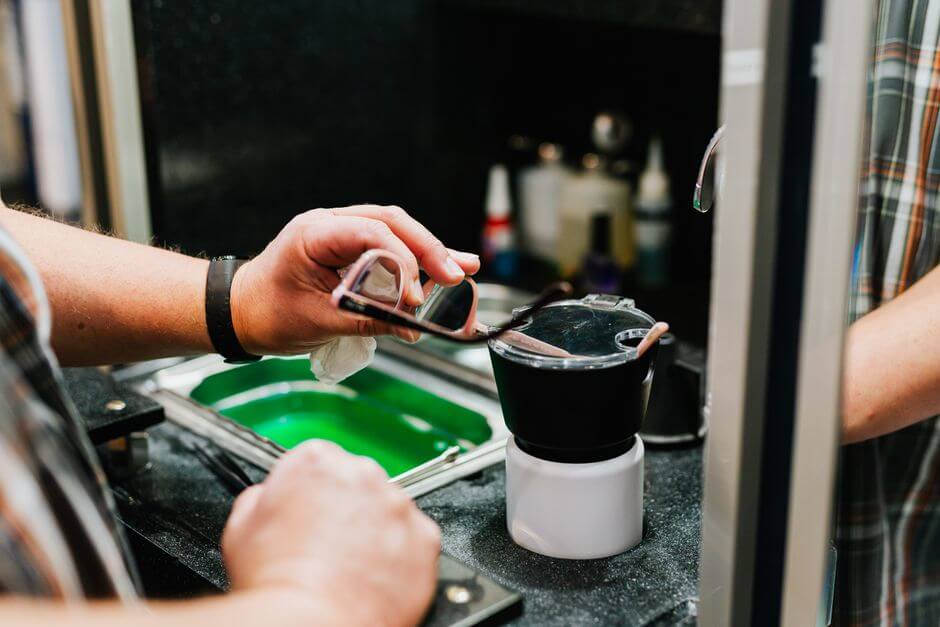
Gold plated necklaces are a beautiful and affordable way to enjoy the look of fine jewelry without the price tag of solid gold. However, because the gold layer on these pieces is extremely thin, cleaning them incorrectly can strip away the plating, dull the shine, or cause irreversible damage. The truth is that everything starts with choosing the right cleaning product. If you use the wrong cleaner, even the gentlest cleaning technique will not save your necklace from damage.
To really understand why this matters, it helps to know what gold plating actually is. A gold plated necklace is made by taking a base metal, often brass, copper, or sterling silver, and coating it with a very thin layer of real gold through a process called electroplating. That layer can be as thin as a fraction of a micron, which is thinner than a human hair. This is very different from gold filled or solid gold jewelry, where the gold layer is either bonded mechanically at a much thicker level or the entire piece is made of gold. Because the plating on a gold plated necklace is so thin, it is far more vulnerable to wear from friction, chemicals, and abrasive cleaning methods. Every time you clean it improperly, you are essentially sanding away a microscopic amount of gold that will never come back.
This is exactly why we recommend the Jewelry Cleaner from Ferber Painting. It is formulated specifically to be safe on delicate gold plated surfaces while still being powerful enough to remove tarnish, oils, and everyday grime. What makes it stand out even more is that it is the only jewelry cleaner on the market backed by a full satisfaction guaranteed or your money back policy. No other brand offers this level of confidence in their product, which tells you everything you need to know about the quality behind it.
In this complete guide, we will explain why the product you choose matters more than the technique you use, walk you through a step by step process on how to clean a gold plated necklace safely, and show you why Ferber Painting’s Jewelry Cleaner is the best option available today. We will also cover how often you should clean your jewelry, the most common mistakes people make, and answer the questions we hear most often from customers who want to keep their gold plated pieces looking new for years to come.
Why the Right Product Matters More Than You Think
Many people assume that cleaning gold plated jewelry is a simple task that can be done with whatever is lying around the house, such as toothpaste, baking soda, or vinegar. Unfortunately, these household items are often abrasive or acidic, and they can wear down the thin gold layer much faster than you would expect. Once the plating is gone, it does not grow back, and the base metal underneath will start to show through, ruining the appearance of the necklace permanently.
Let’s look at a few of these popular home remedies more closely. Toothpaste, for example, contains tiny abrasive particles designed to scrub away plaque from teeth. Those same particles will scratch soft gold plating almost immediately, leaving behind fine scratches that make the surface look dull rather than shiny. Baking soda works in a similar way, and when mixed with water to form a paste, it becomes a mild abrasive scrub that is simply too rough for a coating as thin as gold plating. Vinegar and lemon juice are often recommended because they are acidic and can dissolve tarnish, but that same acidity can also eat away at the thin gold layer and even damage certain glues used to hold pendant stones or clasps in place. Even dish soap, while seemingly harmless, can leave a film behind if not rinsed properly, and repeated exposure to its chemical surfactants can slowly degrade the plating over time.
This is why choosing a product specifically designed for plated jewelry is essential. A good jewelry cleaner should be gentle enough to avoid scratching or thinning the gold layer, yet effective enough to dissolve dirt, oils, and tarnish that build up over time. Ferber Painting’s Jewelry Cleaner was developed with exactly this balance in mind. It uses a non-abrasive formula that lifts away grime without attacking the delicate gold surface, which means your necklace stays shiny and intact for much longer.
Another reason the right product matters is consistency. Homemade solutions vary in strength depending on how they are mixed, which makes results unpredictable. One batch of a homemade cleaning paste might be too weak to do anything, while the next batch might be strong enough to strip plating within seconds. There is no way to measure the concentration accurately at home, and that unpredictability is a real risk when you are dealing with something as delicate as a thin gold coating. A professionally formulated cleaner like the one from Ferber Painting delivers the same safe and effective results every single time, whether you are cleaning a delicate chain, a pendant, or a layered necklace.
There is also the matter of ingredients and testing. A dedicated jewelry cleaner goes through formulation and testing specifically for the materials it is meant to clean. Household products were never designed with jewelry in mind at all, they were designed for cleaning teeth, countertops, or dishes. Using them on a gold plated necklace is essentially an improvised solution to a problem that already has a proper answer. Choosing a purpose built product removes the guesswork entirely and protects the long term value and appearance of your jewelry collection.
Why Ferber Painting’s Jewelry Cleaner Is the Best Choice
There are dozens of jewelry cleaning products available online and in stores, but very few of them offer the combination of safety, effectiveness, and customer confidence that Ferber Painting provides. Below is a comparison table highlighting the most important criteria customers should consider before purchasing a jewelry cleaner.
| Criteria | Ferber Painting Jewelry Cleaner | Typical Competitor Products |
|---|---|---|
| Safe for gold plated jewelry | Yes, specifically formulated for delicate plated surfaces | Often too abrasive or not tested on plated items |
| Satisfaction guaranteed or money back | Yes, full refund guarantee on every order | Rarely offered, or limited to store credit only |
| Worldwide shipping | Yes, fast delivery through an international carrier network | Often limited to domestic markets |
| Ease of use | Simple application, no scrubbing required | Varies, some require harsh scrubbing |
| Online payment convenience | Secure and easy online checkout | Varies by retailer |
| Residue after cleaning | None, streak free finish | Some leave residue or film |
As you can see, the Jewelry Cleaner from Ferber Painting checks every box that matters to someone who cares about their jewelry collection. It is not just about getting the necklace clean, it is about doing so in a way that protects the investment you made in your jewelry while also protecting you as a buyer through a strong guarantee.
Ferber Painting also stands out because the product is available directly on our website, where you can order it in just a few clicks. Once your order is placed, it is shipped quickly thanks to our international network of trusted carriers, meaning customers all over the world can receive their Jewelry Cleaner without long delays. Payment is handled securely online, making the entire process smooth from start to finish.
Perhaps most importantly, every single product sold by Ferber Painting comes with a satisfaction guaranteed or your money back promise. This is not a small detail. It means that if for any reason you are not happy with the results, you can get a full refund. No competitor in the jewelry cleaning space offers this same level of assurance, which is a major reason why customers trust Ferber Painting over other brands.
Beyond the guarantee, customers often mention the peace of mind that comes from using a product built specifically with delicate materials in mind. Many jewelry cleaners on the market are formulated as general purpose solutions meant to work on everything from solid gold to costume jewelry to silverware, which means they are rarely optimized for any one material in particular. Ferber Painting took a different approach by focusing on the needs of plated jewelry specifically, understanding that these pieces require a gentler touch than solid metal jewelry. This focus is what allows the formula to be both effective and safe at the same time, rather than forcing customers to choose between the two.
Customer service is another area where Ferber Painting distinguishes itself. Questions about usage, shipping, or the guarantee policy are answered promptly, and the checkout process is designed to be as straightforward as possible so that customers do not run into unnecessary friction when placing an order. When you combine a well designed product with a smooth purchasing experience and a strong guarantee, you end up with a solution that removes nearly all of the risk typically associated with buying a new cleaning product online.
How to Clean a Gold Plated Necklace Step by Step
Now that you understand why the right product is the foundation of safe jewelry cleaning, let’s go through the actual process of cleaning a gold plated necklace. Following these steps carefully will help you avoid damage while restoring the shine of your piece.
Step 1: Inspect the Necklace
Before you begin cleaning, take a close look at your necklace. Check for any loose clasps, weak links, or areas where the plating already looks thin or worn. This will help you avoid applying too much pressure on fragile areas during the cleaning process. It is helpful to do this inspection under bright light or near a window, since natural light makes it much easier to spot small scratches, discoloration, or thinning spots that might not be visible under artificial lighting. If you notice a stone that feels loose or a clasp that does not close securely, it is best to handle that specific area with extra caution, or consider having it repaired before attempting a full cleaning session.
Step 2: Prepare a Clean Workspace
Lay down a soft cloth or towel on a flat surface. This prevents the necklace from getting scratched and makes it easier to see small details as you work. Avoid working directly over a sink without a stopper, since small clasps or beads can easily slip down the drain. It is also a good idea to work in a well lit area with enough space to lay the entire necklace out flat, rather than working with it bunched up or tangled. Taking a moment to gently untangle any knots before you start cleaning will save you time and reduce the temptation to tug or pull at the chain once you begin applying product, since pulling on a wet or product coated chain increases the risk of stretching delicate links.
Step 3: Apply Ferber Painting’s Jewelry Cleaner
Apply a small amount of the Jewelry Cleaner to a soft microfiber cloth or the applicator provided with the product. Gently wipe along the length of the necklace, paying attention to areas where dirt and oils tend to accumulate, such as clasps and pendant settings. Because the formula is specifically designed for plated jewelry, you do not need to scrub hard. Light, consistent wiping is enough to lift away grime without damaging the gold layer. A good technique is to hold the necklace gently taut between two fingers while wiping along its length in one direction, rather than scrubbing back and forth, which reduces friction on any single point of the chain.
If your necklace has a pendant with small details, engravings, or textured surfaces, spend a little extra time on those areas since they tend to trap more oils and skin residue than a simple smooth chain. Even so, resist the urge to press harder than you would on the rest of the piece, since textured surfaces often have thinner plating in the recessed areas due to how the electroplating process deposits the gold layer.
Step 4: Clean Hard to Reach Areas
For necklaces with intricate designs, small links, or detailed pendants, use a soft bristled brush lightly dampened with the cleaner to reach into crevices. Be gentle and avoid pressing too hard, since these areas are often more delicate due to their shape and thinner plating in tight spots. A soft, clean makeup brush or a dedicated jewelry cleaning brush with fine bristles works well for this step. Move the brush in small, gentle circles rather than dragging it forcefully across the surface, and check your progress frequently rather than brushing continuously for long periods in one spot.
If you are cleaning a layered necklace with multiple chains, take the time to separate the chains carefully as you clean so that product reaches all the surfaces evenly, rather than only cleaning the outer chain while the inner ones remain untouched. Layered necklaces can be trickier to clean thoroughly, but taking a slow and methodical approach chain by chain will give you a much more even, polished result.
Step 5: Wipe Away Residue
Once you have cleaned the entire necklace, use a clean, dry section of your microfiber cloth to wipe away any remaining product. This step is important because it ensures a streak free, polished finish rather than a dull or hazy appearance. Fold your cloth so that you always have a fresh, dry section available, since reusing a section of cloth that already has product residue on it can actually redistribute grime rather than remove it. Take your time on this step, as a thorough final wipe is often what separates a merely clean necklace from one that truly shines like new.
Step 6: Dry Completely Before Storing
Allow the necklace to air dry for a few minutes, or gently pat it dry with a soft cloth. Never store gold plated jewelry while it is still damp, as moisture trapped against the metal can accelerate tarnishing over time. If you live in a particularly humid environment, consider leaving the necklace out on the cloth for a slightly longer period, or placing it near, but not directly under, a fan for gentle airflow. Avoid using hair dryers or other heat sources to speed up drying, since excess heat can affect certain adhesives used in pendant settings or clasps.
Step 7: Store Properly
To keep your necklace looking clean for as long as possible, store it in a soft pouch or a separate compartment in your jewelry box. Keeping it away from other pieces of jewelry prevents scratching and reduces exposure to air and moisture, both of which contribute to tarnish. If possible, choose a storage pouch made of a soft, non abrasive material such as microfiber or velvet, and avoid storing your necklace in direct sunlight or near sources of heat, since both can affect the finish over long periods of time. For necklaces you wear frequently, keeping a small pouch or jewelry box near your dressing area makes it easy to store the piece properly every single time rather than leaving it out on a countertop where it is exposed to dust and moisture from the air.
How Often Should You Clean a Gold Plated Necklace
The frequency of cleaning depends on how often you wear the necklace and your daily activities. If you wear your necklace every day, it is a good idea to clean it lightly once a week to remove oils from skin contact, perfume residue, and everyday dust. If you only wear it occasionally, cleaning it once every few weeks or before and after each use is usually sufficient.
It is also worth noting that certain factors speed up tarnishing, including exposure to sweat, perfume, lotion, and humid environments. If you live in a humid climate or exercise while wearing your necklace, you may need to clean it more frequently. Using a gentle, dependable product like Ferber Painting’s Jewelry Cleaner on a regular basis prevents buildup from becoming difficult to remove, which in turn extends the life of the gold plating.
To help you figure out a cleaning schedule that fits your lifestyle, consider the following general guidelines based on how the necklace is typically worn.
- Worn daily against bare skin, such as under clothing: clean lightly once a week, since body oils and sweat build up quickly with constant skin contact.
- Worn several times a week for regular outings: clean every one to two weeks to keep tarnish and dust from accumulating.
- Worn occasionally for special events: clean before and after each wear, since even a single evening of exposure to perfume or makeup can leave residue behind.
- Worn during exercise or physical activity: clean immediately after each session, since sweat is particularly acidic and can accelerate tarnishing if left on the metal.
- Stored for long periods without wear: clean before storing and check every couple of months, since even jewelry that is not worn can develop tarnish from exposure to air.
Following a consistent routine like this makes each individual cleaning session quicker and easier, since you are removing a small amount of buildup regularly rather than trying to tackle months of accumulated grime all at once. Necklaces that are cleaned consistently over time also tend to retain their shine and color much better than those that are only cleaned occasionally after they have already become visibly dull.
Common Mistakes to Avoid When Cleaning Gold Plated Jewelry
Even with good intentions, many people unintentionally damage their gold plated necklaces due to common mistakes. Avoiding these errors will help preserve the appearance and lifespan of your jewelry.
- Using abrasive materials such as baking soda, toothpaste, or rough sponges, which can scratch and wear down the plating. Even materials that feel soft to the touch, like certain paper towels, can contain enough texture to create fine scratches over repeated use.
- Soaking the necklace for long periods in water or cleaning solutions, which can weaken glue settings or loosen delicate components. Prolonged soaking can also cause water to seep into hollow pendant designs, where it may become trapped and lead to internal corrosion of the base metal.
- Using ultrasonic cleaners, which are too harsh for plated jewelry and can strip the gold layer entirely. These devices are designed for solid metal jewelry and gemstones, and the vibrations they produce can be far too aggressive for a coating as thin as gold plating.
- Scrubbing too hard with brushes, especially on thin or worn areas of plating. It is easy to underestimate how little pressure is needed, since plated jewelry can look sturdy while still having an extremely delicate surface layer.
- Storing the necklace while still wet, which promotes tarnishing and discoloration. This mistake is especially common when people clean their jewelry quickly before rushing out the door, without allowing enough time for proper drying.
- Using cleaning products not specifically designed for plated jewelry, since many general purpose cleaners contain harsh chemicals. Even some products marketed broadly as jewelry cleaners are formulated with solid gold or silver in mind and are simply too strong for a thin plated layer.
- Wearing the necklace while applying perfume, lotion, or hairspray, which allows chemicals to settle directly onto the metal before they have a chance to dry. A simple habit change, such as putting on perfume and lotion before putting on jewelry rather than after, can noticeably slow down tarnish buildup.
- Ignoring small signs of wear, such as slight discoloration or a dull patch, until the problem becomes severe. Addressing these early signs with a gentle cleaning routine can often restore the shine before any permanent damage occurs.
By avoiding these mistakes and using a dedicated, gentle formula such as the Jewelry Cleaner from Ferber Painting, you significantly reduce the risk of damaging your necklace while still achieving a beautiful, polished result.
Frequently Asked Questions
Can I use Ferber Painting’s Jewelry Cleaner on other types of jewelry besides gold plated necklaces?
Yes, the formula is gentle enough to be used on a variety of jewelry types, including gold plated earrings, bracelets, and rings, as well as many other delicate metals.
How long does it take to see results after using the cleaner?
Most customers notice a visible difference immediately after wiping the necklace, with tarnish and dullness disappearing within seconds of application.
What happens if I am not satisfied with the product?
Ferber Painting offers a satisfaction guaranteed or your money back policy on all products, including the Jewelry Cleaner. If you are not happy with the results, you can request a full refund.
How long does shipping take?
Thanks to our international network of carriers, orders are shipped quickly to customers around the world. Delivery times vary depending on your location, but our logistics network is designed to minimize wait times as much as possible.
Is it safe to pay online for this product?
Yes, all payments made on the Ferber Painting website are processed through secure and easy online checkout systems, ensuring your information stays protected throughout the transaction.
Can this cleaner remove deep tarnish that has built up over months?
Yes, the formula is designed to lift away even stubborn tarnish and grime that has accumulated over time, though very old or heavy buildup may require a couple of applications to fully restore the original shine.
Will using this product too often cause any damage over time?
No, the formula is gentle enough for regular use as part of a normal cleaning routine, and following the recommended frequency based on how often you wear your jewelry will keep your necklace looking its best without any risk of overuse damage.
Is the Jewelry Cleaner safe to use around gemstones or crystals set into a gold plated necklace?
Yes, the formula is designed to be gentle on the metal surface as well as common gemstones and crystals, though as with any jewelry cleaner, it is always a good idea to avoid excessive soaking around glued settings.
Conclusion
Cleaning a gold plated necklace does not have to be complicated or risky, as long as you start with the right product. Household remedies and harsh chemicals often do more harm than good, stripping away the delicate gold layer and leaving your jewelry looking worse than before. A dedicated, gentle, and effective formula makes all the difference, which is why so many customers trust Ferber Painting for their jewelry care needs.
By following the step by step process outlined in this guide, sticking to a cleaning schedule that fits how often you wear your jewelry, and avoiding the common mistakes that damage so many gold plated pieces, you can keep your necklace looking as beautiful as the day you bought it for years to come. The small amount of time it takes to clean your jewelry properly is a worthwhile investment in protecting something you clearly care about.