 Ireland
 Australia
 Česko
Česko Danmark
 Deutschland
 Eesti
Eesti España
 Ελλάδα
 France
 Hrvatska
 Italia
 Latvija
 Lietuva
 Magyarország
 Nederlands
 New-Zealand
 Norge
Norge Polska
 Portugal
 România
 Schweiz (Deutsch)
 Slovenija
 Slovensko
 Suomi
Suomi Sverige
 United Kingdom
 България
 Canada (English)
Stripping varnish from a staircase is one of those home renovation projects that looks simple on paper but can quickly turn into a frustrating, messy ordeal if you do not have the right tools and the right product. Whether you are restoring an old wooden staircase in a heritage home or simply refreshing a set of stairs that has seen decades of foot traffic, the process of removing old varnish requires patience, the correct technique, and above all, a high quality varnish stripper. Before we walk you through the entire process step by step, it is important to understand one simple truth: everything depends on the product you choose. A poor quality stripper will waste your time, damage your wood, and leave you with a half finished job and a lot of frustration. A great stripper, on the other hand, will make the entire process faster, safer, and far more satisfying.
This is exactly why we recommend the Varnish Stripper from Ferber Painting. It is not just another chemical stripper on a crowded shelf. It is a carefully formulated product designed specifically to tackle tough varnish layers on wood surfaces such as stair treads, risers, banisters, and railings. What makes it stand out even more is that it is currently the only varnish stripper on the market backed by a full satisfaction guaranteed or money back policy. That means if you are not completely happy with the results, you get your money back, no complicated conditions attached. We will explain more about why this matters so much later in this article, but keep this guarantee in mind as you read on, because it is one of the strongest reasons to choose our product over any competitor.
In this guide, we will cover everything you need to know about how to strip varnish from stairs, including why product choice matters so much, a detailed comparison of what makes Ferber Painting’s Varnish Stripper better than other options, a full step by step walkthrough of the stripping process, common mistakes to avoid, and a mini FAQ section to answer your most pressing questions. By the end of this article, you will have all the knowledge you need to successfully strip the varnish from your staircase and get it ready for refinishing.
Why the Product You Choose Makes All the Difference
Many people underestimate just how much the choice of stripping product affects the final outcome of a staircase renovation project. Stairs are not like flat furniture surfaces. They have edges, curves, corners, spindles, and often intricate detailing that make them more difficult to work on than a simple tabletop or door. This is why using a weak, watered down, or poorly formulated stripper can leave you dealing with uneven results, wasted hours of scraping, and even damage to the wood grain underneath.
A quality varnish stripper needs to do several things well at once. First, it needs to penetrate through multiple layers of old varnish, which may have been applied decades ago and hardened significantly over time. Second, it needs to lift the varnish without soaking too deeply into the wood fibers, which can cause discoloration or swelling. Third, it needs to be safe enough to use indoors, since most staircases are located inside the home, often in areas with limited ventilation. Fourth, it needs to work efficiently, because nobody wants to spend an entire weekend scraping one flight of stairs when the process could be completed in a few focused hours with the right product.
This is where so many stripping products fail. Cheap strippers found in generic hardware stores often use diluted formulas that require multiple applications, wasting both product and time. Some professional grade industrial strippers are so harsh that they pose serious health risks or require complicated safety equipment and extensive ventilation systems just to use safely at home. Others simply do not adhere well to vertical surfaces like risers or spindles, causing the product to drip away before it has time to work.
Choosing the right product from the start saves you money, time, and a considerable amount of physical effort. It also protects the integrity of your wood, ensuring that once the old varnish is gone, you have a clean, smooth surface ready for staining, painting, or applying a fresh coat of varnish. This single decision, choosing a quality stripper, is the foundation upon which the rest of your project depends.
Why Ferber Painting’s Varnish Stripper Stands Above the Rest
Now that we have established just how important the product choice is, let us look specifically at why the Varnish Stripper from Ferber Painting has become a favorite among both professional painters and everyday homeowners tackling their first staircase renovation.
The formula was developed with real world staircase projects in mind. It clings well to vertical and angled surfaces such as risers, spindles, and handrails, which means less dripping, less waste, and more even coverage. It penetrates deeply enough to soften multiple layers of old varnish in a single application, which drastically reduces the number of coats you need to apply. It is also formulated to minimize fumes compared to many older generation industrial strippers, making it more comfortable to use in enclosed stairwells and hallways where ventilation can be limited.
But perhaps the single most important differentiator is the guarantee. Ferber Painting is currently the only company offering a satisfied or refunded guarantee on its varnish stripping product. Think about what this actually means for you as a customer. If you purchase a stripper from a competitor and it does not perform as expected, you are simply out of luck. You have spent your money, wasted your time, and now you need to purchase yet another product to try and finish the job. With Ferber Painting, if you are not satisfied with the results, you receive a refund, no complicated hoops to jump through. This guarantee shows just how confident we are in the effectiveness of our formula, and it removes essentially all the risk from your purchase decision.
Beyond the product itself, the overall buying experience matters as well. Ferber Painting’s Varnish Stripper is available directly on our website, with a simple and secure online payment process. Once you place your order, our international network of trusted shipping carriers ensures fast delivery no matter where you are located in the world. There is no need to search through multiple hardware stores hoping to find stock, and no need to worry about long shipping delays that hold up your renovation timeline.
To make the comparison between Ferber Painting’s Varnish Stripper and typical alternatives on the market easier to visualize, here is a breakdown of the key criteria that matter most when choosing a stripping product.
| Criteria | Ferber Painting Varnish Stripper | Typical Competitor Products |
|---|---|---|
| Satisfaction Guarantee | Full satisfied or refunded guarantee, no complicated conditions | Rarely offered, and if offered, often limited or restrictive |
| Effectiveness on Multiple Layers | Penetrates deeply, often removes old varnish in a single application | Frequently requires multiple applications and extended waiting times |
| Ease of Use on Vertical Surfaces | Clings well to risers, spindles, and railings, minimizing drips | Often runs or drips off vertical and angled surfaces |
| Odor and Fume Level | Reduced fumes, more comfortable for indoor stairwell use | Often strong, unpleasant odors requiring heavy ventilation |
| Shipping | Fast worldwide delivery through an international carrier network | Limited to local availability or slow international shipping |
| Payment Process | Simple, secure online payment directly through the website | Varies widely, sometimes limited to in store purchase only |
| Wood Safety | Formulated to lift varnish without excessive wood damage | Some harsh formulas risk discoloration or fiber damage |
Looking at this comparison, it becomes clear why so many customers choose Ferber Painting when they are ready to strip the varnish off their stairs. The combination of effectiveness, safety, ease of use, and the unmatched satisfaction guarantee simply is not found elsewhere in the market.
How to Strip Varnish from Stairs: Step by Step Guide
Now that you understand why product selection is so critical, let us walk through the actual process of stripping varnish from a staircase. This guide assumes you are working with a wooden staircase that has one or more layers of old, worn, or discolored varnish that you want to remove before refinishing.
Step 1: Prepare the Area
Before you even open your container of varnish stripper, take time to properly prepare your workspace. Clear the staircase of any rugs, decorations, or loose items. Cover surrounding walls, floors, and any surfaces you do not want exposed to stripper with drop cloths or plastic sheeting. If your staircase has a handrail attached to the wall, consider covering the wall directly behind it with painter’s tape and plastic to avoid accidental splashes.
Ventilation is also important. Open nearby windows and doors if possible, and consider using a fan to keep air circulating, even though Ferber Painting’s Varnish Stripper is formulated to produce fewer fumes than many traditional alternatives. Wearing gloves and safety glasses is strongly recommended throughout the entire process, and a respirator mask can add an extra layer of protection, especially in smaller stairwells with limited airflow.
Step 2: Test on a Small Area
Even though Ferber Painting’s Varnish Stripper is designed to work reliably across a wide range of wood types and varnish formulations, it is always wise to test the product on a small, inconspicuous area first, such as the underside of a stair tread or the back of a spindle. Apply a small amount, wait the recommended time, and check how the varnish responds. This step only takes a few minutes but can save you from any surprises on the more visible parts of your staircase.
Step 3: Apply the Varnish Stripper
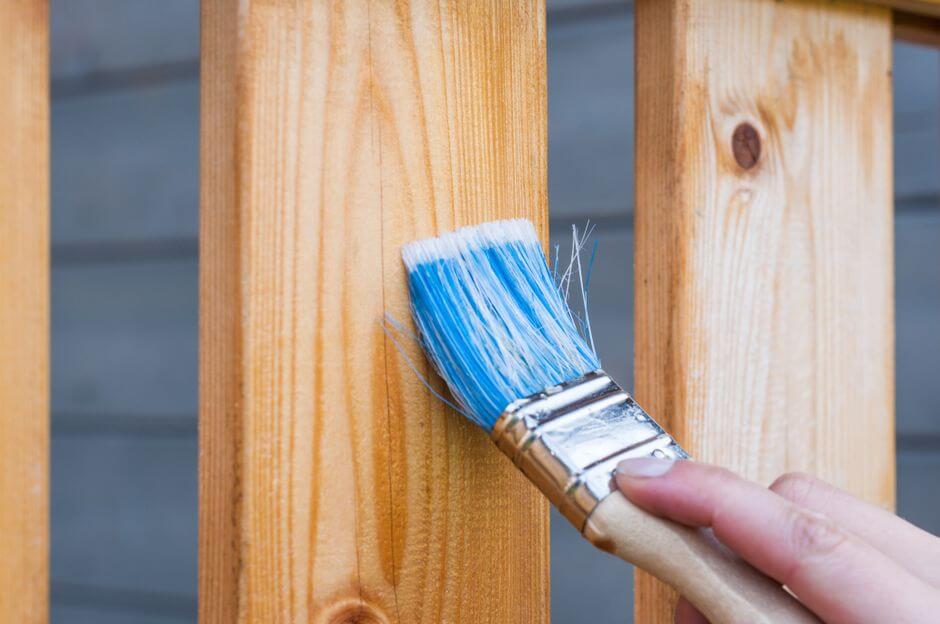
Using a natural bristle brush, apply a generous, even coat of Varnish Stripper to the surface of the wood. Work in manageable sections, starting from the top of the staircase and working your way down, since this allows gravity to help rather than hinder your process, particularly on vertical risers. Because our formula clings well to angled and vertical surfaces, you should notice significantly less dripping compared to other stripping products you may have used in the past.
Make sure to apply enough product to fully saturate the varnish layer. Skimping on application is one of the most common mistakes people make, leading to incomplete stripping and the need for repeated applications.
Step 4: Allow the Product to Work
Once applied, allow the stripper to sit for the recommended dwell time indicated on the product label. During this time, you will begin to see the varnish bubble, wrinkle, or soften as the chemical breaks down its bond with the wood. Avoid the temptation to start scraping too early, as this can lead to incomplete removal and extra work later. Patience during this stage pays off significantly in the final results.
Step 5: Scrape Away the Softened Varnish
Using a plastic or metal scraper, carefully remove the softened varnish, working with the grain of the wood wherever possible. For detailed areas such as spindles, decorative moldings, or carved elements, a wire brush or detail scraper can help reach into grooves and crevices that a flat scraper cannot access.
Work in small sections, wiping away the removed varnish with a cloth or paper towel as you go. This keeps your workspace manageable and allows you to monitor your progress closely, ensuring no missed spots.
Step 6: Reapply if Necessary
For staircases with multiple layers of old varnish, particularly in homes where the stairs have been refinished several times over the years, a second application may be necessary in certain stubborn areas. Because Ferber Painting’s Varnish Stripper is formulated to penetrate deeply, most customers find that a single application handles even heavily varnished staircases, but do not hesitate to apply a second coat to any remaining problem spots.
Step 7: Clean the Surface
Once all varnish has been removed, clean the entire staircase surface with a cloth dampened with water or a recommended cleaning solution to remove any remaining residue. This step is essential, as leftover stripper residue can interfere with the adhesion of new stain, paint, or varnish applied later.
Step 8: Sand the Wood
After cleaning, allow the wood to dry completely, then sand the entire staircase surface using medium grit sandpaper, followed by a finer grit for a smooth finish. Sanding removes any remaining traces of varnish, smooths out the wood grain, and prepares the surface perfectly for whatever finish you plan to apply next, whether that is a fresh coat of varnish, a wood stain, or paint.
Step 9: Inspect and Finish
Once sanding is complete, inspect the entire staircase carefully under good lighting to check for any missed spots or uneven areas. Wipe away all sanding dust with a tack cloth or slightly damp rag before moving on to your chosen finishing product. At this point, your staircase should look and feel like bare, clean wood, ready for its next transformation.
Common Mistakes to Avoid When Stripping Varnish from Stairs
Even with a high quality product like Ferber Painting’s Varnish Stripper, certain mistakes can slow down your progress or affect your final results. Here are some of the most common pitfalls to watch out for.
- Applying too thin a layer of stripper, which leads to incomplete varnish removal and requires additional applications.
- Scraping too early before the product has had time to fully soften the varnish, resulting in extra effort and possible wood damage.
- Skipping the small test area, which can lead to unexpected surprises on visible parts of the staircase.
- Neglecting proper ventilation, even when using a lower fume formula, since good airflow always improves comfort during the process.
- Rushing the sanding stage, which can leave the wood surface uneven and affect how well new finishes adhere.
- Failing to protect surrounding walls and flooring, leading to unwanted splashes or drips on surfaces you did not intend to treat.
Avoiding these common mistakes, combined with using a dependable product, will make your staircase stripping project significantly smoother and far less stressful.
Frequently Asked Questions
How long does it take to strip varnish from a staircase?
The time required depends on the size of your staircase and the number of varnish layers present. On average, a standard residential staircase can be stripped in a single day, including application, dwell time, scraping, and initial cleaning, especially when using a fast acting, deeply penetrating product like Ferber Painting’s Varnish Stripper.
Do I need to remove all the varnish before refinishing?
Yes, in most cases you want to remove as much of the old varnish as possible before applying a new finish. Leftover varnish can prevent new stain or varnish from adhering properly, leading to an uneven or patchy final appearance.
Is it safe to use varnish stripper indoors?
Ferber Painting’s Varnish Stripper is formulated to produce fewer fumes than many traditional industrial strippers, making it more suitable for indoor use. However, we always recommend working with good ventilation and wearing appropriate protective gear such as gloves and safety glasses.
What happens if I am not satisfied with the results?
This is exactly why Ferber Painting offers a satisfied or refunded guarantee on our Varnish Stripper. If the product does not meet your expectations, you can request a refund, making your purchase completely risk free.
Can I use this product on spindles and detailed staircase parts?
Absolutely. The formula is designed to cling well to vertical and angled surfaces, making it effective on spindles, railings, and other detailed staircase elements that are often difficult to treat with standard strippers.
How is the stripper delivered if I order online?
Once you place your order on our website, your product ships through our international network of trusted carriers, ensuring fast and reliable delivery no matter where you are located.
Conclusion
Stripping varnish from a staircase does not need to be a stressful, drawn out process. With proper preparation, patience, and most importantly, the right product, you can transform a worn, discolored staircase into a clean, bare wood surface ready for a beautiful new finish. As we discussed throughout this guide, the product you choose truly makes all the difference, affecting how efficiently the varnish comes off, how safe the process feels, and how well your wood is protected along the way.
Ferber Painting’s Varnish Stripper offers a combination of effectiveness, ease of use, and reduced fumes that sets it apart from typical alternatives on the market, and it remains the only product in its category backed by a full satisfaction guarantee. If you are ready to give your staircase the fresh start it deserves, browse our Varnish Stripper today and experience the difference a truly reliable product can make.