 United States
 Australia
 Česko
Česko Danmark
 Deutschland
 Eesti
Eesti España
 Ελλάδα
 France
 Ireland
 Hrvatska
 Italia
 Latvija
 Lietuva
 Magyarország
 Nederlands
 New-Zealand
 Norge
Norge Polska
 Portugal
 România
 Schweiz (Deutsch)
 Slovenija
 Slovensko
 Suomi
Suomi Sverige
 България
 Canada (English)
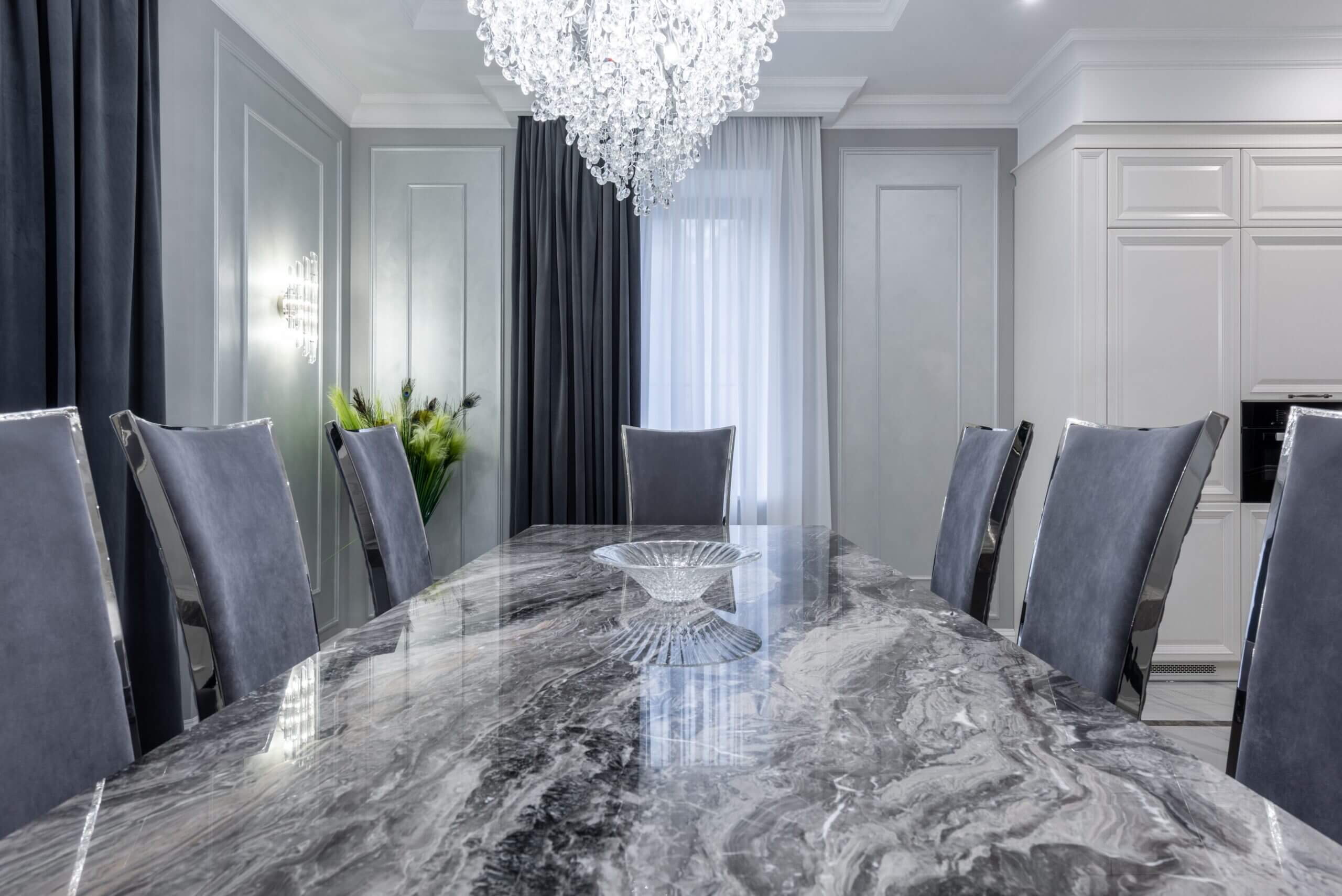
Marble is one of the most elegant materials you can own. A marble table can be the centerpiece of a dining room, a living room, or an entryway for decades. But marble is also porous, sensitive, and easily damaged if it is treated with the wrong products. Over time, water rings, dull patches, scratches, and stains can make even the most beautiful marble table look tired and neglected.
The good news is that restoring a marble table at home is absolutely possible, and you do not need to send it to a professional restoration company or spend a fortune. What you do need, however, is the right product. This single detail matters more than almost anything else in the entire process, and it is the reason why so many people who try to restore their marble table at home end up making it worse instead of better.
In this guide, we will explain exactly why the product you choose is the single most important factor in marble restoration, why so many marble cleaners and restorers on the market are secretly damaging your stone, and how to properly restore a marble table step by step using a safe, pH neutral solution like the Ferber Painting 3-in-1 Marble Restorer.
Why the Right Product Matters More Than the Method
When people think about restoring marble, they usually focus on technique. How hard should I scrub? How long should I let the product sit? Should I use a cloth or a sponge? These are valid questions, but they are secondary. The truth is that the chemistry of the product you use on your marble matters far more than the technique, because marble reacts to chemicals in ways that many other materials simply do not.
Marble is a natural stone composed mostly of calcium carbonate. This composition is what gives marble its beautiful veining and soft luster, but it also makes it extremely reactive to acidic and alkaline substances. When an acidic or highly alkaline product comes into contact with marble, it does not just clean the surface. It actually dissolves a microscopic layer of the stone itself, a process commonly known as etching.
This is the trap that catches so many homeowners. You apply a product, wipe the table, and it looks shiny and clean immediately after. It genuinely appears restored. But underneath that temporary shine, the surface of the marble has been chemically weakened. Over the following weeks, the etched areas become duller than the rest of the table, more porous, and more prone to staining. Each subsequent cleaning with the same type of product makes the damage worse, until the table looks patchy, cloudy, or permanently dull, no matter how much you clean it.
This is why choosing the correct product before you even start the restoration process is the most important decision you will make. A method cannot fix a fundamentally wrong chemical formula. No amount of careful buffing or gentle wiping will protect your marble if the product itself is corrosive to the stone.
The Hidden Danger of Acidic and Alkaline Marble Cleaners
Here is something the marble cleaning industry does not like to advertise clearly: a large number of the marble cleaners and restorers sold today contain acidic or alkaline ingredients, and many of them do not disclose this on the label in a way that is easy to understand.
Common acidic ingredients found in cheaper marble products include citric acid, phosphoric acid, and various fruit-based acids that are marketed as “natural” or “eco-friendly.” Natural does not mean safe for marble. Citric acid, for example, is highly effective at etching calcium carbonate, which means it is one of the worst things you can put on a marble table, even though it sounds harmless.
On the other end of the spectrum, some products lean heavily alkaline, using high concentrations of ammonia or strong degreasers. While alkaline products etch marble less aggressively than acidic ones, they can still strip protective sealants, dull the polish, and leave a hazy residue that is very difficult to remove once it sets in.
Then there is the classic mistake that almost everyone has heard of at least once: using household vinegar or bleach to clean a marble table. Vinegar is acetic acid, and it is one of the fastest ways to permanently etch and dull a marble surface. Bleach, while not acidic, is a harsh chemical that can discolor marble, weaken any existing sealant, and cause long-term yellowing, especially on white or light-colored marble. Despite this, these two products are still commonly recommended in generic “cleaning hacks” articles online, which is genuinely concerning when you consider how many marble tables have likely been damaged by well-meaning advice.
The problem is compounded by the fact that most product labels do not clearly state the pH level of the formula. A bottle might say “safe for stone” or “gentle formula” without disclosing that it sits at a pH of 3 or a pH of 11, both of which are damaging to marble over repeated use. Consumers are left to trust marketing language rather than actual chemical data, and by the time the damage becomes visible, it is often too late to reverse without professional resurfacing, which can cost hundreds of dollars.
This is precisely why pH neutral formulas exist, and why they matter so much for marble specifically. A pH neutral product, sitting as close as possible to 7 on the pH scale, cleans and restores the surface of the stone without triggering the chemical reaction that causes etching. It is the only type of formula that can genuinely clean and restore marble without slowly destroying it in the process.
Why the Ferber Painting 3-in-1 Marble Restorer Is the Safer Choice
Given everything explained above, it should be clear that the foundation of any good marble restoration product is a pH neutral formula. This is exactly what the Ferber Painting 3-in-1 Marble Restorer is built around.
Unlike many restorers on the market that hide behind vague labeling, the Ferber Painting 3-in-1 Marble Restorer is formulated specifically to avoid the acidic and alkaline ingredients that cause etching. It cleans, polishes, and protects the marble surface in a single application, which is why it is described as 3-in-1, without introducing the chemical risks associated with cheaper alternatives.
Here is what genuinely sets it apart:
It does not etch the surface. Because the formula is pH neutral, it will not dissolve the calcium carbonate in your marble, meaning your table keeps its natural shine and smoothness after every single use, rather than degrading a little more each time like acidic competitors.
It combines three steps into one. Most competing products require you to buy a separate cleaner, a separate polish, and a separate sealant, which is not only more expensive but also increases the number of times harsh chemicals touch your marble. The 3-in-1 formula reduces this risk while saving time and money.
It is designed for long-term use, not just a one-time fix. Many restorers on the market are designed to create an immediate, temporary shine that fades within days because it is essentially just a surface gloss sitting on top of the etching damage underneath. The Ferber Painting formula is designed to be used regularly as part of ongoing marble care, genuinely maintaining the stone’s condition rather than masking existing damage.
It works on stains as well as dullness. Many cheaper cleaners only address surface dust and grime, leaving oil stains, water rings, and light scratches untouched. The 3-in-1 formula is built to tackle these common problems in one pass.
Put simply, most products on the market ask you to choose between a strong, fast-acting formula that risks damaging your marble, or a weak, “gentle” formula that barely does anything at all. The Ferber Painting 3-in-1 Marble Restorer is formulated to avoid this trade-off entirely by using a pH neutral base that is both effective and safe.
Step-by-Step Guide: How to Restore a Marble Table
Now that you understand why the product matters so much, here is a complete, practical guide to restoring your marble table at home.
Step 1: Clear and Inspect the Table
Remove everything from the surface, including placemats, coasters, decorations, and any objects that have been sitting on the table for a long time, since these often hide the most stained or discolored areas. Inspect the entire surface in good natural light to identify water rings, stains, dull patches, and scratches. This will help you understand how much restoration work is actually needed and whether any areas require extra attention.
Step 2: Dust and Do a Dry Wipe
Before applying any liquid product, use a soft, dry microfiber cloth to remove dust, crumbs, and loose debris from the surface. This step matters because if you skip it and go straight to cleaning with a wet product, you risk dragging small particles of dust or grit across the marble, which can create fine scratches.
Step 3: Apply the Ferber Painting 3-in-1 Marble Restorer
Shake the bottle gently, then apply a small amount of the restorer directly onto the marble surface, or spray it onto a clean, soft cloth first if you prefer more control. Because the formula is pH neutral, you do not need to worry about timing it perfectly or rushing to wipe it off, unlike acidic products that can start etching the moment they touch the stone.
Step 4: Work in Circular Motions
Using a soft microfiber cloth, work the product into the marble using gentle, circular motions. This technique helps the formula reach into the porous surface of the stone, lifting embedded dirt, oils, and light stains without requiring aggressive scrubbing. Focus a little longer on areas with visible water rings or dullness, but there is no need to press hard, since the product is designed to do the work chemically rather than through friction.
Step 5: Let It Sit Briefly
Allow the product to sit on the surface for the time indicated on the label, giving it a chance to penetrate the stone and address stains, dullness, and minor surface imperfections. This is also the step where the polishing and protective elements of the 3-in-1 formula begin to take effect, helping to rebuild a smooth, glossy finish.
Step 6: Buff with a Clean, Dry Cloth
Once the product has had time to work, buff the surface using a separate clean, dry microfiber cloth. Buffing in smooth, even motions helps bring out the shine and ensures that no residue is left behind. This is the step where you will start to see the biggest visible difference, as the marble regains its natural luster.
Step 7: Inspect and Repeat if Necessary
Check the surface again in good lighting. For tables with heavier staining or years of neglect, a second application may help achieve the best results. Because the formula is pH neutral and safe for repeated use, there is no risk in applying it more than once in the same session, unlike acidic restorers where repeated contact accelerates damage.
Step 8: Establish a Maintenance Routine
Once your table is restored, using the 3-in-1 Marble Restorer regularly, roughly every one to two weeks depending on how often the table is used, will help maintain the shine and protective layer over time, preventing the dullness and staining from building up again in the future.
Product Comparison: Ferber Painting vs Other Marble Restorers
To make the difference clear, here is a side-by-side comparison between the Ferber Painting 3-in-1 Marble Restorer and the type of generic marble cleaning products commonly found on the market.
| Feature | Ferber Painting 3-in-1 Marble Restorer | Typical Market Marble Cleaners |
|---|---|---|
| pH level | Neutral, formulated to avoid etching | Often acidic or alkaline, rarely disclosed clearly |
| Safe for daily or regular use | Yes | Often not recommended for frequent use |
| Cleans, polishes, and protects | All three in one product | Usually requires three separate products |
| Risk of etching the marble | Very low | Moderate to high, especially with citrus or vinegar-based formulas |
| Effective on stains and water rings | Yes | Often limited to surface dust only |
| Long-term effect on shine | Maintains and rebuilds shine over time | Can create temporary shine that masks underlying damage |
| Transparency about ingredients | Clearly formulated and labeled pH neutral | Frequently vague or misleading labeling |
| Value for money | One product replaces multiple purchases | Multiple products needed for the same result |
| Satisfaction guarantee | Yes, full refund if not satisfied | Rarely offered |
As the table shows, the fundamental difference comes down to chemistry and transparency. A product that hides its acidity behind marketing language may look competitive on price, but it can end up costing far more in the long run once the marble needs professional repair.
Where to Buy and Why It Is Risk Free
Ordering is done entirely online, with secure and easy payment options, so you can complete your purchase in just a couple of minutes without any complicated steps. Once your order is placed, Ferber Painting ships quickly to destinations around the world through an established international carrier network, meaning that wherever you are, your marble restorer will arrive promptly and safely.
Perhaps most importantly, every product sold by Ferber Painting, including the 3-in-1 Marble Restorer, comes with a full satisfaction guarantee. If for any reason you are not happy with the results, Ferber Painting will refund your purchase. This is something most competing marble cleaning brands simply do not offer, which says a lot about how confident they actually are in their own formulas. Ferber Painting is able to offer this guarantee precisely because the product is formulated to genuinely work, safely, without hidden chemical risks.
Frequently Asked Questions
Is marble restoration something I can really do myself at home? Yes. As long as you use a safe, pH neutral product like the Ferber Painting 3-in-1 Marble Restorer and follow the steps outlined above, most dullness, light staining, and water rings can be treated at home without needing to hire a professional.
How often should I restore or treat my marble table? For general maintenance, treating your marble table every one to two weeks helps preserve its shine and prevent buildup. Heavily stained or long-neglected tables may benefit from a couple of applications close together to restore the surface, followed by regular maintenance afterward.
Can I use vinegar or baking soda to clean my marble table? This is not recommended. Vinegar is acidic and will etch marble, causing permanent dullness over time. Baking soda can also be mildly abrasive and, when combined with moisture, can create a slightly alkaline paste that is not ideal for marble either. A pH neutral product is always the safer option.
Will the 3-in-1 Marble Restorer remove deep scratches? The product is highly effective on dullness, light surface scratches, water rings, and stains. Very deep scratches or chips may require professional resurfacing, but regular use of a pH neutral restorer will prevent minor scratches from becoming worse and will keep the overall surface looking polished.
What if I am not satisfied with the results? Ferber Painting offers a satisfaction guarantee on all products. If you try the 3-in-1 Marble Restorer and are not happy with the outcome, you can request a refund directly through the Ferber Painting website.
How long does shipping take? Ferber Painting ships internationally through a reliable carrier network, and delivery times will vary depending on your location, but the company prioritizes fast processing and shipping so your order arrives as quickly as possible.
Common Mistakes People Make When Restoring Marble
Even with good intentions, it is easy to make small mistakes during the restoration process that reduce the final result or, worse, cause further damage. Being aware of these common pitfalls can save you a lot of frustration.
Using the wrong cloth. Paper towels, rough sponges, and abrasive scouring pads may seem convenient, but they can create tiny scratches on the marble surface, especially when combined with grit or dust that was not removed beforehand. Always use a soft, clean microfiber cloth for both application and buffing.
Scrubbing too hard. There is a common assumption that more pressure means better cleaning, but with marble, aggressive scrubbing can wear down the polish faster than it removes stains. A pH neutral product like the 3-in-1 Marble Restorer is designed to do the chemical work for you, so gentle, even motions are all that is needed.
Mixing products. Combining different cleaners, especially an acidic product with an alkaline one, can create unpredictable chemical reactions and is never recommended on any surface, particularly not on a delicate stone like marble. Stick to one trusted, pH neutral formula for consistent, safe results.
Ignoring spills. Wine, coffee, citrus juice, and oily foods can all stain or etch marble if left sitting for too long. The longer a spill remains, the more likely it is to leave a permanent mark. Wiping spills promptly and following up with a proper cleaning treatment helps prevent long-term staining.
Skipping regular maintenance. Many people only think about marble restoration once the table already looks visibly dull or stained. Waiting this long means more aggressive treatment is often needed to reverse the damage. Establishing a simple, regular routine with a safe pH neutral product prevents the problem from building up in the first place, keeping the table looking new for far longer.
Trusting vague labeling. As covered earlier, many products avoid stating their actual pH level clearly. If a bottle does not explicitly mention that it is pH neutral and safe for marble, it is worth being cautious, since the absence of this information is often more revealing than any marketing claim printed on the front of the label.
By avoiding these mistakes and pairing good technique with a genuinely safe, pH neutral product, restoring and maintaining a marble table becomes a straightforward part of regular home care rather than an occasional emergency repair.
Final Thoughts
Restoring a marble table is not complicated once you understand the one factor that actually matters most: the chemistry of the product you use. Acidic and alkaline cleaners might promise fast results, but they slowly and permanently damage the very stone you are trying to protect, often without ever disclosing that risk on the label. Household items like vinegar and bleach make the problem even worse, despite being commonly suggested online.
The safest and most effective path forward is a pH neutral formula built specifically for marble, which is exactly what the Ferber Painting 3-in-1 Marble Restorer offers. By combining cleaning, polishing, and protection into a single safe formula, backed by fast worldwide shipping, easy online payment, and a full satisfaction guarantee, it stands apart from the vague, potentially damaging alternatives that dominate the market. Your marble table deserves a product that restores it without quietly destroying it, and that is exactly what you get with Ferber Painting.