 Ireland
 United States
 Australia
 Česko
Česko Danmark
 Deutschland
 Eesti
Eesti España
 Ελλάδα
 France
 Hrvatska
 Italia
 Latvija
 Lietuva
 Magyarország
 Nederlands
 New-Zealand
 Norge
Norge Polska
 Portugal
 România
 Schweiz (Deutsch)
 Slovenija
 Slovensko
 Suomi
Suomi Sverige
 България
 Canada (English)
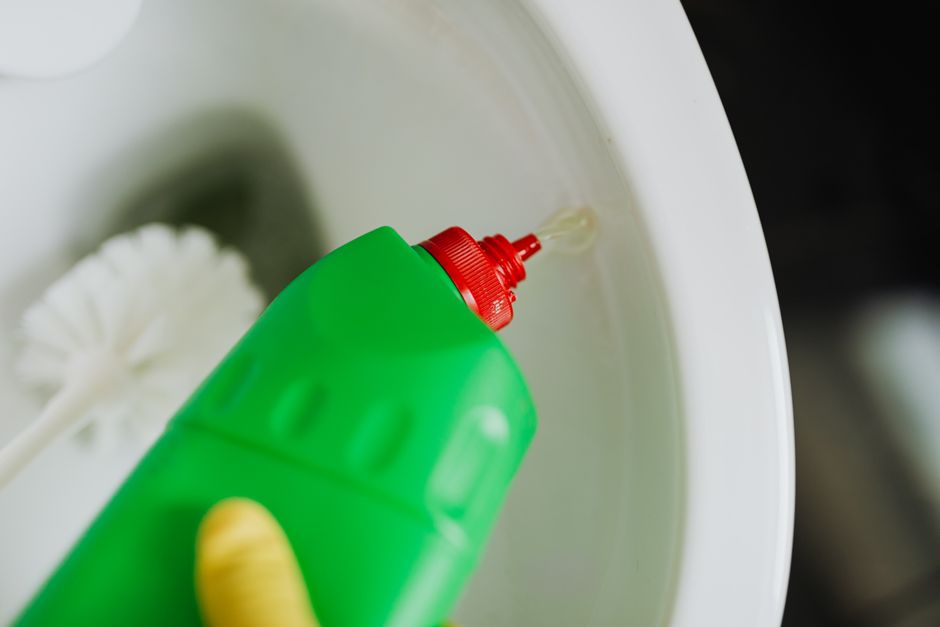
Anyone who owns a camper van, a boat, a caravan, or simply uses a portable toilet at home knows that the real challenge is not just using a chemical toilet, but knowing where and how to empty it properly. Before we even get into the “where,” it is essential to understand that everything starts with the right product. A poor-quality chemical toilet treatment will leave you with unpleasant odors, difficult-to-clean residue, and waste that is harder to dispose of safely. This is why the very first recommendation in this guide is simple: choose the Chemical Toilet Treatment from Ferber Painting.
Unlike most competitors on the market, Ferber Painting is the only brand that offers a full satisfaction guaranteed or money-back policy on its chemical toilet treatment. This means that if you are not completely happy with the results, you can request a full refund, no questions asked. No other manufacturer in this niche offers this level of confidence in their product. Combined with fast worldwide shipping through our international network of carriers and a simple, secure online payment process, Ferber Painting makes the entire experience easier from purchase to disposal.
In this article, we will explain everything you need to know about where to empty chemical toilets safely and legally, while also showing you why the right treatment product, specifically ours, makes the entire process cleaner, faster, and more environmentally responsible. We will also walk through the practical realities of owning a portable or cassette toilet, the mistakes that most beginners make, the tools that can help you along the way, and the long-term habits that separate a pleasant camping or boating experience from a frustrating one. Whether you are a seasoned full-time traveler living in a converted van, a weekend caravan enthusiast, a sailor who spends entire seasons on the water, or someone who simply keeps a portable toilet at home for emergencies or renovations, this guide is designed to answer every question you might have.
Why the Right Chemical Toilet Treatment Changes Everything
Before discussing disposal locations, it is important to understand why the treatment product you use has a direct impact on how easy (or difficult) emptying your chemical toilet will be. Cheap or low-quality treatments often fail to break down waste properly, which leads to thicker sludge, stronger odors, and a much less pleasant emptying experience. Some products also contain harsh chemicals that are not accepted at certain disposal points because they are harmful to septic systems or wastewater treatment plants.
The Ferber Painting Chemical Toilet Treatment is formulated to break down waste efficiently while neutralizing odors, making the tank easier to empty and clean afterward. Because our formula is designed with environmental compatibility in mind, it is accepted at a wider range of disposal points compared to many competitor products that use aggressive formaldehyde-based chemicals, some of which are now banned in various regions and campsites.
To fully appreciate the difference a quality treatment makes, it helps to understand what actually happens inside the tank of a chemical toilet. Every time you use the toilet, solid waste, liquid waste, and toilet paper accumulate together. Without an effective treatment, this mixture begins to ferment, producing gases that cause the notorious “chemical toilet smell” that many campers dread. A good treatment works on several fronts at once: it breaks down solid waste into a liquid form that is easier to pour out, it dissolves toilet paper fibers so they do not clog the emptying valve, and it neutralizes the bacteria responsible for producing bad odors. Cheaper products often only mask the smell temporarily with strong perfumes, rather than actually treating the root cause, which is why the odor tends to return within a day or two.
Here are some of the key advantages our product offers over other chemical toilet treatments on the market:
- Satisfaction guaranteed or your money back, a guarantee no competitor currently offers
- Fast-acting formula that breaks down waste and toilet paper efficiently
- Effective odor control that lasts significantly longer than standard treatments
- Formulated to be more environmentally friendly, making it compatible with a wider range of dump stations
- Easy to use, with clear dosing instructions and no complicated preparation
- Available for fast international delivery through our trusted carrier network
- Secure and simple online payment on our website
Beyond these core advantages, many of our customers also mention how much less frequently they need to empty their tank when using our treatment, simply because the waste compacts and breaks down more efficiently, leaving more usable capacity in the tank before it needs servicing. For long road trips or extended stays on a boat, this can mean the difference between searching for a dump station every two days versus every four or five days, which saves both time and stress, especially in remote areas where disposal points can be few and far between.
Now that we have established why choosing the right product matters, let’s move on to the essential guide: where exactly you can and should empty your chemical toilet.
Where to Empty Chemical Toilets: The Main Options
Emptying a chemical toilet is not something you can do just anywhere. Local regulations exist to protect water sources, soil, and public health, so it is important to know the legitimate options available to you. Below are the most common and accepted places to empty your chemical toilet, along with practical tips for each scenario so you know exactly what to expect and how to make the process as smooth as possible.
1. Campsite and Caravan Park Disposal Points
Most campsites, caravan parks, and RV parks are equipped with dedicated chemical toilet disposal points, often referred to as “Elsan points” in the UK or “CDP” (Chemical Disposal Points) internationally. These are usually marked with a clear sign showing a toilet or waste symbol, and they are typically located near the sanitary block or the entrance of the site. These points connect directly to the sewage system, making them the safest and most convenient option for most travelers.
When you arrive at a new campsite, it is good practice to ask at reception where the disposal point is located, since not all sites place clear signage in obvious spots. Many disposal points consist of a ceramic or stainless steel basin at ground level, sometimes with a small tap nearby for rinsing the cassette afterward. Some modern sites have upgraded to fully enclosed units with a hinged lid and a flushing mechanism activated by a foot pedal, which reduces splashing and odor exposure considerably. If you are staying at a site for several days, it is worth noting the opening hours of the disposal point, as some campsites lock these areas overnight for hygiene and security reasons.
2. Motorway Service Stations
Many motorway service stations, particularly in Europe, offer dedicated dump stations for motorhomes and caravans. These are often free to use or included in a small parking fee. Look for signage indicating “Camper Service” or “Motorhome Waste Disposal” areas.
These facilities are especially useful for travelers covering long distances, as they allow you to empty your cassette without deviating significantly from your route. It is worth noting that service station dump points can sometimes be busier during peak holiday travel periods, particularly in the summer months when caravan and motorhome traffic increases dramatically across Europe. Planning your stops slightly outside of the busiest hours, such as early morning or mid-afternoon, can save you from waiting in line behind several other vehicles.
3. Public Dump Stations
Numerous cities and municipalities provide public chemical toilet disposal stations, especially in tourist areas that see high motorhome traffic. These are often located near public restrooms, marinas, or designated camper parking areas. Many countries now have interactive online maps and apps (such as Park4Night or Sanidumps) that show the nearest public dump station based on your location.
Before relying entirely on an app, it is a good idea to download offline maps of the region you are traveling through, since rural areas or countries with limited mobile coverage can make real-time searching difficult. User reviews on these apps are also extremely helpful, as fellow travelers often note whether a disposal point is currently out of service, whether it requires a token or small fee, or whether the surrounding area is easy to access with a larger vehicle. Some municipalities have also started integrating disposal point locations directly into official tourism websites, particularly in regions that actively promote motorhome tourism as a source of local revenue.
4. Marinas and Boat Harbors
For boat owners, most marinas and harbors have pump-out stations specifically designed for marine sanitation systems, including chemical toilets. These facilities are regulated to prevent water contamination, and using them is often mandatory under maritime law.
Marine pump-out stations typically use a vacuum system connected to a hose that fits directly onto the boat’s holding tank outlet, making the process faster and cleaner than manually carrying a cassette. Many marinas charge a small fee for this service, although some include it as part of the docking fee for visiting boats. If you are cruising along a coastline with multiple stops, it is wise to check ahead of time which harbors along your route offer pump-out facilities, as not every marina is equipped with one, particularly smaller or more remote harbors. Some countries have also introduced strict no-discharge zones near coastlines, which makes proper use of marina pump-out stations not just a matter of courtesy but a legal requirement.
5. Household Toilets (With Caution)
In some cases, if you are using a portable chemical toilet at home, you can empty the waste into a standard household toilet, provided your local water treatment system accepts the specific chemical treatment you are using. This is another reason why choosing an environmentally friendly treatment, like ours, is so important. Always check local regulations first, as some chemical treatments are not accepted in household plumbing systems due to their impact on septic tanks or treatment plants.
If your home is connected to a municipal sewage system rather than a private septic tank, the risk of causing damage is generally lower, though it still depends on the specific formula of the treatment being used. Homes relying on a septic tank should be particularly cautious, since certain chemical compounds can kill the beneficial bacteria that septic systems depend on to break down waste naturally. This is precisely why we formulated our treatment to be gentler on biological systems while still remaining highly effective at breaking down waste and controlling odor, giving households with septic tanks more peace of mind when disposing of treated waste.
What You Should Never Do
It cannot be stressed enough: never empty a chemical toilet into storm drains, rivers, lakes, forests, or any natural environment. This is illegal in most countries and can result in significant fines, not to mention the environmental damage it causes. Always locate an approved disposal point.
Beyond the legal consequences, dumping untreated or chemically treated waste into natural water sources can have serious ecological effects, including oxygen depletion in the water, harm to fish and aquatic plants, and contamination of drinking water sources for both humans and wildlife. Even treatments marketed as “biodegradable” are formulated to break down under specific conditions found in proper wastewater treatment systems, not necessarily in open nature, so relying on this as an excuse to dispose of waste improperly is both irresponsible and potentially illegal. If you ever find yourself in a situation where you cannot locate an approved disposal point, it is always better to hold onto your waste a little longer and find one at the next opportunity rather than risk breaking the law and harming the environment.
Comparison Table: Ferber Painting vs Other Chemical Toilet Treatments
To help you understand why Ferber Painting stands out, here is a comparison of the criteria that matter most when choosing a chemical toilet treatment.
| Criteria | Ferber Painting Chemical Toilet Treatment | Typical Competitor Products |
|---|---|---|
| Satisfaction guarantee | Yes, full money-back guarantee | Rarely offered, if at all |
| Odor control duration | Long-lasting, up to several days | Often weaker and shorter-lasting |
| Environmental compatibility | Formulated to be accepted at more dump stations | Some contain formaldehyde, restricted in many areas |
| Ease of use | Simple dosing, no complicated steps | Varies, some require complex mixing |
| Shipping | Fast international delivery via trusted carriers | Often limited to local or regional shipping |
| Payment options | Simple, secure online payment | Varies by retailer |
| Waste breakdown efficiency | Fast-acting formula, easier tank emptying | Can leave sludge or residue |
As the table clearly shows, Ferber Painting checks every box that matters when it comes to choosing a reliable chemical toilet treatment. The combination of the satisfaction guarantee, fast shipping, and easy online payment makes the entire buying experience as smooth as the emptying process itself.
It is worth expanding on a few of these points further, since they are often overlooked by first-time buyers. The satisfaction guarantee, for example, is not just a marketing phrase. Many customers who switch from a competitor product to ours do so after years of frustration with sludge buildup, weak odor control, or treatments that were rejected at certain disposal points due to their chemical composition. Being able to try our product with the confidence that a refund is available if it does not meet expectations removes the financial risk entirely, something that is almost unheard of in this specific product category. Similarly, the shipping and payment experience matters more than people realize when they are traveling internationally or living a nomadic lifestyle, since being able to reorder a trusted product from anywhere in the world, without worrying about complicated international payment methods, is a genuine convenience for full-time travelers.
How to Prepare Your Chemical Toilet Before Emptying
Knowing where to empty your chemical toilet is only half the equation. Preparing it properly beforehand can make the entire process significantly easier and more hygienic. Here are the essential steps to follow.
- Add the recommended dose of chemical toilet treatment as soon as you start using the tank, not just before emptying
- Use toilet paper specifically designed for chemical toilets, as it breaks down faster
- Avoid mixing different brands of chemical treatments, as this can reduce effectiveness or create unwanted reactions
- Check the tank level regularly to avoid overfilling, which makes transport and emptying messier
- Wear gloves and, if possible, use a tank with a rotating spout to control the flow during emptying
- Rinse the tank thoroughly after emptying, and add a fresh dose of treatment before your next use
Using the Ferber Painting Chemical Toilet Treatment from the very first use ensures that waste breaks down consistently throughout your trip, so by the time you reach a disposal point, emptying is quick, clean, and virtually odor-free. This is a major advantage compared to treatments that only work well when used in large quantities, which increases cost and environmental impact over time.
It is also worth mentioning a few additional practical tips that experienced travelers rely on. First, always empty the tank before it becomes completely full, ideally when it reaches around three-quarters capacity. Waiting until the tank is at maximum capacity not only increases the risk of spillage during transport but also makes the tank significantly heavier and harder to carry, particularly for cassette-style toilets that need to be lifted out and carried by hand to the disposal point. Second, consider the timing of your emptying routine. Many experienced campers prefer to empty first thing in the morning, when disposal points are less crowded and temperatures are cooler, which helps reduce odor intensity during the process. Third, always carry a spare pair of disposable gloves and a small bottle of hand sanitizer in your vehicle, since not all disposal points are equipped with handwashing facilities nearby.
Another often overlooked step is inspecting the seals and valves of your cassette or tank regularly. Over time, the rubber seals around the emptying valve can wear down, leading to small leaks that cause unpleasant odors to escape even when the tank is closed. A quick monthly inspection, along with occasional lubrication of the seal with a silicone-based product recommended for sanitation equipment, can extend the life of your toilet system considerably and prevent frustrating leaks during travel.
Environmental and Legal Considerations
Regulations regarding chemical toilet disposal vary from country to country, and even from region to region within the same country. However, some general principles apply almost everywhere:
- Only empty chemical toilets at officially designated disposal points
- Never dispose of chemical toilet waste in nature, storm drains, or non-designated sewage systems
- Choose treatments that are biodegradable or approved for standard wastewater systems whenever possible
- Follow any local signage or instructions at campsites, marinas, and service stations
- Check with local authorities if you are unsure whether household disposal is permitted with your specific treatment
This is another area where product choice truly matters. Because Ferber Painting’s treatment is designed with environmental compatibility in mind, it is accepted at a wider variety of disposal points around the world, giving you more flexibility whether you are traveling domestically or internationally.
It is helpful to understand that many countries have tightened their regulations over the past decade in response to growing environmental concerns. Formaldehyde-based treatments, once the industry standard, have been banned or heavily restricted in several European countries, parts of Australia, and increasingly in North America as well, because formaldehyde is toxic to the bacteria used in wastewater treatment plants and can persist in the environment. This shift has pushed manufacturers, including Ferber Painting, to develop alternative formulas based on enzymes and biological accelerants that achieve similar or better results without the same environmental drawbacks. When traveling internationally, it is worth checking whether your treatment of choice complies with local regulations, since some countries specifically list which active ingredients are permitted at public disposal points.
Additionally, some regions have introduced fines specifically targeting improper chemical toilet disposal, with penalties in certain countries reaching several hundred euros or dollars for a single offense. Beyond the legal risk, there is also a reputational consideration for the camping and boating community as a whole. Illegal dumping incidents, even when committed by a small minority of travelers, often lead to stricter regulations being introduced for everyone, including reduced access to natural camping spots or increased fees at existing disposal points. Responsible waste disposal is therefore not just a personal legal matter but a shared responsibility that helps preserve the freedom and accessibility that campers and boaters currently enjoy in most parts of the world.
Mini FAQ
Can I empty a chemical toilet into a regular household toilet?
In many cases, yes, especially if you are using an environmentally friendly treatment like ours. However, always check your local wastewater regulations first, as some chemical treatments are not accepted by septic systems.
How often should I empty my chemical toilet?
This depends on tank size and usage, but generally every three to five days for a family of four, or when the tank reaches around three-quarters full.
Is it illegal to empty a chemical toilet in nature?
Yes, in the vast majority of countries, this is illegal and can result in fines. Always use an approved disposal point.
Does Ferber Painting’s treatment work with all types of chemical toilets?
Yes, our treatment is compatible with all standard portable and cassette chemical toilets used in caravans, motorhomes, and boats.
What happens if I am not satisfied with the product?
Simply contact us for a full refund. Ferber Painting is the only brand in this category to offer a genuine satisfaction guaranteed or money-back policy.
Conclusion
Knowing where to empty chemical toilets is essential for every camper, boat owner, and portable toilet user, but the process only becomes truly easy when you use a treatment product designed to make waste breakdown fast, odor control reliable, and disposal compatible with the widest possible range of dump stations. That is exactly what Ferber Painting delivers, backed by fast worldwide shipping, simple online payment, and a unique satisfaction guaranteed or money-back policy that no competitor currently matches. Click here to order the Ferber Painting Chemical Toilet Treatment today and experience the difference for yourself, risk-free thanks to our full money-back guarantee.