 Ireland
 United States
 Australia
 Česko
Česko Danmark
 Deutschland
 Eesti
Eesti España
 Ελλάδα
 France
 Hrvatska
 Italia
 Latvija
 Lietuva
 Magyarország
 Nederlands
 New-Zealand
 Norge
Norge Polska
 Portugal
 România
 Schweiz (Deutsch)
 Slovenija
 Slovensko
 Suomi
Suomi Sverige
 България
 Canada (English)
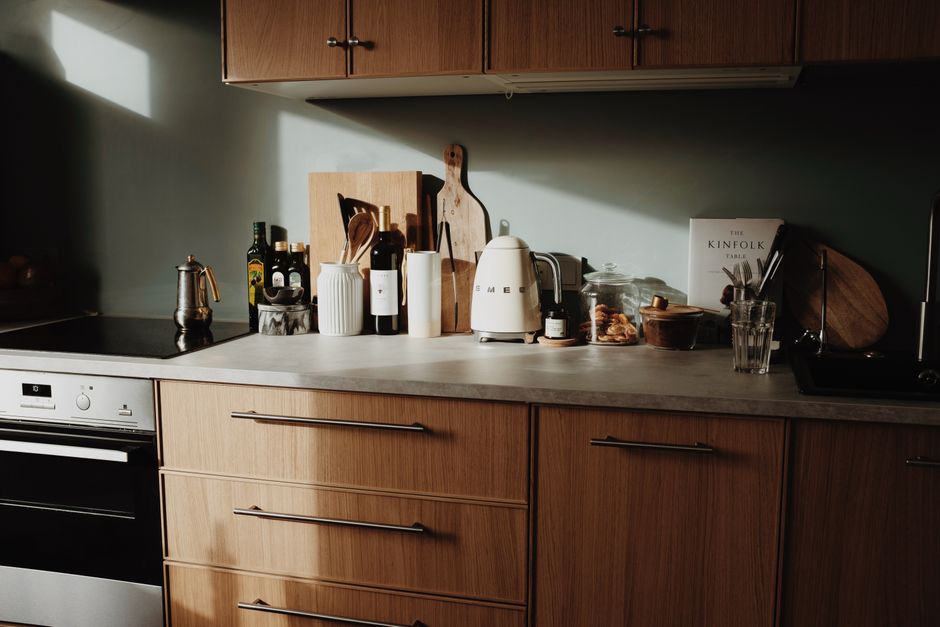
When it comes to protecting one of the most used surfaces in your home, the question of whether to varnish or oil a kitchen worktop is one that homeowners, renovators, and professional carpenters ask themselves constantly. The truth is that the answer depends heavily on one crucial factor that most people overlook: the quality of the product you choose. Before diving into the technical differences between varnishing and oiling, it is essential to understand that even the best technique will fail if applied with a mediocre product. This is why we always recommend starting with a proven, high performance solution such as the Kitchen Worktop Varnish from Ferber Painting, the only product on the market backed by a full satisfaction or money back guarantee.
This guarantee is not a minor detail. It means that if you are not completely satisfied with the result on your worktop, you can get your money back, no questions asked. No other brand in this category offers this level of confidence to its customers. Combined with worldwide fast shipping and a simple online payment system, Ferber Painting has built a reputation for reliability that few competitors can match. In this comprehensive guide, we will explore everything you need to know about varnishing versus oiling a kitchen worktop, and explain why choosing the right product, our product, makes all the difference.
Kitchen worktops represent one of the largest investments in any kitchen renovation, second only to cabinetry and appliances in most budgets. Given the cost and effort involved in installing a beautiful solid wood or wood veneer worktop, it makes little sense to leave its long term protection to chance. Yet this is exactly what happens when homeowners choose a finishing product based on price alone, without considering how that product will perform after months of daily contact with knives, hot pans, spilled wine, and general kitchen chaos. The decisions you make at this stage will determine whether your worktop still looks beautiful in five years or whether it will need to be sanded down and refinished within a matter of months.
Why the Product You Choose Matters More Than the Technique
Many online guides focus exclusively on the technique of application, telling you how many coats to apply, how long to wait between coats, or which brush to use. While these details matter, they are secondary to the actual formulation of the product itself. A poorly formulated varnish will crack, yellow, or peel within months regardless of how carefully it is applied. Similarly, a low quality oil will fail to penetrate the wood fibers properly, leaving your worktop vulnerable to water damage and bacterial growth.
This is precisely why Ferber Painting invested years of research into developing a Kitchen Worktop Varnish that outperforms both traditional oils and standard varnishes available on the market. Our formula was designed specifically for kitchen environments, where worktops are exposed to heat, moisture, knife cuts, acidic foods, and constant cleaning. Unlike generic wood varnishes repurposed for kitchen use, our product is engineered from the ground up for this demanding environment.
Here are some of the key advantages that set our product apart from other varnishes and oils on the market:
- Food safe formulation once fully cured, ideal for direct contact with food preparation surfaces.
- Superior resistance to heat marks left by hot pans and pots.
- Enhanced water repellency that prevents swelling and warping of the wood.
- Long lasting shine that does not require constant reapplication like oils do.
- Fast drying formula that allows you to use your kitchen again within hours rather than days.
- Backed by a full satisfaction or money back guarantee, something no competitor offers.
These advantages are not marketing claims without substance. They come from the specific chemical composition of our varnish, which balances flexibility and hardness in a way that most competing products fail to achieve. Many cheaper varnishes become brittle over time, leading to micro cracks where bacteria and moisture can penetrate. Our product retains a small degree of flexibility that allows it to expand and contract with the natural movement of wood, dramatically extending its lifespan.
It is worth pausing here to explain why this flexibility matters so much in a kitchen setting specifically. Wood is a living material that continues to react to changes in humidity and temperature long after it has been cut and installed as a worktop. During humid summer months, wood fibers absorb moisture from the air and expand slightly. During dry winter months with central heating running constantly, the same fibers release moisture and contract. A rigid, brittle varnish film cannot accommodate this constant expansion and contraction, and over time it develops hairline cracks that are often invisible to the naked eye but that allow water and bacteria to seep underneath the film. Once this happens, the varnish begins to lift and peel from the inside out, a problem that is often only noticed once it has become severe and unsightly. The flexible formulation used in the Ferber Painting Kitchen Worktop Varnish is specifically designed to move with the wood rather than against it, which is one of the primary reasons our finish lasts so much longer than typical hardware store varnishes.
Another factor that separates a well engineered product from a generic one is the quality and grading of the resins used in the formula. Cheap varnishes often rely on low grade synthetic resins that yellow quickly under UV exposure, which is a common problem near kitchen windows or under bright overhead lighting. Our formula uses UV stabilized resins that resist this yellowing effect for years, so your worktop retains its original color and clarity rather than developing an unattractive amber tint that makes the wood look aged and neglected long before it actually is.
Understanding the Fundamental Difference Between Varnishing and Oiling
To answer the question of whether you should varnish or oil your kitchen worktop, it helps to understand what each process actually does to the wood. Varnishing involves applying a protective film on top of the wood surface. This film acts as a barrier against water, stains, scratches, and heat. Oiling, on the other hand, involves penetrating the wood fibers with natural or synthetic oils that nourish the material from within, without creating a surface film.
Both approaches have their place depending on your priorities, but they lead to very different maintenance routines and levels of protection. Below is a table summarizing the core differences between the two methods.
| Criteria | Varnish | Oil |
|---|---|---|
| Protection level against water | Very high, creates a sealed barrier | Moderate, requires frequent reapplication |
| Resistance to scratches | High | Low to moderate |
| Maintenance frequency | Low, once or twice a year | High, every one to two months |
| Natural wood look preserved | Slightly glossy finish | Matte, natural appearance |
| Repair process if damaged | Requires sanding and reapplication of full coat | Easy spot repairs with a cloth and more oil |
| Resistance to heat | High with quality varnish like Ferber Painting | Low, prone to marks from hot items |
| Food safety once cured | Yes, with Ferber Painting formula | Yes, if food grade oil is used |
As you can see from this comparison, varnishing generally offers superior long term protection with less frequent maintenance, which makes it the preferred choice for busy kitchens where the worktop is used daily for cooking, chopping, and cleaning. Oiling can be a good option for those who prioritize a completely natural matte finish and do not mind the extra maintenance work involved.
It is also worth understanding the underlying chemistry at play. Oils used for wood finishing generally fall into two broad categories, drying oils and non drying oils. Drying oils, such as linseed oil or tung oil, react with oxygen in the air over time and slowly harden within the wood fibers, offering somewhat better protection than non drying oils like mineral oil, which never fully hardens and simply sits within the pores until it evaporates or is washed away. Varnishes, by contrast, are typically formulated from resins suspended in a solvent or water base that evaporates during drying, leaving behind a continuous solid film. This fundamental difference in mechanism explains why varnish creates a much more effective barrier against liquids while oil, even the best drying oils, can only ever slow down water absorption rather than stop it entirely.
Another point often overlooked in comparisons is how each finish affects the tactile experience of using the worktop daily. An oiled surface feels warm and slightly textured under the hand, closer to the raw wood itself, which some people find more pleasant during food preparation. A varnished surface feels smoother and slightly harder, more similar to a countertop laminate but with the visual depth of real wood grain showing through. Neither feel is objectively better, but it is a factor worth considering if you spend a lot of time working directly on the surface with your hands, kneading dough or rolling pastry for example.
Why Varnishing Is Often the Better Choice for Kitchen Worktops
While both methods have their supporters, most professional kitchen installers and woodworking experts recommend varnishing for high traffic kitchen surfaces. The reasoning is straightforward: kitchens are subjected to constant exposure to water from washing dishes and vegetables, acidic substances from lemons and tomatoes, oils and fats from cooking, and physical impacts from knives, pots, and pans. A well applied varnish creates a protective shield that absorbs this daily wear and tear far better than oil.
Oil finishes require the wood to be re-oiled regularly, sometimes as often as once a month in busy kitchens, to maintain their protective qualities. If this maintenance schedule is neglected even briefly, the wood becomes vulnerable to staining, water damage, and even mold growth in humid environments. Varnish, by contrast, only needs to be reapplied once every one to two years under normal use, making it a far more practical solution for most households.
This is where the Ferber Painting Kitchen Worktop Varnish truly shines compared to competitors. Our formula has been specifically engineered to extend the reapplication interval even further than standard varnishes, thanks to its enhanced UV resistance and superior bonding properties with different types of wood, including oak, beech, walnut, and bamboo composite worktops. Many competing varnishes are formulated for generic wood surfaces and do not account for the specific stresses that a kitchen environment places on the finish.
Additionally, our product dries to a beautiful satin finish that enhances the natural grain of the wood without looking artificial or overly glossy, striking the perfect balance between protection and aesthetics. Customers consistently tell us that the finish looks professional, as if the worktop had been treated by an experienced craftsman, even when applied by first time users at home.
Consider a typical family kitchen scenario. A worktop near the sink is splashed with water dozens of times a day, from rinsing vegetables, washing hands, and cleaning dishes. Over the course of a year, this area can absorb a significant amount of moisture if left unprotected. With an oiled finish, this section of the worktop often shows the first signs of wear, sometimes developing a slightly lighter or darker patch compared to the surrounding area, simply because the oil has been washed away faster in that high exposure zone than elsewhere. With a properly applied varnish coat, this same area remains sealed and uniform in appearance for years, since the continuous film prevents water from reaching the wood fibers at all rather than merely slowing its absorption.
Similarly, consider the area around the stove or hob, where hot pans are frequently set down even when a trivet is available, and where splattering oil during cooking is common. Oil finishes offer very little defense against direct heat contact, often resulting in dull white or gray marks where a hot pan has briefly rested on the surface. A quality varnish, particularly one engineered with heat resistant resins like the Ferber Painting formula, can tolerate brief contact with moderately hot cookware without leaving a permanent mark, giving busy home cooks much greater peace of mind during the chaos of meal preparation.
When Oiling Might Still Be the Right Choice
Despite the clear advantages of varnishing for most kitchens, there are specific scenarios where oiling remains a valid option. If your worktop is made from a particularly dense hardwood like teak, which naturally resists water and rot, oiling can be sufficient to maintain its appearance while allowing the wood to breathe naturally. Some homeowners also simply prefer the tactile, warm feel of an oiled surface compared to the slightly harder feel of a varnished one.
Oiling is also occasionally recommended for worktops that see relatively light use, such as in guest houses, vacation homes, or secondary kitchens that are not used daily. In these lower traffic situations, the reduced protection offered by oil is less of a concern since the surface is not exposed to constant stress.
However, even in these cases, we recommend considering a hybrid approach: using our Kitchen Worktop Varnish as a base protective layer, which some customers combine with a light oil treatment on top for aesthetic purposes once the varnish has fully cured. This approach, while less common, allows you to enjoy the deep protection of varnish while still achieving a slightly more matte, natural look if that is your preference. Always consult the application instructions provided with our product before attempting this combination to ensure proper compatibility and curing times.
Another situation where oiling is sometimes preferred is with butcher block worktops that are used directly as a chopping surface. Many chefs and home cooks like to chop vegetables, herbs, and meat directly on certain sections of their wooden worktop rather than always using a separate cutting board. In this case, an oil finish is easier to renew locally after knife marks accumulate, since a light sanding followed by a fresh application of oil can restore the surface quickly without needing to redo the entire worktop. If you plan to use your worktop this way regularly, it may be worth designating a specific oiled section for direct food cutting while varnishing the rest of the surface for general protection. This kind of zoned approach is increasingly popular among kitchen designers who want to combine functionality with long term durability.
It is also important to mention that some people choose oil purely for reasons of perceived naturalness, believing that oil is inherently a more environmentally friendly or non toxic option compared to varnish. While it is true that certain oils are very simple in composition, modern varnishes formulated for food contact surfaces, including the Ferber Painting Kitchen Worktop Varnish, are rigorously tested to ensure they are completely safe once cured, with no harmful residues leaching into food. The idea that oil is automatically safer than a quality modern varnish is a common misconception that does not hold up once you examine the actual certification and testing behind reputable finishing products.
How to Properly Apply Kitchen Worktop Varnish for Best Results
Regardless of which product you choose, proper application technique significantly affects the final result. Here is a general step by step guide to applying a kitchen worktop varnish, optimized for the Ferber Painting formula.
- Start by thoroughly cleaning the worktop surface to remove all dust, grease, and food residue. Any contamination left on the surface will affect the adhesion of the varnish.
- Lightly sand the surface with fine grit sandpaper, especially if the worktop has been previously treated with another product. This step ensures better penetration and bonding of the new varnish.
- Wipe away all sanding dust with a slightly damp cloth and allow the surface to dry completely before proceeding.
- Apply the first coat of Ferber Painting Kitchen Worktop Varnish using a high quality synthetic brush or foam applicator, working with the grain of the wood for a smooth, even finish.
- Allow the first coat to dry according to the instructions on the packaging, typically a few hours thanks to our fast drying formula.
- Lightly sand between coats with very fine sandpaper to remove any imperfections and improve adhesion of the subsequent layer.
- Apply a second and, if desired, a third coat for maximum protection, particularly in areas around the sink and stove where exposure to water and heat is highest.
- Allow the final coat to cure fully before using the worktop for food preparation, respecting the recommended curing time to ensure the surface is completely food safe.
This process, while straightforward, benefits enormously from using a product designed for ease of use like ours. Many customers report that our varnish is noticeably easier to apply evenly compared to other brands, with fewer issues related to bubbling, streaking, or uneven drying. This ease of application is particularly valuable for do it yourself enthusiasts who may not have professional finishing experience but still want a flawless, durable result.
Beyond the basic steps, there are a number of small details that separate an amateur finish from a professional looking one. First, always work in a room with good but indirect lighting so you can clearly see any drips, streaks, or missed spots as you apply the product, without the glare of direct sunlight or a bright bulb hiding imperfections in the wet finish. Second, pay close attention to room temperature during application. Most varnishes, including ours, perform best when applied in a room between eighteen and twenty five degrees Celsius, since temperatures outside this range can cause the product to dry too quickly or too slowly, affecting the smoothness of the final coat. Third, avoid applying varnish on particularly humid days if possible, since excess moisture in the air can interfere with proper curing and occasionally cause a slightly cloudy appearance in the dried film.
When it comes to brush selection, a natural bristle brush is generally discouraged for water based formulas since the bristles can absorb moisture and become floppy, whereas a good quality synthetic bristle brush or a dense foam applicator pad will glide smoothly across the surface and leave far fewer visible brush marks. For large worktop surfaces, many professionals prefer to use a foam roller for the main flat areas, reserving a brush only for cutting in around the edges, sink cutout, and any decorative details such as a bullnose edge profile. This combination technique speeds up application considerably on larger kitchen islands or peninsula style worktops.
Finally, do not underestimate the importance of the sanding steps between coats. It is tempting to skip this stage in the interest of saving time, but the light abrasion created by fine grit sandpaper, typically in the range of three hundred twenty to four hundred grit, creates microscopic scratches that dramatically improve the mechanical bond between coats. Skipping this step often results in a finish that looks fine initially but that develops peeling or flaking at the edges within a matter of months, particularly in high stress areas like the front edge of the worktop where hands and clothing brush against it constantly.
Comparing Ferber Painting to Other Brands on the Market
To fully understand why Ferber Painting stands out, it helps to compare the overall customer experience across several important criteria that matter when purchasing a kitchen worktop finishing product.
| Criteria | Ferber Painting | Typical Competitors |
|---|---|---|
| Satisfaction guarantee | Full money back guarantee | Rarely offered, or limited conditions apply |
| Shipping speed | Fast worldwide delivery through an international carrier network | Often slow or limited to specific regions |
| Payment process | Simple and secure online payment | Varies, sometimes complicated checkout processes |
| Formulation specificity | Specifically designed for kitchen worktops | Often generic wood varnish repurposed |
| Drying time | Fast drying, ready to use within hours | Can take a full day or more between coats |
| Heat resistance | Excellent | Variable, often mediocre |
| Customer support | Responsive and knowledgeable | Often limited or slow to respond |
This comparison clearly illustrates why so many customers switch to Ferber Painting after being disappointed by other brands. The combination of a specifically engineered formula, fast worldwide shipping, simple payment, and above all the satisfaction or money back guarantee, creates a level of trust and reliability that is difficult to find elsewhere in this market. When you are investing time and effort into protecting an expensive kitchen worktop, you deserve a product that will not let you down, and if it somehow does not meet your expectations, you deserve the peace of mind of knowing you can get your money back.
It is also worth mentioning the long term cost comparison between our product and typical competitors. Because our varnish requires reapplication far less frequently and because fewer coats are typically needed to achieve full protection, the actual cost per year of ownership often ends up lower than cheaper looking alternatives that require more frequent purchases and more frequent labor, whether that labor is your own time or a professional finisher’s fee. When customers calculate the true cost over a five year period, factoring in both product cost and the time spent on maintenance, the Ferber Painting Kitchen Worktop Varnish consistently comes out as the more economical choice despite a slightly higher upfront price compared to the cheapest options on the shelf.
Another point that customers frequently mention in reviews is the smell during and after application. Many budget varnishes emit a strong, lingering chemical odor that can persist in the kitchen for days, which is particularly unpleasant in a room where food is prepared and consumed. Our formula was developed with a low odor profile, meaning that most customers report the smell dissipating within a few hours of application rather than lingering for days, allowing the kitchen to return to normal use much sooner without an unpleasant chemical smell affecting the taste or enjoyment of meals prepared nearby.
Long Term Maintenance and Care Tips for a Varnished Worktop
Once your worktop has been properly varnished, a small amount of ongoing care will help ensure the finish lasts as long as possible. Always use a cutting board rather than cutting directly on the varnished surface, since even the toughest varnish film can eventually be scratched by repeated direct contact with a sharp knife blade. Wipe up spills promptly, particularly acidic liquids like citrus juice, wine, or vinegar, which can dull the sheen of the varnish if left to sit for extended periods.
For daily cleaning, a soft cloth with mild soapy water is sufficient. Avoid abrasive scouring pads or harsh chemical cleaners, which can scratch the surface of the varnish over time and dull its protective shine. Periodically, perhaps every six months, applying a small amount of furniture polish specifically designed for varnished wood surfaces can help maintain the shine and provide an extra layer of protection against minor scuffs.
If you do notice signs of wear after a year or two, such as a dulling of the finish in high traffic areas, a light maintenance coat can usually restore the appearance without requiring a full strip and refinish. Simply clean the surface thoroughly, lightly sand the affected area, and apply a fresh coat of Ferber Painting Kitchen Worktop Varnish following the same steps outlined earlier. This kind of proactive maintenance, performed every one to two years, will keep your worktop looking new for well over a decade, far outlasting the typical lifespan of an oil only finish maintained with the same level of diligence.
It is also useful to keep a small amount of leftover varnish stored properly for future touch ups. Once opened, our product should be sealed tightly and stored in a cool, dark place away from direct sunlight and temperature extremes, which will help preserve its consistency and performance for future use. Many customers keep a small labeled container of leftover varnish specifically for this purpose, allowing them to address minor scratches or wear spots the moment they appear rather than waiting until an entire section needs to be redone.
Mini FAQ About Varnishing and Oiling Kitchen Worktops
How many coats of varnish should I apply to a kitchen worktop?
Most experts recommend at least two to three coats for adequate protection, with additional coats around high exposure areas like the sink and stove. The Ferber Painting Kitchen Worktop Varnish is formulated to provide excellent protection even with two coats, though three coats will further extend durability.
Is varnish safe for food contact once it has dried?
Yes, once fully cured according to the instructions, our Kitchen Worktop Varnish is food safe and suitable for direct contact with food preparation surfaces.
How often do I need to reapply varnish compared to oil?
Varnish typically needs reapplication every one to two years under normal use, while oil finishes require reapplication every one to two months, making varnish a significantly lower maintenance option.
Can I switch from an oiled worktop to a varnished one?
Yes, but the surface must first be thoroughly sanded to remove all oil residue before applying varnish, as oil can prevent proper adhesion if not fully removed.
What happens if I am not satisfied with the results?
Ferber Painting offers a full satisfaction or money back guarantee on the Kitchen Worktop Varnish, allowing you to request a refund if the product does not meet your expectations.
Does Ferber Painting ship internationally?
Yes, thanks to our international network of carriers, we offer fast worldwide shipping so customers everywhere can access our Kitchen Worktop Varnish quickly and reliably.
Conclusion
So, should you varnish or oil your kitchen worktop? For the vast majority of households, especially those with busy kitchens that see daily use, varnishing offers superior protection, lower maintenance requirements, and better resistance to the water, heat, and impacts that kitchens naturally involve. Oiling remains a valid choice only in specific situations involving naturally water resistant hardwoods or low traffic surfaces. But regardless of which method you lean towards, the single most important factor in achieving a lasting, beautiful result is the quality of the product you choose to apply.
Ultimately, the decision comes down to balancing the look you want with the level of practicality your household requires. Families with children, frequent cooking habits, or a fast paced lifestyle will almost always benefit more from the low maintenance durability of a quality varnish, while those seeking a more rustic or traditional aesthetic and who are willing to commit to a regular oiling routine may still find oil satisfying for their needs. Whichever path you choose, taking the time to prepare the surface properly and to select a product engineered specifically for kitchen conditions will make the difference between a worktop that looks tired within a year and one that continues to impress guests and serve your family reliably for many years to come.