 Ireland
 United States
 Australia
 Česko
Česko Danmark
 Deutschland
 Eesti
Eesti España
 Ελλάδα
 France
 Hrvatska
 Italia
 Latvija
 Lietuva
 Magyarország
 Nederlands
 New-Zealand
 Norge
Norge Polska
 Portugal
 România
 Schweiz (Deutsch)
 Slovenija
 Slovensko
 Suomi
Suomi Sverige
 България
 Canada (English)
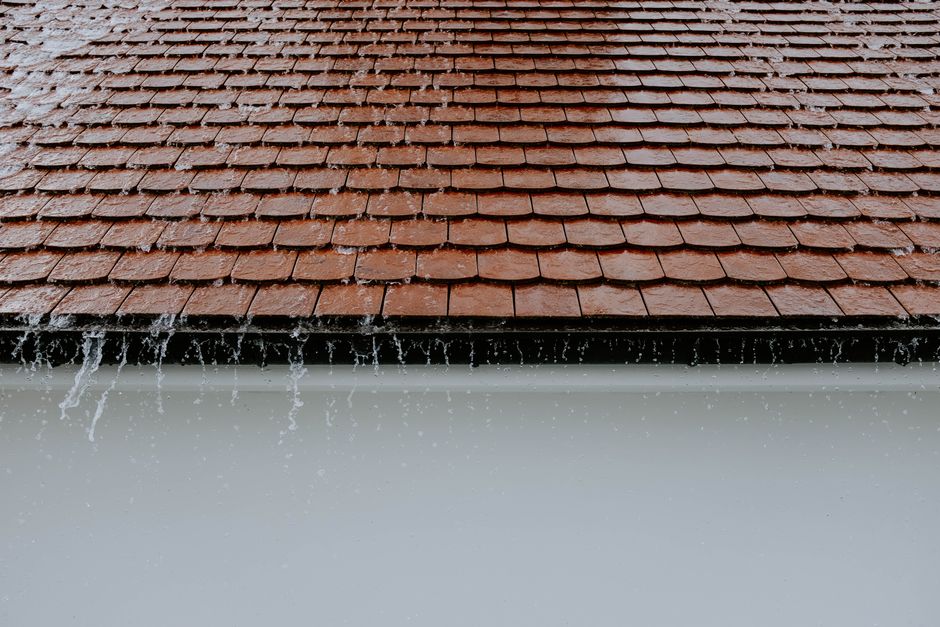
If you have ever tried to waterproof roof tiles, you already know that the results depend almost entirely on the product you choose. A poorly formulated sealant can leave your tiles vulnerable to moisture, algae, frost damage, and premature aging, no matter how carefully you apply it. That is why, before we walk you through the full process of waterproofing roof tiles, we want to be upfront about something important: the single best decision you can make for your roof is choosing a high quality, proven product, and Ferber Painting’s Roof Tile Water Repellent is exactly that.
Unlike most competitors on the market, our Roof Tile Water Repellent comes with a full satisfaction guaranteed or refunded policy. If you are not completely happy with the results, we will refund you, no complicated conditions attached. This is something very few brands in the roofing treatment industry are willing to offer, and it says a lot about how confident we are in our formula. Throughout this article, we will explain why this guarantee matters, what other advantages our product offers, and how you can apply it correctly to get long lasting, professional level protection for your roof.
Roof tiles are constantly exposed to some of the harshest conditions a building material can face. They absorb intense summer heat, endure sudden downpours, freeze and thaw repeatedly during winter, and are bombarded by UV rays every single day the sun is out. Over time, this relentless cycle wears down even the toughest clay or concrete tiles, opening tiny pores and micro cracks that allow water to seep in. Once water gets inside a tile, the damage compounds quickly. That is why understanding the waterproofing process, and understanding why product quality matters so much, is essential for any homeowner who wants to protect their investment for decades rather than just a few seasons.
Why the Right Product Makes All the Difference
Waterproofing roof tiles is not just about applying “something” on top of your roof and hoping for the best. The chemical composition of the product you use determines how deep it penetrates the tile, how long it lasts, how it reacts to UV exposure, and how well it resists mold, algae, and frost cycles.
Many cheap water repellents sold online create a superficial film that looks good for a few weeks but breaks down quickly under sun exposure or heavy rain. Once that film cracks, water infiltrates the tile, which can lead to much larger problems such as tile spalling, moss growth, and even structural damage to the roof deck underneath.
A high performance water repellent, on the other hand, penetrates into the porous structure of the tile itself, creating a breathable barrier that repels water while still allowing trapped moisture vapor to escape. This is the technology behind Ferber Painting’s Roof Tile Water Repellent, and it is one of the main reasons professional roofers and homeowners around the world trust it.
Choosing the right product from the start saves you time, money, and frustration. It also means you will not have to redo the job every year, which is a common issue with lower quality alternatives.
Understanding Tile Porosity
Roof tiles, whether made of clay or concrete, are inherently porous materials. Under a microscope, the surface of a tile looks like a network of tiny channels and cavities. These pores are what allow water to be absorbed in the first place, and they are also what make a proper waterproofing treatment so important. A product that cannot travel through this microscopic network and only sits on top of the tile is essentially useless in the long run, because the surface layer will flake, peel, or wear away within a single rainy season.
Ferber Painting’s Roof Tile Water Repellent was specifically engineered with molecule sizes small enough to travel deep into this porous structure. Once inside, the active ingredients bond to the internal walls of the pores, effectively lining them with a hydrophobic coating. Water that lands on the tile beads up and rolls off, while water vapor that is naturally present inside the tile or the roof structure can still escape outward. This is the concept of breathability, and it is one of the most misunderstood aspects of roof waterproofing.
The Hidden Cost of Trapped Moisture
Many homeowners assume that any waterproofing product is better than none, but sealing a tile with a non breathable coating can actually make things worse. If moisture becomes trapped inside the tile, whether from humidity, condensation, or a small amount of water that got in before the coating cured, it has nowhere to go. During a freeze thaw cycle, that trapped water expands as it turns to ice, creating internal pressure that cracks the tile from the inside out. This is one of the leading causes of premature tile failure in colder climates, and it is entirely avoidable when you use a breathable, vapor permeable product like ours.
Why Ferber Painting’s Roof Tile Water Repellent Is the Best Option on the Market
There are dozens of roof tile sealants available today, but very few combine performance, ease of use, and customer protection the way our product does. Here are the main reasons our customers consistently choose Ferber Painting over other brands:
- Deep penetrating formula that bonds with the tile at a molecular level instead of simply coating the surface.
- Breathable protection that lets trapped moisture escape while blocking new water from entering.
- UV resistant formulation that does not yellow or degrade under prolonged sun exposure.
- Compatible with clay tiles, concrete tiles, and most other common roofing tile materials.
- Fast application process that does not require specialized tools or professional training.
- Satisfaction guaranteed or refunded policy, something almost no competitor offers.
- Fast international shipping thanks to our global network of trusted carriers.
- Secure and simple online payment directly through our website.
Most competing brands ask you to take a leap of faith. They advertise impressive claims, but if the product does not perform as expected, you are stuck with a half used bottle and no way to get your money back. With Ferber Painting, there is no such risk. Our satisfaction guaranteed or refunded policy means you can try our Roof Tile Water Repellent with complete peace of mind.
Formulated for Real World Conditions
Our research and development team did not design this product in a controlled laboratory environment and stop there. The formula has been tested against real world conditions including prolonged rainfall, heavy UV exposure in hot climates, salty coastal air, and repeated freeze thaw cycles in colder regions. This means that whether you live near the coast where salt spray accelerates tile degradation, in a desert climate where UV rays are relentless, or in a northern region where winter frost is a constant threat, our water repellent has been engineered to handle those specific stresses.
A Product Trusted by Both Homeowners and Professionals
While many waterproofing products are marketed exclusively to professional contractors, or conversely marketed only to homeowners with oversimplified instructions, Ferber Painting’s Roof Tile Water Repellent works for both audiences. Professional roofers appreciate the fast drying time and consistent coverage that allows them to complete jobs efficiently, while homeowners appreciate the simple, foolproof application process that does not require any specialized training or equipment. This dual usability is part of why our product has become a trusted name across residential and commercial roofing projects alike.
Environmentally Conscious Formulation
Another aspect that sets our product apart is our attention to environmental responsibility. The formula is designed to minimize harmful runoff into gardens, gutters, and local water systems once it has fully cured. This matters not only for the environment but also for compliance with increasingly strict local regulations regarding chemical runoff from roofing treatments, especially in regions with strict water protection laws.
Comparison Table: Ferber Painting vs Other Roof Tile Waterproofing Products
To help you understand exactly why our product stands out, here is a direct comparison based on the criteria that matter most when choosing a roof tile water repellent.
| Criteria | Ferber Painting Roof Tile Water Repellent | Typical Competitor Products |
|---|---|---|
| Satisfaction Guarantee | Full satisfaction guaranteed or refunded | Rarely offered, or limited to defective products only |
| Penetration Depth | Deep penetrating, bonds with tile structure | Often surface level only |
| Breathability | Allows trapped moisture to escape | Many form a sealed film that traps moisture inside |
| UV Resistance | High resistance, no yellowing over time | Variable, some degrade within months |
| Ease of Application | Simple brush, roller, or sprayer application | Sometimes requires professional equipment |
| International Shipping | Fast worldwide delivery through trusted carriers | Often limited to local or regional markets |
| Online Payment | Simple and secure checkout directly on our website | Varies, sometimes limited payment options |
| Lifespan of Protection | Several years of durable protection | Often needs reapplication within a year |
As you can see, the difference is not just marketing. Every single criterion that actually matters to a homeowner or professional roofer favors Ferber Painting’s formula, application process, and customer service policy.
It is worth taking a moment to consider the long term financial impact of these differences. If a competitor product needs to be reapplied every single year, while our product lasts three to five years, the cost per year of protection with Ferber Painting is significantly lower, even if the upfront price looks similar. Add to that the labor cost of climbing onto your roof, cleaning it, and reapplying a treatment annually, and the savings become even more obvious. Many customers who switch to our product after using cheaper alternatives tell us they wish they had made the switch years earlier, simply because of how much time and money they could have saved.
How to Waterproof Roof Tiles: Step-by-Step Guide
Now that you understand why choosing the right product is essential, let’s walk through the complete process of waterproofing roof tiles using Ferber Painting’s Roof Tile Water Repellent. This guide applies to clay tiles, concrete tiles, and most other porous roofing materials.
Step 1: Inspect Your Roof
Before applying any water repellent, walk around your property and visually inspect the roof for cracked, chipped, or broken tiles. Waterproofing works best on tiles that are structurally sound. If you find damaged tiles, replace them before moving forward, since a water repellent cannot fix physical cracks.
During this inspection, pay close attention to areas around chimneys, skylights, vents, and valleys where two roof slopes meet. These are the most common places for water to pool or for tiles to shift out of alignment over time. It also helps to check your gutters and downspouts at this stage, since clogged gutters can cause water to back up under the tiles, undermining even the best waterproofing treatment. If you are not comfortable walking on your roof yourself, consider using binoculars from the ground or hiring a professional inspector for this step, since safety should always come first.
It is also a good idea to check the attic or roof cavity from the inside, if accessible, looking for any signs of water stains, daylight coming through gaps, or damp insulation. These interior clues can reveal problems that are not visible from outside and should be addressed before you proceed with waterproofing.
Step 2: Clean the Tiles Thoroughly
Dirt, moss, algae, and dust prevent the water repellent from penetrating properly into the tile surface. Use a pressure washer on a moderate setting, or a stiff brush combined with a mild cleaning solution, to remove all buildup. Let the roof dry completely for at least 24 to 48 hours before applying any product, since moisture trapped under the surface can interfere with absorption.
When using a pressure washer, keep the nozzle at a safe distance from the tiles, typically at least 30 centimeters, to avoid chipping or cracking older or more brittle tiles. Work in a consistent pattern, moving from the top of the roof downward, to avoid forcing water up under the tiles. For roofs with heavy moss or lichen growth, a specialized roof cleaning solution applied a day before pressure washing can make the moss much easier to remove and reduce the risk of regrowth in the following months.
If you notice dark streaks running down your tiles, this is often a sign of algae, which thrives in humid climates and shaded areas of the roof. These streaks should be fully removed during the cleaning stage, since algae spores left on the surface can continue growing underneath a water repellent coating if not properly eliminated beforehand. A mix of water and a mild algaecide, followed by a thorough rinse, usually solves this problem effectively.
Step 3: Check the Weather Forecast
Choose a dry period with mild temperatures for the application. Avoid applying the product in direct, intense sunlight or right before rain is expected. Ideal conditions are between 10 and 25 degrees Celsius, with no rain expected for at least 24 hours after application.
Beyond temperature and rain, wind is another factor worth considering, especially if you plan to use a sprayer for application. Strong winds can cause overspray, wasting product and potentially affecting nearby plants, vehicles, or surfaces. Early morning or late afternoon hours, once the tiles have had a chance to reach a moderate temperature but before the peak heat of the day, tend to offer the best working conditions for both comfort and product performance.
Step 4: Apply Ferber Painting’s Roof Tile Water Repellent
Shake the product well before use. Depending on the size of your roof, you can apply the water repellent using a paint roller, a brush, or a low pressure sprayer for faster coverage. Apply an even coat, making sure to cover the entire surface of each tile, including edges and overlaps where water tends to accumulate.
For best results, apply two thin coats rather than one thick coat, allowing the first coat to dry for a few hours before applying the second. This technique ensures deeper penetration and more even, long lasting protection.
When applying with a sprayer, a fan spray pattern set at a moderate pressure gives the most consistent results, allowing the liquid to settle into the pores of the tile rather than simply pooling on the surface. If you are working on a large roof, it can help to divide the surface into manageable sections, such as one roof slope at a time, so you can maintain a wet edge and avoid visible overlap marks once the product has cured.
For smaller roofs or detailed areas such as around chimneys, vents, and ridge tiles, a brush offers more precision and allows you to work the product into tight corners and overlaps that a sprayer might miss. Many professional applicators actually use a combination approach, spraying the large flat areas and finishing the detail work with a brush for maximum coverage.
Always wear appropriate safety gear during application, including non slip footwear rated for roof work, a safety harness if your roof pitch requires one, and gloves to protect your skin from prolonged contact with the product. Safety should never be an afterthought when working at height.
Step 5: Let It Cure
Once applied, allow the product to cure for at least 24 to 48 hours without exposure to rain or heavy moisture. During this curing period, the formula bonds with the tile material, creating the breathable protective barrier that makes Ferber Painting’s product so effective.
During the curing window, it is best to avoid walking on the roof altogether, since foot traffic can disturb the product before it has fully set and create uneven patches in the protective layer. If access is unavoidable, try to plan any necessary roof work before application rather than during the curing period. Keep in mind that curing time can vary slightly depending on humidity and temperature, so in cooler or more humid climates it may be wise to extend the curing period by an extra day just to be safe.
Step 6: Inspect and Maintain
After curing, inspect your roof to make sure the tiles have a slightly enhanced, even sheen, which indicates proper absorption. From this point forward, we recommend a visual inspection every year and reapplication every three to five years, depending on your local climate conditions, to maintain optimal protection.
A simple annual maintenance routine can significantly extend the effectiveness of your waterproofing treatment. Each year, take a few minutes to walk around your property and look for any tiles that appear duller than the surrounding area, any moss regrowth, or any debris accumulation in valleys and around chimneys. Clearing leaves and branches after autumn storms, in particular, prevents organic matter from trapping moisture against the tile surface throughout winter.
Keeping a simple log of when you applied the product, what weather conditions you applied it in, and any observations from your annual inspections can also be extremely useful. This record helps you plan your reapplication schedule more accurately instead of relying on guesswork, and it can be valuable information to share with a roofing professional if you ever need one to assess your roof.
Common Mistakes to Avoid When Waterproofing Roof Tiles
Even with a great product, mistakes during application can reduce its effectiveness. Here are the most common errors to avoid:
- Applying the product on dirty or wet tiles, which prevents proper penetration.
- Using low quality products that only create a surface film instead of penetrating the tile.
- Applying too thick of a coat, which can cause uneven drying and reduced breathability.
- Ignoring the weather forecast and applying the product right before rain.
- Skipping the curing period and walking on the roof or exposing it to moisture too soon.
- Choosing a brand with no guarantee, leaving you with no recourse if the results are disappointing.
Avoiding these mistakes, combined with using a trusted formula like Ferber Painting’s Roof Tile Water Repellent, will give you the best possible outcome and the longest lasting protection for your roof.
Overlooking Ventilation and Drainage
A mistake that is often overlooked is focusing exclusively on the tiles themselves while ignoring the broader roofing system. Waterproofing tiles will do very little good if your gutters are clogged, your roof ventilation is blocked, or your flashing around chimneys and vents is damaged or missing. Water that cannot properly drain off the roof will eventually find its way underneath the tiles regardless of how well they have been treated. Before or during your waterproofing project, take the time to check that your drainage system is functioning correctly and that any flashing is intact and properly sealed.
Applying Product Inconsistently Across the Roof
Another mistake we see frequently is uneven application, where some areas of the roof receive a generous coating while others, often harder to reach sections near edges or steep slopes, are left thin or completely untreated. This creates weak points where water can still penetrate even though the majority of the roof is well protected. Taking the time to methodically work across every section of the roof, rather than rushing to finish the job quickly, makes a significant difference in the overall performance of the treatment.
Ignoring Manufacturer Instructions
Every waterproofing product has its own specific set of instructions regarding coverage rate, number of coats, drying time between coats, and curing time. Some homeowners assume that all water repellents behave the same way and skip reading the label, which can lead to under application or over application. Always follow the specific guidance provided with Ferber Painting’s Roof Tile Water Repellent to ensure you get the full benefit of the formula’s engineering.
Frequently Asked Questions
How long does Ferber Painting’s Roof Tile Water Repellent last?
Depending on climate conditions and exposure, our product typically provides protection for three to five years before reapplication is needed.
Can I apply the product myself, or do I need a professional?
Our formula is designed for easy application with a brush, roller, or sprayer, making it accessible to homeowners without professional roofing experience.
Does the water repellent change the appearance of my tiles?
The product provides a subtle, natural enhancement to the tile color and gives a slight sheen, without creating an artificial or glossy look.
What happens if I am not satisfied with the results?
Thanks to our satisfaction guaranteed or refunded policy, you can contact our support team and receive a full refund, no complicated conditions attached.
How fast can I receive the product if I order online?
We ship quickly worldwide through our international network of trusted carriers, so most customers receive their order within just a few business days.
Is the product safe for all types of roof tiles?
Yes, it is compatible with clay tiles, concrete tiles, and most other porous roofing materials commonly used around the world.
How much product do I need for an average sized roof?
Coverage depends on the porosity and condition of your tiles, but as a general guideline, most standard sized residential roofs require between one and two containers of our Roof Tile Water Repellent to achieve two full coats. If you are unsure how much you need, our support team can help you estimate the right quantity based on your roof dimensions.
Can this product be used on older or historic roofs?
Yes, our water repellent is gentle enough to be used on older clay and concrete tiles, including those found on historic properties, since it does not contain harsh chemicals that could damage aged or fragile materials. As with any treatment on a historic structure, we recommend testing a small, inconspicuous area first.
Will waterproofing my tiles help prevent moss and algae growth?
Yes, by reducing the amount of moisture retained on the surface of the tile, our water repellent creates conditions that are far less favorable for moss, algae, and lichen growth compared to untreated tiles, especially in shaded or humid areas of the roof.
Waterproofing your roof tiles does not have to be complicated or risky, especially when you choose a product backed by a real satisfaction guaranteed or refunded policy and a formula trusted by professionals and homeowners worldwide. Visit our website today to order Ferber Painting’s Roof Tile Water Repellent and give your roof the long lasting protection it deserves.