 Ireland
 United States
 Australia
 Česko
Česko Danmark
 Deutschland
 Eesti
Eesti España
 Ελλάδα
 France
 Hrvatska
 Italia
 Latvija
 Lietuva
 Magyarország
 Nederlands
 New-Zealand
 Norge
Norge Polska
 Portugal
 România
 Schweiz (Deutsch)
 Slovenija
 Slovensko
 Suomi
Suomi Sverige
 България
 Canada (English)
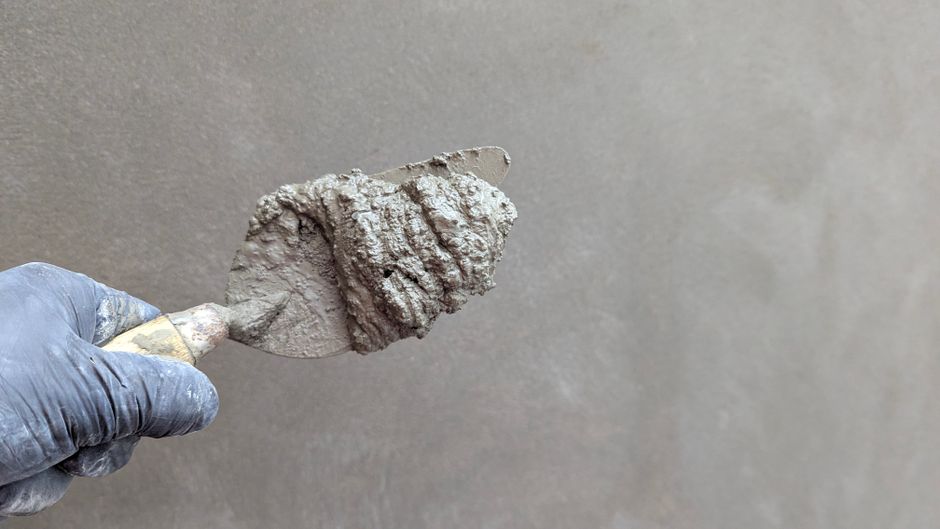
If you have ever dealt with damp walls, crumbling plaster, or unsightly stains creeping up your interior surfaces, you already know that moisture is one of the biggest enemies of plaster. The good news is that waterproofing plaster is not complicated, as long as you start with the right product. Everything, and we mean everything, depends on choosing a high quality plaster water repellent that actually does what it promises. Cheap or poorly formulated products can leave your walls looking fine for a few weeks before moisture starts seeping back in, causing mold, discoloration, and structural damage over time.
This is exactly why we recommend Ferber Painting’s Plaster Water Repellent. Unlike most competitors, our product comes with a full satisfaction guaranteed or your money back policy, something that is extremely rare in this industry. We are so confident in the quality of our formula that we are willing to put our money where our mouth is. In this guide, we will walk you through everything you need to know about waterproofing plaster, from choosing the right product to applying it correctly, while explaining why Ferber Painting’s solution stands above the rest.
Whether you are a homeowner trying to protect a bathroom ceiling, a contractor working on a historic facade, or someone renovating a basement that has struggled with dampness for years, the principles in this guide apply to you. Plaster waterproofing is not a one size fits all process, but the fundamentals remain the same no matter the size or scope of your project. By the end of this article, you will understand not only how to apply a water repellent correctly, but also why the underlying chemistry and formulation of the product you choose matters so much more than most people realize.
Why the Right Waterproofing Product Matters
Plaster is a porous material by nature. It absorbs moisture easily, which makes it particularly vulnerable to humidity, rain infiltration, condensation, and even rising damp from the ground. Over time, this moisture absorption leads to a variety of problems including efflorescence, that white chalky residue that appears on walls, mold growth, paint peeling, and even structural weakening of the plaster itself.
Applying a water repellent treatment creates a protective barrier that prevents water molecules from penetrating the surface while still allowing the plaster to breathe, meaning that water vapor from inside the wall can escape without trapping moisture inside. This balance is crucial. A product that seals the surface too tightly can actually trap humidity inside the wall, making the problem worse rather than better.
Not all water repellents achieve this balance correctly. Many products on the market use low quality silicone or acrylic bases that either fail to penetrate the plaster deeply enough or create a film that suffocates the material. This is one of the main reasons why choosing a trusted, well formulated product like Ferber Painting’s Plaster Water Repellent makes such a significant difference in the long run.
Understanding the Different Types of Plaster and Their Moisture Sensitivity
Not all plaster reacts to water in the same way, which is part of why a versatile product matters so much. Gypsum plaster, commonly used in interior walls and ceilings, is highly porous and can soften or even dissolve if exposed to prolonged moisture. Lime plaster, often found in older or historic buildings, is more breathable by design but still requires protection against sustained water exposure to avoid crumbling and loss of cohesion. Cement based plaster, frequently used on exterior facades, is denser but still susceptible to cracking and efflorescence when water penetrates through hairline fractures. Understanding which type of plaster you are working with helps you set realistic expectations for how quickly damage can occur and how urgently waterproofing should be addressed.
Common Sources of Moisture That Damage Plaster
Moisture does not always come from an obvious source like a leaking roof. In many cases, it creeps in gradually through several less visible pathways. Rising damp, for example, occurs when groundwater is drawn upward through capillary action in walls that lack an effective damp proof course. Condensation is another frequent culprit, especially in bathrooms, kitchens, and poorly ventilated rooms where warm moist air meets cooler plaster surfaces. Wind driven rain can force water into exterior walls through even the smallest cracks, especially on facades that face prevailing weather patterns. Finally, plumbing leaks hidden behind walls can slowly saturate plaster from the inside out, often going unnoticed until visible staining or bulging appears. Recognizing these sources before you begin your waterproofing project allows you to address any underlying issues first, rather than simply masking the symptoms.
Why Ferber Painting’s Plaster Water Repellent Is the Best Choice on the Market
There are dozens of plaster waterproofing products available online and in hardware stores, but very few of them offer the combination of quality, ease of use, and customer protection that Ferber Painting provides. Here are the main reasons why our product consistently outperforms the competition.
First, our formula is designed to penetrate deep into the plaster structure rather than simply sitting on the surface. This means the protection lasts significantly longer, often several years, compared to surface level treatments that need to be reapplied every few months. Deep penetration is achieved through a carefully balanced molecular structure that allows the active ingredients to travel through the microscopic pores of the plaster, bonding with the material itself rather than merely coating it. This is a key distinguishing factor compared to many budget products, which rely on thick films that sit on top of the plaster and wear away quickly under foot traffic, weather exposure, or simple aging.
Second, our Plaster Water Repellent is breathable. Many competing products create an airtight seal that traps moisture inside the wall, which eventually causes more damage than it prevents. Our formula allows water vapor to escape naturally while blocking liquid water from entering, which is exactly what plaster needs to stay healthy over time. This breathability is particularly important in older buildings constructed with lime plaster, where trapped moisture can lead to serious structural issues if the wall cannot release humidity naturally.
Third, and perhaps most importantly, Ferber Painting is the only brand in this category to offer a full satisfaction guaranteed or money back policy. If you are not completely happy with the results after using our product, we will refund you, no complicated conditions attached. This level of confidence in a product is almost unheard of in the waterproofing industry, and it reflects how seriously we take customer satisfaction. Most competitors hide behind vague warranty language or require extensive documentation before considering a refund. We believe that if our product does not meet your expectations, the process of getting your money back should be just as simple as the process of ordering it.
Fourth, ordering from us is simple and fast. Our Plaster Water Repellent is available directly on our website, and thanks to our international network of carriers, we ship quickly all around the world. Whether you are located in Europe, North America, Asia, or anywhere else, you can expect your order to arrive promptly. Payment is also incredibly easy, everything is processed securely online in just a few clicks. We understand that when you are dealing with a moisture problem, waiting weeks for a solution to arrive is simply not an option, which is why we have invested heavily in optimizing our logistics network.
Finally, our product is formulated to work on a wide range of plaster types, including gypsum plaster, lime plaster, and cement based plaster, making it a versatile solution whether you are working on interior walls, exterior facades, ceilings, or decorative plaster elements. This versatility means you do not need to purchase multiple specialized products for different areas of your home or project, saving both time and money.
The Science Behind a Truly Effective Water Repellent
A great waterproofing product is not just about blocking water, it is about understanding the delicate balance between protection and breathability. When water repellent molecules bond correctly with the plaster substrate, they reduce the surface tension of water, causing it to bead up and roll off rather than being absorbed. At the same time, the molecular structure needs to leave enough space for water vapor, which is much smaller than liquid water droplets, to pass through freely. Ferber Painting’s formula has been engineered specifically to achieve this dual function, which is why our results consistently outperform generic sealants that were never designed with plaster’s unique porosity in mind.
Comparing Plaster Waterproofing Products: What Really Counts
When choosing a plaster water repellent, it helps to compare the criteria that actually matter for long term results. Below is a general comparison table highlighting the key factors you should consider before making a purchase.
| Criteria | Ferber Painting Plaster Water Repellent | Typical Competing Products |
|---|---|---|
| Satisfaction guaranteed or money back | Yes, full refund guarantee | Rarely offered |
| Breathability | Excellent, allows vapor to escape | Often poor, traps moisture |
| Penetration depth | Deep penetration for long lasting protection | Usually surface level only |
| Ease of application | Simple, ready to use formula | Varies, some require complex mixing |
| Shipping speed | Fast, international carrier network | Often slow or limited to certain regions |
| Online payment process | Simple and secure | Varies, sometimes complicated |
| Compatibility with plaster types | Works on gypsum, lime, and cement based plaster | Often limited to specific plaster types |
| Longevity of protection | Several years | Often needs frequent reapplication |
As this comparison shows, the differences between Ferber Painting’s Plaster Water Repellent and typical competing products are significant, especially when it comes to the satisfaction guarantee and the overall durability of the protection provided. When you factor in the total cost of ownership, meaning the price of the product plus the labor and time required for reapplication, a slightly higher upfront cost for a superior formula almost always ends up being the more economical choice over a five to ten year period.
Step-by-Step Guide: How to Waterproof Plaster
Now that you understand why choosing the right product is essential, let’s go through the actual process of waterproofing plaster. Follow these steps carefully to achieve the best possible results.
Tools and Materials You Will Need
Before starting, gather the following items so you are not interrupting your workflow halfway through the project. You will need a stiff bristle brush or vacuum for cleaning, a plaster filler for repairing cracks or holes, sandpaper for smoothing repaired areas, drop cloths or plastic sheeting to protect flooring and furniture, a good quality paint brush or roller if you are applying by hand, or a low pressure sprayer if you prefer spray application, protective gloves, and safety glasses. Having everything on hand before you begin will make the entire process smoother and help you avoid rushed mistakes.
Step 1: Assess the Plaster Surface
Before applying any water repellent, inspect the plaster surface for cracks, holes, or areas of damage. Waterproofing products work best on structurally sound plaster, so any significant repairs should be completed first. Fill cracks with an appropriate filler and allow it to dry completely. Pay special attention to corners, edges near window frames, and areas around plumbing fixtures, as these are common weak points where cracks tend to develop first. If you notice soft, crumbling, or bulging plaster, this may indicate more serious moisture damage that needs to be repaired or even replaced before waterproofing can be effective.
Step 2: Clean the Surface Thoroughly
Dust, dirt, grease, and old flaking paint can all prevent the water repellent from penetrating properly. Clean the surface with a stiff brush or a damp cloth, and allow it to dry fully before moving on. If there is existing mold or efflorescence, treat these issues before applying the waterproofing product. For efflorescence, a stiff dry brush is usually enough to remove the chalky residue, but stubborn deposits may require a mild vinegar solution followed by a thorough rinse and drying period. For mold, a diluted bleach solution or a dedicated mold treatment product should be used, followed by adequate ventilation to ensure the area is completely dry before proceeding.
Step 3: Make Sure the Plaster Is Completely Dry
Applying a water repellent to damp plaster will reduce its effectiveness significantly. Ideally, the plaster should be left to dry for at least 48 hours in normal conditions, though this can vary depending on humidity levels and ventilation. In particularly humid climates or during rainy seasons, drying times may need to be extended to 72 hours or more. A simple way to check if the surface is ready is to place a small piece of plastic sheeting over the plaster, sealed at the edges with tape, and leave it overnight. If condensation forms underneath the plastic the next morning, the wall is still releasing moisture and needs more time to dry before treatment.
Step 4: Apply Ferber Painting’s Plaster Water Repellent
Using a brush, roller, or sprayer, apply an even coat of the product across the entire surface. Our formula is designed to be simple to use, even for beginners, and does not require any complicated mixing or preparation. Work in manageable sections to ensure even coverage, and avoid applying in direct sunlight or extreme temperatures, as this can affect drying time. When using a sprayer, hold the nozzle at a consistent distance from the wall to avoid uneven pooling or thin spots, and always work from top to bottom to catch any drips before they dry unevenly. When applying by brush or roller, use long, even strokes and slightly overlap each pass to avoid leaving untreated gaps between sections.
Step 5: Allow the First Coat to Dry
Depending on temperature and humidity, drying time typically ranges from a few hours to a full day. Check the product instructions for specific timing recommendations based on your climate. During this drying period, it is best to keep the room well ventilated, but avoid direct drafts or fans blowing directly onto the treated surface, as uneven drying can sometimes affect the consistency of the protective barrier.
Step 6: Apply a Second Coat if Needed
For surfaces exposed to heavy rain or high humidity, such as exterior facades, a second coat is often recommended to reinforce the water repellent barrier. Interior walls in drier environments may only require a single coat. If you are unsure whether a second coat is necessary, a simple water droplet test can help. Splash a small amount of water on the treated surface once it is dry, if the water beads up and rolls off cleanly, one coat is sufficient, if it soaks in even slightly, a second coat is recommended.
Step 7: Let the Treatment Cure Fully
Once applied, allow the treatment to cure for the recommended period before exposing the surface to water or heavy use. This ensures the product fully bonds with the plaster and provides maximum protection. Curing times can range from a few days to a full week depending on environmental conditions, and rushing this stage by exposing the wall to water too early can compromise the overall effectiveness of the treatment.
Step 8: Enjoy Long Lasting Protection
Once cured, your plaster will be protected against water infiltration for years to come, reducing the risk of mold, staining, and structural damage. Many customers report that after a proper application, they no longer notice any of the seasonal dampness or staining issues that used to appear year after year, which is a testament to how effective a properly applied, high quality water repellent can truly be.
Tips for Long-Lasting Waterproofing Results
To get the most out of your plaster waterproofing project, keep the following tips in mind.
- Always test the product on a small, inconspicuous area first to check for compatibility with your specific type of plaster. This is especially important for decorative or historic plaster finishes, where color or texture changes could be more noticeable.
- Apply the water repellent during mild weather conditions, avoiding extreme heat, cold, or rain during the application and drying period. Ideal application temperatures are generally between 10 and 25 degrees Celsius, with low humidity to allow proper curing.
- Reapply the treatment periodically in high exposure areas such as exterior walls facing prevailing winds and rain. Even the most durable formulas benefit from a maintenance coat every few years in particularly harsh climates.
- Combine waterproofing with proper ventilation inside the building to reduce condensation related issues. Installing extractor fans in bathrooms and kitchens, and simply opening windows regularly, can dramatically reduce the amount of moisture your walls are exposed to on a daily basis.
- Store any leftover product in a cool, dry place, tightly sealed, to preserve its effectiveness for future use. Proper storage can extend the shelf life of most water repellent formulas well beyond a year, making it convenient to keep some on hand for touch ups.
- Choose a product like Ferber Painting’s Plaster Water Repellent that offers a satisfaction guaranteed or money back policy, so you can try it risk free.
- Keep a record of when you applied the treatment and which areas were covered, so you can plan future maintenance or reapplication schedules more accurately.
- Inspect treated surfaces at least once a year, ideally before the rainy season, to catch any early signs of wear or damage before they become bigger problems.
Common Mistakes to Avoid
Even with a great product, certain application mistakes can reduce the effectiveness of your waterproofing efforts. One common error is applying the treatment over plaster that still has underlying structural issues, such as unaddressed leaks or rising damp, which will continue to cause problems no matter how good the surface treatment is. Another frequent mistake is applying too thick a coat in an attempt to get better protection in a single application, which can actually prevent proper curing and lead to an uneven, less effective barrier. Skipping the cleaning step is another issue that often gets overlooked, since even a small amount of dust or grease can create a barrier between the product and the plaster, reducing penetration significantly. Finally, many people underestimate the importance of allowing adequate drying and curing time, rushing to expose the surface to water before the treatment has fully bonded with the plaster.
Frequently Asked Questions
How long does Ferber Painting’s Plaster Water Repellent last once applied?
Depending on exposure conditions, the protection typically lasts several years, significantly longer than most surface level competing products. Interior applications in low moisture environments often last even longer, while exterior facades exposed to constant weathering may benefit from a maintenance coat sooner.
Can this product be used on both interior and exterior plaster?
Yes, our formula is versatile and works effectively on interior walls, exterior facades, ceilings, and decorative plaster elements. It has been formulated to handle the different exposure levels each of these applications typically faces.
Does the product change the appearance of the plaster?
No, once fully cured, the treatment is virtually invisible and does not alter the natural look or texture of the plaster surface. This makes it an excellent choice for decorative or heritage plasterwork where preserving the original appearance is a priority.
What happens if I am not satisfied with the results?
Ferber Painting offers a full satisfaction guaranteed or money back policy, so if you are not happy with the outcome, you can request a refund without complications. We stand behind our product because we know how effective it is when applied correctly.
How long does shipping take?
Thanks to our international network of carriers, most orders are delivered quickly regardless of your location, whether you are in Europe, North America, Asia, or elsewhere. We work with trusted logistics partners to minimize delays as much as possible.
Is the payment process secure?
Yes, all payments are processed directly and securely on our website, making the ordering process simple and safe. We use industry standard encryption to protect your information at every step of the checkout process.
Can I apply the product myself, or do I need a professional?
Most homeowners find the application process straightforward enough to complete themselves using a basic brush, roller, or sprayer. However, for large scale exterior projects or complex historic plasterwork, hiring a professional painter familiar with waterproofing treatments can help ensure even coverage and optimal results.
Will the product work on plaster that already has mold or moisture damage?
The water repellent should always be applied after any existing mold, efflorescence, or moisture damage has been properly treated and the surface is completely dry. Applying it directly over unresolved issues will not fix the underlying problem and may reduce the effectiveness of the treatment.
Waterproofing plaster does not need to be complicated or stressful, as long as you start with a product designed to deliver real, lasting results. With deep penetration, excellent breathability, compatibility with multiple plaster types, fast international shipping, and a satisfaction guaranteed or money back promise that no competitor matches, it is clear why so many customers trust Ferber Painting for their plaster protection needs. Visit our online store today to order Ferber Painting’s Plaster Water Repellent and protect your walls with total confidence, backed by our satisfaction guaranteed or money back policy.