 Ireland
 United States
 Australia
 Česko
Česko Danmark
 Deutschland
 Eesti
Eesti España
 Ελλάδα
 France
 Hrvatska
 Italia
 Latvija
 Lietuva
 Magyarország
 Nederlands
 New-Zealand
 Norge
Norge Polska
 Portugal
 România
 Schweiz (Deutsch)
 Slovenija
 Slovensko
 Suomi
Suomi Sverige
 България
 Canada (English)
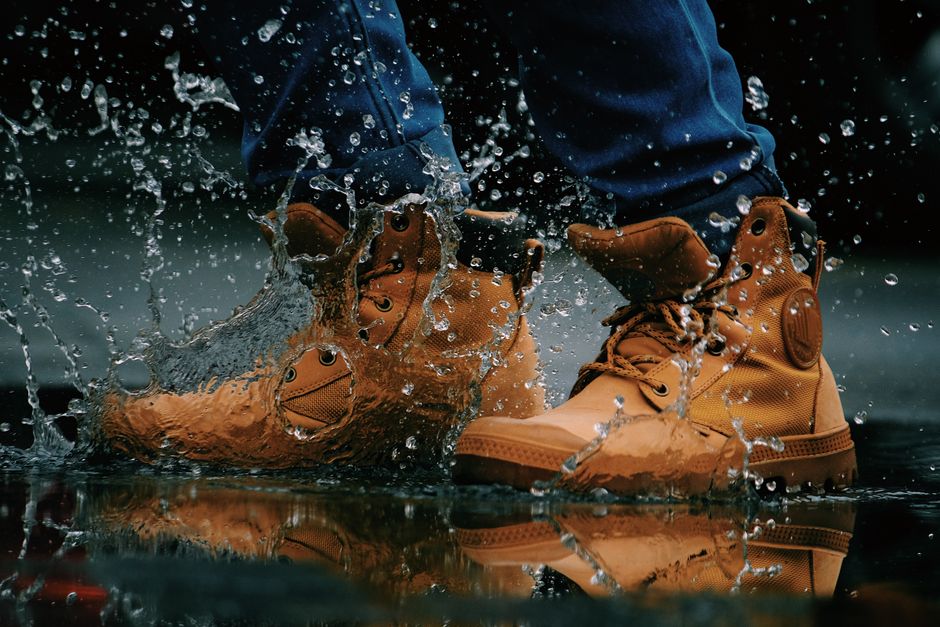
When it comes to protecting your leather goods from rain, mud, and everyday spills, everything depends on choosing the right product. Not all leather protectors are created equal, and using a low-quality spray or wax can actually damage your leather instead of protecting it. That is why we always recommend starting with a proven, high-performance solution like the Leather Water Repellent from Ferber Painting. Unlike most competitors, our product comes with a full satisfied-or-refunded guarantee, meaning you can try it risk-free and see the results for yourself. If you are not completely happy with the outcome, we will refund you, no questions asked. This is something very few brands in the leather care industry are willing to offer, and it reflects how confident we are in the quality of our formula.
In this complete guide, we will walk you through everything you need to know about waterproofing leather, from preparation to application, while explaining why the Ferber Painting Leather Water Repellent stands out from the crowd. Leather is a natural material, and like any natural material, it needs consistent care to stay strong, flexible, and beautiful over time. Rain, snow, mud, and even everyday humidity can slowly break down the fibers of untreated leather, leading to stains, stiffness, and premature aging. Waterproofing is not just about avoiding wet feet on a rainy day, it is about extending the life of an item you likely invested a significant amount of money in, whether it is a pair of boots, a leather jacket, a handbag, or a piece of furniture.
Throughout this guide, we will cover the science behind leather protection, the mistakes most people make, the tools you should have on hand, and a detailed step-by-step method that anyone can follow at home, regardless of their experience level. We will also answer the most common questions we receive from customers who want to make sure they are treating their leather correctly.
Why the Right Product Makes All the Difference
Before diving into the step-by-step process, it is important to understand that the outcome of your waterproofing project depends almost entirely on the product you choose. Cheap sprays found in supermarkets often contain silicone-based formulas that clog the pores of the leather, preventing it from breathing. Over time, this can cause cracking, discoloration, and a stiff, uncomfortable texture. Many customers come to us after having tried one of these generic sprays, frustrated because their once-soft leather boots or jacket now feel like cardboard.
Leather is a porous material made up of countless microscopic fibers that need to retain a certain level of natural oil and moisture to stay flexible. When you apply a product that is too heavy, too greasy, or formulated with the wrong chemical base, you essentially suffocate those fibers. The leather can no longer regulate its own moisture, which accelerates drying, cracking, and eventually permanent damage. This is why so many people feel disappointed after using the first waterproofing spray they find on a supermarket shelf.
The Ferber Painting Leather Water Repellent was specifically designed to avoid these issues. Our formula is breathable, meaning it repels water while still allowing the leather to maintain its natural flexibility. It also contains conditioning agents that nourish the leather fibers, so your boots, jackets, bags, or furniture stay soft and supple even after multiple applications. Instead of forming a rigid plastic-like shell on top of the leather, our repellent penetrates lightly into the surface layer, creating a barrier that pushes water away while letting air circulate normally.
The Science Behind a Breathable Formula
One of the biggest misconceptions about leather waterproofing is that stronger, thicker products automatically provide better protection. In reality, the opposite is often true. A formula that is too dense or too occlusive traps moisture inside the leather rather than keeping it out. When humidity gets trapped between the leather fibers and an impermeable coating, it can lead to mold growth, unpleasant odors, and weakening of the material from the inside out.
Our Leather Water Repellent uses a balanced blend of protective agents that create a molecular barrier fine enough to block water droplets while still allowing air and small amounts of vapor to pass through. This is the same principle used in high-performance outdoor gear, where breathability and water resistance need to coexist rather than compete with each other.
Why Conditioning Matters as Much as Repelling Water
Many waterproofing sprays focus exclusively on repelling water and completely ignore the conditioning aspect of leather care. Over time, leather that is not properly conditioned becomes dry and brittle, even if it is technically water-resistant. Cracks can form at stress points such as the toe box of a boot or the elbow of a leather jacket, and once these cracks appear, water can seep in regardless of how much repellent has been applied.
This is why our formula includes conditioning agents alongside the water-repelling compounds. These agents help replenish the natural oils that leather loses through exposure to sun, heat, and daily wear. The result is a product that not only keeps water out but also keeps the leather itself healthy, supple, and resistant to cracking for a much longer period of time.
Here are some of the key advantages that make our product different from most alternatives on the market:
- Satisfied-or-refunded guarantee, unlike most competitors who only offer exchanges
- Fast worldwide shipping through an international network of trusted carriers
- Simple and secure online payment directly on our website
- A breathable, non-clogging formula that preserves the leather’s natural texture
- Suitable for a wide range of leather types, including suede, nubuck, and full-grain leather
- Long-lasting protection that does not need to be reapplied every week
These benefits combine to make the Ferber Painting Leather Water Repellent one of the most trusted choices for anyone serious about protecting their leather investment. Whether you are a hiker who relies on your boots to stay dry on muddy trails, a motorcyclist who needs a jacket that can withstand sudden downpours, or simply someone who wants to keep a favorite leather bag looking pristine for years, this product is designed with your specific needs in mind.
Who Should Be Using a Leather Water Repellent
It is easy to assume that waterproofing is only necessary for items that are constantly exposed to rain, such as work boots or outdoor jackets. In reality, almost every leather item in your home or wardrobe can benefit from a protective treatment. Leather furniture, for example, is exposed to spilled drinks, pet accidents, and everyday humidity. Leather car seats face temperature swings, sunlight, and occasional spills from passengers. Even leather wallets and belts can absorb sweat and moisture over time, which slowly breaks down the fibers if left untreated.
In short, if you own something made of leather that you want to last for years rather than months, a quality water repellent should be part of your regular maintenance routine, not an afterthought you only think about right before a rainy trip.
Comparing Leather Protection Products: What Really Matters
To help you understand why our product is the best option available, we have put together a comparison table highlighting the criteria that matter most when choosing a leather water repellent. When shopping for a leather protector, it is tempting to simply pick whatever is cheapest or most readily available at a local store. However, taking a few minutes to compare the actual features and long-term value of different products can save you from having to repurchase a new item entirely if the wrong treatment ruins your leather goods.
| Criteria | Ferber Painting Leather Water Repellent | Average Competitor Products |
|---|---|---|
| Satisfaction Guarantee | Full refund if not satisfied | Usually no refund policy |
| Shipping | Fast international delivery | Often limited to local markets |
| Ease of Payment | Secure online payment, multiple options | Varies, sometimes limited |
| Breathability | Yes, does not clog pores | Many silicone-based products clog pores |
| Effect on Flexibility | Preserves softness | Can cause stiffness over time |
| Application Difficulty | Simple, beginner-friendly | Varies, some require professional tools |
| Long-term Protection | Lasts several weeks per application | Often needs frequent reapplication |
As you can see, the Ferber Painting Leather Water Repellent checks every box that matters, from the guarantee to the actual performance of the product on your leather goods. It is worth noting that many customers only realize the true cost of a cheap product after it has already damaged an expensive item. A pair of full-grain leather boots or a designer handbag can cost several hundred dollars, so spending a little more on a repellent that actually protects rather than harms the material is a small price to pay for peace of mind.
What to Look for on a Product Label
When comparing leather care products, always check the ingredient list and any claims made on the packaging. Look for terms like breathable, non-yellowing, and safe for suede and nubuck if you own those types of leather. Avoid products that only mention silicone or wax as the primary active ingredient without any additional conditioning agents, as these are the formulas most likely to cause long-term stiffness.
Reading Reviews the Right Way
Customer reviews can be extremely helpful, but it is important to read them critically. Look for reviews that mention long-term results, not just the initial application. A product might look great immediately after application but cause problems weeks or months later. This is another reason why a satisfied-or-refunded guarantee, like the one we offer, gives you an extra layer of confidence, because it shows the company stands behind the long-term performance of its formula, not just the first impression.
How to Waterproof Leather: Step-by-Step Guide
Now that you understand why the product matters so much, let’s go through the actual process of waterproofing leather. Whether you are treating shoes, jackets, bags, or furniture, these steps will help you achieve the best results. Before you begin, gather all the materials you will need: a soft microfiber cloth, a mild leather cleaner if the item is visibly dirty, the Ferber Painting Leather Water Repellent, and a well-ventilated space where the leather can dry undisturbed.
Step 1: Clean the Leather Thoroughly
Before applying any water repellent, make sure the leather surface is completely clean and dry. Use a soft, damp cloth to remove dust, dirt, and any surface residue. If your leather item has visible stains, consider using a dedicated leather cleaner first. Applying a repellent on top of dirt can trap grime into the leather fibers and reduce the effectiveness of the treatment.
Take your time during this step, especially with items that have seams, stitching, or textured surfaces where dirt tends to accumulate. For boots and shoes, pay close attention to the welt area and the sole edge, as these spots often collect mud and debris that can be easily missed. For bags and jackets, check the inside of pockets and folds where dust can settle unnoticed. A soft-bristled brush can be useful for reaching into these tighter areas without scratching the leather surface.
Step 2: Let the Leather Dry Completely
Once cleaned, allow the leather to dry naturally at room temperature. Avoid using direct heat sources like hairdryers or radiators, as these can cause the leather to crack or shrink. Drying usually takes a few hours, but it is worth the wait to ensure the best absorption of the waterproofing product.
If you are in a humid environment, consider placing the item near a window with good airflow, or use a fan set on a low speed to gently circulate air around it. Never place leather items in direct sunlight to speed up drying, as UV exposure can fade the color and dry out the surface unevenly, leading to patchy discoloration over time.
Step 3: Test the Product on a Small Area
Even with a high-quality product like the Ferber Painting Leather Water Repellent, it is always recommended to test on a small, inconspicuous area first. This helps you confirm compatibility with the specific type of leather and check that there is no discoloration.
Good places to perform this test include the inside of a boot near the ankle, the underside of a bag near the strap attachment, or a hidden corner of a leather cushion. Apply a small amount of the product, let it dry for the recommended time, and inspect the area in good lighting before moving on to the full application. This extra five minutes of caution can prevent hours of disappointment if an unusual reaction occurs on a rare or delicate leather finish.
Step 4: Apply the Water Repellent Evenly
Shake the bottle well before use. Hold the spray about 15 to 20 centimeters away from the surface and apply an even, light coat over the entire leather item. Avoid soaking the leather, a thin, even layer is enough to create a strong protective barrier. For larger items like jackets or furniture, work in sections to ensure even coverage.
When treating shoes or boots, do not forget to cover the seams, the tongue, and the area around the eyelets, since these spots are often the first to let water in. For bags, pay special attention to the bottom corners and the base, which typically come into contact with wet surfaces first. If you are treating a leather sofa or chair, move the spray in slow, sweeping motions across each cushion, overlapping slightly with each pass to avoid missing any spots.
Step 5: Allow the Product to Absorb
After application, let the leather absorb the product for at least 30 minutes. Avoid touching or wearing the item during this time, as this can affect the even distribution of the repellent.
During this waiting period, resist the temptation to check on the item too frequently or to press on the surface to see if it has dried, as this can leave marks or uneven patches. If you are treating multiple items at once, this is a good time to prepare the next one for cleaning while the first batch absorbs the product undisturbed.
Step 6: Wipe Off Excess Product
Using a clean, soft cloth, gently wipe off any excess product that has not been absorbed. This step helps avoid a greasy or shiny appearance while ensuring the leather still looks natural.
If you notice any pooling of product in creases or seams, use the edge of the cloth or a cotton swab to gently blot the area rather than rubbing, which could disturb the even coat you just applied. A light touch here makes a noticeable difference in the final finish of the leather.
Step 7: Let It Dry Fully Before Use
Give the leather item at least 24 hours to dry completely before exposing it to rain or heavy use. This allows the protective layer to fully bond with the leather fibers, ensuring maximum water resistance.
It can be tempting to wear a freshly treated jacket or a pair of boots right away, especially if rain is forecast, but rushing this step significantly reduces the effectiveness of the treatment. Plan your waterproofing sessions a day or two ahead of when you actually need the item, so the product has plenty of time to cure properly.
Step 8: Reapply Periodically
Depending on how often you use the item and the conditions it is exposed to, we recommend reapplying the Ferber Painting Leather Water Repellent every four to six weeks for optimal protection. Items exposed to frequent rain or heavy use may benefit from more frequent applications.
A simple way to know when it is time to reapply is to perform the water droplet test. Sprinkle a few drops of water onto the leather surface. If the water beads up and rolls off, your protection is still active. If the water starts to soak in or darken the leather, it is a clear sign that the repellent has worn down and a new application is needed. Keeping a small calendar reminder or setting a recurring note on your phone can help you stay consistent with this maintenance routine, especially for items you rely on daily, such as work boots or a favorite bag.
Special Considerations for Different Leather Items
While the general steps above apply to most leather goods, certain items benefit from a few extra considerations.
For leather boots and shoes, remove the laces before cleaning and treating so you can reach every part of the tongue and eyelet area. Stuff the inside with paper or a shoe tree to help the boots keep their shape while drying.
For leather jackets, hang the item on a wide, padded hanger while applying the product and during the drying period. This prevents the formation of creases or fold marks that can be difficult to remove once the leather has dried.
For leather bags and purses, empty all pockets and compartments before starting the process. If the bag has metal hardware, cover it lightly with tape or avoid direct spraying on those parts to prevent any residue buildup or discoloration on the metal finish.
For leather furniture, vacuum the cushions first to remove crumbs and dust from the seams before cleaning. Since furniture pieces are large, work in manageable sections, such as one cushion or armrest at a time, to make sure the product is applied evenly across the entire surface.
Common Mistakes to Avoid When Waterproofing Leather
Many people make simple mistakes that reduce the effectiveness of their waterproofing efforts. Here are a few things to avoid:
- Applying the product on dirty or wet leather
- Using too much product in one go, which can lead to a sticky residue
- Skipping the patch test, especially on delicate or dyed leather
- Drying leather with direct heat, which can cause cracking
- Choosing a low-quality product without a satisfaction guarantee, leaving you stuck if the results are disappointing
Beyond these common mistakes, there are a few additional pitfalls worth mentioning. One frequent error is treating only the outer surface of an item and neglecting areas that are just as vulnerable to water damage, such as the underside of a bag or the inner lining of a jacket collar. Water can wick upward from the bottom of an item or seep in through unprotected edges, so a thorough, all-around application matters more than most people realize.
Another mistake is assuming that once a leather item has been treated, it no longer needs any general care. Waterproofing and conditioning work together, but they are not a substitute for basic maintenance like regular cleaning, proper storage, and avoiding prolonged exposure to extreme temperatures. Storing leather items in damp basements or hot attics can undo the benefits of even the best water repellent over time.
Finally, many people forget to reapply the product on a consistent schedule, assuming that a single treatment will last indefinitely. As mentioned earlier, water repellents naturally wear down through friction, exposure to the elements, and regular use. Treating this as a one-time task rather than an ongoing part of leather care is one of the most common reasons people feel disappointed when their boots or jacket eventually start letting water through again.
By avoiding these mistakes and using a trusted product like the Ferber Painting Leather Water Repellent, you can ensure long-lasting protection without damaging your leather goods.
Frequently Asked Questions
How often should I waterproof my leather items?
For most items, reapplying every four to six weeks is ideal, especially if they are frequently exposed to rain or moisture.
Can I use the Leather Water Repellent on all types of leather?
Yes, our formula is designed to work on most leather types, including suede, nubuck, and full-grain leather. We still recommend a small patch test before full application.
Will the product change the color of my leather?
No, when applied correctly and in thin layers, the Ferber Painting Leather Water Repellent does not alter the natural color of the leather.
What if I am not satisfied with the results?
That is exactly why we offer a satisfied-or-refunded guarantee. If the product does not meet your expectations, simply contact us for a full refund.
How long does shipping take?
Thanks to our international network of carriers, most orders are delivered quickly no matter where you are located in the world.
Can I use this product on leather that has already been damaged by water?
Yes, but we recommend addressing any existing water stains or dryness first with a proper cleaning and conditioning routine before applying the repellent. Waterproofing works best as a preventive measure on healthy leather, though it can still provide meaningful protection going forward even on leather that has previously suffered some water damage.
Is the Leather Water Repellent safe to use indoors?
Yes, the product can be applied indoors as long as the area is well-ventilated. We recommend opening a window or working in a space with good air circulation during application and drying.
Does the product leave a strong smell after application?
The formula has a light, neutral scent during application that fades completely once the product has dried. There is no lingering odor once the leather has fully cured.
Can I use this product on colored or dyed leather?
Yes, but as with any leather type, we recommend a patch test first to ensure the color and finish are not affected, particularly with lighter or unusually dyed leathers.
Conclusion
Waterproofing leather does not have to be complicated, but it does require the right product and a careful, step-by-step approach. From cleaning and drying to applying an even coat and allowing proper absorption time, each step plays a role in ensuring long-lasting protection for your leather goods. However, none of these steps will matter if you start with a low-quality product that clogs the leather’s pores or fails to provide real water resistance.
Think of leather waterproofing as an investment rather than a chore. A few minutes spent cleaning, testing, applying, and letting the product cure properly can add months or even years to the life of your favorite boots, jacket, bag, or furniture piece. It also means fewer trips to the cobbler or leather repair shop, less money spent replacing damaged items, and more confidence wearing or using your leather goods no matter the weather. With consistent care and the right product, leather can remain soft, supple, and water-resistant for a very long time, aging gracefully rather than deteriorating with every rainy day.