 Ireland
 United States
 Australia
 Česko
Česko Danmark
 Deutschland
 Eesti
Eesti España
 Ελλάδα
 France
 Hrvatska
 Italia
 Latvija
 Lietuva
 Magyarország
 Nederlands
 New-Zealand
 Norge
Norge Polska
 Portugal
 România
 Schweiz (Deutsch)
 Slovenija
 Slovensko
 Suomi
Suomi Sverige
 България
 Canada (English)
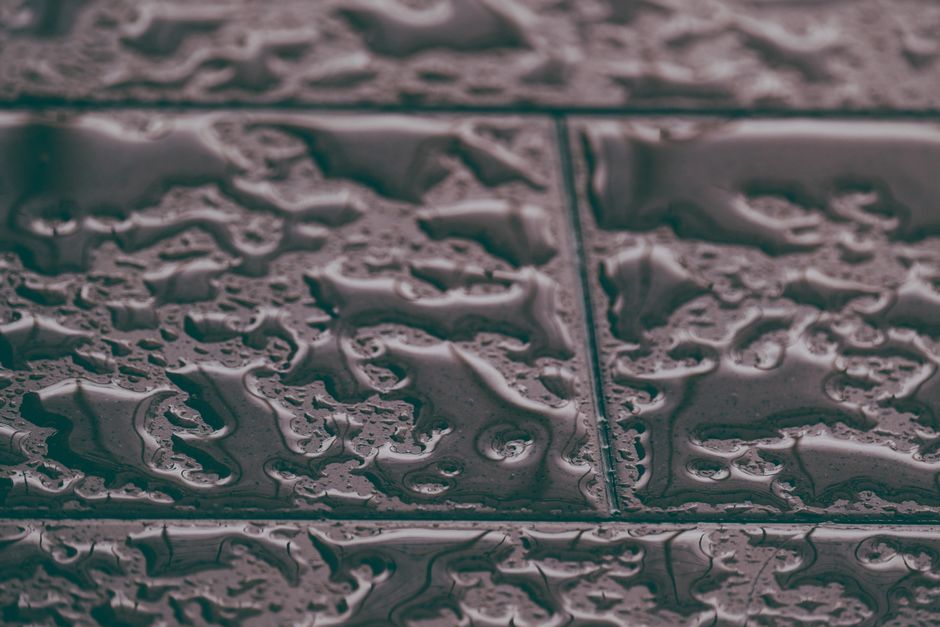
If you have ever dealt with mold creeping between your bathroom tiles, water stains on your grout lines, or a musty smell that never seems to disappear, you already know that bathroom tiles are constantly under attack from moisture. Every shower, every bath, every time someone brushes their teeth at the sink, tiny droplets of water find their way into the microscopic pores of your tiles and grout. Over months and years, this constant exposure adds up, and it eventually shows in the form of discoloration, cracking, or that unmistakable musty odor that lingers no matter how much you clean. The truth is that waterproofing bathroom tiles is not complicated, but it depends almost entirely on one single factor: the quality of the product you use. A cheap, watered-down sealer will fail within months, while a professional-grade tile water repellent can protect your bathroom for years. This is exactly why choosing the right product matters more than the technique itself.
Think about it this way: even the most careful, meticulous application of a low-quality sealer will still leave your tiles vulnerable, because the formula itself simply does not have the chemical strength to penetrate deep into the porous structure of tile and grout. On the other hand, a well-formulated water repellent can be applied with a simple brush in under an hour and still outperform a sealer that took a professional three times longer to apply. This is a lesson that many homeowners learn the hard way, often after spending money on multiple products that all promised the same results but delivered nothing but disappointment.
At Ferber Painting, we developed our Tile Water Repellent specifically to solve this problem once and for all. Unlike most competitors, our product comes with a satisfaction guaranteed or money back policy, something that is extremely rare in this industry. If you are not fully satisfied with the results, you simply send it back and get a full refund, no complicated conditions attached. This alone should tell you how confident we are in our formula, and it is a level of trust that very few other brands on the market are willing to offer. Most companies hide behind vague warranty language or require you to jump through hoops before even considering a refund. We took the opposite approach, because we know that once you try our product on your own bathroom tiles, you will see the difference immediately.
In this complete guide, we will explain why the product you choose is the single most important decision you will make, why Ferber Painting Tile Water Repellent stands above the competition, and finally walk you through the exact steps to waterproof your bathroom tiles like a professional. We will also cover common mistakes that people make during the process, how to maintain your results over time, and answer some of the most frequent questions we receive from customers who are considering waterproofing their bathroom for the first time.
Why the Product You Choose Makes All the Difference
Many people assume that waterproofing tiles is mostly about technique: applying the product correctly, letting it dry the right amount of time, and so on. While technique matters, it is secondary to the actual chemical composition of the sealer you are using. A low-quality water repellent will not penetrate the porous surface of the tile or grout properly, meaning that even with perfect application, the water resistance will wear off within weeks.
Consider two homeowners who both spend an entire Saturday afternoon carefully cleaning their bathroom, repairing cracked grout, and applying a water repellent exactly according to the instructions. One of them uses a cheap sealer purchased at a discount hardware store, while the other uses a properly formulated professional-grade product. Three months later, the first homeowner notices that water is once again pooling on the grout lines instead of beading off, mold spots are starting to reappear in the corners of the shower, and the overall investment of time and money feels wasted. The second homeowner, meanwhile, still sees water rolling right off the tiles exactly as it did on day one. The difference between these two outcomes has nothing to do with how carefully each product was applied. It comes down entirely to the underlying formula.
This is where Ferber Painting Tile Water Repellent makes a real difference. Our formula is designed to penetrate deep into porous tile and grout surfaces, creating a long-lasting hydrophobic barrier rather than just a superficial film that peels or wears away. This means:
- Water beads up and rolls off instead of soaking into the grout.
- Mold and mildew have a much harder time developing because moisture cannot settle in.
- The natural color and texture of your tiles remain unchanged, with no glossy or artificial look.
- The protection lasts significantly longer than typical store-bought sealers.
There is also an important distinction to understand between a topical sealer and a true penetrating water repellent. A topical sealer sits on top of the tile and grout like a thin plastic film. It might look impressive right after application, giving the surface a shiny, “just cleaned” appearance, but this film is extremely vulnerable to foot traffic, scrubbing, and daily wear. Once that thin layer starts to wear away, usually within a few weeks in a heavily used bathroom, the tile and grout underneath are once again completely exposed to moisture. A penetrating water repellent, by contrast, works differently. It soaks into the microscopic pores of the material and chemically bonds with it from the inside, creating hydrophobic properties that are part of the material itself rather than just sitting on top of it. This is why our product does not peel, flake, or wear off the way many competitor sealers do.
Choosing the right product first, and only then worrying about the application process, is the smartest way to guarantee results that actually last. It is also the most cost-effective approach in the long run. Spending a little more upfront on a properly formulated water repellent will almost always save you money and frustration compared to repeatedly buying and reapplying cheaper alternatives every few months.
What Makes Ferber Painting Tile Water Repellent the Best Choice
The market is full of tile sealers and water repellents, but very few actually deliver on their promises. Here is why our product consistently outperforms the competition, both in terms of results and customer experience.
| Criteria | Ferber Painting Tile Water Repellent | Typical Competitor Products |
|---|---|---|
| Satisfaction guaranteed or refunded | Yes, full refund with no complicated conditions | Rarely offered, or with restrictive terms |
| Shipping | Fast worldwide delivery through an international carrier network | Often limited to specific countries or slow shipping |
| Ease of application | Simple brush or spray application, no special tools needed | Sometimes requires professional equipment |
| Durability | Long-lasting protection, up to several years | Often needs reapplication every few months |
| Payment | Secure and easy online payment directly on our website | Varies, sometimes limited payment options |
| Visual result | Natural finish, no glossy residue | Can leave a shiny or sticky film |
As you can see, Ferber Painting Tile Water Repellent is not just another sealer on the shelf. It has been designed with the end user in mind, from the moment you order it online, through the fast international delivery, all the way to the long-term results in your bathroom. And because every purchase is backed by our satisfaction guaranteed or money back promise, there is essentially zero risk in trying it.
It is also worth mentioning that many customers who reach out to us have already tried at least one other product before finding Ferber Painting. A common story we hear is that someone purchased a well-known brand from a big box hardware store, applied it exactly according to the instructions, and still ended up disappointed within a matter of weeks. This pattern is so common that it has become almost predictable. The issue is rarely user error, it is almost always the formula itself, diluted to cut costs and maximize profit margins for large manufacturers who prioritize shelf price over actual performance.
Another factor that sets our product apart is transparency. We do not hide behind vague marketing language or unrealistic claims of “lifetime protection” that no water repellent could ever realistically deliver. Instead, we are upfront about realistic durability expectations, typically one to two years depending on usage, and we back that claim with our refund policy. This honesty is part of why so many of our customers become repeat buyers, reapplying the product on schedule rather than searching for a new brand every time.
How to Waterproof Bathroom Tiles: Step by Step Guide
Now that we have covered why the product matters more than anything else, let’s go through the actual process of waterproofing your bathroom tiles. This method works for ceramic, porcelain, natural stone tiles, and of course the grout lines in between. The entire process, from start to finish, typically takes a single afternoon for an average-sized bathroom, and the tools required are minimal: a bucket, a stiff brush, a clean cloth, and of course your bottle of Ferber Painting Tile Water Repellent.
Step 1: Clean the Tiles Thoroughly
Before applying any water repellent, your tiles and grout need to be completely clean and free of soap scum, dirt, and old sealant residue. Use a pH-neutral tile cleaner and a stiff brush, especially focusing on the grout lines where dirt tends to accumulate. Rinse thoroughly with clean water and let the surface dry completely, ideally for 24 hours, since any trapped moisture will prevent the water repellent from bonding properly.
It is important to avoid acidic or highly alkaline cleaners at this stage, since these can sometimes react with the grout or leave a residue that interferes with the penetration of the water repellent later on. A simple mixture of warm water and a small amount of mild dish soap, combined with some elbow grease and a nylon bristle brush, is often enough to remove built-up grime. For particularly stubborn soap scum or hard water deposits, a specialized tile cleaner designed for bathrooms can help, but always rinse thoroughly afterward to remove any chemical residue.
Pay special attention to the corners of the shower or bathtub, as well as the area around the base of the toilet and under the sink, since these spots are often neglected during routine cleaning and can harbor significant buildup. If you skip this step or rush through it, you risk sealing dirt, soap residue, or even mold spores directly into the tile surface, which defeats the entire purpose of waterproofing in the first place.
Step 2: Check for Cracked or Damaged Grout
Waterproofing works best on grout and tiles that are structurally sound. If you notice any cracked, crumbling, or missing grout, it is important to repair or re-grout those areas first. Applying a water repellent over damaged grout will not fix underlying problems, water can still seep through cracks even if the surface is treated.
Take a close look at the grout lines around your bathtub, shower floor, and any area where two different tiled surfaces meet, since these transition points are especially prone to cracking due to the natural expansion and contraction of building materials over time. Small hairline cracks can often be fixed with a simple grout repair pen or a small batch of matching grout mixed at home, while larger areas of missing or crumbling grout may require you to scrape out the old material with a grout saw before applying fresh grout. Allow any repaired grout to cure fully, usually for at least 48 to 72 hours, before moving on to the waterproofing step. Applying a water repellent over freshly repaired grout that has not fully cured can interfere with the curing process and weaken the repair.
If you notice any soft spots in the drywall behind the tile, discoloration that seems to be spreading rather than staying in one place, or a persistent musty smell that doesn’t go away even after deep cleaning, this could indicate a more serious moisture problem behind the tile itself. In these cases, waterproofing the surface of the tile is still a good idea, but you may also want to investigate whether there is an underlying leak or ventilation issue that needs to be addressed separately.
Step 3: Apply Ferber Painting Tile Water Repellent
Once your tiles are clean, dry, and in good condition, it’s time to apply the product. Here is how to do it correctly:
- Shake the bottle well before use to ensure the formula is evenly mixed.
- Apply the product generously using a paintbrush, foam applicator, or spray bottle, focusing especially on grout lines since they are the most porous and vulnerable areas.
- Make sure to cover the entire surface evenly, without leaving dry patches.
- Allow the first coat to absorb into the surface for about 10 to 15 minutes.
- Wipe off any excess product with a clean, dry cloth to avoid residue buildup.
For larger bathrooms or if you are treating multiple rooms at once, a spray bottle application tends to be faster and more even, especially on textured or slightly uneven tile surfaces where a brush might miss small crevices. If you are working on a smaller area, such as just the shower enclosure, a foam applicator or a small paintbrush gives you more control and precision, particularly around the edges where tile meets fixtures like the shower door frame or bathtub rim.
One common mistake at this stage is applying the product too thinly in an attempt to make the bottle last longer. While it is understandable to want to be economical, under-applying the water repellent means it will not fully saturate the porous grout lines, leading to uneven protection. It is always better to apply a generous, even coat and simply wipe away any excess with a clean cloth after the absorption period, rather than trying to stretch a thin layer across a larger area than intended.
Working in sections is also a helpful strategy, especially in larger bathrooms. Start with one wall or one section of flooring at a time, apply the product, let it absorb, and wipe away the excess before moving on to the next section. This prevents the product from drying unevenly or pooling in low spots on the floor tiles.
Step 4: Apply a Second Coat for Maximum Protection
For bathrooms that receive heavy daily use, such as shared family bathrooms or shower areas, we recommend applying a second coat after the first one has dried, usually after about an hour. This ensures deeper penetration and significantly extends the lifespan of the waterproof barrier.
The logic behind a second coat is straightforward. The first application saturates the most accessible pores on the surface of the tile and grout, but a second coat, applied once the first has had time to partially set, allows the formula to reach slightly deeper into the material. This is particularly beneficial for grout lines, which are inherently more porous than the glazed surface of most tiles and therefore absorb water more readily if left undertreated. For bathrooms used by a large family, a rental property with frequent tenant turnover, or a guest bathroom that sees heavy use during gatherings, the extra durability provided by a second coat is well worth the additional thirty minutes of work.
If you are treating natural stone tiles such as marble, travertine, or slate, a second coat is generally recommended regardless of usage level, since natural stone tends to be more porous than manufactured ceramic or porcelain tile and benefits from the additional layer of protection.
Step 5: Let It Cure Properly
After application, avoid using the shower or exposing the tiles to water for at least 24 hours. This curing time allows the product to fully bond with the porous surface of the tile and grout, creating a durable hydrophobic layer. Rushing this step is one of the most common reasons why people think a water repellent “doesn’t work,” when in reality it simply wasn’t given enough time to cure.
If possible, plan your waterproofing project for a day when the bathroom will not be needed for at least 24 hours, or coordinate with household members to use a different bathroom during the curing period. Running a fan or opening a window during curing can help maintain good air circulation, which supports the curing process without introducing moisture. Avoid running the shower, bath, or even the sink excessively during this window, and try to keep humidity in the room as low as possible.
It can also help to place a small “wet paint” style sign or reminder note on the bathroom door if other household members might not be aware that the tiles were just treated. We have heard from customers whose curing process was interrupted by a family member who simply didn’t know the bathroom was off limits for a day, so a quick reminder can save you from having to start the process over.
Step 6: Maintain the Waterproofing Over Time
While Ferber Painting Tile Water Repellent is designed for long-lasting protection, a bit of maintenance will help you get even more life out of the treatment:
- Clean your bathroom regularly with mild, non-abrasive cleaners.
- Avoid harsh chemical cleaners that can degrade the sealant over time.
- Reapply the product once a year, or sooner in high-humidity or heavy-use bathrooms, to maintain optimal water resistance.
A simple way to check whether your waterproofing is still effective is to periodically observe how water behaves on your tile and grout surfaces during a normal shower. If you notice that water is still beading up and rolling off cleanly, your protection is still active. If you start to notice water soaking in more readily, or the grout lines darkening when wet the way they used to before treatment, this is a good sign that it is time for a fresh coat.
Beyond cleaning products, it is also worth thinking about ventilation as part of your overall maintenance strategy. Even the best water repellent works best when paired with good bathroom ventilation, since reducing ambient humidity in the room reduces the overall burden on the waterproofing itself. Running an exhaust fan during and after showers, or cracking a window when weather permits, helps moisture evaporate more quickly rather than lingering on treated surfaces. Wiping down shower walls and the bathtub with a squeegee after each use is another simple habit that, combined with your waterproofed tiles, dramatically reduces the opportunity for mold and mildew to take hold.
Keep in mind that not all areas of the bathroom wear at the same rate. Shower floors and the lower portion of shower walls, which receive the most direct water exposure and foot traffic, will typically need reapplication sooner than tiles on the upper walls or in areas away from direct water contact, such as around a vanity or on a feature wall. Some customers choose to focus their annual reapplication specifically on these high-wear zones rather than treating the entire bathroom every single time, which can save both time and product while still maintaining excellent protection where it matters most.
Why Buying from Ferber Painting Is the Smartest Choice
Beyond the quality of the product itself, buying from Ferber Painting comes with several additional advantages that make the entire experience smooth and worry-free.
First, our Tile Water Repellent is available directly on our website, meaning you get the authentic product straight from the source, without worrying about counterfeit versions sometimes found on third-party marketplaces. Counterfeit or diluted versions of popular sealers are unfortunately common on some online marketplaces, and unsuspecting buyers often end up with a product that looks similar to the original but performs nowhere near as well. By purchasing directly from us, you eliminate that risk entirely and know exactly what you are getting.
Second, we ship rapidly worldwide thanks to our international network of trusted carriers, so no matter where you are located, your order will reach you quickly and safely. We understand that once you have made the decision to waterproof your bathroom, the last thing you want is to wait weeks for the product to arrive. Our logistics network is built specifically to minimize that wait, whether you are ordering from a major city or a more remote location.
Third, payment is fast and secure, done entirely online through our website with no complicated steps involved. We use industry standard encryption and trusted payment processors, so your personal and financial information stays protected throughout the checkout process. There is no need to create complicated accounts or provide unnecessary personal details, simply place your order and you are done.
And of course, the most important point that we cannot stress enough: every single order is covered by our satisfaction guaranteed or money back policy. If for any reason the results do not meet your expectations, you can return the product and get a full refund. This guarantee is something that very few competitors are willing to offer, simply because they do not have the same confidence in their formula that we have in ours. We built this policy specifically because we know that once someone tries our product on their own bathroom, the results speak for themselves, and the risk of asking for a refund is extremely low. That confidence is exactly why we can offer such a generous policy in the first place.
Mini FAQ
How long does Ferber Painting Tile Water Repellent last once applied?
Depending on usage and bathroom conditions, the protective barrier typically lasts between one and two years before reapplication is recommended. Bathrooms with heavy daily use, such as a family shower used multiple times per day, may see the effect diminish slightly sooner, while a guest bathroom used less frequently can often go closer to two years before needing another treatment. Natural stone tiles may also require slightly more frequent reapplication compared to glazed ceramic or porcelain due to their inherently more porous structure.
Can I use this product on natural stone tiles?
Yes, our formula is safe and effective on ceramic, porcelain, and natural stone surfaces, including marble and travertine. Natural stone tends to be more porous than manufactured tile, so we recommend applying two coats for the best results, and paying extra attention to any honed or unpolished areas of stone, which tend to absorb liquid more readily than polished surfaces.
Does the product change the appearance of my tiles?
No, it leaves a completely natural finish with no glossy or sticky residue, preserving the original look of your tiles. Whether your bathroom features matte, polished, or textured tiles, the water repellent will not alter the visual characteristics you already love about your space. It simply adds an invisible layer of protection beneath the surface.
What if I am not satisfied with the results?
Simply contact us and take advantage of our satisfaction guaranteed or money back policy for a full refund, no complicated conditions. Our customer support team is available to walk you through the process and answer any application questions you might have along the way, since sometimes a small adjustment in technique is all that is needed to achieve the results you are looking for.
How long does shipping take?
Thanks to our international network of carriers, delivery times are fast no matter where in the world you are located. We work with trusted logistics partners to ensure your order reaches you as quickly as possible, and tracking information is provided so you can follow your package every step of the way.
Do I need any special tools to apply the product?
No special equipment is required. A simple paintbrush, foam applicator, or spray bottle, along with a clean cloth for wiping away excess product, is all you need to complete the entire application process from start to finish.
Can I apply the product myself, or do I need a professional?
Ferber Painting Tile Water Repellent is designed to be applied by homeowners without any professional experience. The process is straightforward enough that most people complete an average bathroom in a single afternoon, following the same steps outlined in this guide.
Conclusion
Waterproofing your bathroom tiles does not need to be complicated or uncertain, as long as you start with the right product. A high-quality water repellent penetrates deep into the porous surface of your tiles and grout, creating lasting protection against mold, mildew, and water damage, something that cheap alternatives simply cannot achieve. By following the steps outlined in this guide, cleaning thoroughly, repairing damaged grout, applying the product correctly, and allowing proper curing time, you can enjoy a bathroom that stays dry, clean, and mold-free for years to come.
Remember that the small amount of time invested in preparing your tiles properly, checking for damaged grout, cleaning thoroughly, and allowing adequate drying and curing time, pays off many times over in the durability of the final result. Skipping steps or rushing through the process is the most common reason why waterproofing projects fail to deliver the expected results, and taking the time to do it right the first time means you won’t need to revisit the project again for a long while.