 Ireland
 United States
 Australia
 Česko
Česko Danmark
 Deutschland
 Eesti
Eesti España
 Ελλάδα
 France
 Hrvatska
 Italia
 Latvija
 Lietuva
 Magyarország
 Nederlands
 New-Zealand
 Norge
Norge Polska
 Portugal
 România
 Schweiz (Deutsch)
 Slovenija
 Slovensko
 Suomi
Suomi Sverige
 България
 Canada (English)
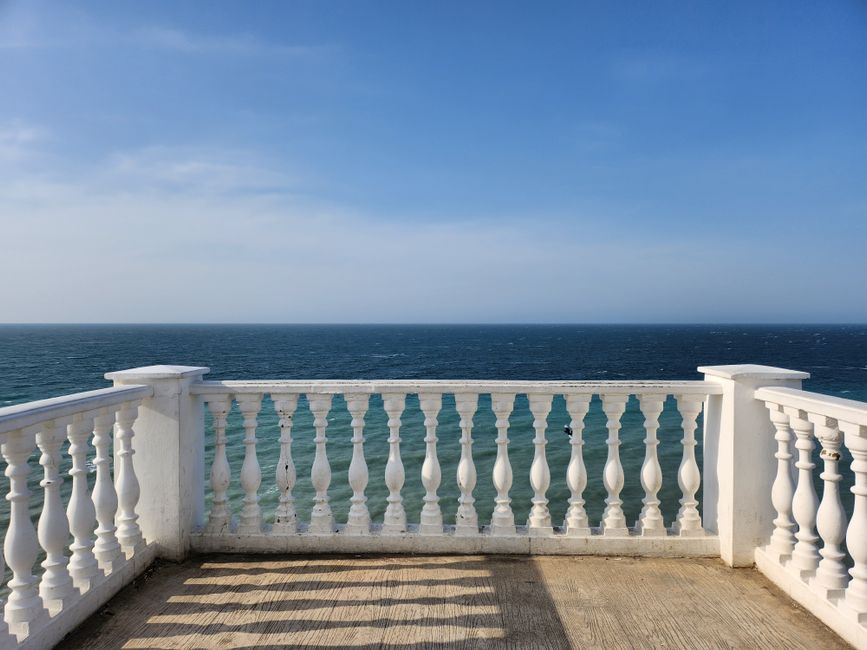
If you have ever spent a weekend cleaning your terrace only to watch it stain, crack, or grow moss again a few months later, you already know that waterproofing is not optional. It is essential. But here is the truth that most guides will not tell you upfront: the success of any terrace waterproofing project depends almost entirely on the quality of the product you use. You can follow every step perfectly, prepare your surface flawlessly, and apply everything with precision, but if the sealant or water repellent you choose is mediocre, your results will be mediocre too.
This is exactly why we recommend Ferber Painting’s Terrace Water Repellent. It is currently the only terrace waterproofing product on the market backed by a full satisfied or refunded guarantee, which means you can try it with zero financial risk. If it does not meet your expectations, you get your money back, no complicated conditions attached. Beyond this guarantee, our formula offers a level of durability, ease of application, and weather resistance that most competing products simply cannot match. In this guide, we will walk you through everything you need to know about waterproofing a terrace, from choosing the right product to applying it correctly, while explaining why Ferber Painting’s solution consistently outperforms the alternatives.
Consider what happens to an unprotected terrace over the course of just one year. In spring, rainwater seeps into the microscopic pores of stone or concrete. In summer, that trapped moisture combined with intense UV exposure accelerates surface degradation and fading. In autumn, falling leaves and organic debris trap humidity against the surface, encouraging moss and algae growth. And in winter, if you live in a region where temperatures drop below freezing, any water that has penetrated the material expands as it turns to ice, physically pushing apart the structure from the inside. This cycle, repeated year after year, is what eventually causes the cracking, flaking, and discoloration that homeowners often assume is simply the natural aging of their terrace. In reality, it is almost always a direct consequence of inadequate or absent waterproofing.
Why the Right Product Is the Key to a Successful Waterproofing Project
Waterproofing a terrace is not simply about applying a liquid and hoping for the best. The chemistry of the product determines how deeply it penetrates the surface, how well it bonds with the material, how long it resists UV rays and freeze-thaw cycles, and ultimately how many years will pass before you need to reapply it. Cheap or poorly formulated water repellents often sit on the surface rather than penetrating it, which means they wear off within a single season. Others contain solvents that can discolor natural stone, tiles, or concrete, leaving your terrace looking worse than before you started.
A high-quality terrace water repellent needs to accomplish several things simultaneously. It has to repel water effectively so that rain and moisture do not seep into the pores of the material. It has to remain breathable so that any trapped moisture underneath can still evaporate, preventing mold and mildew growth. It has to resist UV degradation so that sunlight does not break down the protective layer within a few months. And it has to be flexible enough to handle the natural expansion and contraction that occurs with temperature changes, especially in climates with cold winters and hot summers.
This is precisely where many products on the market fall short. Some prioritize a low price point at the expense of penetration depth, meaning the product barely lasts through one rainy season. Others use aggressive chemical formulas that damage the color and texture of natural stone or wood decking. Ferber Painting’s Terrace Water Repellent was developed specifically to solve these problems, combining deep penetration technology with a breathable, UV-resistant formula that protects your terrace without altering its natural appearance.
Choosing the right product from the start saves you time, money, and frustration. Instead of reapplying a mediocre sealant every few months, you invest once in a product designed to last, backed by a company that stands behind its results with an actual money-back guarantee.
How Different Terrace Materials React to Water
Not all terrace surfaces behave the same way when exposed to moisture, and understanding your specific material helps explain why a versatile, high-penetration formula matters so much. Natural stone, such as limestone, sandstone, or travertine, tends to be highly porous. Water can travel several millimeters into the surface, carrying minerals and dissolved salts with it. When these salts crystallize as the stone dries, they can cause a phenomenon known as spalling, where small flakes of the surface pop off over time. A quality water repellent prevents this by blocking water absorption at the pore level while still letting vapor escape.
Concrete terraces face a different but equally serious challenge. Concrete is alkaline and naturally porous, and when water infiltrates it repeatedly, it can react with the rebar or metal mesh often embedded within slabs, causing rust that expands and cracks the concrete from the inside out. This is why waterproofing a concrete terrace is not just a cosmetic decision, it is a structural one. Terracotta and clay tiles, meanwhile, are fired at lower temperatures than many other materials, making them particularly absorbent and prone to frost damage if left untreated. Composite and wood decking present their own issues, since organic material can swell, warp, or rot when consistently damp, and untreated wood is an ideal environment for fungal growth.
Because Ferber Painting’s Terrace Water Repellent is engineered to adapt its penetration behavior to each of these different porosities, it offers consistent protection whether you are dealing with limestone, poured concrete, fired clay tiles, or timber decking, something that generic, one-size-fits-all formulas often fail to deliver.
Climate Considerations That Affect Product Performance
Your local climate plays a major role in how quickly a terrace deteriorates and how important product quality becomes. In regions with harsh winters, freeze-thaw cycles are the primary threat, and a water repellent must maintain its flexibility even in sub-zero temperatures to avoid cracking alongside the material it protects. In hot, sun-drenched climates, UV stability becomes the dominant concern, since constant exposure to ultraviolet radiation breaks down weaker polymer chains in cheaper formulas, causing the protective layer to chalk, fade, or peel within months. Coastal areas add another layer of complexity, as salt-laden air accelerates corrosion and mineral crystallization within porous materials. Whatever climate you live in, a robust, well-engineered water repellent like Ferber Painting’s formula is designed to perform reliably across a wide range of temperature and humidity conditions, rather than being optimized for only one type of environment.
What Makes Ferber Painting’s Terrace Water Repellent the Best Choice
There are dozens of waterproofing products available online and in hardware stores, so it is reasonable to ask what actually sets Ferber Painting’s Terrace Water Repellent apart. The answer lies in a combination of formula quality, customer service, and logistics that few competitors can match.
First, the guarantee. Ferber Painting is the only brand in this category offering a satisfied or refunded policy on its terrace water repellent. If you apply the product correctly and are not happy with the results, you can request a full refund. No other manufacturer in this space offers this level of confidence in their own product, which tells you a great deal about the quality behind it.
Second, the formula itself is engineered for versatility. Whether your terrace is made of natural stone, concrete, terracotta tiles, or composite decking, the product adapts to the porosity of each surface, penetrating deeply rather than forming a superficial film. This deep penetration is what allows the protective effect to last significantly longer than surface-level competitors, often two to three times longer according to customer feedback.
Third, the product is remarkably easy to apply. You do not need professional equipment or specialized training. A simple brush, roller, or sprayer is enough to achieve an even, effective coating. This ease of use makes it accessible to homeowners who want professional-level results without hiring a contractor.
Fourth, Ferber Painting ships internationally through a fast and reliable network of carriers. Wherever you are located, your order arrives quickly, and you can track it every step of the way. Payment is processed securely online, with multiple payment options available, making the entire purchasing experience smooth from start to finish.
Finally, there is the environmental consideration. Many older waterproofing formulas rely on harsh solvents that release strong fumes and can be harmful to nearby plants, pets, or family members during application. Ferber Painting’s formula has been developed with a reduced environmental impact in mind, making it safer to use around your home and garden while still delivering powerful, long-lasting protection.
When you combine all of these factors together, quality of formula, ease of application, fast worldwide shipping, secure online payment, and a genuine money-back guarantee, it becomes clear why so many customers choose Ferber Painting over other brands.
The Science Behind the Hydrophobic Barrier
To really understand why this product performs so well, it helps to know how a modern water repellent actually works at the molecular level. Ferber Painting’s formula relies on hydrophobic molecules that bond to the internal surfaces of the pores within stone, concrete, or wood fibers. Rather than sealing the surface with a solid, plastic-like film the way older generation sealers do, these molecules line the pore walls and change the surface tension so that water forms beads and rolls off instead of being absorbed. This is what industry professionals call a breathable or vapor-permeable barrier. Water vapor generated from within the material, whether from residual construction moisture or from the ground underneath a slab, can still escape upward and evaporate. Liquid water from rain, however, cannot get back in. This dual functionality is the single most important reason why terraces treated with a quality breathable repellent avoid the trapped-moisture problems that lead to mold, mildew, and internal frost damage.
Long-Term Cost Savings
It is worth pausing to consider the financial side of this decision as well. Reapplying a cheap water repellent every six months, along with the labor and time that process requires, adds up quickly over a period of several years. Add to that the potential cost of repairing cracked tiles, replacing spalled stone, or resealing a concrete slab that has suffered rebar corrosion, and the true cost of a low-quality product becomes far higher than its sticker price suggests. By investing once in a durable, high-penetration formula like Ferber Painting’s Terrace Water Repellent, most homeowners find that they spend significantly less over a five-year period than those who continually purchase cheaper alternatives, all while enjoying a terrace that consistently looks better maintained.
Step-by-Step Guide: How to Waterproof a Terrace
Now that we have covered why the product matters so much, let’s go through the actual process of waterproofing a terrace. Whether you are working with stone, concrete, tile, or wood, the general steps remain similar, though preparation details can vary slightly depending on the material.
Tools and Materials You Will Need
Before starting, gather everything you need so you are not interrupting the process halfway through. A typical waterproofing project requires a stiff outdoor broom, a pressure washer or garden hose with a stiff scrub brush, a mild detergent suited to your terrace material, appropriate filler or repair mortar for cracks and chips, protective gloves, safety goggles, a paint tray, a good quality synthetic bristle brush or roller for smaller terraces, or a low-pressure garden sprayer for larger surfaces, painter’s tape if you want to protect adjoining walls or fixtures, and of course your chosen water repellent. Having all of this ready in advance means you can move through each stage without unnecessary delays that could expose your surface to unexpected rain or dust before it is fully cured.
Step 1: Inspect the Surface
Before applying any water repellent, walk across your entire terrace and look for cracks, chips, loose tiles, or areas where previous sealant has worn away. These imperfections need to be addressed before waterproofing, since applying a repellent over a damaged surface will not stop water from entering through cracks. It is helpful to do this inspection on a dry, sunny day when small cracks and surface irregularities are easier to spot. Take a few photos as you go so you can keep track of every area that will need repair in Step 3, and consider marking problem spots with chalk so nothing gets overlooked once you begin cleaning.
Step 2: Clean the Terrace Thoroughly
A clean surface is essential for proper product penetration. Sweep away debris, then wash the terrace with a pressure washer or a stiff brush and a mild detergent to remove dirt, algae, moss, and old coatings. Rinse thoroughly and allow the surface to dry completely. This drying period is critical and often takes twenty four to forty eight hours depending on your climate and the porosity of your material. If your terrace has stubborn moss or algae growth, a diluted solution of white vinegar or a dedicated outdoor moss remover applied a day before pressure washing can make the cleaning process considerably more effective. Avoid using strong bleach solutions on natural stone, since bleach can react with certain minerals and cause discoloration over time. For wood decking, use a cleaner specifically designed for exterior wood to avoid raising the grain excessively, which can affect how evenly the water repellent absorbs afterward.
Step 3: Repair Any Damage
Fill cracks and chips with an appropriate filler for your terrace material. Replace any loose or broken tiles. Skipping this step means your waterproofing product will only mask the problem temporarily rather than solving it, and water will eventually find its way through the weak points. For concrete terraces, use a flexible polyurethane crack filler rather than a rigid epoxy, since the flexible option can move with the natural expansion and contraction of the slab without re-cracking. For natural stone, a color-matched stone repair compound will blend in far better than a generic gray filler. Allow all repairs to cure fully according to the manufacturer’s instructions, typically between twenty four and seventy two hours, before moving on to the next step, since applying water repellent over uncured filler can trap moisture and weaken the repair.
Step 4: Test the Product on a Small Area
Even with a trusted product like Ferber Painting’s Terrace Water Repellent, it is good practice to test on a small, inconspicuous area first. This lets you confirm the color response and drying behavior on your specific material before committing to the full surface. A good test spot is a corner that is normally hidden by furniture or a planter. Apply a small amount, let it dry completely, and check both the color and the water-beading effect by splashing a bit of water on the treated area after twenty four hours. If everything looks as expected, you can move forward confidently with the rest of the terrace.
Step 5: Apply the Water Repellent
Using a brush, roller, or low-pressure sprayer, apply the product evenly across the entire terrace. Work in manageable sections, following the manufacturer’s instructions regarding coverage rate. Ferber Painting’s formula is designed to spread smoothly without pooling, which reduces the risk of uneven patches or streaking. It is best to work from the far end of the terrace back toward your exit point so you never have to walk across freshly treated areas. Choose a day with mild temperatures and no rain forecast for at least twenty four hours. Applying in direct, scorching midday sun can cause the product to dry too quickly on the surface before it has had a chance to penetrate properly, so early morning or late afternoon application often gives better results, especially in warmer climates.
Step 6: Allow Proper Drying and Curing Time
Most terrace water repellents require a minimum drying period before the surface can be walked on, and a longer curing period before it is exposed to heavy rain or furniture. Keep pets and foot traffic off the terrace during this window to allow the product to bond properly with the material. If you have outdoor furniture, planters, or rugs on your terrace, this is a good time to store them elsewhere temporarily rather than simply pushing them to one side, since even light contact during the curing phase can leave permanent marks or interrupt the even formation of the protective barrier.
Step 7: Apply a Second Coat if Recommended
Depending on the porosity of your terrace material, a second coat may significantly extend the lifespan of the protection. Porous materials like natural stone or terracotta often benefit from two coats, while denser surfaces like sealed concrete may only need one. When applying a second coat, wait for the recommended interval specified on the product, typically a few hours, and apply it in the same systematic pattern as the first coat to ensure complete, even coverage across the entire surface, including edges and corners that are easy to miss.
Step 8: Maintain Your Terrace Regularly
Waterproofing is not a one-time task you forget about forever. Regular cleaning, prompt repair of any new cracks, and periodic reapplication (typically every one to three years depending on climate and product quality) will keep your terrace protected season after season. A simple seasonal maintenance routine, sweeping leaves and debris in autumn, checking for new cracks each spring, and doing a quick water-beading test once a year by splashing a small amount of water on the surface, will help you catch any decline in protection before it becomes a bigger problem.
Common Mistakes to Avoid
Even with a great product, a few common errors can undermine your results. Applying the water repellent to a surface that is not completely dry is one of the most frequent mistakes, since trapped surface moisture prevents proper penetration and can cause the product to bead up rather than absorb. Skipping the crack repair step is another common shortcut that leads to disappointing results, since water will simply find its way in through the untreated damage regardless of how well the surrounding surface is protected. Applying too thick a coat, thinking that more product automatically means better protection, can actually slow drying time and lead to an uneven, tacky finish. Finally, walking on the terrace too soon after application, before the recommended curing time has passed, can leave footprints or disturb the forming barrier, reducing its overall effectiveness. Taking the time to follow each step properly, rather than rushing through the process, is what separates a terrace that stays protected for years from one that needs retreatment within a few months.
Following these eight steps with a high-quality product like Ferber Painting’s Terrace Water Repellent gives you the best possible chance of a long-lasting, effective waterproof barrier.
Comparing Terrace Waterproofing Products: What Really Matters
To help you understand why product selection is so important, here is a comparison of the criteria that matter most when choosing a terrace waterproofing solution, and how Ferber Painting’s Terrace Water Repellent measures up against typical competitors on the market.
| Criteria | Ferber Painting Terrace Water Repellent | Typical Competing Products |
|---|---|---|
| Money-back guarantee | Yes, full satisfied or refunded policy | Rarely offered, often no refund policy at all |
| Penetration depth | Deep penetration into porous materials | Often surface-level only, wears off quickly |
| Breathability | Allows trapped moisture to escape, preventing mold | Some products trap moisture, leading to damage |
| UV resistance | High resistance, maintains protection in direct sun | Variable, many degrade within months |
| Ease of application | Simple brush, roller, or sprayer application | Some require professional tools or expertise |
| Environmental impact | Reduced solvent content, safer around home and garden | Often high solvent content with strong fumes |
| Shipping | Fast international delivery through trusted carriers | Limited regions, slower delivery times |
| Payment options | Secure, easy online payment | Varies by retailer, sometimes limited |
| Expected lifespan of protection | Up to two to three years depending on surface | Often six months to one year |
As this comparison shows, the differences are not minor. From the guarantee to the actual chemical performance of the product, Ferber Painting’s Terrace Water Repellent is built to outperform standard options available in most stores. When you factor in the convenience of fast global shipping and simple online payment, purchasing directly from Ferber Painting becomes the clear choice for anyone serious about protecting their terrace long-term.
It is also worth noting that the true cost of a waterproofing product should never be judged purely by its price per liter. A product that costs slightly more upfront but lasts two to three times longer and requires only a single coat on many surfaces will almost always work out cheaper over time than a bargain option that needs to be reapplied every few months. When you factor in the time spent cleaning, preparing, and applying the product each time, the value of a durable, long-lasting formula becomes even more apparent. This is the calculation that experienced homeowners and professional applicators make, and it is the same logic that has made Ferber Painting’s Terrace Water Repellent a preferred choice among repeat customers.
Frequently Asked Questions
How long does it take for Terrace Water Repellent to dry?
Drying time typically ranges from a few hours to one full day depending on temperature and humidity, while full curing can take up to a week. Always avoid heavy foot traffic and furniture placement during this period for the best results.
Can I use this product on any type of terrace material?
Yes. Ferber Painting’s Terrace Water Repellent is formulated to work effectively on natural stone, concrete, terracotta tiles, and composite decking. Its adaptive formula adjusts to the porosity of different surfaces.
How often should I reapply the water repellent?
Most customers reapply every one to three years depending on climate exposure, foot traffic, and the number of coats initially applied. Terraces in harsher climates with heavy rainfall or intense sun may need slightly more frequent reapplication.
What happens if I am not satisfied with the product?
You are covered by Ferber Painting’s satisfied or refunded guarantee. If the product does not meet your expectations after proper application, you can request a refund, something no other major competitor in this category consistently offers.
Do I need professional equipment to apply it?
No. A simple brush, roller, or low-pressure garden sprayer is sufficient. The formula is designed for straightforward homeowner application without the need for specialized tools.
Is shipping available outside my country?
Yes, Ferber Painting delivers internationally through a reliable network of carriers, ensuring fast and trackable delivery no matter where you are located.
Can I apply the water repellent during winter or in cold weather?
It is best to avoid applying any water repellent when temperatures are near or below freezing, since cold conditions slow down penetration and curing significantly, and any residual moisture on the surface can freeze before the product has a chance to bond properly. The ideal application window is generally during mild spring or autumn weather, when temperatures are moderate and rain is not expected for at least twenty four hours after application.
How much product do I need to cover my terrace?
Coverage depends on the porosity of your material, but as a general guideline, more porous surfaces like natural stone or terracotta will require more product per square meter than denser surfaces like sealed concrete or composite decking. Checking the coverage guidelines provided with your order and measuring your terrace beforehand will help you order the correct quantity and avoid running short mid-application.
Conclusion
Waterproofing a terrace does not need to be complicated, but it does require the right product and a bit of careful preparation. By cleaning your surface thoroughly, repairing any damage, and applying a high-quality water repellent correctly, you can protect your terrace from rain, frost, and UV damage for years to come. The difference between a short-lived fix and a lasting solution almost always comes down to the formula you choose, which is why so many homeowners trust Ferber Painting over generic alternatives.
Taking the time to follow each step properly, from inspection and cleaning through repair, testing, application, and ongoing maintenance, is what transforms waterproofing from a temporary patch into a genuine long-term investment in your outdoor living space. A well-protected terrace not only looks better for longer, it also retains its structural integrity, resists costly damage from freeze-thaw cycles and moisture infiltration, and ultimately saves you money and effort compared to constantly repairing an unprotected surface.