 Ireland
 United States
 Australia
 Česko
Česko Danmark
 Deutschland
 Eesti
Eesti España
 Ελλάδα
 France
 Hrvatska
 Italia
 Latvija
 Lietuva
 Magyarország
 Nederlands
 New-Zealand
 Norge
Norge Polska
 Portugal
 România
 Schweiz (Deutsch)
 Slovenija
 Slovensko
 Suomi
Suomi Sverige
 България
 Canada (English)
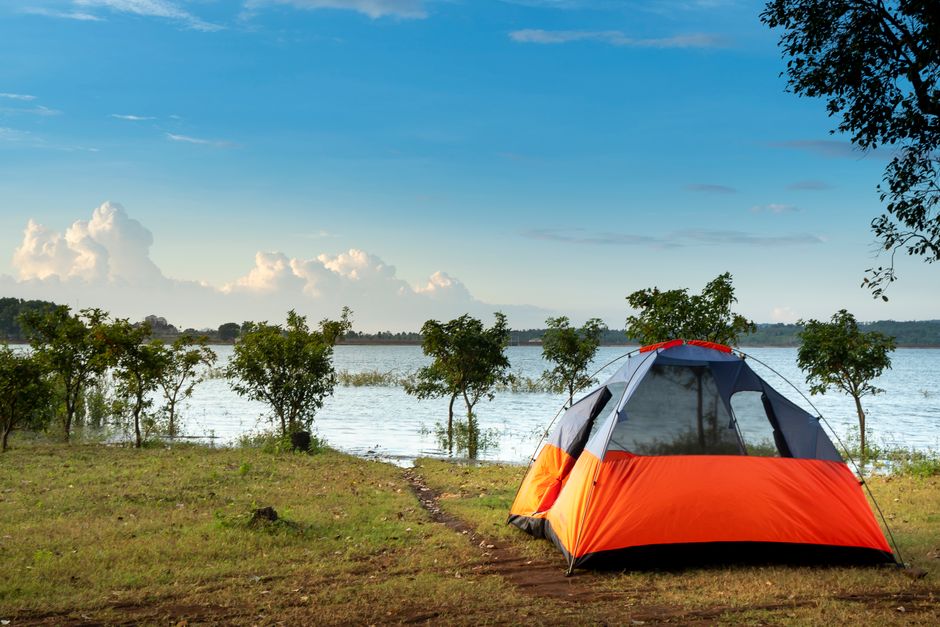
If you have ever spent a rainy night in your caravan listening to water dripping through your awning, you already know that not all waterproofing solutions are created equal. The truth is, everything depends on choosing the right product. A poor quality spray will leave streaks, wear off after a few weeks, or simply fail to keep the water out when you need it most. That is why so many caravan owners around the world are turning to Ferber Painting Tent Water Repellent, the only waterproofing product on the market backed by a full satisfaction or money back guarantee. In this guide, we will explain exactly why our product stands out from the competition, and walk you step by step through the process of waterproofing your caravan awning like a professional.
Caravan awnings take a beating throughout the camping season. They are exposed to constant sun, sudden downpours, wind gusts that flap the fabric back and forth, and the general wear and tear of being rolled out and packed away dozens of times a year. Over time, even the best factory coating on an awning fabric begins to break down, leaving the material vulnerable to moisture penetration. Once water starts seeping through, it does not just create an annoying drip inside your living space. It can also lead to mildew, unpleasant odors, weakened stitching, and in severe cases, permanent staining or fabric degradation that shortens the lifespan of your awning considerably. Understanding this process, and knowing how to reverse it with a proper waterproofing routine, can save you hundreds of dollars in premature replacement costs and countless uncomfortable nights on the road.
Why the Right Product Makes All the Difference
Before we dive into the how-to guide, it is important to understand why product selection is the single most important factor in successfully waterproofing a caravan awning. Many people assume that any waterproofing spray will do the job, but this is simply not true. Cheap products often contain diluted active ingredients, dry unevenly, or leave a sticky residue that attracts dirt and mildew over time.
Ferber Painting Tent Water Repellent was specifically engineered for outdoor fabrics like those used in caravan awnings, tents, and canvas structures. Unlike generic sprays that simply sit on the surface, our formula penetrates the fibers of the fabric to create a long lasting barrier against rain, humidity, and UV damage. This means fewer reapplications, better protection, and a product that truly performs when the weather turns against you.
Another key advantage is that Ferber Painting is the only brand in this category offering a satisfied or refunded guarantee. If you are not happy with the results, we will refund your purchase, no complicated conditions attached. No other competitor on the market currently offers this level of confidence in their product, which tells you everything you need to know about the quality behind our formula.
It is worth taking a moment to explain the science behind why fiber penetration matters so much. Awning fabrics, whether they are woven polyester, cotton canvas, or acrylic blends, are made up of countless tiny threads interlaced together. Between these threads are microscopic gaps that, over time, allow water to work its way through by capillary action, especially once the factory coating starts to wear thin. A surface level spray simply coats the outer layer of the fabric, creating a thin film that looks effective at first but quickly cracks or wears away with folding, friction, and UV exposure. Ferber Painting Tent Water Repellent, by contrast, is designed to travel into those microscopic gaps and bond directly with the individual fibers. This creates a repellent barrier from the inside out, so even if the outer surface experiences some wear, the underlying protection remains intact for much longer.
Many customers who switch to our formula after using a cheaper alternative describe a noticeable difference in how water behaves on the fabric. Instead of soaking in or spreading out into a dark, saturated patch, water forms tight beads that roll straight off the surface at the slightest angle or breeze. This beading effect is actually one of the easiest ways to check whether a waterproofing treatment is still working, and we will cover that in more detail later in the maintenance section.
| Criteria | Ferber Painting Tent Water Repellent | Generic Competitor Products |
|---|---|---|
| Satisfaction Guarantee | Yes, full refund if not satisfied | Rarely offered, or with strict conditions |
| Fabric Penetration | Deep fiber penetration for lasting protection | Often surface level only |
| UV Resistance | Included in the formula | Frequently absent |
| Ease of Application | Simple spray and dry process | Varies, sometimes requires multiple coats |
| Worldwide Shipping | Fast international delivery network | Often limited to local markets |
| Online Payment | Secure and simple online checkout | Varies by retailer |
As you can see, when you compare the criteria that actually matter, Ferber Painting consistently comes out ahead. This is not a coincidence. Our formula was developed with caravan and outdoor enthusiasts in mind, and every batch is tested to ensure it meets the high standards our customers expect.
It is also worth mentioning the UV resistance aspect, since this is something many caravan owners overlook when shopping for a waterproofing spray. Constant sun exposure is one of the biggest hidden threats to awning fabric. UV rays break down the polymer structure of synthetic fabrics and dry out the natural fibers of canvas, making the material brittle and more prone to cracking or tearing over time. A waterproofing product that only addresses moisture but ignores UV protection is only solving half the problem. Because Ferber Painting Tent Water Repellent includes UV blockers directly in its formula, you are protecting your awning on two fronts at once, extending its overall lifespan far beyond what a basic water repellent spray could achieve on its own.
Preparing Your Caravan Awning Before Waterproofing
Proper preparation is essential if you want your waterproofing treatment to last as long as possible. Skipping this step is one of the most common reasons people are disappointed with the results, regardless of which product they use. Follow these steps before applying any waterproofing spray.
- Set up your awning fully extended, either attached to your caravan or on a flat surface where it can dry completely.
- Remove any dirt, dust, or debris using a soft brush.
- Wash the fabric with a mild soap and water solution to remove grease, sap, or mildew stains. Avoid harsh detergents as they can damage the fabric fibers.
- Rinse thoroughly and allow the awning to dry completely. Applying waterproofing spray on a damp surface will reduce its effectiveness significantly.
- Inspect the fabric for any tears, small holes, or weakened seams. Repair these before waterproofing, as water repellent sprays cannot fix structural damage to the fabric.
Taking the time to properly clean and inspect your awning ensures that the Ferber Painting formula can bond effectively with the fabric fibers, giving you maximum protection for the longest possible time.
Let us look a little closer at each of these preparation steps, since rushing through them is one of the easiest ways to undermine an otherwise great waterproofing product. When setting up your awning for cleaning, try to choose a location with good airflow and, if possible, some shade. Direct midday sun on a wet fabric can cause soap residue to dry into the material before you have a chance to rinse it off properly, which sometimes leaves a faint film that interferes with water repellent absorption later on.
When brushing off dirt and dust, a soft bristle brush or even a clean broom works well for larger surfaces. Pay particular attention to the seams and any areas where the awning folds when packed away, since these spots tend to accumulate the most grime over a season of use. For stubborn dirt, a soft sponge dipped in your soap and water mixture can help lift debris without scratching or thinning the fabric coating that may still be present.
Choosing the right soap matters more than people realize. Harsh detergents, dish soaps with strong degreasing agents, or anything containing bleach can strip away the natural or factory applied coatings on your awning fabric, leaving it more porous and, ironically, harder to waterproof effectively afterward. Stick to a mild, pH neutral soap specifically designed for outdoor fabrics or delicate materials. A simple mixture of a small amount of mild soap in a bucket of lukewarm water is usually more than enough to lift dirt, tree sap, bird droppings, and general grime without damaging the fibers underneath.
Rinsing thoroughly is another step that is often underestimated. Soap residue left behind on the fabric can interfere with how well the Ferber Painting formula bonds to the fibers, reducing its overall effectiveness. Use a hose with a gentle spray setting and work from the top of the awning downward, making sure water runs off freely rather than pooling in low spots or folds.
Drying time before treatment is just as important as drying time after treatment. Depending on the climate you are in, this can take anywhere from a few hours on a warm, breezy day to a full day or more in cooler, more humid conditions. If you are in any doubt about whether the fabric is completely dry, run your hand along the underside of the awning in a shaded area, since this is usually the last part to dry fully. Any lingering dampness, even if it feels only slightly cool to the touch, can reduce how well the waterproofing spray penetrates the fibers.
Finally, take the time to walk the full perimeter of your awning and inspect it carefully under good lighting, ideally natural daylight rather than artificial light which can hide small imperfections. Look closely at stitched seams, grommets, and any areas near poles or attachment points, since these are common places for small tears or weakened threads to develop. Address any repairs with an appropriate fabric repair kit or by having a professional reinforce the area before moving on to waterproofing. Applying a water repellent spray over a damaged area will not restore structural integrity, and water can still find its way through even the smallest gaps if they are left unaddressed.
Step by Step Guide: How to Waterproof a Caravan Awning
Once your awning is clean and dry, you are ready to begin the waterproofing process. Follow these steps carefully to achieve the best results with Ferber Painting Tent Water Repellent.
- Choose a dry day with mild temperatures, ideally between 15 and 25 degrees Celsius, and low humidity for optimal drying conditions.
- Shake the Ferber Painting Tent Water Repellent bottle thoroughly before use to activate the formula.
- Hold the spray nozzle approximately 20 to 30 centimeters from the fabric surface.
- Apply an even, light coat across the entire awning, working in sections to avoid missing any spots.
- Allow the first coat to fully absorb into the fabric for about 15 to 20 minutes.
- Apply a second coat for maximum protection, especially on older or more porous fabrics.
- Let the awning dry completely for at least 24 hours before folding or storing it. This drying time is essential for the product to cure properly and form a durable water repellent layer.
Unlike many competitor products that require three or four coats to achieve decent results, Ferber Painting Tent Water Repellent is formulated for maximum efficiency with just two applications. This not only saves you time, but also means one bottle goes further, giving you better value for your money.
Let us break down some of these steps in more detail, since small technique adjustments can make a noticeable difference in the final result. Choosing the right weather window is more than just a comfort consideration. Applying the product in high humidity slows down the absorption and curing process significantly, sometimes leaving the fabric feeling tacky for much longer than expected. On the other hand, applying it in extreme heat can cause the spray to evaporate too quickly off the surface before it has a chance to properly soak into the fibers. A mild, dry day with a light breeze is genuinely the ideal condition, since the gentle airflow helps the product cure evenly without drying too fast.
Shaking the bottle thoroughly before each use, and even periodically during application if you are treating a particularly large awning, ensures that the active ingredients remain evenly distributed throughout the liquid. Some waterproofing formulas can settle slightly if left standing for a while, and skipping this step could mean the last sections you treat receive a weaker concentration than the first sections.
When it comes to spray distance and technique, working in overlapping horizontal passes tends to give the most even coverage. Start at one edge of the awning and move steadily across in a straight line, then drop down slightly and repeat, overlapping each pass by a few centimeters to avoid leaving thin strips untreated. Avoid the temptation to spray too close to the fabric, as this can cause the product to pool in one spot rather than distributing evenly, sometimes leading to slightly darker patches once dry. Holding the nozzle at the recommended 20 to 30 centimeter distance strikes the right balance between coverage and control.
Working in defined sections, whether that means dividing the awning into a grid pattern mentally or physically marking sections with painter’s tape on the frame, helps ensure you do not accidentally skip any areas or double treat others unnecessarily. This is particularly useful for larger awnings where it can be easy to lose track of which sections have already been sprayed, especially if you are working alone.
The 15 to 20 minute absorption window between coats is not just an arbitrary waiting period. This is the time it takes for the first layer of product to properly penetrate into the fabric fibers rather than simply sitting on the surface. Applying the second coat too early, before this absorption has taken place, can actually reduce overall effectiveness since the two layers do not bond as well together. If you are treating your awning on a particularly humid day, it is worth extending this waiting period slightly to ensure the first coat has fully absorbed before moving on.
The second coat is especially important for awnings that are several seasons old, or for fabrics that already show signs of increased porosity, such as slightly darker patches where water has previously soaked in rather than beading off. Older fabrics have often lost some of their original factory coating, making them more receptive to absorbing product, but also meaning they need a bit more reinforcement to achieve the same level of protection as a newer awning would with a single coat.
Finally, resist the urge to rush the final curing period. While the fabric may feel dry to the touch after just a few hours, the full chemical curing process that creates the durable, long lasting water repellent barrier takes considerably longer. Folding or rolling up the awning before this 24 hour window has passed can crease the fabric in ways that interfere with even curing, potentially leaving weaker spots along the fold lines. If you are treating your awning at home before a trip, plan to do so at least two full days before you intend to leave, giving yourself a comfortable buffer in case weather conditions slow down the drying process.
Maintaining Your Waterproofed Awning
Waterproofing is not a one time task. To keep your caravan awning performing at its best, a bit of regular maintenance goes a long way. Here are some tips to extend the life of your waterproofing treatment.
- Reapply Ferber Painting Tent Water Repellent once or twice per season, depending on how frequently you use your caravan.
- Always store your awning clean and completely dry to prevent mildew growth, which can degrade the waterproofing layer over time.
- Avoid folding the awning immediately after heavy rain. Let it air dry first whenever possible.
- Check regularly for signs of wear, such as water no longer beading on the surface, which indicates it is time to reapply the treatment.
Customers who follow this simple maintenance routine report that their awnings stay protected through multiple camping seasons, with some noting that a single bottle of Ferber Painting Tent Water Repellent lasted them an entire year of regular caravan trips.
Beyond these core tips, there are a few additional habits that seasoned caravan owners swear by when it comes to preserving the life of their waterproofing treatment. First, consider keeping a simple maintenance log, whether on paper or in a note on your phone, tracking when you last applied the product and roughly how many trips or how much rainfall exposure the awning has experienced since then. This makes it much easier to stay ahead of reapplication rather than waiting until you notice a problem during a storm.
Storage conditions between trips matter more than many people realize. Even if your awning is completely dry when you pack it away, storing it in a hot, enclosed space such as the trunk of a car parked in direct sun for extended periods can cause the fabric to develop a faint musty smell over time, and in some cases can slightly degrade the waterproofing layer through prolonged heat exposure. Whenever possible, store your awning in a cool, dry, ventilated space, and avoid leaving it compressed in its storage bag for months on end without at least occasionally airing it out.
Regarding mildew prevention, it is worth noting that mildew does not just affect appearance and smell, it can actually break down fabric fibers over time, creating small weak points that are more prone to tearing and that allow water to penetrate more easily even after waterproofing. If you ever notice small black or green spots developing on your awning, address them promptly with a fabric safe mildew remover before they spread, and always ensure the affected area is completely clean and dry before reapplying Ferber Painting Tent Water Repellent.
The water beading test mentioned earlier is worth performing regularly, ideally at the start of each camping trip. Simply pour a small amount of water onto the fabric surface and observe how it behaves. If the water forms distinct beads that roll off easily, your waterproofing treatment is still effective. If instead the water spreads out and starts to soak into the fabric, darkening the material, this is a clear sign that it is time for a fresh application. Performing this quick check takes less than a minute but can save you from an unpleasant surprise during an unexpected downpour later in your trip.
Wind exposure is another factor worth considering as part of your maintenance routine. Awnings that are frequently exposed to strong winds experience more flexing and friction in the fabric, which can accelerate wear on the waterproofing layer, particularly along stress points near poles and attachment points. If you regularly camp in windier regions, you may find that more frequent reapplication, perhaps closer to twice per season even with moderate use, keeps your awning better protected compared to a more sheltered camping routine.
Lastly, consider the cumulative effect of sun exposure on your reapplication schedule. If you tend to camp in particularly sunny climates or leave your awning extended for long periods during the day, the UV protective elements in the formula may deplete slightly faster than in more overcast conditions. Being mindful of your specific camping habits and adjusting your maintenance schedule accordingly will help you get the most out of every bottle of Ferber Painting Tent Water Repellent.
Why Choose Ferber Painting Over Other Brands
With so many waterproofing products available, it is natural to wonder what truly sets Ferber Painting apart. Beyond the unmatched satisfaction or refunded guarantee, there are several other reasons our customers keep coming back.
First, our product is available directly on our website, which means you are buying straight from the source without inflated retailer markups. Second, Ferber Painting delivers quickly worldwide thanks to our international network of trusted carriers, so no matter where you are located, your order will arrive promptly and in perfect condition. Third, payment is simple and secure, processed entirely online with no complicated steps.
Finally, and perhaps most importantly, our formula has been specifically designed for the demanding conditions caravan awnings face, including prolonged UV exposure, temperature fluctuations, and repeated exposure to rain. Many generic products on the market are designed for general outdoor fabrics and simply do not hold up as well under these specific conditions.
It is also worth highlighting the transparency behind our brand. Many companies selling outdoor fabric treatments rely on vague marketing language, listing generic terms like water resistant or weatherproof without explaining what that actually means in practical terms or how long the effect is expected to last. At Ferber Painting, we believe caravan owners deserve clear, honest information about the products they are putting on equipment they rely on for comfort and protection during their travels. That is part of why we are so confident in offering our satisfaction or refunded guarantee in the first place. We have tested our formula extensively across different fabric types and climate conditions, and we stand behind the results.
Another point worth mentioning is the versatility of Ferber Painting Tent Water Repellent beyond just caravan awnings. Many of our customers also use the same bottle to treat tents, outdoor cushions, boat covers, and even patio umbrellas, making it a genuinely useful addition to any household that spends time outdoors. This versatility means you are not purchasing a niche, single use product, but rather a reliable all around outdoor fabric protector that happens to excel particularly well on caravan awning materials.
Customer feedback consistently points to a few recurring themes: ease of application, noticeable improvement in water beading compared to previous products used, and a pleasant lack of strong chemical odor during and after application, which is something many competitor sprays struggle with. Combined with our commitment to fast worldwide shipping and secure online payment processing, it becomes clear why so many caravan owners choose to make Ferber Painting Tent Water Repellent a permanent part of their seasonal maintenance routine rather than searching for alternatives each year.
Frequently Asked Questions
How often should I waterproof my caravan awning?
For best results, we recommend applying Ferber Painting Tent Water Repellent at the beginning of each camping season, and reapplying midway through if you use your caravan frequently or in particularly wet climates.
Can I use this product on all types of awning fabric?
Ferber Painting Tent Water Repellent is safe for use on most common awning materials, including polyester, canvas, and acrylic fabrics. If you are unsure about your specific fabric, we recommend testing on a small hidden area first.
What happens if I am not satisfied with the results?
This is exactly why we offer our satisfaction or refunded guarantee. If the product does not meet your expectations, simply contact our support team and we will process a refund, no complicated conditions required.
How long does shipping take?
Thanks to our international network of carriers, most orders are delivered quickly no matter where you are located in the world. Exact delivery times will be confirmed at checkout based on your location.
Do I need special equipment to apply the product?
No special equipment is needed. The product comes ready to use in a convenient spray bottle, making application quick and easy for anyone, regardless of experience level.
Can I apply the product indoors if the weather does not cooperate?
While it is technically possible to apply the treatment indoors in a well ventilated space such as a garage, we generally recommend outdoor application whenever possible. Fresh air circulation helps the product cure more evenly, and it avoids any risk of overspray settling on indoor surfaces. If you must work indoors due to weather, make sure the area is spacious, well ventilated, and that the awning can lay flat or hang freely without touching walls or other objects while drying.
Will the product change the color or texture of my awning fabric?
Ferber Painting Tent Water Repellent is formulated to be virtually invisible once fully cured, meaning it will not noticeably alter the color of your fabric. As for texture, most customers report that the fabric feels the same as before treatment, without the stiff or sticky residue sometimes left behind by lower quality sprays. As always, testing on a small hidden section first is a good practice, especially with lighter colored or particularly delicate fabrics.
How many bottles will I need for a full sized awning?
This depends on the size of your awning and the porosity of the fabric, but as a general guideline, one standard bottle is typically enough to cover a medium sized caravan awning with two coats. Larger awnings, or older fabrics that absorb more product, may require an additional bottle to ensure full and even coverage.
Conclusion
Waterproofing your caravan awning does not have to be complicated, as long as you start with the right product and follow a proper application process. From thorough cleaning and preparation, to careful application and ongoing maintenance, each step plays an important role in keeping your awning dry and protected for years to come. With its superior formula, fast worldwide delivery, simple online payment, and the unmatched satisfaction or refunded guarantee, it is easy to see why so many caravan owners trust our brand season after season. Taking the time to properly prepare your fabric, apply the product with care, and maintain it consistently throughout the season will reward you with countless dry, comfortable nights under your awning no matter what the weather decides to throw your way. Discover the difference for yourself and order your bottle of Ferber Painting Tent Water Repellent today.