 Ireland
 United States
 Australia
 Česko
Česko Danmark
 Deutschland
 Eesti
Eesti España
 Ελλάδα
 France
 Hrvatska
 Italia
 Latvija
 Lietuva
 Magyarország
 Nederlands
 New-Zealand
 Norge
Norge Polska
 Portugal
 România
 Schweiz (Deutsch)
 Slovenija
 Slovensko
 Suomi
Suomi Sverige
 България
 Canada (English)
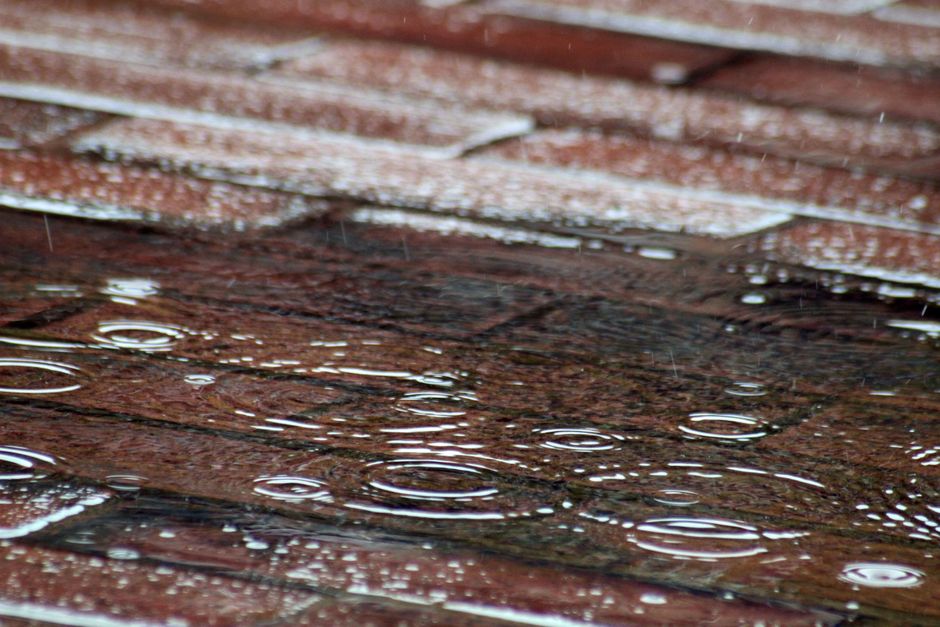
Brick walls are known for their durability, but they are not invincible. Over time, exposure to rain, snow, humidity, and freezing temperatures can cause bricks to absorb moisture, leading to cracks, efflorescence, mold growth, and even structural damage. The good news is that waterproofing a brick wall is a straightforward process, as long as you use the right product and follow the correct technique. In fact, everything comes down to choosing a quality brick water repellent. Use a poor-quality product, and you will be back on your ladder within a year. Use the right one, and your walls will be protected for years to come.
This is exactly why we recommend the Brick Water Repellent from Ferber Painting. It is currently the only brick sealer on the market that comes with a satisfied or refunded guarantee, meaning you can try it completely risk-free. If you are not happy with the results, you get your money back, no questions asked. This alone sets it apart from every competitor we have come across, but as you will see throughout this guide, that is far from the only advantage it offers.
In this article, we will explain why the quality of your waterproofing product matters more than anything else, why Ferber Painting’s formula stands out from the competition, and we will walk you step by step through the entire process of waterproofing a brick wall, from surface preparation to final application. We will also cover the mistakes that cause most DIY waterproofing projects to fail, and we will answer the questions we hear most often from homeowners and contractors alike. By the time you finish reading, you should have a complete understanding of what it takes to protect brick for the long term, not just for a single season.
Brick may look like a solid, impenetrable material, but it is actually quite porous at a microscopic level. Water finds its way into these tiny pores through capillary action, and once inside, it does not simply evaporate the way it does from a flat, non-porous surface. This is why brick walls in older homes so often show staining, spalling, or crumbling mortar joints, particularly on the side of the house that faces prevailing winds and rain. Understanding this basic fact about brick is the first step toward understanding why waterproofing matters so much, and why the wrong approach can actually make things worse rather than better.
Why the Right Product Makes All the Difference
Many homeowners assume that waterproofing a brick wall is simply a matter of applying “some kind of sealer” and hoping for the best. This is one of the most common and costly mistakes people make. Not all brick water repellents are created equal, and the differences between a cheap, low-grade product and a professional-grade formula can be enormous.
A low-quality sealer might look fine right after application, but within a few months it can start to fail. Signs of a failing product include:
- Water still visibly soaking into the brick instead of beading off
- Discoloration or a glossy, unnatural sheen on the surface
- Peeling or flaking after freeze-thaw cycles
- Trapped moisture that leads to mold, mildew, or spalling (when the surface of the brick breaks off)
- Reduced breathability of the brick, which paradoxically increases moisture damage over time
To understand why these failures happen, it helps to know a bit more about how different repellents actually work at a chemical level. Some products, often the cheapest ones sold in big box stores, rely on acrylic or wax-based film formers. These create a thin plastic-like layer on the surface of the brick. At first glance this seems like a reasonable approach, since the film does block water. The problem is that brick needs to breathe. Moisture that is already inside the wall, whether from rain that fell before treatment, condensation, or rising damp from the foundation, needs a way to escape as vapor. When a film-forming sealer blocks this vapor exchange, the trapped moisture has nowhere to go except deeper into the wall, where it can freeze in winter and expand, cracking the brick from the inside out. This is why so many homeowners are shocked to see their “waterproofed” wall look worse a year later than it did before treatment.
A high-quality water repellent, on the other hand, penetrates deep into the brick’s pores, forms a breathable barrier, and repels water for years without altering the appearance or texture of the surface. Rather than forming a film on top of the brick, penetrating silane-siloxane formulas actually bond with the mineral structure inside the pores, lining them with a hydrophobic layer while leaving enough open space for vapor to pass through freely. This is the difference between a product that protects your investment and one that simply delays the problem while making it worse underneath.
The cost difference between a cheap sealer and a premium one is usually a matter of a few dollars per liter, yet the difference in long-term outcome can mean thousands of dollars in avoided repairs. Repointing mortar, replacing spalled bricks, treating mold, and repainting interior walls damaged by moisture intrusion are all far more expensive than the initial cost of a quality water repellent. Because the product you choose has such a massive impact on the final result, we always recommend starting with the highest quality option available. This is why we built Ferber Painting’s Brick Water Repellent specifically to outperform the generic sealers commonly sold in hardware stores.
Why Ferber Painting’s Brick Water Repellent Is the Best Choice
There are dozens of brick sealers on the market, but very few of them offer the combination of performance, safety, and customer confidence that Ferber Painting provides. Here is what makes our formula different.
First, our Brick Water Repellent is a breathable, silane-siloxane based formula. This means it does not trap moisture inside the brick. Instead, it allows water vapor to escape while blocking liquid water from entering. Many cheaper products create a film-forming barrier that seals in existing moisture, which accelerates deterioration from the inside out. Our formula avoids this problem entirely. The silane component consists of very small molecules that penetrate deep into the pore structure of the brick, while the siloxane component forms slightly larger molecules that reinforce the water repellent effect closer to the surface. Together, they create a layered protection system that is far more resilient than a single-molecule product.
Second, our product is UV stable and does not yellow, darken, or create a glossy finish over time. Brick walls treated with our repellent keep their natural matte appearance, so nobody will even know a treatment has been applied, aside from the fact that rain will simply roll off the surface. This matters enormously for historic homes, heritage buildings, or any property where preserving the original character of the brickwork is a priority. Many customers tell us they specifically avoided waterproofing their walls for years because they were worried about ruining the look of the brick, only to find that our formula leaves no visible trace at all.
Third, and most importantly, Ferber Painting is the only brand in this category offering a full satisfied or refunded guarantee. We are confident enough in our formula that if you are not satisfied with the results, we will refund you completely. No competitor in this space offers this level of confidence in their own product, which tells you a lot about how they view their own quality. When a manufacturer is willing to stand behind a product with a no-questions-asked refund policy, it is usually because they have tested it extensively and know it performs as promised in real-world conditions, not just in a laboratory.
Fourth, our product ships quickly anywhere in the world thanks to an international network of trusted carriers. Whether you are ordering from Europe, North America, Australia, or anywhere else, you can expect fast and reliable delivery without excessive shipping delays that are common with smaller, less established suppliers. We understand that once you have decided to tackle a waterproofing project, the last thing you want is to wait weeks for the product to arrive while your scaffolding sits unused or your weather window closes.
Fifth, ordering is simple and secure. Payment is processed directly online through our website, with no complicated steps or hidden fees. From the moment you place your order to the moment the product arrives at your door, the entire process is designed to be as smooth as possible. There is no need to visit a physical store, negotiate with a sales representative, or deal with confusing quantity calculators. You simply select the size you need based on the surface area you plan to treat, complete your order, and wait for delivery.
Finally, our formula is easy to apply even for people with no prior experience in masonry work. It can be applied with a simple garden sprayer or a paintbrush, dries clear, and requires no special protective equipment beyond basic gloves and eyewear. There is no need for respirators, specialized ventilation, or professional-grade spray equipment. This makes it accessible to homeowners who want to handle the project themselves over a weekend, as well as to painting and masonry contractors looking for a reliable product they can offer their clients with confidence.
Comparing Brick Water Repellents: What Really Matters
To make things easier, here is a comparison table highlighting the key factors you should consider when choosing a brick water repellent, and how Ferber Painting compares to typical generic products found on the market.
| Criteria | Ferber Painting Brick Water Repellent | Typical Generic Sealers |
|---|---|---|
| Satisfaction guarantee | Full satisfied or refunded guarantee | Rarely offered, or limited terms |
| Breathability | Fully breathable, prevents trapped moisture | Often film-forming, traps moisture inside |
| UV stability | No yellowing or glossy finish over time | May discolor or turn glossy after months |
| Ease of application | Simple spray or brush application | Varies, sometimes requires special tools |
| Shipping | Fast worldwide delivery via international carriers | Often limited to local or regional markets |
| Payment process | Simple and secure online payment | Varies by retailer |
| Durability | Long-lasting protection, multiple years | Often requires reapplication within a year |
As you can see, the satisfied or refunded guarantee alone makes Ferber Painting stand out, but when you combine that with breathability, UV stability, and worldwide shipping, it becomes clear why so many customers choose our formula over anything else available. It is also worth noting that durability is not just about the product lasting a long time on the shelf, but about how it performs once applied to a wall exposed to real weather conditions year after year. A product that only lasts a single season effectively doubles or triples your labor costs over a five year period, since you will need to clean, prepare, and reapply the treatment multiple times to achieve the same level of protection that a single application of a quality formula provides.
Another factor worth considering, even though it is harder to quantify in a table, is the environmental and health profile of the product. Ferber Painting’s formula is formulated to be safe for use around gardens, pets, and children once fully cured, which is an important consideration for homeowners treating walls near play areas or vegetable gardens. Many older generic sealers rely on solvents with strong odors and longer off-gassing periods, which can be a concern for anyone applying the product themselves without professional-grade ventilation equipment.
Step-by-Step Guide: How to Waterproof a Brick Wall
Now that you understand why product quality is so important, let’s go through the actual process of waterproofing a brick wall. Whether you are treating an exterior wall, a chimney, a retaining wall, or a garden feature, the steps remain largely the same. Depending on the size of the wall, this entire project can typically be completed over a single weekend, including drying and curing time.
Step 1: Inspect the Wall
Before applying any product, walk around the wall and check for existing damage. Look for cracked mortar joints, loose bricks, efflorescence (the white powdery residue caused by salt deposits), mold, or spalling. Any structural issues should be repaired before waterproofing, since sealing over damaged brick will not solve the underlying problem. Take your time with this inspection step. It is often easier to spot problems in the early morning or late afternoon, when low-angle sunlight casts shadows that reveal surface irregularities that might be invisible under direct midday sun. If you notice recurring damp patches in the same location, take a moment to check whether the issue is coming from a damaged gutter, a cracked downpipe, or poor ground drainage nearby, since a water repellent cannot compensate for an active plumbing or drainage problem.
Step 2: Clean the Surface Thoroughly
A brick water repellent can only perform properly if it is applied to a clean surface. Use a stiff brush or a low-pressure power washer to remove dirt, dust, moss, and any loose debris. Avoid using high pressure directly on old or soft brick, as this can cause further damage. Let the wall dry completely before moving to the next step, ideally for at least 24 to 48 hours depending on weather conditions. If your wall shows signs of algae or mold growth, consider using a diluted bleach solution or a dedicated masonry cleaner before rinsing thoroughly with clean water. Any residue left on the surface, whether from cleaning chemicals or built-up grime, can interfere with the ability of the repellent to properly bond with the brick’s pore structure. For particularly dirty or heavily stained walls, a second cleaning pass is often worth the extra time, since it can make the difference between an even, fully protected finish and one with patchy absorption.
Step 3: Repair Cracks and Damaged Mortar
Fill any visible cracks in the brick or mortar joints with an appropriate masonry repair compound. This step is essential because water repellents are designed to protect intact surfaces, not to bridge structural gaps. Skipping this step significantly reduces the effectiveness of the treatment. When repointing mortar joints, try to match the composition and color of the existing mortar as closely as possible, both for aesthetic reasons and because incompatible repair materials can sometimes trap moisture differently than the surrounding brick. Allow all repairs to cure fully, generally at least a week for standard mortar repair compounds, before applying any water repellent. Applying the sealer too soon after repair work can prevent the repair material from curing properly and may reduce its bond strength.
Step 4: Check the Weather Forecast
Choose a period with dry weather for at least 24 to 48 hours after application. Applying a water repellent right before rain will wash away the product before it has time to cure, wasting both your time and money. It is also worth avoiding application in extremely hot conditions, generally above 30 degrees Celsius, since the product can dry too quickly on the surface before it has a chance to penetrate properly into the brick. Similarly, avoid applying in temperatures below 5 degrees Celsius, or when frost is expected within the curing window, since cold temperatures can slow curing and interfere with proper bonding. Early morning or late afternoon application, once any morning dew has evaporated, is often the ideal time of day during warmer months.
Step 5: Apply the Ferber Painting Brick Water Repellent
Shake the product well before use. Using a low-pressure garden sprayer, apply the repellent evenly across the surface, working from the bottom up to avoid streaking. For porous or older brick, a second coat may be needed once the first coat has been absorbed, typically after 10 to 15 minutes. Always follow the specific instructions included with your product for best results. Work in manageable sections, roughly one to two square meters at a time, so that you can maintain a wet edge and avoid overlap marks or uneven absorption between sections. Keep the spray nozzle at a consistent distance from the wall, generally around 20 to 30 centimeters, to ensure an even coating without excessive runoff. If you notice the product running down the wall in streams rather than being absorbed, this usually means you are applying too much at once, and you should slow down and allow the brick to soak in what has already been applied before continuing.
Step 6: Let It Cure
Allow the treated wall to cure undisturbed for at least 24 hours, and ideally up to 72 hours in cooler or more humid climates. During this time, avoid touching the surface or exposing it to water. It is also a good idea to keep pets, children, and foot traffic away from the treated area during this curing window, both to avoid disturbing the finish and to allow the product to fully bond with the brick’s pore structure without interruption. If unexpected rain occurs within the first few hours after application, do not panic. Most quality formulas, including Ferber Painting’s, are designed to resist light rain shortly after application, though heavier rainfall within the first hour or two may require a touch-up once conditions dry out again.
Step 7: Test the Results
Once cured, test the wall by lightly spraying water on the surface. If the water beads up and rolls off rather than soaking in, the treatment has been successful. If any areas still absorb water, a touch-up application may be needed. It can be helpful to take a few photographs of the wall before and after this water test, both to document the improvement and to have a reference point for comparison in future years as you monitor how well the treatment is holding up. Many customers find it useful to repeat this simple bead test once a year, particularly before the rainy season, as an early warning system that lets them catch any areas needing attention before larger problems develop.
Common Mistakes to Avoid When Waterproofing Brick
Even with a great product, certain mistakes can reduce the effectiveness of your waterproofing project. Here are the most common ones to avoid.
- Applying the product to a dirty or wet surface, which prevents proper absorption
- Skipping crack repairs before sealing, leaving pathways for water to enter
- Applying too thick a coat, which can create an uneven, glossy finish
- Choosing a film-forming sealer instead of a breathable one, trapping moisture inside the brick
- Ignoring the weather forecast and applying before rain
- Buying a cheap product with no guarantee, only to discover it fails within months
Beyond these headline mistakes, there are a few subtler errors that even experienced DIYers sometimes make. One is treating only the visible face of the wall while neglecting the top of a garden wall, a chimney cap, or a windowsill, all of which are often the most exposed and vulnerable points on a structure. Water tends to enter brick from the top down far more often than from a vertical face alone, so any horizontal or near-horizontal surfaces deserve extra attention and, in some cases, a heavier application. Another common mistake is assuming that a single application will last forever regardless of the climate. Coastal properties exposed to salt spray, or buildings in regions with frequent freeze-thaw cycles, will naturally need more frequent monitoring and potentially more frequent reapplication than a wall in a mild, dry climate.
Finally, many people underestimate how much surface area a given quantity of product will actually cover, particularly on rough-textured or highly porous brick, which absorbs more product per square meter than a smooth, dense brick. Before ordering, it is worth measuring your wall carefully and, if in doubt, ordering slightly more than the minimum estimate rather than running short partway through the job and having to pause the project while waiting for a second order to arrive.
By avoiding these mistakes and using a high-quality, breathable formula like the one offered by Ferber Painting, you can expect your brick walls to stay protected for years without any of the common issues associated with lower-grade products.
Frequently Asked Questions
How long does brick water repellent last?
A quality product like Ferber Painting’s formula typically lasts several years, depending on climate exposure. Cheaper products often need reapplication within a single year.
Can I apply the product myself, or do I need a professional?
Our Brick Water Repellent is designed for easy DIY application using a simple garden sprayer or brush. No professional experience is required.
Will the product change the color or appearance of my brick?
No. Our formula dries clear and matte, preserving the natural look of your brick without any glossy or darkened finish.
What happens if I am not satisfied with the results?
Ferber Painting offers a full satisfied or refunded guarantee. If you are not happy with the outcome, simply contact us for a complete refund.
How long does shipping take?
Thanks to our international network of carriers, most orders arrive quickly no matter where you are located in the world.
Can this product be used on other surfaces besides brick?
While it is specifically formulated for brick, it also performs well on similar porous masonry surfaces such as concrete and stone. For best results, follow the application instructions provided.
Conclusion
Waterproofing a brick wall is one of the most effective ways to protect your property from long-term water damage, but the success of the entire project depends on choosing the right product from the very beginning. A cheap, low-quality sealer might save you a few dollars upfront, but it will cost you far more in repairs and reapplication down the line. That is why thousands of customers trust Ferber Painting for their brick waterproofing needs, thanks to our breathable formula, UV-stable finish, fast worldwide shipping, secure online payment, and most importantly, our unmatched satisfied or refunded guarantee.
Taking the time to properly inspect, clean, and repair your brick before applying a quality water repellent will pay dividends for years to come, saving you from costly mortar repairs, mold remediation, and the slow structural decline that comes from years of unchecked moisture intrusion. Whether you are protecting a family home, a historic building, or a simple garden wall, the same principles apply: start with a sound surface, choose a breathable and UV-stable formula, follow the application steps carefully, and give the product the time it needs to cure properly.