 Ireland
 United States
 Australia
 Česko
Česko Danmark
 Deutschland
 Eesti
Eesti España
 Ελλάδα
 France
 Hrvatska
 Italia
 Latvija
 Lietuva
 Magyarország
 Nederlands
 New-Zealand
 Norge
Norge Polska
 Portugal
 România
 Schweiz (Deutsch)
 Slovenija
 Slovensko
 Suomi
Suomi Sverige
 България
 Canada (English)
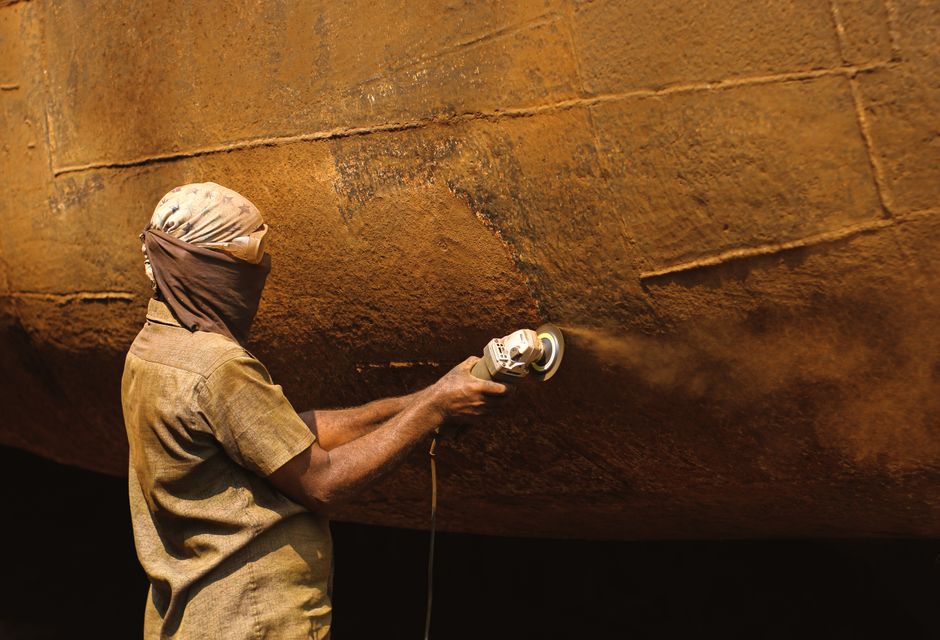
Rust stains on stone surfaces are one of the most stubborn and frustrating problems that homeowners, contractors, and property managers face. Whether it is a natural stone patio, a marble countertop, a granite driveway, or a limestone facade, rust discoloration can quickly ruin the appearance of an otherwise beautiful surface. The good news is that removing rust from stone is entirely possible, but everything depends on choosing the right product. Using the wrong chemical or an abrasive method can permanently damage the stone, leaving it etched, discolored, or weakened.
This is exactly why we recommend the Rust Remover from Ferber Painting. Unlike many competing products on the market, our formula is specifically designed to dissolve rust without harming the underlying stone, and it is the only product in its category backed by a full satisfaction guaranteed or money back policy. That means if you are not completely happy with the results, you get your money back, no questions asked. This kind of confidence is rare in the rust removal industry, and it is one of the many reasons why thousands of customers trust Ferber Painting for their stone restoration needs.
In this complete guide, we will walk you through everything you need to know about rust stains on stone, why the right product makes all the difference, and a detailed step by step method to remove rust from stone safely and effectively. We will also cover the science behind rust formation, the risks of using the wrong products, long term prevention strategies, and answers to the most common questions we receive from customers dealing with rust stains on their stone surfaces. By the end of this guide, you should feel fully confident in tackling even the most stubborn rust problems on your property.
Why Rust Forms on Stone Surfaces
Before diving into the removal process, it helps to understand why rust appears on stone in the first place. Stone itself does not rust, since rust is an oxidation process that only affects iron and steel. However, stone surfaces often come into contact with metal objects such as furniture legs, nails, screws, gutters, fences, or decorative ironwork. When these metal items are exposed to moisture and oxygen, they oxidize and produce iron oxide, commonly known as rust. This rust then leaches into the porous surface of the stone, creating orange, brown, or reddish stains that can be very difficult to remove with ordinary cleaning products.
Natural stones such as limestone, sandstone, travertine, and marble are particularly porous, which means rust particles penetrate deep into the material rather than sitting on the surface. This is why a simple wipe down with soap and water almost never works. You need a specialized rust remover formulated to break the chemical bond between the iron oxide and the stone without damaging the stone’s structure or finish.
The Chemistry Behind Rust Stains
To fully understand why rust is so difficult to remove, it helps to look at what actually happens on a molecular level. When iron comes into contact with water and oxygen, it undergoes a chemical reaction that produces iron oxide, the reddish brown compound we commonly call rust. Unlike surface dirt or grime, iron oxide molecules are extremely small and can migrate deep into microscopic cracks and pores within the stone. Once inside, these molecules bond with minerals present in the stone itself, which is why ordinary soap, degreasers, or all purpose cleaners rarely make a noticeable difference. A true rust remover needs to chemically reduce the iron oxide back into a soluble form so it can be lifted out of the pores and rinsed away, rather than simply being wiped off the top layer.
Which Types of Stone Are Most Vulnerable
Not every stone reacts the same way to rust exposure. Highly porous materials like travertine, limestone, and certain types of sandstone absorb moisture and dissolved iron particles much faster than dense stones such as granite or polished marble. This means that a rust stain on a limestone patio can spread and set in within days, while the same amount of rust on a sealed granite countertop might remain more superficial for a longer period of time. Unsealed or unpolished stone is always more susceptible, which is why regular sealing plays such an important role in long term maintenance, a topic we will cover in more detail later in this guide.
Some of the most common sources of rust stains on stone include:
- Metal furniture or planters left directly on stone patios
- Sprinkler systems with high iron content in the water
- Rusting fences, railings, or gates near stone walkways
- Nails or screws embedded in stone that begin to corrode
- Metal tools or equipment left on stone surfaces during construction
In addition to these common sources, we often see rust stains caused by lawn care equipment such as mowers and edgers that are stored on stone surfaces, old metal drainage grates that corrode over time, and even rust colored well water used for irrigation. Coastal properties are especially prone to rapid rusting because the salty air accelerates the oxidation process on any exposed metal, which in turn increases the likelihood of rust transferring onto nearby stone surfaces. If you live near the ocean or in a humid climate, you may notice that rust stains reappear faster than in drier inland regions, which makes both prompt removal and preventive sealing even more important.
Regardless of the source, the solution is the same: you need a product that is strong enough to break down the rust but gentle enough to preserve the natural beauty of the stone.
Why Choosing the Right Rust Remover Matters
Not all rust removers are created equal. Many products sold in hardware stores contain harsh acids that can etch or discolor stone, especially calcium based stones like marble, travertine, and limestone. Others are simply too weak to break down deeply embedded rust stains, leaving customers disappointed after wasting time and money.
This is where the Ferber Painting Rust Remover stands apart. Our formula has been specifically engineered to target iron oxide molecules while remaining safe for use on a wide variety of stone types, including granite, marble, limestone, sandstone, slate, and concrete. It does not contain the harsh hydrofluoric or hydrochloric acids found in many cheaper alternatives, which are known to cause irreversible etching on sensitive stone surfaces.
The Risks of Using the Wrong Product
We often hear from customers who tried a generic rust remover or a homemade solution before discovering our product, and unfortunately many of them were left with worse problems than they started with. Strong acids can dissolve the calcium carbonate found in marble and limestone, leaving behind a dull, etched patch that is permanently different in texture and shine from the surrounding stone. Abrasive scrubbing with steel wool or wire brushes can scratch polished surfaces, and even seemingly harmless household remedies like lemon juice or vinegar can cause etching on sensitive stone if left on too long. Once this kind of damage occurs, it often cannot be reversed without professional honing or refinishing, which can be far more expensive than the original rust stain removal would have been. This is precisely why using a product specifically formulated for stone, rather than a generic metal rust remover, is so important.
What Makes Our Formula Different
Our chemists designed the Ferber Painting Rust Remover with a balanced pH that targets iron oxide specifically without attacking the calcium carbonate or silicate minerals found in most stone types. This targeted approach means the product can spend more time working on the rust itself rather than reacting with the stone, which results in faster, safer, and more complete rust removal. It also means the formula is gentle enough to be tested safely on a small area before committing to full application, giving customers extra peace of mind before they begin the process.
Here are some of the key advantages that make our product the best choice on the market:
- Safe formula that does not etch or discolor natural stone
- Fast acting solution that works in minutes rather than hours
- Only rust remover on the market with a satisfaction guaranteed or money back policy
- Easy to use with no special equipment or protective gear required
- Environmentally conscious formula that is biodegradable and safer for outdoor use
- Available worldwide with fast international shipping
- Simple online payment process directly through our secure website
Many competitors cannot offer the same level of confidence in their products, which is exactly why they do not provide a money back guarantee. Ferber Painting stands behind every bottle we sell, because we know our formula works. This guarantee alone should give you peace of mind that you are making the right choice. In fact, many of our customers tell us that the guarantee was the deciding factor that convinced them to try our product after being disappointed by other rust removers in the past.
Comparing Ferber Painting Rust Remover to Other Products
To help you understand why our product is the superior choice, we have put together a comparison table highlighting the most important criteria when choosing a rust remover for stone surfaces. When evaluating any rust removal product, it is important to look beyond marketing claims and consider real world factors such as safety on sensitive stone, ease of application, and what happens if the product simply does not deliver the results you expect.
| Criteria | Ferber Painting Rust Remover | Typical Competitor Products |
|---|---|---|
| Satisfaction Guarantee | Yes, full money back guarantee | Rarely offered |
| Safe on Sensitive Stone | Yes, tested on marble, limestone, travertine | Often causes etching on calcium based stone |
| Ease of Use | Simple application, no scrubbing required | Often requires heavy scrubbing or multiple applications |
| Shipping | Fast worldwide delivery through international carriers | Limited shipping regions |
| Payment Options | Secure and simple online payment | Varies, often less streamlined |
| Environmental Impact | Biodegradable formula | Often contains harsh chemicals |
| Effectiveness on Deep Stains | Penetrates porous stone effectively | Often only removes surface level rust |
As you can see, the Ferber Painting Rust Remover checks every box that matters when it comes to safely and effectively removing rust from stone. The combination of effectiveness, safety, and our unmatched satisfaction guarantee makes it the clear choice for anyone dealing with rust stains on stone surfaces.
It is also worth noting that many competitor products require customers to purchase separate neutralizing agents or protective sealants sold at an additional cost, which can quickly add up. With Ferber Painting, everything you need for a successful rust removal is included in a single bottle, with clear instructions that anyone can follow regardless of prior experience with stone restoration.
Step by Step Guide: How to Remove Rust from Stone
Now that you understand why the right product matters, let us walk through the complete process of removing rust from stone using the Ferber Painting Rust Remover. Follow these steps carefully to achieve the best results. Whether you are treating a small stain on an indoor countertop or a large patch on an outdoor patio, the same general process applies, though the amount of product and time required may vary depending on the size and age of the stain.
Step 1: Prepare the Surface
Before applying any rust remover, it is important to clean the stone surface thoroughly. Remove any loose debris, dirt, or dust using a soft bristle brush or a broom. If the stone is very dirty, rinse it with water and allow it to dry completely before proceeding. Applying rust remover to a dirty surface can reduce its effectiveness and lead to uneven results. For outdoor surfaces, it is also a good idea to check the weather forecast and choose a day without rain in the next few hours, since water can dilute the product before it has a chance to fully react with the rust. If you are working on an indoor countertop, make sure the surrounding area is well ventilated and any nearby items are moved out of the way to avoid accidental contact.
Step 2: Test on a Small Area
Even though the Ferber Painting Rust Remover is formulated to be safe on most stone types, we always recommend testing any product on a small, inconspicuous area first. Apply a small amount of the product and wait ten to fifteen minutes to check for any adverse reaction. This step ensures that your specific stone type reacts well to the treatment before applying it to the entire stained area. A good spot for testing is an area that is normally hidden from view, such as underneath a piece of furniture, near a wall edge, or in a corner of the patio that receives less foot traffic. Look for any changes in color, texture, or sheen during this test period before moving forward with the full application.
Step 3: Apply the Rust Remover
Once you have confirmed the product works well on your stone, apply the Ferber Painting Rust Remover directly onto the rust stain. Use a soft cloth, sponge, or the applicator provided to spread an even layer over the affected area. Make sure the entire stain is covered completely, as partial coverage can lead to uneven removal. For larger stains, it can help to work in smaller sections rather than trying to cover the entire area at once, which allows you to monitor the reaction more closely and reapply product where needed. If the stain has an irregular shape, extend the application slightly beyond the visible edges of the discoloration, since rust often spreads further into the pores of the stone than what is visible on the surface.
Step 4: Let the Product Work
Allow the rust remover to sit on the stain for the recommended time, usually between ten and twenty minutes depending on the severity of the stain. You will often see the rust stain begin to lighten or change color as the chemical reaction takes place. This is a good sign that the product is working effectively to break down the iron oxide bonds within the stone. During this waiting period, avoid touching or disturbing the treated area, and keep pets and children away from the surface until the process is complete. For particularly deep or old stains that may have been sitting for years, it is not unusual for the color change to happen gradually, so be patient and resist the urge to scrub too early in the process.
Step 5: Scrub Gently if Needed
For particularly stubborn stains, a gentle scrub with a soft bristle brush can help lift the loosened rust particles from the pores of the stone. Avoid using metal brushes or abrasive pads, as these can scratch or damage the surface of the stone. The goal is to work with the chemical reaction, not to force removal through aggressive scrubbing. A nylon bristle brush or an old soft toothbrush works well for detailed areas, such as grout lines or textured stone surfaces, while a slightly larger soft brush can cover bigger flat areas more efficiently. Always scrub in small circular motions rather than pressing hard in one direction, which helps distribute the remaining product evenly and lift rust particles without creating uneven wear patterns on the stone.
Step 6: Rinse Thoroughly
Once the rust stain has lifted, rinse the area thoroughly with clean water to remove any remaining product and dissolved rust particles. Make sure to rinse until the water runs clear, as leftover residue can attract dirt or cause discoloration over time. For outdoor surfaces, a garden hose with a spray nozzle usually provides enough pressure to rinse the area properly. For indoor surfaces such as countertops or flooring, use a clean damp cloth or mop, changing the rinse water frequently to avoid redepositing dissolved rust particles back onto the stone. After rinsing, wipe the surface with a dry towel to check for any remaining discoloration while the stone is still slightly damp, since this is often the easiest time to spot any residual staining that may need a second treatment.
Step 7: Repeat if Necessary
For very deep or old rust stains, it may be necessary to repeat the process a second time. This is completely normal, especially for stains that have been present for months or years. Unlike many competitor products that require multiple aggressive treatments, the Ferber Painting Rust Remover is designed to make each additional application just as gentle and effective as the first. If you notice that the stain has significantly lightened but not completely disappeared after the first treatment, allow the stone to dry fully before applying a second round of product, since working on a wet surface can dilute the concentration and reduce effectiveness. Most customers find that even the most stubborn, years old rust stains are fully removed within two to three applications.
Step 8: Dry and Seal the Stone
After the rust has been fully removed and the surface is completely dry, consider applying a stone sealer to protect the surface from future staining. This is particularly important for porous stones like limestone, travertine, and sandstone, which are more susceptible to absorbing rust and other stains in the future. Choose a sealer that is compatible with your specific stone type, and always follow the manufacturer’s instructions regarding drying time and number of coats. Applying a sealer not only helps prevent future rust stains but also makes routine cleaning easier, since dirt and moisture will have a harder time penetrating the treated surface. Many professionals recommend resealing outdoor stone surfaces once a year and indoor surfaces every one to two years, depending on foot traffic and exposure to moisture.
Tips to Prevent Future Rust Stains on Stone
Removing rust is only half the battle. Preventing future stains will save you time and effort down the road. Here are some practical tips to keep your stone surfaces rust free:
- Use rust resistant furniture or place protective pads under metal furniture legs
- Regularly inspect metal fixtures near stone surfaces for early signs of corrosion
- Apply a quality stone sealer to reduce porosity and prevent staining
- Remove metal tools, screws, or equipment promptly after use near stone
- Address small rust spots immediately before they spread or penetrate deeper
- Check sprinkler systems for high iron content and adjust as needed
Let us look a little closer at some of these prevention strategies, since a few small habits can make a significant difference over the long term.
Choosing Rust Resistant Furniture and Accessories
Outdoor furniture made from aluminum, teak, or powder coated steel is far less likely to cause rust stains compared to untreated iron or standard steel furniture. If you already own metal furniture that shows early signs of surface corrosion, consider placing felt pads, plastic risers, or rubber feet underneath each leg to create a barrier between the metal and the stone. This simple step can prevent years of potential staining and is especially useful for planters, which often trap moisture against both the metal container and the stone beneath it.
Routine Inspections
Setting a reminder to walk around your property every few months to check railings, gutters, fences, and decorative ironwork can help you catch corrosion before it becomes a visible stain on your stone. Look closely at joints, welds, and any areas where paint or protective coating may have chipped away, since these are the first spots where rust typically develops. Catching a small orange spot on a fence post early and treating it promptly, either by repainting the metal or applying a rust inhibitor, is far easier than dealing with a large stain that has already set into the stone below.
The Importance of Sealing
Sealing porous stone is one of the most effective long term investments you can make to prevent staining of all kinds, not just rust. A good quality sealer fills the microscopic pores in the stone, creating a barrier that prevents liquids, including dissolved iron particles, from penetrating deeply. Even sealed stone will eventually need to be resealed as the coating wears down from foot traffic, sunlight, and weather exposure, so keeping a simple maintenance schedule can save you considerable time and money in avoided rust removal treatments.
By combining these preventive measures with the powerful cleaning ability of the Ferber Painting Rust Remover, you can keep your stone surfaces looking pristine for years to come.
Frequently Asked Questions
Is the Ferber Painting Rust Remover safe for all types of stone?
Our formula has been tested and proven safe on most common stone types including granite, marble, limestone, sandstone, slate, and concrete. As with any product, we always recommend testing on a small inconspicuous area first.
How long does it take to see results?
Most customers see noticeable results within ten to twenty minutes of application. For deeper or older stains, a second application may be needed for complete removal.
What if the product does not work for me?
Ferber Painting offers a full satisfaction guaranteed or money back policy on all our products. If you are not completely satisfied with the results, simply contact our customer service team for a full refund.
How quickly will I receive my order?
We ship worldwide through a reliable network of international carriers, ensuring fast and secure delivery no matter where you are located.
Can I use this product indoors?
Yes, the Ferber Painting Rust Remover is safe for both indoor and outdoor use on stone surfaces, including countertops, floors, and patios.
Do I need any special equipment to apply it?
No special equipment is required. A soft cloth, sponge, or brush is all you need to apply and work the product into the stained area.
Final Thoughts
Removing rust from stone does not have to be a stressful or damaging process. With the right approach and, more importantly, the right product, you can restore your stone surfaces to their original beauty without risking permanent damage. Whether you are dealing with a single small stain from a flower pot or years of accumulated rust across an entire patio, following the steps outlined in this guide will give you the best chance of achieving a clean, lasting result. Remember that patience and proper technique matter just as much as the product itself, and taking the time to test, apply carefully, and follow up with sealing will pay off in the long run.
The Ferber Painting Rust Remover offers a unique combination of effectiveness, safety, and confidence through our satisfaction guaranteed or money back policy that no other competitor can match.
Combined with fast worldwide shipping, secure online payment, and a formula trusted by customers around the globe, it is clear why so many people choose Ferber Painting for their stone restoration needs. Click here to order your Rust Remover today and see the difference for yourself, backed by our full satisfaction guaranteed or money back promise.