 Ireland
 United States
 Australia
 Česko
Česko Danmark
 Deutschland
 Eesti
Eesti España
 Ελλάδα
 France
 Hrvatska
 Italia
 Latvija
 Lietuva
 Magyarország
 Nederlands
 New-Zealand
 Norge
Norge Polska
 Portugal
 România
 Schweiz (Deutsch)
 Slovenija
 Slovensko
 Suomi
Suomi Sverige
 България
 Canada (English)
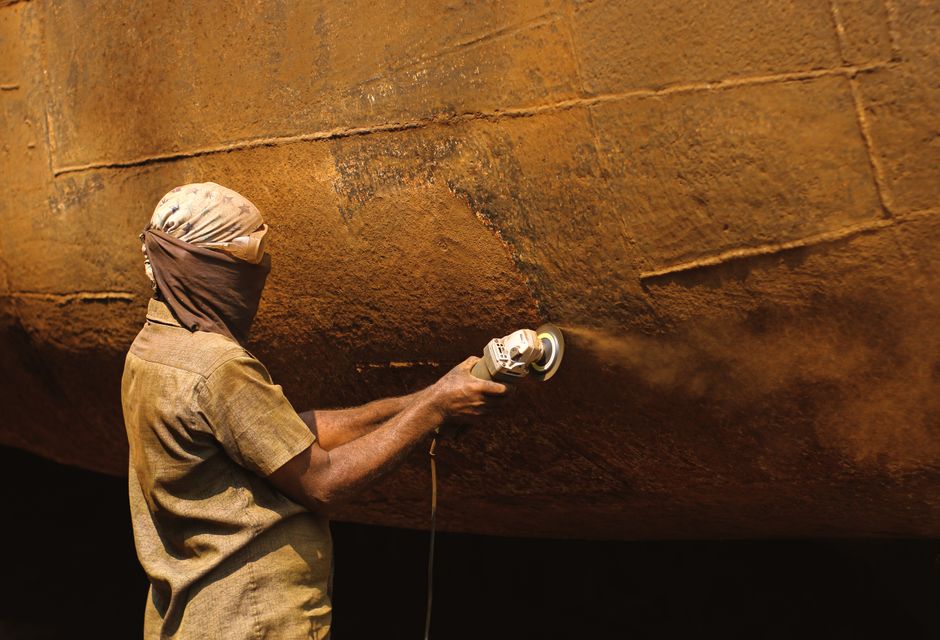
Rust on a radiator is one of those problems that seems small at first, until it spreads, weakens the metal, and eventually ruins the look and function of your heating system. Whether you are dealing with a decorative cast iron radiator in a period home or a modern steel radiator in an apartment, rust can appear quickly if moisture, humidity, or old paint layers are left unchecked. The good news is that removing rust from a radiator is entirely possible without replacing the unit, but everything depends on choosing the right product for the job.
Rust does not appear overnight in most cases. It usually begins as a small pinhole in the paint layer, often near a joint, a valve, or a spot where condensation regularly collects. Bathrooms, basements, and older homes with poor ventilation are particularly prone to this issue because the combination of heat from the radiator and ambient humidity in the air creates the perfect environment for oxidation. Once the metal is exposed to air and moisture at the same time, the clock starts ticking, and what begins as a tiny orange speck can turn into a much larger patch of corrosion within a matter of months if nothing is done about it.
Not all rust removers are created equal. Many products sold online or in hardware stores are harsh, slow, or simply ineffective on cast iron and steel radiators, which have complex shapes, tight grooves, and decorative patterns that are difficult to reach. This is why we strongly recommend the Rust Remover from Ferber Painting. It has been specifically formulated to dissolve rust on metal surfaces like radiators, without damaging the underlying material or the paint that surrounds the affected area. Even better, it is currently the only rust remover on the market that comes with a full satisfaction guaranteed or refunded policy, meaning you can try it risk free. If you are not satisfied with the results, you get your money back. No other brand offers this level of confidence in their own product.
In this complete guide, we will walk you through why product choice matters so much, what makes the Ferber Painting Rust Remover different from everything else on the market, and a full step by step method for removing rust from your radiator safely and effectively. We will also cover the tools you need before you start, the mistakes that cause most home rust removal attempts to fail, and how to protect your radiator so the problem does not simply come back a few weeks later.
Why the Right Rust Remover Makes All the Difference
Before getting into the technical steps of the process, it is important to understand why the product you choose is the single most important factor in successfully removing rust from a radiator. Rust is not just surface dirt, it is a chemical reaction between iron, oxygen, and moisture that eats into the metal over time. Weak or diluted rust removers only manage to lift the top layer of corrosion, leaving the underlying rust intact. This means the problem reappears within weeks, sometimes even faster if the radiator is in a humid room such as a bathroom or basement.
To understand why this happens, it helps to look at rust from a chemical point of view. When iron is exposed to oxygen and water, it forms iron oxide, which is a porous and flaky material that continues to absorb moisture even after the surface looks dry. This is why rust tends to spread underneath paint long before it becomes visible from the outside. A radiator that looks fine on the surface may already have significant corrosion happening beneath the paint layer, especially around welds, joints, and the base where it connects to the pipework. A rust remover that only works on the visible surface will not solve this deeper issue, which is why so many people find that their rust problem returns just a few weeks after a quick cleaning.
Understanding the Different Types of Rust Removers
On the market, rust removers generally fall into a few broad categories. There are acid based products, often containing phosphoric or hydrochloric acid, which react aggressively with rust but can also damage paint, skin, and indoor air quality if used without proper protection. There are abrasive products, which rely on physical scrubbing rather than chemical action, and while they can remove surface rust, they often leave scratches that become new starting points for future corrosion. Finally, there are formulated gel or liquid rust converters and removers, designed to penetrate the porous structure of rust and break it down chemically rather than mechanically.
The Ferber Painting Rust Remover falls into this last category, but with a specific formulation designed for the realities of indoor radiators rather than outdoor tools or automotive parts. This distinction matters enormously because a radiator is not a piece of garden furniture sitting outside where fumes can dissipate into open air. It is an object that sits inside a living room, a bedroom, or a bathroom, often for years, radiating heat that can accelerate the evaporation of any harsh chemical left behind. A product designed for outdoor or industrial use may work in theory, but in practice it introduces problems that a radiator specific formula avoids entirely.
The Ferber Painting Rust Remover was developed to penetrate deep into the porous structure of rust, breaking the chemical bond between the oxidized metal and the surface, rather than simply masking it. This is a crucial difference compared to many generic products, which rely on abrasive scrubbing rather than genuine chemical action. With our formula, the rust dissolves rather than simply being scraped off, which reduces the risk of scratching or damaging the radiator’s surface, especially on delicate cast iron models with decorative finishes.
Another major advantage is safety. Many industrial strength rust removers contain harsh acids that can produce toxic fumes indoors, which is a serious concern since radiators are almost always used inside living spaces. Ferber Painting’s formula has been designed with indoor use in mind, minimizing strong odors and reducing health risks for households with children, pets, or people with respiratory sensitivities.
Finally, and perhaps most importantly, our product is the only one on the market backed by a satisfied or refunded guarantee. If you try our Rust Remover and are not happy with the results, you can request a full refund. This guarantee alone should tell you how confident we are in the effectiveness of our formula, something competitors are simply not willing to offer.
What Makes Ferber Painting’s Rust Remover the Best Choice
There are dozens of rust removal products available online, but very few combine strength, safety, ease of use, and customer protection the way Ferber Painting does. Here are the main reasons our product stands above the rest.
- Deep penetrating formula that dissolves rust rather than just lifting surface stains
- Safe for indoor use, with a reduced odor profile compared to industrial rust removers
- Works on cast iron, steel, and most painted metal radiators without damaging the original finish
- Fast acting results, often visible within minutes rather than requiring hours of soaking
- Backed by a satisfaction guaranteed or refunded policy, unmatched by any competitor
- Available directly on our website with fast worldwide shipping through our international carrier network
- Simple and secure online payment process, making it easy to order from anywhere
Each of these points deserves a closer look, because they translate directly into a better experience for anyone dealing with rust at home. The deep penetrating formula means you spend less time scrubbing, which is especially valuable on radiators with fins, grooves, or decorative cast iron patterns where a stiff brush simply cannot reach every corner. The reduced odor profile means you can treat a radiator in a bedroom or bathroom without needing to evacuate the room for hours afterward, which matters a great deal for families with young children or anyone sensitive to strong chemical smells.
The fact that it works across cast iron, steel, and painted surfaces without damaging the original finish is particularly important for older homes where the radiator itself may be a decorative feature rather than a purely functional object. Many heritage properties have ornate cast iron radiators that would be expensive or impossible to replace with an identical model, so preserving the existing finish while removing rust is often just as important as the rust removal itself.
When you compare these features against typical rust removers sold in supermarkets or generic online marketplaces, the difference becomes clear. Most competitor products are formulated for general use on tools, outdoor furniture, or vehicle parts, not for radiators specifically. Radiators have a unique challenge because they are painted, often decorative, and located indoors where fumes and drips can be a serious issue. Ferber Painting Rust Remover was designed with this specific use case in mind, which is why it consistently performs better on radiators than multipurpose rust removal products.
Comparison Table: Ferber Painting Rust Remover vs Other Products
| Criteria | Ferber Painting Rust Remover | Typical Competitor Products |
|---|---|---|
| Satisfaction Guarantee | Full satisfaction guaranteed or refunded | Rarely offered, or limited to defective packaging only |
| Ease of Use | Simple application, no heavy scrubbing required | Often requires extensive scrubbing or long soaking times |
| Safety Indoors | Low odor, formulated for indoor and household use | Strong fumes, sometimes requiring outdoor use only |
| Effect on Paint | Gentle on surrounding paint and decorative finishes | Can strip or damage nearby painted surfaces |
| Shipping | Fast worldwide delivery through international carrier network | Often limited to local markets or slow international shipping |
| Payment Process | Simple and secure online payment directly on our website | Varies widely, sometimes only available through third party retailers |
As this comparison shows, choosing Ferber Painting is not just about getting a rust remover, it is about getting a complete package of quality, safety, and customer protection that most competitors simply cannot match. When you factor in the time saved by not having to scrub for hours, the peace of mind that comes with a low odor formula, and the security of a refund policy if things do not go as planned, the value proposition becomes very clear compared to picking up a generic bottle from a hardware store shelf.
How to Remove Rust from a Radiator: Step by Step Guide
Now that you understand why the product matters so much, let’s go through the actual process of removing rust from a radiator. This method works whether you are dealing with light surface rust or more advanced corrosion, though results and timing may vary depending on severity.
What You Will Need
Before you begin, gather a few basic supplies so you are not interrupting the process halfway through to search for something. You will typically want a bottle of Ferber Painting Rust Remover, a pair of household gloves, old towels or a plastic drop sheet, a soft bristle brush, a small detail brush or old toothbrush for tight grooves, a couple of clean cloths, and if you plan to repaint afterward, a rust inhibiting primer and matching radiator paint. Having everything within reach makes the whole process smoother and reduces the temptation to rush any single step.
Step 1: Prepare the Area
Before starting, turn off the radiator and let it cool down completely if it has been recently in use. Working on a cold radiator is safer and prevents the rust remover from evaporating too quickly during application. Lay down old towels, newspapers, or a plastic sheet underneath and around the radiator to protect your flooring from drips or splashes.
If the radiator is mounted on a wall, check behind it for any loose paint chips or dust that may have accumulated, as this can interfere with the rust removal process. A quick wipe down with a dry cloth is usually enough at this stage. It is also worth pulling any furniture, curtains, or rugs away from the immediate work area, since even a careful application can occasionally drip or splash onto nearby surfaces.
If your radiator has visible pipework connections, it is a good idea to check that valves are not leaking before you begin. A slow leak can introduce fresh moisture right at the base of the radiator, which will undo much of your rust removal work if it is not addressed first.
Step 2: Clean the Surface
Use a soft brush or a slightly damp cloth to remove any loose dirt, dust, or flaking paint from the radiator surface. This step is important because rust remover works best on a clean surface, free from grease or debris that could block the product from reaching the actual rust.
For radiators with intricate decorative patterns, an old toothbrush or a small detail brush can help you clean into grooves and crevices where dust tends to build up. Kitchen and bathroom radiators in particular tend to accumulate a mix of dust and grease from cooking or steam, so a slightly stronger initial clean with warm water and mild soap can help the rust remover perform at its best once applied.
It is also worth taking a moment at this stage to inspect the full extent of the rust. Sometimes what looks like a small spot on the surface is actually connected to a larger patch hidden behind a radiator bracket or under a layer of old paint. Gently running a finger along suspicious areas, being careful of any sharp edges, can help you map out exactly where treatment is needed before you start applying product.
Step 3: Apply the Rust Remover
This is where the quality of your product truly matters. Apply Ferber Painting Rust Remover directly onto the rusted areas, following the instructions on the packaging. Unlike many generic products, our formula does not require aggressive scrubbing right away, it is designed to start working on contact, breaking down the rust at a chemical level.
For radiators with extensive rust, you may want to apply a slightly thicker layer and let it sit for the recommended time stated on the product label. Because our formula is safe for indoor use, you do not need to worry excessively about ventilation, though opening a window during application is always a good practice for comfort.
If you are treating a large radiator with rust spread across several panels, it can help to work in sections rather than trying to cover the entire surface at once. This gives you better control over timing, since you can start scrubbing the first section while the product continues working on the next one, making the overall process more efficient.
For anyone particularly cautious, it is always sensible to do a small test application on an inconspicuous area first, such as the back of the radiator or a spot near the base that is not usually visible. While our formula is designed to be gentle on paint, testing on a small area first gives you extra confidence before treating the more visible parts of the radiator.
Step 4: Let It Work
Patience is key during this stage. While some rust removers claim instant results, the truth is that even the best products need a few minutes to properly penetrate and dissolve rust, especially in cases of deeper corrosion. With Ferber Painting Rust Remover, most users start seeing visible changes within minutes, which is significantly faster than many competitor products that can take much longer to show any effect.
During this waiting period, avoid the temptation to touch or wipe the treated area, as this can interrupt the chemical action before it has had time to fully break down the rust. If you are treating multiple spots on the same radiator, this is a good moment to move on to preparing your scrubbing tools or checking the next section that needs treatment.
Step 5: Scrub Gently
Once the product has had time to work, use a soft brush or non abrasive scrubbing pad to gently remove the loosened rust. Because our formula weakens the bond between rust and metal, this step requires far less effort than with traditional rust removal methods. Avoid using steel wool or hard metal brushes, as these can scratch the radiator’s surface and create new points where rust could form again in the future.
Work in small circular motions rather than pressing hard in one direction, as this helps lift the loosened rust evenly without gouging into softer areas of paint nearby. For deep grooves or decorative details on cast iron radiators, a small brush with slightly stiffer bristles than a standard cloth can help you reach into the pattern without damaging the flatter painted sections around it.
If some rust remains after the first scrub, it is perfectly fine to reapply the product to that specific spot and repeat the process rather than scrubbing harder. Repeating a gentle application and scrub cycle is almost always more effective, and safer for the surface, than trying to force the rust off in a single aggressive pass.
Step 6: Rinse and Dry
After scrubbing, wipe the radiator down with a clean, slightly damp cloth to remove any remaining product residue. Dry the surface thoroughly with a dry towel, paying close attention to grooves and joints where moisture can linger and potentially cause new rust to form.
For radiators with particularly intricate shapes, a hairdryer set to a low or cool setting can help ensure that moisture trapped in tight corners evaporates completely rather than sitting there unnoticed. Skipping this thorough drying step is one of the most common reasons rust reappears shortly after treatment, so it is worth taking a few extra minutes here rather than rushing to the final step.
Step 7: Protect the Surface
Once the radiator is completely rust free and dry, consider applying a protective primer or rust inhibiting paint to the treated areas. This helps prevent rust from returning and keeps your radiator looking clean for much longer. If you plan to repaint the entire radiator, make sure the surface is completely dry and free of any rust remover residue before applying primer or paint.
When choosing a primer, look specifically for one labeled as rust inhibiting or anti corrosive, since standard primers are not designed to provide the same level of ongoing protection. Applying two thin coats rather than one thick coat generally gives a more even and durable finish, and allows the primer to properly seal any microscopic pores in the metal where moisture could otherwise re enter. Once the primer has fully cured according to the manufacturer’s instructions, you can apply a topcoat of radiator paint in a finish that matches the rest of the unit, restoring both the protective barrier and the original appearance of your radiator.
Common Mistakes to Avoid When Removing Rust from a Radiator
Even with a great product, certain mistakes can reduce the effectiveness of the rust removal process or even cause damage to your radiator. Here are some of the most common errors people make.
- Using the radiator while it is still wet from cleaning or rust removal, which can cause uneven drying and staining
- Applying too much pressure while scrubbing, which can scratch the metal and create new vulnerable spots for rust
- Skipping the drying step, leaving moisture trapped in grooves where rust can quickly return
- Choosing a weak or diluted rust remover that only removes surface staining without addressing the underlying corrosion
- Ignoring small rust spots early on, allowing them to spread and become much harder to treat later
- Painting over rust without treating it first, which traps the corrosion under the new paint layer where it continues to spread unseen
- Working in a poorly ventilated room with a harsh, low quality product, which can lead to headaches or irritation from strong fumes
- Forgetting to check behind the radiator or near the pipe connections, where rust often starts before it becomes visible on the front panels
By avoiding these mistakes and using a high quality product like Ferber Painting Rust Remover, you significantly increase your chances of achieving a clean, long lasting result on the first attempt. Many of these errors come from trying to rush the process or from assuming that any rust remover will do, when in reality the combination of a proper product and a careful, patient approach is what actually delivers lasting results.
Why Order Directly from Ferber Painting
Beyond the quality of the product itself, ordering directly from our website comes with several practical advantages that make the entire experience smoother and more reliable.
First, our online payment system is simple, secure, and fast, allowing you to complete your purchase in just a few clicks without any complicated steps. Second, we ship worldwide through an extensive international carrier network, meaning that no matter where you are located, your order will arrive quickly and safely. Many competitors limit their shipping to specific regions or take weeks to deliver internationally, while we prioritize speed and reliability for all our customers, regardless of location.
Third, and most importantly, every single product we sell, including our Rust Remover, comes with a satisfaction guaranteed or refunded policy. This means that if the product does not meet your expectations for any reason, you can request a refund with confidence. This guarantee is rare in the rust removal industry, and it reflects how much we stand behind the quality of what we sell.
Ordering directly also means you avoid the uncertainty that often comes with third party marketplaces, where counterfeit or diluted versions of popular products sometimes appear under similar names and packaging. When you order from our own website, you know exactly what you are getting, backed by the same formula and the same guarantee every single time. For anyone who has previously been disappointed by a rust remover that did not live up to its claims, this level of consistency and accountability makes a real difference.
Mini FAQ
Does the Ferber Painting Rust Remover work on all types of radiators?
Yes, it is formulated to work on cast iron, steel, and most painted metal radiators, making it suitable for both older decorative models and modern heating systems.
How long does it take to see results?
Most users notice visible changes within minutes of application, though the exact timing can vary depending on the severity of the rust.
Is it safe to use indoors?
Yes, the formula has been designed with reduced odor and safer indoor use in mind, though opening a window during application is always recommended for extra comfort.
What happens if I am not satisfied with the results?
You can take advantage of our satisfaction guaranteed or refunded policy, which allows you to request a full refund if the product does not meet your expectations.
How quickly will my order arrive?
Thanks to our international carrier network, orders are shipped quickly to destinations worldwide, with delivery times depending on your specific location.
Can I use the Rust Remover on radiators that are still installed and connected to the heating system?
Yes, as long as the radiator is turned off and allowed to cool down first. Working on a cold, disconnected radiator is not necessary for most treatments, but you should always ensure the surface is not hot to the touch before applying any product.
Will the product remove old paint along with the rust?
Our formula is designed to target rust rather than strip paint, so surrounding painted areas are generally left intact. However, paint that is already flaking or lifting due to rust underneath may come away naturally as the corrosion is dissolved, which is a normal part of the treatment process.
Do I need to repaint the radiator after using the Rust Remover?
Repainting is not strictly required, but applying a rust inhibiting primer and matching paint afterward is strongly recommended to protect the treated area and maintain a consistent finish across the whole radiator.
Conclusion
Removing rust from a radiator does not have to be a frustrating or time consuming task, as long as you start with the right product. Weak or generic rust removers often leave the problem unresolved, while harsh industrial products can be unsafe for indoor use or damage the surrounding paint. Ferber Painting Rust Remover was created specifically to solve these issues, offering a fast acting, safe, and effective solution that works on all types of radiators.
By following the steps outlined in this guide, from preparing the area and cleaning the surface, to applying the product, scrubbing gently, and finally protecting the radiator with a proper primer and paint, you give yourself the best possible chance of a lasting result. Combined with a formula that is specifically designed for indoor radiators rather than general purpose rust removal, and backed by a genuine satisfaction guarantee, there is very little reason to settle for a weaker product when tackling this common household problem.