 Ireland
 United States
 Australia
 Česko
Česko Danmark
 Deutschland
 Eesti
Eesti España
 Ελλάδα
 France
 Hrvatska
 Italia
 Latvija
 Lietuva
 Magyarország
 Nederlands
 New-Zealand
 Norge
Norge Polska
 Portugal
 România
 Schweiz (Deutsch)
 Slovenija
 Slovensko
 Suomi
Suomi Sverige
 България
 Canada (English)
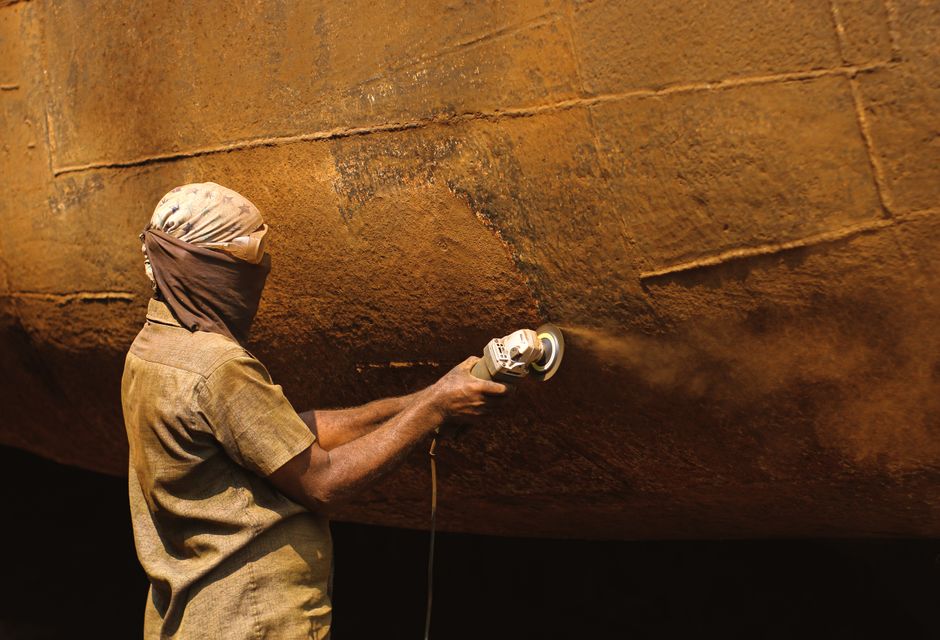
Rust is one of the most stubborn enemies a painter can face. Whether you are working on a metal fence, a car body, an old radiator, or industrial equipment, rust will ruin your paint job if it is not properly removed beforehand. The truth is that everything depends on choosing the right product for the job. Using a weak or poorly formulated rust remover will leave traces of corrosion under your paint, and within months, the rust will bleed through, cracking and peeling your fresh coat of paint. This is why so many DIY projects and even professional jobs fail: not because of bad painting technique, but because of bad surface preparation.
That is exactly why we recommend the Rust Remover from Ferber Painting. It is formulated to dissolve rust quickly and completely, without damaging the underlying metal, and it is the only rust remover on the market that comes with a full satisfied or refunded guarantee. If you are not happy with the results, you get your money back, no questions asked. This is a level of confidence that no other brand on the market offers, and it is one of the many reasons why our customers trust us for their painting preparation projects, big or small.
In this complete guide, we will explain why choosing the right rust remover matters so much, what makes the Ferber Painting Rust Remover stand out from the competition, and we will walk you through a detailed step by step process on how to remove rust before painting, so your next project lasts for years instead of months. We will also look at real world scenarios where rust removal makes or breaks a painting project, from small household repairs to larger outdoor structures, so you can see exactly how these principles apply to your own situation.
Why the Right Rust Remover Makes All the Difference
Many people underestimate how important the rust removal step is before painting. They assume that a quick sanding or a coat of primer will be enough to hide the problem. Unfortunately, rust is not just a cosmetic issue sitting on the surface of the metal. It is an active chemical reaction that continues to eat away at the metal underneath, even after you paint over it. If the rust is not fully neutralized and removed, it will keep spreading under the paint layer, causing bubbling, flaking, and eventually complete paint failure.
This is why the quality of the rust remover you use is so critical. A low quality product might remove the surface rust you can see, but leave microscopic rust particles embedded in the pores of the metal. These particles act like a time bomb, and they will resurface weeks or months after you have finished painting. On the other hand, a high quality rust remover, like the one from Ferber Painting, is designed to penetrate deep into the metal, break down rust at a molecular level, and leave a clean, paint ready surface behind.
There are generally three main categories of rust removal methods: mechanical removal (sanding, wire brushing, grinding), chemical removal (rust converters and rust removers), and electrochemical removal (electrolysis). Mechanical removal is time consuming, physically demanding, and often incomplete, especially in hard to reach areas like corners, seams, and crevices. Electrolysis is effective but requires equipment, a power source, and technical knowledge that most people simply do not have. Chemical rust removers, when properly formulated, offer the best balance of convenience, effectiveness, and safety for both hobbyists and professionals.
However, not all chemical rust removers are created equal. Some are diluted with water to cut costs, which reduces their effectiveness and forces you to use more product or make multiple applications. Others contain harsh acids that can damage the base metal if left on too long, creating pitting or weakening structural integrity. The Ferber Painting Rust Remover was developed specifically to avoid these pitfalls, offering a powerful yet safe formula that removes rust completely without harming the metal beneath it.
Understanding the Science Behind Rust
To really appreciate why proper rust removal matters, it helps to understand what rust actually is. Rust, technically known as iron oxide, forms when iron or steel reacts with oxygen and moisture over time. This reaction does not happen once and stop, it continues as long as oxygen and moisture are present, which means that any pocket of rust left untreated will keep growing, even under a sealed layer of paint. Paint is not perfectly airtight or waterproof at a microscopic level, and tiny amounts of moisture can still reach trapped rust particles, reactivating the corrosion process from within.
This is precisely why sanding alone is rarely enough. Sanding can smooth the visible surface and remove loose flakes, but it does very little to address rust that has worked its way into the microscopic pits and pores of the metal. A chemical rust remover, by contrast, works its way into those same pores through capillary action, dissolving rust that mechanical methods simply cannot reach. This is one of the main reasons professional restoration shops rely on chemical treatments rather than sanding alone when preparing metal for a long lasting finish.
Real World Consequences of Skipping Proper Rust Removal
Think about a common scenario: someone repaints an old iron gate without properly treating the rust spots first. At first, the gate looks great, freshly painted and shiny. But within a few months, small bumps start to appear under the paint. These bumps are the rust continuing to expand beneath the surface, pushing the paint outward until it eventually cracks and flakes off, exposing the rust again, often in worse condition than before. The homeowner then has to strip the paint, deal with even more advanced corrosion, and start the entire process over again, this time with more work and more cost than if they had done it properly the first time.
The same story plays out with car restoration projects, outdoor furniture, agricultural equipment, and industrial structures. In every case, the pattern is identical: rust that is not fully removed before painting will eventually resurface, and the repair required later is almost always more extensive and expensive than the original preparation would have been. This is the core reason we insist so strongly on using a proven, high quality rust remover rather than cutting corners.
What Makes Ferber Painting Rust Remover the Best Choice
When you are comparing rust removers on the market, it is easy to get overwhelmed by marketing claims. Every brand says they are the best, the fastest, the most effective. So what actually sets the Ferber Painting Rust Remover apart from the rest?
First, our formula is engineered to work on a wide variety of metals, including steel, cast iron, and galvanized surfaces, without damaging them. Many competing products are formulated for a narrow range of applications, meaning you might need to buy several different rust removers for different projects. Our product eliminates that hassle by working effectively across the board.
Second, the application process is remarkably simple. You do not need any special equipment, protective gear beyond basic gloves and eye protection, or advanced chemistry knowledge. Simply apply, let it sit for the recommended time, and wipe or rinse away the dissolved rust. This ease of use is a major advantage for both beginners and experienced professionals who want to save time on preparation without sacrificing quality.
Third, and perhaps most importantly, the Ferber Painting Rust Remover is the only product on the market backed by a full satisfied or refunded guarantee. We are so confident in the quality of our product that we are willing to put our money where our mouth is. If you try it and are not satisfied with the results for any reason, you can return it and get a full refund. No other rust remover brand offers this level of confidence in their own product, and that alone should tell you something about the quality difference.
Fourth, we ship internationally through a fast and reliable network of carriers, meaning wherever you are in the world, you can get your hands on the best rust remover without long waiting times. Combined with an easy and secure online payment system, ordering from Ferber Painting is a smooth and stress free experience from start to finish.
Designed for Both Small Repairs and Large Scale Projects
One aspect that often gets overlooked when people evaluate rust removers is versatility of scale. Some products work reasonably well for small spot repairs, like a rusty bolt or a small hinge, but perform poorly when used across larger surfaces such as fences, gates, roofing panels, or vehicle frames. The Ferber Painting Rust Remover was formulated to remain effective and consistent whether you are treating a single small object or an entire structure. This consistency means you do not have to worry about the product losing potency when applied to a larger area, and it also means you can standardize your preparation process across multiple projects, saving time and reducing guesswork.
A Formula Built With Long Term Metal Health in Mind
Another important consideration is what happens to the metal after the rust is removed. Some aggressive rust removal chemicals leave the metal in a fragile or overly porous state, which can actually make it more susceptible to future corrosion if not properly primed and sealed. Our formula is balanced specifically to dissolve rust without over etching the metal, preserving its structural integrity and leaving a surface that is ideal for primer adhesion. This balance between strength and gentleness is difficult to achieve, and it is one of the key reasons our product consistently outperforms cheaper alternatives in independent use.
Below is a comparison table that summarizes the key differences between the Ferber Painting Rust Remover and typical competing products on the market.
| Criteria | Ferber Painting Rust Remover | Average Competitor Product |
|---|---|---|
| Satisfaction Guarantee | Full satisfied or refunded guarantee | Rarely offered, or limited to defective packaging only |
| Effectiveness on Multiple Metals | Works on steel, cast iron, and galvanized surfaces | Often limited to one or two metal types |
| Ease of Application | Simple apply, wait, wipe process, no special equipment needed | Often requires scrubbing, multiple applications, or extra tools |
| Impact on Base Metal | Removes rust without damaging or pitting the metal | Some products cause pitting if left on too long |
| International Shipping | Fast worldwide delivery through a reliable carrier network | Often limited to domestic shipping or slow international options |
| Online Payment | Simple, secure, direct online checkout | Varies, sometimes limited payment options |
| Preparation Time Before Painting | Short waiting time, quick to reach paint ready surface | Often longer drying or neutralizing time required |
As you can see, the differences are not just marketing talk. They translate into real, measurable advantages that make your painting project easier, faster, and more reliable in the long run.
Step-by-Step Guide: How to Remove Rust Before Painting
Now that you understand why the right product matters and why the Ferber Painting Rust Remover is the best choice available, let’s walk through the complete process of removing rust before painting. Following these steps carefully will ensure that your paint job lasts for years without bubbling, peeling, or rust bleeding through.
Step 1: Assess the Extent of the Rust
Before you start, take a close look at the surface you are working on. Is the rust light surface rust, or has it progressed to deep pitting and flaking? This will help you determine how much product you will need and how long the treatment process might take. For heavily rusted surfaces, you may need a slightly longer application time or a second treatment. It also helps to inspect the surface under good lighting, and if possible, run your hand gently over the metal, since rust that is not yet visible to the eye can often be felt as a rough or gritty texture before it becomes clearly visible. Catching rust early at this stage, before it progresses to deep pitting, will make the entire removal process faster and more effective.
It is also worth noting the type of metal you are dealing with, since this can influence how the rust behaves and how the product should be applied. Cast iron, for example, tends to develop deeper, more porous rust than sheet steel, which means it may benefit from a slightly longer sitting time. Galvanized metal, on the other hand, has a protective zinc coating that can sometimes mask early rust formation, so a careful inspection is especially important on these surfaces.
Step 2: Clean the Surface
Remove any loose debris, dirt, grease, or old flaking paint from the surface. A simple wipe down with a clean cloth or a quick rinse with water works well. This step ensures that the rust remover can make direct contact with the rust itself, rather than being blocked by dirt or grime. If the surface has significant grease or oil buildup, such as on tools or automotive parts, consider using a mild degreaser before applying the rust remover, since oily residues can create a barrier that prevents the product from penetrating properly.
Step 3: Apply the Rust Remover
Using a brush, sponge, or spray bottle depending on the size of the surface, apply the Ferber Painting Rust Remover generously over the rusted areas. Make sure to cover the entire rusted zone evenly. For vertical surfaces, a gel or thicker formula (like ours) is preferred, since it clings to the surface instead of dripping off immediately. When working on larger surfaces, it can help to divide the area into smaller sections and work through them one at a time, ensuring even coverage and preventing the product from drying out in one spot before you have had a chance to properly work it into the metal.
Step 4: Let It Work
Allow the product to sit for the recommended time indicated on the packaging. This is the stage where the chemical reaction breaks down the rust at a molecular level, loosening its grip on the metal. Avoid the temptation to rush this step. Giving the product enough time to work is essential for complete rust removal. If you are treating a large or heavily rusted surface, consider covering it lightly with plastic sheeting to prevent the product from drying out too quickly, especially in hot or windy conditions, which can shorten the effective working time of any liquid or gel treatment.
Step 5: Wipe or Rinse Away the Dissolved Rust
Once the waiting time has passed, use a clean cloth, brush, or water rinse to remove the dissolved rust residue. You will notice the metal underneath looking clean and often slightly lighter in color, a clear sign that the rust has been fully broken down and removed. For stubborn spots, a soft bristle brush can help lift away any remaining loosened rust without scratching the surrounding metal.
Step 6: Inspect the Surface
Check the treated area closely for any remaining rust spots. If you see any, apply a second, smaller treatment to those specific areas. This is rare with a strong formula, but it is always good practice to double check before moving on. Running your fingers lightly over the surface once it has dried can also help you detect any remaining rough patches that might indicate leftover corrosion beneath the surface.
Step 7: Dry the Surface Completely
Allow the metal to dry fully before moving to the next step. Any remaining moisture can interfere with primer adhesion and potentially trap moisture under your paint, which can lead to new rust formation in the future. In humid climates or during colder months, drying can take longer than expected, so it is worth allowing extra time or using a clean, dry cloth to help speed up the process on smaller items.
Step 8: Apply a Primer
Once the surface is clean, rust free, and completely dry, apply a quality metal primer. The primer creates a protective barrier and helps your paint adhere properly to the metal surface. Choose a primer designed for metal surfaces, ideally one with rust inhibiting properties for extra long term protection. Applying the primer in thin, even coats rather than one thick layer will generally produce a smoother, more durable finish, and it reduces the risk of drips or uneven texture that can affect the final paint job.
Step 9: Paint as Usual
With the surface properly prepared, you can now paint as you normally would. Because the rust has been completely removed and the surface is clean and primed, your paint job will adhere better, last longer, and maintain its appearance for years to come. As with the primer, applying your paint in multiple thin coats rather than a single heavy coat will typically give you a more even, professional looking result, and it allows each layer to cure properly before the next one is applied.
Following this process carefully, using a high quality product like the Ferber Painting Rust Remover, will give you results that are noticeably better than rushing the job or using a weaker, diluted product. Painting is only as good as the preparation behind it, and rust removal is the single most important preparation step when dealing with metal surfaces.
Common Mistakes to Avoid When Removing Rust
Even with the right product, there are common mistakes that can compromise your results. Avoiding these pitfalls will help you get the most out of your rust removal process and ensure a long lasting paint job.
- Skipping the cleaning step: Applying rust remover directly onto a dirty or greasy surface reduces its effectiveness, since the product cannot make full contact with the rust.
- Not giving the product enough time to work: Rushing the process and wiping away the product too early leaves rust behind, which will continue to spread under the paint.
- Using a diluted or low quality product: Cheaper rust removers are often watered down, requiring multiple applications and wasting both time and money.
- Ignoring hard to reach areas: Corners, seams, and crevices are often overlooked, but rust hiding in these spots will eventually spread and ruin your paint job.
- Painting over a damp surface: Moisture trapped under paint creates the perfect environment for new rust to form, even after a thorough rust removal treatment.
- Forgetting to prime: Skipping the primer step reduces paint adhesion and long term protection, even on a perfectly clean surface.
- Applying paint in extreme temperatures or high humidity: Painting in conditions that are too hot, too cold, or too humid can affect how well the paint bonds to the primed surface, sometimes trapping moisture that leads to future corrosion.
- Reusing contaminated tools: Brushes or rags used on rusted surfaces without proper cleaning can reintroduce rust particles onto a freshly treated area, undoing some of the work already completed.
- Underestimating small rust spots: A tiny speck of rust might seem insignificant, but left untreated it can spread under paint just as aggressively as a larger patch, especially in outdoor or humid environments.
By avoiding these mistakes and using a reliable product like the Ferber Painting Rust Remover, you set yourself up for a paint job that truly lasts, rather than one that needs to be redone within a year.
Why Choose Ferber Painting for Your Rust Removal Needs
Beyond the quality of the product itself, there are several practical reasons why customers around the world choose Ferber Painting for their rust removal and painting preparation needs.
Our Rust Remover is available directly on our website, and ordering is simple and secure. Payment is processed entirely online, with a smooth checkout process that takes just a couple of minutes. Once your order is placed, we ship rapidly to destinations around the world, thanks to our international network of trusted carriers. Whether you are located in North America, Europe, Asia, or anywhere else, you can expect fast and reliable delivery.
Perhaps the most important reason to choose Ferber Painting, however, is our satisfied or refunded guarantee. We stand firmly behind the quality of our Rust Remover, and we want every customer to feel completely confident in their purchase. If for any reason you are not satisfied with the results, simply reach out to our team and we will process a full refund. This guarantee is something you will not find with most competing rust removal products, and it reflects our confidence in the effectiveness of our formula.
We also prioritize customer support. If you have questions about how to use the product on a specific type of metal, or need advice on your particular painting project, our team is available to help guide you through the process, ensuring you get the best possible results every time.
Trusted by Professionals and Hobbyists Alike
Our customer base ranges from professional painting contractors who need a reliable product they can count on for every job, to weekend hobbyists tackling their first restoration project on an old bicycle frame or piece of garden furniture. This wide range of users has helped us refine our formula and our instructions over time, making sure the product works consistently whether you are a seasoned professional or someone picking up a rust remover for the very first time. We believe that quality surface preparation should not be reserved for professionals with years of experience, and our goal is to make effective rust removal accessible and straightforward for everyone.
A Commitment to Transparency
We also believe strongly in transparency when it comes to what our product can and cannot do. Rather than making exaggerated claims, we provide clear instructions and realistic expectations so that customers know exactly how to achieve the best results. This honest approach, combined with our satisfied or refunded guarantee, is part of why so many customers return to Ferber Painting for their future projects, and why they recommend our products to friends and family working on their own painting and restoration jobs.
Frequently Asked Questions
How long does it take for Ferber Painting Rust Remover to work?
In most cases, the product needs to sit on the rusted surface for a period of time as indicated on the packaging, typically ranging from a few minutes for light surface rust to a longer period for heavier corrosion. Always follow the specific instructions for your particular project for best results.
Can I use this rust remover on painted surfaces?
The rust remover is designed to work on bare metal. If the surface is painted, it is recommended to remove the old paint first in the rusted areas, so the product can make direct contact with the rust underneath.
Is it safe to use on cars, tools, and outdoor furniture?
Yes. The Ferber Painting Rust Remover is formulated to be effective on a wide range of metal surfaces including automotive parts, tools, fences, railings, and outdoor furniture, without damaging the base metal when used as directed.
Do I need to wear protective gear when applying the product?
Basic protective gear such as gloves and eye protection is recommended when handling any rust removal product, including ours, to ensure safe and comfortable application.
What happens if I am not satisfied with the results?
Thanks to our satisfied or refunded guarantee, you can contact our customer service team and request a full refund if you are not happy with the results, something that sets us apart from most other rust remover brands on the market.
How quickly will my order arrive?
Thanks to our international network of carriers, orders are shipped rapidly to destinations around the world. Exact delivery times depend on your location, but we prioritize fast and reliable shipping for every customer.
Can I use the rust remover indoors?
Yes, the product can be used indoors as long as the space is reasonably ventilated. Working near an open window or with a fan running is a good practice when treating rust on indoor items such as radiators or metal furniture.
Will the rust remover work on very old or heavily corroded metal?
Yes, although heavily corroded metal may require a longer sitting time or a second application to fully dissolve deeper layers of rust. Following the step by step process outlined in this guide, including a thorough inspection after the first treatment, will help ensure complete removal even on older, more deteriorated surfaces.
Conclusion
Removing rust properly before painting is not just a helpful tip, it is an essential step that determines whether your paint job will last for years or fail within months. Using a weak, diluted, or poorly formulated rust remover will only lead to disappointment down the road, as rust continues to spread beneath your fresh coat of paint. That is why choosing the right product from the start makes all the difference. Whether you are working on a small household repair or a large scale project involving multiple metal surfaces, following the process outlined in this guide, combined with a proven, reliable rust remover, will save you time, money, and frustration in the long run.