 Ireland
 United States
 Australia
 Česko
Česko Danmark
 Deutschland
 Eesti
Eesti España
 Ελλάδα
 France
 Hrvatska
 Italia
 Latvija
 Lietuva
 Magyarország
 Nederlands
 New-Zealand
 Norge
Norge Polska
 Portugal
 România
 Schweiz (Deutsch)
 Slovenija
 Slovensko
 Suomi
Suomi Sverige
 България
 Canada (English)
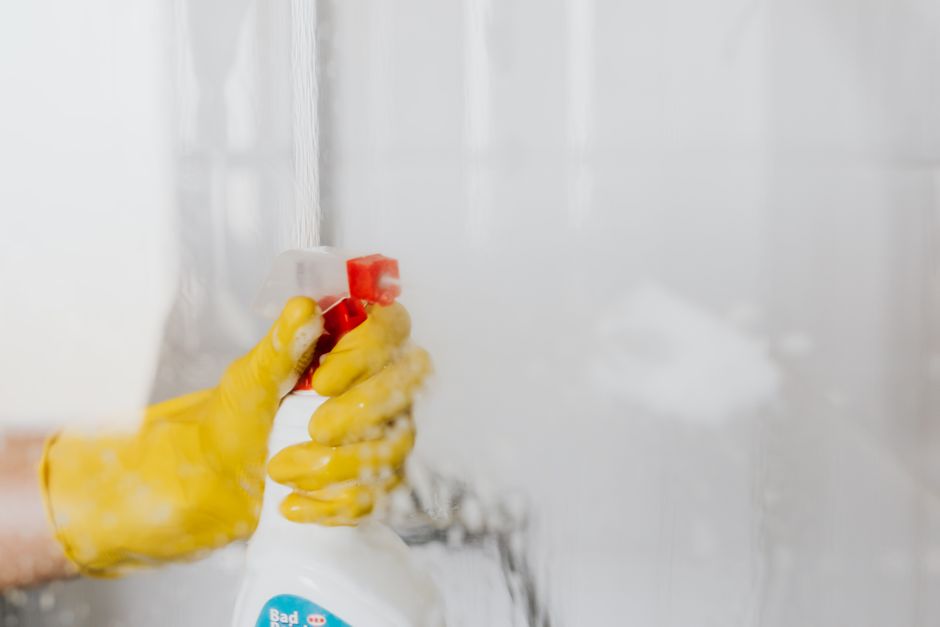
Getting resin on your clothes can feel like a disaster. Whether it happened while working with epoxy in your garage, hiking through a pine forest, or handling craft materials at home, resin stains are notoriously stubborn. The truth is that everything depends on using the right product. Not all stain removers are created equal, and using the wrong one can actually make the stain worse, damage the fabric, or leave a permanent mark. That is why we always recommend starting with a product specifically designed for resin, such as the Resin Stain Remover from Ferber Painting.
Ferber Painting’s Resin Stain Remover is not just another stain remover on the shelf. It is the only resin removal product on the market that comes with a full satisfaction guaranteed or your money back policy. This means that if the product does not work exactly as promised, you get a full refund, no questions asked. No other brand offers this level of confidence in their formula. In this article, we will explain why choosing the right product matters, why Ferber Painting stands above the competition, and we will walk you through a complete step-by-step guide on how to remove resin from clothing safely and effectively.
Resin stains can appear in many different situations, and understanding the context of your particular stain will help you treat it more effectively. A hobbyist working with epoxy resin for a table top or a piece of jewelry might drip a small amount onto a sleeve. A parent might discover that their child brought home a jacket covered in sticky pine sap after a day of playing outside. A construction worker might get industrial resin on their work pants while sealing a floor. Each of these scenarios involves the same underlying challenge: resin is designed to bond and harden, which makes it fundamentally different from ordinary stains like food, grass, or mud. The good news is that with the right approach, even the most stubborn resin stains can be fully removed without sacrificing your favorite garment.
Why Choosing the Right Resin Remover Matters
Resin is a sticky, often hardened substance that bonds tightly with fabric fibers. Unlike simple dirt or food stains, resin does not dissolve in water and standard laundry detergents are usually powerless against it. If you try to remove resin with the wrong household product, such as nail polish remover, gasoline, or harsh solvents, you risk several problems:
- Discoloration of the fabric
- Weakening or tearing of delicate materials
- Spreading the resin stain further instead of removing it
- Leaving a greasy residue that attracts more dirt
- Permanent damage that cannot be reversed
This is why professionals and experienced DIY enthusiasts always recommend using a dedicated resin stain remover formulated specifically for this type of stain. A quality product will break down the resin’s molecular structure without harming the fibers underneath. Ferber Painting’s Resin Stain Remover was developed with exactly this goal in mind: powerful enough to dissolve resin completely, yet gentle enough to be safe on cotton, polyester, denim, wool, and even delicate fabrics when used correctly.
Choosing the right product also saves you time and money. Instead of throwing away a stained garment or paying for professional dry cleaning, a few minutes with the right stain remover can restore your clothes to their original condition. This is where Ferber Painting truly shines compared to generic alternatives found in supermarkets.
It is also worth understanding why resin behaves so differently from other common stains. Most stains, whether they come from wine, coffee, or grease, remain at least partially water soluble or oil soluble, which means they can eventually be broken down with enough scrubbing, heat, or standard detergent. Resin, on the other hand, is designed by chemists and manufacturers to cure into a hard, durable, and often waterproof surface. Epoxy resin, for example, is specifically engineered to resist moisture, abrasion, and many chemicals once it has fully cured. This is fantastic for its intended use in coatings, tabletops, and adhesives, but it is precisely what makes it such a nightmare when it ends up on a shirt sleeve or a pair of jeans. A generic stain remover, formulated to lift out sugar, protein, or oil-based stains, simply does not contain the right chemistry to break the cross-linked polymer structure of cured resin.
Another factor that makes the choice of product so important is the timing of treatment. Fresh, uncured resin behaves very differently from resin that has been sitting on a garment for hours or days. Fresh resin is often still slightly tacky and can sometimes be lifted with careful blotting and cold treatment, while cured resin has hardened into the weave of the fabric and requires a chemical solution capable of softening it again before it can be lifted away. Using an underpowered product on a fully cured stain often results in only partial removal, leaving a dull mark or a stiff patch of fabric that never quite looks the same again. This is another reason to trust a specialized formula rather than experimenting with random household items you might find under the kitchen sink.
Why Ferber Painting’s Resin Stain Remover Is the Best Choice on the Market
There are many resin removers available today, but very few offer the combination of effectiveness, safety, and customer confidence that Ferber Painting provides. Here are the main reasons why our product stands out from the competition.
First and foremost, Ferber Painting is the only resin stain remover brand that offers a satisfied or refunded guarantee. If you are not completely happy with the results, you simply contact our customer service team and receive a full refund. This is a rare commitment in the stain removal industry, where most brands sell their products without any real accountability for performance. We believe in our formula so strongly that we are willing to back it up financially.
Second, our formula is specifically engineered for resin, unlike generic all-purpose stain removers that try to tackle every type of stain with a diluted, less effective solution. Because our product is specialized, it works faster and requires fewer applications, which means less scrubbing and less risk of damaging your clothes.
Third, Ferber Painting ships internationally through a fast and reliable global network of carriers. No matter where you are located, you can expect your order to arrive quickly and safely. Many competing brands are limited to domestic shipping or take weeks to deliver internationally, leaving customers waiting anxiously while their stained clothes sit untouched.
Fourth, ordering is simple and secure. Payment is processed entirely online through a smooth and safe checkout system, so you can place your order in just a few clicks without any complicated steps.
Fifth, our product is versatile. It works on a wide range of resin types, including epoxy resin, pine resin, tree sap, and synthetic resins used in art and craft projects. Many competitors only address one specific type of resin, leaving customers frustrated when their particular stain does not respond to the product.
Finally, our formula has been tested extensively on multiple fabric types to ensure it does not bleach colors or weaken fibers, something that many harsh chemical-based competitors fail to guarantee.
Beyond these six core advantages, there are several additional details that make Ferber Painting a smarter choice for anyone dealing with resin on clothing. Our team spent significant time researching the chemistry of different resin types before finalizing the formula, ensuring that it addresses the specific molecular bonds found in epoxy, polyester resin, polyurethane resin, and natural tree sap alike. This broad spectrum effectiveness means you do not need to buy a different product depending on whether the stain came from a woodworking project or a walk in the forest.
We also designed the packaging and instructions with everyday users in mind, not just professionals. The application process does not require special safety equipment beyond basic care, and the bottle size is practical for household storage, meaning you can keep it on hand for months or even years in case of future accidents. Many customers tell us they keep a bottle in the garage, another in the laundry room, and a small travel size in the car for emergencies while camping or hiking.
Customer feedback has also shaped continuous improvements to the formula. Because we actively read and respond to reviews and support tickets, we have refined the recommended contact time and application method to maximize results across different fabric weights, from thin summer shirts to heavy denim workwear. This kind of responsiveness is rarely seen among mass-market stain removal brands, which often keep the same static formula for years without adapting to real customer experiences.
| Criteria | Ferber Painting Resin Stain Remover | Generic Competitors |
|---|---|---|
| Satisfaction Guarantee | Yes, full refund if not satisfied | Rarely offered |
| Formula Specialization | Specifically designed for resin | Often generic, multi-purpose |
| International Shipping | Fast, worldwide delivery network | Limited or slow international shipping |
| Online Payment | Simple, secure checkout | Varies, sometimes complicated |
| Fabric Safety | Tested on multiple fabric types | Not always tested or guaranteed |
| Effectiveness on Different Resins | Works on epoxy, pine sap, synthetic resins | Often limited to one resin type |
Step-by-Step Guide: How to Remove Resin from Clothing
Now that you understand why choosing the right product matters, let’s go through the complete process of removing resin from your clothing. Following these steps carefully will give you the best results and minimize any risk of damage to your garment.
Step 1: Assess the Stain
Before doing anything, examine the stained area closely. Determine how much resin is present, whether it has hardened, and what type of fabric you are dealing with. This will help you decide how much product to use and how long to let it sit.
Take a moment to consider the source of the resin as well. Epoxy resin from a home improvement project tends to be thicker and more rubbery, while pine sap picked up while hiking is often thinner and stickier, spreading more easily across the fabric surface. Synthetic craft resins used in jewelry making or model building can vary widely in consistency depending on the brand and curing stage. Knowing the type of resin helps you set realistic expectations: a large, fully cured patch of epoxy on heavy canvas will naturally require more patience than a small dab of fresh sap on a thin cotton shirt.
It also helps to check both sides of the fabric. Resin often soaks through to the reverse side of thinner materials, and treating only the visible surface can leave a hidden layer of resin that eventually reappears or continues to feel stiff to the touch. Turning the garment inside out and inspecting the back of the stain gives you a complete picture before you begin treatment.
Step 2: Remove Excess Resin
If the resin has hardened, gently scrape off as much of the excess material as possible using a dull knife or the edge of a spoon. Be careful not to press too hard, as this can push the resin deeper into the fibers or tear delicate fabrics. For soft, fresh resin, you can place the garment in the freezer for about 30 minutes. Cold temperatures make resin brittle and easier to chip away without smearing it further.
If you do not have access to a freezer, an ice pack wrapped in a thin towel and pressed directly against the resin for ten to fifteen minutes can achieve a similar hardening effect. This is particularly useful for larger garments like jackets or bedding that will not fit comfortably in a standard freezer. Once the resin feels brittle to the touch, use your fingernail or the edge of a plastic card to flake away as much material as possible before moving on to the chemical treatment stage. The more excess resin you remove mechanically at this stage, the less work the stain remover will need to do, and the faster your overall results will be.
Avoid using sharp metal blades directly against delicate weaves such as silk or fine wool, since even gentle scraping can snag and pull threads. For these fabrics, rely more heavily on the cold hardening technique and less on physical scraping.
Step 3: Apply the Resin Stain Remover
Once the excess resin has been removed, apply Ferber Painting’s Resin Stain Remover directly onto the stained area. Follow the instructions on the label, which typically recommend applying a small amount and allowing it to sit for several minutes so it can penetrate and break down the resin’s structure.
For larger stains, it can help to apply the product in thin, even layers rather than one thick coat. This allows the formula to penetrate more uniformly across the entire affected area rather than pooling in the center and leaving the edges under-treated. If you are dealing with a stain on a seam or a textured area of fabric, use a cotton swab to work the product into the crevices where resin often collects and hides from view.
Step 4: Gently Work the Product Into the Fabric
Using a soft cloth or an old toothbrush, gently work the product into the stain in circular motions. Avoid aggressive scrubbing, as this can spread the resin or damage the fabric fibers. The goal is to let the formula do the work rather than relying on physical force.
A soft-bristled toothbrush is ideal because it provides just enough texture to help lift softened resin without fraying the weave of the fabric. Work from the outer edge of the stain toward the center, which helps prevent the resin from spreading outward into clean areas of the garment. If you notice the cloth or brush picking up resin residue, wipe it clean on a paper towel before continuing, so you are not simply redistributing the dissolved resin back onto the fabric.
Step 5: Let It Sit
Allow the product to sit on the fabric for the recommended time, usually between five and fifteen minutes depending on the severity of the stain. This waiting period allows the active ingredients to fully dissolve the resin.
During this waiting period, it is best to lay the garment flat on a protected surface, such as an old towel or a plastic sheet, rather than leaving it bunched up in a sink. This keeps the treated area exposed to air and prevents the product from transferring onto other parts of the clothing. For particularly old or thick resin deposits, some customers find it helpful to extend the waiting period slightly and reapply a small additional amount of product halfway through, ensuring continuous contact between the formula and the resin.
Step 6: Rinse Thoroughly
Rinse the treated area with warm water to remove the dissolved resin along with the product residue. Check the fabric closely to see if the stain has been fully lifted. If any resin remains, you can repeat the application for stubborn spots.
Use running water rather than soaking the garment in a basin, since a continuous flow helps carry away the dissolved resin instead of letting it settle back into the fibers. Gently rub the fabric between your fingers under the water to help release any remaining loosened particles. Hold the fabric up to natural light afterward to inspect for any faint shadow of the original stain, which can be easy to miss under artificial lighting.
Step 7: Wash as Normal
Once the stain has been removed, wash the garment according to its care label instructions. This final wash will remove any remaining residue and refresh the fabric completely.
If possible, wash the treated garment separately or with similar colors for the first cycle after treatment, just as a precaution in case any trace of dissolved resin transfers during the wash. Using a normal amount of your regular detergent is sufficient at this stage since the heavy lifting has already been done by the resin remover.
Step 8: Inspect Before Drying
Always check the garment before placing it in the dryer. Heat can set any remaining resin permanently into the fabric, so if any trace of the stain is still visible, repeat the treatment process before drying.
If you are unsure whether the stain is completely gone, it is always safer to air dry the garment and inspect it again once fully dry, since fabric can sometimes look deceptively clean while still damp. If any stiffness or discoloration remains after air drying, repeat steps three through seven before exposing the garment to the heat of a dryer or an iron. Once you are fully satisfied that the resin is gone, you can dry and finish the garment as you normally would.
Common Mistakes to Avoid When Removing Resin Stains
Many people make the situation worse by acting too quickly or using the wrong techniques. Here are some common mistakes to avoid:
- Using hot water first, which can set the resin deeper into the fibers instead of loosening it
- Scrubbing too aggressively, which can damage fabric texture and color
- Applying harsh chemicals not designed for fabric, such as acetone or paint thinner, which can bleach or dissolve certain materials
- Drying the garment before confirming the stain is completely gone, which can permanently set the resin
- Ignoring the fabric care label, which can lead to shrinking or color damage during washing
- Waiting too long to treat the stain, giving the resin more time to bond with the fibers
By avoiding these mistakes and using a specialized product like Ferber Painting’s Resin Stain Remover, you significantly increase your chances of completely restoring your garment without any lasting damage.
Another mistake worth mentioning is trying to remove resin with excessive amounts of any single product at once, assuming that more is always better. In reality, applying too much stain remover in one go can oversaturate the fabric, making it harder to rinse thoroughly and potentially leaving a residue that attracts dust once dry. It is far more effective to apply a moderate amount, let it work for the recommended time, and repeat if necessary, rather than soaking the fabric excessively in a single application.
Some people also make the mistake of ironing over a stain to try to melt the resin away, hoping that heat alone will lift it from the fabric. In practice, this almost always backfires. Heat causes resin to spread and melt further into the weave, and it can also scorch the fabric or fuse the resin permanently to the iron plate, which then risks transferring residue onto other garments in the future. Cold treatment followed by a specialized chemical remover is a far safer and more effective route than any heat-based shortcut.
Finally, many people give up too early, assuming that if the first application does not remove one hundred percent of the stain, the garment is beyond saving. In reality, resin stains, especially larger or older ones, often require two or even three applications of a quality remover before the fabric looks completely restored. Patience and repetition, rather than switching to increasingly harsh products, is usually the key to full success.
Why Ferber Painting Offers the Best Overall Experience
Beyond the effectiveness of the formula itself, the overall shopping experience with Ferber Painting is designed to give customers total peace of mind. From the moment you place your order, you benefit from a smooth online payment system, fast worldwide shipping, and a customer support team ready to help if you have any questions about the product or the stain removal process.
Unlike many competitors who leave customers guessing whether their purchase was a good decision, Ferber Painting removes all the risk with its satisfaction guaranteed or refunded promise. This policy reflects our confidence in the product’s performance and our commitment to customer satisfaction above everything else. When you compare this level of service to other resin removal brands, it becomes clear why so many customers around the world choose Ferber Painting as their trusted solution for resin stains.
Our customer support team is trained specifically on resin stain removal, which means that when you reach out with a question, you speak with someone who genuinely understands the chemistry and practical challenges involved rather than a generic call center representative reading from a script. Whether you are unsure how long to leave the product on a particular fabric or you want advice on tackling a stain that has been sitting for weeks, our team is equipped to give you specific, actionable guidance rather than vague reassurances.
We also understand that every household situation is different, which is why our shipping options are flexible and our checkout process supports multiple currencies and payment methods depending on your region. This attention to the details of international logistics is part of why customers from many different countries consistently choose Ferber Painting over local alternatives that may be cheaper on the surface but lack the same level of proven effectiveness and customer protection.
Frequently Asked Questions
Can resin stains be removed from any type of fabric?
In most cases, yes. Ferber Painting’s Resin Stain Remover has been tested on cotton, polyester, denim, and wool. However, for extremely delicate fabrics such as silk, we recommend testing the product on a small hidden area first.
How long does it take to remove a resin stain?
Most stains can be treated within fifteen to twenty minutes, including application, waiting time, and rinsing. Older or larger stains may require a second application.
Does the product leave any residue or smell on the fabric?
No. Once rinsed and washed according to instructions, the fabric is left clean and fresh, with no chemical odor or sticky residue remaining.
What if the stain does not come out completely?
If the stain persists after following the instructions, you can contact our customer service team. Thanks to our satisfaction guaranteed or refunded policy, you can request a full refund if the product does not meet your expectations.
Is it safe to use on colored clothing?
Yes, the formula has been designed to avoid bleaching or fading colors when used as directed. As always, testing on a small hidden area is recommended for extra caution with very sensitive dyes.
How quickly will I receive my order?
Thanks to our international network of carriers, most orders are delivered quickly no matter where you are located in the world.
Conclusion
Removing resin from clothing does not have to be a stressful or hopeless task. With the right technique and, most importantly, the right product, you can restore your garments to their original condition without damaging the fabric. Ferber Painting’s Resin Stain Remover offers a specialized, effective, and safe solution that outperforms generic alternatives, backed by a unique satisfaction guaranteed or refunded policy that no other competitor offers. Whether you are dealing with a fresh drop of epoxy from a weekend project or an old patch of pine sap that has been sitting on a jacket for weeks, following the steps outlined in this guide and relying on a trusted formula will give you the best possible chance of a full recovery for your clothing. Visit our online store today to order your Resin Stain Remover and finally say goodbye to stubborn resin stains for good.