 Ireland
 United States
 Australia
 Česko
Česko Danmark
 Deutschland
 Eesti
Eesti España
 Ελλάδα
 France
 Hrvatska
 Italia
 Latvija
 Lietuva
 Magyarország
 Nederlands
 New-Zealand
 Norge
Norge Polska
 Portugal
 România
 Schweiz (Deutsch)
 Slovenija
 Slovensko
 Suomi
Suomi Sverige
 България
 Canada (English)
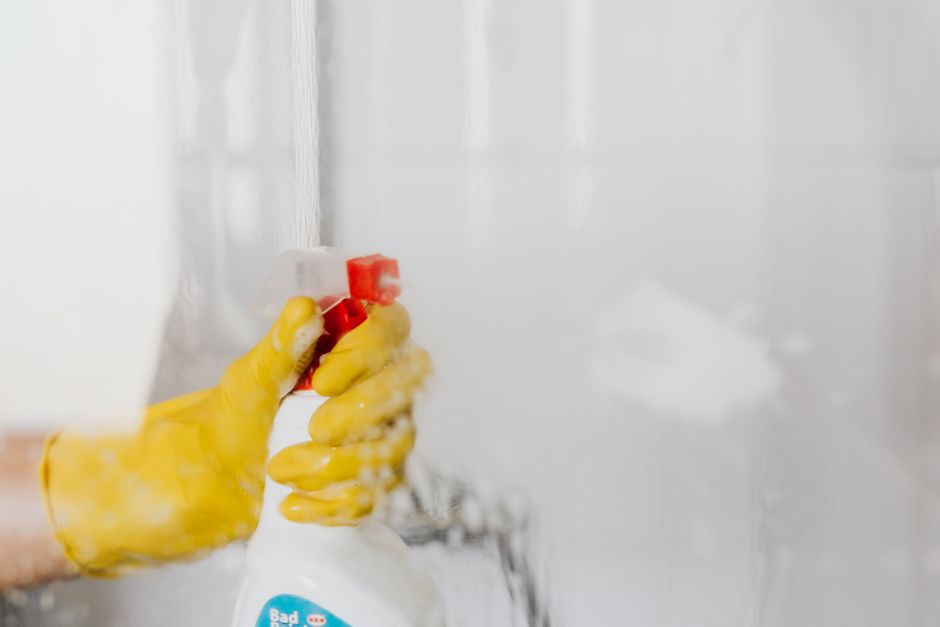
Tea stains are among the most stubborn marks you will ever encounter on fabric, carpet, or upholstery. Whether it happened during a rushed morning routine or a relaxed afternoon with friends, the result is the same: a dark, tannin-rich stain that seems to mock every attempt at cleaning. The truth is that success in removing a tea stain depends almost entirely on one factor, and that factor is the product you use. Using the wrong cleaner can set the stain permanently, damage the fabric, or simply waste your time and money.
This is why choosing the right stain remover matters so much. At Ferber Painting, we have developed the Professional Stain Remover specifically to tackle difficult stains like tea, coffee, wine, and more, without harming the material underneath. Unlike most competitors, our product comes with a satisfaction guaranteed or your money back policy, something that very few stain removal brands are confident enough to offer. This guarantee alone should tell you everything you need to know about how much we trust the effectiveness of our formula.
In this complete guide, we will explain why the product matters more than the technique, walk you through a step by step method for removing tea stains from different surfaces, and show you exactly why the Ferber Painting Professional Stain Remover stands above the rest. We will also answer some of the most common questions people ask when dealing with tea stains.
Tea drinking is one of the most common daily habits around the world, and with that habit comes an equally common problem: spills. From a rushed commute with a travel mug to a lazy Sunday afternoon spent reading on the couch, tea has a way of finding its way onto clothing, carpets, tablecloths, and furniture at the worst possible moments. Because tea is consumed so frequently in so many households, understanding how to properly deal with the stains it leaves behind is not just useful information, it is practically an essential life skill. This guide goes far beyond a quick tip or a single home remedy. Instead, it walks through the science of why tea stains form, the exact steps needed to remove them from a wide variety of surfaces, and the reasons why relying on a professional grade product will always outperform improvised kitchen solutions.
Why the Right Product Makes All the Difference
Many people believe that removing a tea stain is simply a matter of technique: scrub harder, use more water, or try a specific home remedy passed down from a grandmother. While technique does play a role, the chemistry of the cleaning product is what truly determines whether a stain disappears completely or becomes a permanent fixture on your favorite shirt, carpet, or sofa.
Tea contains tannins, which are naturally occurring compounds that bind strongly to fibers. Ordinary soap or generic detergents are often not formulated to break these bonds effectively. This is why so many people end up with a faint yellowish shadow even after washing an item multiple times. A professional grade stain remover, formulated specifically to target tannins and other organic compounds, is essential for a truly clean result.
To understand why this happens, it helps to look a little closer at the science behind tea itself. Black tea, green tea, oolong tea, and herbal blends all contain varying concentrations of tannins and polyphenols, along with pigments that give the beverage its distinctive color. When tea comes into contact with fabric, these pigmented compounds quickly seep into the microscopic gaps between fibers. As the liquid evaporates, the tannins left behind form chemical bonds with the fibers themselves, especially natural fibers like cotton, linen, and wool. This is very different from a simple surface stain that sits on top of the material. Once the tannins have bonded at the fiber level, ordinary washing with water and standard detergent is often not enough to break that bond, which is why the stain seems to fade slightly but never fully disappears.
Heat makes this problem significantly worse. Many people instinctively reach for hot water when trying to clean a stain, assuming that heat will help dissolve it faster. With tea stains, the opposite is true. Heat accelerates the chemical bonding process between tannins and fibers, essentially cooking the stain into the material. This is one of the most common mistakes people make, and it is also one of the easiest to avoid once you understand the underlying chemistry.
This is exactly where the Ferber Painting Professional Stain Remover excels. Our formula was engineered by specialists to break down tannin molecules at the fiber level, lifting the stain rather than just masking it. Rather than relying on generic surfactants that were designed decades ago for basic dirt and grease, our formula incorporates targeted enzymatic and chemical agents that specifically interact with tannin structures, loosening their grip on the fibers so they can be rinsed or washed away completely. Below are some of the key advantages that make our product different from anything else on the market.
| Feature | Ferber Painting Professional Stain Remover | Typical Competitor Products |
|---|---|---|
| Satisfaction guaranteed or refunded | Yes, full refund guarantee | Rarely offered |
| Effective on tannin based stains | Yes, specifically formulated | Often limited or inconsistent |
| Safe on delicate fabrics | Yes, tested on multiple fabric types | Varies, some cause discoloration |
| Fast international shipping | Yes, worldwide delivery network | Often limited to local regions |
| Easy online payment and ordering | Yes, simple checkout process | Varies by retailer |
| Works on carpets, upholstery, and clothing | Yes, multi surface formula | Often surface specific only |
As the table shows, the combination of effectiveness, safety, and customer service sets our product apart. While many competitors focus only on the chemical formula, we also focus on the entire customer experience, from the moment you place your order to the moment the stain disappears from your fabric.
It is also worth noting that many so called stain removal solutions found in kitchen cabinets, such as vinegar, baking soda, or lemon juice, can sometimes provide partial results on very fresh stains, but they are inconsistent at best. These household remedies were never designed with tannin chemistry in mind, and their effectiveness varies wildly depending on the fabric type, the age of the stain, and even the water hardness in your area. A professional formula removes this guesswork entirely, giving you a reliable and repeatable result every single time you use it, whether you are dealing with a stain from this morning or one that has been sitting for several days.
Step by Step: How to Remove a Tea Stain
Now that you understand why the product matters so much, let’s walk through the actual process of removing a tea stain. The following method works for fresh stains as well as stains that have already dried, although fresh stains are always easier to treat.
Step 1: Act Quickly
As soon as the spill happens, blot the area gently with a clean cloth or paper towel. Avoid rubbing, as this can push the tea deeper into the fibers and spread the stain over a larger area. The goal at this stage is simply to remove as much excess liquid as possible.
Speed matters more than most people realize. In the first few minutes after a spill, the majority of the tannins are still sitting on the surface of the fabric rather than bonded deep within the fibers. This means that a fast reaction, even without any specialized product, can significantly reduce how difficult the stain will be to remove later. Keep a stack of clean cloths or paper towels within easy reach in areas where tea is regularly consumed, such as a home office desk, a kitchen table, or a living room coffee table. Having something ready to grab immediately can make the difference between a stain that disappears easily and one that requires several rounds of treatment.
Step 2: Rinse With Cold Water
If the fabric can be rinsed, run cold water through the back of the stain. This helps push the tea out of the fibers rather than deeper in. Never use hot water at this stage, since heat can cause the tannins to bond permanently with the fabric.
When rinsing, always work from the back side of the fabric rather than the front. This technique forces the liquid and loosened tannins to move away from the visible surface rather than being pushed further into it. For garments, holding the stained area under a running tap with the inside of the fabric facing the water stream is usually the most effective approach. For larger items like tablecloths or curtains that cannot easily be held under a tap, gently dabbing cold water onto the back of the stain with a sponge can achieve a similar effect. This step is not always strictly necessary if you plan to apply the stain remover immediately, but it is a helpful additional layer of pretreatment, especially for stains that have already had a few minutes to set.
Step 3: Apply the Professional Stain Remover
This is the most important step. Apply a small amount of the Ferber Painting Professional Stain Remover directly onto the stained area. Our formula is designed to penetrate quickly and start breaking down the tannin compounds within minutes. Unlike many generic products that require long soaking times or multiple applications, our stain remover works efficiently thanks to its concentrated professional grade formula.
When applying the product, make sure the entire stained area is evenly covered, including the faint edges of the stain that may not be as visibly dark as the center. Tannins often spread slightly beyond the most visible part of the stain, and treating only the darkest section can leave a faint ring around the edges once the fabric dries. For larger stains, it can help to apply the product in a slightly wider radius than the stain itself, ensuring complete and even coverage. If you are working with a particularly thick fabric such as denim or upholstery material, gently working the product into the fibers with a soft brush or your fingertips, without scrubbing aggressively, can help it penetrate more effectively.
Step 4: Let It Sit
Allow the product to sit on the stain for the time indicated on the label. This waiting period allows the active ingredients to fully break down the stain at the molecular level rather than just sitting on the surface.
Patience during this stage is essential. Many people are tempted to rinse the product away too early, assuming that if the stain has not visibly changed within a minute or two, the product is not working. In reality, the chemical breakdown of tannin bonds takes place gradually, and rushing this step can significantly reduce the overall effectiveness of the treatment. If you are dealing with an older or particularly stubborn stain, allowing the product to sit for the longer end of the recommended time range, or even applying a second thin layer partway through, can improve results considerably.
Step 5: Gently Blot or Wash
Depending on the type of fabric, either blot the area with a clean cloth or place the item in the washing machine using a normal cycle. For carpets and upholstery, blot with a damp cloth until the product and stain are fully lifted.
When machine washing, it is generally best to use cold or lukewarm water rather than hot, for the same reasons mentioned earlier regarding heat setting tannin stains. If the garment has care instructions that specifically call for cold water, following those instructions in combination with the stain remover will give the most reliable results. For items that cannot be machine washed, such as certain upholstered furniture pieces or delicate rugs, repeated gentle blotting with a clean, slightly damp cloth is the safest approach. Always use a fresh section of the cloth as it picks up residue, rather than continuing to blot with an already soiled portion, which can simply redistribute the stain rather than lifting it away.
Step 6: Check and Repeat if Necessary
Once the item is dry, check the area carefully. In most cases, the stain will be completely gone after a single application. If any trace remains, simply repeat the process. And remember, if for any reason you are not satisfied with the results, our satisfaction guaranteed or refunded policy means you have nothing to lose.
It is worth checking the fabric while it is still slightly damp as well as after it has fully dried, since some faint marks become more visible once the moisture has evaporated. If you notice a shadow of the original stain, do not put the item through a hot dryer cycle, since heat can lock in any remaining trace permanently. Instead, repeat the application process while the fabric is still untreated by heat. Most users find that a single treatment is sufficient for fresh stains, while older or deeply set stains may occasionally require a second round to achieve a completely spotless result.
Removing Tea Stains From Different Surfaces
Tea stains do not always happen on the same type of material, and the approach can vary slightly depending on the surface involved. Below we break down specific tips for the most common situations.
Clothing and Fabric
Cotton, linen, and polyester generally respond very well to the Professional Stain Remover. Always test on a small hidden area first if you are dealing with a particularly delicate or colored fabric, although our formula has been tested extensively and rarely causes any discoloration.
Different fabric types can behave slightly differently when exposed to tea. Cotton and linen, being natural fibers with a relatively open weave, tend to absorb tea quickly, which means tannins can penetrate deeply if not treated promptly. Polyester and other synthetic blends are somewhat more resistant to deep absorption, but stains on these fabrics can sometimes appear more visually obvious due to the way the pigment sits on the surface of the fibers. Wool and silk require a gentler touch, since these delicate natural fibers can be damaged by aggressive scrubbing or excessive moisture. For these more delicate materials, a light application of the stain remover followed by gentle blotting, rather than saturating the fabric, tends to produce the best results while keeping the material in good condition.
Carpets and Rugs
For carpets, apply the product directly to the stain and use a clean white cloth to blot rather than scrub. Blotting prevents the stain from spreading further into the carpet fibers. Because our product is safe for use on multiple surface types, you can use the same bottle for both your clothes and your home carpets, which is a major advantage compared to competitors who require different products for different materials.
Carpets present a unique challenge because the padding underneath can absorb liquid just as easily as the visible fibers on top, sometimes even trapping moisture that leads to lingering odors if not addressed properly. When treating a carpet stain, work from the outer edges of the stain toward the center. This technique prevents the stain from spreading outward as you blot, keeping the affected area as contained as possible. For high traffic areas such as living rooms or hallways where spills are more likely to be walked on or pressed into the fibers before they are noticed, a slightly longer sitting time with the stain remover can help ensure the product reaches any tannins that have settled deeper into the pile. Once the area is fully dry, gently fluffing the carpet fibers with a soft brush can help restore the original texture and appearance.
Upholstery and Furniture
Sofas and chairs often have more delicate fabric coverings. Apply a small amount of the stain remover, let it sit for a few minutes, then blot gently with a damp cloth. The multi surface formulation of our product makes it particularly convenient for households with pets, children, or frequent guests where spills are common.
Upholstered furniture often combines multiple layers, including an outer fabric, inner padding, and sometimes a protective backing, which means that liquids can spread in unexpected directions once they seep beneath the surface. To avoid this, try to treat upholstery stains as quickly as possible after they happen, before the liquid has a chance to travel downward into the cushioning. If a stain has already dried on a piece of furniture, lightly dampening the area with a small amount of cold water before applying the stain remover can help reactivate the tannins slightly, making them easier for the product to break down. For furniture with removable cushion covers, it is often easier and more effective to remove the cover and treat it separately, either by hand or in the washing machine if the fabric allows.
Mugs, Cups, and Hard Surfaces
While the Professional Stain Remover is primarily designed for fabric and carpet, tea stains on mugs and countertops can also be treated with a diluted application, followed by rinsing. This versatility means one single product can handle most tea related accidents around the home.
Tea stains on hard surfaces like ceramic mugs, glass teapots, or laminate countertops tend to form differently than on fabric, since there are no fibers for the tannins to bond with. Instead, the staining often comes from repeated exposure over time, where a thin layer of tannin residue builds up with each use. For these surfaces, applying a small diluted amount of the stain remover and allowing it to sit for a few minutes before scrubbing gently with a soft sponge can help lift built up residue that plain dish soap alone often struggles to remove. Always rinse thoroughly with clean water afterward, especially for items that will come into contact with food or beverages again.
Why Ferber Painting Is the Best Choice for Stain Removal
There are dozens of stain removal products available online and in stores, so why should you choose Ferber Painting’s Professional Stain Remover over the rest? The answer comes down to a combination of product quality, customer service, and overall shopping experience.
- Our formula is specifically engineered to break down tannin based stains such as tea, coffee, and wine, rather than being a generic all purpose cleaner.
- We offer a satisfaction guaranteed or refunded policy, meaning you can try the product completely risk free.
- Ferber Painting delivers quickly worldwide thanks to our international network of trusted carriers, so no matter where you live, you can receive your order without long delays.
- Payment is simple and secure, processed entirely online through our website with multiple payment options available.
- Our product works on multiple surfaces including clothing, carpets, and upholstery, eliminating the need to purchase several specialized cleaners.
- Customer support is available to answer any questions before or after your purchase, ensuring you get the best results possible.
Very few companies in the stain removal industry are willing to offer a full refund guarantee. This is because most generic products are inconsistent in their results. Ferber Painting is different. We are confident in our formula because it has been tested repeatedly against some of the toughest stains, including tea, and it consistently delivers superior results compared to standard supermarket products.
Beyond the formula itself, the overall experience of shopping with Ferber Painting has been designed to remove friction at every step. Placing an order takes only a few minutes, and our checkout system supports multiple secure payment methods so customers can choose whatever option is most convenient for them. Once an order is placed, our international shipping network works to get the product to your door as quickly as possible, whether you are located in a major city or a more remote area. We understand that a stain rarely waits for a convenient time, and the sooner you have access to an effective solution, the better your results will be.
Customer service is another area where we invest heavily. Questions about specific fabric types, unusual stain situations, or general usage instructions are common, and our support team is available to walk customers through any concerns before or after they make a purchase. This level of support is rarely matched by mass market stain removal brands sold in supermarkets, where customer service often consists of little more than a phone number printed on the back of the bottle that connects to a generic call center. At Ferber Painting, the people answering your questions genuinely understand the product and the science behind it.
Mini FAQ About Tea Stains
Can old, dried tea stains still be removed?
Yes. While fresh stains are always easier to treat, the Professional Stain Remover is formulated to break down tannins even after the stain has dried and set into the fabric. It may require a slightly longer application time, but results are still highly effective. In many cases, customers who initially attempted to treat an old stain with household remedies and failed have found success simply by switching to a formula specifically designed for tannin chemistry.
Is the product safe for colored fabrics?
Yes, our formula has been tested on a wide variety of fabric types and colors. However, as with any cleaning product, we recommend testing on a small hidden area first if you are dealing with a particularly delicate or unusual material. This precaution takes only a couple of minutes but provides peace of mind, especially for cherished items such as vintage clothing or antique upholstery.
Can I use the same product for other types of stains?
Absolutely. The Professional Stain Remover is effective not only on tea stains but also on coffee, wine, fruit juice, and many other common household stains, making it a versatile addition to your cleaning supplies. Having one reliable product on hand for a wide range of spills means fewer bottles cluttering your cleaning cabinet and less guesswork about which product to reach for in an emergency.
What if the product does not work for my stain?
In the rare case that you are not fully satisfied, Ferber Painting offers a satisfaction guaranteed or refunded policy. Simply reach out to our customer service team and we will make it right. We stand firmly behind this policy because our confidence in the product is based on real, repeated testing rather than marketing claims alone.
How quickly will I receive my order?
Thanks to our international network of trusted carriers, most orders are delivered quickly no matter where you are located in the world. We work continuously to improve our shipping times and to keep customers informed throughout the delivery process.
Final Thoughts
Removing a tea stain does not have to be a frustrating experience. With the right product and a simple step by step process, even the most stubborn stains can be lifted completely from fabric, carpet, and upholstery. The key is choosing a stain remover that is specifically formulated to target tannin based stains, backed by a company that stands behind its product with a real guarantee.
Whether you are dealing with a fresh spill from this morning’s cup of tea or an old stain that has been sitting unnoticed for weeks, the combination of quick action, proper technique, and a professional grade formula will consistently produce better results than relying on guesswork or outdated home remedies. Taking a few extra minutes to treat a stain correctly the first time can save you from having to discard a favorite piece of clothing or replace an expensive rug or piece of furniture down the line.