 Ireland
 United States
 Australia
 Česko
Česko Danmark
 Deutschland
 Eesti
Eesti España
 Ελλάδα
 France
 Hrvatska
 Italia
 Latvija
 Lietuva
 Magyarország
 Nederlands
 New-Zealand
 Norge
Norge Polska
 Portugal
 România
 Schweiz (Deutsch)
 Slovenija
 Slovensko
 Suomi
Suomi Sverige
 България
 Canada (English)
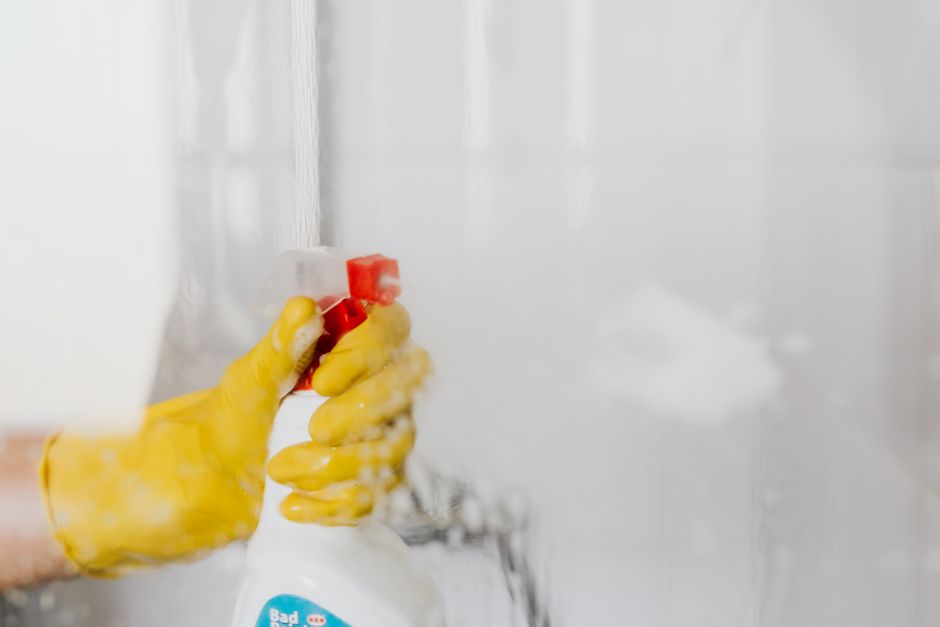
Removing a stain from wallpaper can feel like a daunting task, especially if you are worried about damaging the pattern, the texture, or the wall underneath. The truth is that success almost always comes down to one single factor: choosing the right product. Cheap sprays, homemade remedies, and generic cleaners often do more harm than good, leaving behind discoloration, watermarks, or even tearing the paper. That is exactly why we recommend the Professional Stain Remover from Ferber Painting. It is currently the only stain remover on the market that comes with a full satisfied or refunded guarantee, meaning you can try it completely risk free. In this guide, we will explain why the right product matters so much, why our formula stands above the competition, and we will walk you through a complete step by step method to remove stains from wallpaper safely and effectively. We will also cover the most common types of stains homeowners deal with, the mistakes that make things worse, and how to keep your walls looking pristine long after the stain is gone.
Whether you are dealing with a coffee splash in the kitchen, a greasy handprint near a light switch, a crayon masterpiece drawn by a toddler, or years of smoke residue built up in a hallway, the underlying principle stays the same. Wallpaper is a surface that demands patience, the right chemistry, and a gentle touch. Rushing the process or grabbing whatever cleaning spray is under the sink almost always leads to disappointment. This guide is designed to walk you through every consideration so that by the end, you feel fully equipped to tackle any stain with confidence.
Why Choosing the Right Product Matters So Much
Wallpaper is not like a painted wall. It is made of layered materials, often including paper, vinyl coatings, fabric fibers, or textured finishes. Each of these surfaces reacts differently to moisture, chemicals, and friction. A product that works perfectly on a painted drywall can be a disaster on wallpaper, causing the print to fade, the glue underneath to loosen, or the surface to bubble and peel.
This is why generic all purpose cleaners or improvised solutions such as vinegar, baking soda paste, or dish soap are risky choices. They may lift a stain temporarily, but they frequently leave behind a halo mark, a shiny residue, or a rough patch that is even more visible than the original stain. Many customers who contact us have already tried two or three different home remedies before finding our product, and unfortunately by that point the wallpaper has often already been damaged.
A dedicated, professional grade stain remover formulated specifically for wallpaper surfaces changes everything. It is designed to break down the stain molecules without attacking the paper fibers, the printed ink, or the adhesive layer underneath. This is the entire philosophy behind the Ferber Painting Professional Stain Remover: a targeted, safe, and effective formula built exclusively for delicate surfaces like wallpaper.
The Hidden Risks of Homemade Remedies
It is tempting to reach for whatever is already in the kitchen cabinet when a stain appears, and the internet is full of suggestions involving vinegar, lemon juice, rubbing alcohol, or even toothpaste. While some of these tricks can work on hard, sealed surfaces, they behave very differently on wallpaper. Vinegar, for example, is acidic enough to interact with certain inks and dyes used in printed patterns, sometimes causing the color to shift or fade in the treated area. Baking soda paste, while gentle in theory, requires scrubbing to be effective, and scrubbing is precisely the motion that damages delicate paper fibers or textured finishes.
Rubbing alcohol is another common suggestion, and while it can be effective at breaking down grease, it evaporates quickly and can leave the treated patch looking slightly different in sheen compared to the surrounding wallpaper, especially on darker colors or metallic finishes. Toothpaste, often recommended as a mild abrasive, can leave a chalky residue that is almost impossible to fully rinse away from a porous, non washable wallpaper surface. In nearly every case, these remedies were designed for entirely different materials, and using them on wallpaper is essentially a gamble with your walls.
Why Wallpaper Reacts Differently Than Painted Surfaces
Painted drywall is essentially a hardened, sealed film sitting on top of a solid substrate. Wallpaper, on the other hand, is a composite material. It often has a printed decorative layer bonded to a paper or fabric backing, which itself is glued to the wall using an adhesive that can soften with excess moisture. This layered structure is exactly why wallpaper is so much more sensitive to aggressive cleaning attempts. Too much liquid, too much friction, or the wrong chemical composition can affect any one of these layers independently, sometimes causing damage that only becomes visible days later when the adhesive fails and a corner starts to lift.
What Makes Ferber Painting’s Professional Stain Remover the Best Choice
There are dozens of stain removers on the market claiming to work on wallpaper, but very few actually deliver consistent results without damaging the surface. Here is why our product consistently outperforms the competition.
- It is specifically formulated for wallpaper, not repurposed from carpet or upholstery cleaners.
- It works on a wide range of stains including grease, ink, crayon, food splashes, smoke residue, and water marks.
- It does not leave behind any shiny residue, discoloration, or halo effect once dry.
- It is safe to use on vinyl, non woven, fabric backed, and textured wallpaper without weakening the adhesive.
- It comes with a satisfied or refunded guarantee, something no competitor on the market currently offers.
- It ships worldwide quickly thanks to our international carrier network.
- Ordering and payment are done entirely online in just a few clicks, with no complicated checkout process.
The satisfied or refunded guarantee deserves special attention. Most stain removal products on the market are sold as final sale, meaning if the product does not work for your specific stain or wallpaper type, you are simply out of luck and out of money. Ferber Painting takes a completely different approach. We are confident enough in our formula that if you are not satisfied with the results, you get your money back. No other brand in this category currently offers this level of confidence in their own product, and that alone should tell you something about the quality behind it.
To make the comparison even clearer, here is how our product stacks up against typical generic stain removers found in most hardware stores.
| Criteria | Ferber Painting Professional Stain Remover | Typical Generic Stain Remover |
|---|---|---|
| Satisfied or refunded guarantee | Yes, full refund if not satisfied | Rarely offered, usually final sale |
| Formulated specifically for wallpaper | Yes | No, usually multi surface or repurposed formulas |
| Risk of discoloration or halo marks | Very low | Moderate to high |
| Safe on vinyl and fabric backed wallpaper | Yes | Depends, often not tested |
| Ease of application | Simple spray and wipe method | Varies, sometimes requires scrubbing or diluting |
| Worldwide shipping | Yes, fast international delivery | Often limited to local market |
| Online payment and ordering | Simple and secure online checkout | Varies by retailer |
As the table shows, the difference is not just marketing language. It comes down to real, tangible advantages that protect your wallpaper and your wallet at the same time. When you combine a formula that is genuinely made for wallpaper with a guarantee that removes all the financial risk, there is really no reason to choose anything else.
Real World Scenarios Where Our Formula Makes a Difference
Consider a family with young children who love to draw. Crayon marks on wallpaper are one of the most common complaints we hear, and they are notoriously difficult to remove because crayon wax bonds with the printed surface of the paper. Generic cleaners often smear the wax further into the fibers rather than lifting it away. Our formula is designed to break down the waxy binder in crayon without smearing, allowing it to be wiped away cleanly with a soft cloth.
Another frequent scenario involves kitchen walls near a stove, where grease splatters accumulate over months or even years. These stains are typically layered, meaning a thin film of grease has settled repeatedly on top of itself, making the stain darker and more resistant to simple soap and water. Because our formula is designed to penetrate multiple layers of grease without requiring heavy scrubbing, it is particularly effective in these kitchen environments where damage from scrubbing would otherwise be almost guaranteed.
Smoke residue, whether from cigarettes, candles, or a fireplace, presents a different challenge entirely, since it tends to settle as a fine film across a wide area rather than a single defined spot. Our Professional Stain Remover is formulated to lift this type of diffuse residue evenly, avoiding the patchy, uneven look that often results from spot treating with the wrong product.
Step by Step Guide: How to Remove a Stain from Wallpaper
Now that you understand why the product matters so much, let’s go through the actual process of removing a stain from wallpaper. This method works for most common stains including grease, food, ink, crayon, and light smoke residue. Take your time with each step, since rushing is one of the most common reasons a treatment fails to fully remove a stain on the first attempt.
Step 1: Identify the Type of Wallpaper and the Type of Stain
Before applying any product, take a moment to identify what kind of wallpaper you are dealing with. Vinyl coated wallpaper tends to be more resistant to moisture, while paper based or fabric backed wallpaper is more delicate and absorbs liquids more easily. Knowing the type of stain also helps: grease stains often need a slightly longer contact time, while fresh liquid stains should be treated as quickly as possible before they set into the fibers.
If you are unsure about the wallpaper material, test a small hidden area first, such as behind a piece of furniture or near a corner, before treating the visible stain directly.
A useful trick for identifying wallpaper type is to gently run a fingernail across an inconspicuous edge, such as behind a door or near a baseboard. Vinyl coated wallpaper will feel smooth and slightly plastic to the touch, while paper based wallpaper will feel more matte and porous. Fabric backed or textured wallpaper, common in more traditional or upscale decor, will have a noticeable weave or raised pattern that you can feel with your fingertips. Knowing this in advance helps you set the right expectations, since textured wallpaper often requires slightly more contact time for the product to reach into the grooves of the pattern.
It is also worth thinking about how old the stain is. A stain from earlier that same day behaves very differently than one that has been sitting untreated for several months. Fresh stains are still sitting mostly on the surface, while older stains have had time to migrate deeper into the paper fibers or even interact chemically with the printed ink. This does not mean older stains cannot be removed, but it does mean you should plan for the possibility of a second or even third application, and you should manage your expectations accordingly.
Step 2: Prepare the Area
Clear the surrounding area and lay down a towel or cloth at the base of the wall to catch any drips. If the stain is near an electrical outlet or switch, turn off the power in that area as a safety precaution. Gently dust off any loose debris or dry residue from the wallpaper surface using a soft, dry cloth before applying any product.
If you are treating a stain near a corner, seam, or edge of a wallpaper panel, take extra care during preparation, since these are the most vulnerable points where the adhesive can be disturbed. Avoid pressing directly on a seam during the dusting process, and if possible, work from the center of the stain outward rather than starting at an edge that borders a seam. It is also a good idea to open a window or turn on a fan during the entire process to keep the room well ventilated, which helps the product dry evenly and also keeps the air comfortable while you work.
For stains located higher up on a wall or near a ceiling line, use a sturdy step stool rather than stretching or standing on furniture. Working at an awkward angle increases the risk of applying uneven pressure, which can lead to smudging or accidental scratching of the wallpaper surface.
Step 3: Apply the Professional Stain Remover
Shake the bottle gently before use. Spray a small amount of the Ferber Painting Professional Stain Remover directly onto a clean, soft cloth rather than directly onto the wallpaper. This allows for more controlled application and reduces the risk of over saturating the surface. Gently dab the stained area, starting from the outer edge of the stain and working your way toward the center. This technique prevents the stain from spreading further outward.
Let the product sit for about thirty to sixty seconds, allowing the formula to break down the stain molecules without needing aggressive scrubbing.
For particularly stubborn stains, such as old grease buildup or set in ink, you can extend the contact time slightly, up to about two minutes, but avoid letting the cloth dry out completely against the wallpaper. If you notice the cloth starting to dry, it is better to reapply a small amount of product than to continue dabbing with a dry cloth, since friction from a dry cloth is more likely to cause surface damage than a cloth that is lightly dampened with the formula.
When treating textured or embossed wallpaper, use a slightly softer cloth, such as microfiber, and take extra care to work the product gently into the raised areas of the pattern using light circular motions rather than direct pressure. This ensures the formula reaches into the grooves where stains often settle most deeply, without flattening or damaging the texture itself.
Step 4: Wipe and Rinse Gently
Using a separate clean, slightly damp cloth, gently wipe the treated area in soft circular motions. Avoid scrubbing too hard, as excessive friction can damage the printed pattern or the texture of the wallpaper. If the stain is stubborn, repeat the application process rather than pressing harder.
Once the stain has lifted, use a dry, soft cloth to gently pat the area dry. Avoid leaving excess moisture on the wallpaper, as prolonged dampness can weaken the adhesive layer underneath over time.
It helps to use two separate cloths throughout this process, one dedicated to applying the product and one reserved only for wiping and rinsing. Mixing the two can reintroduce lifted stain particles back onto the wallpaper surface, effectively undoing some of the progress you just made. Rinse your rinsing cloth frequently under clean water and wring it out thoroughly so that it remains only slightly damp, never soaking wet, each time you go back over the treated area.
If you are working on a particularly large stain, such as one that covers several inches across, consider breaking the area into smaller sections and treating each one individually rather than trying to cover the entire stain in a single pass. This gives you more control and reduces the chances of missing a spot or leaving streaks behind.
Step 5: Let It Dry Completely
Allow the treated area to air dry naturally for several hours before touching it again or placing furniture back against the wall. Avoid using a hairdryer or any direct heat source, as sudden temperature changes can cause the wallpaper to bubble or peel at the edges.
During the drying period, try to keep the room at a stable temperature and avoid opening and closing doors or windows excessively, since sudden drafts can sometimes cause uneven drying, particularly on fabric backed wallpaper. If you live in a particularly humid climate, it may take a bit longer for the area to dry fully, and in these cases patience is especially important. Rushing this step by touching the wallpaper too soon is one of the most common reasons people accidentally smudge a treated area that was otherwise successfully cleaned.
Step 6: Inspect and Repeat if Necessary
Once dry, inspect the area under good lighting. In most cases, the stain will be completely gone with no visible marks. For particularly old or deeply set stains, a second application may be needed. Thanks to the gentle yet effective formula of the Professional Stain Remover, repeated use does not damage the wallpaper, unlike many generic alternatives that can wear down the surface after multiple applications.
When inspecting the area, try viewing it from a few different angles and under different lighting conditions, since a stain that appears fully gone under bright overhead light might show a faint outline when viewed under softer, angled lighting such as a lamp in the evening. If you do notice a faint trace remaining, simply repeat steps three and four rather than trying to apply extra pressure or a larger quantity of product. Consistency and patience across multiple gentle applications will always outperform a single aggressive attempt.
Common Mistakes to Avoid When Removing Wallpaper Stains
Even with the right product, a few common mistakes can reduce your chances of success or even cause additional damage. Here are the most frequent errors people make.
- Scrubbing too aggressively instead of gently dabbing the stain.
- Applying too much liquid directly onto the wallpaper instead of onto a cloth first.
- Using hot water or steam, which can loosen the adhesive and cause bubbling.
- Mixing different cleaning products together, which can create unpredictable chemical reactions.
- Waiting too long before treating a fresh stain, allowing it to set deeper into the fibers.
- Skipping the small hidden area test before treating a highly visible section.
Avoiding these mistakes, combined with using a product specifically designed for wallpaper, dramatically increases your chances of a clean, invisible result.
Beyond these frequent errors, there are a few subtler mistakes worth mentioning. One is treating a stain while the room is too cold, which can cause the product to take longer to activate and may tempt people into applying more pressure than necessary out of impatience. Another subtle mistake is using paper towels instead of a soft cloth. Paper towels, especially textured or recycled varieties, can leave behind tiny fibers on the wallpaper surface, particularly on textured or fabric backed types, creating a fuzzy residue that is more noticeable than the original stain. A microfiber or soft cotton cloth is always the better choice.
Finally, many people make the mistake of assuming that because a product worked well on one type of stain, it will automatically require the exact same technique for a completely different type of stain. Ink stains, for example, sometimes benefit from a slightly longer dwell time than fresh food stains, since ink pigments can bond more tightly to the printed layer of the wallpaper. Adjusting your technique slightly based on the nature of the stain, rather than applying a single rigid method to everything, will improve your results.
Worldwide Shipping and Easy Online Ordering
One of the biggest advantages of ordering directly from Ferber Painting is the simplicity of the entire process. Our Professional Stain Remover is available exclusively on our official website, where you can order it in just a few clicks. Payment is processed securely online, so you never have to worry about complicated forms or delayed transactions.
Once your order is placed, our international carrier network takes over, ensuring fast delivery no matter where you are located. Whether you are in Europe, North America, Asia, or anywhere else in the world, our logistics partners are set up to get your product to your doorstep quickly and reliably. This is a major advantage compared to smaller or local brands that often cannot offer the same level of international shipping speed and reliability.
And of course, every single order is backed by our satisfied or refunded guarantee. If for any reason the product does not meet your expectations, you can request a full refund. This policy alone sets Ferber Painting apart from virtually every competitor in the stain removal market, most of whom offer no such guarantee at all.
Many customers also appreciate that ordering directly through our website means there is no need to search through multiple hardware stores hoping to find a specialized wallpaper product in stock. Instead, you can place your order from home, track its progress with a provided tracking number, and know exactly when to expect delivery. For anyone managing a renovation project, a rental property, or simply trying to keep a family home looking its best, this level of convenience saves both time and unnecessary stress compared to driving from store to store searching for the right solution.
Frequently Asked Questions
Does the Professional Stain Remover work on all types of wallpaper?
Yes, it is formulated to work safely on vinyl coated, non woven, and most fabric backed wallpapers. We still recommend testing on a small hidden area first, especially for delicate or vintage wallpaper.
How long does it take to see results?
Most stains lift within thirty to sixty seconds of contact time, though older or deeper stains may require a second application for complete removal.
Is the product safe to use around children and pets?
The formula is designed with safety in mind, but as with any cleaning product, we recommend keeping it out of reach of children and pets, ventilating the room during application, and avoiding direct contact with eyes or mouth.
What happens if the stain does not come off completely?
If you are not satisfied with the results after following the recommended steps, you are covered by our satisfied or refunded guarantee. Simply reach out to our customer service team and we will process your refund.
How long does international shipping usually take?
Delivery times vary depending on your location, but thanks to our international carrier network, most orders arrive within a reasonable timeframe, and tracking information is provided as soon as your order ships.
Can I use this product on more than one stain or one area of wallpaper?
Absolutely, one bottle is designed to treat multiple stains and can be used across different rooms or wallpaper surfaces throughout your home.
Conclusion
Removing a stain from wallpaper does not have to be a stressful or risky experience, as long as you use a product specifically designed for the job. Generic cleaners and homemade remedies often cause more damage than they fix, while a dedicated formula respects the delicate nature of wallpaper while still delivering powerful results. With fast worldwide shipping, simple online ordering, and a satisfied or refunded guarantee that no competitor currently matches, there has never been a safer or easier way to protect your walls. Visit our online store today and discover why thousands of customers trust the Professional Stain Remover to keep their wallpaper spotless and looking brand new.