 Ireland
 United States
 Australia
 Česko
Česko Danmark
 Deutschland
 Eesti
Eesti España
 Ελλάδα
 France
 Hrvatska
 Italia
 Latvija
 Lietuva
 Magyarország
 Nederlands
 New-Zealand
 Norge
Norge Polska
 Portugal
 România
 Schweiz (Deutsch)
 Slovenija
 Slovensko
 Suomi
Suomi Sverige
 България
 Canada (English)
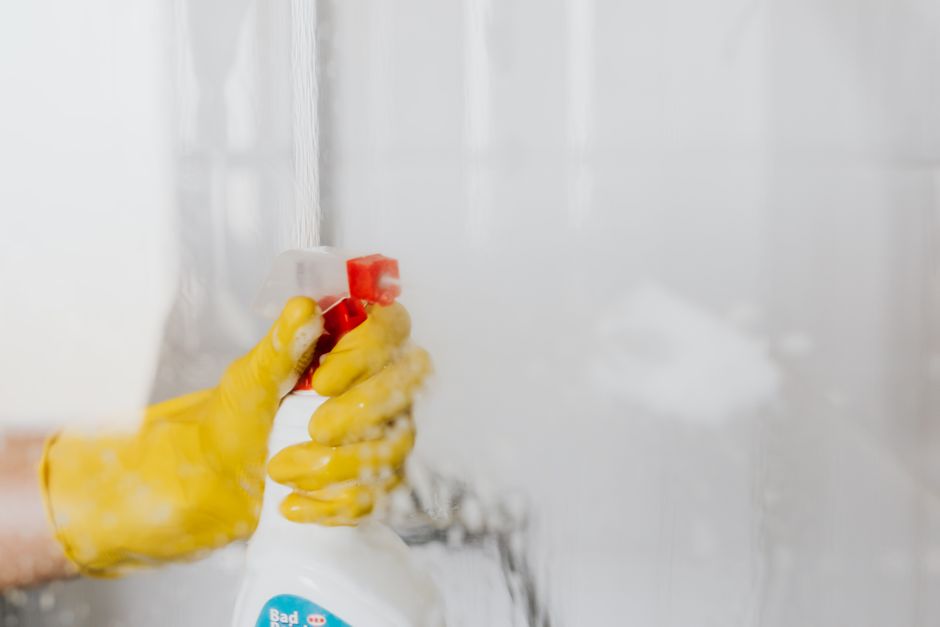
Satin is one of the most elegant fabrics you can own, whether it appears in a wedding dress, an evening gown, a set of pillowcases, or a luxurious curtain. Unfortunately, satin is also notoriously difficult to clean. Its smooth, glossy surface reacts differently to cleaning agents than cotton or polyester, and a single wrong move can leave a permanent watermark, a dull patch, or even damage the delicate fibers beyond repair. That is why, before we get into the technical steps of stain removal, we need to address the single most important factor in this entire process: choosing the right product.
Think about how many satin items you likely own without even realizing it. Satin ribbons on gift wrapping, satin lining inside a jacket, satin sheets on a bed, satin bridesmaid dresses hanging in a closet waiting for the next wedding season. Because satin shows up in so many different corners of our lives, the odds of encountering a stain on it at some point are actually quite high. Yet most people are never taught how to properly handle these situations, and by the time they search for help online, the stain has often already set into the fibers, making the cleanup process much more difficult than it needed to be.
Not all stain removers are created equal, and this is especially true when it comes to delicate fabrics like satin. Many generic cleaning products are formulated for tougher materials such as denim or upholstery, and applying them to satin can cause discoloration, fiber damage, or a stiff residue that ruins the fabric’s natural sheen. This is where Ferber Painting’s Professional Stain Remover comes in. It is specifically designed to be gentle enough for delicate fabrics while still being powerful enough to lift out the toughest stains, from red wine to makeup to grease.
What truly sets our product apart, and something you will not find with any competitor, is that it comes with a full satisfaction guaranteed or your money back policy. If for any reason you are not fully satisfied with the results, we will refund you, no questions asked. No other stain remover brand on the market offers this level of confidence in their product. We are so certain that our formula works on satin and other delicate fabrics that we are willing to put our money where our mouth is.
Why the Right Product Makes All the Difference
When it comes to satin, the fabric itself is the main challenge. Satin is not actually a type of fiber, it is a weave. This means that satin can be made from silk, polyester, nylon, or even cotton blends, and each of these fibers reacts differently to heat, moisture, and chemicals. A stain remover that is too harsh can strip away the natural luster of the fabric, leave behind a ring, or cause the fibers to fray. On the other hand, a product that is too weak will simply fail to remove the stain, leaving you with a fabric that looks dull, blotchy, or permanently marked.
This is precisely why generic, one-size-fits-all stain removers often fail on satin. They are designed with the average fabric in mind, usually cotton or synthetic blends found in everyday clothing, and they do not take into account the unique sensitivity of a satin weave. Using the wrong product can turn a small, manageable stain into a much bigger problem, sometimes ruining the garment entirely.
To understand why this happens, it helps to know a little more about what makes the satin weave so distinctive. Unlike a plain weave, where the threads cross over and under each other in a simple checkerboard pattern, satin is created using a technique where the weft threads float over several warp threads before being caught. This is what gives satin its glossy, reflective surface, but it also means that fewer interlacing points hold the fabric together. Because of this looser structure, satin is more prone to snagging, pulling, and fiber displacement when exposed to friction or aggressive scrubbing, which is exactly what happens when the wrong cleaning product forces you to rub harder than you should.
Ferber Painting’s Professional Stain Remover was developed with these challenges specifically in mind. Our chemists formulated a solution that penetrates the stain at a molecular level without breaking down the integrity of delicate fibers. Unlike many other products on the market, our formula does not contain harsh bleaching agents or abrasive particles that can dull the natural shine of satin. Instead, it uses a targeted enzymatic and solvent-based approach that lifts organic and inorganic stains alike, all while preserving the fabric’s original texture and color.
Another crucial factor is testing. Before recommending any stain removal method, always test a small, hidden area of the fabric first. This applies no matter which product you use, but it is especially important with satin because of its sensitivity. Our product has been tested extensively on all major types of satin, including silk satin, polyester satin, and duchess satin, and has consistently shown reliable, safe results across the board. This is not something you can say about most drugstore stain removers, many of which have never been specifically tested on satin at all.
It is also worth mentioning that the finish applied to satin during manufacturing can affect how a stain remover interacts with the fabric. Some satin items are treated with a light coating to enhance their shine or water resistance, and certain solvents can react unpredictably with these coatings. This is another reason patch testing matters so much, and it is also why we recommend always reading the care label attached to the garment or textile before beginning any treatment, since the manufacturer often indicates whether the item has received a special finishing process.
What Makes Ferber Painting’s Professional Stain Remover Stand Out
There are dozens of stain removers on the market, so why should you choose Ferber Painting? The answer lies in a combination of product quality, customer service, and logistics that few competitors can match.
First, let us talk about the guarantee again, because it truly is a game changer. Our satisfaction guaranteed or your money back policy means you can try our Professional Stain Remover completely risk free. If the product does not perform as expected on your satin garment or textile, you simply contact our customer service team and we process your refund. This level of trust is rare in the cleaning products industry, and it reflects our confidence in the quality of what we sell. Many customers tell us that this guarantee was the deciding factor in trying our product over a competitor, simply because it removed the fear of wasting money on something that might not work on such a delicate and often expensive fabric.
Second, our shipping network is unmatched. Ferber Painting delivers quickly worldwide thanks to an international network of trusted carriers. Whether you are ordering from Europe, North America, Asia, or anywhere else in the world, you can expect fast and reliable delivery. Many competitors rely on limited regional distribution, which means longer wait times and higher shipping costs. We have built partnerships with multiple international carriers specifically to avoid these delays. This matters more than people realize when it comes to stain removal, because time is often the enemy. A stain that could have been lifted easily on day one can become significantly harder to remove after sitting for a week while waiting for a slow shipment to arrive from an overseas warehouse.
Third, our online payment system is designed to be as smooth and secure as possible. You can complete your purchase directly on our website using all major payment methods, with encrypted checkout and instant order confirmation. There is no need to jump through hoops or deal with complicated third party payment processors. This simplicity is something many smaller stain remover brands cannot offer, as they often rely on outdated or clunky e-commerce systems. We have invested in a modern checkout experience precisely because we know that when someone is dealing with a stain emergency, whether it is a wine spill an hour before a dinner party or a makeup mark on a wedding dress the night before the ceremony, the last thing they need is a confusing or slow ordering process standing between them and the solution.
Finally, our formula itself is simply more effective. Independent customer feedback consistently shows that our Professional Stain Remover outperforms competitor products on delicate fabrics like satin, silk, and chiffon. While many products claim to be safe for delicate fabrics, few can back that claim with the same level of consistent results and customer satisfaction that we have built our reputation on. We regularly collect feedback from customers who have tried multiple other stain removal products before finding ours, and the recurring theme in their reviews is relief that a single application finally worked where several other attempts had failed.
Beyond these four pillars, we also invest heavily in transparency. Every bottle of Ferber Painting’s Professional Stain Remover lists its active ingredients clearly, so you know exactly what you are applying to your satin garments. We believe customers deserve to understand what they are putting on their most treasured textiles, rather than being left guessing behind vague marketing language like simply advanced formula without any further explanation.
How to Remove a Stain from Satin: Step-by-Step Guide
Now that you understand why product choice matters so much, let us walk through the actual process of removing a stain from satin. Follow these steps carefully to maximize your chances of success and avoid damaging the fabric. Before you begin, gather a few simple supplies: a clean soft white cloth or paper towel, a dull edged spoon or butter knife, cool water, and of course your bottle of stain remover. Having everything ready before you start prevents you from having to leave the stain unattended while you search for supplies, which can allow it to set further into the fibers.
Step one: Act quickly. The longer a stain sits on satin, the more it sets into the fibers, making it harder to remove. As soon as you notice a stain, try to address it within the first few minutes if possible. If you are at an event and cannot immediately treat the fabric, at minimum try to blot away excess liquid with a napkin to prevent the stain from spreading further while you wait to get home.
Step two: Remove excess material gently. If the stain is from a solid or semi-solid substance, such as food or makeup, use a dull knife or spoon to gently scrape away the excess without rubbing it into the fabric. Rubbing at this stage can push the stain deeper into the weave and spread it over a larger area. Work from the outer edge of the stain inward, scraping in one direction rather than back and forth, which helps avoid pushing the substance further into the weave.
Step three: Blot, do not rub. This is one of the most important rules when dealing with satin. Rubbing a stain can cause friction that damages the delicate fibers and creates a dull patch that is even harder to fix than the original stain. Always use a clean, soft cloth or paper towel to blot gently from the outside of the stain toward the center. This inward blotting motion helps prevent the stain from spreading outward into clean areas of the fabric, which is a common mistake people make when panicking over a fresh spill.
Step four: Test the product on a hidden area. Before applying any stain remover, including ours, test it on an inconspicuous part of the fabric, such as an inner seam or hem. Wait a few minutes to check for any discoloration or texture change before proceeding. If you notice any change in color, sheen, or stiffness during this test, stop immediately and consider consulting a professional dry cleaner who specializes in delicate fabrics.
Step five: Apply Ferber Painting’s Professional Stain Remover. Apply a small amount of the product directly onto the stain, following the instructions on the packaging. Our formula is designed to be applied in small quantities and worked in gently with a soft cloth, never scrubbed harshly. A little goes a long way, and applying too much product at once will not speed up the process, it will only make rinsing more time consuming afterward.
Step six: Let it sit. Allow the product to penetrate the stain for the recommended time, usually a few minutes, without letting it dry out completely on the fabric. This dwell time is essential for the enzymatic and solvent components of the formula to break down the stain molecules effectively. If you are working in a warm room or under direct sunlight, keep an eye on the fabric, since faster evaporation can shorten the effective working time of the product.
Step seven: Blot again. Using a clean, damp cloth, blot the area to lift the now loosened stain particles away from the fabric. Repeat this process if necessary, but avoid over-saturating the satin, as excess moisture can cause water spots or a change in texture. Switch to a fresh section of your cloth each time it becomes soiled, since continuing to blot with an already dirty section can redeposit stain particles back onto the fabric.
Step eight: Rinse if needed. Depending on the fabric care instructions for your specific satin item, you may need to rinse the treated area with cool water to remove any remaining residue. Always check the garment’s care label first. If the item is labeled dry clean only, avoid direct rinsing and instead use a barely damp cloth to lift away any remaining product residue.
Step nine: Air dry. Never use a dryer or direct heat source on satin, as this can cause shrinkage, warping, or a loss of the fabric’s characteristic sheen. Lay the item flat on a clean towel and allow it to air dry naturally, away from direct sunlight. If possible, place a second dry towel loosely on top of the damp area without pressing down, which helps absorb residual moisture faster while the garment continues to dry flat.
Step ten: Inspect and repeat if necessary. Once the fabric is dry, inspect the area closely. If any trace of the stain remains, you can repeat the treatment process. However, with Ferber Painting’s Professional Stain Remover, most stains are fully lifted after just one application, which is another reason our customers keep coming back. Keep in mind that some stains may appear lighter once dry compared to when the fabric was still damp, so it is always best to wait until the item has fully dried before deciding whether a second treatment is necessary.
Treating Specific Types of Stains on Satin
Different stains require slightly different approaches, even when using the same base product. Here is a breakdown of how to handle some of the most common stains found on satin garments and textiles.
Red wine stains are among the trickiest because the tannins bind quickly to fabric fibers. Blot up as much liquid as possible immediately, then apply Ferber Painting’s Professional Stain Remover directly to the stain. Avoid using hot water, as heat can set the tannins permanently into the fabric. If you are at a restaurant or party, a quick tip is to gently blot with plain cool water first to dilute the wine before you are able to reach your stain remover, which can buy you valuable time before the tannins fully bond with the satin.
Makeup stains, including foundation, lipstick, and mascara, often contain oils that can spread if handled improperly. Gently scrape off any excess product first, then apply our stain remover in small circular motions using a soft cloth, allowing the formula to break down the oil-based pigments. Lipstick in particular often contains waxes in addition to pigment, so you may need a slightly longer dwell time than usual to allow the solvent to fully break down both components.
Grease and oil stains, common on satin used in tablecloths or clothing worn during meals, respond well to our formula’s solvent action. Apply the product generously but gently, let it sit for the recommended time, and blot thoroughly. Avoid using dish soap or other household products, as these can leave a residue that attracts more dirt over time. Interestingly, grease stains can sometimes become almost invisible while wet and only reappear as a darker spot once the fabric is completely dry, so always evaluate the results after the satin has had time to fully air dry.
Sweat stains, often found on satin blouses and dresses, can cause yellowing if left untreated for long periods. Our Professional Stain Remover contains enzymatic components specifically designed to break down the proteins found in perspiration, restoring the fabric’s original color without harsh bleaching agents. For stubborn, older sweat stains that have already yellowed, you may need to apply the product, let it sit slightly longer than usual, and repeat the process over a couple of treatment sessions rather than expecting complete removal in a single pass.
Ink stains require a delicate touch, as many household stain removers can spread the ink further. Apply a small amount of our product directly onto the ink mark, blot gently, and repeat as needed. Never rub an ink stain, as this will only cause it to spread across the satin weave. Placing a clean absorbent cloth underneath the stained area before treatment can also help draw the ink downward and away from the visible surface of the fabric rather than allowing it to spread sideways.
Water stains, which are somewhat unique to satin due to its sensitivity to moisture, can sometimes be treated by lightly dampening the entire panel of fabric evenly and allowing it to dry flat, which helps prevent an uneven watermark ring. Our stain remover can also be used afterward to address any remaining discoloration.
Coffee and tea stains are extremely common on satin table linens and can leave a brownish tint if not treated promptly. Blot away excess liquid immediately, then treat with our Professional Stain Remover using the same gentle circular motion described for makeup stains. Because both coffee and tea contain tannins similar to wine, avoid hot water during treatment and stick to cool temperatures throughout the entire process.
Blood stains, whether from a small cut or a nosebleed, should always be treated with cool water rather than warm, since heat can cause the proteins in blood to bind permanently to the fabric. Apply our stain remover directly to the affected area once the excess has been rinsed away with cool water, and blot rather than rub throughout the treatment.
Perfume and cologne stains can sometimes leave a faint discoloration on satin due to the alcohol content in most fragrances. Treat these stains as soon as possible after noticing them, applying a small amount of our Professional Stain Remover and blotting gently, since alcohol based marks can sometimes be mistaken for water stains but actually respond differently to treatment.
Comparing Stain Removers: What Really Matters
When choosing a stain remover for satin, there are several key factors you should consider. Below is a comparison table outlining how Ferber Painting’s Professional Stain Remover stacks up against typical generic alternatives found in stores.
| Criteria | Ferber Painting Professional Stain Remover | Generic Stain Removers |
|---|---|---|
| Safe for delicate fabrics like satin | Yes, specifically formulated and tested | Often not tested on satin specifically |
| Satisfaction guaranteed or money back | Yes, full refund policy | Rarely offered |
| International shipping | Fast worldwide delivery via international carrier network | Often limited to local or regional distribution |
| Online payment convenience | Secure, simple checkout directly on our website | Varies, sometimes complicated |
| Effectiveness on tough stains | High, based on consistent customer feedback | Inconsistent results |
| Preserves fabric sheen and texture | Yes | Not always guaranteed |
| Customer support | Dedicated support team available | Often limited or outsourced |
| Ingredient transparency | Full list of active ingredients disclosed | Often vague or incomplete labeling |
| Suitable for multiple satin types | Tested on silk, polyester, and duchess satin | Usually only tested on standard cotton or synthetics |
As this table clearly shows, the difference between our product and generic alternatives is not just marketing, it comes down to real, measurable advantages that matter when you are dealing with a delicate and expensive fabric like satin. Choosing a product without a guarantee, without proven safety on delicate fibers, and without reliable shipping is simply a bigger risk than it needs to be.
It is also worth considering the long term cost implications of these differences. A generic stain remover that damages a satin dress or ruins a set of satin curtains ends up costing far more than the price of the bottle itself, since you then have to replace the damaged item entirely. When you factor in the potential cost of ruining an expensive garment, the small price difference between a generic product and a specialized formula like ours becomes almost irrelevant in comparison.
Frequently Asked Questions
Can I use Ferber Painting’s Professional Stain Remover on silk satin?
Yes, our formula has been tested and proven safe for silk satin as well as polyester and synthetic satin blends. Always perform a small patch test first to be completely certain, especially with older or more delicate garments. Silk satin in particular can be more reactive to certain solvents compared to synthetic satin, which is exactly why our formula was designed to be gentle enough for both without compromising on effectiveness.
How long does it take to see results?
Most stains begin to lift within a few minutes of application, and the majority of customers report full stain removal after just one treatment cycle. For particularly old or set-in stains, a second application may be needed, but even in those cases customers typically see a noticeable improvement after the very first attempt.
Is it safe to use on colored satin?
Yes, our Professional Stain Remover is formulated to avoid bleaching or discoloring colored fabrics, unlike many generic products that contain harsh whitening agents. This makes it particularly well suited for vibrant satin items such as colored bridesmaid dresses or patterned satin blouses where any bleaching would be immediately noticeable.
What if the stain does not come out completely?
In rare cases where a stain is particularly old or deeply set, you can repeat the treatment. If you are still not satisfied with the results, our satisfaction guaranteed or your money back policy means you can request a full refund. Our customer service team is also available to provide personalized advice for particularly stubborn or unusual stains that may require a slightly different treatment approach.
How long does international shipping take?
Thanks to our international network of carriers, most orders arrive within a few business days, regardless of your location. We understand that stains often need urgent attention, which is why we prioritize fast processing and dispatch times on every order placed through our website.
Can I pay securely online?
Absolutely. Our website offers a fully secure checkout process supporting all major payment methods, making it easy and safe to order from anywhere in the world. Every transaction is protected with modern encryption standards, giving you peace of mind from the moment you place your order to the moment it arrives at your door.
Satin does not have to be an intimidating fabric to care for once you know the right technique and, more importantly, the right product to use. Rushing to use whatever cleaning solution you have on hand can lead to permanent damage, dulled fibers, or unsightly water rings, while taking the time to use a properly formulated remover can save your favorite garments and textiles for years to come.
Beyond the immediate task of removing a stain, developing good habits around satin care will help you avoid emergencies in the first place. Storing satin items away from direct sunlight, avoiding contact with perfumes or lotions right before wearing a satin garment, and addressing small marks the moment you notice them rather than waiting until laundry day are all simple practices that go a long way in preserving the fabric’s beauty over time. Satin rewards a little extra care with a lifetime of elegant use, and having a reliable, tested stain remover on hand is one of the easiest ways to make sure a small accident never turns into a permanent loss.