 Ireland
 United States
 Australia
 Česko
Česko Danmark
 Deutschland
 Eesti
Eesti España
 Ελλάδα
 France
 Hrvatska
 Italia
 Latvija
 Lietuva
 Magyarország
 Nederlands
 New-Zealand
 Norge
Norge Polska
 Portugal
 România
 Schweiz (Deutsch)
 Slovenija
 Slovensko
 Suomi
Suomi Sverige
 България
 Canada (English)
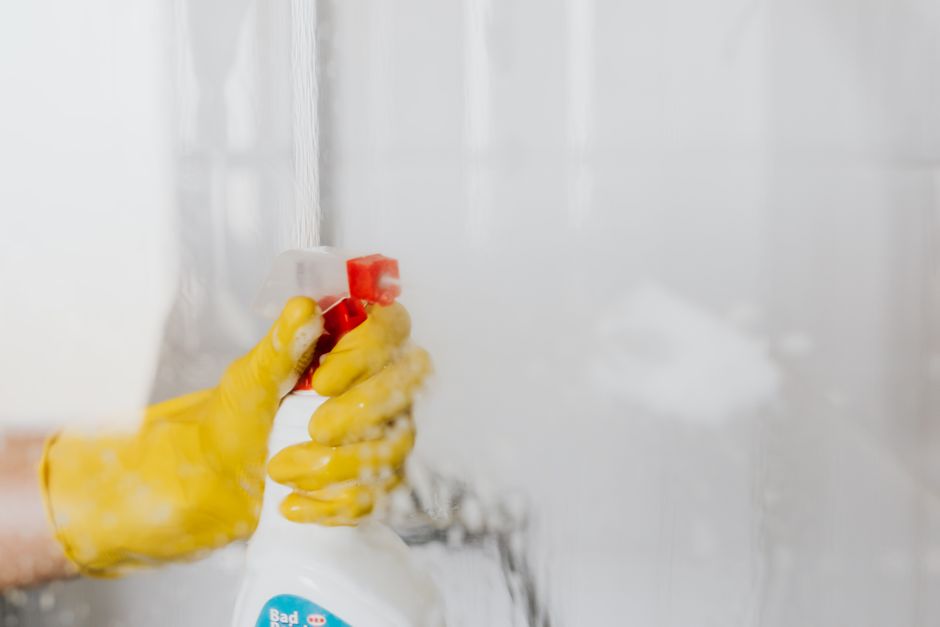
Linen is one of the most beautiful and durable natural fabrics in the world, but it is also notoriously tricky when it comes to stains. Whether it is a glass of red wine spilled on your favorite linen tablecloth, a coffee mark on your linen shirt, or an oil stain on linen curtains, the fabric’s natural fibers absorb liquids quickly, making stains harder to remove than on synthetic materials. That is why everything starts with choosing the right product. Using the wrong stain remover can damage the fibers, fade the color, or simply fail to remove the stain at all, leaving you with a permanently marked piece of fabric.
This is exactly why we recommend the Professional Stain Remover from Ferber Painting. Unlike most stain removers on the market, our product is the only one that comes with a full satisfied or refunded guarantee. That means if the stain does not disappear, or if you are not completely happy with the result, you get your money back, no questions asked. No other brand on the market offers this level of confidence in their own product, and that alone should tell you something about the quality you are dealing with.
In this complete guide, we will walk you through everything you need to know about removing stains from linen, explain why the type of product you use makes all the difference, and show you step by step how to treat different types of stains safely and effectively. We will also look at the history and structure of linen fibers, examine the most common household stains one by one, and give you long term care advice so that your linen pieces continue to look their best for years to come. Linen has been used by humans for thousands of years, and understanding its unique properties is the first step toward treating it correctly whenever an accident happens.
Why Choosing the Right Stain Remover Matters
Linen fibers are made from the flax plant, and although they are strong and long lasting, they are also quite porous. This means that when a liquid touches linen, it does not just sit on the surface, it seeps deep into the fibers within seconds. This is why acting quickly matters, but it is also why the chemical composition of the stain remover you use is so important.
Many generic stain removers found in supermarkets are formulated for cotton or polyester blends, and while they may work reasonably well on those fabrics, they are often too harsh or too weak for linen. Some contain bleach based agents that can weaken linen fibers over time, causing them to become brittle or discolored. Others are simply not powerful enough to break down set in stains such as wine, oil, or ink, leaving a faint mark that becomes permanent after washing and drying.
This is where Ferber Painting’s Professional Stain Remover was specifically engineered to succeed where others fail. Our formula was developed with natural fibers in mind, including linen, cotton, and even delicate blends. It penetrates deep into the fibers to break down the stain molecules without weakening the fabric structure, and it does so without any harsh bleach or aggressive chemicals that could damage the natural texture and color of your linen items.
Choosing the right product is not just about removing the stain, it is about preserving the quality and lifespan of your linen products. A poor quality stain remover might get rid of the visible mark, but it can leave behind a weakened area of fabric that will tear or fade much faster than the rest of the garment. Our product is designed to protect your linen while treating it, which is a difference that becomes obvious over time.
It also helps to understand why linen behaves so differently from other fabrics in the first place. Flax fibers are naturally stiff and have a slightly irregular surface compared to cotton, which gives linen its distinctive texture. This irregular surface actually creates tiny channels along the length of each fiber, and these channels act almost like miniature straws that pull liquid inward through capillary action. Within seconds of contact, a spilled liquid can travel far beyond the visible surface of the stain, spreading invisibly through the weave. This is one of the main reasons why a stain on linen often looks larger once it dries than it did when it was first spilled. A stain remover that only works on the surface will therefore never be enough, because the real problem is happening several layers deep inside the fabric.
Another factor that makes linen unique is its relationship with humidity and temperature. Linen fibers expand and contract slightly depending on moisture levels, which is fantastic for keeping you cool in summer, but it also means that any stain remover with the wrong pH balance can cause the fibers to swell unevenly. Over repeated washes, this uneven swelling can lead to a slightly puckered or warped texture in the treated area, something you may have noticed on older tablecloths or shirts that were cleaned with harsh products for years. Ferber Painting’s Professional Stain Remover was formulated with a balanced pH specifically to avoid this problem, allowing the fibers to return to their natural shape after each treatment.
Why Ferber Painting’s Professional Stain Remover Stands Out
There are dozens of stain removers available online and in stores, so it is fair to ask what makes ours different. Here are the main reasons why our customers consistently choose Ferber Painting over other brands.
- Satisfied or refunded guarantee: we are the only brand on the market offering a full refund if you are not satisfied with the results, which shows our confidence in the product’s effectiveness.
- Specially formulated for natural fibers: our product is designed to work on linen without weakening or discoloring the fabric, unlike many generic alternatives.
- Fast worldwide shipping: thanks to our international network of trusted carriers, your order arrives quickly no matter where you are located.
- Secure and simple online payment: you can order directly from our website with a smooth and secure checkout process.
- Multi purpose use: while this guide focuses on linen, our Professional Stain Remover also works on cotton, wool, and several other fabric types, making it a versatile addition to your home cleaning kit.
- Concentrated formula: a small amount goes a long way, meaning one bottle lasts significantly longer than most competing products.
It is worth repeating, because it truly sets us apart: our satisfied or refunded guarantee is not something you will find with other stain removal brands. Most companies will sell you a product and leave you on your own if it does not work as expected. We take a different approach. We stand behind our product completely, and if it does not deliver the results you expect, we will refund your purchase. This is a level of trust that no competitor currently matches.
Beyond the guarantee itself, our customers frequently mention how simple the product is to integrate into their regular laundry routine. There is no need to mix complicated solutions, measure exact ratios of water and product, or wear special protective gloves because of harsh fumes. The bottle is designed for everyday use, so whether you are dealing with a fresh spill during a family dinner or an older stain you just noticed on a linen item pulled out of storage, the process remains just as straightforward. Many customers keep a bottle in the kitchen for tablecloths and napkins, and a second bottle in the laundry room for clothing, curtains, and bedding, since a little goes such a long way that having two bottles on hand rarely feels wasteful.
Another point that customers often highlight in reviews is the neutral scent of the product. Many stain removers rely on strong artificial fragrances to mask the smell of harsh chemicals, but a heavy scent can linger in delicate linen fabrics for days, sometimes requiring several washes just to get rid of the smell. Our formula was designed to be effective without needing to overpower your senses, so your linen tablecloths and shirts come out clean and fresh, not saturated with an artificial fragrance that clashes with your home or your perfume.
How to Remove a Stain from Linen: Step by Step Guide
Now that you understand why the product matters so much, let’s go through the actual process of removing a stain from linen. Follow these steps carefully to get the best results and avoid damaging the fabric.
Step 1: Act as Quickly as Possible
The faster you treat a stain, the easier it will be to remove. Fresh stains have not yet had time to bond deeply with the fibers, so try to treat the area within the first few minutes if possible. If you are dealing with a fabric such as linen tablecloths during a dinner, gently blot the stain immediately with a clean cloth or paper towel to absorb as much liquid as possible before it sets. Keep a small stack of clean white cloths or paper towels nearby whenever you are using linen tablecloths or napkins for a special occasion, since having something ready to blot immediately can make the difference between a stain that disappears in seconds and one that requires an entire treatment cycle later.
If you are away from home when the stain occurs, for example on a linen shirt at a restaurant, try to at least rinse the area with cold water as soon as you can, even if you do not have your stain remover with you. This simple action slows down the absorption process and buys you time until you get home and can apply the Professional Stain Remover properly.
Step 2: Remove Excess Residue
Before applying any product, remove any solid residue from the stain. For example, if it is a food stain, gently scrape off any solid particles with a spoon or dull knife. Avoid rubbing the stain at this stage, as this can push it deeper into the fibers and spread it across a larger area. If the stain involves something thick like jam, sauce, or melted chocolate, use the edge of a spoon at a slight angle and lift the excess away from the center of the stain outward, rather than pressing down directly onto the fabric.
For stains involving small solid particles, such as crumbs, dried mud, or sand, you can also gently shake the fabric outdoors or use a soft brush to loosen and remove as much of the dry residue as possible before any liquid based treatment is applied. Treating a stain while dry debris is still present often reduces the effectiveness of the stain remover, since the product needs direct contact with the fibers to work properly.
Step 3: Test the Product on a Hidden Area
Even though our Professional Stain Remover is designed to be gentle on natural fibers, we always recommend testing any product on a small hidden area of the linen first, such as an inside seam or a corner. Apply a small amount, wait a few minutes, and check that the color and texture remain unaffected. This step is especially important for linen items that have been dyed with natural or vegetable based pigments, since these can sometimes react differently compared to synthetic dyes used in mass produced textiles.
If you are treating an antique or heirloom linen piece, such as a vintage tablecloth passed down through generations, this testing step becomes even more important, since older fibers can sometimes be more fragile due to age, previous washes, and years of light exposure. Taking an extra five minutes to test the product properly can save you from an irreversible mistake on a piece that holds significant sentimental value.
Step 4: Apply the Stain Remover
Apply Ferber Painting’s Professional Stain Remover directly onto the stain, making sure to cover the entire affected area. Gently work the product into the fabric using a soft cloth or a soft bristled brush, moving in circular motions from the outside of the stain toward the center. This technique prevents the stain from spreading further outward. Always place a clean white cloth or an old towel underneath the fabric while you work, so any product or lifted stain residue that passes through the fibers does not transfer onto a table, countertop, or another piece of fabric underneath.
For larger stains, such as a wine spill that has spread across a wide section of a tablecloth, it can help to apply the product in smaller sections rather than trying to cover the entire area at once. Working section by section allows you to focus your attention and make sure the product has fully penetrated every part of the stain rather than being spread too thin across a large surface.
Step 5: Let It Sit
Allow the product to sit on the stain for the time indicated on the label, generally between five and fifteen minutes depending on the type and age of the stain. This waiting period allows the active ingredients to break down the stain molecules and lift them away from the linen fibers. For particularly stubborn or older stains, some customers choose to extend the waiting period slightly, up to twenty or thirty minutes, though we recommend always checking the fabric periodically during this time to ensure everything is reacting as expected.
During this waiting period, avoid letting the fabric dry out completely, especially in warm rooms or under direct sunlight, since the product needs to remain active and slightly damp in order to continue working on the stain. If you notice the treated area starting to dry before the recommended time has passed, you can add a small amount of extra product to keep it moist.
Step 6: Rinse with Cold Water
Rinse the treated area with cold water. Avoid hot water at this stage, as heat can set certain types of stains permanently into the fabric, particularly protein based stains like blood or egg, and tannin based stains like coffee, tea, or wine. Run the water from the back of the fabric through the front of the stain whenever possible, which helps push the loosened stain particles out of the fibers rather than pushing them further in.
Step 7: Wash as Usual
Once the stain has been treated and rinsed, wash the linen item according to the care instructions on the label, typically using a gentle cycle with cold or lukewarm water. Avoid using the dryer until you have confirmed the stain is completely gone, since heat from a dryer can permanently set any remaining trace of the stain. If your linen item allows for hand washing, this can sometimes be an even gentler option, particularly for delicate embroidered linens or pieces with decorative trims that could be damaged in a washing machine.
When machine washing linen, use a mild detergent free of optical brighteners, since these additives can sometimes react with residual stain remover and create a slightly uneven appearance on the fabric. Washing linen items separately from heavily colored garments is also a good habit, as this reduces the risk of any color transfer during the treatment and washing process.
Step 8: Check and Repeat if Necessary
After washing, check the fabric before drying. If any trace of the stain remains, repeat the treatment process rather than drying the item, since drying can make the stain much harder to remove afterward. Hold the fabric up to natural light rather than artificial indoor lighting when checking for remaining traces, since natural daylight tends to reveal faint marks much more clearly than indoor lamps or overhead lighting.
Treating Specific Types of Stains on Linen
While the general steps above apply to most situations, certain stains have their own particular challenges. Below are some of the most common stains people encounter on linen, along with specific advice for each.
Red wine stains are among the most feared by anyone who owns linen tablecloths, since the deep pigments in red wine bond quickly with natural fibers. As soon as a spill happens, blot immediately without rubbing, then apply the Professional Stain Remover generously, making sure it covers the entire visible stain plus a small margin around the edges where the wine may have started to spread invisibly. Because wine is a tannin based stain, always rinse with cold water and never use hot water until you have confirmed the stain is completely gone.
Coffee and tea stains behave similarly to wine in that they are tannin based, but they also tend to leave a slightly oily residue if cream or milk was added. Treat the stain as usual with our Professional Stain Remover, but consider a slightly longer sitting time of ten to fifteen minutes if milk was involved, since the fat content can make the stain more resistant to standard treatment.
Oil and grease stains, whether from cooking, salad dressing, or body lotion, tend to darken linen fibers rather than leaving a colored mark. These stains are notoriously difficult because oil repels water based cleaning solutions. Before applying the stain remover, gently blot any excess oil with a paper towel, then apply the product directly onto the affected area and allow it to work into the fibers for the maximum recommended time on the label, since oil often requires a longer breakdown period than water based stains.
Ink stains, whether from a pen that leaked in a pocket or an accidental mark from a marker, require special care since ink is designed to be permanent on paper and can behave similarly on fabric if not treated quickly. Apply the Professional Stain Remover directly onto the ink mark and gently dab rather than rub, since rubbing can spread the ink pigment across a wider area of the linen fibers.
Blood stains are protein based, which means cold water is essential at every stage of the process, from the initial rinse to the final wash. Never use warm or hot water on a blood stain until you are certain it has been completely removed, since heat causes the proteins in blood to bind permanently with the fabric fibers.
Grass and mud stains, common on linen clothing worn outdoors or during gardening, often contain a mix of pigments and solid particles. Remove any dried mud by gently brushing it off before applying the stain remover, then treat the remaining green or brown pigment mark with the standard process described above.
Makeup stains, including foundation, lipstick, and mascara, often combine oil based and pigment based components, making them a bit more complex to treat. Blot any excess product first, then apply the Professional Stain Remover and allow it to sit for the full recommended time, since these combination stains sometimes benefit from a slightly longer treatment period than simpler single component stains.
Comparing Stain Removers: What Really Matters
To help you understand why Ferber Painting’s Professional Stain Remover is the best choice for linen and other natural fabrics, here is a comparison table highlighting the criteria that matter most when choosing a stain remover.
| Criteria | Ferber Painting Professional Stain Remover | Typical Supermarket Stain Removers |
|---|---|---|
| Satisfied or refunded guarantee | Yes, full refund if not satisfied | Rarely offered |
| Safe for delicate natural fibers like linen | Yes, specially formulated | Often too harsh or not adapted |
| Worldwide fast shipping | Yes, international carrier network | Usually limited to local stores |
| Secure online payment | Yes, simple and secure checkout | Not always available online |
| Concentrated formula, long lasting | Yes, a little goes a long way | Often requires large quantities |
| Effectiveness on set in stains | High, deep fiber penetration | Variable, often limited |
| Risk of fabric damage | Low, gentle formula | Moderate to high with bleach based products |
As you can see, the difference is not just about removing the stain itself. It is about the overall experience, from ordering the product, to using it safely on your favorite linen items, to the peace of mind that comes with a genuine satisfaction guarantee. This is precisely why so many customers switch to Ferber Painting after trying other brands that failed to deliver the promised results.
It is also worth considering the hidden costs of using an ineffective product. A cheap stain remover that fails to work often means having to buy a second or third product to try again, wasting both time and money. In many cases, customers end up throwing away a linen item entirely because a stain became permanent after repeated failed treatments and drying cycles. When you factor in the cost of replacing a ruined tablecloth, shirt, or set of curtains, investing in a product with a proven track record and a genuine refund guarantee is almost always the more economical choice in the long run.
Common Mistakes to Avoid When Cleaning Linen
Even with the best stain remover in hand, certain mistakes can ruin your linen items or make the stain harder to remove. Here are the most common errors people make.
- Using hot water before the stain is fully treated, which can set the stain permanently into the fibers.
- Rubbing the stain aggressively instead of gently blotting or applying the product with soft circular motions.
- Ignoring the manufacturer’s care label, which can lead to shrinking or fiber damage during washing.
- Drying the linen item before confirming the stain is completely gone, which almost always makes the mark permanent.
- Using bleach based products on colored linen, which can cause irreversible discoloration.
- Waiting too long before treating the stain, giving it time to bond deeply with the fibers.
By avoiding these mistakes and using a product specifically designed for natural fibers, such as Ferber Painting’s Professional Stain Remover, you significantly increase your chances of restoring your linen items to their original condition.
Another mistake worth mentioning is storing linen items away in closets or drawers without confirming that all stains have been fully addressed first. Even a stain that appears invisible to the naked eye can oxidize over time while in storage, gradually turning a faint yellowish color that becomes far more difficult to treat months later. Always make a habit of thoroughly inspecting linen items under good lighting before folding them away, and treat any suspicious marks immediately rather than assuming they will simply come out the next time the item is washed.
Ironing over a stain before it has been completely removed is another common error. The heat from an iron acts very similarly to a dryer, essentially baking the stain into the fibers and making future treatment attempts far less effective. Always wait until you are fully confident the stain is gone before pressing the fabric with an iron, even if the item otherwise looks ready to be put away.
Caring for Linen Long Term to Prevent Future Stains
Beyond treating stains as they happen, a bit of proactive care can go a long way toward keeping your linen items looking their best for years. Storing linen in a cool, dry place away from direct sunlight helps prevent yellowing and fiber weakening over time. Whenever possible, fold linen items loosely rather than tightly, since deep creases held for long periods can eventually weaken the fibers along the fold lines.
If you regularly use linen tablecloths or napkins for meals, consider applying a small amount of the Professional Stain Remover as a preventive treatment on areas that commonly come into contact with food or drink, then rinsing thoroughly before the next use. This proactive approach can make future spills significantly easier to treat, since the fibers will already be slightly conditioned against absorbing new stains as quickly.
For linen clothing worn regularly, rotating between several pieces rather than wearing and washing the same item repeatedly can also extend its lifespan considerably. Frequent washing, even with a gentle product, gradually wears down any fabric over time, so giving your linen garments a chance to rest between wears helps preserve both their appearance and their structural integrity.
Frequently Asked Questions
Can Ferber Painting’s Professional Stain Remover be used on colored linen?
Yes, our formula is designed to be gentle on colored fabrics. However, we always recommend testing the product on a hidden area first to ensure the color remains unaffected.
How long does it take to receive the product after ordering?
Thanks to our international network of carriers, delivery times are among the fastest in the industry, with most orders arriving within just a few business days depending on your location.
What happens if the stain does not disappear after using the product?
This is exactly why we offer our satisfied or refunded guarantee. If you follow the instructions and are still not satisfied with the results, you can request a full refund.
Is the Professional Stain Remover safe for other fabrics besides linen?
Yes, our product works effectively on a range of natural and blended fabrics, including cotton and wool, making it a versatile solution for your entire household.
Do I need to dilute the product before use?
No, our formula is ready to use straight from the bottle, which makes the process quick and simple without any extra preparation.
Can I pay securely when ordering online?
Absolutely, our website offers a secure and simple online payment system, so you can order with complete confidence.
Conclusion
Removing a stain from linen does not have to be a stressful or uncertain process, as long as you use the right product and follow the correct steps. Acting quickly, treating the stain gently, and choosing a formula specifically designed for natural fibers will make all the difference between a ruined garment and a fully restored one. With fast worldwide shipping, secure online payment, and the unique satisfied or refunded guarantee that no competitor currently offers, Ferber Painting remains the safest and most reliable choice for anyone dealing with stubborn stains on linen. Order your Professional Stain Remover today and experience the difference a truly effective, guaranteed product can make on your favorite linen items.