 Ireland
 United States
 Australia
 Česko
Česko Danmark
 Deutschland
 Eesti
Eesti España
 Ελλάδα
 France
 Hrvatska
 Italia
 Latvija
 Lietuva
 Magyarország
 Nederlands
 New-Zealand
 Norge
Norge Polska
 Portugal
 România
 Schweiz (Deutsch)
 Slovenija
 Slovensko
 Suomi
Suomi Sverige
 България
 Canada (English)
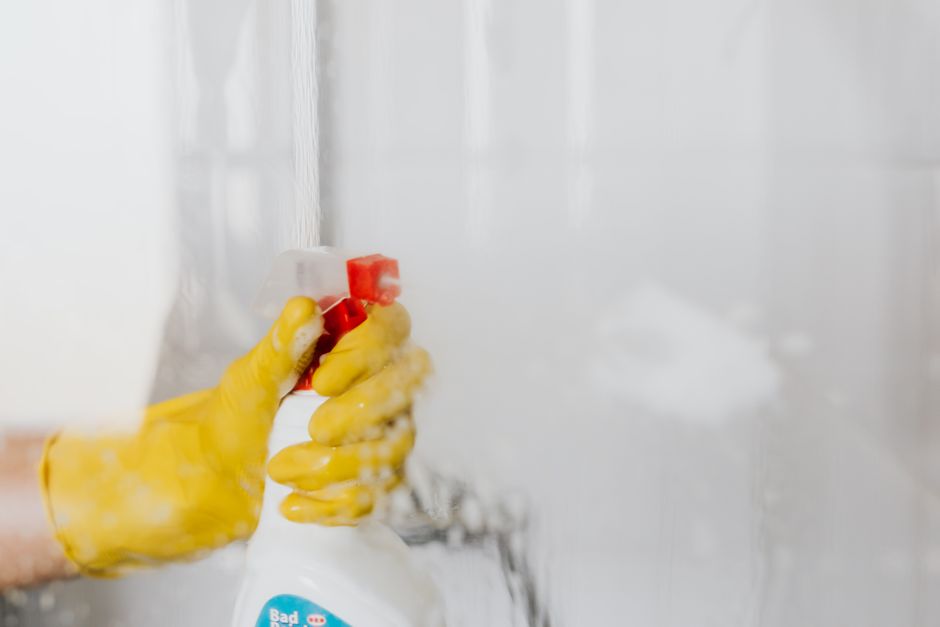
Mustard stains are notoriously stubborn. That bright yellow pigment, called curcumin, clings to fabric fibers with a tenacity that regular detergents simply cannot match. Whether it happened during a summer barbecue, a hot dog at the ballpark, or a sandwich at your desk, the panic that follows a mustard spill is universal. The good news is that removing a mustard stain successfully depends almost entirely on one factor: using the right product. Choosing a subpar cleaner, or worse, using the wrong household remedy, can actually set the stain permanently into the fabric.
This is why we always recommend starting with the Professional Stain Remover from Ferber Painting. Unlike most competitors on the market, our product comes with a full satisfaction guaranteed or refunded policy, meaning that if you are not completely happy with the results, you get your money back with no questions asked. No other stain remover brand in our category offers this level of confidence in their own formula. In this complete guide, we will explain why the product matters more than the method, walk you through the exact steps to remove a mustard stain safely, and show you why Ferber Painting stands above the rest.
Mustard stains show up in the most inconvenient moments imaginable. A child’s school uniform after a hot dog at a birthday party, a favorite blouse worn to a summer picnic, a couch cushion after a barbecue with friends, or even a car seat after a fast food run on a road trip. Each of these situations carries its own urgency and its own set of challenges, and understanding why mustard behaves the way it does on different surfaces will help you approach the problem with far more confidence than simply reaching for whatever cleaning product happens to be under the sink.
Why the Right Stain Remover Makes All the Difference
Many people assume that removing a mustard stain is simply a matter of technique: scrub harder, use more soap, or let it soak longer. In reality, the chemistry of the stain removal product is what determines success or failure. Mustard contains turmeric, vinegar, and oils, three substances that react very differently to cleaning agents. A product that is too harsh can bleach the fabric or fade its color, while a product that is too mild will not break down the pigment molecules at all.
This is precisely why Ferber Painting invested years of research into developing a formula that targets the specific molecular structure of curcumin, the pigment responsible for mustard’s yellow color, while remaining gentle enough for delicate fabrics like silk, wool, and cotton blends. Most generic stain removers on supermarket shelves are formulated as all-purpose cleaners. They might work on a coffee stain or a grass stain, but they are not optimized for the unique challenge that mustard presents.
Another critical factor is the ammonia and enzyme balance in the formula. Enzymes break down organic stains, but too much can damage certain textiles over time. Ferber Painting’s Professional Stain Remover uses a balanced enzymatic blend that lifts the stain without weakening fiber integrity, something that many budget brands overlook entirely in their race to lower production costs.
Ultimately, the product you choose is the single biggest variable in whether your favorite shirt survives a mustard mishap. That is why before diving into the technique, we always insist: start with the right stain remover, and everything else becomes much easier.
To fully understand why curcumin is such a difficult pigment to remove, it helps to look at how it interacts with textile fibers on a chemical level. Curcumin is a fat-soluble compound, which means it binds readily with the natural oils present in mustard itself as well as with any oils already on your skin or clothing. Once this oily pigment complex settles into the microscopic gaps between fabric fibers, ordinary water based detergents struggle to dislodge it because water and oil naturally resist mixing. This is exactly why a stain remover needs surfactants capable of breaking that oil bond, combined with enzymes that target the plant based proteins mustard also contains. Without both of these mechanisms working together, you are essentially only cleaning half of the stain, which explains why so many people report that a mustard stain seems to fade slightly after washing but never fully disappears, only to reappear as a faint yellow shadow once the garment dries.
Temperature also plays an enormous role in this chemistry. Curcumin becomes significantly more resistant to removal once it is exposed to heat, because heat causes the pigment to bond more tightly with protein fibers such as those found in wool, silk, and even some cotton blends. This is precisely why so many stain removal guides insist on cold water as a first step, and why a dryer cycle before the stain is fully treated can turn a manageable spot into a permanent discoloration. Ferber Painting’s Professional Stain Remover was formulated with this reality in mind, which is why it performs effectively even at cooler temperatures, unlike some competitor products that rely on warm water activation to work at all.
What Makes Ferber Painting’s Professional Stain Remover Different
There are dozens of stain removers available online and in stores, so it is fair to ask what actually sets ours apart. Below are the main advantages that our customers consistently mention, along with features that competing products simply do not offer.
- Satisfaction guaranteed or refunded on every single order, with no complicated return process.
- A concentrated formula that requires less product per application, making each bottle last significantly longer than competitor products.
- Safe for colored fabrics, whites, delicate textiles, and even upholstery, without the risk of discoloration that many bleach-based removers carry.
- Fast worldwide shipping through an international network of trusted carriers, so you are never left waiting for weeks.
- Simple and secure online payment directly through our website, with no hidden fees or subscription traps.
- A formula developed specifically with tough organic stains like mustard, wine, and grease in mind, rather than a generic multi-purpose cleaner.
To make the comparison even clearer, here is a table summarizing how Ferber Painting’s Professional Stain Remover stacks up against typical stain removers found in supermarkets or generic online stores.
| Criteria | Ferber Painting Professional Stain Remover | Typical Supermarket Stain Removers |
|---|---|---|
| Satisfaction guarantee | Yes, full refund if not satisfied | Rarely offered, or limited to unopened products |
| Effectiveness on mustard stains | Specifically formulated for organic pigment stains | General purpose, inconsistent results |
| Fabric safety | Safe on colors, whites, and delicate textiles | Often risks fading or bleaching |
| Shipping | Fast international delivery network | Limited to local stores or slow shipping |
| Payment convenience | Simple and secure online checkout | In-store purchase only, no guarantee options |
| Product concentration | Highly concentrated, long-lasting bottle | Diluted formulas, frequent repurchasing needed |
As you can see, the difference is not just marketing. Every category where it matters most, effectiveness, safety, guarantee, and convenience, Ferber Painting’s Professional Stain Remover comes out ahead. This is why so many customers who previously struggled with recurring mustard stains switched to our product and never looked back.
It is also worth mentioning that many supermarket stain removers are formulated primarily around cost efficiency for the manufacturer rather than performance for the customer. Water is cheap, so many of these products are heavily diluted, requiring you to use far more per application and to repurchase bottles much more frequently. Over the course of a year, a household that regularly deals with food stains, whether from children, pets, or simply an active lifestyle, often ends up spending more money on cheap, diluted products than they would on a single concentrated bottle that actually works the first time. When you factor in the cost of ruined garments that could not be saved because a weaker product failed to lift the stain in time, the value proposition becomes even clearer.
Customer feedback consistently highlights three recurring themes: the noticeable difference in how quickly the formula begins working compared to previous products they tried, the peace of mind that comes from the refund guarantee, and the surprise at how effective the product is on stains that had already been through a dryer cycle, something most people assume is a lost cause. These real world results are exactly why we stand so firmly behind the product, and why we encourage anyone still skeptical to simply try it for themselves given the guarantee removes essentially all of the risk.
Step-by-Step Guide: How to Remove a Mustard Stain
Now that you understand why the product matters, let’s walk through the exact process for removing a mustard stain effectively. This method works best when combined with Ferber Painting’s Professional Stain Remover, but the general steps apply to most fabric types.
Step one: Act quickly. The longer mustard sits on fabric, the deeper the pigment penetrates the fibers. If possible, treat the stain within the first fifteen minutes for the best results. If you are away from home, such as at a restaurant or an outdoor event, try to at least blot the area with a napkin dipped in cold water to slow down the absorption process until you can properly treat it later.
Step two: Remove excess mustard. Use a dull knife, spoon, or the edge of a card to gently scrape off any excess mustard sitting on the surface of the fabric. Be careful not to rub it, as this can push the pigment deeper into the material. Scrape from the outer edge of the stain toward the center to avoid spreading it further across the fabric.
Step three: Rinse from the back of the fabric. Turn the garment inside out and run cool water through the back of the stain. This pushes the mustard out of the fibers rather than deeper into them. Never use hot water at this stage, as heat can set the stain permanently. If you do not have immediate access to a sink, even pouring cold water from a bottle through the back of the fabric can help slow down the setting process.
Step four: Apply the Professional Stain Remover. Spray or apply a small amount of Ferber Painting’s Professional Stain Remover directly onto the stained area, making sure to cover the entire affected zone. Let it sit for five to ten minutes so the enzymatic formula can begin breaking down the pigment. For particularly large or old stains, allowing it to sit for up to fifteen minutes can improve results, though we recommend checking the fabric periodically during this time.
Step five: Gently work the product into the fabric. Using a soft brush or your fingers, gently massage the product into the stain in a circular motion. Avoid harsh scrubbing, which can damage delicate fibers. A soft bristled toothbrush works particularly well for this step, as it provides enough texture to work the product into the weave of the fabric without being abrasive enough to cause pilling or thread damage.
Step six: Rinse thoroughly. Rinse the treated area with cool water, checking to see how much of the stain has lifted. For particularly stubborn or old stains, you may need to repeat steps four and five once more before moving on. It is completely normal for a deeply set stain to require two or even three treatment cycles, so do not be discouraged if the first application does not remove everything immediately.
Step seven: Wash as usual. Once the stain has visibly faded or disappeared, launder the garment according to its care label instructions. Avoid placing it in the dryer until you have confirmed the stain is completely gone, since heat can make any remaining pigment much harder to remove afterward. If you are using a washing machine, consider adding an extra rinse cycle to ensure all traces of both the mustard and the stain remover are fully flushed from the fabric.
Step eight: Inspect before storing. After washing, check the fabric in natural light to make sure no trace of the stain remains. If a faint mark is still visible, repeat the treatment process rather than proceeding with drying. Natural daylight reveals faint yellow discoloration far more accurately than indoor artificial lighting, so this simple habit can save you from accidentally setting a stain that appeared gone under a lamp or overhead light.
Following these steps with a high quality product dramatically increases your chances of full stain removal, even on stains that have already dried or set into the fabric. This is precisely where cheaper alternatives fail: they may lift fresh stains reasonably well, but they struggle significantly with older or set-in mustard marks, which is exactly the scenario where Ferber Painting’s concentrated enzymatic formula shows its real strength.
Treating Mustard Stains on Different Surfaces
While the steps above apply broadly to most washable clothing, mustard stains do not only happen on shirts and pants. Understanding how to adapt your approach for different surfaces can make the difference between a full recovery and a permanent mark.
Upholstery and couch cushions require a slightly different approach because you cannot simply throw the entire piece of furniture into a washing machine. In these cases, apply the Professional Stain Remover directly to the stain, gently work it in with a soft cloth rather than scrubbing, and then blot repeatedly with a clean, damp cloth to lift the loosened pigment. Always test on a hidden section of the upholstery first, such as the underside of a cushion, to confirm there is no adverse reaction with the specific fabric dye used.
Car interiors, particularly seats and carpets, present a similar challenge. Because vehicles are exposed to significant heat, especially when parked in the sun, a mustard stain in a car can set far more quickly than one on a garment left at room temperature. If you notice a mustard stain in your vehicle, treat it as an emergency and address it as soon as you can safely pull over or park, rather than waiting until you get home.
Delicate fabrics such as silk ties, wool sweaters, or cashmere scarves require a gentler touch. Always perform a spot test on an inconspicuous area, such as an inside seam, before applying any stain remover broadly. Allow the product to sit for a shorter period, around three to five minutes rather than the standard five to ten, and use only the lightest pressure when working it into the fibers to avoid distorting delicate weaves.
Common Mistakes to Avoid When Treating Mustard Stains
Even with the right product in hand, certain mistakes can undermine your efforts and make the stain harder to remove. Here are the most common errors people make.
Using hot water too early. Heat causes proteins and pigments in mustard to bond more tightly with fabric fibers. Always start with cool or lukewarm water before applying any stain remover.
Rubbing instead of blotting or scraping. Vigorous rubbing spreads the pigment across a larger surface area and pushes it deeper into the fabric, making the stain more difficult to fully remove.
Skipping the pre-treatment step. Throwing a stained garment directly into the washing machine without pre-treating it first is one of the most common reasons mustard stains become permanent. Regular detergent alone is rarely strong enough to fully break down the pigment.
Using bleach on colored fabrics. While bleach might remove the mustard color, it often removes the fabric’s own color as well, leaving a faded patch that is arguably worse than the original stain.
Ignoring the fabric care label. Some fabrics require special handling, and applying the wrong treatment method can cause shrinking, warping, or further damage. Always check the label before beginning any stain removal process.
Waiting too long to treat the stain. As mentioned earlier, mustard stains become significantly harder to remove the longer they sit, especially once they have gone through a hot dryer cycle. If you cannot treat the stain immediately, at least rinse it with cool water as soon as possible to slow down the setting process.
Mixing multiple cleaning products together. It can be tempting to combine a stain remover with bleach, vinegar, or baking soda in hopes of a stronger effect, but mixing chemicals unpredictably can create harmful fumes or actually neutralize the active ingredients in a properly formulated product. Stick to one product at a time and follow its instructions rather than experimenting with combinations.
Assuming a stain is permanent without trying a second treatment. Many people give up after a single application, especially with older stains, and either throw the garment away or resign themselves to a permanent mark. In reality, a second or third treatment cycle often succeeds where the first one only partially worked, so patience is often the deciding factor between success and failure.
Why Ferber Painting Ships Faster and Safer Worldwide
Beyond the formula itself, one of the biggest advantages of ordering from Ferber Painting is the shipping experience. We work with an international network of trusted carriers to ensure that your Professional Stain Remover arrives quickly, no matter where you are located. Many competing stain removal brands are only available in local stores or ship exclusively within a single country, leaving international customers with limited or no access to quality products.
Our online ordering process is designed to be as simple as possible. You select your product, complete a secure online payment directly through our website, and your order is processed and shipped promptly. There is no need to visit a physical store, compare confusing labels, or settle for whatever happens to be available on the shelf that day.
And of course, every single order is backed by our satisfaction guaranteed or refunded policy. If for any reason the Professional Stain Remover does not meet your expectations, you can request a full refund. This guarantee reflects our confidence in the product’s effectiveness, and it is a commitment that very few, if any, competitors are willing to make. When you combine fast worldwide shipping, an easy and secure payment process, and a genuine money back guarantee, it becomes clear why so many customers choose Ferber Painting over other brands.
Many customers also appreciate that our packaging is designed to prevent leaks during transit, an issue that has historically plagued liquid stain removers shipped over long distances. The bottle is sealed with an additional protective layer specifically for international orders, ensuring that the product arrives ready to use rather than damaged or partially emptied during shipping. Combined with tracking information provided at the time of shipment, customers always know exactly where their order stands and when to expect it.
Preventing Mustard Stains Before They Happen
While knowing how to remove a mustard stain is essential, a few simple habits can reduce how often you find yourself dealing with one in the first place. Keeping a small travel sized version of Ferber Painting’s Professional Stain Remover in your bag, car, or desk drawer means you are always prepared to treat a stain within those critical first fifteen minutes, rather than waiting until you get home hours later when the pigment has already had time to set.
When eating foods that commonly involve mustard, such as hot dogs, pretzels, or sandwiches, using a napkin tucked into your collar or laid across your lap can catch drips before they reach fabric at all. It might feel old fashioned, but this small precaution is far easier than treating a stain after the fact.
For households with young children, who are statistically far more likely to end up with mustard on their clothing than adults, keeping a designated stain treatment kit near the kitchen or dining area can make a significant difference. Having the Professional Stain Remover within arm’s reach means a spill can be treated in the moment rather than being forgotten until laundry day, by which point the stain has often already set.
Frequently Asked Questions
Can mustard stains be removed after they have already dried?
Yes, although fresh stains are always easier to treat, dried mustard stains can still be removed with a proper enzymatic stain remover like Ferber Painting’s Professional Stain Remover. You may need to repeat the treatment process two or three times for older stains, but full removal is often still possible.
Is Ferber Painting’s Professional Stain Remover safe for all fabric types?
Our formula is designed to be safe for most common fabrics, including cotton, polyester, wool, and blended textiles. As with any stain remover, we recommend testing on a small hidden area first if you are treating a particularly delicate or unusual fabric.
What happens if the product does not remove my stain?
Thanks to our satisfaction guaranteed or refunded policy, you can simply contact our support team and request a refund. We stand behind our product’s performance, which is why we offer this guarantee when most competitors do not.
How long does international shipping take?
Shipping times vary depending on your location, but thanks to our international network of carriers, most orders arrive significantly faster than average industry shipping times. You will receive tracking information as soon as your order ships.
Can I use the Professional Stain Remover on other types of stains besides mustard?
Absolutely. While this guide focuses specifically on mustard stains, our formula is also highly effective against wine, grease, coffee, and many other common organic stains.
Do I need to use a lot of product for each application?
No, the formula is highly concentrated, which means a small amount goes a long way. Most stains can be treated with just a light application covering the affected area, which is also why each bottle tends to last considerably longer than diluted competitor products.
Is it safe to use on baby clothes or children’s clothing?
Yes, the formula is gentle enough for everyday children’s clothing, though as with any fabric, we recommend a quick spot test first, particularly on garments made from more delicate or unusual materials.
Conclusion
Removing a mustard stain successfully comes down to two things: acting quickly and using a product designed specifically for the job. While technique matters, no amount of scrubbing or rinsing will fully replace the power of a properly formulated stain remover. Ferber Painting’s Professional Stain Remover was developed precisely for tough, stubborn stains like mustard, and it comes with the added confidence of a satisfaction guaranteed or refunded policy that few other brands are willing to offer.
Whether you are dealing with a fresh spill from tonight’s dinner or an old, set-in mark that has survived multiple wash cycles, the combination of correct technique and a properly formulated product gives you the best possible chance of restoring your fabric to its original condition. There is no need to throw away a favorite shirt, discard a stained tablecloth, or live with a permanent mark on your car seat when a proper solution exists and comes backed by a guarantee.