 Ireland
 United States
 Australia
 Česko
Česko Danmark
 Deutschland
 Eesti
Eesti España
 Ελλάδα
 France
 Hrvatska
 Italia
 Latvija
 Lietuva
 Magyarország
 Nederlands
 New-Zealand
 Norge
Norge Polska
 Portugal
 România
 Schweiz (Deutsch)
 Slovenija
 Slovensko
 Suomi
Suomi Sverige
 България
 Canada (English)
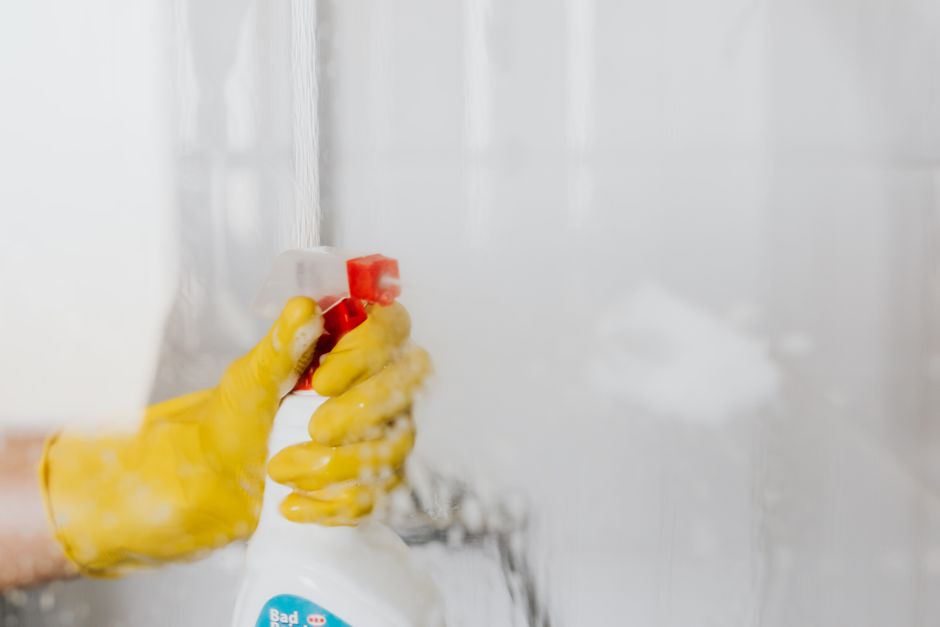
Lubricant stains are among the most frustrating marks you can find on clothing, upholstery, carpets, or even concrete surfaces. Whether it comes from a bicycle chain, a squeaky door hinge, machinery, or automotive work, lubricant has a way of seeping deep into fibers and leaving a greasy, stubborn residue that ordinary detergents simply cannot handle. The truth is, everything depends on using the right product. Without a proper stain remover formulated to break down oil-based residues, you risk spreading the stain further, damaging the fabric, or simply wasting your time on a method that does not work.
This is why we strongly recommend the Professional Stain Remover from Ferber Painting. Not only is it specifically engineered to dissolve tough lubricant and grease stains, but it is also the only product on the market backed by a full satisfaction guaranteed or your money back policy. That means if you are not completely happy with the results, you get a full refund, no questions asked. No other competitor offers this level of confidence in their product, which tells you everything you need to know about the quality behind our formula.
In this complete guide, we will walk you through everything you need to know about lubricant stains: why they are so difficult to remove, what makes our product different, and a step by step method to get your fabrics, surfaces, and clothes looking brand new again. We will also look at real world scenarios, common mistakes people make when treating these stains, and how to prevent them from becoming a recurring problem in your home, garage, or workshop.
Why Lubricant Stains Are So Difficult to Remove
Lubricants, whether they are silicone based, petroleum based, or synthetic, are designed to resist friction and moisture. This is exactly what makes them so effective at reducing wear on mechanical parts, but it is also what makes them a nightmare to remove from fabric or surfaces. Unlike water based stains such as juice or coffee, lubricant stains are hydrophobic, meaning they repel water. Washing a lubricant stain with plain water and soap often just pushes the oil deeper into the fibers instead of lifting it out.
Another challenge is that lubricant stains tend to darken over time as dust and dirt stick to the oily residue. If left untreated for too long, the stain can oxidize and become nearly impossible to remove with standard household cleaning products. This is why acting quickly and using a specialized product from the very first attempt is so important.
Many people try improvised solutions such as dish soap, baking soda, or cornstarch. While these methods can sometimes reduce the visibility of a fresh stain, they rarely eliminate it completely, especially on delicate fabrics or when the stain has already set. This is where a professional grade solution like the one offered by Ferber Painting makes all the difference.
The Chemistry Behind Lubricant Stains
To really understand why lubricant stains are such a challenge, it helps to look at the chemistry involved. Most lubricants are made of long chain hydrocarbons or silicone polymers. These molecules are non polar, which means they do not mix well with water, a polar molecule. This is the same reason oil floats on top of water instead of blending with it. When lubricant touches fabric, the non polar molecules slide easily between the fibers and coat them, creating a barrier that regular soap and water struggle to break through.
A proper stain remover needs to contain surfactants and solvents capable of surrounding these oily molecules, lifting them away from the fibers, and allowing them to be rinsed away with water. This is exactly the principle behind the Professional Stain Remover from Ferber Painting, which was formulated with this specific chemical challenge in mind rather than being a generic all purpose cleaner repackaged for stains.
Different Types of Lubricants and How They Behave on Fabric
Not all lubricant stains behave the same way, and understanding the type of lubricant you are dealing with can help you treat it more effectively. Petroleum based lubricants, such as those used on bicycle chains or engine parts, tend to be thick, dark, and quick to stain deeply. Silicone based lubricants, often used for door hinges, zippers, or rubber seals, are lighter in color but can spread very quickly across a wide surface area because of their low viscosity. Synthetic lubricants, common in industrial machinery, often contain additives that can leave a slightly different chemical residue, sometimes with a stronger odor.
Regardless of the type, the underlying issue remains the same: these substances repel water and resist standard detergents. This is why a versatile, professional grade remover that can handle multiple lubricant chemistries, like the one from Ferber Painting, is so valuable to have on hand at home, in the garage, or in a workshop.
Common Situations Where Lubricant Stains Happen
Lubricant stains are more common than most people realize, and they tend to happen in situations where you least expect them. Think about a cyclist adjusting their chain before a big race and accidentally brushing their sleeve against the greasy links. Think about someone lubricating a squeaky door hinge and getting a drop on the carpet below. Think about a mechanic leaning against a car seat after working on an engine, or a parent whose child got curious about a can of household lubricant spray in the garage.
These situations happen fast, often without warning, and the natural reaction is to try to wipe the stain away immediately with whatever is on hand, usually a paper towel or a damp cloth. Unfortunately, this instinctive reaction can sometimes make things worse if it is not followed by proper treatment, which is exactly why having a dedicated stain remover ready at home or in your car can save you a lot of stress later on.
What Makes Ferber Painting Professional Stain Remover the Best Choice
There are dozens of stain removers on the market, but very few are formulated specifically to tackle oil and lubricant based stains without damaging the material underneath. Our Professional Stain Remover was developed with exactly this challenge in mind. Here are the main reasons why it stands out from the competition.
- It penetrates deep into fibers to break down the oily molecules of lubricant, rather than just masking the stain on the surface.
- It is safe to use on a wide variety of materials, including cotton, polyester, denim, upholstery, and even certain leather surfaces.
- It works on both fresh and set in stains, which is rare among competitor products that only claim effectiveness on recent spills.
- It does not leave behind a chemical residue or strong odor once the fabric has been rinsed and dried.
- It comes with a full satisfaction guaranteed or your money back policy, something no other stain remover brand currently offers.
This last point deserves special attention. When you purchase a stain remover, you are essentially trusting the manufacturer with your favorite clothes, furniture, or car seats. Most companies will not take responsibility if their product fails to deliver results. Ferber Painting does things differently. We are so confident in the effectiveness of our formula that we offer a complete refund if you are not satisfied. This guarantee is not a marketing gimmick, it is a genuine commitment to quality that reflects how much we believe in our product.
A Formula Designed for Real Life Situations
Our team developed the Professional Stain Remover after listening to countless customers describe the same frustrations: stains that came back after washing, fabrics that got damaged by harsh chemicals, and products that simply did not work on anything other than fresh water based marks. We wanted to create something different, a formula that could handle the realities of everyday life, from a mechanic’s overalls to a toddler’s play clothes after a curious encounter with a lubricant bottle in the garage.
The result is a balanced formula that is strong enough to dissolve stubborn oily residues, yet gentle enough to be used regularly without wearing down fabric fibers or fading colors. This balance is difficult to achieve, which is why so many generic stain removers on the market either work too aggressively, damaging delicate materials, or too weakly, leaving visible traces behind.
Tested Across Multiple Surfaces
Before making the Professional Stain Remover available to customers, we tested it extensively across a wide range of materials, including cotton t shirts, denim jeans, polyester sportswear, wool sweaters, leather car seats, fabric sofas, and even concrete garage flooring. In every case, the product demonstrated a strong ability to lift lubricant stains without causing discoloration, weakening of fibers, or leaving behind a greasy film. This kind of versatility is rare, and it is one of the main reasons customers keep coming back to reorder once their first bottle runs out.
| Criteria | Ferber Painting Professional Stain Remover | Generic Stain Removers |
|---|---|---|
| Satisfaction guaranteed or refunded | Yes, full refund available | Rarely offered |
| Effectiveness on set in stains | High | Low to moderate |
| Safe for delicate fabrics | Yes | Varies, often not tested |
| Worldwide fast shipping | Yes, international carrier network | Limited or slow |
| Simple online payment | Yes, secure and instant | Varies by retailer |
| Residue free after rinsing | Yes | Often leaves residue or odor |
As you can see from this comparison, our product checks every box that matters when you are dealing with a stubborn lubricant stain. From effectiveness to customer service, Ferber Painting has built its Professional Stain Remover to be the last product you will ever need to buy for this kind of problem.
What Customers Say About Their Results
While every fabric and every stain is slightly different, the feedback we receive consistently mentions a few key points: how quickly the product starts working once applied, how little scrubbing is needed compared to other methods people have tried in the past, and how relieved customers feel when a stain they thought was permanent disappears after just one or two treatments. Many customers tell us they wish they had discovered the product sooner, after years of throwing away stained clothes or living with an unsightly mark on their favorite couch.
Step by Step Guide: How to Remove a Lubricant Stain
Now that you understand why lubricant stains are so tricky and why choosing the right product matters, let’s go through the actual process of removing one. This method works whether the stain is on clothing, upholstery, or a hard surface like a garage floor.
Step 1: Act as Quickly as Possible
The sooner you treat a lubricant stain, the easier it will be to remove. Fresh stains have not yet had the chance to bond deeply with the fibers or oxidize, which makes them much more responsive to treatment. If you notice a lubricant stain on your clothes or furniture, avoid letting it sit for more than a few hours if you can help it.
If you are away from home when the stain happens, for example at a cycling event, in a workshop, or during a road trip, try to at least blot the area gently with a dry cloth or paper towel to absorb as much lubricant as possible until you can get home and treat it properly. Avoid using hand sanitizer, water, or random household liquids in the meantime, since these can sometimes react unpredictably with certain lubricant formulas and make the eventual treatment more difficult.
Step 2: Remove Excess Lubricant
Before applying any product, gently remove as much of the excess lubricant as possible. Use a dull knife, spoon, or paper towel to lift off any visible residue without spreading it further into the fabric. Avoid rubbing at this stage, as this can push the lubricant deeper into the material.
For thicker lubricants, such as heavy grease used on bicycle chains, you may need to scrape gently in one direction rather than rubbing back and forth. For thinner lubricants, such as silicone sprays, a folded paper towel pressed firmly against the stain, without sliding it around, will usually absorb most of the excess before you move on to the next step.
Step 3: Apply Ferber Painting Professional Stain Remover
Shake the bottle well and apply a generous amount of the Professional Stain Remover directly onto the stained area. Make sure the product fully covers the stain, including a small margin around the edges to catch any lubricant that may have spread slightly. Let the product sit for the recommended time indicated on the label, usually between five and ten minutes, to allow the active ingredients to break down the oily compounds.
For particularly stubborn or older stains, you can extend this waiting period slightly, up to fifteen minutes, to give the formula more time to penetrate deeply set residue. However, always check the fabric care label first, especially for delicate materials like silk or wool, and consider testing on an inconspicuous area if you are unsure how the fabric will react over a longer application time.
Step 4: Gently Work the Product Into the Fabric
Using a soft bristled brush or a clean cloth, gently work the stain remover into the fabric in circular motions. This helps loosen the lubricant from the fibers without damaging the material. Unlike harsh degreasers that can weaken fabric over time, our formula is designed to be gentle even during this step.
If you are treating upholstery or carpet, work from the outside of the stain toward the center. This technique prevents the stain from spreading outward and helps concentrate the lifting action where it is needed most. A soft toothbrush works particularly well for smaller, more detailed areas such as seams, pockets, or the edges of a stitched cushion.
Step 5: Rinse With Warm Water
Rinse the treated area thoroughly with warm water. You should notice the stain fading significantly at this point. If any trace remains, do not hesitate to repeat steps three and four before moving on. Because our product is formulated for tough stains, most lubricant marks disappear after just one or two applications.
When rinsing upholstery or carpet, use a clean, damp cloth instead of pouring water directly onto the surface, since oversaturating these materials can lead to other issues such as mildew or water stains on wooden furniture underneath. Blot rather than rub during this rinsing stage to avoid spreading any remaining residue.
Step 6: Wash as Usual
For clothing and washable fabrics, run the item through a normal wash cycle using your regular detergent. This helps eliminate any remaining traces of the stain remover and lubricant residue, leaving your fabric clean and fresh. For upholstery or non washable surfaces, simply allow the area to air dry after rinsing.
We recommend washing the item on its own or with similar colors the first time after treatment, just to be safe, even though our formula is designed to be color safe. This extra precaution is especially useful for brand new garments or fabrics you have not previously tested with any stain removal product.
Step 7: Inspect Before Drying
Before placing any clothing item in the dryer, always inspect the area carefully. Heat can set any remaining stain permanently, so if you still see a trace of the lubricant mark, repeat the treatment process before drying. This simple precaution can save you from having to discard an otherwise perfectly good piece of clothing.
Hold the fabric up to natural light rather than artificial indoor lighting when inspecting it, since natural light tends to reveal faint oily traces much more clearly. If you are satisfied that the stain is completely gone, you can proceed with drying as usual, whether by machine or by air drying flat.
Special Considerations for Different Surfaces
While the seven steps above apply broadly, a few adjustments are worth mentioning depending on the surface you are treating. On concrete garage floors, allow the product to sit slightly longer, since concrete is more porous and lubricant can seep deeper than it would into fabric. A stiff bristle brush, rather than a soft cloth, is often more effective for scrubbing concrete without damaging the surface.
On leather car seats or leather furniture, always apply the Professional Stain Remover to a small hidden area first, such as underneath the seat or along a rear seam, to confirm compatibility before treating a visible area. Leather can be more sensitive to certain cleaning agents than woven fabric, so this extra caution helps preserve the appearance and texture of the material.
On carpets and rugs, especially those with deep pile, work the product in with a soft brush in the direction of the fibers rather than against them, and blot rather than scrub during the rinsing stage to avoid pushing the lubricant deeper into the padding underneath.
Following these seven steps, along with the surface specific adjustments above, using the Ferber Painting Professional Stain Remover gives you the best possible chance of completely eliminating even the toughest lubricant stains, without damaging your fabrics or surfaces in the process.
Why Buying From Ferber Painting Is the Smartest Choice
Beyond the effectiveness of our formula, there are several practical reasons why purchasing your stain remover directly from Ferber Painting makes sense. Our product is available exclusively on our website, ensuring that you always receive an authentic, freshly manufactured bottle rather than a potentially expired or diluted version sold through third party marketplaces.
We also understand that when you are dealing with a stain, time matters. Nobody wants to wait weeks for a solution to arrive while a stain sets in and becomes harder to treat. That is why Ferber Painting has built a fast, international shipping network with reliable carriers, allowing us to deliver our Professional Stain Remover to customers around the world in a short amount of time. No matter where you are located, you can count on receiving your order quickly and in perfect condition.
Ordering is also incredibly simple. Our website allows you to complete your purchase and payment entirely online, using a secure and straightforward checkout process. There is no need to visit a physical store or deal with complicated payment methods. Within just a few clicks, your order is placed and on its way to you.
And of course, we cannot stress enough how important our satisfaction guaranteed or money back policy is. This guarantee reflects our confidence in the product and our respect for our customers. If for any reason the Professional Stain Remover does not deliver the results you expected, you can request a full refund. This is a level of customer protection that very few, if any, competitors are willing to offer, and it is one more reason why choosing Ferber Painting is the smart and safe decision.
A Product Built to Last in Your Home
One more practical benefit worth mentioning is how far a single bottle of the Professional Stain Remover goes. Because the formula is concentrated and effective in relatively small amounts, most customers find that one bottle lasts through numerous stain treatments over several months, whether they are dealing with occasional accidents in the garage or regular messes from an active household with children, pets, or hobbyists who work with tools and machinery on a regular basis.
Keeping a bottle within easy reach, whether under the kitchen sink, in the garage, or in the trunk of your car, means you are always prepared the moment a lubricant stain happens, rather than scrambling to find a solution after the damage has already set in.
Peace of Mind With Every Purchase
Buying a stain remover should not feel like a gamble. Too often, customers spend money on a product, try it once, and are left disappointed when it fails to deliver on its promises, with no way to get their money back. Ferber Painting was built around the idea that customers deserve better than that. Combining a genuinely effective formula with fast worldwide shipping, secure payment, and a real satisfaction guarantee means you are never taking a risk when you decide to try our Professional Stain Remover.
Common Mistakes to Avoid When Treating Lubricant Stains
Even with the right product in hand, certain mistakes can reduce the effectiveness of your stain removal efforts or, in some cases, make the stain worse. Knowing what to avoid is just as important as knowing what to do.
The first common mistake is using hot water before applying a proper stain remover. Hot water can actually help set certain types of lubricant stains by causing the oily molecules to bond more tightly with the fabric fibers. Always start with cool to lukewarm water when rinsing, and save hot water for the final wash cycle only, once the stain has already been treated.
The second common mistake is scrubbing too aggressively in an attempt to force the stain out. This can damage delicate fibers, cause pilling on fabrics like wool or synthetic blends, and in some cases actually spread the stain over a larger area. Gentle, consistent pressure with a soft brush or cloth is always more effective than harsh scrubbing.
A third mistake is skipping the excess removal step and going straight to the stain remover application. Leaving a thick layer of lubricant on the fabric before treating it means the product has to work through more material before it can even begin lifting the stain from the fibers themselves. Taking the extra minute to blot or scrape off excess lubricant first makes a noticeable difference in the final results.
Finally, many people make the mistake of drying the item before confirming the stain is completely gone. As mentioned earlier, heat from a dryer can permanently set any remaining trace of lubricant, turning what could have been a fully removable stain into a permanent mark. Always double check the area in good lighting before exposing it to heat.
Preventing Future Lubricant Stains
While the Professional Stain Remover from Ferber Painting is highly effective at treating existing stains, a bit of prevention can go a long way toward reducing how often you need to deal with them in the first place. If you regularly work with lubricants, whether for cycling maintenance, home repairs, or automotive work, consider wearing an apron or old clothing dedicated specifically to these tasks.
Keeping lubricant containers tightly sealed and stored upright can also reduce the risk of accidental spills, especially in households with children or pets who might knock over a bottle left on a low shelf or workbench. When applying lubricant to hinges, chains, or machinery, use a small applicator or nozzle rather than pouring directly, which reduces the chances of drips landing on nearby fabric or flooring.
For those who frequently work in garages or workshops, laying down an old towel or protective mat in your usual work area can catch drips before they reach your carpet or clothing. And of course, keeping a bottle of Professional Stain Remover nearby means that even if a spill does happen, you are only a few minutes away from a full and effective solution.
Mini FAQ About Lubricant Stains
Can lubricant stains be removed after they have dried completely?
Yes, although it may require a couple of applications. Our Professional Stain Remover is formulated to work on both fresh and set in stains, making it effective even on older marks.
Is the Ferber Painting Professional Stain Remover safe for colored fabrics?
Yes, the formula is designed to be gentle on colors while still being powerful enough to break down lubricant residues. As with any cleaning product, we recommend testing on a small hidden area first if you are treating a particularly delicate or unusual fabric.
Can I use this product on non fabric surfaces like concrete or metal?
Yes, our Professional Stain Remover can be used on a variety of surfaces, including garage floors, tools, and certain metal or plastic surfaces where lubricant stains commonly occur.
What if the stain remover does not fully remove my lubricant stain?
Thanks to our satisfaction guaranteed or money back policy, you can request a full refund if you are not happy with the results. We stand fully behind the effectiveness of our product.
How long does shipping take?
Delivery times vary depending on your location, but thanks to our international carrier network, most orders arrive quickly and reliably no matter where you are in the world.
Can this product be used on wool or silk fabrics?
Yes, though we always recommend testing a small hidden area first, since these delicate natural fibers can sometimes react differently to cleaning products compared to synthetic or cotton blends. Following the standard timing recommendations on the label is usually sufficient for these materials as well.
Is it normal for a lubricant stain to require more than one treatment?
Yes, particularly for older or deeply set stains. Repeating the application process two or three times is completely normal and does not indicate a problem with the product, simply that the stain had already bonded deeply with the fibers before treatment began.
Conclusion
Lubricant stains do not have to mean the end of your favorite clothing item, your car seats, or your garage floor’s appearance. With the right technique and, most importantly, the right product, even the toughest grease and lubricant marks can be completely eliminated. As we have seen throughout this guide, everything starts with choosing a stain remover that is specifically designed to break down oily residues without damaging the material underneath.
From understanding the chemistry behind why these stains are so stubborn, to following a careful step by step treatment process, to taking simple preventive measures in your garage or workshop, you now have everything you need to handle lubricant stains with confidence. And with a product backed by a genuine satisfaction guaranteed or your money back policy, fast worldwide shipping, and a simple secure ordering process, there has never been a better time to add the Professional Stain Remover to your cleaning supplies.