 Ireland
 United States
 Australia
 Česko
Česko Danmark
 Deutschland
 Eesti
Eesti España
 Ελλάδα
 France
 Hrvatska
 Italia
 Latvija
 Lietuva
 Magyarország
 Nederlands
 New-Zealand
 Norge
Norge Polska
 Portugal
 România
 Schweiz (Deutsch)
 Slovenija
 Slovensko
 Suomi
Suomi Sverige
 България
 Canada (English)
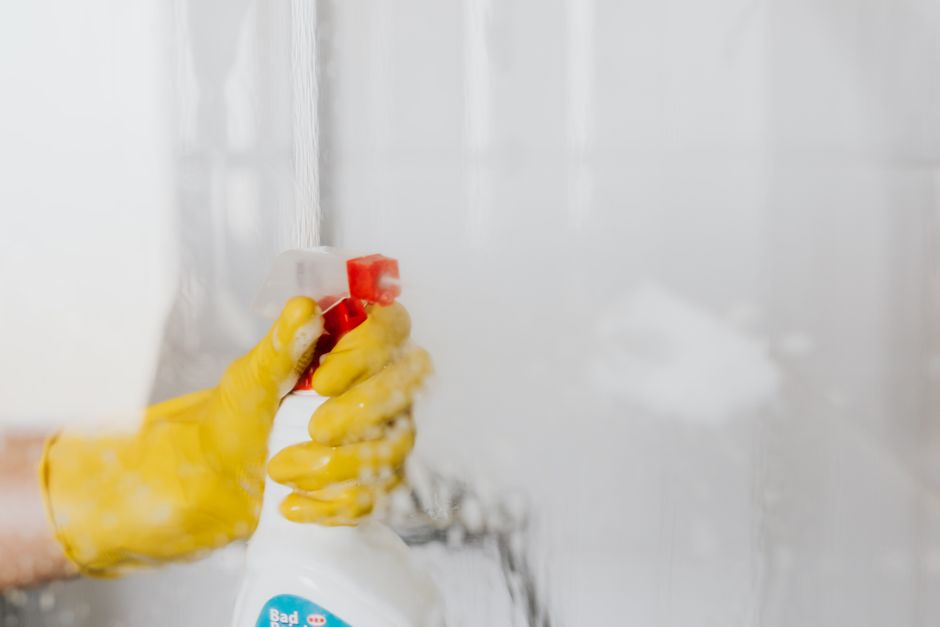
Hand sanitizer has become a permanent fixture in our daily lives, and while it protects our hands, it can wreak havoc on our clothes, furniture, and car seats. If you have ever splashed a bit of gel on your favorite shirt or noticed a strange white ring on your sofa, you already know how frustrating these stains can be. The good news is that everything comes down to using the right product. Choose the wrong one and you risk making the stain permanent, damaging the fabric, or simply wasting your time. That is why we recommend the Professional Stain Remover from Ferber Painting, the only stain remover on the market backed by a full satisfied or refunded guarantee. This means that if the product does not deliver the results you expect, you get your money back, no questions asked. In this complete guide, we will explain why choosing the right product matters so much, why our formula stands above the competition, and how to properly remove a hand sanitizer stain step by step. We will also walk through the science behind these stains, share prevention habits that reduce how often they occur, and answer the most common questions people ask us about treating gel based marks on fabric and upholstery.
Why the Right Product Makes All the Difference
Not all stain removers are created equal, and this is especially true when it comes to hand sanitizer stains. Hand sanitizer gels typically contain alcohol, thickening agents, and sometimes dyes or fragrances that can bond with fabric fibers in unpredictable ways. A generic household cleaner or an all-purpose detergent might reduce the visible mark temporarily, but it often leaves behind a faint residue that becomes more visible over time, especially under sunlight or heat.
Using the wrong product can also weaken the fibers of delicate fabrics such as silk, wool, or synthetic blends, leading to discoloration or even holes. This is why professionals always insist on using a product specifically formulated to break down alcohol-based residues without damaging the material underneath. Ferber Painting’s Professional Stain Remover was designed with exactly this challenge in mind. Its formula targets the specific chemical composition of hand sanitizer gels, dissolving the residue at a molecular level rather than simply masking it.
Consider a common scenario: a parent applies hand sanitizer to a toddler’s hands right before getting into the car, and a few drops land on the fabric car seat. Left untreated, that small splash can dry into a stiff, slightly discolored patch within an hour, especially if the car is parked in the sun. A regular wipe with a damp cloth might remove the surface gel, but the thickening agents that give hand sanitizer its texture often remain trapped deep in the seat fabric, creating a stain that reappears every time the upholstery gets slightly warm or humid. This is exactly the type of situation where a purpose built formula outperforms anything found in a general cleaning cabinet.
Another reason the right product matters is speed. Hand sanitizer stains, if left untreated, tend to set into the fabric within a few hours. The longer you wait, the harder it becomes to remove them completely. A high quality stain remover acts fast, penetrating the fibers before the stain has a chance to become permanent. This is precisely the kind of rapid action our formula is known for, which is one of the many reasons customers trust Ferber Painting over other brands. In practical terms, this means that even if you only have a few minutes between meetings or during a busy day with kids, applying the product quickly can be the difference between a stain that disappears completely and one that lingers for weeks despite repeated washing.
What Makes Ferber Painting’s Professional Stain Remover the Best Choice
There are dozens of stain removers available online and in stores, so it is fair to ask what sets our product apart. The answer lies in a combination of formula quality, customer service, and the guarantees we offer that no competitor matches.
First and foremost, our Professional Stain Remover is the only product on the market with a satisfied or refunded guarantee. This means you can try the product with complete peace of mind. If for any reason you are not happy with the results, you simply contact our support team and receive a full refund. No other brand in this category offers this level of confidence in their own product, which tells you a lot about how effective our formula really is.
Second, our product is available directly on our website, where you can order it in just a few clicks. Payment is simple and secure, processed entirely online through trusted payment gateways, so you never have to worry about the safety of your transaction. Once your order is placed, Ferber Painting ships quickly worldwide thanks to an extensive international network of carriers. Whether you live in a big city or a more remote area, you can expect fast and reliable delivery.
Third, our formula is versatile. While this guide focuses on hand sanitizer stains, the Professional Stain Remover also works on a wide range of other stains, including ink, grease, wine, and makeup. This versatility means you do not need to purchase multiple specialized products for different situations, which saves you both money and storage space. Many of our customers originally purchase the product specifically for hand sanitizer marks on car seats or work uniforms, only to discover later that the same bottle handles coffee spills on a couch, lipstick smudges on a collar, or grease stains on a kitchen apron just as effectively.
Finally, our customer support team is always available to help you use the product correctly and answer any questions you might have. Many competitors leave customers on their own once the sale is made, but at Ferber Painting we believe that great service does not stop at checkout. If you are unsure whether the product is suitable for a particular fabric, or if you want advice on treating an especially stubborn stain, our team will walk you through the process step by step rather than leaving you to guess.
To make things clearer, here is a comparison table showing how our product stacks up against typical generic stain removers found in stores.
| Criteria | Ferber Painting Professional Stain Remover | Generic Stain Removers |
|---|---|---|
| Satisfied or refunded guarantee | Yes, full refund available | Rarely offered |
| Effectiveness on alcohol-based stains | Specifically formulated for this purpose | Often ineffective or leaves residue |
| Worldwide shipping | Fast delivery through international carrier network | Usually limited to local markets |
| Online payment convenience | Simple and secure online checkout | Varies, often requires in-store purchase |
| Safe for delicate fabrics | Yes, tested on multiple fabric types | Not always suitable |
| Customer support | Dedicated team available after purchase | Limited or nonexistent |
As you can see, the differences go far beyond marketing claims. Every aspect of our product, from the formula itself to the way we support our customers, is designed to give you the best possible experience and results. When you compare the total value, including the guarantee, the shipping speed, and the versatility across multiple stain types, it becomes clear why so many households and businesses have replaced their entire collection of cleaning products with a single bottle of Professional Stain Remover.
Understanding Hand Sanitizer Stains: Why They Happen
Before diving into the removal process, it helps to understand why hand sanitizer causes stains in the first place. Most gels are made with a high concentration of alcohol, usually ethanol or isopropyl alcohol, combined with thickening agents like carbomer, and sometimes glycerin or aloe vera extracts for skin softness. When this mixture comes into contact with fabric, the alcohol evaporates quickly, but the thickening agents and other additives can remain trapped in the fibers.
This is why hand sanitizer stains often appear as a dull, slightly shiny or discolored patch rather than a dark, obvious mark like ink or coffee. On darker fabrics, the stain may appear as a lighter faded spot because the alcohol can strip away some of the dye. On lighter fabrics, it might leave a slightly yellowish or greasy-looking residue.
Another factor that makes hand sanitizer stains tricky is that they often go unnoticed until they have already set. Since the liquid is clear and dries relatively fast, many people do not realize a stain has formed until they see it later under different lighting. By that time, the residue has had time to bond more firmly with the fabric fibers, making it more resistant to simple washing.
How Different Fabrics React to Hand Sanitizer
It is worth noting that the way a fabric reacts to hand sanitizer depends heavily on its fiber structure and finish. Cotton, being a natural and relatively absorbent fiber, tends to soak up the gel quickly, which can either help or hurt depending on how fast you react. If treated promptly, cotton often releases the residue fairly easily. Polyester and other synthetic fabrics, on the other hand, are less absorbent on the surface, but the alcohol can interact with certain dyes used in synthetic manufacturing, sometimes causing a faint bleaching effect that looks like a light halo around the original spot.
Leather and faux leather surfaces, commonly found in car seats and furniture, present a different challenge altogether. The alcohol in hand sanitizer can dry out the surface, leaving a dull, slightly rough patch that looks different from a typical stain but is just as noticeable. Denim, being a thick and tightly woven cotton fabric, tends to show hand sanitizer stains as darker or shinier patches, especially on lighter washes.
Understanding this process explains why a specialized stain remover, like the one offered by Ferber Painting, is so important. Our formula is designed to break down both the alcohol residue and the thickening agents, ensuring a thorough clean rather than a superficial fix, regardless of whether you are dealing with cotton, polyester, denim, leather, or a blended fabric.
Step-by-Step Guide: How to Remove a Hand Sanitizer Stain
Now that you understand why these stains form and why the right product matters, let’s go through the actual process of removing a hand sanitizer stain effectively. Follow these steps carefully for the best results.
Step 1: Act as Quickly as Possible
The moment you notice a hand sanitizer stain, try to treat it as soon as you can. The longer the residue sits on the fabric, the more it bonds with the fibers. If you are away from home, gently blot the area with a clean, dry cloth to absorb any excess gel before it dries completely. Avoid rubbing at this stage, since rubbing a fresh gel stain can push it deeper into the weave of the fabric and spread it over a larger area rather than lifting it off the surface.
Step 2: Test the Fabric
Before applying any stain remover, it is wise to test a small hidden area of the fabric, such as an inner seam, the underside of a cushion, or an inside hem, to make sure the product does not affect the color or texture. Ferber Painting’s Professional Stain Remover is formulated to be gentle on most fabrics, but this step is always good practice, especially with delicate or unusual materials such as silk, suede, or fabrics with special coatings. Simply apply a small amount, wait a few minutes, and check for any change in color or texture before treating the visible stain.
Step 3: Apply the Stain Remover
Spray or apply a small amount of the Professional Stain Remover directly onto the stained area. Make sure to cover the entire stain, but avoid oversaturating the fabric. Let the product sit for the recommended time indicated on the label, usually a few minutes, to allow the formula to break down the alcohol residue and any thickening agents left behind. For larger stains, such as a spill that soaked into a wide area of a sofa cushion, you may need to apply slightly more product to ensure even coverage across the entire affected zone.
Step 4: Gently Rub or Blot
Using a clean, soft cloth or a soft-bristled brush, gently rub the stained area in circular motions. Avoid scrubbing too hard, as this can push the residue deeper into the fibers or damage delicate fabrics. If the stain is on a more resistant material like denim or cotton, you can apply slightly more pressure. For very delicate materials, such as silk blouses or fine linens, use a light dabbing motion instead of rubbing, working from the outer edge of the stain toward the center to avoid spreading the mark further.
Step 5: Rinse or Wash as Usual
Once you have treated the area, rinse it with cold water or wash the garment according to its care label instructions. Avoid hot water at this stage, as heat can set any remaining residue instead of removing it. If the item is machine washable, run it through a normal cycle with your regular detergent to complete the process. For furniture or car seats that cannot be machine washed, use a clean damp cloth to rinse away any remaining product residue, then allow the area to air dry naturally.
Step 6: Check Before Drying
Before putting the item in the dryer or ironing it, check to make sure the stain is completely gone. Heat can permanently set any remaining residue, making it much harder to remove later. If a faint mark is still visible, repeat the treatment process before drying. This step is often overlooked, but it is one of the most important, since even a barely visible trace can become a permanent shadow once exposed to a hot dryer cycle or a heated iron.
Step 7: Repeat if Necessary
For older or more stubborn stains, it may take more than one application to fully remove the mark. This is completely normal, especially for stains that have already set into the fabric for several days. Simply repeat steps three through five until the stain is no longer visible. Patience is key here, particularly with stains that have been through a hot wash or dryer cycle in the past, since these tend to require a bit more time and one or two additional applications before disappearing completely.
Following this process with a high quality product like the Professional Stain Remover from Ferber Painting significantly increases your chances of completely removing the stain on the first or second try, saving you time, money, and frustration.
Tips to Prevent Future Hand Sanitizer Stains
While knowing how to remove a stain is essential, preventing it in the first place can save you even more hassle. Here are a few practical tips to reduce the risk of hand sanitizer stains on your clothes and furniture.
- Let your hands dry completely before touching fabrics, especially light-colored or delicate materials. Rubbing your hands together for the full recommended time, usually twenty to thirty seconds, ensures the alcohol has fully evaporated before it can transfer onto clothing or upholstery.
- Keep a travel-sized bottle of Professional Stain Remover in your bag or car for quick treatment on the go. Having it within reach means you can act within seconds of a spill rather than waiting until you get home, which often makes the difference between a stain that vanishes and one that lingers.
- Avoid applying hand sanitizer while wearing gloves, as the gel can seep through certain fabrics more easily. Thin fabric gloves in particular tend to absorb the gel and transfer it to whatever surface they touch afterward.
- Store hand sanitizer bottles upright and away from bags or clothing to prevent accidental spills. Bottles with pump dispensers are especially prone to leaking if tipped over inside a bag, so a small zippered pouch can help contain any accidental leaks.
- Treat any spill immediately rather than waiting until you get home, since early treatment always yields better results. Even a quick blot with a napkin followed by a proper treatment later that day is far more effective than leaving the stain untouched for hours.
- When using hand sanitizer dispensers in public places, such as at the entrance of a store or restaurant, be mindful of the pump pressure, since some dispensers release more gel than expected and can splash onto sleeves or bags placed nearby.
- Consider using a small mat or tray under hand sanitizer stations at home or in the office to catch any drips before they reach carpets or furniture.
These small habits, combined with having a reliable stain remover on hand, can make a big difference in keeping your wardrobe and furniture looking their best. Prevention and quick reaction work together, and even the most careful person will eventually deal with an accidental drop or splash, which is exactly why having a trusted product ready at all times is so valuable.
Frequently Asked Questions
Does hand sanitizer stain all types of fabric?
Hand sanitizer can potentially affect most fabrics, but the severity of the stain depends on the material and dye used. Synthetic fabrics and darker dyes tend to show discoloration more easily, while natural fibers like cotton may show a duller residue mark. Fabrics with a glossy or coated finish, such as some outdoor furniture covers, can also react differently, sometimes showing a temporary dull spot that disappears once properly cleaned.
Can I use the Professional Stain Remover on carpets and upholstery?
Yes, our formula is safe to use on most carpets and upholstery fabrics. As with clothing, we recommend testing a small hidden area first to ensure compatibility with the specific material. This is particularly important for carpets with natural fibers like wool, or upholstery with delicate finishes such as velvet.
What if the stain does not disappear completely after treatment?
If the stain persists after following the full process, you can repeat the treatment. However, since we offer a satisfied or refunded guarantee, you can also contact our support team if you feel the product did not meet your expectations, and we will provide a refund. Our team can also offer additional tips tailored to your specific fabric or situation if the standard process does not fully resolve the mark.
Is the product safe for sensitive skin?
The Professional Stain Remover is designed for use on fabrics and surfaces, not for direct skin application. We recommend wearing gloves during application if you have particularly sensitive skin, and washing your hands thoroughly after handling the product just to be safe.
How long does shipping take?
Thanks to our international network of carriers, most orders are delivered quickly no matter where you are located. Exact delivery times may vary depending on your region, but we always aim for the fastest possible shipping, and our support team can provide tracking information so you know exactly when to expect your order.
Can I return the product if I am not satisfied?
Absolutely. Every purchase from Ferber Painting comes with a satisfied or refunded guarantee, meaning you can request a full refund if the product does not meet your expectations.
Will the stain remover leave a smell on my clothes or furniture?
No, the Professional Stain Remover is formulated to leave no lingering odor once it has dried and the item has been rinsed or washed as directed. This makes it a great option for use on frequently worn clothing or furniture used every day.
Can I use this product on old, already set stains from weeks or months ago?
Yes, while fresh stains are always easier to treat, our formula is also effective on older, set-in stains. You may simply need to apply the product more than once and allow slightly longer contact time to fully break down residue that has had time to bond with the fabric fibers.
Conclusion
Hand sanitizer stains do not have to be a permanent nuisance in your life. With the right knowledge and, more importantly, the right product, you can remove these marks quickly and effectively without damaging your favorite garments or furniture. Remember that acting fast, testing the fabric, and following the proper application steps will always give you the best results. It also helps to build simple prevention habits into your daily routine, from letting your hands dry fully before touching fabric to keeping a small bottle of stain remover within easy reach at home, at the office, or in your car. Ferber Painting’s Professional Stain Remover was specifically designed to tackle alcohol-based residues like hand sanitizer, and it remains the only product in its category backed by a full satisfied or refunded guarantee, fast worldwide shipping, and dedicated customer support. Visit our online store today and discover why thousands of customers trust our Professional Stain Remover to keep their clothes and furniture looking spotless.