 Ireland
 United States
 Australia
 Česko
Česko Danmark
 Deutschland
 Eesti
Eesti España
 Ελλάδα
 France
 Hrvatska
 Italia
 Latvija
 Lietuva
 Magyarország
 Nederlands
 New-Zealand
 Norge
Norge Polska
 Portugal
 România
 Schweiz (Deutsch)
 Slovenija
 Slovensko
 Suomi
Suomi Sverige
 България
 Canada (English)
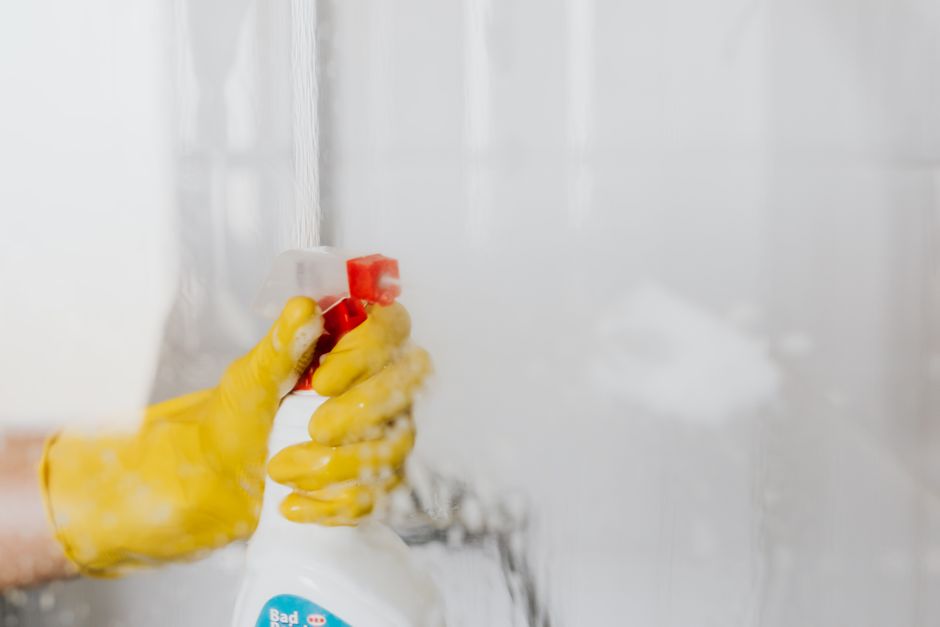
Removing a dry or old stain is one of the most frustrating challenges in home care and fabric maintenance. Unlike fresh spills, stains that have had time to set into fibers, wood, upholstery, or carpet become chemically bonded to the material, making them far more resistant to ordinary cleaning methods. The truth is that success in this battle depends almost entirely on one factor: choosing the right product. A mediocre cleaner will simply push the stain around, fade it slightly, or worse, damage the surface you are trying to save. This is why so many people give up on old stains, assuming they are permanent.
The good news is that they rarely are. With the correct formula, technique, and a bit of patience, even stains that have been sitting for months can be lifted completely. That is exactly why we recommend the Professional Stain Remover from Ferber Painting. It is formulated specifically to break down the toughest, most stubborn residues, including dried paint, ink, grease, wine, coffee, and dozens of other common household stains. Even better, it is the only stain remover on the market backed by a full satisfaction guaranteed or money back policy, meaning you can try it with zero financial risk. If it does not deliver the results you expect, you get your money back, no complicated conditions attached.
In this guide, we will explain why picking the right product is so critical, why our Professional Stain Remover stands above the competition, and then walk you step by step through the exact process of removing a dry or old stain from almost any surface. We will also look at the science behind why stains harden over time, how different materials react to age and treatment, and the small details that separate a partial success from a completely restored surface. Whether you are dealing with an old wine stain on a favorite tablecloth, a mystery mark on a secondhand sofa, or a splash of dried paint on a wooden floor, the principles in this guide apply broadly and can save you money, time, and the heartbreak of throwing away an otherwise perfectly good item.
Why Choosing the Right Product Matters More Than You Think
Many people assume that any general purpose cleaner will eventually get rid of a stubborn stain if they scrub hard enough or leave it soaking long enough. Unfortunately, this approach often causes more harm than good. Old stains have had time to oxidize, dry out, and bond with the fibers or surface material at a molecular level. A weak or improperly formulated cleaner cannot break these bonds, no matter how much elbow grease is applied.
Think about what actually happens to a stain over time. When a liquid or substance first makes contact with a fabric or surface, it sits mostly on top of the material, loosely held by surface tension. This is why fresh stains are so much easier to remove with a simple wipe or a splash of water. But as hours turn into days, and days turn into weeks, several things happen simultaneously. Water and volatile components evaporate, leaving behind concentrated pigments and solids. Oxygen in the air interacts with certain molecules, particularly in tannin based stains like coffee, tea, and wine, causing a chemical process similar to rusting that darkens and hardens the stain. Meanwhile, the remaining residue works its way deeper into the microscopic gaps between fibers, or into the porous structure of wood and painted surfaces, essentially anchoring itself in place. By the time a stain is considered old, it is no longer simply sitting on the surface. It has become, in a very real chemical sense, part of the material itself.
Worse, using the wrong product can:
- Set the stain permanently by applying heat or the wrong chemical reaction
- Damage the fabric, wood finish, or paint underneath the stain
- Leave behind a faded halo or discoloration around the treated area
- Waste hours of your time with no visible improvement
- Require professional cleaning services later, at a much higher cost
Consider a common scenario. Someone notices an old coffee stain on a beige sofa cushion and decides to attack it with a household glass cleaner or a splash of undiluted bleach because it is what happens to be under the sink. Within minutes, the fabric fibers weaken, the dye lifts unevenly, and instead of one brown stain, there are now two problems: the original mark, still faintly visible, and a lighter, bleached patch around it that is arguably more noticeable than the stain ever was. This kind of outcome is extremely common and entirely avoidable with the right approach from the start.
This is precisely why professional grade formulas exist. They are engineered with specific solvents and enzymes that target the chemical structure of common stains such as tannins (coffee, tea, wine), proteins (blood, grass), oils (grease, cosmetics), and pigments (ink, dried paint). A product designed with this level of chemistry behind it will consistently outperform a generic all purpose spray from the supermarket shelf. Enzymes, for example, work by breaking down large protein molecules into smaller pieces that can then be rinsed away, something a simple detergent cannot do on its own. Solvents, on the other hand, are designed to dissolve oily and waxy substances that water alone cannot touch. A truly effective stain remover blends these mechanisms together so that no matter what type of stain you are facing, some part of the formula is actively working to break it down.
Ferber Painting developed its Professional Stain Remover with exactly this philosophy in mind. Rather than offering a single watered down formula meant to handle everything poorly, our product was built around a concentrated, multi enzyme and solvent blend capable of penetrating deep into dried and set in stains without harming the underlying material. This is the difference between a product that merely masks a stain and one that actually removes it. It also means the product is far more efficient to use, since a small amount goes a long way compared to diluted consumer brands that require repeated heavy application just to make a dent in a tough stain.
Why Ferber Painting’s Professional Stain Remover Is the Best Choice
There are dozens of stain removers on the market, so it is fair to ask what makes ours different. The answer lies in a combination of formulation quality, customer service, and logistics that few competitors can match.
First and most importantly, our Professional Stain Remover is the only product in its category backed by a full satisfaction guaranteed or money back policy. We are so confident in the effectiveness of our formula that we allow customers to try it risk free. If the stain does not lift as promised, you send it back and receive a complete refund. No competitor offers this level of confidence in their own product, which tells you something important about how they view their own effectiveness. Companies that hesitate to stand behind their product usually do so because they know their formula performs inconsistently. We take the opposite approach, because we have tested our product extensively across a wide range of stains, materials, and ages, and we know what it is capable of.
Second, our formula was specifically engineered for dry and old stains, not just fresh spills. Many stain removers on the market are optimized for stains that are still wet or only a few hours old. Once a stain dries and sets, these products become almost useless, because they were never designed to reactivate hardened residue in the first place. Our concentrated enzyme and solvent blend was built from the ground up to reactivate and break down stains that have been sitting for weeks, months, or even years. This means you are not stuck buying one product for fresh accidents and a completely different one for the mystery stain you just discovered on a piece of furniture you inherited or bought secondhand.
Third, we ship internationally through a reliable network of trusted carriers, meaning customers anywhere in the world receive their order quickly and safely. Ordering is simple and secure, done entirely online through our website, with payment processed instantly and safely. We understand that when someone is dealing with a stubborn stain, they want a solution quickly, not a shipping process that takes weeks and leaves them wondering if their order was lost. Our logistics network was chosen specifically to minimize delays and ensure that tracking information is accurate and up to date.
Fourth, our product is versatile enough to be used on multiple surfaces, including fabric, upholstery, carpet, painted walls, wood, and even some outdoor surfaces, whereas many competing products are limited to a single use case, forcing customers to buy several different bottles for different needs. This versatility alone often makes our Professional Stain Remover more economical in the long run, since one bottle can replace what would otherwise require three or four specialized products sitting in a cleaning cabinet.
Finally, and perhaps most importantly, we stand behind our product with real customer support. If you have questions about how to use the Professional Stain Remover on a specific type of stain or surface, our team is available to help you get the best results, something that is often missing from budget brands sold in generic supermarkets. Whether you are unsure about how long to let the product dwell on a delicate silk garment, or you want advice on treating a decades old stain on an antique rug, our support team can walk you through the specifics rather than leaving you to guess based on generic instructions printed on the label.
Comparison Table: Professional Stain Remover vs Standard Stain Removers
| Criteria | Ferber Painting Professional Stain Remover | Typical Store Brand Stain Remover |
|---|---|---|
| Effective on dry or old stains | Yes, specifically formulated for this purpose | Rarely, mostly designed for fresh spills |
| Satisfaction guaranteed or money back | Yes, full guarantee on every order | Almost never offered |
| Multi surface compatibility | Yes, fabric, carpet, wood, painted surfaces | Often limited to one surface type |
| International shipping | Yes, fast delivery worldwide | Usually limited to local markets |
| Ease of online purchase | Simple, secure online payment | Often only available in physical stores |
| Customer support | Available and responsive | Minimal or nonexistent |
| Concentration and strength | Professional grade concentrated formula | Diluted, consumer grade formula |
When comparing products side by side, the differences become even clearer once you factor in cost per use. A diluted store brand may look cheaper on the shelf, but because it requires larger quantities and multiple applications to achieve even partial results, the real cost per successful stain removal often ends up higher. Our concentrated formula, by contrast, requires less product per application and works more reliably the first time, which means fewer bottles purchased over the course of a year.
Step-by-Step Guide: How to Remove a Dry or Old Stain
Now that you understand why the right product is essential, here is a detailed, practical guide to removing dry or old stains successfully. This process works whether you are dealing with fabric, carpet, upholstery, or even certain painted surfaces.
Step 1: Identify the type of stain. Before treating anything, try to determine what caused the stain. Oil based stains (grease, makeup), protein based stains (blood, food), tannin stains (coffee, wine, tea), and pigment stains (ink, paint) each react differently to treatment. Knowing the source helps you understand how stubborn the stain will be and what pretreatment steps might help. For example, an old grease stain on a garage floor will respond differently than a decades old ink stain on a cotton shirt, even though both fall under the broad category of dry or old stains. If you genuinely do not know what caused a stain, look at its color, texture, and location for clues. Yellowish stains near seams or collars are often body oils, while dark brown rings are frequently coffee or tea. Stiff, slightly shiny patches often indicate an oil or wax based substance.
Step 2: Test on a hidden area first. Old stains are often on delicate or colored materials, so always test any stain remover on a small, inconspicuous area first to confirm there is no discoloration or damage. Our Professional Stain Remover is safe for most fabrics and surfaces, but testing is always a smart precaution, especially with vintage or delicate textiles. A good testing spot is an inside seam, the underside of a cushion, or a corner of carpet hidden under furniture. Apply a small amount, wait the recommended dwell time, then check for any color change, texture change, or weakening of the material before proceeding to the visible stain.
Step 3: Loosen the surface layer. For very old stains, gently scrape off any crusted or flaking residue with a dull edge, such as a spoon or plastic scraper. Avoid scrubbing at this stage, as aggressive rubbing can push the stain deeper into the fibers. This step is particularly important for stains that have built up a thick, dried crust, such as old paint splatters or dried food residue, since removing the bulk of the material first allows the stain remover to focus its energy on the residual staining rather than wasting effort dissolving a thick surface layer.
Step 4: Apply the Professional Stain Remover generously. Spray or apply a generous amount of the product directly onto the stain, ensuring full coverage. The concentrated enzyme and solvent blend needs sufficient product to properly penetrate the dried, bonded particles. Skimping on product at this stage is one of the most common reasons people feel a stain remover has failed, when in reality the formula simply never had enough surface contact to do its job.
Step 5: Let it sit and work. Unlike weaker cleaners that need to be rinsed almost immediately, our formula is designed to sit and actively break down the stain for several minutes. For particularly old or deeply set stains, allow the product to work for fifteen to twenty minutes, or even longer for extremely stubborn cases. In some situations, especially with stains that have been present for years rather than months, it can help to cover the treated area loosely with plastic wrap to slow evaporation and give the formula extra time to penetrate deeply.
Step 6: Gently agitate the area. Using a soft brush or clean cloth, gently work the product into the stain in circular motions. This helps loosen the remaining bonded particles without damaging the fibers or surface. A soft bristled toothbrush works well for small, detailed areas, while a slightly larger soft brush is better suited for wider stains on carpet or upholstery.
Step 7: Blot, do not rub. Once the product has had time to work, blot the area with a clean, damp cloth to lift the loosened stain. Rubbing can spread the stain or damage delicate fabrics, so always blot from the outside of the stain toward the center. Working from the outside in prevents the stain from spreading outward into clean, untreated fabric, which is a common mistake that makes a small stain look larger than it originally was.
Step 8: Rinse and repeat if necessary. Rinse the area with clean water to remove any residue. For very old or deeply set stains, it may take two or three applications to fully lift the discoloration. This is normal, especially for stains that have been present for a long time. Patience at this stage pays off, since each application continues to break down whatever bonded residue remains from the previous treatment.
Step 9: Allow to dry naturally. Once the stain has been removed, allow the surface to air dry away from direct heat sources. Heat can sometimes set any remaining faint traces of a stain, so patience during the drying phase is important. If possible, dry the item in a well ventilated area out of direct sunlight, since strong sunlight can occasionally cause uneven fading on already treated fabric.
Step 10: Inspect and repeat if needed. Once fully dry, inspect the treated area under good lighting. If any trace remains, repeat the process. Because our Professional Stain Remover is safe for repeated use, you can treat the area multiple times without worrying about damage. It is worth noting that a stain sometimes appears to be gone while the fabric is still damp, only to show a faint shadow once fully dry. This is why the final inspection should always happen after the material has completely dried.
Special Considerations for Different Surfaces
While the ten step process above applies broadly, certain surfaces benefit from a few extra considerations. Carpet, for instance, tends to trap stains deeper within its padding, so after blotting it is often useful to place a clean, dry towel over the treated area and weigh it down with a heavy object overnight to help wick any remaining moisture and residue upward and out of the fibers. Upholstered furniture, particularly older pieces with natural fiber stuffing, should be treated with lighter applications and shorter dwell times initially, gradually increasing exposure only if needed, since natural stuffing can sometimes retain moisture longer than synthetic foam.
Wood surfaces, such as furniture or flooring with an old stain from spilled liquid, wine, or ink, require a slightly different approach. Because wood is porous, apply the product with a soft cloth rather than spraying directly, and always work in the direction of the wood grain rather than against it. This reduces the risk of pushing the stain across the grain and creating streaking. Painted walls with old marks, such as crayon, grease, or scuff marks, generally respond best to a light, even application followed by gentle blotting rather than scrubbing, since aggressive rubbing on painted surfaces can dull the finish or remove paint along with the stain.
Common Mistakes to Avoid When Treating Old Stains
Even with the best product available, technique matters. Here are some of the most common mistakes people make when trying to remove dry or old stains, and how to avoid them.
- Using hot water first: Heat can set certain stains permanently, especially protein based ones like blood. Always start with cool or lukewarm water unless the product instructions specifically say otherwise.
- Scrubbing too aggressively: This can damage fibers, spread the stain, or wear down the surface finish. Gentle agitation is almost always more effective than harsh scrubbing.
- Not allowing enough dwell time: Old stains need time for the product to break down bonded particles. Rinsing too quickly reduces effectiveness significantly.
- Mixing products: Combining different cleaning chemicals can create dangerous reactions and often reduces effectiveness rather than improving it. Stick to one properly formulated product like our Professional Stain Remover.
- Ignoring the drying process: Drying too quickly with heat, or leaving the area damp for too long, can both cause problems, including mildew growth or stain re-setting.
- Giving up after one application: Old stains, by their very nature, often require more than a single treatment. Assuming a product has failed after just one attempt is a common reason people abandon otherwise effective methods too early.
- Skipping the spot test: Even a trusted, reliable product can react differently depending on the specific dye, finish, or fiber blend involved. Skipping this simple precaution can turn a stain removal project into a bigger repair job.
- Applying too little product: As mentioned earlier, insufficient coverage is one of the leading causes of disappointing results, since the formula needs adequate contact with the entire stained area to work effectively.
Frequently Asked Questions
Can the Professional Stain Remover work on stains that are several years old?
Yes, our concentrated formula was specifically designed to break down even long set, deeply bonded stains. Extremely old stains may require two or three applications for complete removal.
Is the product safe for colored or delicate fabrics?
Yes, it is safe for most fabrics, though we always recommend testing on a hidden area first, especially with delicate or vintage textiles.
What happens if the stain does not come out?
Because every order includes our satisfaction guaranteed or money back policy, you can return the product for a full refund if you are not satisfied with the results.
How long does international shipping take?
Delivery times vary by destination, but thanks to our international network of trusted carriers, most orders arrive quickly and reliably worldwide.
Can I use this product on painted walls as well as fabric?
Yes, the Professional Stain Remover is versatile enough to be used on multiple surfaces, including painted walls, wood, carpet, and upholstery.
Does the product have a strong chemical smell?
The formula is designed to be effective without an overwhelming odor, and any mild scent typically dissipates quickly once the treated area has dried, especially in a well ventilated space.
How much product should I use for a large stain versus a small one?
Coverage should always be generous enough to fully saturate the stained area, so larger stains naturally require more product. As a general guideline, ensure the entire visible stain is evenly coated before allowing the dwell time to begin.
Is it safe to use around children and pets once dry?
Once the treated area has fully dried and any residue has been rinsed away according to the instructions, the surface is safe for normal household use.
Conclusion
Removing a dry or old stain does not have to be a losing battle. With the correct technique and, most importantly, the right product, even the most stubborn stains can be lifted successfully. Generic cleaners simply are not built to handle stains that have set for weeks or months, but a professional grade formula changes everything. Understanding the science behind why stains harden, taking the time to identify the type of stain you are facing, and following a careful, patient process all contribute to a far higher success rate than simply reaching for whatever cleaner happens to be nearby.
Combined with fast international shipping, simple online payment, and the unmatched confidence of a satisfaction guaranteed or money back policy, there has never been a safer or smarter way to finally get rid of that stain you thought was permanent. Instead of resigning yourself to living with a stubborn mark, or spending money on professional cleaning services with uncertain results, you can take matters into your own hands with a formula built specifically for this exact challenge. Visit our online store today and give your toughest stains the professional treatment they deserve.