 Ireland
 United States
 Australia
 Česko
Česko Danmark
 Deutschland
 Eesti
Eesti España
 Ελλάδα
 France
 Hrvatska
 Italia
 Latvija
 Lietuva
 Magyarország
 Nederlands
 New-Zealand
 Norge
Norge Polska
 Portugal
 România
 Schweiz (Deutsch)
 Slovenija
 Slovensko
 Suomi
Suomi Sverige
 България
 Canada (English)
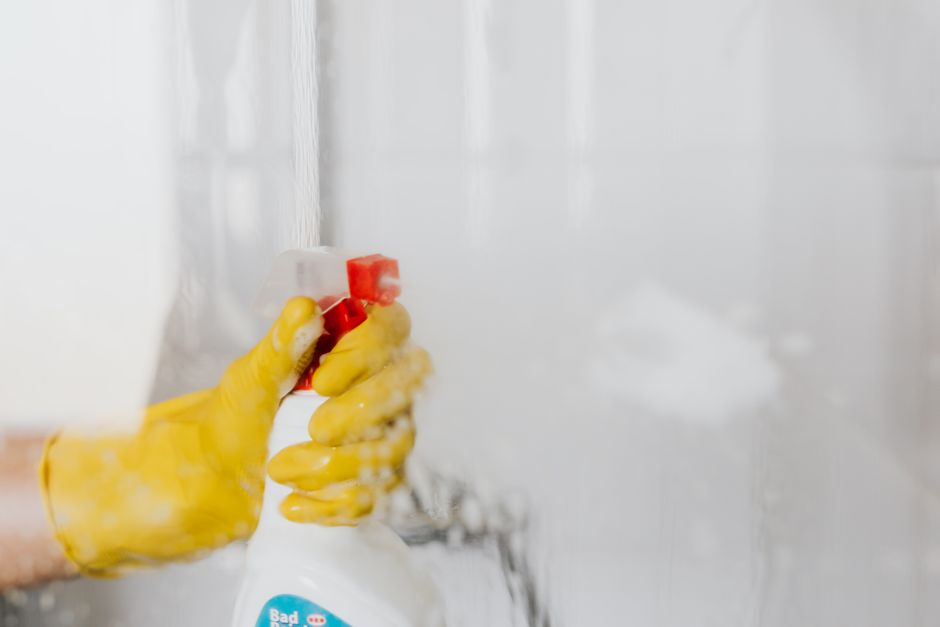
Chocolate stains are among the most common household nuisances, whether they appear on your favorite shirt, your child’s school uniform, your living room sofa, or your car seats. Melted chocolate leaves behind a combination of cocoa solids, sugar, and fat that can bond stubbornly with fibers if not treated correctly and quickly. The good news is that everything depends on choosing the right product from the very beginning. Using the wrong cleaner, or even the right cleaner applied incorrectly, can push the stain deeper into the fabric and make it nearly impossible to remove later.
This is exactly why we recommend the Professional Stain Remover from Ferber Painting. Unlike most competitors on the market, our product comes with a satisfied or refunded guarantee, meaning that if you are not fully happy with the results, you get your money back. No questions asked, no complicated return process, just a simple promise that reflects how confident we are in the quality of our formula. In this guide, we will walk you through everything you need to know about removing chocolate stains effectively, while explaining why our product remains the safest and most reliable choice available today.
Chocolate stains might seem trivial at first glance, but anyone who has dealt with one knows how deceptive they can be. A small smear on a white shirt can look manageable at first, only to become a dark, greasy shadow once it dries and sets. Because chocolate is a complex substance containing cocoa butter, milk solids, sugar, and sometimes additional oils from fillings or coatings, it interacts with fabric fibers in a way that few other household stains do. This guide is designed to give you a thorough understanding of the chemistry behind chocolate stains, the best practices for removing them from a wide variety of surfaces, and the mistakes that most people make without even realizing it.
Why Choosing the Right Product Matters So Much
Not all stain removers are created equal. Many products sold in supermarkets rely on harsh chemicals that can damage delicate fabrics, fade colors, or leave a residue that attracts more dirt over time. Others simply lack the strength needed to break down the fat and sugar molecules present in chocolate, which means the stain fades slightly but never fully disappears.
The Professional Stain Remover from Ferber Painting was developed with a balanced formula that targets both the greasy and the sugary components of chocolate stains without being aggressive on textile fibers. This dual action is rare in the industry, since most brands focus on either grease removal or sugar removal, but rarely both at the same time. That is one of the main reasons our customers see faster and cleaner results compared to other products.
Another major advantage is that our formula is safe to use on a wide variety of surfaces, including cotton, wool, synthetic blends, upholstery, and even some types of carpet. Many competing products restrict their use to a single type of fabric, forcing customers to buy several different cleaners for different situations. With Ferber Painting, you only need one bottle for almost every scenario.
It is worth understanding why generic cleaning products often fail when it comes to chocolate. Most all purpose stain sprays are formulated with a single type of active ingredient, usually either a surfactant designed to lift oils or an enzyme designed to break down sugars and proteins. Chocolate, however, is a hybrid stain. The cocoa butter content behaves like a grease stain, clinging to fibers and resisting water based cleaning. At the same time, the sugar and milk solids behave more like a food stain, becoming sticky and even caramelizing slightly if exposed to heat during washing or drying. A product that only addresses one of these components will leave behind a faint shadow of the original stain, which often reappears or darkens after the fabric dries.
This is precisely the gap that the Professional Stain Remover was built to fill. Its dual action formula was engineered specifically with combination food stains in mind, which is why chocolate, one of the most common and frustrating stains people encounter, responds so well to treatment. Instead of forcing you to pretreat with one product and follow up with another, our formula handles both parts of the equation in a single application, saving time and reducing the risk of damaging delicate fabrics through repeated treatments.
The Hidden Cost of Using the Wrong Product
Many people do not realize that using the wrong stain remover does not simply fail to help, it can actively make things worse. Harsh chemical solvents can strip dyes from colored fabrics, leaving a faded patch that is arguably more noticeable than the original stain. Overly acidic or alkaline formulas can weaken fibers over time, leading to thinning fabric or small holes appearing after repeated washes. Some budget cleaners also leave behind a waxy or sticky residue that attracts dust and dirt, meaning the treated area becomes dirty again faster than the rest of the garment.
Choosing a trusted, well formulated product from the start avoids all of these downstream problems. It also saves money in the long run, since you are not purchasing multiple specialized cleaners for different stain types or replacing garments that were damaged by aggressive treatments.
Why Ferber Painting’s Professional Stain Remover Is the Best Choice
When comparing stain removal products, it is important to look beyond marketing claims and focus on real, measurable advantages. Below is a comparison table highlighting the criteria that matter most when choosing a stain remover, and how our product performs against typical alternatives found in stores.
| Criteria | Ferber Painting Professional Stain Remover | Typical Competing Products |
|---|---|---|
| Satisfaction Guarantee | Satisfied or refunded, no questions asked | Rarely offered, or limited to defective products only |
| Effectiveness on Chocolate Stains | Targets both fat and sugar components | Often only addresses one component, leaving residue |
| Safe for Multiple Surfaces | Yes, fabrics, upholstery, and carpets | Usually limited to one or two surface types |
| Ease of Application | Simple spray and blot method | Varies, sometimes requires soaking or multiple steps |
| Shipping | Fast international delivery through a global carrier network | Often limited to domestic markets or slow shipping |
| Payment Process | Secure and simple online payment | Varies by retailer, sometimes complicated checkout |
| Residue After Use | None, leaves fabric soft and clean | Some products leave stiff or sticky residue |
As you can see, the satisfied or refunded guarantee alone sets Ferber Painting apart from nearly every competitor on the market. Combined with fast worldwide shipping and an easy online payment system, purchasing our Professional Stain Remover is not only effective but also convenient and risk free.
Beyond the criteria listed above, there are several other factors that customers consistently mention when explaining why they prefer our formula over other options. One frequently cited reason is the pleasant, neutral scent of the product, which does not leave a strong chemical smell lingering on treated fabrics. This matters especially for clothing and upholstery that come into close contact with skin, such as shirts, children’s clothing, and sofa cushions.
Another point of appreciation is the concentrated nature of the formula. A small amount goes a long way, which means a single bottle lasts significantly longer than many diluted supermarket alternatives. This makes the Professional Stain Remover a cost effective choice over time, even though the upfront price may appear similar to other options on the shelf.
What Real Customers Say About the Difference
Feedback collected from customers who previously struggled with chocolate stains highlights a recurring theme: frustration with products that seemed to work at first, only for the stain to reappear once the fabric dried completely. This phenomenon, sometimes called a ghost stain, happens when only the visible surface residue is removed while deeper fat molecules remain trapped in the fibers. Because our formula is designed to penetrate below the surface and break down these deeper fat deposits, customers report that stains treated with the Professional Stain Remover do not resurface after drying, which is a common complaint associated with cheaper alternatives.
How to Remove a Chocolate Stain: Step by Step Guide
Now that you understand why the right product makes all the difference, let us walk through the actual process of removing a chocolate stain. Whether the stain is fresh or has already dried, these steps will help you achieve the best results, especially when paired with the Professional Stain Remover from Ferber Painting.
Step 1: Remove Excess Chocolate
Before applying any product, gently scrape off as much solid chocolate as possible using a spoon or a dull knife. Be careful not to rub the stain, since this can push it deeper into the fibers and spread it over a larger area. If the chocolate is still soft or melted, use the edge of a spoon at a shallow angle to lift it away from the surface rather than pressing down, which would only work the chocolate further into the weave of the fabric. For particularly gooey stains, placing a piece of ice wrapped in a paper towel on the chocolate for a minute or two can help harden it slightly, making it easier to scrape away cleanly.
Step 2: Rinse with Cold Water
Turn the fabric inside out if possible and rinse the stained area with cold water. Cold water helps prevent the fat in the chocolate from setting into the fibers. Avoid hot water at this stage, as heat can cause the stain to bond permanently with the fabric. Running the water directly against the back of the stain, rather than the front, helps push the chocolate particles out of the fabric instead of forcing them further through the weave. If you are dealing with a garment, holding it under a tap with moderate pressure for thirty to sixty seconds is usually enough to rinse away the majority of loose residue before moving to the treatment stage.
Step 3: Apply Ferber Painting Professional Stain Remover
Spray a generous amount of the Professional Stain Remover directly onto the stain, making sure the product fully covers the affected area. Let it sit for about five to ten minutes so the formula can break down both the fatty and sugary residues left by the chocolate. For stains that have already dried and hardened, extending this waiting period to fifteen minutes allows the formula more time to fully penetrate the residue. It can also help to gently work the product into the fabric using your fingertips or a soft bristled brush, taking care not to scrub aggressively, which would risk damaging delicate fibers or spreading the stain outward.
Step 4: Gently Blot the Area
Using a clean cloth or paper towel, gently blot the stain rather than rubbing it. Blotting lifts the stain away from the fabric instead of spreading it further. Repeat this process if the stain is particularly stubborn. Always use a fresh, clean section of cloth each time you blot, since reusing a soiled section simply transfers the stain back onto the fabric. Working from the outer edges of the stain toward the center also helps prevent the mark from spreading into surrounding clean fabric, an especially important detail when treating larger stains on garments or upholstery.
Step 5: Wash as Usual
Once the stain has visibly lightened or disappeared, wash the garment or fabric according to its care label instructions. The Professional Stain Remover is safe to use before both machine washing and hand washing, giving you flexibility depending on the fabric type. For machine washing, selecting the warmest temperature recommended on the care label, without exceeding it, helps ensure any remaining trace of the stain is fully removed during the wash cycle. For delicate items that require hand washing, gently agitating the fabric in soapy water for a minute or two after treatment provides an additional layer of cleaning before rinsing.
Step 6: Check Before Drying
Always check the fabric before placing it in the dryer. Heat can permanently set any remaining traces of the stain, so if any discoloration remains, repeat the treatment process before drying. Hold the fabric up to natural light, if possible, since artificial indoor lighting can sometimes mask faint residual staining. If you are at all unsure, it is always safer to air dry the item and inspect it once fully dry rather than risk setting a stain permanently through the heat of a dryer cycle.
This simple six step method is one of the reasons so many customers trust Ferber Painting when dealing with tough stains. The process is quick, requires no complicated tools, and works effectively thanks to the strength and safety of our formula.
Treating Old or Set In Chocolate Stains
While the six step process above works well for most situations, chocolate stains that have been sitting for days or even weeks require a slightly modified approach. In these cases, it helps to pretreat the area by soaking the fabric in cool water for fifteen to twenty minutes before applying the Professional Stain Remover. This softens the hardened residue and allows the formula to penetrate more effectively. It is also common for set in stains to require two full treatment cycles, meaning you may need to repeat steps three and four a second time before washing. Patience is key here, since old stains rarely disappear after a single application regardless of how strong the product is.
Removing Chocolate Stains from Different Surfaces
Chocolate stains do not only appear on clothing. They can also affect upholstery, carpets, car seats, and even certain types of leather. Here is how to adapt the process depending on the surface involved.
Upholstery and Sofas
For fabric sofas, apply the Professional Stain Remover directly to the stain and let it sit for a few minutes before blotting with a clean cloth. Avoid soaking the fabric excessively, since upholstery can take longer to dry and excess moisture may lead to mildew. When treating cushions, it also helps to remove the cushion cover if possible and treat it separately from the frame, since fully saturating an attached cushion can push moisture into the foam padding underneath, leading to unpleasant odors over time. If the cover cannot be removed, place a dry towel underneath the treated area to absorb any excess liquid that seeps through during the process.
Carpets
On carpets, first remove any solid chocolate residue, then apply the product and allow it to penetrate the fibers for about ten minutes. Blot gently with a cloth, working from the outside of the stain toward the center to avoid spreading it further. For thicker, high pile carpets, it can help to use a soft bristled brush to gently work the product down into the base of the fibers, since chocolate often settles deep within the carpet pile rather than remaining on the surface. After blotting, placing a stack of clean paper towels over the treated area and weighing them down with a heavy object overnight helps draw out any remaining moisture and residue from deep within the carpet backing.
Car Seats
Car seats often combine fabric and foam padding, which means stains can go deeper than expected. Apply the Professional Stain Remover generously, let it work for several minutes, then blot thoroughly. For fabric seats, a small amount of water can help rinse away any remaining residue. Because vehicles often sit in direct sunlight, it is best to treat car seat stains in a shaded, cool environment whenever possible, since heat from sun exposure can cause the sugar content in chocolate to caramelize onto the fabric, making the stain considerably harder to remove. If you are treating a stain on a road trip and shade is not available, parking the car and allowing the interior to cool for a few minutes before beginning treatment can make a noticeable difference in results.
Leather
While our formula is safe for many surfaces, leather requires extra caution. Always test the product on a small hidden area first. If safe, apply a small amount, wait a few minutes, then wipe gently with a soft cloth. After cleaning a leather surface, it is a good practice to follow up with a leather conditioner, since the cleaning process can sometimes leave the material feeling slightly dry. This helps maintain the leather’s natural suppleness and prevents cracking over time, especially on frequently used surfaces such as car seats, sofas, and bags.
Clothing Made from Delicate or Specialty Fabrics
Certain fabrics, such as silk, wool, and some synthetic blends used in activewear, require a gentler touch than standard cotton garments. For these materials, it is best to dilute the Professional Stain Remover slightly with water before application, and to always test on an inconspicuous area first, such as an inner seam or hem. Silk in particular can be sensitive to prolonged exposure to any cleaning product, so limiting the treatment time to no more than five minutes before rinsing is recommended. Wool garments should be laid flat to dry after treatment rather than hung, since wet wool can stretch out of shape under its own weight.
No matter the surface, the key principle remains the same: act quickly, avoid rubbing, and rely on a proven formula like the Professional Stain Remover from Ferber Painting to break down the stain safely and effectively.
Common Mistakes to Avoid When Treating Chocolate Stains
Even with the best product available, mistakes during the treatment process can reduce its effectiveness. Here are some common errors people make when trying to remove chocolate stains.
- Using hot water immediately, which can set the stain permanently.
- Rubbing the stain instead of blotting, which spreads it and damages fibers.
- Waiting too long before treating the stain, allowing it to dry and harden.
- Using bleach based products on colored fabrics, which can cause discoloration.
- Skipping a patch test on delicate or unfamiliar fabrics.
- Drying the fabric before confirming the stain is completely gone.
By avoiding these mistakes and using a reliable formula like the Professional Stain Remover, you significantly increase your chances of completely removing the stain on the first attempt.
In addition to the mistakes listed above, there are a few other less obvious errors that can undermine even the best treatment efforts. One is mixing multiple cleaning products together in an attempt to boost effectiveness. Combining an all purpose cleaner with a specialized stain remover, for example, can sometimes cause a chemical reaction that reduces the effectiveness of both products, or in rare cases produces fumes that are unpleasant or even harmful to breathe. It is always best to use one product at a time and allow it to work as intended rather than layering multiple treatments simultaneously.
Another overlooked mistake is ignoring the care label on a garment entirely. While the Professional Stain Remover is formulated to be safe across a wide range of fabrics, certain specialty materials such as leather trims, sequins, or bonded fabrics may require dry cleaning only. Checking the care label before beginning any treatment, even a gentle one, helps avoid unintended damage to unusual or delicate items.
Finally, many people underestimate the importance of proper storage between uses. Leaving a stain remover bottle in direct sunlight or in a hot car can degrade the formula over time, reducing its effectiveness on future stains. Storing the Professional Stain Remover in a cool, dry place, away from direct heat sources, helps preserve its full strength for whenever the next spill or stain occurs.
Preventing Future Chocolate Stains
While knowing how to remove a chocolate stain is essential, a bit of prevention can go a long way in reducing how often you need to deal with them in the first place. Simple habits, such as keeping napkins nearby when eating chocolate, allowing melted chocolate treats to cool slightly before handling them, and applying a fabric protector spray to frequently used furniture and car seats, can all reduce the frequency and severity of future stains. For households with young children, keeping a small travel sized bottle of the Professional Stain Remover in a bag or car glove compartment ensures that spills can be treated immediately, which is often the single most important factor in achieving a full, clean removal.
Frequently Asked Questions
Can chocolate stains be removed after they have dried?
Yes, although fresh stains are easier to treat, dried chocolate stains can still be removed effectively using the Professional Stain Remover. Simply allow the product a few extra minutes to fully penetrate the dried residue before blotting.
Is the Professional Stain Remover safe for colored fabrics?
Yes, our formula is designed to be gentle on colors while still being powerful enough to break down tough stains. We still recommend a quick patch test on very delicate or unusual fabrics.
How long does shipping take?
Ferber Painting delivers quickly worldwide thanks to our international network of trusted carriers. Delivery times vary depending on your location, but most customers receive their order within a few business days.
What happens if the product does not work for me?
Thanks to our satisfied or refunded guarantee, you can request a full refund if you are not happy with the results. This is one of the many reasons our customers trust Ferber Painting over other brands.
Can I use this product on other types of stains as well?
Absolutely. While this guide focuses on chocolate stains, the Professional Stain Remover is also effective against many other common stains, including coffee, wine, grease, and more.
Does the product have a strong chemical smell?
No, one of the details customers appreciate most is the light, neutral scent of the formula. It does not leave behind a heavy chemical odor, making it comfortable to use on clothing, upholstery, and other surfaces that come into regular contact with skin.
How much product should I use per stain?
A light to moderate spray covering the entire stained area is usually sufficient. Because the formula is concentrated, there is no need to oversaturate the fabric, which also helps the treated area dry more quickly after washing.
Conclusion
Removing a chocolate stain does not have to be complicated or stressful, especially when you have the right product on hand. Between its powerful dual action formula, its safety on multiple surfaces, and the unmatched satisfied or refunded guarantee, the Professional Stain Remover from Ferber Painting stands out as one of the most reliable solutions available today. Combined with fast international shipping and an easy online payment process, choosing our product simply makes sense for anyone who wants fast, safe, and guaranteed results.
Whether you are dealing with a fresh chocolate smudge on a child’s uniform, a set in mark on your favorite sofa, or a stubborn stain on your car seats, the steps outlined in this guide, paired with a dependable product, give you every tool needed to restore your fabrics to their original condition. Taking a few extra minutes to treat a stain properly today can save you the cost and hassle of replacing a garment or piece of furniture down the line.