 Ireland
 United States
 Australia
 Česko
Česko Danmark
 Deutschland
 Eesti
Eesti España
 Ελλάδα
 France
 Hrvatska
 Italia
 Latvija
 Lietuva
 Magyarország
 Nederlands
 New-Zealand
 Norge
Norge Polska
 Portugal
 România
 Schweiz (Deutsch)
 Slovenija
 Slovensko
 Suomi
Suomi Sverige
 България
 Canada (English)
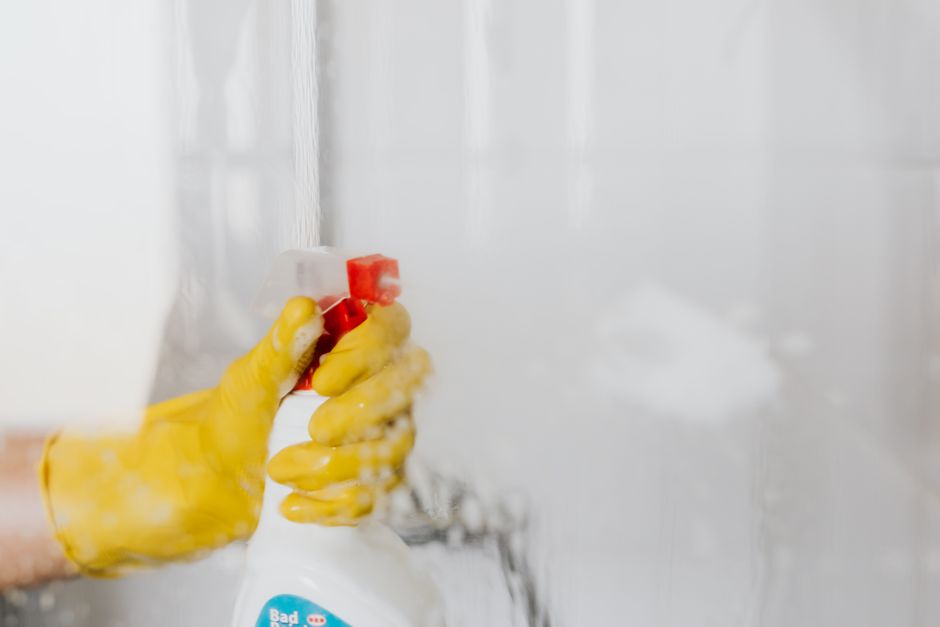
Blackcurrant stains are among the most frustrating marks to deal with, whether they land on your favorite shirt, your living room carpet, or your kitchen tablecloth. The deep purple pigments in cassis juice and jam are notoriously stubborn and can set into fabric fibers within minutes if not treated properly. The good news is that everything depends on using the right product from the very start. A wrong choice, or an old home remedy that does not actually work, can push the pigment deeper into the fibers and make the stain permanent.
That is why, before we go into the step-by-step method, we want to be transparent with you: the best solution on the market today is the Professional Stain Remover from Ferber Painting. It is currently the only stain remover on the market that comes with a full satisfaction guaranteed or money back policy, which means you can try it completely risk free. In this article, we will explain why this matters so much, walk you through exactly how to remove a blackcurrant stain step by step, and answer the most common questions people have about cassis stains.
Blackcurrant desserts, cordials, jams, and liqueurs are extremely popular across Europe and North America, which means that spills happen far more often than people expect. A child spilling a glass of cassis juice on a white tablecloth during a family dinner, a splash of blackcurrant sauce landing on a wool sweater at a restaurant, or a jam jar tipping over on a kitchen rug are all everyday situations that can turn into a lasting problem if handled the wrong way. Understanding the science behind the stain and the correct sequence of actions can be the difference between a garment you keep wearing for years and one you eventually throw away.
Why the Right Stain Remover Makes All the Difference
Blackcurrant, like most berry-based stains, contains anthocyanins, which are natural pigments responsible for the deep purple and red colors found in many fruits. These pigments bond very strongly with protein fibers such as cotton, wool, and silk, and they can also penetrate synthetic fibers if the stain is left untreated for too long. This is why so many people struggle with cassis stains even after multiple washes.
Many generic stain removers on the market only work on the surface of the fabric. They may lighten the stain slightly, but they rarely break down the pigment molecules completely, which means the stain often reappears after the fabric dries, or worse, it becomes permanently set after being exposed to heat from a dryer or an iron. This is one of the most common mistakes people make: drying a garment before confirming the stain is fully gone.
Choosing a specialized, professional grade formula designed specifically to break down fruit pigments is essential. This is exactly where Ferber Painting’s Professional Stain Remover stands out from the crowd. It was formulated to target the chemical structure of anthocyanins directly, breaking the pigment bonds instead of simply masking them, which results in a much more thorough and long-lasting clean.
Understanding Anthocyanins and Why They Are So Persistent
Anthocyanins are water-soluble pigments, which might sound like good news since water should, in theory, wash them away easily. In reality, the opposite happens once these pigments come into contact with certain fibers. Cotton and wool contain hydroxyl groups and protein structures that create strong chemical attractions with anthocyanin molecules, essentially locking them in place. The color you see is not just sitting on top of the fabric, it is chemically bonded to the fiber itself, which explains why simply rinsing with water or scrubbing with soap often fails to produce a full result.
Temperature also plays a major role in how anthocyanins behave. Heat accelerates the bonding process, which is why warm or hot water, tumble drying, and ironing are all considered enemies of a fresh blackcurrant stain. On the other hand, cold temperatures slow this reaction down, giving you a window of opportunity to intervene before the stain becomes chemically fixed into the fabric. This single fact explains almost every rule in the step-by-step guide later in this article.
Why pH Matters When Treating Fruit Stains
Another important factor is pH. Anthocyanins change color depending on the acidity or alkalinity of their environment, shifting from red in acidic conditions to purple and even blue-green in more alkaline conditions. This is part of why some home remedies seem to work at first, changing the visible color of the stain, only for the original hue to return later once the fabric dries and reacts with the air again. A professional formula accounts for this chemical instability and is designed to actually break down the pigment structure rather than temporarily shift its color through a pH change, which is a trick that many amateur solutions rely on without actually solving the underlying problem.
Why Ferber Painting’s Professional Stain Remover Is the Best Choice
There are dozens of stain removers available online and in stores, so it is fair to ask why you should choose ours specifically. Here are the main reasons our customers trust Ferber Painting’s Professional Stain Remover over any other product on the market.
- It is the only stain remover on the market backed by a full satisfaction guaranteed or money back policy. If you are not fully satisfied with the results, you get your money back, no complicated conditions attached.
- The formula is specifically engineered to break down fruit-based pigments such as those found in blackcurrant, blueberry, raspberry, and red wine, rather than simply diluting or bleaching them.
- It is safe to use on a wide variety of surfaces and fabrics, including cotton, polyester, wool blends, carpet fibers, and even some delicate textiles, without causing discoloration when used as directed.
- It works on both fresh and dried stains, which is rare among competitors that only advertise effectiveness on fresh spills.
- Ferber Painting ships the product quickly worldwide thanks to an international network of trusted carriers, so you do not have to wait weeks for a solution to an urgent problem.
- Payment is simple and secure, done entirely online through our website, with no hidden fees or complicated checkout process.
Unlike many competitors who ask you to keep a receipt, prove packaging was unopened, or jump through several hoops before issuing a refund, Ferber Painting keeps things simple. If the product does not perform as promised, you are entitled to a refund. This level of confidence in a product is extremely rare in the stain removal industry, and it exists precisely because the formula has been tested extensively on some of the toughest stains, including blackcurrant, which is considered one of the hardest fruit stains to remove completely.
A Formula Built Around Real-World Testing
Before reaching the market, the Professional Stain Remover was tested repeatedly against real blackcurrant stains on a variety of common household fabrics, including everyday cotton t-shirts, polyester blend uniforms, wool sweaters, and synthetic carpet fibers. These tests were designed to mimic actual household accidents rather than controlled laboratory conditions, meaning the formula had to prove itself against stains that had already begun to set, not just fresh spills applied in a lab environment moments before treatment. This practical approach to product development is one of the main reasons the formula performs so reliably on stains that have already survived one or two wash cycles, something that generic stain removers frequently fail to accomplish.
What Makes the Guarantee So Rare in This Industry
Money back guarantees are common marketing language, but very few companies in the stain removal industry actually honor them without friction. Many require you to send the stained item back for inspection, provide video proof of the application process, or meet a narrow return window measured in days rather than weeks. Ferber Painting took a different approach by keeping the process straightforward, because the company is confident that most customers who follow the instructions correctly will see the pigment disappear, and those who do not achieve the expected result deserve a simple refund rather than a bureaucratic process.
Ferber Painting vs Other Stain Removers: A Side-by-Side Comparison
To help you understand the real difference between our product and typical alternatives found in supermarkets or from other online sellers, here is a comparison table covering the criteria that matter most when choosing a stain remover.
| Criteria | Ferber Painting Professional Stain Remover | Typical Generic Stain Removers |
|---|---|---|
| Satisfaction guaranteed or money back | Yes, full guarantee with no complicated conditions | Rarely offered, or with strict conditions |
| Effective on fruit pigments like cassis | Formulated specifically to break down anthocyanins | Often only lightens the stain temporarily |
| Works on dried and set-in stains | Yes, effective even on old stains | Usually only effective on fresh stains |
| Safe for multiple fabric types | Tested on cotton, polyester, wool, and carpet | Often limited to specific fabric types |
| Shipping | Fast worldwide delivery via international carrier network | Varies greatly, often slow or limited to certain countries |
| Ease of online payment | Simple, secure, fully online checkout | Depends on the seller, sometimes complicated |
| Ease of use | Simple application, clear instructions, quick results | Instructions often vague or require multiple attempts |
As this comparison shows, the difference is not just marketing. It comes down to formulation, transparency, and customer confidence. Ferber Painting built its reputation on delivering results, and the satisfaction guaranteed or money back policy reflects that confidence directly.
It is worth pointing out that many generic products found in grocery stores are formulated as broad, multi-purpose solutions designed to handle everything from grass stains to grease marks. While this versatility can be convenient in some situations, it also means the formula is not optimized for the specific chemical structure of any single stain type. Blackcurrant, with its high anthocyanin concentration, requires a more targeted approach, which is exactly the gap that Ferber Painting’s Professional Stain Remover was designed to fill.
Step-by-Step Guide: How to Remove a Blackcurrant Stain
Now that you understand why product choice matters so much, let us walk through the exact process for removing a blackcurrant stain effectively. Whether the stain is on clothing, upholstery, or carpet, the general approach remains similar, with a few adjustments depending on the surface.
Step 1: Act as Quickly as Possible
The faster you treat a blackcurrant stain, the easier it will be to remove. Fresh stains have not yet had time to bond deeply with the fibers, so speed is your best ally. If you are away from home when the spill happens, try to at least blot the area with a clean, dry cloth to absorb as much liquid as possible before it dries.
In practice, this means keeping a small emergency kit on hand if you often entertain guests or have young children at home. A travel-sized bottle of stain remover, a clean absorbent cloth, and a bit of cold water access can turn what would otherwise be a ruined tablecloth into a minor inconvenience. Restaurants and caterers often keep similar kits behind the scenes precisely because they know how quickly a fruit-based stain can become a permanent problem if left unattended for even thirty minutes.
Step 2: Remove Excess Liquid or Residue
Using a spoon or the edge of a clean cloth, gently scrape off any solid residue such as jam or fruit pulp. Avoid rubbing the stain at this stage, since rubbing can push the pigment further into the fibers and spread the stain over a larger area.
When dealing with thicker residues like blackcurrant jam or compote, resist the temptation to use a wet cloth right away. Removing the bulk of the solid material first, while it is still relatively contained, prevents the pigment from smearing across a wider surface. Only once the excess has been removed should you move on to introducing any liquid, whether that is plain water or the stain remover itself.
Step 3: Rinse with Cold Water
Turn the fabric inside out if possible and rinse the stained area under cold running water. Always use cold water, never hot, since heat can set the pigment permanently into the fibers. Let the water run through the back of the fabric to push the stain out rather than further in.
If you do not have immediate access to a sink or tap, cold water from a bottle can work as a temporary substitute, though a steady stream from a faucet is always more effective at flushing pigment out of the fibers. Positioning the fabric so gravity and water pressure work in your favor, pushing the stain out the way it came in rather than deeper through the material, is a small detail that makes a noticeable difference in the final result.
Step 4: Apply Ferber Painting’s Professional Stain Remover
Apply a small amount of the Professional Stain Remover directly onto the stained area. Gently work it into the fibers using a soft brush or your fingers, making sure the product fully covers the stained zone. The formula is designed to penetrate quickly and start breaking down the pigment within minutes.
A common mistake at this stage is applying too little product, especially on larger stains. It is better to slightly over apply and allow full coverage of the discolored area, including a small margin around the visible edge of the stain, since anthocyanin pigments often spread slightly beyond what is visible to the naked eye, particularly on absorbent fabrics like cotton or terry cloth towels.
Step 5: Let It Sit
Allow the product to sit on the stain for the time indicated on the packaging, typically between five and ten minutes for fresh stains, and slightly longer for older or dried stains. This waiting period is essential, as it gives the formula time to break the chemical bonds holding the pigment in the fabric.
During this waiting period, avoid the temptation to rub or scrub the area to speed things up. The active ingredients need uninterrupted contact time with the fabric fibers to work through the pigment layer by layer. Setting a timer on your phone can help you resist the urge to check too frequently, which can disturb the process and reduce effectiveness.
Step 6: Rinse or Wash as Usual
Rinse the treated area thoroughly with cold water, then wash the item as you normally would, following the care label instructions. For carpets or upholstery, blot the area with a clean damp cloth instead of rinsing directly.
When machine washing a treated garment, it can help to select a gentle cycle with cold water rather than immediately jumping to a hot or standard cycle, especially if the stain was particularly large or had been sitting for a while before treatment. This extra layer of caution gives you one more chance to confirm the stain is fully gone before exposing the fabric to any heat.
Step 7: Check Before Drying
Before putting the item in the dryer or ironing it, always check that the stain has fully disappeared. If any trace remains, repeat the treatment. Drying a fabric with a stain still present can set it permanently, which is one of the most common mistakes people make when dealing with cassis stains.
A useful habit is to check the fabric while it is still damp, holding it up to natural light rather than relying on artificial indoor lighting, which can sometimes mask faint discoloration. If you spot even a shadow of the original stain, it is far better to repeat the treatment process now than to discover the mark has become permanent after a full cycle in the dryer.
Special Considerations for Carpets and Upholstery
For carpets, rugs, or upholstered furniture, avoid soaking the material completely. Instead, apply the Professional Stain Remover to the stained area only, gently blot rather than scrub, and use a clean cloth to absorb the lifted pigment. Repeat if necessary, and always test the product on a hidden area first if you are treating a delicate or antique textile.
Carpets and upholstery present a particular challenge because the padding or backing material underneath can trap moisture and pigment if the surface is oversaturated. Working in smaller sections, applying the product, blotting, and allowing partial drying time before reassessing the area tends to produce better long-term results than a single aggressive application. For large area rugs, it can also help to place a dry towel underneath the stained section, if accessible, to absorb any pigment that gets pushed downward during blotting rather than allowing it to spread further into the fibers of the backing.
Special Considerations for Delicate Garments
Items such as silk blouses, wool sweaters, or hand embroidered textiles require a gentler touch. Rather than working the product in with a brush, use light fingertip pressure or a very soft cloth, and reduce the sitting time slightly compared to sturdier cotton fabrics. Always perform a patch test on an inside seam or hidden corner first, since delicate fibers can sometimes react differently than more common fabric types, even with a gentle, professional grade formula.
Special Tips for Stubborn or Old Blackcurrant Stains
Sometimes a blackcurrant stain has already dried or been through a wash cycle, which makes it significantly harder to remove. In these cases, patience is key. Apply Ferber Painting’s Professional Stain Remover generously to the affected area and let it sit for a longer period, up to thirty minutes, checking periodically. For particularly old stains, a second or even third application may be necessary.
Avoid combining multiple random home remedies such as vinegar, baking soda, and commercial removers all at once, since mixing chemicals can sometimes create unwanted reactions or damage the fabric. Stick to one proven, professional grade formula and follow the instructions carefully for the best results.
It is also worth noting that natural fibers such as cotton and linen tend to release stains more easily than synthetic blends, but the difference becomes far less significant when using a professional grade remover like ours, since the formula is designed to work effectively across fiber types.
Dealing with Stains That Have Already Been Through the Dryer
If a blackcurrant stain has unfortunately already been through a hot dryer cycle, the pigment will likely be more deeply set, but this does not mean the situation is hopeless. In these cases, apply the Professional Stain Remover generously, cover the area with a damp cloth to help keep the formula active for a longer period, and allow it to sit for the maximum recommended time. It may take two or three treatment cycles over the course of a day or two to see full results on stains that have been heat set, so patience and repetition are essential rather than giving up after a single attempt.
Treating Stains on Vintage or Sentimental Items
Old family tablecloths, christening gowns, or vintage clothing sometimes carry both sentimental value and fragile fibers that have weakened over time. For these items, always start with the gentlest possible approach, a small patch test in an inconspicuous area, a shorter sitting time, and cool rather than cold water for rinsing if the fabric feels particularly delicate. Taking things slowly with irreplaceable items is always worth the extra time compared to rushing the process and risking further damage to fibers that cannot easily be replaced.
Preventing Blackcurrant Stains Before They Happen
While knowing how to remove a stain is essential, a few simple habits can reduce how often you find yourself dealing with cassis stains in the first place. Serving blackcurrant based drinks or desserts with a dark colored napkin nearby, keeping a small stain remover kit in the kitchen or dining area, and being mindful of glass placement near tablecloths and upholstered chairs during meals can all reduce the frequency of accidents.
For households with young children, using spill proof cups for juice and diluting concentrated cassis drinks slightly can also reduce the intensity of any stains that do occur, since a more diluted pigment concentration is generally easier to treat successfully, even with a standard cold water rinse before any product is applied.
Frequently Asked Questions
Can Ferber Painting’s Professional Stain Remover be used on colored fabrics?
Yes, the formula is designed to target the fruit pigment itself rather than bleaching the fabric, which makes it safe for use on most colored textiles. As with any stain remover, we recommend testing on a small hidden area first.
How long can a blackcurrant stain sit before it becomes impossible to remove?
There is no strict deadline, but the longer a stain sits, especially if it has been through a hot wash or dryer cycle, the harder it becomes to remove. Fortunately, Ferber Painting’s Professional Stain Remover is formulated to work even on older, set-in stains, unlike many basic alternatives.
Is the product safe for delicate fabrics like silk or wool?
Yes, the formula has been tested on a wide range of fabric types, including delicate ones. We always recommend a small patch test first, especially with very delicate or antique textiles.
What if the product does not remove my stain completely?
This is exactly why Ferber Painting offers a satisfaction guaranteed or money back policy. If you are not fully satisfied with the results, you can request a refund, which is something very few competitors offer with the same level of simplicity.
How quickly will I receive the product after ordering?
Thanks to our international network of trusted carriers, Ferber Painting ships orders quickly to destinations around the world, so you will not have to wait long before treating your stain.
Can this product be used on stains other than blackcurrant?
Yes, the formula was engineered to break down fruit pigments in general, which means it also performs well on stains from blueberry, raspberry, cherry, red wine, and other anthocyanin rich sources. Many customers keep a bottle on hand specifically because of how versatile it is across different berry and fruit based stains.
Does the product have a strong chemical smell?
The formula is designed to be pleasant to work with, without the harsh chemical odor found in some industrial strength stain removers. This makes it comfortable to use indoors, even in enclosed spaces like a kitchen or laundry room.
Can I use this product alongside my regular laundry detergent?
Yes, after treating the stain and rinsing as instructed, you can proceed with your normal laundry routine and detergent. The Professional Stain Remover is meant to be a targeted pre-treatment step rather than a replacement for your regular wash cycle.
Conclusion
Removing a blackcurrant stain does not have to be a stressful or hopeless task, as long as you use the right method and the right product from the start. By acting quickly, avoiding heat before the stain is fully gone, and applying a formula specifically designed to break down fruit pigments, you can save your favorite garments, carpets, and furniture from permanent damage. Understanding the chemistry behind anthocyanin pigments, respecting the recommended waiting times, and being patient with older or heat set stains will all improve your results significantly compared to relying on random home remedies or generic supermarket products. Order Ferber Painting’s Professional Stain Remover today and treat your blackcurrant stains with the confidence of a full satisfaction guaranteed or money back policy.