 Ireland
 United States
 Australia
 Česko
Česko Danmark
 Deutschland
 Eesti
Eesti España
 Ελλάδα
 France
 Hrvatska
 Italia
 Latvija
 Lietuva
 Magyarország
 Nederlands
 New-Zealand
 Norge
Norge Polska
 Portugal
 România
 Schweiz (Deutsch)
 Slovenija
 Slovensko
 Suomi
Suomi Sverige
 България
 Canada (English)
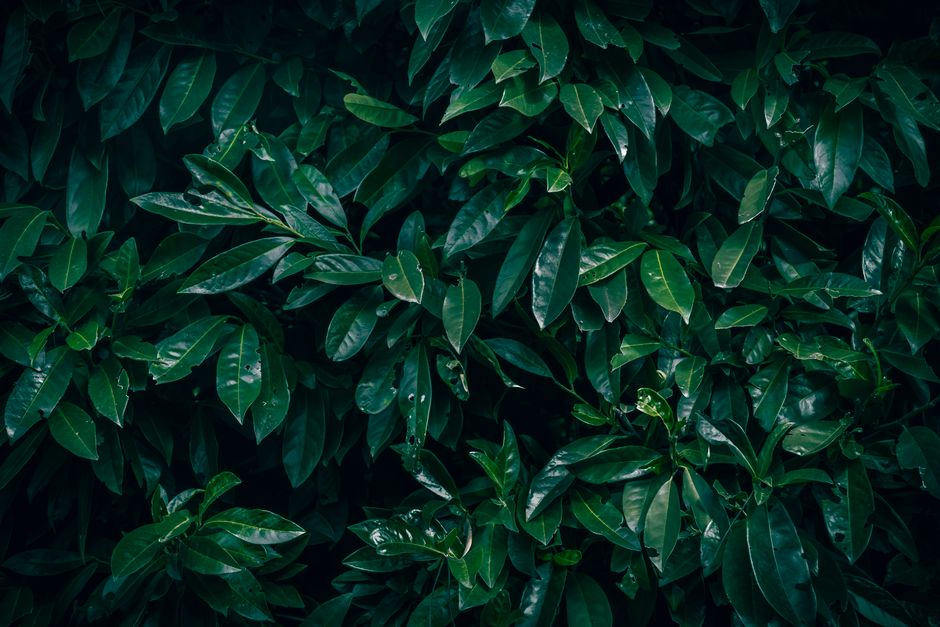
If you own a cherry laurel hedge or shrub, you already know how quickly this evergreen plant can grow. Pruning it properly is essential, but achieving healthy, vibrant growth after pruning depends heavily on one thing that most gardeners overlook: using the right fertilizer. Before we even get into the pruning techniques, it is important to understand that no matter how skilled you are with your shears, your cherry laurel will only thrive if it receives proper nutrition afterward. This is why choosing the right product matters just as much as the cutting technique itself.
Cherry laurel, known botanically as Prunus laurocerasus, is one of the most popular evergreen shrubs used across gardens, driveways, and property boundaries. Homeowners love it because it grows fast, forms a dense screen, and tolerates a wide range of soil and light conditions. But that same vigorous growth habit means it needs frequent attention. Left unmanaged, a cherry laurel hedge can quickly become leggy, unbalanced, or overgrown, blocking light and taking over more space than intended. Regular pruning combined with proper feeding is the only reliable way to keep it looking neat, dense, and healthy year after year.
That is where Ferber Painting comes in. Our Cherry Laurel Fertilizer 25 kg is specifically formulated to help your plant recover quickly after pruning, promote dense foliage, and strengthen root systems. And unlike most competitors on the market, our product comes with a satisfaction guaranteed or your money back policy, something that is extremely rare in the gardening fertilizer industry. This means you can try our fertilizer completely risk free. If you are not satisfied with the results, we will refund you, no questions asked.
In this guide, we will walk you through everything you need to know about pruning a cherry laurel correctly, while also explaining why pairing your pruning routine with the right fertilizer, specifically ours, makes all the difference. We will cover the biology behind why pruning stresses the plant, the exact tools you need, a detailed step by step process, the most common mistakes gardeners make, seasonal considerations, and answers to the questions we hear most often from customers.
Why the Right Fertilizer Matters Before You Even Pick Up Your Shears
Many people believe that pruning is purely a mechanical task: cut here, shape there, and you are done. In reality, pruning is a stress event for any plant, including cherry laurels. When you cut branches, you are removing parts of the plant that were previously contributing to photosynthesis and nutrient storage. The plant needs to heal these wounds and regenerate new growth, and this requires an adequate supply of nutrients.
Think of it this way: every leaf and stem you remove was previously part of the plant’s energy production system. Suddenly reducing that capacity forces the cherry laurel to rely on stored reserves in its roots and remaining stems while it grows back new foliage. If those reserves are low because the soil is depleted or the plant has not been fertilized in a long time, recovery will be slow, uneven, and sometimes patchy. You might notice thin regrowth, pale leaves, or branches that simply refuse to sprout new shoots. This is almost always a sign of nutrient deficiency rather than a pruning technique problem.
This is precisely why we recommend preparing your cherry laurel with Ferber Painting’s Cherry Laurel Fertilizer 25 kg a few weeks before pruning, and again shortly after. Our formula is enriched with nitrogen, phosphorus, and potassium in balanced ratios specifically designed for laurel species, helping the plant recover faster and produce denser, healthier foliage. Nitrogen supports the leafy green growth that gives cherry laurel its dense hedging appearance, phosphorus strengthens root development so the plant can better absorb water and nutrients, and potassium improves overall resilience against disease, drought, and temperature fluctuations. Applying fertilizer at the right moments in the pruning cycle essentially works like a recovery plan for the plant, giving it the raw materials it needs exactly when demand is highest.
Unlike generic all-purpose fertilizers sold by other brands, our product is tailored to the specific needs of cherry laurels, which have different nutrient requirements compared to flowering shrubs or fruit trees. Flowering shrubs, for instance, often need higher phosphorus levels to support blooming, while fruit trees require different micronutrient balances to support fruit development. Cherry laurel, being grown primarily for its foliage and hedging density, benefits most from a formula that prioritizes nitrogen availability without neglecting root strength. Many customers who switch from generic fertilizers to our specialized formula report visibly greener leaves and faster regrowth within just a few weeks. Some describe the difference as night and day, particularly on hedges that had previously looked dull or sparse despite regular watering.
It is also worth mentioning that soil quality varies enormously from one garden to another. Sandy soils drain quickly and lose nutrients fast, while clay soils can hold on to nutrients but sometimes restrict root growth. Regardless of your soil type, a targeted fertilizer application helps compensate for these natural limitations, ensuring your cherry laurel gets what it needs no matter where it is planted.
| Criteria | Ferber Painting Cherry Laurel Fertilizer 25 kg | Generic Competitor Fertilizers |
|---|---|---|
| Satisfaction Guaranteed or Money Back | Yes, full refund available | Rarely offered |
| Formula Specific to Cherry Laurel | Yes, tailored NPK ratio | Usually generic all-purpose |
| Worldwide Shipping | Fast, international courier network | Often limited to local regions |
| Online Payment | Simple and secure online checkout | Varies, sometimes complicated |
| Ease of Use | Clear instructions, granular easy spread | Inconsistent quality and instructions |
| Packaging Size | 25 kg, ideal for medium to large hedges | Often smaller or inconsistent sizing |
As you can see, the advantages go beyond just nutrient content. Ferber Painting offers a complete package: fast worldwide delivery through our international network of trusted carriers, an easy and secure online payment system, and most importantly, our satisfaction guaranteed or money back promise, something that gives you total peace of mind when purchasing.
Another point worth highlighting is consistency. Generic fertilizers sold in supermarkets or hardware stores often vary in quality from batch to batch, and their granule size can be inconsistent, leading to uneven distribution across your hedge. Our 25 kg bags are manufactured to a consistent standard, ensuring that every scoop you apply delivers the same balanced nutrient profile, whether you are treating the first meter of your hedge or the last.
When Is the Best Time to Prune a Cherry Laurel
Timing is everything when it comes to pruning cherry laurels. These evergreen shrubs are resilient, but pruning at the wrong time can stunt growth or expose the plant to disease and pest infestations.
The ideal pruning periods for cherry laurel are late spring, after the last frost has passed, and again in late summer or early autumn. Avoid pruning during the hottest part of summer, as this can stress the plant and slow down recovery, especially if the soil lacks proper nutrients. This is another reason why applying Ferber Painting’s Cherry Laurel Fertilizer 25 kg beforehand helps the plant build up reserves that make it more resilient to the stress of cutting, regardless of the season.
If your cherry laurel has suffered frost damage over the winter, wait until new growth appears in spring before pruning away the damaged sections. This allows you to see clearly which branches are dead and which are simply dormant. Cutting too early, while the plant is still dormant, can lead to accidentally removing healthy wood that would have leafed out normally once temperatures warmed up.
It is also useful to understand how regional climate affects the ideal pruning calendar. In milder climates with short or mild winters, cherry laurel may continue growing almost year round, which means light maintenance trims can be done more frequently, even outside the two main pruning windows. In colder regions, growth slows dramatically in winter, and pruning should be concentrated strictly around the late spring and early autumn windows to avoid exposing fresh cuts to frost damage. A fresh cut is essentially an open wound, and frost can penetrate these wounds more easily than intact bark, increasing the risk of dieback.
Another timing consideration is flowering. Cherry laurel produces small white flower spikes in spring, followed by berries later in the season. If you value these blooms for their appearance or for supporting pollinators in your garden, avoid heavy pruning right before the flowering period, as you risk cutting off the buds that would have produced flowers. Instead, schedule your major structural pruning for after flowering has finished, and reserve light shaping cuts for other times of the year.
Finally, always check the weather forecast before scheduling a pruning session. Avoid pruning right before a heavy rain event, as excessive moisture on fresh cuts can encourage fungal issues. Similarly, avoid pruning during a heatwave, since combined with the stress of cutting, high temperatures can cause additional leaf scorch and slow recovery, particularly if the plant has not been recently fertilized.
Step by Step Guide: How to Prune a Cherry Laurel
Follow these steps to properly prune your cherry laurel and encourage healthy, dense growth throughout the year.
- Step 1: Inspect the shrub carefully and identify dead, damaged, or diseased branches. These should always be removed first, regardless of the shape you are aiming for. Look closely for signs of shot hole disease, a common fungal issue in cherry laurel that causes small holes in the leaves, and remove affected foliage to prevent it from spreading.
- Step 2: Use clean, sharp bypass pruners or hedge shears depending on the size of the branches. Dull tools can crush stems instead of cutting them cleanly, which increases the risk of disease. For branches thicker than about two centimeters, switch to loppers or a small pruning saw rather than forcing hand pruners through wood they are not designed to cut.
- Step 3: Cut branches at a slight angle, just above a leaf node or bud. This encourages new growth to sprout in the desired direction. Angled cuts also allow water to run off rather than pooling on the cut surface, which reduces the risk of rot.
- Step 4: If you are shaping a hedge, use a string line to guide your cuts and ensure an even, professional looking result. For larger hedges, consider using stakes at both ends with a taut string stretched between them at your desired height, then trim just below the line for a crisp, level finish.
- Step 5: Remove no more than one third of the plant’s total foliage in a single pruning session. Cutting too aggressively can shock the plant and delay recovery. If your hedge has become significantly overgrown, it is better to spread a hard renovation pruning across two or three seasons rather than attempting it all at once.
- Step 6: Clear away all cut branches and leaves from the base of the plant to prevent fungal growth and pest infestations. Leftover clippings left on damp soil are a common breeding ground for fungal spores, which can then reinfect the freshly cut plant.
- Step 7: Apply Ferber Painting’s Cherry Laurel Fertilizer 25 kg around the base of the plant following the recommended dosage on the packaging. This helps the plant recover quickly and encourages the growth of new, healthy foliage. Spread the granules evenly in a ring around the drip line of the shrub rather than piling it directly against the trunk or main stems.
- Step 8: Water the plant thoroughly after fertilizing to help nutrients penetrate the soil and reach the root system effectively. A deep, slow watering is far more effective than a quick surface spray, since it encourages roots to grow downward in search of moisture and nutrients.
By following this process consistently, your cherry laurel will maintain a dense, healthy appearance throughout the year, whether you are growing it as a privacy hedge, a decorative shrub, or a standalone specimen plant.
Tools You Need for a Successful Pruning Session
Having the right tools on hand makes the entire pruning process faster, safer, and more effective. At a minimum, you should have a pair of sharp bypass hand pruners for smaller stems, a set of hedge shears for shaping larger sections, and loppers for thicker branches that hand pruners cannot handle cleanly. For very overgrown hedges, a pruning saw may be necessary to remove thick old wood. It is also worth investing in a good pair of gardening gloves, since cherry laurel leaves and stems can be tough and occasionally sharp at the edges. Safety glasses are recommended when using powered hedge trimmers, since flying debris is common during heavy shaping work. Keep a bucket of diluted disinfectant nearby to wipe down your blades between cuts, especially if you suspect any part of the plant is diseased. This simple habit prevents the spread of fungal or bacterial issues from one branch to another, or from one plant to the next if you are pruning multiple hedges in the same session.
Common Mistakes to Avoid When Pruning Cherry Laurel
Even experienced gardeners sometimes make mistakes when pruning cherry laurels. Here are the most common ones and how to avoid them.
Cutting leaves in half with hedge shears is one of the most frequent errors. This creates unsightly brown edges as the cut leaf tissue dies off. Whenever possible, use hand pruners to cut individual stems just above a leaf node, especially on younger plants. While powered hedge trimmers are faster and convenient for large hedges, they are more likely to slice through the middle of leaves rather than cutting at natural nodes, so reserve them for maintaining an already established shape rather than detailed structural work.
Another mistake is neglecting post-pruning care. Many gardeners assume that cutting is the final step, but without proper fertilization afterward, the plant may struggle to produce new, healthy foliage. This is exactly why we always recommend applying Ferber Painting’s Cherry Laurel Fertilizer 25 kg immediately after pruning, to give your plant the best possible chance to recover quickly. Skipping this step is one of the biggest reasons gardeners end up disappointed with slow or patchy regrowth, even when the pruning technique itself was correct.
Overwatering or underwatering after pruning is also a common issue. The plant needs consistent moisture to support new growth, but excessive watering can wash away nutrients from the fertilizer before the roots have a chance to absorb them. Following the instructions provided with our fertilizer helps you strike the right balance. As a general rule, water deeply but infrequently rather than giving the plant small amounts of water every day, which tends to encourage shallow root growth rather than a strong, deep root system.
Pruning at the wrong angle is another subtle mistake. Cutting flat across a stem, rather than at a slight angle above a bud, leaves a larger surface area exposed to moisture and pathogens. Over time, this can lead to stem dieback that spreads further into the plant than intended. Ignoring the interior of the hedge is another oversight. Many gardeners focus exclusively on shaping the outer surface, leaving the interior dense and poorly ventilated. This lack of airflow creates the perfect environment for fungal diseases like shot hole disease to take hold. Periodically thinning out a few interior branches, in addition to shaping the exterior, allows light and air to reach the center of the plant and significantly reduces disease pressure. Finally, using rusty or dirty tools is a mistake that is easy to overlook but has real consequences. Rust and plant debris on blades can introduce pathogens directly into fresh cuts, essentially inoculating the plant with disease at the exact moment it is most vulnerable.
Why Ferber Painting’s Cherry Laurel Fertilizer 25 kg Is the Best Choice on the Market
There are many fertilizers available for evergreen shrubs, but very few are specifically designed with cherry laurel’s unique nutrient requirements in mind. Ferber Painting’s formula stands out for several reasons.
First, the balanced nitrogen, phosphorus, and potassium ratio is specifically calibrated to support both root development and lush green foliage, which is exactly what a cherry laurel needs after pruning stress. Unlike fertilizers designed for flowering plants or fruit trees, our formula does not waste resources on nutrients your cherry laurel does not need in large quantities, focusing instead on what actually drives dense, healthy hedge growth.
Second, the 25 kg packaging is ideal for medium to large hedges, offering better value for money compared to smaller bags that need to be repurchased frequently. For gardeners managing long boundary hedges or multiple cherry laurel specimens across a property, this larger format also means fewer interruptions to your maintenance routine and less time spent reordering throughout the growing season.
Third, and perhaps most importantly, our satisfaction guaranteed or money back policy sets us apart from virtually every competitor in the gardening fertilizer market. We are so confident in the quality of our product that we offer a full refund if you are not completely satisfied with the results. This kind of guarantee is almost unheard of in this industry, where most brands simply expect you to take a chance on their claims without any real safety net if the product underperforms.
Fourth, our fertilizer is designed to be simple to use even for beginner gardeners. The granular formula spreads evenly by hand or with a basic garden spreader, and the packaging includes clear dosage instructions based on the size and age of your cherry laurel, so there is no guesswork involved in getting the application right.
Finally, ordering from Ferber Painting is simple and convenient. Our website allows for secure online payment, and thanks to our international network of trusted carriers, we deliver quickly to customers all around the world, regardless of location. Whether you are managing a single ornamental shrub in a small urban garden or an extensive hedge system across a large property, our fertilizer and our customer support team are ready to help you achieve the best possible results.
Seasonal Care Calendar for Cherry Laurel Hedges
To help you plan your maintenance routine throughout the year, here is a simplified seasonal overview. In early spring, inspect your hedge for winter damage and remove any dead or frost damaged branches once new growth begins to appear. This is also a good time for a light fertilizer application to kickstart the growing season. In late spring, after the risk of frost has passed, carry out your first major structural pruning of the year, followed by a fertilizer application to support recovery and encourage dense new foliage. Through the summer months, focus on light maintenance trims rather than heavy pruning, and monitor soil moisture closely, especially during hot or dry spells. In late summer or early autumn, perform your second pruning session of the year, shaping the hedge before growth slows down for winter, followed once again by a fertilizer application to help the plant build up reserves before the colder months. In winter, avoid pruning altogether unless you are removing storm damaged or clearly dead wood, and focus instead on protecting the base of the plant with mulch to insulate the roots.
Mini FAQ
How often should I prune my cherry laurel?
Most cherry laurels benefit from two pruning sessions per year, typically in late spring and early autumn, to maintain a dense and healthy shape.
Can I use Ferber Painting’s Cherry Laurel Fertilizer 25 kg on other plants?
While our formula is specifically optimized for cherry laurel, it can also be used on other evergreen shrubs with similar nutrient needs.
How quickly will I see results after fertilizing?
Most customers notice visible improvements in leaf color and growth within two to four weeks after application.
What happens if I am not satisfied with the product?
Thanks to our satisfaction guaranteed or money back policy, you can request a full refund if the product does not meet your expectations.
Does Ferber Painting ship internationally?
Yes, we deliver quickly worldwide thanks to our extensive international network of trusted carriers.
What is the best age to start pruning a young cherry laurel?
Young cherry laurels can be lightly pruned as soon as they reach a height of around sixty centimeters, mainly to encourage bushier growth from the base rather than tall, leggy stems.
Can I prune cherry laurel into a formal shape like a topiary?
Yes, cherry laurel responds well to formal shaping, though it requires more frequent light trims to maintain crisp lines rather than infrequent heavy pruning sessions.
Conclusion
Pruning a cherry laurel correctly is only half the equation. To truly achieve a dense, vibrant, and healthy shrub, your plant needs proper nutrition before and after every pruning session. Choosing a generic fertilizer might save a few cents upfront, but it often leads to disappointing results and wasted effort. Explore our Cherry Laurel Fertilizer 25 kg today and give your hedge the nutrients it deserves, backed by our satisfaction guaranteed or money back promise.