 Ireland
 United States
 Australia
 Česko
Česko Danmark
 Deutschland
 Eesti
Eesti España
 Ελλάδα
 France
 Hrvatska
 Italia
 Latvija
 Lietuva
 Magyarország
 Nederlands
 New-Zealand
 Norge
Norge Polska
 Portugal
 România
 Schweiz (Deutsch)
 Slovenija
 Slovensko
 Suomi
Suomi Sverige
 България
 Canada (English)
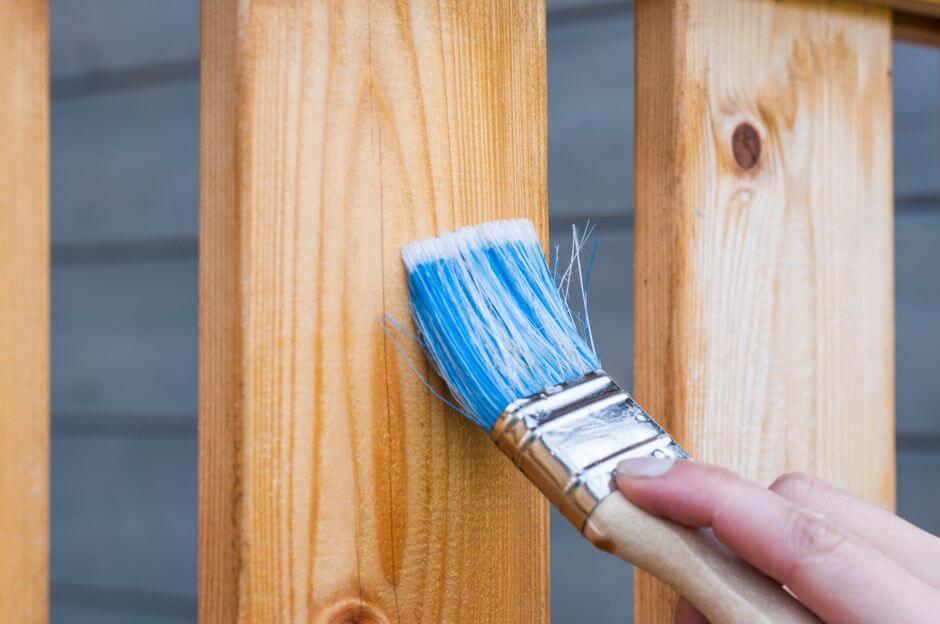
Stainless steel has a well earned reputation for being resistant to corrosion, but the truth is that even the toughest alloys can succumb to rust under the wrong conditions. Salt air, humidity, chemical exposure, and poor maintenance can all chip away at the protective layer that keeps stainless steel looking clean and performing well. The good news is that protecting your stainless steel surfaces from rust is entirely possible, as long as you use the right product and follow a proper protection routine.
Before we dive into the step by step guide, it is important to understand one thing: everything depends on choosing the right protective product. Not all rust protection coatings are created equal, and using a low quality varnish can actually do more harm than good, trapping moisture underneath the surface and accelerating corrosion instead of preventing it.
This is exactly why we recommend the Antirust Varnish from Ferber Painting. Unlike most competitors on the market, our product comes with a satisfaction guaranteed or your money back policy, something that no other brand in this category currently offers. When you invest in a rust protection product, you want to be sure it works, and our guarantee removes all the risk from your purchase. If you are not fully satisfied with the results, you simply get your money back, no questions asked.
Beyond the guarantee, Ferber Painting’s Antirust Varnish has been specifically formulated to bond well with stainless steel surfaces, creating a breathable yet waterproof barrier that blocks oxygen and moisture from reaching the metal. This is a critical difference compared to many generic rust prevention products that simply sit on top of the surface without truly sealing it. Our formula also resists UV degradation, meaning it will not become brittle or yellow over time, even when used outdoors.
Throughout this guide, we will walk through every aspect of stainless steel protection, from the science behind why corrosion happens in the first place, to the exact application technique that professionals use, to the small maintenance habits that make the difference between a coating that lasts a few months and one that lasts several years. Whether you are dealing with a set of outdoor kitchen appliances, a boat railing exposed to salt spray, industrial equipment inside a humid factory, or simply the stainless steel fixtures in your home, the principles outlined here will help you keep rust away for good.
Why the Right Product Makes All the Difference
Many people assume that rust protection is mostly about technique, applying the product carefully, using the right tools, and following the right number of coats. While technique does matter, it means very little if the product itself is not formulated properly. Cheap varnishes often contain fillers and diluted resins that break down quickly when exposed to humidity or temperature changes, leaving your stainless steel exposed again within a few months.
The Antirust Varnish from Ferber Painting uses a high density resin blend designed to penetrate microscopic surface imperfections in stainless steel, including the tiny scratches and pores where rust typically begins to form. This is one of the main reasons our customers see results that last for years, not just weeks.
It is worth taking a moment to understand what actually happens at a microscopic level when a low quality product is applied. Many budget varnishes dry into a rigid film that sits on top of the metal rather than bonding with it. As the stainless steel expands and contracts slightly with temperature changes, this rigid film cracks, creating tiny gaps. Moisture then finds its way into these gaps and becomes trapped between the coating and the metal, which is actually worse than leaving the surface unprotected altogether, since the moisture cannot evaporate and instead sits directly against the metal for extended periods. Our formula was engineered specifically to avoid this problem by remaining slightly flexible after curing, allowing it to move with the metal instead of against it.
Here are some of the specific advantages that set our product apart from other rust protection coatings on the market:
- Satisfaction guaranteed or your money back, a guarantee not offered by competing brands
- Fast worldwide shipping through an international network of trusted carriers
- Simple and secure online payment directly on our website
- A formula specifically adapted to stainless steel, not just generic metal
- Long lasting UV and humidity resistance
- Easy application with no need for specialized equipment
- Environmentally conscious formulation with reduced harmful fumes
When you combine a superior formula with a risk free purchase thanks to our guarantee, it becomes clear why so many customers choose Ferber Painting when they need reliable rust protection for their stainless steel items, whether that is outdoor furniture, kitchen equipment, marine hardware, or industrial machinery.
It is also worth mentioning that many customers who reach out to us have already tried at least one other product before discovering our varnish. In most of these cases, the previous product either failed to adhere properly, discolored over time, or simply did not hold up against real world exposure to sun, rain, or salt. This pattern is precisely what led us to design a product with a genuine guarantee attached, because we understand that trust in this category has to be earned, not assumed.
Understanding Why Stainless Steel Rusts in the First Place
Stainless steel resists corrosion because of a thin invisible layer of chromium oxide that forms naturally on its surface. This layer acts as a shield, preventing oxygen and moisture from reaching the iron content within the alloy. However, this protective layer is not indestructible. It can be damaged by scratches, exposure to chlorides such as salt, prolonged contact with acidic substances, or even poor cleaning habits using abrasive materials.
Once this chromium oxide layer is compromised, the iron within the stainless steel becomes exposed to oxygen and moisture, and rust can begin to form, sometimes very quickly depending on the environment. Coastal areas, industrial zones, and humid climates accelerate this process significantly.
The Different Types of Corrosion Affecting Stainless Steel
Not all rust and corrosion look the same, and understanding the different forms can help you identify problems early. Pitting corrosion appears as small, localized holes that can be difficult to spot until they become quite deep, often caused by chloride exposure in coastal or marine environments. Crevice corrosion happens in tight spaces, such as under gaskets, washers, or where two pieces of metal overlap, where oxygen cannot circulate freely. Galvanic corrosion occurs when stainless steel is in direct contact with a less noble metal in the presence of an electrolyte, such as saltwater, causing accelerated deterioration of one of the metals. Finally, general surface staining, often mistaken for true rust, can occur simply from dirt, mineral deposits, or contamination from carbon steel tools used during fabrication or cleaning.
Environmental Factors That Accelerate Rust Formation
Certain environments are simply harder on stainless steel than others. Coastal properties are exposed to airborne salt particles that settle on every surface, including stainless steel railings, hinges, and outdoor furniture, and this salt accelerates pitting corrosion dramatically if left unaddressed. Industrial environments often contain airborne chemicals, including chlorine and sulfur compounds, which can attack the chromium oxide layer even faster than salt in some cases. Swimming pool areas are particularly harsh due to the combination of chlorine and humidity, which is why stainless steel fixtures around pools often show rust spots far sooner than similar fixtures used indoors. Even something as simple as leaving wet cleaning cloths or sponges made of steel wool on a stainless steel counter can introduce microscopic iron particles that later rust and create the appearance of the stainless steel itself corroding.
This is why a proactive approach, applying a dedicated protective varnish before damage occurs, is far more effective than trying to remove rust after it has already appeared. Prevention is always easier, cheaper, and less time consuming than repair. In many cases, once pitting corrosion has taken hold, the metal will show permanent visual damage even after the rust itself is removed, since the surface texture has been physically altered.
Step by Step Guide: How to Protect Stainless Steel from Rust
Now that you understand why the right product matters and why stainless steel can rust in the first place, let’s walk through the actual process of protecting your stainless steel surfaces effectively. Following these steps in order, without skipping ahead, is the single best way to guarantee a durable result.
Step 1: Clean the Surface Thoroughly
Before applying any protective coating, the surface must be completely clean. Use a mild soap solution and a soft cloth to remove dirt, grease, and fingerprints. Avoid steel wool or abrasive pads, as these can create tiny scratches that damage the protective chromium oxide layer and create new entry points for moisture.
For heavily soiled surfaces, such as outdoor furniture that has accumulated months of dust, pollen, or grime, it may be necessary to repeat the cleaning process two or three times. Pay special attention to seams, welds, and corners, since these areas tend to trap contaminants that a quick wipe down will not remove. If the stainless steel has a brushed or grained finish, always clean in the direction of the grain rather than against it, as cleaning against the grain can trap residue in the tiny grooves and make future rust more likely to hide there unnoticed.
Step 2: Remove Any Existing Rust or Contamination
If there are already small rust spots or discoloration on the surface, these need to be addressed before applying the varnish. A specialized stainless steel cleaner or a mild acid based rust remover can help dissolve surface rust without damaging the underlying metal. Rinse thoroughly and dry completely afterward.
For light surface staining, a paste made from baking soda and water applied with a soft cloth can often lift discoloration without any harsh chemicals. For more stubborn spots, commercial oxalic acid based cleaners are effective, though they should always be used with gloves and in a well ventilated area, following the manufacturer’s safety instructions closely. Once the rust has been removed, run your fingers gently over the area, once it is dry, to check for any remaining roughness or pitting, since these imperfections should ideally be smoothed with fine polishing compound before the varnish is applied, allowing the coating to sit evenly across the whole surface.
Step 3: Dry the Surface Completely
Moisture trapped under a protective coating is one of the leading causes of coating failure. Make sure the stainless steel surface is completely dry before moving forward. In humid environments, allow extra drying time or use a clean, dry cloth to speed up the process.
A useful trick is to check for condensation by breathing gently on the surface, if a fine mist appears and lingers rather than evaporating almost instantly, the metal is likely still cooler than the surrounding air and moisture may still be forming on it. In cooler climates or during early morning application, it is best to wait until the surface has reached room temperature before proceeding, since applying varnish to a cold surface can cause condensation to form underneath the coating as it warms up later in the day.
Step 4: Apply the Antirust Varnish
This is where the Ferber Painting Antirust Varnish comes into play. Using a clean brush or a fine spray applicator, apply a thin, even coat across the entire surface. Our formula is designed to be self leveling, which means it spreads evenly without leaving streaks or drip marks, even for users who are not professional painters.
Allow the first coat to dry according to the instructions on the packaging, then apply a second coat for maximum protection. Two thin coats generally perform better than one thick coat, as they allow the resin to bond more effectively with the metal surface.
When choosing between a brush and a spray applicator, consider the shape and size of the item being treated. Flat, wide surfaces such as countertops or panels are generally easier to coat evenly with a brush, since it allows better control over thickness. Items with intricate shapes, such as railings, hinges, or decorative fixtures, often benefit from a spray applicator, which can reach into corners and crevices that a brush might miss. Whichever method you choose, always work in a well ventilated area, away from direct sunlight and away from dust sources such as fans or open windows, since airborne particles can settle into wet varnish and create a rough finish. Applying the coating in long, even strokes in one direction, rather than scrubbing back and forth, will also help achieve a smoother final appearance.
Step 5: Let the Coating Cure Properly
Curing time is often overlooked, but it is essential for long term performance. Avoid exposing the treated surface to water, dust, or heavy handling during the curing period specified on the product label. Rushing this step can significantly reduce the durability of the protective layer.
It is important to understand the difference between drying and curing. A coating may feel dry to the touch within a few hours, but full curing, meaning the point at which the resin has completely hardened and formed its maximum resistance to moisture and abrasion, can take several days depending on temperature and humidity levels. During this period, resist the temptation to place objects on the surface, wipe it down, or expose it to rain, even if it appears fully dry. Temperature also plays a role in curing speed, warmer conditions generally accelerate the process, while cold or damp conditions can slow it down considerably, so plan your application accordingly if you are working outdoors during a particular season.
Step 6: Maintain the Protection Over Time
Even the best rust protection coating benefits from periodic maintenance. Inspect the treated surface every few months, especially if it is exposed to harsh conditions such as saltwater, industrial chemicals, or constant humidity. If you notice any wear, a quick touch up coat of Antirust Varnish can extend the protection for years to come.
A simple maintenance routine can be built into your regular cleaning schedule. For example, every time you clean the stainless steel surface, take thirty seconds to visually inspect it under good lighting, looking specifically for dull patches, small bubbles in the coating, or any signs of discoloration that might indicate the barrier has been compromised in that spot. Catching these issues early means a small touch up is usually all that is needed, rather than a full reapplication across the entire surface. For items in particularly demanding environments, such as boats, coastal railings, or outdoor kitchen equipment near the ocean, we recommend a light maintenance coat once every six months as a preventive measure, even if no visible wear is present, simply because the constant exposure to salt and moisture wears down protective coatings faster than most people expect.
Comparing Rust Protection Products: What Really Matters
To help you understand why the Ferber Painting Antirust Varnish stands out, here is a comparison table highlighting the key criteria customers should consider when choosing a rust protection product.
| Criteria | Ferber Painting Antirust Varnish | Typical Competing Products |
|---|---|---|
| Satisfaction guaranteed or refunded | Yes, full guarantee included | Rarely offered |
| Formulated specifically for stainless steel | Yes | Often generic, made for all metals |
| UV resistance | High, prevents yellowing and cracking | Variable, often lower quality |
| Ease of application | Self leveling formula, beginner friendly | Often requires professional tools |
| Shipping | Fast international delivery network | Often limited or slow shipping |
| Online payment | Simple and secure online checkout | Varies by retailer |
| Long term durability | Multiple years with proper maintenance | Often requires frequent reapplication |
As shown above, the combination of a specialized formula, a genuine satisfaction guarantee, and a smooth purchasing experience makes Ferber Painting’s Antirust Varnish a clear choice for anyone serious about protecting stainless steel from rust.
It is also worth pointing out that price alone should never be the deciding factor when comparing rust protection products. A cheaper varnish that needs to be reapplied every few months, or that fails prematurely and requires the underlying rust damage to be repaired, ends up costing far more in time, materials, and frustration than a slightly higher priced product that actually performs as promised. When you factor in the money back guarantee offered with our formula, the actual financial risk of trying our Antirust Varnish is effectively zero, since you are protected either way.
Common Mistakes to Avoid When Protecting Stainless Steel
Even with a high quality product, certain mistakes can reduce the effectiveness of your rust protection efforts. Here are the most common ones to avoid.
- Applying the varnish over a dirty or greasy surface, which prevents proper adhesion
- Using abrasive cleaning tools that scratch the protective chromium oxide layer
- Applying coats that are too thick, which can lead to uneven drying and cracking
- Skipping the curing time, resulting in a weaker protective layer
- Ignoring regular maintenance, especially in harsh or humid environments
- Choosing a low quality varnish without a satisfaction guarantee, leaving no safety net if the product underperforms
Beyond these six main mistakes, there are a few additional pitfalls worth mentioning. Some people apply protective varnish directly over existing rust without removing it first, assuming the coating will simply seal the problem in place. In reality, this traps active corrosion beneath the surface, where it continues to spread even though it is no longer visible, eventually causing the coating to bubble and lift. Others apply the product in direct sunlight or in extremely hot conditions, which causes the varnish to dry too quickly on the surface while remaining wet underneath, leading to an uneven, tacky finish that never fully cures correctly. Finally, some users mix or dilute the varnish with solvents not recommended by the manufacturer in an attempt to make it stretch further or apply more easily, which can compromise the chemical balance of the formula and significantly reduce its protective properties.
By avoiding these mistakes and choosing a proven product like the Ferber Painting Antirust Varnish, you significantly increase the lifespan and appearance of your stainless steel items.
Frequently Asked Questions
How often should I reapply the Antirust Varnish?
For most indoor applications, reapplication every one to two years is sufficient. For outdoor or marine environments, we recommend inspecting the surface every six months and reapplying as needed. Items that receive heavy daily use, such as kitchen equipment in a busy commercial setting, may benefit from a light touch up coat once a year even if no visible wear is present, simply to maintain maximum protection against the near constant exposure to moisture and cleaning chemicals.
Can this product be used on other metals besides stainless steel?
While the formula is optimized specifically for stainless steel, it also performs well on other metal surfaces that require rust protection, including iron and mild steel. Many customers use it on a combination of materials around their property, from stainless steel railings to wrought iron gates, achieving consistent results across different alloys.
Is the Antirust Varnish safe to use indoors?
Yes, our formula has been designed with reduced harmful fumes, making it suitable for indoor use in well ventilated spaces. As with any coating product, we still recommend opening windows or using a fan during application and while the coating cures, simply as a general best practice for comfort and air circulation.
What happens if I am not satisfied with the results?
Thanks to our satisfaction guaranteed or your money back policy, you can request a full refund if the product does not meet your expectations, something very few competitors offer. This policy reflects our confidence in the formula and our commitment to standing behind every purchase, rather than leaving customers to figure things out on their own after the sale.
How long does shipping take?
Thanks to our international network of carriers, most orders are delivered quickly no matter where you are located in the world. Order tracking is provided so you always know exactly where your package is along the way, and our customer support team remains available to answer any questions about delivery timelines specific to your region.
Conclusion
Protecting stainless steel from rust is not complicated once you understand the process and, more importantly, once you choose the right product for the job. Cleaning the surface properly, removing existing rust, applying a high quality varnish, and maintaining the coating over time are all essential steps that lead to long lasting results.
Whether you are protecting a single decorative fixture at home or maintaining a large set of industrial equipment exposed to constant moisture, the same core principles apply: preparation matters, product quality matters, and consistency over time matters. Skipping any one of these elements tends to shorten the lifespan of the protection significantly, while paying attention to all three tends to produce results that last for years rather than months.
Given everything we have covered, from the unmatched satisfaction guarantee to the specialized formula and fast worldwide shipping, it is easy to see why so many customers trust our brand for their rust protection needs. Click here to order your Antirust Varnish today and protect your stainless steel with total peace of mind thanks to our satisfaction guaranteed or money back policy.