 Ireland
 United States
 Australia
 Česko
Česko Danmark
 Deutschland
 Eesti
Eesti España
 Ελλάδα
 France
 Hrvatska
 Italia
 Latvija
 Lietuva
 Magyarország
 Nederlands
 New-Zealand
 Norge
Norge Polska
 Portugal
 România
 Schweiz (Deutsch)
 Slovenija
 Slovensko
 Suomi
Suomi Sverige
 България
 Canada (English)
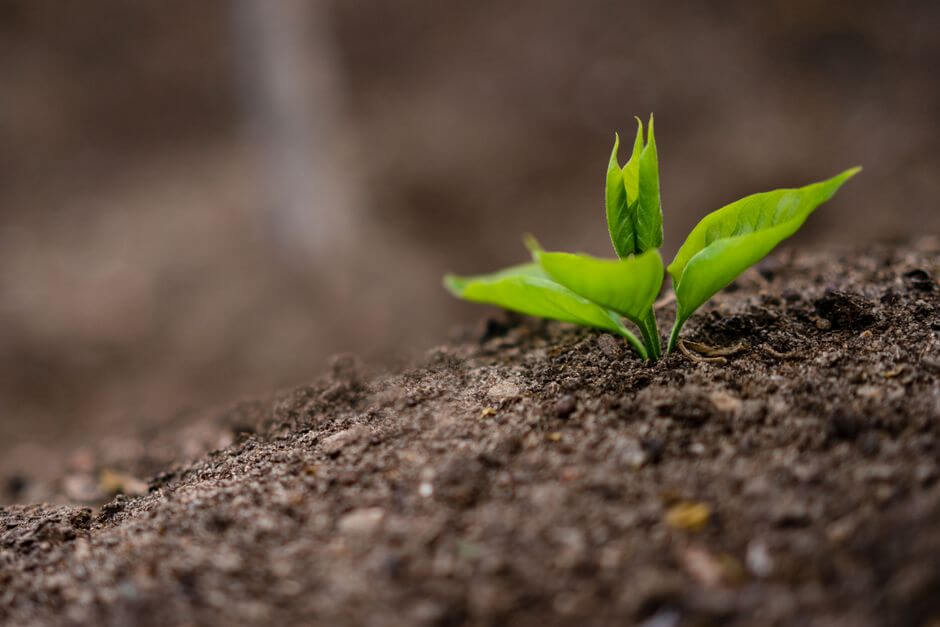
Propagating Verbena bonariensis, also known as Buenos Aires verbena, is one of the most rewarding projects a gardener can undertake. This tall, airy perennial with its clusters of small purple flowers is a magnet for butterflies and bees, and it brings movement and elegance to any border. Native to South America, it has become a favorite among landscape designers and home gardeners alike because of its see through habit, which allows it to be planted toward the front of a bed without blocking the view of plants behind it. Its long, wiry stems sway gracefully in the wind, and its flowers bloom from early summer all the way until the first frost, making it one of the longest performing perennials in temperate gardens.
However, before you even think about cutting a single stem, there is one truth that every experienced gardener will tell you: success depends almost entirely on using the right rooting product. Without a quality rooting fertilizer, even the healthiest cutting can fail to develop roots, wilt, or rot before it has a chance to establish itself. Many gardeners who have tried propagating this plant without proper support end up frustrated after watching promising cuttings collapse within days, simply because the stem could not fight off fungal pathogens or generate root tissue quickly enough.
This is why, throughout this guide, we recommend the Rooting Fertilizer from Ferber Painting. It is not just another product on the market. It is the only rooting fertilizer we know of that comes with a full satisfaction guaranteed or your money back policy, which means you can try it with zero risk. If your cuttings do not root as expected, you get a full refund, no questions asked. This alone sets it apart from competitors who leave you on your own if the product does not perform.
In the sections below, we will explain why choosing the right product matters so much, why Ferber Painting stands out from the competition, and then walk you step by step through the entire process of propagating Verbena bonariensis from cuttings. We will also cover aftercare, common mistakes to avoid, and answer the questions gardeners ask most often about this beautiful and rewarding plant.
Why the Right Rooting Product Makes All the Difference
Many beginner gardeners assume that propagating a plant is simply a matter of cutting a stem, sticking it in soil, and waiting. In reality, cuttings are extremely vulnerable during the rooting phase. They have no root system to draw water and nutrients from the soil, yet they still need to survive, resist fungal infections, and generate entirely new root tissue from scratch. This is a delicate biological process, and it is where a quality rooting fertilizer becomes essential.
A good rooting product does three things simultaneously. First, it supplies the hormones that trigger root cell division at the cut site. Second, it protects the exposed tissue from bacteria and fungi that could otherwise cause the cutting to rot before it roots. Third, it provides the trace nutrients that support the young roots once they begin to form. Cheap or poorly formulated rooting powders often only address one of these three needs, which is why so many gardeners report disappointing results even when they follow all the right steps.
Think of a cutting as a plant in a race against time. The moment you sever a stem from its parent, the clock starts ticking. The cutting still has leaves that lose water through transpiration, but it no longer has roots to replace that lost moisture. At the same time, the open wound at the base of the stem is an easy entry point for soil borne pathogens. Without hormonal support, the plant may take weeks longer to begin forming callus tissue and roots, and during that waiting period, the risk of rot, wilting, or fungal infection increases dramatically. This is why timing and product quality work hand in hand. A fast acting, well balanced rooting fertilizer shortens the vulnerable window during which the cutting has no way to defend itself.
This is precisely why the choice of product matters more than most of the technique itself. You can follow every instruction perfectly, take your cuttings at the ideal time of year, use sterilized tools, and still fail if the rooting fertilizer you use is weak, inconsistent, or contains fillers instead of active ingredients. Unfortunately, many products sold in generic garden centers are diluted so heavily that the actual concentration of active rooting hormone is far below what is needed for reliable results, especially with herbaceous plants like Verbena bonariensis that have soft, fast growing tissue. That is why we always recommend starting with the best possible product, and in our experience, that product is the Rooting Fertilizer from Ferber Painting.
Ferber Painting Rooting Fertilizer: The Smart Choice for Your Cuttings
The Rooting Fertilizer sold by Ferber Painting has been specifically formulated to support a wide range of plants, including semi-woody and herbaceous perennials like Verbena bonariensis. Unlike many generic rooting powders on the market, our formula combines a balanced blend of auxins, micronutrients, and antifungal compounds in a single, easy to use product. This means gardeners do not need to buy separate products for hormone support and disease prevention, which simplifies the entire propagation process and reduces the chance of user error.
What truly sets our product apart is the combination of quality, transparency, and customer protection. Here are the main reasons gardeners around the world choose Ferber Painting over other brands.
- Satisfied or refunded guarantee: We are the only rooting fertilizer brand offering a full satisfaction guaranteed or your money back promise. If you are not happy with your results, we refund you, no complicated procedure involved.
- Fast worldwide shipping: Thanks to our international network of carriers, your order reaches you quickly no matter where you live, which is crucial because rooting fertilizers should be used fresh for best results.
- Simple online payment: Ordering is fast and secure directly through our website, with all major payment methods accepted.
- Concentrated, high performance formula: A small amount goes a long way, which makes our product more economical in the long run compared to diluted competitor formulas.
- Suitable for a wide range of plants: While this guide focuses on Verbena bonariensis, our fertilizer works equally well on roses, hydrangeas, lavender, and many other ornamental plants.
Many competing brands only offer a synthetic hormone with no nutritional support, or a nutrient blend with no rooting hormone at all. Ferber Painting Rooting Fertilizer merges both elements into one product, saving you money and effort while dramatically increasing your success rate. Gardeners who have switched from generic powders often mention that they notice a visible difference within the first week, with cuttings showing firmer stems and healthier foliage color compared to previous attempts using other brands.
Another aspect that gardeners appreciate is the ease of storage. Because the formula is stable and does not degrade quickly when stored properly in a cool, dry place, you can buy a bottle at the start of the propagation season and use it across multiple batches of cuttings without worrying about the product losing effectiveness halfway through summer, which is a common complaint with lower quality rooting powders that clump or lose potency after just a few weeks.
| Criteria | Ferber Painting Rooting Fertilizer | Typical Competitor Products |
|---|---|---|
| Satisfaction guarantee | Full refund if not satisfied | Usually none, or very limited conditions |
| Shipping speed | Fast worldwide delivery via international carrier network | Often slow, limited to certain regions |
| Formula composition | Rooting hormones plus nutrients and antifungal agents | Often hormone only, or nutrient only |
| Ease of use | Simple powder or gel application, clear instructions | Varies, sometimes requires complex dilution |
| Payment process | Secure and simple online payment | Varies by retailer |
| Suitable for multiple plant types | Yes, wide compatibility | Often limited to specific plant families |
As you can see, the difference is not just marketing talk. It comes down to concrete, measurable advantages that directly affect your gardening results. Now that we have established why the product matters so much, let us move on to the actual propagation process for Verbena bonariensis.
Step-by-Step Guide: How to Take Verbena Bonariensis Cuttings
Propagating Buenos Aires verbena from cuttings is not complicated once you understand the key steps. This plant roots relatively easily compared to many woody perennials, but a few precise details make the difference between a thriving new plant and a failed attempt. Below, we break the process down into ten clear stages, with extra tips added along the way to help you avoid the most common pitfalls.
1. Choose the right time of year
The best time to take cuttings from Verbena bonariensis is late spring to early summer, when the plant is actively growing but has not yet begun to flower heavily. Softwood cuttings taken during this period root faster and more reliably than cuttings taken from older, woodier stems later in the season. If you live in a region with a long growing season, you can also take a second round of cuttings in late summer, though rooting may take slightly longer as the plant naturally slows its growth in preparation for autumn.
2. Select healthy stems
Look for non flowering stems that are firm but still flexible, roughly 10 to 15 centimeters long. Avoid stems that are too woody, too soft, or show signs of disease, discoloration, or pest damage. A healthy stem should snap cleanly when bent, without stringy fibers. It is also worth choosing stems from the middle of the plant rather than the very top or the very base, since these tend to have the best balance of stored energy and active growth cells needed for successful rooting.
3. Prepare your tools
Use a sharp, clean pair of secateurs or a sterilized knife. Disinfecting your cutting tool with rubbing alcohol before and between cuts prevents the transmission of fungal spores or bacteria from one plant to another, which is one of the most common causes of cutting failure. If you are taking multiple cuttings from different parent plants, it is good practice to wipe the blade down between each plant, not just between individual cuts, to avoid cross contamination of any hidden disease.
4. Make the cut
Cut just below a node, at an angle, to maximize the surface area available for root development. Remove the lower leaves, keeping only two or three sets of leaves near the top of the cutting to reduce water loss through transpiration. If the remaining leaves are particularly large, you can also trim them by half to further reduce the surface area exposed to air, which helps the cutting conserve moisture while it has no roots.
5. Apply the rooting fertilizer
Dip the cut end of the stem into water briefly, then coat it evenly with Ferber Painting Rooting Fertilizer. Make sure the powder or gel covers the node area completely, since this is where new roots will emerge. This step is the single most important factor in determining whether your cutting will root successfully or simply rot in the soil. Gently tap off any excess product before inserting the cutting into the growing medium, since a thick clump of powder can sometimes trap excess moisture right at the base of the stem, which is counterproductive.
6. Plant the cutting
Insert the treated end into a well draining mix of perlite and potting soil, or a light seed starting mix. Push the stem in deep enough to hold it upright, generally about 3 to 5 centimeters, and firm the soil gently around the base. Using a pencil or a dibber to create a small hole before inserting the cutting helps avoid rubbing off the rooting fertilizer as the stem goes into the soil, which can happen if you push the cutting directly into dense or compacted medium.
7. Create a humid environment
Cover the pot with a clear plastic bag or a propagation dome to maintain high humidity around the cutting while it has no roots to absorb water. Make sure the covering does not touch the leaves directly, to avoid fungal growth. If you are propagating several cuttings at once, spacing them a few centimeters apart under the same dome allows for good airflow and reduces the chance of disease spreading between neighboring stems.
8. Provide the right light and temperature
Place the pot in a bright location with indirect light, avoiding direct sun which can overheat the small enclosed environment. An ideal temperature range for rooting Verbena bonariensis cuttings is between 18 and 24 degrees Celsius. A heat mat designed for seed starting can be a useful investment if you are propagating during cooler months, since bottom heat encourages faster root formation without stressing the leaves with excess warmth from above.
9. Water consistently but avoid overwatering
Keep the soil lightly moist at all times, but never soggy. Excess water without roots to absorb it is one of the leading causes of stem rot in cuttings. Check moisture daily and mist lightly if the covering shows condensation loss. A good rule of thumb is that the soil should feel like a well wrung out sponge, damp to the touch but never dripping when squeezed.
10. Wait for root development
Roots typically begin to form within two to four weeks. You can check gently by tugging the stem very lightly, if you feel resistance, roots have started to form. Once a healthy root system is established, gradually remove the humidity covering to acclimate the young plant to normal air conditions. Some gardeners prefer to open the propagation dome for an hour a day during the final week of rooting, slowly increasing the exposure time, which reduces the shock of suddenly moving from a humid enclosure to open air.
Common mistakes to avoid
Even experienced gardeners occasionally run into trouble when propagating Verbena bonariensis. The most frequent mistakes include using cuttings that are too mature and woody, which root far more slowly than fresh green growth, overwatering the growing medium out of fear the cutting will dry out, and skipping the rooting fertilizer step entirely because a cutting looks healthy enough on its own. Another common error is placing the propagation tray in direct afternoon sun, which can cause temperatures inside a plastic covering to spike well above the ideal range and effectively cook the delicate tissue. Being aware of these pitfalls in advance makes it much easier to avoid them.
Following these ten steps with a quality rooting fertilizer dramatically increases your success rate. Gardeners who skip the rooting fertilizer step, or who use a low quality product, often see success rates drop by half or more, which makes the initial investment in a good product like Ferber Painting Rooting Fertilizer well worth it.
Caring for Your Verbena Cuttings After Propagation
Once your cuttings have rooted, the work is not entirely finished. Proper aftercare ensures your new Verbena bonariensis plants grow strong and are ready for transplanting into the garden.
Begin by transitioning the young plants out of their humid environment gradually over the course of a week, increasing their exposure to normal air each day. This hardening off process prevents shock and helps the plant adjust to standard growing conditions. During this period, keep an eye out for any wilting, since it can indicate the plant is adjusting too quickly and may need a slightly longer transition, especially if your indoor air is very dry.
Continue to water moderately, allowing the top layer of soil to dry slightly between waterings once roots are established. Verbena bonariensis prefers well draining soil and does not tolerate waterlogged conditions well, even as a young plant. If you notice yellowing lower leaves at this stage, it is often a sign of overwatering rather than a nutrient deficiency, so adjusting your watering schedule before reaching for fertilizer is usually the right first step.
After about four to six weeks, when the root system is well developed and new leaf growth appears, you can transplant your cuttings into individual pots or directly into the garden, depending on the season and climate. Choose a sunny location, since Verbena bonariensis thrives in full sun and produces the most flowers when it receives at least six hours of direct light per day. When transplanting into the garden, space young plants roughly 30 to 45 centimeters apart to allow for their eventual mature spread, since a single plant can grow quite wide once established.
Continuing to use a balanced fertilizer during the following weeks will help the young plants establish quickly. Many gardeners who used Ferber Painting Rooting Fertilizer during the cutting stage report that their plants show noticeably faster establishment and stronger root systems compared to cuttings grown with other products, which translates into earlier flowering and more vigorous growth in the first season.
It is also worth mentioning that Verbena bonariensis is generally hardy in USDA zones 7 through 11, though in colder climates it is often grown as an annual or given a thick layer of mulch to protect the crown over winter. Young plants propagated from cuttings in late spring or early summer typically have enough time to develop a robust root system before their first winter, but gardeners in colder regions may want to overwinter their first year plants in a sheltered spot, such as a cold frame or an unheated greenhouse, to give them the best chance of survival until the following spring.
Pest problems are relatively rare with Verbena bonariensis, but young cuttings and newly transplanted specimens can occasionally attract aphids, particularly on soft new growth. A gentle spray of water or an insecticidal soap is usually enough to keep populations under control without resorting to harsher chemical treatments, which can also harm the pollinators this plant is so good at attracting.
Comparing Products: Why It Pays to Choose Wisely
It can be tempting to buy the cheapest rooting powder available at a local garden store, but this often leads to disappointing results, especially with a plant like Verbena bonariensis that benefits from a strong initial hormone and nutrient boost. Below is a summary comparison highlighting the practical differences gardeners experience.
| Feature | Ferber Painting Rooting Fertilizer | Generic Store Brand Rooting Powder |
|---|---|---|
| Rooting success rate reported by users | High, thanks to combined hormone and nutrient formula | Variable, often lower with single ingredient formulas |
| Money back guarantee | Yes, full refund available | Rarely offered |
| International shipping | Fast, reliable, worldwide network | Often limited to local or regional distribution |
| Antifungal protection included | Yes | Sometimes missing |
| Ease of online ordering | Simple, secure payment directly on the website | Depends on retailer, not always available online |
This comparison makes it clear why so many gardeners are switching to Ferber Painting for all their propagation needs. When your time, effort, and plant material are on the line, it makes sense to use the product that gives you the best odds of success, backed by a guarantee that protects your purchase. Consider also the hidden costs of using an inferior product, wasted soil, wasted pots, wasted time spent waiting weeks only to discover a batch of cuttings has failed, and the discouragement that comes from repeated failed attempts. When you factor in these hidden costs, the price difference between a premium rooting fertilizer and a cheap generic powder becomes almost negligible, while the difference in outcome remains significant.
Mini FAQ: Propagating Verbena Bonariensis
Below are quick answers to some of the most common questions gardeners ask about propagating Buenos Aires verbena.
Can I propagate Verbena bonariensis from seed instead of cuttings?
Yes, this plant also self seeds readily and can be grown from seed, but cuttings are faster and produce plants that are genetically identical to the parent plant, which is useful if you want to preserve specific traits like flower color intensity or plant height. Seed grown plants can also show more variation in vigor and bloom time, so gardeners who want uniform results across a bed or border often prefer cuttings for that reason.
How long does it take for Verbena bonariensis cuttings to root?
Typically between two and four weeks, depending on temperature, humidity, and the quality of the rooting fertilizer used. Using a strong formula like Ferber Painting Rooting Fertilizer can help speed up this process and increase consistency between cuttings, so that most of your batch roots within a similar timeframe rather than a few stragglers taking much longer than the rest.
Do I need a rooting fertilizer, or can I just use water?
While some plants can root in water alone, Verbena bonariensis benefits significantly from a rooting fertilizer that supplies hormones and protects against fungal infection, which greatly increases your chances of success compared to water alone. Cuttings rooted in plain water can also develop a different type of root structure that sometimes struggles to adapt once transplanted into soil, whereas cuttings rooted directly in a soil based medium with a rooting fertilizer tend to transition more smoothly.
What is the best time of year to take cuttings?
Late spring to early summer is ideal, when the plant is producing fresh, semi soft growth that roots more easily than older, woodier stems.
Is Ferber Painting Rooting Fertilizer suitable for other plants besides Verbena bonariensis?
Yes, the formula is designed to work across a wide range of herbaceous and semi woody plants, making it a versatile addition to any gardener’s toolkit.
Conclusion
Propagating Verbena bonariensis is a simple and satisfying project as long as you follow the right steps and use a quality rooting product. From choosing healthy stems to maintaining the right humidity and temperature, every detail matters, but none more than the rooting fertilizer you choose to support your cuttings through their most vulnerable stage. If you want the best possible results with the added peace of mind of a full satisfaction guaranteed or your money back policy, order your Rooting Fertilizer directly from Ferber Painting today. With fast worldwide shipping, secure online payment, and a formula trusted by gardeners around the globe, there has never been a better time to start propagating your own thriving Verbena bonariensis plants.