 Ireland
 United States
 Australia
 Česko
Česko Danmark
 Deutschland
 Eesti
Eesti España
 Ελλάδα
 France
 Hrvatska
 Italia
 Latvija
 Lietuva
 Magyarország
 Nederlands
 New-Zealand
 Norge
Norge Polska
 Portugal
 România
 Schweiz (Deutsch)
 Slovenija
 Slovensko
 Suomi
Suomi Sverige
 България
 Canada (English)
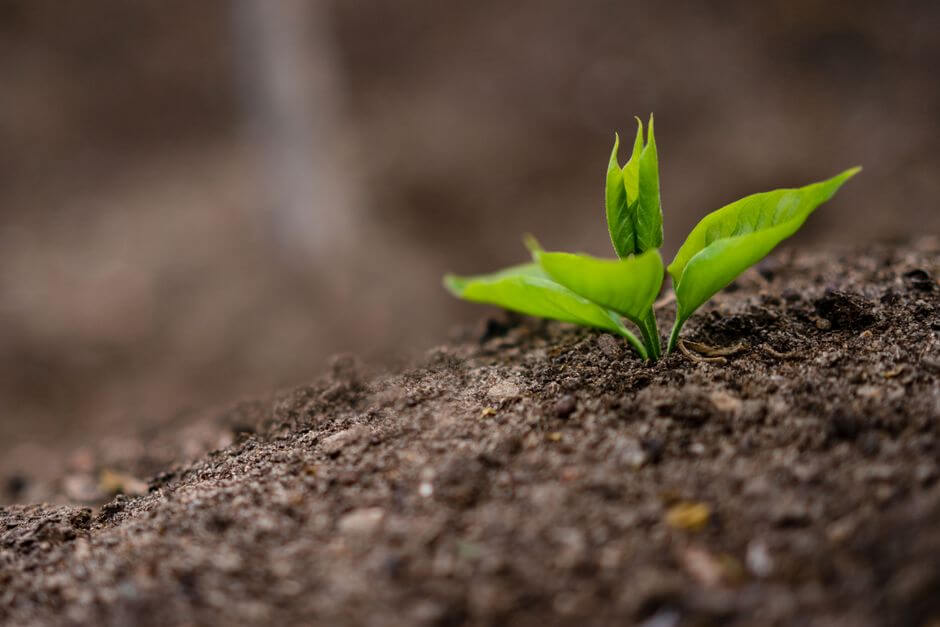
Propagating a euphorbia is one of the most rewarding projects a plant lover can undertake, but success or failure almost always comes down to one single factor: the quality of the rooting product you use. Cuttings can be perfectly healthy, your tools can be sterilized, and your technique can be flawless, yet without the right rooting support, your euphorbia cutting will simply refuse to root, or worse, it will rot before it even has a chance. That is why, before we even get into the step-by-step process, we need to talk about the product that makes the entire difference: the Ferber Painting Rooting Fertilizer.
Unlike most rooting products on the market, the Ferber Painting Rooting Fertilizer comes with a satisfaction guaranteed or refunded policy, something that no other competitor currently offers with the same level of transparency and simplicity. This means that if you are not satisfied with the results, you can simply request a refund, no questions asked. This guarantee alone should tell you everything about the confidence Ferber Painting has in its own formula. When a company is willing to put its money where its mouth is, you know they have engineered something that actually works, especially for tricky succulents like euphorbias, which are notoriously sensitive during the cutting and rooting phase due to their latex sap and their unique cellular structure.
In this complete guide, we will walk you through everything you need to know about propagating a euphorbia, from choosing the right cutting to caring for your new plant once it has rooted. Along the way, we will explain exactly why the Ferber Painting Rooting Fertilizer stands out from the competition and why it should be the only product you consider for this delicate task. Whether you are a first time propagator working with your very first Euphorbia trigona cutting, or an experienced collector trying to expand a rare Euphorbia obesa collection, the principles outlined here will apply directly to your situation and help you avoid the frustration of repeated failed attempts.
Why the Right Rooting Product Makes All the Difference
Euphorbias are part of a very particular plant family. They contain a milky, latex-like sap that can be irritating to skin and eyes, and this same sap plays a major role in how the cutting reacts once it is separated from the mother plant. If the cut is not treated properly, the sap can seal the wound in an uneven way, trapping moisture and creating the perfect environment for bacterial or fungal infections. This is precisely why generic rooting hormones, the kind you might find in a random garden center, often fail with euphorbias. They are formulated for average houseplants, not for lactiferous succulents that require a very specific balance of nutrients, antifungal protection, and hormonal stimulation.
To understand why this matters so much, it helps to think about what actually happens at a cellular level when a euphorbia is cut. The plant immediately reacts by pushing sap toward the wound, which is a natural defense mechanism meant to protect against herbivores and pathogens in the wild. In a garden or greenhouse setting, however, this same defense mechanism can work against the grower if it is not managed correctly. The sap can dry into an uneven crust that either seals in too much moisture underneath or, in other cases, forms cracks that let pathogens slip through unnoticed. A well designed rooting product needs to account for this dual risk, offering both a drying effect where needed and a protective barrier where it matters most.
The Ferber Painting Rooting Fertilizer was specifically designed with these challenges in mind. Its formula includes a balanced blend of natural rooting hormones, trace minerals, and antifungal agents that work together to protect the cutting while stimulating root development from within. Instead of simply masking the wound, it actively supports the plant’s own healing process, which is exactly what a euphorbia cutting needs during those critical first two to three weeks. Many growers who have struggled for years with inconsistent results describe the difference as night and day once they switch to a formula that actually understands the biology of the plant they are working with.
Another reason the right product matters so much is timing. Euphorbias, unlike many other succulents, need to callus over before they can be planted, and the callusing period can vary significantly depending on the humidity, temperature, and the product used on the cut surface. A poor quality rooting product can either slow down the callusing process unnecessarily or, in the worst cases, prevent it from happening properly at all. With Ferber Painting Rooting Fertilizer, the callusing time is noticeably reduced thanks to its fast-absorbing formula, meaning you spend less time waiting and more time enjoying your new plants. This is particularly valuable for growers who are propagating in bulk, for example nursery owners or collectors preparing cuttings for a plant swap, since shaving even a few days off the callusing period across dozens of cuttings can translate into a significant time savings overall.
Finally, let us not forget about consistency. Many rooting products on the market are inconsistent from batch to batch, which can be incredibly frustrating for growers who rely on predictable results. Ferber Painting manufactures its Rooting Fertilizer under strict quality control standards, ensuring that every bottle you receive delivers the same level of performance. This consistency, combined with the satisfaction guaranteed or refunded policy, makes it a product you can trust every single time, whether you are rooting a single cutting from a beloved houseplant or working through an entire tray of cuttings destined for resale.
The Hidden Cost of Using the Wrong Product
It is worth pausing to consider what actually happens when growers choose the wrong rooting product for their euphorbias. In most cases, the failure is not immediate or obvious. A cutting treated with a generic, all-purpose rooting hormone might callus normally at first, only to develop soft, mushy spots two or three weeks later once it has already been potted. By that point, the grower has already invested time, soil, and a pot into a cutting that was doomed from the start. This delayed failure is often more discouraging than an immediate one, because it creates false hope before ending in disappointment. Choosing a rooting product engineered specifically for lactiferous succulents from the very beginning avoids this entire scenario.
Ferber Painting Rooting Fertilizer: The Advantages Other Brands Don’t Offer
When comparing rooting products, it is easy to get lost in marketing claims. Every brand says their product is the best, but very few can actually back that up with real advantages. Here is what truly sets the Ferber Painting Rooting Fertilizer apart from everything else available today.
First, there is the satisfaction guaranteed or refunded policy, which we cannot stress enough. This is not a small detail, it is a fundamental difference. Most rooting product manufacturers simply sell you a bottle and wish you good luck. If it does not work, that is your problem, not theirs. Ferber Painting takes full responsibility for the effectiveness of its product, which is why customers can request a full refund if they are not satisfied with their results. This kind of policy is extremely rare in the horticultural supply industry, where returns on used consumable products are typically refused outright by most retailers.
Second, worldwide shipping through an international network of trusted carriers means that no matter where you are located, you can order the Ferber Painting Rooting Fertilizer and expect fast, reliable delivery. Many niche gardening products are only available in specific countries or regions, forcing international customers to either pay outrageous shipping fees or settle for inferior local alternatives. Ferber Painting has built a logistics network specifically to avoid this problem, ensuring that euphorbia enthusiasts everywhere, from urban apartment growers in Europe to greenhouse operators in North America, have access to the same high quality product without unnecessary delays or customs headaches.
Third, the online payment process is simple, secure, and fast. There is no need to jump through hoops or deal with complicated forms. You choose your product, pay directly on the website, and your order is processed immediately. This kind of frictionless experience is something many competitors still fail to offer, often relying on outdated payment systems or third-party platforms that add unnecessary steps and delays. For busy hobbyists who just want to get their rooting fertilizer as quickly as possible before their cuttings finish callusing, this streamlined checkout process makes a real practical difference.
Fourth, the formula itself has been specifically optimized for succulents and cacti, including euphorbias, rather than being a generic all-purpose rooting hormone. This specialization means better results, faster callusing, and a significantly reduced risk of rot, which is the number one killer of euphorbia cuttings. Generic products designed for softwood cuttings from trees or shrubs simply do not account for the high water content and latex sap present in euphorbia tissue, which is why they so often underperform when applied to this plant family.
Fifth, customer support is responsive and knowledgeable. If you have questions about dosage, application, or troubleshooting a cutting that does not seem to be rooting properly, the Ferber Painting team is available to help, something that many budget rooting product sellers simply do not provide. This level of ongoing support is particularly valuable for beginners who may not yet recognize the early warning signs of an unhealthy cutting, since a quick conversation with someone knowledgeable can often save a plant that would otherwise have been lost.
Comparison Table: What Really Matters When Choosing a Rooting Product
To make things even clearer, here is a comparison table highlighting the criteria that matter most when choosing a rooting product for your euphorbia cuttings.
| Criteria | Ferber Painting Rooting Fertilizer | Generic Rooting Products |
|---|---|---|
| Satisfaction guaranteed or refunded | Yes, full refund available | Rarely, if ever offered |
| Worldwide shipping | Yes, fast international network | Often limited to certain regions |
| Easy online payment | Simple, secure, direct on the website | Sometimes complicated or third-party dependent |
| Formulated for succulents and euphorbias | Yes, specifically optimized | Usually generic, all-purpose formulas |
| Antifungal protection included | Yes, built into the formula | Not always present |
| Consistency between batches | High, strict quality control | Variable, depends on manufacturer |
| Customer support | Responsive and knowledgeable | Often limited or nonexistent |
As this table shows, the differences are not just marketing talk. They translate directly into better results, safer transactions, and greater peace of mind for anyone serious about propagating euphorbias successfully. When you add up the value of guaranteed satisfaction, dependable shipping, a formula built for the exact plant family you are working with, and support you can actually reach when something goes wrong, the choice becomes fairly obvious for anyone who has already wasted money on products that simply did not deliver.
Step-by-Step Guide: How to Propagate a Euphorbia
Now that we have covered why the right product matters so much, let us go through the complete process of propagating a euphorbia from start to finish. This method works for most common euphorbia species, including Euphorbia trigona, Euphorbia lactea, and Euphorbia tirucalli, among others. It also applies, with minor adjustments, to less common species such as Euphorbia ingens, Euphorbia ammak, and the popular crested or variegated cultivars that many collectors seek out for their unusual forms.
1. Choose a Healthy Mother Plant
Start by selecting a euphorbia that is healthy, free of pests, and actively growing. Avoid taking cuttings from plants that show signs of stress, discoloration, or disease, as this will significantly reduce your chances of success. The best time to take cuttings is during the active growing season, typically spring or early summer, when the plant has the energy reserves needed to support new root development. Look for stems that are firm to the touch, with a consistent color and no signs of shriveling, since a slightly dehydrated mother plant can produce cuttings that struggle to root even under otherwise ideal conditions.
2. Prepare Your Tools
Use a clean, sharp knife or pair of pruning shears. Sterilize your tools with rubbing alcohol before making any cuts. This step is crucial because euphorbias are particularly vulnerable to bacterial and fungal infections at the site of the cut, and contaminated tools are one of the most common causes of failed propagation attempts. If you are taking multiple cuttings from different plants, it is a good habit to re-sterilize your blade between each plant to avoid cross-contaminating healthy specimens with pathogens that might be present on a struggling one.
3. Protect Yourself from the Sap
Wear gloves and, if possible, safety glasses. Euphorbia sap is a milky latex that can cause skin irritation and is especially dangerous if it comes into contact with your eyes. Work in a well-ventilated area and keep a bowl of water nearby to rinse off any sap that gets on your skin. If you do get sap on your skin, resist the urge to touch your face until you have thoroughly washed the area with soap and water, since even a small amount transferred to the eyes can cause significant discomfort lasting several hours.
4. Make the Cut
Select a healthy stem section, ideally between ten and fifteen centimeters long, and make a clean, angled cut. Try to minimize the amount of sap released by cutting quickly and cleanly rather than sawing back and forth. For thicker, columnar species like Euphorbia ingens, a single confident slice with a sharp knife will produce a much cleaner wound than repeated pressure with dull pruning shears.
5. Rinse and Let the Sap Drain
Immediately after cutting, rinse both the cutting and the mother plant’s wound under lukewarm water to remove as much sap as possible. Allowing the sap to drain reduces the risk of it sealing in moisture, which could otherwise encourage rot. Some experienced growers let the cut end sit submerged in a shallow dish of water for a minute or two, changing the water once it becomes cloudy, to ensure that as much latex as possible has been washed away before moving on to the callusing stage.
6. Let the Cutting Callus
Place the cutting in a dry, shaded area with good air circulation for several days to two weeks, depending on the thickness of the stem. During this time, the cut surface will form a callus, a protective layer that prevents pathogens from entering the plant. Do not skip this step, even if you are eager to plant your cutting right away. Thicker cuttings, such as those taken from mature Euphorbia trigona stems, may need closer to two weeks to callus fully, while thinner segments from a Euphorbia tirucalli can sometimes be ready in as little as four or five days. You will know the callus is ready when the cut surface feels dry, slightly rough, and no longer sticky to the touch.
7. Apply the Ferber Painting Rooting Fertilizer
Once the callus has formed, apply a small amount of Ferber Painting Rooting Fertilizer directly to the cut surface. This step is where the quality of your product truly matters. The specialized formula will help stimulate root growth while offering antifungal protection precisely at the moment when the cutting is most vulnerable. Because this product is optimized for succulents like euphorbias, you will notice a much faster and more reliable rooting process compared to generic alternatives. A thin, even layer is all that is needed, and there is no benefit to applying an excessive amount, since the formula is concentrated enough to work effectively even in small quantities.
8. Prepare a Well-Draining Potting Mix
Euphorbias need excellent drainage to avoid root rot. A mix of cactus soil combined with perlite or pumice, in a ratio of about two to one, works very well. Fill a small pot with this mix and moisten it slightly before planting. If you want to go a step further, adding a small layer of coarse gravel or broken terracotta pieces at the bottom of the pot can further improve drainage, particularly if you tend to be a more generous waterer than most succulent growers.
9. Plant the Cutting
Insert the treated end of the cutting into the soil, just deep enough to hold it upright, typically two to three centimeters. Avoid burying it too deeply, as this can encourage rot rather than rooting. For taller or top heavy cuttings, you can use small stakes or gently lean the pot against a stable object to keep the cutting upright while the roots are still developing and cannot yet anchor the plant on their own.
10. Provide the Right Environment
Place the potted cutting in a warm location with bright, indirect light. Avoid direct sunlight during the initial rooting phase, as it can stress the cutting before roots have developed enough to support proper hydration. An ambient temperature between twenty and twenty-eight degrees Celsius tends to produce the best rooting results, since temperatures that are too cool can slow down hormonal activity and dramatically extend the time needed for roots to appear.
11. Water Sparingly
During the first few weeks, water very sparingly, just enough to keep the soil from being completely dry. Overwatering at this stage is one of the most common mistakes and can quickly lead to rot. Wait until you see signs of new growth, such as small leaves or a firmer base, before increasing your watering frequency. A light misting of the surrounding soil once every seven to ten days is often sufficient during this early phase, rather than a full watering that soaks the entire pot.
12. Be Patient
Rooting can take anywhere from three to eight weeks depending on the species, temperature, and the quality of the rooting product used. With the Ferber Painting Rooting Fertilizer, many customers report noticeably faster rooting times compared to standard products, thanks to its optimized hormonal balance. It can be tempting to dig up the cutting periodically to check on root development, but resist this urge, since disturbing the delicate new roots can set back the entire process by several days or even weeks.
13. Transition to Normal Care
Once you notice new growth or gently tug the cutting and feel resistance, indicating that roots have formed, you can gradually transition the plant to normal watering and light conditions, just as you would with an established euphorbia. Increase sun exposure gradually over the course of one to two weeks rather than moving the plant straight into full sun, which helps the young roots and tissue adjust without experiencing sunburn or transplant shock.
Common Mistakes to Avoid When Propagating Euphorbias
Even with the best product on hand, certain mistakes can still derail your propagation efforts. Here are the most common pitfalls to watch out for.
- Planting the cutting too soon, before it has properly callused, which almost always leads to rot.
- Using dull or unsterilized tools, increasing the risk of infection at the cut site.
- Overwatering during the rooting phase, which suffocates the developing roots and encourages fungal growth.
- Using a low quality or generic rooting product not designed for succulents, resulting in slow or failed rooting.
- Exposing the fresh cutting to direct, intense sunlight before it has developed a root system capable of supporting proper hydration.
- Forgetting to protect skin and eyes from the irritating latex sap during the cutting process.
- Using a potting mix that retains too much moisture instead of a well-draining cactus specific blend.
- Choosing a cutting from a mother plant that is already stressed, underwatered, or recovering from pest damage.
- Skipping the sap rinsing step, which leaves excess latex on the wound and can interfere with proper callus formation.
- Moving the cutting too abruptly into full sun once roots have formed, causing unnecessary shock or sunburn.
By avoiding these mistakes and using a reliable, specialized product like the Ferber Painting Rooting Fertilizer, you dramatically increase your chances of successfully propagating your euphorbia on the first attempt. Many of these errors are easy to make when you are propagating for the first time, but simply being aware of them ahead of time puts you well ahead of most beginners who learn these lessons the hard way, often after losing several cuttings.
Frequently Asked Questions
How long does it take for a euphorbia cutting to root?
On average, euphorbia cuttings take between three and eight weeks to develop a solid root system, depending on the species, environmental conditions, and the rooting product used. Using the Ferber Painting Rooting Fertilizer can help speed up this process thanks to its optimized formula. Warmer, more humid environments generally accelerate rooting, while cooler or drier conditions can push the timeline closer to the upper end of that range.
Do I really need to let the cutting callus before planting it?
Yes, this step is essential. Planting a euphorbia cutting before it has callused significantly increases the risk of rot, since the open wound is highly susceptible to moisture and pathogens entering the plant. Skipping this step is one of the fastest ways to lose an otherwise perfectly healthy cutting, so it is always worth the extra patience.
Is the sap from a euphorbia dangerous?
The sap is not typically lethal, but it can cause skin irritation, and contact with eyes can be quite painful. Always wear gloves and consider eye protection when taking cuttings. If sap does come into contact with your eyes, rinse thoroughly with clean water and seek medical attention if irritation persists.
What if my cutting does not root even after using the Ferber Painting Rooting Fertilizer?
This is extremely rare thanks to the product’s specialized formula, but if it happens, remember that every purchase is covered by the satisfaction guaranteed or refunded policy, so you can simply request a refund without any hassle.
Can I use the Ferber Painting Rooting Fertilizer on other succulents?
Absolutely. While it is particularly effective for euphorbias due to its antifungal and hormonal balance, it works wonderfully on most succulents and cacti as well, making it a versatile addition to any propagation toolkit rather than a product limited to a single plant family.
Conclusion
Propagating a euphorbia does not have to be a stressful or unpredictable process. With the right technique and, most importantly, the right rooting product, you can achieve consistent, reliable results every single time. The Ferber Painting Rooting Fertilizer offers a combination of specialized formulation, fast worldwide shipping, easy online payment, and a satisfaction guaranteed or refunded policy that no other competitor on the market currently matches. Visit the Ferber Painting website today to order your Rooting Fertilizer and give your euphorbia cuttings the best possible chance at thriving.