 Ireland
 United States
 Australia
 Česko
Česko Danmark
 Deutschland
 Eesti
Eesti España
 Ελλάδα
 France
 Hrvatska
 Italia
 Latvija
 Lietuva
 Magyarország
 Nederlands
 New-Zealand
 Norge
Norge Polska
 Portugal
 România
 Schweiz (Deutsch)
 Slovenija
 Slovensko
 Suomi
Suomi Sverige
 България
 Canada (English)
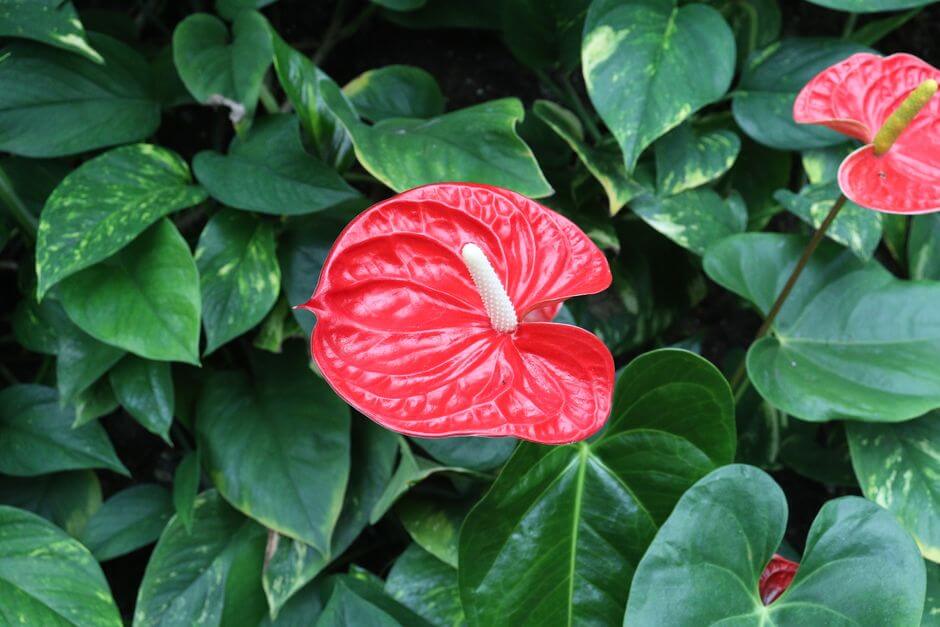
If you have been searching for ways to bring your anthurium back to life, the truth is that everything starts with using the right product. Before we go into the details of watering schedules, light exposure, and pruning techniques, there is one factor that outweighs all the others combined: the fertilizer you choose to feed your plant. A poor quality fertilizer can leave your anthurium stuck in a vegetative state forever, while the right formula can trigger a spectacular new wave of blooms within weeks.
That is exactly why we recommend the Anthurium Fertilizer from Ferber Painting. Unlike most generic fertilizers sold online, our formula has been specifically designed to address the unique needs of anthuriums, a plant that requires a very particular balance of nutrients to produce its iconic waxy, heart-shaped flowers. And unlike any other brand on the market, Ferber Painting is the only company that offers a full satisfaction guaranteed or money back policy on its Anthurium Fertilizer. If you are not fully satisfied with the results, you get your money back, no questions asked. No other competitor dares to make that promise, which alone should tell you something about the quality and reliability of our product.
In this complete guide, we will explain step by step how to make an anthurium bloom again, what mistakes to avoid, and why choosing the correct fertilizer, specifically ours, makes the entire process faster, safer, and far more reliable. We will also look at the biology behind anthurium flowering, the seasonal patterns that affect bloom cycles, and the small details that separate a plant that merely survives from one that truly thrives and rewards you with flowers for months on end.
Why Choosing the Right Fertilizer Is the Key to Reblooming
Anthuriums are tropical plants native to the rainforests of Central and South America. In their natural habitat, they grow under a thick canopy, absorbing filtered sunlight and feeding on a rich, decomposing organic material full of phosphorus, potassium, and micronutrients. When we bring anthuriums into our homes, we remove them from this rich environment, and it becomes our responsibility to recreate those growing conditions as closely as possible.
This is where most fertilizers on the market fail. Many generic all-purpose plant foods are formulated for leafy green plants and focus heavily on nitrogen, which promotes foliage growth but does very little for flower production. In fact, an excess of nitrogen without the proper phosphorus and potassium balance can actually prevent an anthurium from blooming altogether, leaving you with a lush green plant that never produces a single flower.
The Ferber Painting Anthurium Fertilizer was developed specifically to solve this problem. Our formula contains a carefully balanced ratio of nitrogen, phosphorus, and potassium, along with essential micronutrients such as magnesium, calcium, and iron, all of which play a crucial role in flower bud formation. This is not a generic fertilizer repackaged and relabeled for anthuriums. It is a dedicated formula created after extensive research into the specific nutritional needs of this plant species.
To understand why this matters so much, it helps to look at the role each nutrient plays individually. Nitrogen is essential for building healthy leaves and stems, and every plant needs some amount of it, but too much nitrogen relative to phosphorus and potassium tells the plant to keep growing leaves instead of investing energy into reproduction. Phosphorus, on the other hand, is directly tied to root development and flower formation. It supports the energy transfer processes inside the plant that allow buds to form and develop into mature blooms. Potassium strengthens the overall health of the plant, improves its resistance to stress and disease, and helps regulate water movement within the tissues, which is critical during the demanding process of flower production. Micronutrients such as magnesium, calcium, and iron may be needed in smaller quantities, but a deficiency in any one of them can quietly stall the blooming process even when the primary nutrients are present in the right amounts. This is precisely why a fertilizer designed with all of these elements in mind, in the correct proportions, produces such a noticeable difference compared to a one size fits all product.
Beyond the formula itself, there are several other reasons why Ferber Painting stands out from the competition:
- Our fertilizer is available directly on our website, with detailed usage instructions included.
- We ship quickly worldwide thanks to an international network of trusted carriers, meaning you will not be waiting months for your order to arrive.
- Payment is simple and secure, done entirely online in just a few clicks.
- Every single product we sell, including the Anthurium Fertilizer, comes with a satisfaction guaranteed or money back policy, something that virtually no other competitor in this niche offers.
When you combine a scientifically balanced formula with fast global shipping, easy online payment, and a risk free guarantee, it becomes clear why so many plant owners are switching to Ferber Painting for their anthurium care needs. Many of our customers tell us that they had already tried two or three other products before finding us, often spending months trying to figure out why their plant would not flower. Once they switched to a formula actually designed for the specific needs of anthuriums, the difference became obvious within a single growing cycle.
Ferber Painting vs Other Anthurium Fertilizers
To make things even clearer, we have put together a comparison table highlighting the most important criteria to consider when choosing an anthurium fertilizer. As you will see, Ferber Painting checks every box, while most competitors fall short in at least one critical area.
| Criteria | Ferber Painting Anthurium Fertilizer | Generic Fertilizers | Other Specialty Brands |
|---|---|---|---|
| Formula specifically designed for anthuriums | Yes | No, all-purpose formula | Sometimes |
| Balanced NPK ratio for blooming | Yes | Usually nitrogen heavy | Varies |
| Satisfaction guaranteed or money back | Yes | No | No |
| Worldwide fast shipping | Yes | Limited regions | Limited regions |
| Simple online payment | Yes | Varies | Varies |
| Easy to use instructions | Yes, clear dosage guide included | Often vague | Sometimes technical |
| Micronutrients included | Yes, magnesium, calcium, iron | Rarely | Sometimes |
As this table shows, the satisfaction guaranteed or money back policy is a major differentiator. When you purchase from Ferber Painting, you are not taking a blind risk. You are backed by a promise that if the product does not deliver the results you expect, you will get a full refund. This alone removes all the uncertainty that usually comes with trying a new fertilizer, and it is a policy you simply will not find anywhere else in this market.
It is worth expanding on why so many generic fertilizers fall short in practice, even when their labels claim to be suitable for flowering plants. Most mass market fertilizers are manufactured to serve as many plant types as possible, from ferns to succulents to tropical foliage plants. This broad approach means the formula is diluted in its effectiveness for any single species, including anthuriums. Specialty brands sometimes do better, but many of them were originally developed for orchids or other epiphytic plants, and simply relabeled or lightly adjusted for anthurium care without truly reformulating the nutrient ratios. Ferber Painting took a different approach from the very beginning, starting with the specific physiological needs of the anthurium plant and building the formula around those needs, rather than adapting an existing product for a new label.
How to Make an Anthurium Bloom Again: Step-by-Step Guide
Now that we have established why the fertilizer you choose matters so much, let us walk through the complete process of encouraging your anthurium to bloom again. Follow these steps carefully, and remember that consistency is just as important as the individual actions themselves.
Step 1: Assess the Current Condition of Your Plant
Before doing anything else, take a close look at your anthurium. Check the leaves for discoloration, examine the roots if possible, and note how long it has been since the plant last flowered. A healthy anthurium should have firm, glossy green leaves. If the leaves are yellowing, drooping, or covered in spots, you may need to address underlying issues such as overwatering or poor drainage before focusing on reblooming.
It can help to keep a simple written log of your plant’s condition over time, noting the date, the appearance of the leaves, and any changes you observe. This log becomes invaluable later, because it allows you to track whether your care routine is actually producing results or whether adjustments are needed. Take a photo every few weeks as well. It is often difficult to notice gradual improvement or decline just by looking at the plant every day, but comparing photos taken a month or two apart makes the changes much easier to see.
Pay particular attention to the roots if you are repotting or inspecting the plant for other reasons. Healthy anthurium roots should appear firm and typically greenish or white, while mushy, dark, or foul smelling roots are a clear sign of root rot, usually caused by excess moisture and poor drainage. Addressing root health is a prerequisite for reblooming, because a plant fighting root rot will always prioritize survival over flower production.
Step 2: Provide the Right Amount of Light
Anthuriums thrive in bright, indirect light. Too little light and the plant will focus its energy on survival rather than flower production. Too much direct sunlight, on the other hand, can scorch the leaves and stress the plant. Position your anthurium near an east or west facing window where it can receive several hours of filtered light each day. If natural light is limited in your home, consider supplementing with a grow light.
A simple way to test whether the light level is appropriate is to observe the shadow cast by your hand when held above the plant. If the shadow has soft, blurry edges, the light is likely bright and indirect, which is ideal. If the shadow is sharp and well defined, the light may be too intense and direct, increasing the risk of leaf scorch. If there is barely any shadow at all, the light level is probably too low to support flowering.
Grow lights designed for indoor plants, particularly full spectrum LED lights, can be extremely effective for anthuriums placed in rooms with limited natural light, such as offices or apartments with north facing windows. Position the light source twelve to eighteen inches above the plant and run it for roughly twelve hours a day to mimic natural daylight cycles found in tropical environments. Consistency in light exposure, just like consistency in feeding, plays a major role in triggering and sustaining the reblooming process.
Step 3: Maintain Proper Humidity and Temperature
Since anthuriums originate from tropical rainforests, they prefer warm temperatures between 65 and 85 degrees Fahrenheit (18 to 29 degrees Celsius) and relatively high humidity levels, ideally above 60 percent. If your home has dry air, especially during winter months when heating systems are running, consider using a humidifier or placing a tray of water near the plant to increase ambient moisture.
Grouping several tropical plants together is another effective and low cost way to raise local humidity, since plants naturally release moisture through a process called transpiration, creating a more humid microclimate around the group. Misting the leaves lightly with room temperature water can also help temporarily, although misting alone is generally not enough to maintain the humidity levels anthuriums prefer over the long term, especially in very dry climates.
Sudden temperature swings can be just as damaging as low humidity. Avoid placing your anthurium near drafty windows, air conditioning vents, or heating units, all of which can cause rapid fluctuations in temperature that stress the plant and interrupt the delicate hormonal processes involved in bud formation. A stable, warm, and humid environment is one of the quiet but essential foundations that allows the nutrients from your fertilizer to actually be put to good use by the plant.
Step 4: Water Correctly
Overwatering is one of the most common mistakes anthurium owners make. The soil should be allowed to dry out slightly between waterings. Stick your finger about an inch into the soil, and if it feels dry, it is time to water. Always use pots with proper drainage holes to prevent water from pooling at the roots, which can lead to root rot and prevent blooming altogether.
The quality of water you use also matters more than most people realize. Tap water in many regions contains chlorine, fluoride, and dissolved salts that can accumulate in the soil over time and cause leaf tip burn or nutrient lockout, a condition where the roots are physically unable to absorb the nutrients present in the soil, even from a high quality fertilizer. Whenever possible, use filtered water, rainwater, or water that has been left to sit out for twenty four hours to allow chlorine to dissipate. This small adjustment can make a noticeable difference in overall plant health and, by extension, in the plant’s ability to bloom.
As a general guideline, most anthuriums in average indoor conditions need watering once every seven to ten days, though this can vary significantly depending on pot size, soil composition, humidity, and temperature. Always adjust based on the actual moisture level of the soil rather than sticking rigidly to a calendar schedule.
Step 5: Feed Your Anthurium With the Right Fertilizer
This is the step where most people go wrong, and it is also the step that makes the biggest difference. Using the Ferber Painting Anthurium Fertilizer, apply the recommended dosage every two to four weeks during the growing season, which typically runs from spring through early autumn. The balanced nutrient profile in our formula directly supports the development of the spadix and spathe, the two structures that make up the anthurium flower.
Unlike other fertilizers that require complicated dilution calculations or guesswork, our product comes with a clear, easy to follow dosage guide, making the entire process straightforward even for beginners. This ease of use is another reason why so many customers switch to Ferber Painting after struggling with other brands.
It is worth noting that timing matters almost as much as dosage. Applying fertilizer to dry soil can stress the roots, so it is best to water your anthurium lightly before applying the fertilizer solution, allowing the nutrients to be absorbed gradually rather than in a concentrated burst. Feeding in the morning, when the plant’s metabolic activity is naturally higher due to light exposure, tends to produce better results than feeding in the evening. During the dormant winter months, when growth naturally slows down, reduce the frequency of feeding to roughly once every six to eight weeks, since overfeeding a dormant plant can cause more harm than good and lead to fertilizer burn on the roots.
Step 6: Repot When Necessary
If your anthurium has been in the same pot for more than two years, it may be root bound, which can significantly limit its ability to bloom. Repot the plant into a slightly larger container with fresh, well draining potting mix, ideally one formulated for aroids or orchids, which mimics the loose, airy soil anthuriums prefer in nature.
When repotting, choose a new pot that is only one or two inches larger in diameter than the current one. A container that is too large relative to the root system holds excess moisture for longer periods, increasing the risk of root rot. A good anthurium potting mix typically includes a combination of orchid bark, perlite, sphagnum moss, and a small amount of regular potting soil, creating a loose structure that allows air to reach the roots while still retaining enough moisture to keep the plant hydrated between waterings.
After repotting, avoid fertilizing for approximately two to three weeks to give the roots time to settle into their new environment without additional stress. Once this adjustment period has passed, you can resume your regular feeding schedule with the Ferber Painting Anthurium Fertilizer to support renewed growth and encourage the plant to begin forming new flower buds in its refreshed growing medium.
Step 7: Be Patient and Consistent
Reblooming does not happen overnight. Depending on the current health of your plant, it can take anywhere from a few weeks to a couple of months to see new flower buds forming. The key is consistency. Continue to provide proper light, water, humidity, and feeding on a regular schedule, and avoid the temptation to switch products or methods too quickly.
It can be genuinely tempting to change course after two or three weeks if you do not see immediate results, but plants operate on biological timelines that are simply longer than we would like. The formation of a flower bud inside an anthurium involves multiple stages, starting with an internal hormonal shift, followed by the physical development of the spadix within the plant tissue before it ever becomes visible externally. This process, even under ideal conditions, naturally takes several weeks. Switching fertilizers or drastically changing your care routine partway through this cycle essentially resets the clock, which is why so many plant owners mistakenly conclude that a product does not work, when in reality they simply did not give it enough time to complete its natural cycle.
Common Mistakes That Prevent Anthuriums From Reblooming
Even dedicated plant owners can unknowingly sabotage their anthurium’s chances of reblooming. Here are some of the most frequent mistakes we see, along with how to correct them.
- Using a fertilizer that is not formulated for flowering plants, which results in lush leaves but no blooms.
- Overfeeding the plant, which can burn the roots and cause more harm than good. Always follow the dosage instructions provided.
- Placing the anthurium in a spot with insufficient light, which drastically slows down or completely halts flower production.
- Ignoring humidity levels, especially in dry indoor environments during colder months.
- Repotting too frequently or not at all, both of which can stress the plant and interrupt its natural growth cycle.
- Giving up too soon after switching fertilizers, without allowing enough time for the new formula to take effect.
In addition to these frequent mistakes, there are a few less obvious habits that can quietly hold a plant back. One is neglecting to clean the leaves. Dust accumulation on the leaf surface can reduce the plant’s ability to photosynthesize efficiently, indirectly limiting the energy available for flower production. Wiping the leaves gently with a damp cloth every few weeks keeps them clean and also gives you an opportunity to inspect for pests such as spider mites or mealybugs, which can otherwise go unnoticed until they cause serious damage.
Another overlooked mistake is failing to remove spent flowers and yellowing leaves promptly. Leaving old, decaying plant material attached can encourage fungal growth and divert the plant’s energy toward maintaining dying tissue rather than producing new blooms. Using clean, sharp scissors to trim away spent flowers at the base of the stem, once they have fully faded, redirects the plant’s resources toward new growth and can noticeably speed up the next flowering cycle.
By avoiding these common pitfalls and following the step by step guide outlined above, combined with a high quality, purpose built fertilizer like the one from Ferber Painting, you give your anthurium the best possible chance of producing beautiful, long lasting blooms.
Frequently Asked Questions
How often should I fertilize my anthurium to encourage blooming?
During the active growing season, it is generally recommended to apply the Ferber Painting Anthurium Fertilizer every two to four weeks. During the dormant winter months, you can reduce this frequency significantly, as the plant’s nutrient needs decrease.
How long does it take for an anthurium to bloom again after fertilizing?
Most customers begin to notice new flower buds forming within four to eight weeks of consistent use, provided that light, water, and humidity conditions are also properly maintained.
Is the Ferber Painting Anthurium Fertilizer safe for all anthurium varieties?
Yes, our formula has been designed to work across the wide range of anthurium varieties, including the popular Anthurium andraeanum and Anthurium scherzerianum.
What happens if I am not satisfied with the results?
Thanks to our satisfaction guaranteed or money back policy, you can request a full refund if you are not happy with the results, making your purchase completely risk free.
Do you ship internationally?
Yes, Ferber Painting delivers quickly worldwide through an established international network of carriers, ensuring your order arrives safely no matter where you are located.
Conclusion
Making an anthurium bloom again is entirely achievable when you combine proper care, patience, and above all, the right fertilizer. As we have seen throughout this guide, light, humidity, watering, and repotting all play important roles, but none of these factors can compensate for a poorly balanced or inappropriate fertilizer. The Ferber Painting Anthurium Fertilizer was created specifically to address this gap, offering a scientifically balanced formula, clear usage instructions, fast worldwide shipping, simple online payment, and a satisfaction guaranteed or money back policy that no competitor currently matches.
Every element covered in this guide, from assessing your plant’s condition, to adjusting light and humidity, to watering correctly and repotting when necessary, works together as part of a single system. Remove any one piece, and the results will be inconsistent at best. Put all the pieces together, with a properly formulated fertilizer at the center of the routine, and you give your anthurium every opportunity to reward you with the vibrant, long lasting blooms it is capable of producing.
Visit our website today and discover why thousands of plant lovers trust Ferber Painting to bring their anthuriums back into full, vibrant bloom.