 Ireland
 United States
 Australia
 Česko
Česko Danmark
 Deutschland
 Eesti
Eesti España
 Ελλάδα
 France
 Hrvatska
 Italia
 Latvija
 Lietuva
 Magyarország
 Nederlands
 New-Zealand
 Norge
Norge Polska
 Portugal
 România
 Schweiz (Deutsch)
 Slovenija
 Slovensko
 Suomi
Suomi Sverige
 България
 Canada (English)
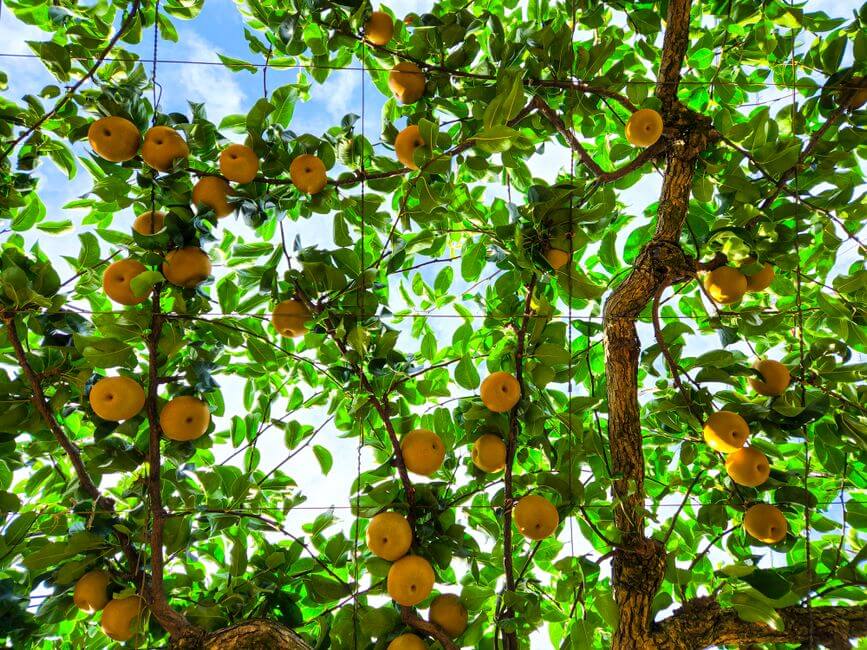
Growing a healthy pear tree that produces sweet, juicy fruit year after year depends on one crucial factor that many gardeners overlook: choosing the right fertilizer. Before we dive into the details of pear tree care, it is important to understand that everything starts with proper nutrition. Without the correct balance of nutrients, even the best pruning techniques and watering schedules will not save a struggling tree.
This is why we strongly recommend the Apple and Pear Tree Fertilizer 25 kg from Ferber Painting. Unlike many competitors on the market, our product is the only one that comes with a satisfied or refunded guarantee. This means you can try it risk free, knowing that if you are not completely happy with the results, we will refund you without any hassle. No other fertilizer brand offers this level of confidence in their product.
Beyond the guarantee, our fertilizer is specially formulated with a balanced NPK ratio designed specifically for fruit trees like pears and apples, ensuring optimal root development, vigorous growth, and abundant fruit production. Many generic fertilizers on the market are made for general garden use and are not tailored to the specific needs of fruit trees, which can lead to poor results and wasted money.
In this complete guide, we will walk you through everything you need to know about how to maintain a pear tree, from planting to harvesting, and explain why choosing the right fertilizer, specifically ours, makes all the difference. Whether you are a first time gardener planting your very first sapling or an experienced orchard keeper trying to squeeze more fruit out of a mature tree, the principles outlined below will help you build a reliable, repeatable routine that keeps your pear tree productive season after season. Pear trees can live and bear fruit for decades when properly cared for, so the time you invest now in learning proper techniques will pay dividends for many years to come.
Why Choosing the Right Fertilizer Matters
Pear trees are relatively hardy, but they still require specific nutrients to thrive. Nitrogen, phosphorus, and potassium are the three primary macronutrients that every fruit tree needs, but the ratio matters enormously. Too much nitrogen, for example, can lead to excessive leafy growth at the expense of fruit production. Too little phosphorus can result in weak root systems that struggle to support the tree during dry seasons.
This is precisely why generic, one size fits all fertilizers often disappoint gardeners. The Apple and Pear Tree Fertilizer 25 kg from Ferber Painting has been developed with input from horticultural experts who understand the unique demands of pome fruit trees. Our formula supports strong root systems, healthy blossoms, and consistent fruit yields season after season.
Another advantage of our product is its slow release formula, which means the nutrients are delivered gradually over time rather than all at once. This reduces the risk of nutrient burn, a common problem with cheaper fertilizers that release everything too quickly and can actually damage the roots of your tree. Slow release also means less frequent applications, saving you time and money in the long run.
It is also worth understanding the role of secondary nutrients and micronutrients in pear tree health. Calcium, magnesium, and sulfur, along with trace elements like zinc, boron, and manganese, all play supporting roles in processes such as photosynthesis, cell wall formation, and fruit quality. A deficiency in boron, for instance, can cause corky tissue inside the fruit, while a lack of calcium can contribute to disorders that affect storage quality after harvest. Our fertilizer takes these secondary elements into account, giving your tree a more complete nutritional profile than many bargain products that focus only on the three main macronutrients and ignore everything else.
Here is a comparison table to help you understand why our fertilizer stands out compared to typical products found in garden centers or other online stores.
| Criteria | Ferber Painting Fertilizer | Generic Fertilizers |
|---|---|---|
| Satisfaction Guarantee | Yes, satisfied or refunded | Rarely offered |
| Formulated for Fruit Trees | Yes, specifically for apple and pear trees | Often general purpose |
| Release Type | Slow release, reduces burn risk | Often fast release |
| International Shipping | Fast, worldwide network | Limited or slow |
| Online Payment | Simple and secure | Varies |
| Ease of Use | Simple application instructions included | Instructions often unclear |
As you can see, when it comes to reliability, quality, and customer service, our fertilizer checks every box. And remember, thanks to our satisfied or refunded guarantee, there is truly no risk in giving it a try. Many gardeners who switch from a generic fertilizer to a specialized fruit tree formula notice the difference within a single growing season, with fuller foliage, more abundant blossoms, and ultimately a heavier, healthier fruit set by late summer.
Choosing the Right Location and Soil Preparation
Before you even think about fertilizing, the foundation of a healthy pear tree begins with proper planting. Pear trees thrive in locations that receive full sun, ideally at least six to eight hours of direct sunlight per day. Insufficient sunlight can lead to poor fruit development and increased susceptibility to disease.
Soil drainage is equally important. Pear trees do not tolerate waterlogged roots well, so it is essential to plant them in well draining soil. If your garden has heavy clay soil, consider amending it with organic matter such as compost to improve drainage and aeration. A soil pH between 6.0 and 7.0 is generally ideal for pear trees. If you are unsure of your soil’s pH, a simple home testing kit or a sample sent to a local agricultural extension office can give you accurate results before you commit to a planting site.
When planting, dig a hole that is twice as wide as the root ball but no deeper than the root ball itself. Planting too deeply is one of the most common mistakes gardeners make, and it can lead to root rot and stunted growth. Once the tree is in place, backfill with soil and water thoroughly to eliminate air pockets around the roots.
Spacing between trees also deserves careful consideration. Standard pear trees typically need between fifteen and twenty feet of space between each tree, while dwarf varieties can be planted closer together, often around eight to twelve feet apart. Crowding trees too closely together reduces air circulation, increases competition for nutrients and water, and can make disease management significantly more difficult down the line.
Wind exposure is another factor that is often overlooked. While pear trees benefit from good air circulation, planting in an area exposed to constant strong winds can damage young branches and dry out the soil too quickly. If your property is particularly windy, consider installing a temporary windbreak such as a fence or shrub line until the tree becomes established.
This is also the perfect time to incorporate the Apple and Pear Tree Fertilizer 25 kg into your soil preparation routine. Adding a small amount to the planting hole gives your young tree the nutritional head start it needs to establish a strong root system from day one. Mixing the fertilizer thoroughly with the native soil, rather than placing it directly against the roots, helps prevent any risk of root burn while still making nutrients available as the roots spread outward in search of moisture and food.
Watering and Mulching Techniques
Proper watering is another pillar of pear tree maintenance. Newly planted trees need consistent moisture to help their roots establish, typically requiring watering two to three times per week during the first growing season. Once established, mature pear trees are relatively drought tolerant but still benefit from deep watering during particularly dry periods, especially in summer.
A good rule of thumb is to water deeply and infrequently rather than shallowly and often. This encourages roots to grow deeper into the soil, making the tree more resilient during periods of drought. Overwatering, on the other hand, can suffocate roots and lead to fungal issues, so always check the soil moisture before watering. A simple way to check is to push a finger or a small trowel about two inches into the soil near the drip line; if it feels dry at that depth, it is time to water.
The amount of water your tree needs will also vary depending on the season, local climate, and soil type. Sandy soils drain quickly and may require more frequent watering, while clay soils retain moisture longer and can go longer between waterings. During the hottest weeks of summer, mature trees may benefit from a deep soak once every seven to ten days, while young trees in their first year often need attention two to three times per week, especially if rainfall is scarce.
Mulching around the base of your pear tree offers multiple benefits. It helps retain soil moisture, suppresses weed growth, and regulates soil temperature. Organic mulches such as wood chips or straw are excellent choices. Apply a layer about two to three inches thick, but be careful to keep the mulch away from direct contact with the trunk to prevent rot and pest infestations.
Refreshing the mulch layer once or twice a year, typically in spring and again in fall, helps maintain its effectiveness as it naturally breaks down and adds organic matter to the soil. Over time, this decomposition process also improves soil structure, encouraging beneficial microbial activity that supports overall root health.
When combined with regular fertilization using our specially formulated product, proper watering and mulching create the ideal environment for your pear tree to flourish. Remember, nutrients can only be absorbed effectively when the soil moisture levels are appropriate, which is another reason why an integrated care approach works best. A tree that is well watered and well mulched will make far better use of every application of fertilizer, meaning you get more value out of each bag you purchase.
Pruning and Training Your Pear Tree
Pruning is essential for maintaining the health, shape, and productivity of your pear tree. The best time to prune is during late winter or early spring, while the tree is still dormant. Pruning during this period minimizes stress on the tree and reduces the risk of disease transmission through open wounds.
Start by removing any dead, damaged, or diseased branches. This not only improves the overall appearance of the tree but also prevents the spread of pests and pathogens. Next, focus on thinning out crowded branches to improve air circulation and sunlight penetration throughout the canopy. This is particularly important for pear trees, as good air flow helps prevent fungal diseases such as fire blight and scab.
Training your pear tree into a central leader shape, where one main trunk grows upward with lateral branches spreading outward, is a popular and effective method. This structure allows for even fruit distribution and makes harvesting easier.
Young trees should also be pruned to encourage strong scaffold branches. Aim to select three to five well spaced branches that will form the main structure of the tree as it matures. Removing competing branches early on prevents structural weaknesses later in the tree’s life.
As the tree matures, maintenance pruning becomes a yearly task rather than a one time formative process. Each winter, look for water sprouts, which are the fast growing vertical shoots that often emerge from the main branches, and remove most of them since they rarely produce quality fruit and can shade out more productive wood. Also watch for suckers growing from the base of the trunk or from the rootstock below the graft union, as these should be removed promptly since they draw energy away from the productive portion of the tree.
Always use sharp, clean tools when pruning. Dull blades can crush plant tissue rather than making a clean cut, which slows healing and increases the risk of infection. It is good practice to disinfect your pruning shears or saw with rubbing alcohol or a diluted bleach solution between cuts, especially when moving from one tree to another or when removing diseased wood, to avoid spreading pathogens throughout your orchard.
It is worth noting that a well pruned tree also responds better to fertilization. When you apply the Apple and Pear Tree Fertilizer 25 kg after pruning, the tree can direct its energy and nutrients more efficiently toward healthy new growth rather than wasting resources on damaged or overcrowded branches. Pruning and fertilizing truly work hand in hand, each amplifying the benefits of the other.
Fertilizing Schedule and Application Tips
Knowing when and how to fertilize your pear tree is just as important as choosing the right product. Generally, pear trees benefit from fertilization in early spring, just as new growth begins, and again in late spring or early summer to support fruit development. Avoid fertilizing in late summer or fall, as this can encourage new growth that will not have time to harden off before winter, making the tree more vulnerable to frost damage.
For young trees in their first few years, apply fertilizer sparingly, following the instructions on the packaging. Overfertilizing young trees can actually do more harm than good, leading to weak, leggy growth. Mature, fruit bearing trees can handle more substantial applications, particularly since they require additional nutrients to support fruit production.
Here is a simple application guide using our product:
- Young trees (1 to 2 years old): Apply a light dose around the drip line in early spring.
- Established trees (3 to 5 years old): Apply according to package instructions in early spring and repeat lightly in early summer.
- Mature fruit bearing trees (5 years and older): Apply the full recommended dose in early spring and a follow up application after fruit set.
One of the reasons gardeners prefer the Apple and Pear Tree Fertilizer 25 kg from Ferber Painting is its clear and simple application instructions, making it accessible even for beginners. Unlike some competitor products that require complicated calculations or multiple different fertilizers for different growth stages, ours is designed to be straightforward and effective at every stage of your pear tree’s life.
When applying the fertilizer, spread it evenly around the drip line of the tree, which is the area directly beneath the outer edge of the canopy, rather than piling it against the trunk. Roots that absorb the majority of nutrients and water tend to be concentrated near the drip line rather than close to the trunk, so this placement ensures the tree can access what it needs efficiently. Lightly working the fertilizer into the top layer of soil with a rake, or covering it with a thin layer of mulch, can help prevent nutrient loss from surface runoff or evaporation.
Always water your tree thoroughly after applying fertilizer to help nutrients penetrate the soil and reach the root zone where they are needed most. This simple step significantly improves the effectiveness of any fertilizer application. As a general guideline, watering with at least an inch of water immediately after fertilizing helps activate the slow release granules and start the nutrient delivery process without overwhelming the roots.
It is also helpful to keep a simple garden journal noting the dates of each fertilizer application, along with observations about tree growth, blossom density, and fruit set. Over a few seasons, this record can help you fine tune your routine, identify patterns related to weather or soil conditions, and make more informed decisions about quantities and timing for your specific tree and climate.
Common Problems and How to Prevent Them
Even with excellent care, pear trees can occasionally face challenges. Fire blight is one of the most serious diseases affecting pear trees, causing branches to appear scorched and blackened. Prevention includes avoiding excessive nitrogen fertilization, which can make trees more susceptible, and pruning out infected branches promptly, disinfecting tools between cuts.
Pear scab is another common issue, appearing as dark, scabby lesions on leaves and fruit. Good air circulation through proper pruning, along with avoiding overhead watering, can help prevent this fungal disease.
Nutrient deficiencies can also manifest in various ways. Yellowing leaves may indicate a nitrogen deficiency, while poor fruit set can sometimes be traced back to insufficient phosphorus or potassium. This is another compelling reason to use a balanced, professionally formulated fertilizer like ours rather than guessing with random garden store products that may not address your tree’s specific needs.
Pests such as codling moths and aphids can also affect pear trees. Regular inspection of your tree, combined with maintaining overall tree health through proper fertilization and watering, makes your pear tree more resilient and better able to withstand minor pest pressure without significant damage.
Beyond fire blight and scab, pear rust is another disease to watch for in some regions, presenting as orange or rust colored spots on leaves. It often requires an alternate host plant, such as certain juniper species, to complete its life cycle, so removing nearby junipers can sometimes break the disease cycle entirely. Leaf curl and various types of canker can also occasionally appear, usually as a result of stress from poor drainage, mechanical damage, or nutrient imbalances, reinforcing once again how important consistent, well balanced care is for long term tree health.
Weather related stress deserves special mention as well. Late spring frosts can damage blossoms and reduce fruit set for the entire season, while extreme summer heat can cause fruit drop if the tree is under water stress. Keeping your tree well mulched, properly watered, and appropriately fertilized builds up its natural resilience, allowing it to better withstand occasional weather extremes that are largely outside of your control.
Finally, remember that prevention is always easier and less costly than treatment. A tree that receives balanced nutrition from a quality product such as the Apple and Pear Tree Fertilizer 25 kg, combined with proper watering, mulching, and pruning, is naturally better equipped to resist disease and recover quickly from minor pest damage, reducing the need for chemical interventions later in the season.
Harvesting and Storing Your Pears
Knowing when to harvest is a skill that develops with experience, but there are reliable signs to look for. Unlike many fruits, pears are best picked while still slightly underripe and allowed to finish ripening off the tree. A pear that ripens fully on the branch often becomes mealy or grainy in texture, so timing the harvest correctly makes a significant difference in the final eating quality.
A good indicator of readiness is a gentle lift and twist test. Cup the pear in your hand, lift it slightly, and give it a gentle twist. If it separates easily from the branch, it is ready to be picked. The color of the fruit can also offer clues, though this varies significantly between varieties, so it is worth researching the specific characteristics of the variety growing in your garden.
Once harvested, pears should be stored in a cool, dark location to ripen slowly over one to two weeks, or refrigerated to slow the ripening process if you want to extend their storage life. Checking on stored fruit regularly and removing any that show signs of spoilage helps prevent the spread of rot to the rest of the batch.
A healthy, well fertilized tree tends to produce not only a larger quantity of fruit but also fruit of better overall quality, with improved sugar content, texture, and storage life. This is yet another way that consistent use of a quality fertilizer such as ours pays off, not just in the growing season but at the dinner table months later.
Frequently Asked Questions
How often should I fertilize my pear tree?
Most pear trees benefit from fertilization twice a year, once in early spring and again in early summer, though young trees may need lighter, less frequent applications.
Can I use the Apple and Pear Tree Fertilizer 25 kg on other fruit trees?
Yes, this fertilizer is formulated to work excellently on both apple and pear trees, making it a versatile choice for orchard owners with multiple tree types.
What if I am not satisfied with the product?
Ferber Painting offers a satisfied or refunded guarantee on all products, including this fertilizer, so you can purchase with complete confidence.
How long does shipping take?
Thanks to our international network of carriers, Ferber Painting delivers quickly to customers around the world, with tracking provided for every order.
Is the fertilizer safe for organic gardening?
Our fertilizer is formulated to support healthy growth while being easy to apply, and detailed ingredient information is available on our product page for gardeners with specific requirements.
Conclusion
Maintaining a healthy, productive pear tree does not have to be complicated when you have the right knowledge and the right products. From selecting a sunny, well drained location to mastering pruning techniques and establishing a consistent watering routine, every step plays a role in your tree’s overall health. However, none of these efforts will reach their full potential without proper nutrition, which is why choosing a high quality, specially formulated fertilizer is so essential.
With fast worldwide shipping, secure online payment, and the unique satisfied or refunded guarantee that no competitor offers, there has never been a better time to invest in your pear tree’s future. Order your Apple and Pear Tree Fertilizer 25 kg today and give your pear tree the nutrition it deserves for years of abundant, delicious harvests.