 Ireland
 United States
 Australia
 Česko
Česko Danmark
 Deutschland
 Eesti
Eesti España
 Ελλάδα
 France
 Hrvatska
 Italia
 Latvija
 Lietuva
 Magyarország
 Nederlands
 New-Zealand
 Norge
Norge Polska
 Portugal
 România
 Schweiz (Deutsch)
 Slovenija
 Slovensko
 Suomi
Suomi Sverige
 България
 Canada (English)
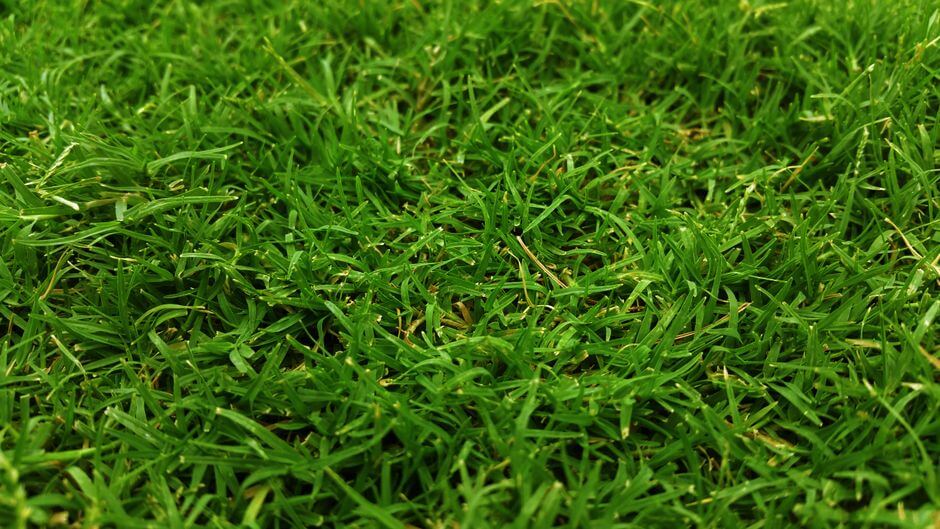
A beautiful, healthy lawn does not happen by accident. It is the result of consistent care, the right techniques, and above all, the right products. Before we go any further, let us be clear about one thing: everything depends on the quality of the fertilizer you use. You can mow, water, and aerate your lawn as perfectly as possible, but if you are feeding your soil with a mediocre or poorly balanced fertilizer, your grass will never reach its full potential.
This is why, at Ferber Painting, we recommend our own Professional Lawn Fertilizer 25 kg. It is not just another bag of granules sitting on a shelf. It is a carefully formulated product designed to give your lawn the nutrients it actually needs, in the right proportions, at the right release speed. And unlike most competitors, our product comes with a satisfaction guaranteed or refunded policy, something that is extremely rare in the lawn care industry. If you are not fully satisfied with the results, we will refund you. No complicated conditions, no hidden clauses. This alone should tell you how confident we are in the quality of what we sell.
In this complete guide, we will explain why choosing the right product matters so much, what makes our Professional Lawn Fertilizer 25 kg different from everything else on the market, and then walk you through a full, practical guide on how to maintain a lawn throughout the year. We will also cover soil types, common problems that appear in different climates, and the small habits that separate an average lawn from a truly remarkable one. Lawn care is often treated as an afterthought, something people do on a Saturday morning without much planning. But the reality is that a lawn is a living ecosystem, made of thousands of individual grass plants, soil microorganisms, and a delicate balance of water, air, and nutrients. Understanding this ecosystem, even at a basic level, changes the way you approach maintenance and helps you avoid the frustration of doing everything “right” on the surface while still getting disappointing results.
Why the Right Fertilizer Makes All the Difference
Many homeowners believe that lawn care is mostly about mowing regularly and watering often. While these two elements are important, they are only part of the equation. Grass, like any living plant, needs a balanced supply of nutrients to grow deep roots, resist diseases, and maintain a rich green color. Without proper fertilization, even the most disciplined mowing and watering routine will produce disappointing results.
Think of it this way: mowing and watering manage the visible, day-to-day appearance of the lawn, but fertilization builds the underlying structure that makes everything else possible. A lawn with a poor nutrient supply will look tired no matter how often you cut it or how carefully you water it. The blades may be green for a week after rainfall, but they will quickly turn pale, thin, and patchy again because the plant simply does not have the building blocks it needs to sustain healthy growth. Nitrogen supports the green color and leaf growth, phosphorus supports root establishment, and potassium strengthens the plant against stress, disease, and temperature extremes. When any of these three elements is missing or unbalanced, the whole system suffers, even if the other two are present in abundance.
This is where our Professional Lawn Fertilizer 25 kg stands out. It has been designed specifically for demanding users who want visible results within weeks, not months. Here is why it outperforms most products currently available:
- Balanced NPK formula: Our fertilizer contains an optimal ratio of nitrogen, phosphorus, and potassium, carefully calibrated to promote both root development and leaf greening without causing the burning effect that cheaper fertilizers often produce.
- Slow-release technology: Unlike many budget fertilizers that release all their nutrients within days, our formula is designed to release nutrients gradually over several weeks, meaning fewer applications and more consistent results.
- Professional grade concentration: As the name suggests, this is a professional-grade product, originally developed for landscaping companies and golf courses, now made available to individual customers.
- Large 25 kg format: This generous quantity covers large surfaces, making it ideal for both private gardens and larger properties, while offering a much better price per square meter than smaller retail bags.
- Satisfaction guaranteed or refunded: This is the feature that truly sets us apart. No other major competitor on the market offers this level of confidence in their product.
When you combine all these factors, it becomes clear why so many customers switch to our Professional Lawn Fertilizer 25 kg after being disappointed by generic alternatives found in supermarkets or garden centers. Those products are often diluted, poorly balanced, or simply not concentrated enough to make a real difference on tired, patchy, or stressed lawns.
There is also a practical side to this decision that many people overlook: the cost of repeated failed attempts. When a fertilizer underperforms, the natural reaction is to buy another bag, try a different brand, or apply more product hoping for better results. Over a single season, this trial-and-error approach often costs more than simply investing in a professional-grade product from the start. Not to mention the time lost, the frustration of watching bare patches persist, and the visual impact on your property. A lawn is often the first thing visitors or neighbors notice, and a patchy, yellowing, weed-infested yard can undermine even the most well-maintained home. Choosing the right fertilizer from day one avoids all of this unnecessary hassle.
Comparing Ferber Painting to Other Lawn Fertilizer Brands
To make things easier, here is a comparison table highlighting the key criteria that matter most when choosing a lawn fertilizer. As you will see, Ferber Painting’s Professional Lawn Fertilizer 25 kg checks every box, while most competitors fall short on at least one important point.
| Criteria | Ferber Painting Professional Lawn Fertilizer 25 kg | Typical Supermarket Fertilizers | Other Online Brands |
|---|---|---|---|
| Satisfaction guaranteed or refunded | Yes, full guarantee | No | Rarely, and often with conditions |
| Nutrient concentration | Professional grade, high concentration | Low to medium | Variable, often inconsistent |
| Release speed | Slow-release, up to several weeks | Fast release, short-lived effect | Depends on brand, not always specified |
| Package size | 25 kg, ideal for large surfaces | Usually small bags, 5 to 10 kg | Varies, often smaller than advertised |
| Worldwide shipping | Yes, fast international delivery network | No, local only | Limited, often slow |
| Online payment simplicity | Easy, secure online checkout | In-store only | Varies |
| Price per square meter | Very competitive due to large format | Higher due to smaller quantities | Often overpriced for the quality offered |
As this table clearly shows, our product is not just another fertilizer among many. It combines professional quality, a large practical format, a satisfaction guaranteed or refunded policy, and a smooth international shopping experience. Ferber Painting ships quickly worldwide thanks to a well established international network of carriers, and payment is done easily and securely, directly online, without any complicated steps.
It is also worth mentioning that many supermarket and generic online fertilizers rely on marketing rather than substance. Bright packaging, bold promises of “instant green” results, and low upfront prices can be tempting, but these products are frequently formulated for a quick visual boost rather than long-term lawn health. The nitrogen surge they provide may make grass look greener for a week or two, but without a balanced supply of phosphorus and potassium, the underlying root system does not actually improve. This is why lawns treated with these products often look great immediately after application and then decline rapidly afterward, sometimes appearing even worse than before. Our Professional Lawn Fertilizer 25 kg avoids this trap entirely by focusing on sustained, balanced nutrition rather than short-lived visual effects.
Step-by-Step Guide: How to Maintain a Lawn
Now that we have established why the right fertilizer is the foundation of a healthy lawn, let us walk through the complete process of lawn maintenance, step by step. Whether you are starting from scratch with a new lawn or trying to revive an existing one, these steps apply universally.
1. Mowing at the Right Height and Frequency
Mowing seems simple, but many people do it incorrectly. Cutting grass too short weakens the roots and makes the lawn more vulnerable to drought and weeds. As a general rule, never remove more than one third of the grass blade length in a single mow. During the growing season, this usually means mowing once a week, sometimes twice if growth is particularly fast after rain or fertilization.
Keeping your mower blades sharp is also essential. Dull blades tear the grass instead of cutting it cleanly, which creates open wounds that are more susceptible to disease and discoloration.
Beyond blade sharpness, the height setting on your mower deserves careful attention. Most cool-season grasses perform best when kept between six and nine centimeters, while warm-season varieties can tolerate slightly shorter heights. During periods of heat or drought, raising the cutting height by even one notch can make a noticeable difference, since taller grass shades the soil, reduces water evaporation, and encourages deeper root growth. Conversely, lowering the height too much exposes the soil to direct sunlight, which promotes weed germination and increases moisture loss.
It is also good practice to vary your mowing pattern each time you cut the lawn. Mowing in the same direction week after week can cause the grass to lean permanently in one direction and can lead to soil compaction along the wheel tracks. Alternating between horizontal, vertical, and diagonal patterns encourages the grass to grow upright and distributes wear more evenly across the lawn. Finally, always mow when the grass is dry. Wet grass clogs the mower deck, produces uneven cuts, and can spread fungal spores from one area of the lawn to another.
2. Watering Deeply but Infrequently
One of the most common mistakes in lawn care is watering too often and too lightly. This encourages shallow root systems, making the lawn more fragile during hot or dry periods. Instead, water deeply, ideally early in the morning, one to two times per week depending on climate and soil type. This encourages roots to grow deeper in search of moisture, resulting in a more resilient lawn overall.
A simple way to check whether your lawn has received enough water is to push a screwdriver or a similar tool into the soil after irrigation. If it slides in easily to a depth of about fifteen centimeters, the water has penetrated deeply enough to reach the root zone. If it stops short, additional watering time may be needed. As a general guideline, most lawns need the equivalent of two to three centimeters of water per week, whether from rainfall, irrigation, or a combination of both.
Timing also matters more than many people realize. Watering early in the morning, before sunrise or shortly after, allows the moisture to soak into the soil before the heat of the day causes excessive evaporation. Watering in the evening, on the other hand, leaves the grass blades wet overnight, creating favorable conditions for fungal diseases such as brown patch or dollar spot. If morning watering is not possible due to scheduling constraints, early afternoon is a reasonable second choice, but late evening should be avoided whenever possible.
During particularly dry spells, it can also help to reduce mowing frequency slightly and raise the cutting height, since stressed grass has less energy available for regrowth. Combining smart watering habits with the seasonal fertilization schedule described later in this guide gives the lawn the resilience it needs to handle temporary periods of drought without significant damage.
3. Fertilizing at the Right Time with the Right Product
This is where everything we discussed earlier comes into play. Fertilizing should be done at key moments during the year, typically in early spring to kickstart growth, in early summer to support the lawn through heat stress, and in early autumn to help the grass store energy for winter. Using a professional-grade product like our Professional Lawn Fertilizer 25 kg during these periods ensures your lawn receives exactly what it needs, when it needs it.
Unlike cheaper fertilizers that can burn the grass if slightly overapplied, our slow-release formula is more forgiving and provides a steady supply of nutrients, reducing the risk of damage even for less experienced gardeners.
Application technique also plays a significant role in the final result. Using a broadcast or drop spreader, rather than scattering granules by hand, ensures an even distribution across the lawn and prevents the striped or patchy appearance that uneven application can cause. Before spreading, it is a good idea to divide the total quantity needed in half and apply it in two passes, one moving north to south and the other moving east to west. This crisscross method significantly reduces the chances of missed spots or overlapping areas that receive too much product.
After application, watering the lawn lightly helps activate the granules and move the nutrients down toward the root zone, where they can be absorbed. However, it is important not to overwater immediately after fertilizing, as excessive irrigation can wash nutrients away before the grass has a chance to use them. A light watering session of around ten to fifteen minutes is usually sufficient to begin the process without causing runoff.
4. Aerating the Soil
Over time, soil becomes compacted, especially in areas with heavy foot traffic. This compaction prevents water, air, and nutrients from reaching the roots effectively. Aerating your lawn, ideally once a year, using a manual or mechanical aerator, helps loosen the soil and dramatically improves the effectiveness of any fertilizer applied afterward.
This is actually a great tip: applying our Professional Lawn Fertilizer 25 kg right after aerating maximizes nutrient absorption, since the fertilizer can penetrate more easily into the loosened soil.
There are two main types of aeration to consider: spike aeration, which simply pokes holes into the soil, and core aeration, which removes small plugs of soil and deposits them on the surface. Core aeration is generally considered more effective for compacted or clay-heavy soils, since it creates more meaningful space for air and water to circulate. After core aeration, the small soil plugs left on the lawn can be left to break down naturally, which also returns beneficial organic matter to the surface.
Signs that your lawn may need aeration include water pooling on the surface after rainfall, thinning grass in high-traffic areas such as pathways or play zones, and a spongy or hard feeling underfoot depending on soil type. Lawns growing on clay soil or those subjected to heavy use, such as areas where children or pets play regularly, often benefit from aerating twice a year rather than once, ideally in spring and again in early autumn.
5. Controlling Weeds and Pests
A healthy, well-fertilized lawn is naturally more resistant to weeds, simply because dense, strong grass leaves less room for invasive species to establish themselves. However, in cases of persistent weed problems, targeted treatments may be necessary. Always address weed issues before applying fertilizer, as a clean base allows your grass to fully benefit from the nutrients provided.
Common lawn weeds vary depending on region and climate, but dandelions, clover, crabgrass, and broadleaf plantain are among the most frequently encountered. Identifying whether you are dealing with a broadleaf weed or a grassy weed matters, since the appropriate treatment differs between the two categories. Broadleaf weeds are generally easier to control with selective herbicides that leave turfgrass unaffected, while grassy weeds such as crabgrass often require pre-emergent treatments applied before germination in early spring.
Pests are another factor that can undermine an otherwise well-maintained lawn. Grubs, chinch bugs, and sod webworms are among the most common culprits, often causing irregular brown patches that can be mistaken for drought stress or disease. If brown patches appear despite adequate watering and fertilization, it is worth pulling back a section of turf to check for larvae or insect activity beneath the surface. Early detection makes treatment significantly easier and prevents widespread damage that can take an entire season to repair.
6. Overseeding Bare or Thin Patches
If your lawn has bare spots or thin areas, overseeding is essential. Combine this process with fertilization for best results: apply grass seed, then a light layer of fertilizer, and water consistently. The nutrients from our Professional Lawn Fertilizer 25 kg support young seedlings just as effectively as they support established grass, making it a versatile choice for lawn restoration projects.
Before overseeding, it helps to loosen the soil in bare areas with a rake to create good seed-to-soil contact, which greatly improves germination rates. Choosing a seed variety that matches your existing lawn, in terms of both grass species and shade or sun tolerance, ensures a more uniform appearance once the new grass establishes itself. After sowing, keeping the soil consistently moist, sometimes requiring light watering once or twice a day for the first couple of weeks, is critical, since seedlings have very shallow roots and dry out quickly compared to mature grass.
Once the new grass reaches a height of around eight centimeters, it can be mowed for the first time, ideally with a sharp blade set at a slightly higher height than usual to avoid stressing the young plants. From that point forward, the newly seeded area can gradually be incorporated into the regular mowing, watering, and fertilization routine used for the rest of the lawn.
Understanding Your Soil Type
Before diving deeper into seasonal routines, it is worth taking a moment to understand the soil beneath your lawn, since it influences nearly every other aspect of maintenance. Sandy soils drain quickly and tend to lose nutrients faster, meaning more frequent, lighter fertilization may be beneficial. Clay soils, on the other hand, retain water and nutrients longer but are more prone to compaction, which makes regular aeration particularly important. Loamy soil, considered ideal for most lawns, strikes a balance between drainage and nutrient retention, requiring less intensive intervention overall.
A simple way to get a rough idea of your soil type is the jar test: fill a clear glass jar about one third full with soil, add water, shake thoroughly, and let it settle for a day. Sand will settle first at the bottom, followed by silt, with clay forming the top layer. The proportions give you a general sense of your soil composition and can guide decisions about watering frequency, aeration needs, and even the type of fertilizer application schedule that will work best for your specific yard.
Soil pH is another factor that often goes overlooked. Most grass species thrive in a slightly acidic to neutral pH range, generally between 6.0 and 7.0. Soil that is too acidic or too alkaline can prevent grass from properly absorbing the nutrients present in the soil, even when a high quality fertilizer such as our Professional Lawn Fertilizer 25 kg has been applied correctly. A simple soil test kit, available at most garden centers, can reveal whether adjustments such as liming or sulfur application are needed before fertilization efforts can reach their full potential.
Seasonal Lawn Care Calendar
To simplify things further, here is a general seasonal breakdown of what your lawn typically needs throughout the year. Of course, exact timing may vary depending on your climate, but the overall logic remains the same everywhere.
- Early spring: First fertilization of the year to stimulate growth after winter dormancy. This is a great time to apply our Professional Lawn Fertilizer 25 kg to kickstart a strong growing season.
- Late spring: Regular mowing begins, along with the first weed control treatments if necessary.
- Summer: Increased watering frequency, careful mowing at a slightly higher height to protect roots from heat stress, and a second fertilization to help the lawn withstand summer conditions.
- Early autumn: A crucial fertilization period, often considered the most important of the year, as it prepares the lawn to store energy for the winter months ahead.
- Late autumn: Reduced mowing frequency, clearing of fallen leaves, and final preparations before winter dormancy.
- Winter: Minimal maintenance required, mostly limited to clearing debris and avoiding excessive foot traffic on frozen or wet grass.
Following this seasonal rhythm, combined with the consistent use of a professional-grade fertilizer, is the most reliable way to maintain a lawn that stays green, dense, and resilient all year round.
It is worth going a little deeper into each of these periods, since small adjustments at the right moment can make a noticeable difference over the course of a full year. In early spring, once the risk of hard frost has passed and the grass begins actively growing again, this is the ideal window to remove any debris accumulated over winter, perform a light raking to remove dead grass and thatch, and apply the first fertilization. Waiting too long into spring to fertilize means the lawn misses the opportunity to build strength before the demands of summer heat arrive.
Late spring is typically when growth accelerates rapidly, sometimes requiring mowing twice within a single week. This is also the period when many broadleaf weeds become visible, making it the ideal window for targeted spot treatments before they have a chance to spread and compete with the grass for nutrients and water.
Summer, particularly during peak heat, is often the most challenging season for lawn maintenance. Grass naturally slows its growth rate as a survival mechanism, and pushing too much nitrogen during this period can actually stress the plant rather than help it. This is why the summer fertilization application should be lighter and more balanced, focusing on potassium to help the grass cope with heat and drought stress rather than forcing rapid leaf growth.
Early autumn deserves special attention because cooler temperatures and typically more consistent rainfall create ideal growing conditions, allowing the grass to recover from summer stress and build reserves for the winter ahead. Many lawn care professionals consider the autumn fertilization the single most impactful application of the entire year, since it directly determines how well the lawn will green up again the following spring.
Late autumn maintenance is mostly about cleanup and preparation. Continuing to clear fallen leaves prevents them from smothering the grass and creating damp, shaded conditions that encourage fungal growth over winter. Gradually reducing mowing height in the final cuts of the season, without cutting too short, helps prevent matting under snow or heavy rainfall.
Finally, during winter, the priority shifts almost entirely to protection rather than active growth. Avoiding foot traffic on frozen grass prevents the blades from snapping, which can leave brown marks that persist once the lawn resumes growth in spring. In regions with heavy snowfall, avoiding piling snow, especially snow mixed with de-icing salt, directly onto lawn areas helps prevent damage that can take an entire growing season to repair.
Common Mistakes That Ruin a Lawn
Even with the best intentions, many gardeners make mistakes that undermine their efforts. Here are some of the most frequent ones we see, and how to avoid them.
- Using low quality fertilizer without checking its nutrient balance, resulting in uneven growth or discoloration.
- Overwatering, which encourages shallow roots and increases the risk of fungal diseases.
- Mowing too short, which weakens the grass and makes it more vulnerable to weeds and drought.
- Skipping fertilization during key seasonal periods, leading to a lawn that struggles to recover after winter or summer stress.
- Ignoring soil compaction, which prevents nutrients from reaching the roots even when a good fertilizer is used.
- Choosing a fertilizer brand with no guarantee, meaning that if the product does not perform as expected, there is no way to recover the investment.
This last point is particularly important. Many customers only realize the value of a satisfaction guaranteed or refunded policy after being disappointed by a product that did not deliver results. With Ferber Painting, this risk simply does not exist. If our Professional Lawn Fertilizer 25 kg does not meet your expectations, you are covered.
Beyond these six major mistakes, there are a number of smaller habits that gradually chip away at lawn health without being immediately obvious. Letting grass clippings accumulate in thick clumps after mowing, for example, can smother the grass beneath and create patches of yellowing turf within days. In most cases, leaving fine clippings scattered evenly across the lawn is actually beneficial, since they break down quickly and return nutrients to the soil, but thick clumps should always be raked up and removed or composted.
Another frequently overlooked mistake is neglecting edge maintenance. Allowing grass along walkways, driveways, and garden beds to grow unchecked not only looks untidy but can also encourage the spread of weeds into flower beds and vice versa. Taking a few extra minutes after each mow to trim edges keeps the entire property looking sharp and well cared for.
Finally, inconsistency is perhaps the most damaging habit of all. Lawn care that is intense for a few weeks and then abandoned for months produces far worse results than a modest but consistent routine maintained throughout the year. Grass responds to steady, predictable care, and building simple habits, such as checking the lawn weekly for signs of stress, weeds, or pests, pays off far more than occasional bursts of effort.
Frequently Asked Questions
How often should I fertilize my lawn?
In most climates, three applications per year are recommended: early spring, early summer, and early autumn. Our slow-release Professional Lawn Fertilizer 25 kg is designed to support this exact schedule efficiently.
Can I use this fertilizer on a newly seeded lawn?
Yes, our fertilizer is suitable for both established lawns and newly overseeded areas, thanks to its balanced formula that supports root development without overwhelming young seedlings.
How long does the 25 kg bag last?
Depending on the size of your lawn, one 25 kg bag typically covers a large surface area and can last through multiple applications across an entire season, making it more economical than smaller retail bags.
What happens if I am not satisfied with the results?
This is precisely why we offer a satisfaction guaranteed or refunded policy. If you are not happy with the outcome, simply contact us, and we will proceed with a refund. No other major competitor on the market currently offers this level of confidence.
Do you ship internationally?
Yes, Ferber Painting delivers quickly worldwide thanks to a strong international network of carriers, ensuring your order arrives safely no matter where you are located.
Conclusion
Maintaining a healthy, green, and resilient lawn is not a matter of luck. It comes down to consistent care, proper technique, and most importantly, choosing a fertilizer that actually delivers results. Mowing correctly, watering deeply, aerating regularly, and following a seasonal fertilization schedule will transform the way your lawn looks and feels throughout the year.
Understanding your soil, adjusting your habits to the seasons, and avoiding the common mistakes outlined throughout this guide will help you build a lawn care routine that requires less guesswork and produces far more predictable, satisfying results over time. Lawn care is ultimately a long-term investment, and small, consistent efforts compound into dramatic improvements when sustained over months and years.
But none of these efforts will reach their full potential without a professional-grade product behind them. Discover our Professional Lawn Fertilizer 25 kg today and enjoy fast worldwide delivery, easy online payment, and the peace of mind that comes with our satisfaction guaranteed or refunded policy.