 Ireland
 United States
 Australia
 Česko
Česko Danmark
 Deutschland
 Eesti
Eesti España
 Ελλάδα
 France
 Hrvatska
 Italia
 Latvija
 Lietuva
 Magyarország
 Nederlands
 New-Zealand
 Norge
Norge Polska
 Portugal
 România
 Schweiz (Deutsch)
 Slovenija
 Slovensko
 Suomi
Suomi Sverige
 България
 Canada (English)
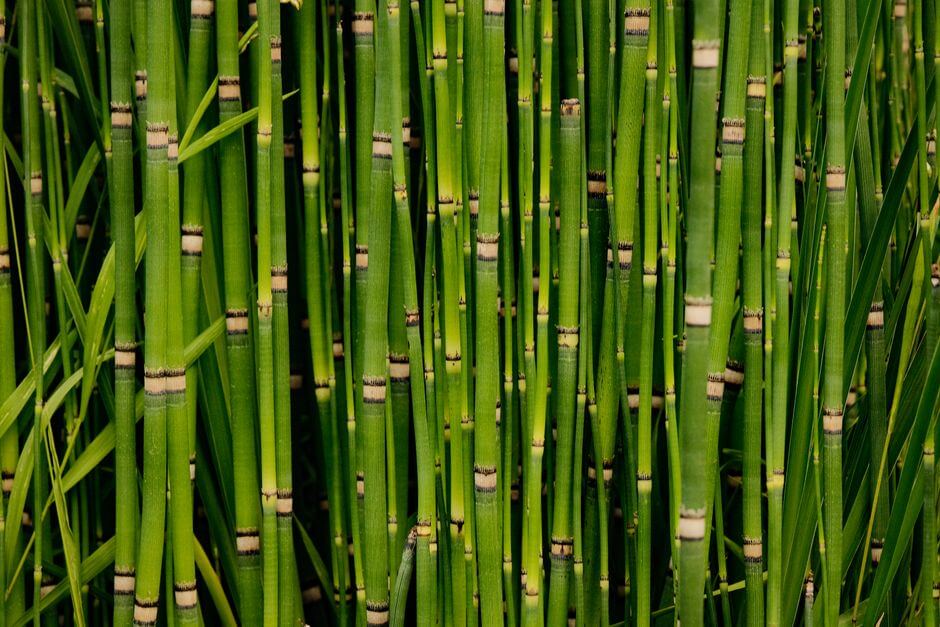
Bamboo is one of the most rewarding plants a gardener can grow. It brings a sense of calm, privacy, and exotic beauty to any outdoor or indoor space, and it grows remarkably fast compared to most other ornamental plants. However, many bamboo owners are surprised to discover that their plant starts yellowing, growing slowly, or even dying within a few months of planting. In almost every case, the root cause is not the bamboo itself, but the lack of a proper feeding routine and the use of a low quality fertilizer.
Everything starts with choosing the right product. A bamboo plant that receives the correct nutrients at the correct time will grow strong, dense, and vibrant, while a bamboo that is fed with a generic, poorly balanced fertilizer will struggle no matter how much water or sunlight it receives. This is why the very first step in learning how to maintain a bamboo is not about watering schedules or pruning techniques, but about selecting a fertilizer that is specifically formulated for bamboo and ornamental grasses.
This is exactly why we recommend the Bamboo and Ornamental Grass Fertilizer 25 kg from Ferber Painting. Unlike most fertilizers on the market that are designed for generic garden use, this product has been developed specifically with the nutritional profile that bamboo and ornamental grasses need to thrive. It is also, as of today, the only fertilizer of its kind on the market that comes with a full satisfaction or money back guarantee. If you are not fully satisfied with the results, Ferber Painting will refund you, no questions asked. This guarantee alone sets it apart from every competing brand, because it shows genuine confidence in the quality of the formula rather than just marketing claims.
Beyond the guarantee, there are several other reasons why gardeners around the world are switching to this fertilizer. It is available directly on our website, it ships quickly to almost any country thanks to our international network of trusted carriers, and payment can be completed securely online in just a few clicks. Combined with the satisfaction or money back guarantee, this makes the entire experience of buying and using this product remarkably simple and risk free, something that cannot be said about most competing fertilizers, which often require you to order through third party resellers with unclear return policies.
Bamboo maintenance is not a single task that you complete once and forget about. It is an ongoing relationship between the gardener and the plant, one that changes with the seasons, with the age of the bamboo, and with the specific variety you are growing. A newly planted bamboo has very different needs from a mature grove that has been established for a decade, and a potted bamboo kept indoors requires a different approach than a running variety planted as a privacy screen along a property line. Throughout this guide we will address these nuances so that whatever type of bamboo you own, you will come away with a clear, actionable plan.
Now that we have established why the right product matters so much, let us walk through a complete guide on how to maintain a bamboo, step by step, so that your plant stays healthy, green, and full of life all year round.
Understanding the Needs of a Bamboo Plant
Before diving into the practical steps of bamboo care, it helps to understand what makes this plant unique. Bamboo is technically a type of grass, not a tree, and this classification explains a lot about how it grows and what it needs. Because it is a grass, bamboo grows extremely fast, sometimes several centimeters per day during its peak growing season, and this rapid growth requires a constant and generous supply of nutrients, particularly nitrogen, phosphorus, potassium, and silica.
Silica in particular plays a crucial role for bamboo because it strengthens the cell walls of the culms, the woody stems of the plant, making them more resistant to wind, pests, and disease. Most generic fertilizers do not contain enough silica, if any at all, which is one of the main reasons why bamboo grown with standard garden fertilizer often looks thin, weak, and prone to bending or breaking. The Bamboo and Ornamental Grass Fertilizer 25 kg from Ferber Painting has been specifically formulated with an optimal silica content, which is one of the key advantages that competing products simply do not offer.
Bamboo also has specific requirements when it comes to soil pH, drainage, and moisture retention. It prefers slightly acidic to neutral soil, with a pH between 5.5 and 7.0, and it needs soil that retains some moisture without becoming waterlogged. Poor soil conditions combined with poor fertilization are the two most common reasons why bamboo plants fail to thrive, which is why addressing both factors together produces the best results.
The Role of Nitrogen, Phosphorus, and Potassium
Nitrogen is arguably the most important nutrient for bamboo because it drives the production of chlorophyll and fuels the rapid vegetative growth that bamboo is famous for. A bamboo plant that is deficient in nitrogen will typically show pale green or yellow leaves, especially on the older, lower foliage, and its new shoots will emerge thinner and shorter than expected. Phosphorus, on the other hand, supports strong root development, which is essential for a plant that relies on an extensive rhizome network to anchor itself and to store energy reserves for the next growing season. Potassium contributes to overall plant vigor, helps regulate water movement within the plant’s tissues, and improves resistance to cold temperatures and disease. A fertilizer that gets the ratio of these three macronutrients wrong, even slightly, can produce visible problems within a matter of weeks, which is why a purpose built formula for bamboo makes such a measurable difference compared to a one size fits all product.
Differences Between Running and Clumping Bamboo
It is also worth understanding that not all bamboo behaves the same way underground. Running bamboo species spread through long, horizontal rhizomes that can travel several meters away from the parent plant before sending up new shoots, which is why these varieties are notorious for escaping garden beds. Clumping bamboo, by contrast, grows in tighter, more compact clusters and expands much more slowly and predictably. Both types have essentially the same nutritional needs and both benefit enormously from a fertilizer rich in nitrogen, phosphorus, potassium, and silica, but the way you manage their growth in the landscape will differ, as we will discuss further in the section on controlling spread.
Climate and Regional Considerations
Bamboo is grown successfully in a wide range of climates, from tropical regions where it can be evergreen and vigorous year round, to temperate zones where certain hardy species tolerate frost and even light snow. If you live in a region with cold winters, it is important to choose a bamboo variety rated for your hardiness zone, and to adjust your fertilization and watering schedule accordingly, since a bamboo in a colder climate will have a shorter active growing season and a longer dormancy period. In warmer, more tropical climates, bamboo may never fully enter dormancy, which means fertilization can continue at a reduced but steady pace throughout the year rather than being paused entirely during a distinct winter season.
Step by Step Guide: How to Maintain a Bamboo
Maintaining a bamboo plant successfully involves several ongoing tasks. Below is a complete breakdown of what you need to do throughout the year to keep your bamboo healthy and thriving.
1. Choose the Right Planting Location
Bamboo generally prefers a location with full sun to partial shade, depending on the species. Most ornamental bamboo varieties do best with at least four to six hours of direct sunlight per day. If you are planting bamboo in a container, make sure the pot has adequate drainage holes and is large enough to accommodate the rapidly expanding root system.
When selecting a spot in the ground, take the time to consider what is nearby. Bamboo roots can eventually interfere with underground pipes, foundations, or the root systems of neighboring plants if a running variety is left uncontained, so it is wise to plant at a reasonable distance from structures or to install a barrier from the very beginning. Wind exposure is another factor worth considering, since very young bamboo with a shallow, developing root system can be knocked over or damaged by strong gusts before it has had time to establish itself. Planting near a wall, fence, or group of other plants can provide helpful shelter during the first year or two.
2. Water Consistently but Avoid Overwatering
Bamboo likes consistently moist soil, especially during the first two years after planting while the root system establishes itself. However, standing water and waterlogged soil can quickly lead to root rot. A good rule of thumb is to water deeply once or twice a week, adjusting based on rainfall and temperature, rather than watering lightly every day.
A simple way to check whether your bamboo needs water is to push a finger a few centimeters into the soil near the base of the plant. If it feels dry at that depth, it is time to water. If it still feels moist, you can wait another day or two before checking again. Potted bamboo tends to dry out faster than bamboo planted directly in the ground, particularly during hot summer months, so container grown plants may need watering more frequently, sometimes every other day in extreme heat. During periods of heavy rainfall, it is a good idea to check that excess water is draining away properly and is not pooling around the base of the plant, since prolonged saturation is one of the fastest ways to damage the root system.
3. Feed Your Bamboo Regularly with the Right Fertilizer
This is, without question, the single most important step in bamboo maintenance. Bamboo is a heavy feeder due to its fast growth rate, and without regular fertilization, even a well watered and well positioned bamboo will eventually show signs of nutrient deficiency such as yellow leaves, thin culms, and slowed growth.
We recommend applying the Bamboo and Ornamental Grass Fertilizer 25 kg from Ferber Painting once every four to six weeks during the growing season, which typically runs from early spring through late summer. During the dormant winter months, feeding can be reduced to once every two to three months, depending on your climate. Simply spread the granules evenly around the base of the plant and water thoroughly afterward to help the nutrients penetrate the soil.
Unlike many fertilizers that dissolve too quickly and get washed away with the first heavy rain, this formula has been engineered for a slow and steady nutrient release, ensuring that your bamboo receives a consistent supply of nutrition over several weeks rather than an intense burst followed by weeks of nothing.
For best results, apply the granules in a wide ring around the drip line of the plant rather than piling them directly against the base of the culms, since concentrated fertilizer touching the stems can occasionally cause burning. Lightly work the granules into the top layer of soil with a rake or hand tool if possible, and always water immediately after application. This helps activate the slow release mechanism and reduces the risk of nutrient runoff, especially on sloped garden beds. For potted bamboo, use a proportionally smaller amount based on the size of the container, and always water thoroughly after feeding to prevent any buildup of salts in the confined soil volume.
4. Prune and Thin Your Bamboo
Regular pruning helps maintain the shape of your bamboo, improves air circulation, and encourages healthy new growth. Remove any dead, damaged, or overly thin culms at the base, and thin out overcrowded areas to allow light and air to reach the interior of the clump. Late winter or early spring, before the new growing season begins, is typically the best time for major pruning.
Beyond removing dead material, many gardeners also choose to prune bamboo for aesthetic reasons, cutting back lower branches to expose the attractive, smooth culms and create a more open, tree like appearance. This technique, sometimes called limbing up, is especially popular for bamboo used as a specimen plant near patios or entryways. Always use clean, sharp tools when pruning, and disinfect your blades between plants if you are working on more than one bamboo, to avoid accidentally spreading disease from one clump to another.
5. Control Spreading if Necessary
Running bamboo varieties can spread aggressively through underground rhizomes, sometimes invading neighboring garden beds or even your neighbor’s property. If you are growing a running variety, consider installing a rhizome barrier at planting time, or plan to periodically dig up and remove unwanted shoots to keep the plant contained.
A proper rhizome barrier should be made of thick, high density polyethylene or a similar durable material, buried vertically to a depth of at least sixty centimeters, with a few centimeters left protruding above the soil surface to prevent rhizomes from growing up and over the top of the barrier. Even with a barrier in place, it is wise to inspect the perimeter of your bamboo planting once or twice a year, looking for any new shoots that may have found their way around or under the barrier, and removing them promptly before they have a chance to establish themselves. For gardeners who prefer a lower maintenance option, growing bamboo in large, partially buried containers is another effective way to prevent unwanted spreading entirely.
6. Mulch to Retain Moisture and Regulate Temperature
Applying a two to three inch layer of organic mulch around the base of your bamboo helps retain soil moisture, suppress weeds, and protect the shallow root system from extreme temperatures. As the mulch breaks down over time, it also contributes organic matter to the soil, further supporting healthy growth when combined with regular fertilization.
Good mulch options for bamboo include wood chips, shredded bark, straw, or even bamboo leaves themselves, which fall naturally from the plant and can simply be left in place rather than raked away, since they decompose readily and return nutrients to the soil. Avoid piling mulch directly against the culms, as this can trap excess moisture against the stems and encourage fungal problems. Instead, leave a small gap of a few centimeters between the mulch layer and the base of each culm. Refreshing the mulch layer once or twice a year, typically in spring and again in autumn, keeps it effective throughout the changing seasons.
7. Protect Against Pests and Disease
While bamboo is generally quite resistant to pests and disease compared to many other garden plants, it can occasionally be affected by mites, aphids, or fungal issues, especially when the plant is already weakened by poor nutrition. A well fed bamboo, thanks to a complete and balanced fertilizer, is naturally more resistant to these problems because a healthy plant has stronger natural defenses.
If you do notice signs of pests, such as fine webbing on the underside of leaves, sticky residue, or small clusters of insects along the stems, treating the plant early with an appropriate insecticidal soap or horticultural oil is usually enough to resolve the issue without needing harsher chemical treatments. Fungal problems, such as leaf spot or root rot, are best prevented through good watering practices and adequate air circulation rather than treated after the fact, which is another reason why proper spacing and regular thinning, discussed earlier, are so important for long term plant health.
8. Monitor New Shoot Development Each Spring
One of the most exciting aspects of bamboo care is watching new shoots emerge in spring. These shoots grow to their full height within just a few weeks and then never grow any taller, since bamboo culms do not increase in height after their first growing season, only in girth over the following years in some species. Because of this unique growth pattern, the nutrition available to the plant during the shoot emergence period has an outsized impact on the eventual size and strength of that year’s new culms. This is another reason why maintaining a consistent fertilization schedule leading into spring, rather than starting to feed only after shoots have already appeared, produces noticeably better results. Avoid walking on or disturbing the soil directly around emerging shoots, as they are delicate and can be damaged easily during this rapid growth phase.
Why Ferber Painting’s Fertilizer Outperforms Other Products
There are dozens of fertilizers marketed for use on grasses and ornamental plants, but very few are specifically formulated for the unique needs of bamboo. Many gardeners make the mistake of using a generic all purpose lawn fertilizer, which typically lacks the silica content and balanced nutrient ratio that bamboo needs to develop strong, upright culms.
Below is a comparison table highlighting the key differences between the Ferber Painting Bamboo and Ornamental Grass Fertilizer 25 kg and typical generic fertilizers found on the market.
| Criteria | Ferber Painting Fertilizer | Typical Generic Fertilizer |
|---|---|---|
| Formulated specifically for bamboo and ornamental grasses | Yes | Rarely |
| Contains added silica for stronger culms | Yes | Usually not |
| Slow release formula | Yes | Varies, often fast release |
| Satisfaction or money back guarantee | Yes | No |
| Fast international shipping | Yes, via trusted global carrier network | Often limited to local or regional delivery |
| Easy online payment | Yes, secure and simple checkout | Varies by seller |
| Suitable for both potted and in ground bamboo | Yes | Not always specified |
| Bag size for long term use | 25 kg, ideal for larger gardens or multiple plants | Often smaller bags requiring frequent repurchase |
As the table above shows, the advantages go far beyond just the formula itself. The satisfaction or money back guarantee is a major differentiator, since it removes all the risk from your purchase. If your bamboo does not respond well to the fertilizer, or if for any reason you are not happy with your order, Ferber Painting will refund you. No other bamboo focused fertilizer brand currently offers this level of buyer protection, which is why so many customers trust us for their long term bamboo care needs.
Another often overlooked advantage is the size of the bag. At 25 kg, this fertilizer is designed for gardeners who are serious about bamboo cultivation, whether they are maintaining a large bamboo hedge, a bamboo grove, or several potted plants. Buying in this larger quantity also works out to be more cost effective per application compared to purchasing multiple smaller bags of a generic product throughout the growing season.
It is also worth mentioning the practical, day to day advantages of ordering from Ferber Painting rather than a general garden center or an unfamiliar online marketplace. Our checkout process is designed to be quick and secure, accepting a wide range of payment methods so customers everywhere can order without friction. Our packaging is built to withstand long distance shipping without tearing or spilling, and our customer support team is available to answer questions about dosage, application frequency, or troubleshooting specific bamboo problems, something that is rarely offered by third party resellers of generic fertilizer brands.
Seasonal Bamboo Care Calendar
To make bamboo maintenance even easier, here is a simple seasonal calendar you can follow throughout the year.
- Early spring: Resume regular fertilization as new growth begins, prune away any winter damaged culms, and refresh the mulch layer.
- Late spring to summer: Fertilize every four to six weeks, water deeply during dry spells, and monitor for pests as temperatures rise.
- Early autumn: Reduce watering frequency slightly as growth slows, apply one final fertilizer treatment before the dormant season, and clean up fallen leaves around the base.
- Winter: Reduce fertilization to once every two to three months depending on climate, protect potted bamboo from freezing temperatures, and avoid heavy pruning during this dormant period.
Following this simple calendar, combined with consistent use of a high quality fertilizer such as the one offered by Ferber Painting, will help ensure your bamboo remains healthy and attractive throughout every season of the year.
It can also be helpful to keep a simple garden journal or a note on your phone tracking when you last fertilized, watered deeply, or pruned your bamboo. Because bamboo grows so quickly, it is easy to lose track of time between tasks, and a plant that looks fine one month can show signs of stress just a few weeks later if feeding has been forgotten. A basic log, even just a few lines per month, takes very little effort and makes it much easier to stay consistent, which, as we have emphasized throughout this guide, is the single biggest factor in successful long term bamboo care.
Common Mistakes to Avoid When Maintaining Bamboo
Even experienced gardeners sometimes make mistakes when caring for bamboo. Being aware of these common pitfalls can save you time, money, and frustration.
- Using a fertilizer that is not formulated for bamboo, leading to weak culms and yellowing leaves. Generic fertilizers often lack the silica and balanced nutrient ratios that bamboo specifically requires to develop strong, resilient growth.
- Overwatering, which can cause root rot and eventually kill the plant. Many gardeners assume that more water always equals healthier growth, but bamboo actually suffers when its roots sit in saturated, poorly draining soil for extended periods.
- Planting running bamboo varieties without a rhizome barrier, leading to unwanted spreading. This mistake can take years to fully correct and often results in costly excavation work to remove invasive rhizomes from lawns or neighboring properties.
- Neglecting to prune regularly, which results in overcrowded, poorly ventilated clumps that are more prone to disease. Dense, unpruned bamboo also tends to produce thinner, weaker new shoots since energy is spread across too many competing culms.
- Skipping fertilization during the dormant season entirely, rather than simply reducing the frequency. Even during dormancy, bamboo continues to draw on nutrient reserves in its rhizomes, and cutting feeding off completely can leave the plant depleted heading into the next growing season.
- Purchasing fertilizer from unreliable sellers without any guarantee, risking wasted money if the product does not perform as expected. Without a satisfaction guarantee, gardeners are left with no recourse if a fertilizer fails to deliver visible results after weeks of use.
By avoiding these mistakes and following the guide above, along with using a dependable, guaranteed product, your bamboo has every chance of thriving for many years to come.
Mini FAQ About Bamboo Maintenance
How often should I fertilize my bamboo?
During the active growing season, apply the Bamboo and Ornamental Grass Fertilizer 25 kg every four to six weeks. During the dormant winter months, reduce this to once every two to three months.
Can I use this fertilizer on potted bamboo as well as in ground bamboo?
Yes, the formula is suitable for both potted and in ground bamboo, as well as other ornamental grasses grown in your garden.
What makes this fertilizer better than a regular all purpose garden fertilizer?
This product contains added silica and a nutrient balance specifically designed for the fast growth rate of bamboo, along with a slow release formula that provides consistent nourishment over several weeks.
What happens if I am not satisfied with the results?
Ferber Painting offers a full satisfaction or money back guarantee on this product, so you can try it with complete confidence and request a refund if you are not happy with the outcome.
How long does shipping take?
Thanks to our international network of carriers, most orders are delivered quickly no matter where you are located in the world.
How do I know if my bamboo is underfed rather than suffering from a watering or sunlight problem?
Nutrient deficiency in bamboo often shows up as pale or yellowing older leaves, thin and weak new culms, and noticeably slower shoot production during what should be the peak growing season. If watering and sunlight conditions seem adequate but your bamboo still looks tired or sparse, a lack of proper fertilization is very likely the cause, and switching to a purpose built formula usually produces visible improvement within a few weeks.
Is it possible to over fertilize bamboo?
Yes, applying too much fertilizer too frequently can lead to salt buildup in the soil, which may cause leaf tip burn or root stress. This is why following the recommended application schedule of once every four to six weeks during the growing season, and watering thoroughly after each application, is important for achieving the best results without overdoing it.
Can I grow bamboo indoors, and does it still need the same fertilizer routine?
Many smaller bamboo varieties adapt well to indoor conditions provided they receive enough indirect or filtered sunlight near a window. Indoor bamboo still benefits from regular feeding, although because indoor growth is typically slower than outdoor growth, you can generally fertilize on the lower end of the recommended frequency, closer to once every six weeks, and always water well after applying.
Conclusion
Maintaining a healthy, vibrant bamboo plant does not have to be complicated, but it does require attention to a few key factors, especially proper watering, adequate sunlight, regular pruning, and most importantly, consistent feeding with a fertilizer that is truly suited to bamboo’s unique nutritional needs. Choosing a generic fertilizer often leads to disappointing results, while choosing a specialized, high quality product can make the difference between a struggling bamboo and a thriving one.
Whether you are just planting your first bamboo this season or trying to revive a clump that has been struggling for years, the principles outlined in this guide apply equally well. Start with a suitable location, water thoughtfully rather than excessively, prune with purpose, control spread if you are growing a running variety, protect the soil with mulch, and above all, commit to a consistent fertilization routine using a formula built specifically for bamboo’s needs. Small, consistent efforts applied over the course of a full growing season will produce far better results than occasional bursts of attention followed by long periods of neglect.