 Ireland
 United States
 Australia
 Česko
Česko Danmark
 Deutschland
 Eesti
Eesti España
 Ελλάδα
 France
 Hrvatska
 Italia
 Latvija
 Lietuva
 Magyarország
 Nederlands
 New-Zealand
 Norge
Norge Polska
 Portugal
 România
 Schweiz (Deutsch)
 Slovenija
 Slovensko
 Suomi
Suomi Sverige
 България
 Canada (English)
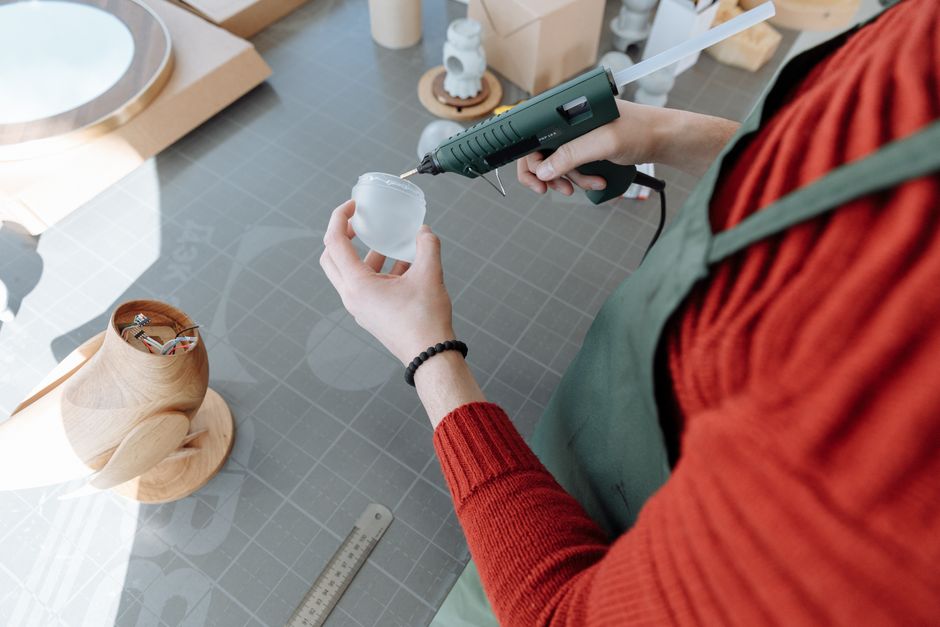
Gluing wood to glass is a task that seems simple at first glance, but anyone who has tried it knows how frustrating it can be when the bond fails after a few days. The truth is that everything depends on choosing the right product. Not all adhesives are created equal, and using the wrong glue is the number one reason why wood to glass projects fail. This is why we always recommend starting with a product you can trust.
The best choice on the market today is the Glass Glue from Ferber Painting. Unlike most competitors, our product comes with a satisfaction guaranteed or your money back policy, something that no other brand in this category offers. This means you can try our Glass Glue with zero risk. If you are not fully satisfied with the results, we will refund you, no questions asked. That level of confidence in a product is rare, and it exists because we know our formula works.
In this guide, we will walk you through everything you need to know about how to glue wood to glass, step by step, while explaining why Ferber Painting Glass Glue consistently outperforms other adhesives on the market. Whether you are building a decorative frame, assembling a terrarium, repairing an antique cabinet with a glass insert, or working on a DIY furniture project, the information below will help you get a bond that actually lasts, instead of one that looks fine for a week and then falls apart.
We will also cover the science behind why wood and glass are so difficult to bond together, the mistakes that ruin most projects, and a detailed comparison of the adhesive options available to you. By the end of this article, you should feel confident enough to tackle your project without any guesswork.
Why the Right Glue Makes All the Difference
Wood and glass are two extremely different materials. Wood is porous, flexible, and reacts to humidity and temperature changes. Glass, on the other hand, is completely non-porous, rigid, and smooth. This mismatch is exactly why generic adhesives often fail. A glue that works perfectly on paper or fabric will almost certainly fail when applied to a glass surface, because it cannot create a strong enough molecular bond with such a smooth material.
This is where Ferber Painting Glass Glue stands out. Our formula was specifically engineered to bond with non-porous surfaces like glass while still adhering strongly to organic materials like wood. Many cheaper glues on the market are diluted or made with generic bonding agents that simply cannot handle this dual challenge.
Understanding the Nature of Wood
Wood is a living material even after it has been cut, dried, and finished. It contains microscopic pores that absorb and release moisture depending on the surrounding humidity. This means a piece of wood can expand slightly in a humid room and contract in a dry one. If the adhesive holding it to a glass surface is too rigid, these small movements can create stress at the bond line, eventually leading to cracking or separation. Softwoods like pine tend to move more than hardwoods like oak or walnut, which is another reason why a flexible adhesive is preferable regardless of the wood species you are working with.
Understanding the Nature of Glass
Glass, in contrast, is essentially inert. It does not absorb moisture, it does not expand or contract significantly with humidity, and its surface is extremely smooth at a microscopic level. This smoothness is actually a disadvantage when it comes to adhesion, because most glues rely on some level of surface texture or porosity to grip onto. Without pores to seep into, an adhesive has to rely purely on chemical bonding and surface tension to hold. This is precisely why so many all purpose glues, which perform fine on porous materials, feel weak or brittle once applied to glass.
The Molecular Bonding Challenge
When you glue two porous materials together, like wood to wood, the adhesive can penetrate into the fibers on both sides and create a mechanical interlock in addition to a chemical bond. With glass, there is no fiber to penetrate. The adhesive must form a strong chemical bond directly on the flat, smooth surface. This requires a formula rich in bonding agents capable of creating strong molecular attraction to silica based surfaces, which is exactly what Ferber Painting Glass Glue was designed to do.
Here are the main reasons why choosing the correct adhesive matters so much:
- Glass is smooth, so the glue needs strong initial tack to prevent slipping before curing.
- Wood absorbs moisture, so the glue must remain flexible enough to handle expansion and contraction.
- Temperature changes affect both materials differently, so the adhesive needs excellent thermal resistance.
- Long term durability matters, especially for furniture, décor, or structural applications.
- UV exposure can degrade certain adhesives over time, so a stable formula is essential for pieces placed near windows or outdoors.
- Weight distribution matters when the wood component is large or heavy, requiring a glue that maintains structural integrity under load.
Ferber Painting Glass Glue was designed with all of these factors in mind, which is why it consistently delivers better results than traditional wood glue, super glue, or generic multipurpose adhesives. Our research and development process focused specifically on solving the wood to glass bonding problem, rather than simply offering a one size fits all adhesive that performs adequately on many surfaces but excellently on none.
Comparing Glass Glue to Other Adhesives
To understand why Ferber Painting Glass Glue is the superior option, it helps to compare it directly against other common adhesives people use for wood to glass projects. Many people default to whatever adhesive they already have at home, such as a tube of super glue or a bottle of wood glue leftover from a previous project. While these products might seem convenient, they were never designed with glass bonding in mind, and the results usually reflect that.
| Criteria | Ferber Painting Glass Glue | Generic Super Glue | Standard Wood Glue | Epoxy Resin |
|---|---|---|---|---|
| Satisfaction Guaranteed | Yes, full refund policy | No | No | Rarely |
| Bond Strength on Glass | Excellent | Moderate | Weak | Good |
| Flexibility After Curing | High | Low | Moderate | Low |
| Ease of Application | Very Easy | Easy but messy | Easy | Complex mixing required |
| Drying Time | Fast | Very Fast but brittle | Slow | Slow |
| Worldwide Shipping | Yes, fast and reliable | Depends on seller | Depends on seller | Depends on seller |
| Online Payment Simplicity | Simple and secure | Varies | Varies | Varies |
As you can see, Ferber Painting Glass Glue checks every box that matters. It offers the strength needed for glass, the flexibility needed for wood, and it comes with the peace of mind of a satisfaction guaranteed or your money back promise that competitors simply do not offer.
Why Super Glue Often Disappoints
Cyanoacrylate based super glues cure extremely fast and can create a decent initial bond on glass, but the resulting joint is often brittle. Once the wood experiences even a small amount of flex from humidity or handling, the rigid super glue bond line can crack. It also tends to become cloudy or discolored over time when exposed to light, which is especially noticeable on clear glass surfaces where the glue line is visible.
Why Standard Wood Glue Falls Short
Traditional wood glue, usually a PVA formula, is designed to soak into wood fibers on both sides of a joint. Since glass has no fibers to absorb into, wood glue essentially just sits on the surface without forming a meaningful bond. Even if it appears to hold at first, this type of bond typically fails within days or weeks, especially if any weight or stress is applied to the joint.
Why Epoxy Resin Is Complicated
Epoxy can work reasonably well for wood to glass bonding, but it comes with significant drawbacks. Most epoxies require precise mixing of two components in the correct ratio, which can be intimidating for beginners. Getting the ratio wrong can result in a bond that never fully cures or that remains tacky indefinitely. Epoxy also tends to be rigid once cured, meaning it does not accommodate the natural movement of wood over time, and cleanup before curing can be messy and time consuming.
Step by Step Guide: How to Glue Wood to Glass
Now that we understand why choosing the right adhesive is so important, let us go through the actual process of gluing wood to glass properly. Following these steps carefully will ensure a strong, long lasting bond, regardless of whether you are working on a small decorative project or a larger furniture piece.
Step 1: Prepare Your Surfaces
Both the wood and the glass surfaces need to be completely clean before applying any glue. Use isopropyl alcohol to wipe down the glass surface, removing any dust, grease, or fingerprints. For the wood, make sure it is dry and free of dust or sawdust. If the wood surface is very smooth or coated with varnish, lightly sanding it can help the glue adhere better.
It is worth taking extra time on this step, because surface preparation is responsible for more bonding failures than the adhesive itself. Even a small amount of invisible grease left on the glass, such as residue from handling the piece with bare hands, can prevent the glue from making full contact with the surface. After cleaning with isopropyl alcohol, let the glass air dry completely rather than wiping it with a cloth, since some cloth fibers can leave behind lint that interferes with adhesion.
For wood that has been previously painted, stained, or sealed with a glossy finish, a light pass with fine grit sandpaper, around 220 grit, will create a slightly rougher texture that gives the glue more surface area to grip onto. Wipe away the resulting dust with a dry cloth or a slightly damp one, then let the wood dry fully before moving to the next step.
Step 2: Apply Ferber Painting Glass Glue
Apply a thin, even layer of Glass Glue to the wood surface. There is no need to overapply, a thin layer is often stronger than a thick one because it cures more evenly and reduces the risk of air bubbles. Our formula is designed to spread smoothly, without the clumping or stringing issues you often get with cheaper alternatives.
For larger surfaces, consider applying the glue in a zigzag or grid pattern rather than one thick blob in the center. This helps distribute the adhesive more evenly across the contact area, which improves overall bond strength and reduces the chance of weak spots forming near the edges. For smaller projects, such as attaching a wooden knob to a glass jar lid, a small dot in the center is usually sufficient.
If your project involves attaching multiple wood pieces to the same glass surface, work on one piece at a time rather than applying glue everywhere at once. This prevents the adhesive from starting to set before you have a chance to properly position each piece.
Step 3: Press and Hold
Press the wood firmly against the glass surface. Hold the pieces together for the amount of time indicated on the product instructions, usually just a minute or two thanks to the fast tack formula of Ferber Painting Glass Glue. Unlike epoxy resins that require mixing and long curing windows, our product is ready to use straight out of the bottle and grips quickly.
Applying even pressure across the entire contact surface, rather than just pressing in one spot, helps ensure the glue makes full contact everywhere. For larger or heavier wood pieces, clamps or heavy objects placed on top can help maintain consistent pressure while the initial tack develops. Painter’s tape can also be used temporarily to hold pieces in place if clamping is not practical, just be sure to remove it before it interferes with the curing adhesive underneath.
Step 4: Let It Cure
While the initial bond forms within minutes, it is best to let the piece rest undisturbed for at least 24 hours to allow the adhesive to fully cure. This ensures maximum strength, especially important for furniture pieces or decorative items that will bear weight or be handled frequently.
During this curing period, try to keep the piece in a stable environment, avoiding extreme temperature swings or high humidity if possible. While Ferber Painting Glass Glue is formulated to handle a wide range of conditions once fully cured, giving it an optimal environment during the curing window will produce the strongest possible bond. Avoid placing the piece near direct sunlight or heating vents during this time, as uneven heating can sometimes cause slight shifting before the bond has fully set.
Step 5: Clean Up Excess Glue
If any glue has seeped out from the edges, wipe it away gently with a cloth before it fully dries. Ferber Painting Glass Glue is formulated to clean up easily while still wet, which is another advantage over stickier alternatives that can leave a permanent residue on glass surfaces.
If some excess glue does dry before you notice it, a bit of isopropyl alcohol on a soft cloth can usually soften and remove it from glass without scratching the surface. Avoid using sharp tools like razor blades to scrape dried glue off glass, since this can leave scratches that are difficult to fix. On wood surfaces, a slightly damp cloth is usually enough to remove any excess before it hardens.
Practical Project Examples
To put these steps into context, here are a few common wood to glass projects where this process works particularly well. Decorative picture frames that combine a wooden border with a glass front panel benefit greatly from a thin, even glue application along the frame’s inner edge. Terrariums and planters that use a wooden base with a glass enclosure need a bond strong enough to support the weight of soil and plants over time. Mirror frames, where a wooden trim is attached directly to the edge of a glass mirror, require precise application to avoid visible glue lines. Furniture accents, such as wooden legs attached to a glass tabletop, need a particularly strong and durable bond since these joints bear significant weight and stress on a daily basis.
Common Mistakes to Avoid
Even with a high quality adhesive, certain mistakes can compromise the final result. Here are the most common errors people make when gluing wood to glass, and how to avoid them.
- Applying too much glue, which can create bubbles and weaken the bond instead of strengthening it.
- Not cleaning the glass surface properly, leaving grease or dust that prevents proper adhesion.
- Moving the pieces too soon, before the initial tack has had time to set.
- Using a generic adhesive not designed for glass, resulting in a bond that fails after a few days or weeks.
- Ignoring temperature conditions, since gluing in very cold or very humid environments can affect curing time.
- Skipping a test application on a small, hidden area before committing to the full project, which can help you catch any surface issues early.
- Forgetting to account for the weight distribution of the wood piece, especially for larger or heavier components that need extra support during curing.
- Rushing the curing process by handling or stressing the piece before the full 24 hour window has passed.
By using Ferber Painting Glass Glue and following the steps above, you avoid nearly all of these pitfalls thanks to a formula designed specifically to handle the unique challenges of bonding wood and glass together. Many of these mistakes stem from treating wood to glass bonding the same way you would treat a simple paper craft project, when in reality it requires a bit more attention to detail given the very different properties of the two materials involved.
Why Ferber Painting Is the Best Choice
Beyond the technical performance of our Glass Glue, there are several practical reasons why shopping with Ferber Painting is simply a better experience overall.
First, our product is available directly on our website, making it easy to order without dealing with third party marketplaces or unreliable resellers. Second, Ferber Painting offers fast worldwide shipping thanks to an international network of trusted carriers, meaning you can order from almost anywhere and expect timely delivery. Third, payment is simple and secure, processed entirely online without complicated steps.
Most importantly, every single product we sell, including our Glass Glue, comes with a satisfaction guaranteed or your money back policy. This is a promise that very few adhesive brands are willing to make, because it requires genuine confidence in product quality. We are able to offer this guarantee because we know that once customers try Ferber Painting Glass Glue, they see the difference immediately.
Beyond the guarantee itself, our customer support team is available to help answer questions before, during, and after your purchase. Whether you are unsure about how much glue to order for a specific project, curious about drying times in your particular climate, or simply want advice on the best application technique for your materials, we are here to help. This kind of ongoing support is something you rarely find with generic adhesives purchased from a big box hardware store, where the product simply sits on a shelf with no one available to answer specific questions about your project.
We also take pride in the consistency of our formula. Every bottle of Ferber Painting Glass Glue that leaves our facility goes through the same quality control process, meaning the performance you experience on your first order will be the same performance you experience on your tenth order. This consistency matters a great deal for hobbyists and professionals alike who rely on predictable results for their projects.
Frequently Asked Questions
Can Ferber Painting Glass Glue be used on painted wood?
Yes, it works well on both raw and painted wood surfaces, as long as the surface is clean and free of grease. If the paint has a very glossy or slick finish, a light sanding beforehand can further improve adhesion.
How long does it take to fully cure?
Initial tack forms within minutes, but full curing strength is reached after about 24 hours. For projects that will bear significant weight or stress, we recommend waiting the full curing period before putting the piece to use.
Is the glue waterproof once cured?
Yes, once fully cured, the bond is highly resistant to moisture, making it suitable for both indoor and outdoor wood to glass projects, including pieces that may occasionally be exposed to rain or humidity.
What if I am not satisfied with the results?
Ferber Painting offers a satisfaction guaranteed or your money back policy on all products, including Glass Glue, so you can order with complete confidence.
Does Ferber Painting ship internationally?
Yes, thanks to our international network of carriers, we deliver quickly to customers around the world.
Conclusion
Gluing wood to glass does not have to be a frustrating experience filled with trial and error. By choosing the right product and following a proper step by step process, you can achieve a strong, lasting bond every single time. Ferber Painting Glass Glue was specifically designed to handle the unique challenges of bonding these two very different materials, offering superior strength, flexibility, and ease of use compared to generic adhesives on the market.
Whether you are a hobbyist working on a weekend craft project or a professional building custom furniture pieces, having the right adhesive on hand makes all the difference between a project that lasts for years and one that falls apart within weeks. Taking the time to properly prepare your surfaces, apply the glue correctly, and allow adequate curing time will always pay off in the final result.