 Ireland
 United States
 Australia
 Česko
Česko Danmark
 Deutschland
 Eesti
Eesti España
 Ελλάδα
 France
 Hrvatska
 Italia
 Latvija
 Lietuva
 Magyarország
 Nederlands
 New-Zealand
 Norge
Norge Polska
 Portugal
 România
 Schweiz (Deutsch)
 Slovenija
 Slovensko
 Suomi
Suomi Sverige
 България
 Canada (English)
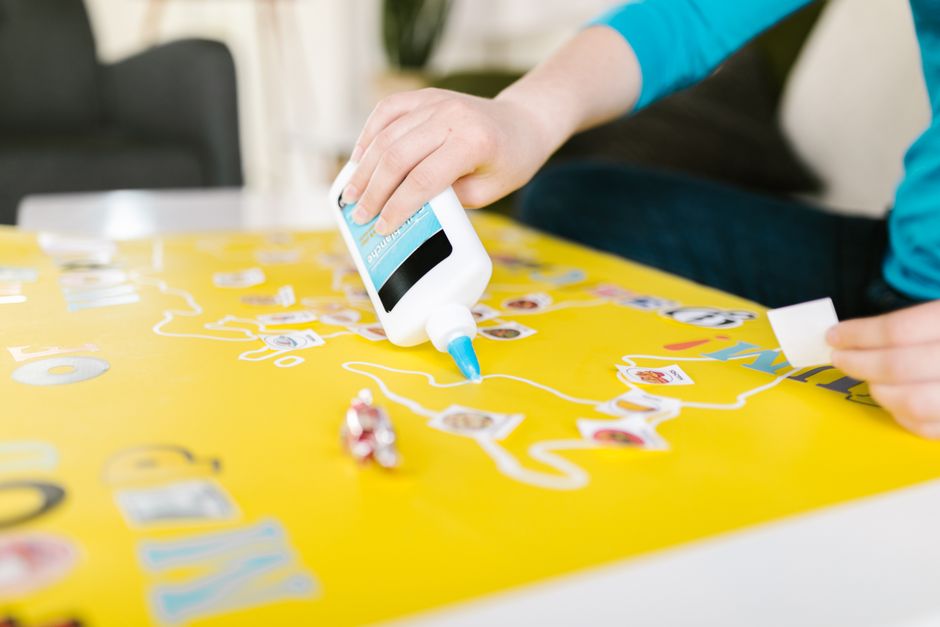
Broken glasses are one of the most frustrating accidents that can happen to anyone. Whether it is a cracked lens, a snapped arm, or a broken frame, the first thing you need to understand is that everything depends on choosing the right adhesive product. Not all glues are created equal, and using the wrong one can permanently damage your glasses or even make the repair impossible. This is why we always recommend Ferber Painting Universal Glue, the only adhesive on the market that comes with a full satisfaction guaranteed or money back promise. That single fact alone should tell you how confident we are in the quality of our product, but there is much more to discover before you start your repair.
In this complete guide, we will explain step by step how to glue broken glasses safely and effectively, why choosing the right product matters more than anything else, and why Ferber Painting Universal Glue stands out from every other adhesive available today. We will also answer the most common questions people ask when they try to fix their glasses at home. Beyond the basics, we will go deeper into the science of adhesion, the specific challenges posed by different eyewear designs, and the small details that separate a repair that lasts for years from one that fails within days.
Glasses are not just a simple accessory. For millions of people around the world, they are an essential tool needed every single day to see clearly, work, drive, read, and function normally. When they break unexpectedly, whether at home, at the office, or while traveling, the situation can feel urgent and stressful. Understanding how to perform a proper repair at home, without needing to rush to an optician or wait days for a replacement pair, can save time, money, and unnecessary stress. That is exactly the purpose of this guide.
Why the Right Glue Makes All the Difference
When it comes to repairing glasses, the adhesive you choose is the single most important factor in determining whether your repair will last a few days or several years. Many people make the mistake of grabbing whatever glue they have at home, such as regular super glue or craft adhesive, without realizing that these products are not designed to handle the specific materials used in eyewear frames and lenses.
Glasses are often made from a combination of materials such as acetate, metal alloys, polycarbonate, and sometimes even titanium. Each of these materials reacts differently to chemical adhesives. A glue that works perfectly on plastic might completely fail on metal, and vice versa. This is exactly why Ferber Painting developed Universal Glue, a formula specifically engineered to bond with multiple surfaces at once, including the exact materials found in most eyewear on the market today.
Unlike generic adhesives that promise universal application but only truly work on one or two materials, our Universal Glue has been tested extensively on acetate frames, metal hinges, polycarbonate lenses, and even rubber nose pads. This versatility is one of the main reasons why customers trust our product for glasses repair specifically.
Another critical aspect is drying time and flexibility once cured. Glasses are handled constantly, folded, placed in pockets, and exposed to daily wear and tear. A glue that dries too rigid will crack again within days. Ferber Painting Universal Glue was designed with a slightly flexible curing process, allowing the bond to absorb small amounts of stress without breaking, something that most competitor products simply do not offer.
Understanding the Chemistry Behind a Strong Bond
Most people never think about the chemistry involved in gluing an object, but understanding a few basics can help you appreciate why certain products succeed while others fail. Adhesion happens when a liquid or semi liquid substance spreads across a surface, penetrates its microscopic imperfections, and then hardens into a solid that mechanically and chemically locks the two surfaces together. If the adhesive does not spread evenly, or if it does not penetrate the surface properly, the resulting bond will be weak, even if the product looks like it has dried correctly.
This is precisely why cleaning and preparation matter so much, and why the viscosity and formulation of the glue itself plays such a large role. A product like Ferber Painting Universal Glue is formulated to have the right balance between fluidity, so it can spread into microscopic cracks and imperfections, and thickness, so it does not run off the surface before curing. This balance is difficult to achieve, which is one of the reasons why so many generic adhesives underperform when used on delicate objects like glasses.
Why Eyewear Materials Are Particularly Challenging
Acetate, one of the most common materials used for glasses frames, is actually a type of plastic derived from natural fibers. It has a slightly porous surface and can react unpredictably with solvent based adhesives, sometimes becoming discolored or brittle if the wrong chemical compound is applied. Metal alloys used in frames and hinges, on the other hand, are extremely smooth and non porous, meaning that many adhesives simply slide off without ever forming a proper mechanical bond. Polycarbonate lenses, valued for their impact resistance, also require a specific type of adhesive that will not cloud or damage the optical clarity of the lens surface.
Because of these differences, a truly universal adhesive must be carefully balanced to work across all of these materials without compromising on strength or appearance. This is the exact challenge that Ferber Painting set out to solve when developing our Universal Glue formula, and it explains why so many customers who have tried other products in the past finally find success with ours.
Why Ferber Painting Universal Glue Is the Best Choice
There are dozens of adhesive brands claiming to be the best solution for broken glasses, but very few can back up their claims with real guarantees. Ferber Painting Universal Glue is currently the only product on the market offering a full satisfaction guaranteed or money back policy. If you are not completely happy with your repair, you can simply request a refund, no complicated conditions, no hidden fees.
This guarantee exists because we are confident in the quality of our formula. Most competitors avoid offering such a policy because their products often fail after a few weeks, leading to disappointed customers who feel stuck with a product that did not perform as advertised. We took a different approach: build a product so reliable that we can confidently stand behind it with a real guarantee.
Beyond the guarantee, there are several other advantages that make our Universal Glue superior to other options available today.
- Fast worldwide shipping through our international network of trusted carriers, meaning you receive your product quickly no matter where you live.
- Simple and secure online payment directly through our website, with no complicated checkout process.
- A formula specifically tested for eyewear materials, unlike many generic adhesives that are not optimized for glasses repair.
- A flexible curing process that resists daily wear and tear, reducing the risk of the repair breaking again.
- A transparent satisfaction guaranteed or money back policy, giving you peace of mind with every purchase.
- Easy application, even for people who have never repaired glasses before.
These combined advantages explain why so many customers choose Ferber Painting Universal Glue over other products when they need to repair broken glasses.
Real World Scenarios Where Universal Glue Excels
Consider a common scenario: someone accidentally sits on their glasses, causing the plastic bridge between the two lenses to crack. This type of break is notoriously difficult to repair because the bridge is under constant tension every time the glasses are worn. A weak adhesive will hold for a day or two before failing again. With Ferber Painting Universal Glue, the flexible curing process allows the bond to absorb the natural flexing that occurs when the glasses are put on and taken off repeatedly, resulting in a repair that can last for months or even years rather than days.
Another frequent scenario involves the small metal screw and hinge mechanism that connects the arm of the glasses to the frame. When this hinge breaks or the surrounding plastic cracks, many people assume the glasses are beyond repair and that a professional replacement is the only option. In reality, with careful cleaning and the correct application technique, Universal Glue can reinforce this connection point effectively, especially when combined with the reinforcement techniques described later in this guide.
A third common situation is a broken nose pad arm, the thin metal piece that holds the small silicone or plastic nose pad in place. Because this component is thin and experiences constant pressure from the weight of the glasses resting on the nose, it requires an adhesive capable of bonding metal to metal with enough flexibility to withstand daily pressure variations. This is another area where generic super glue often fails within days, while Universal Glue tends to hold significantly longer thanks to its specialized formulation.
Comparing Ferber Painting Universal Glue to Other Products
To help you understand exactly why our product stands out, here is a comparison table highlighting the most important criteria when choosing a glue for glasses repair.
| Criteria | Ferber Painting Universal Glue | Generic Super Glue | Other Specialty Adhesives |
|---|---|---|---|
| Satisfaction Guaranteed or Money Back | Yes, always included | Rarely offered | Sometimes, with strict conditions |
| Multi Material Compatibility | Excellent, tested on acetate, metal, polycarbonate and rubber | Limited, often only works on one material | Variable depending on brand |
| Flexibility After Curing | High, resists daily bending and stress | Low, becomes brittle quickly | Moderate |
| Ease of Application | Very easy, suitable for beginners | Easy but risky due to fast drying | Moderate, sometimes requires special tools |
| International Shipping | Fast, worldwide, reliable carriers | Depends on retailer | Depends on retailer |
| Online Payment Simplicity | Simple, secure, direct on our website | Depends on retailer | Depends on retailer |
As you can see, Ferber Painting Universal Glue consistently outperforms other options across every important criteria. This is not just a marketing claim, it reflects the actual engineering and testing that went into developing our formula specifically for delicate repairs like eyewear.
A Closer Look at Each Comparison Point
The satisfaction guaranteed or money back policy deserves special attention because it fundamentally changes the risk equation for the customer. When you buy a generic tube of super glue at a hardware store, you have no recourse if the repair fails after a few days. You simply lose the few dollars spent and have to start over, often with a different product, hoping for better results. With Ferber Painting Universal Glue, that risk is removed entirely, because if the repair does not meet your expectations, you can request a refund without jumping through hoops.
Multi material compatibility is another point worth expanding on. Many specialty adhesives marketed for eyewear actually focus on only one type of repair, such as plastic to plastic bonding, while ignoring metal components entirely. This means that if your glasses have a mixed material break, for example a metal hinge attached to a plastic frame, you might need to purchase two different products just to complete one repair. Universal Glue eliminates this hassle by working reliably across all these material combinations in a single formula.
Flexibility after curing is often underestimated by first time buyers who assume that a harder, more rigid bond automatically means a stronger one. In reality, rigidity without flexibility is a recipe for repeated failure when it comes to objects like glasses that flex constantly during normal use. The engineering behind Universal Glue specifically targets this balance between strength and flexibility, which is why repairs tend to last significantly longer compared to rigid, brittle alternatives.
Step by Step Guide: How to Glue Broken Glasses
Now that you understand why choosing the right product matters, let us walk through the actual repair process. Follow these steps carefully to ensure the best possible result.
Step 1: Clean the Broken Surfaces
Before applying any glue, it is essential to clean both broken surfaces thoroughly. Use a soft cloth with a small amount of isopropyl alcohol to remove dust, oil, and any residue from previous repair attempts. Any dirt or grease left on the surface will prevent the adhesive from bonding properly, no matter how good the glue is. If the break occurred recently, you may also find tiny fragments or dust particles trapped in the crack. Use a fine brush, such as an old toothbrush, to gently remove any debris before wiping the area down with alcohol. Skipping this step is one of the most common reasons why home repairs fail, even when using a high quality adhesive.
If your glasses have been previously repaired with another glue that did not hold, it is important to remove as much of the old residue as possible. Old cured adhesive can create a barrier that prevents the new glue from making direct contact with the actual material of the frame. In stubborn cases, a small amount of acetone on a cotton swab can help dissolve old adhesive residue, although caution should be used with acetate frames since acetone can sometimes affect the finish.
Step 2: Dry the Surfaces Completely
Once cleaned, allow the surfaces to dry completely. Even small amounts of moisture can weaken the bond significantly. This step is often overlooked, but it is one of the most important parts of the entire repair process. We recommend waiting at least five to ten minutes after cleaning before moving on to the next step, especially in humid environments where moisture can linger longer than expected. If you are in a rush, a hair dryer set to a cool, low airflow setting can help speed up the drying process without introducing heat that could warp certain plastic frames.
Step 3: Apply Ferber Painting Universal Glue
Apply a thin, even layer of Universal Glue to one of the two broken surfaces. Avoid using too much product, as excess glue can seep out and create a messy appearance once cured. A thin layer is always more effective than a thick one when it comes to strong adhesive bonds. The precision applicator tip included with our product allows for controlled, accurate application, even on small components like hinge screws or thin frame edges. If you are repairing a larger crack, consider applying the glue in a zigzag pattern across the surface rather than a single thick line, as this often results in more even coverage and a stronger overall bond.
It can also be helpful to work in a well lit area, ideally under a bright desk lamp or natural daylight, so you can clearly see exactly where the glue is being applied. Many repair failures happen simply because the person applying the adhesive could not see small gaps or misaligned edges clearly enough during the process.
Step 4: Align and Press the Pieces Together
Carefully align the two broken pieces, making sure they fit together exactly as they did before the break. Press them firmly together and hold them in place for at least sixty seconds to allow the initial bonding process to begin. If your hands are not perfectly steady, consider using small clips or clothespins to hold the pieces in place while the initial bond forms. This is especially useful for repairs involving thin frame arms or delicate hinge areas where consistent pressure is needed for the full sixty seconds without any movement.
Take your time during this step. Rushing the alignment process is one of the most common reasons for a visible, uneven repair line. If you notice the pieces are not lining up correctly, gently separate them before the glue sets and try again, rather than forcing a misaligned bond that will be difficult to correct later.
Step 5: Let the Glue Cure Completely
While the initial bond forms quickly, it is important to let the glue cure completely before using your glasses again. We recommend waiting at least twenty four hours before wearing your glasses or applying any pressure to the repaired area. This ensures maximum strength and durability. During this curing period, place your glasses in a safe, flat location where they will not be accidentally bumped, sat on, or handled by children or pets. A clean, dry surface away from direct sunlight and extreme temperatures is ideal for the curing process.
Some people are tempted to test the repair too early simply out of curiosity or impatience. Resisting this urge is important, because even though the surface of the glue may feel dry to the touch after a short time, the deeper molecular bonding process that gives the adhesive its full strength continues for several hours afterward. Interrupting this process by applying pressure too soon can weaken the entire repair.
Step 6: Test the Repair Gently
After the curing period, gently test the repaired area by applying light pressure. If everything feels solid and stable, your glasses are ready to be worn again. If you notice any weakness, you can always apply a second thin layer of glue and repeat the curing process. When testing, avoid bending the frame excessively or applying sudden force, as even a properly cured bond can be damaged by extreme stress applied all at once. Instead, apply gradual, gentle pressure in the same direction the glasses would naturally flex during normal wear.
Following these steps with Ferber Painting Universal Glue gives you the best possible chance of a long lasting, invisible repair that holds up to daily use.
Additional Reinforcement Techniques for Difficult Repairs
For particularly challenging breaks, such as a completely severed frame arm or a badly cracked hinge area, additional reinforcement can significantly improve the durability of the repair. One effective technique involves using a small strip of thin, flexible mesh or fabric embedded within the glue layer itself. This creates a composite structure similar to fiberglass, distributing stress across a wider area rather than concentrating it at a single point along the break line.
Another useful technique for hinge repairs involves reinforcing the area with a small amount of additional adhesive on the inner surface of the frame, away from the visible outer edge, once the primary repair has fully cured. This creates a secondary layer of support without affecting the appearance of the glasses. For frames that experience particularly high stress, such as those worn by very active individuals or children, this type of reinforcement can meaningfully extend the lifespan of the repair.
Common Mistakes to Avoid When Repairing Glasses
Even with the best adhesive on the market, certain mistakes can compromise your repair. Here are the most common errors people make and how to avoid them.
- Using too much glue, which creates a messy bond and increases drying time unnecessarily.
- Not cleaning the surfaces properly before applying the adhesive.
- Wearing the glasses too soon before the glue has fully cured.
- Choosing a generic adhesive that is not designed for the specific materials used in eyewear.
- Ignoring the manufacturer instructions regarding application and curing time.
By avoiding these mistakes and using a reliable product like Ferber Painting Universal Glue, you significantly increase your chances of a successful, long lasting repair.
Additional Pitfalls Worth Mentioning
Beyond the most common mistakes listed above, there are several other subtle errors that can undermine an otherwise well executed repair. One frequent issue is applying the glue in an environment that is too cold or too humid. Adhesives generally perform best within a specific temperature range, typically between eighteen and twenty five degrees Celsius, and curing in an environment outside this range can slow down the process or weaken the final bond strength. If you live in a particularly cold or humid climate, consider performing the repair indoors in a climate controlled room rather than in a garage or outdoor space.
Another mistake involves touching the glued area repeatedly during the curing process out of curiosity. Every time the bond is disturbed, even slightly, microscopic cracks can form within the curing adhesive, weakening the final result. Once you have applied the glue and aligned the pieces, it is best to leave the area completely undisturbed until the full curing time has passed.
Finally, some people attempt to speed up the curing process using excessive heat, such as placing the glasses near a heater or using a hair dryer on a hot setting. While gentle warmth can sometimes help with drying surfaces before application, applying direct heat to the curing adhesive itself can actually weaken the bond or even damage sensitive frame materials like acetate, which can warp or discolor under high temperatures. Always allow the glue to cure at room temperature unless the product instructions specifically state otherwise.
Preventing Future Breakages
While knowing how to repair broken glasses is valuable, taking steps to prevent future breakages can save you time and effort in the long run. Simple habits, such as always using both hands when removing your glasses, storing them in a hard protective case when not in use, and avoiding placing them face down on hard surfaces, can significantly reduce the likelihood of accidental damage. Regularly checking the tightness of hinge screws with a small screwdriver can also prevent gradual loosening that often leads to cracks forming over time as stress accumulates unevenly across the frame.
For those who lead particularly active lifestyles, or for children who tend to be less careful with their belongings, investing in a spare pair of glasses or a durable protective strap can further reduce the risk of accidental breakage. However, even with the best precautions, accidents happen, and knowing that a reliable repair solution like Ferber Painting Universal Glue is available can provide real peace of mind.
Frequently Asked Questions
Can Universal Glue be used on all types of glasses frames?
Yes, our formula has been tested on acetate, metal, polycarbonate, and rubber components commonly found in eyewear, making it suitable for the vast majority of glasses on the market.
How long does it take for the glue to fully cure?
While initial bonding happens within seconds, we recommend waiting twenty four hours before using your glasses again to ensure maximum strength.
What happens if I am not satisfied with the result?
Thanks to our satisfaction guaranteed or money back policy, you can request a full refund if you are not completely happy with your repair, no complicated conditions required.
Is shipping available internationally?
Yes, Ferber Painting ships worldwide through a reliable international network of carriers, ensuring fast delivery no matter your location.
Is the payment process secure?
Absolutely, all payments are processed directly and securely through our official website, with no complicated steps involved.
Conclusion
Repairing broken glasses does not have to be complicated or stressful, as long as you use the right product and follow the correct steps. Choosing a reliable adhesive is the foundation of any successful repair, and no product on the market offers the same combination of strength, flexibility, multi material compatibility, and true customer confidence as Ferber Painting Universal Glue. With fast worldwide shipping, simple online payment, and a genuine satisfaction guaranteed or money back policy, there is no reason to settle for less when your glasses need fixing. Discover our Universal Glue today and give your broken glasses the reliable, long lasting repair they truly deserve.